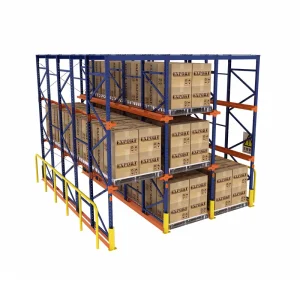
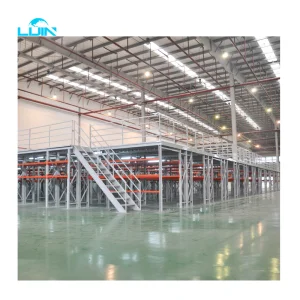
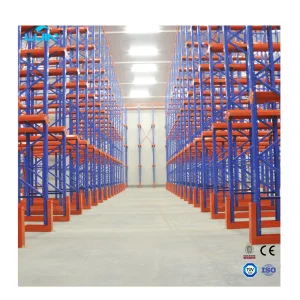
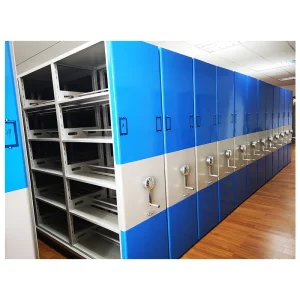
Precision-engineered, heavy-duty industrial storage racks designed for optimized spatial utilization and high-density material handling.
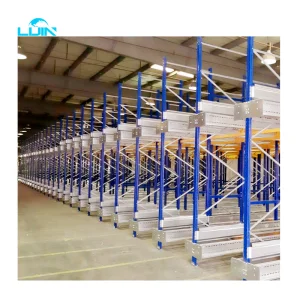
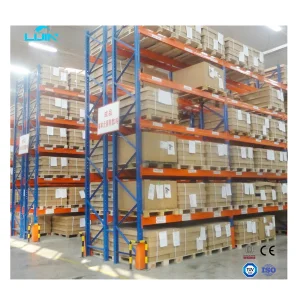
In modern industrial storage, real estate and logistical throughput command supreme focus. Warehousing facilities globally are migrating away from standard Selective Pallet Racking (width of 3.5m to 4.5m) to Very Narrow Aisle (VNA) systems. By reducing aisle widths to 1.5m - 1.8m, companies can capture up to 50% spatial efficiency improvements, radically optimizing cost-per-pallet metrics across e-commerce, chemical, food, and manufacturing sectors.
Unlike traditional wide-aisle options, narrow aisle layouts utilize special material handling equipment like swing-reach trucks or wire-guided AGVs (Automated Guided Vehicles). This technology shifts the load orientation sideways, removing the space required for turning the forklift itself. Standard vertical spaces can now rise securely past 15 meters, maximizing storage capacity and optimizing volumetric efficiency.
Investing in narrow aisle configurations translates directly to:
• Lower overall warehouse construction costs.
• Enhanced pallet access speeds with 100% SKU selectivity.
• Compatibility with advanced Warehouse Management Systems (WMS).
• Significant reduction in operator damage due to wire-guided or rail-guided safety mechanisms.
A trusted global supply chain partner, engineering heavy-duty storage racks and high-density industrial systems with verified expertise and material excellence.
Shenzhen Lijin Storage Equipment Co., Ltd. has established itself as an industry leader in engineering and exporting durable, high-density warehousing systems. Our 35,000 m² state-of-the-art facility features automated robotic welding and precision roll-forming lines. With 8 years of dedicated export experience, we ensure international structural codes (such as FEM, RMI, and AS4084) are systematically integrated into every project.
Our commitment to excellence is supported by an internal team of 35 Quality Control professionals and 28 seasoned R&D engineers. We designed over 85 customized dynamic storage configurations last year, helping logistics hubs, cold chains, and 3PL providers optimize their spatial efficiency and improve operational workflows.
Our manufacturing facility in China leverages localized supply chains, deep manufacturing infrastructure, and proximity to major shipping ports to deliver exceptional quality and competitive pricing. We source high-grade structural carbon steel directly from leading domestic mills (such as Baosteel, utilizing Q235B and Q355B structural steel). This provides a resilient, cost-controlled material foundation that is highly resistant to fatigue and structural deformation.
By leveraging specialized tooling, high-precision roll-forming systems, and automated electrostatic powder coating lines, we maintain dimensional tolerances within fractions of a millimeter. This level of precision is critical when installing VNA upright frames, where vertical alignment directly affects the safety and operation of high-lifting mast trucks.
Additionally, our proximity to major ports (Shenzhen/Guangzhou) minimizes ocean transit logistics costs. Over 850 strategic supply chain partnerships worldwide ensure reliable shipping schedules, simplified customs handling, and consistent project delivery timelines.
As logistics operations become increasingly automated, the technical requirements for industrial racking continue to rise. Our design process anticipates the needs of modern distribution facilities, ensuring structural compatibility with advanced material handling equipment.
Our VNA systems feature high-accuracy baseplates, precision guide rails (both mechanical and inductive/magnetic wire guidance systems), and tight tolerances required for laser-guided AGVs. This minimizes alignment variation, enabling automated vehicles to operate continuously without interruption.
Using finite-element analysis (FEA) software, our engineers simulate seismic behavior based on local zone ratings. Dynamic structural designs are modified to include thicker steel, optimized brace nodes, and larger floor anchors, ensuring high-altitude structural stability.
For applications in cold chain and pharmaceutical storage, we apply specialized, impact-resistant hybrid powder coats. These coatings prevent embrittlement and corrosion in sub-zero environments (down to -30°C), extending the lifetime of the steel structure.
Different industries require unique structural adjustments. Here is how Shenzhen Lijin adapts its racking configurations to meet specific sector needs:
For sub-zero food and beverage storage, utility costs are extremely high. Utilizing high-bay VNA racks optimizes volumetric density, reducing the energy needed per cubic meter of cooled air. Galvanized or epoxy-coated shelves prevent rust formation from temperature cycles.
High-turnover SKU setups require simultaneous vertical reach and individual pallet accessibility. By implementing VNA configurations with customized deck options (wire mesh or steel shelving), operations can scale up SKU storage density without compromising fast order pick times.
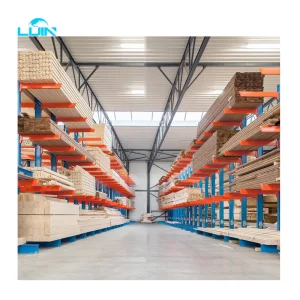
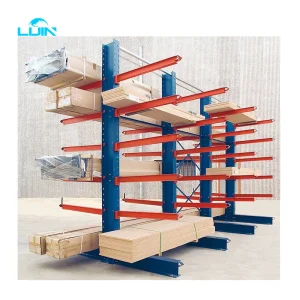
For long, non-standard items like industrial pipes, sheet metal, and construction rebar, our heavy-duty cantilever racks provide clear horizontal access. These systems are built to withstand high structural loads and load impacts from large lift trucks.
Precision manufacturing is essential for structural safety. Below are the key manufacturing steps and processing equipment utilized in our facility to ensure consistent, high-quality output:
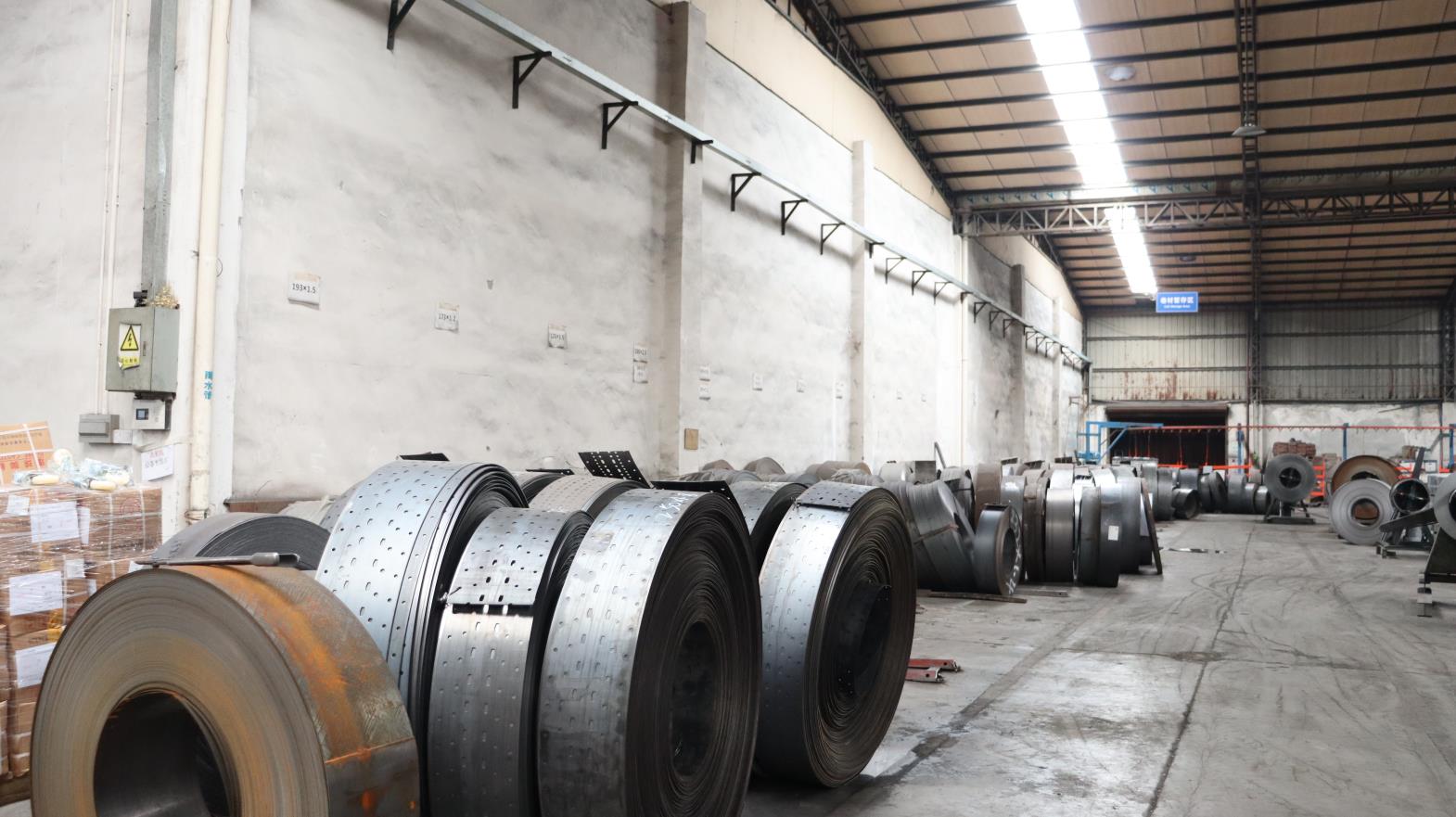
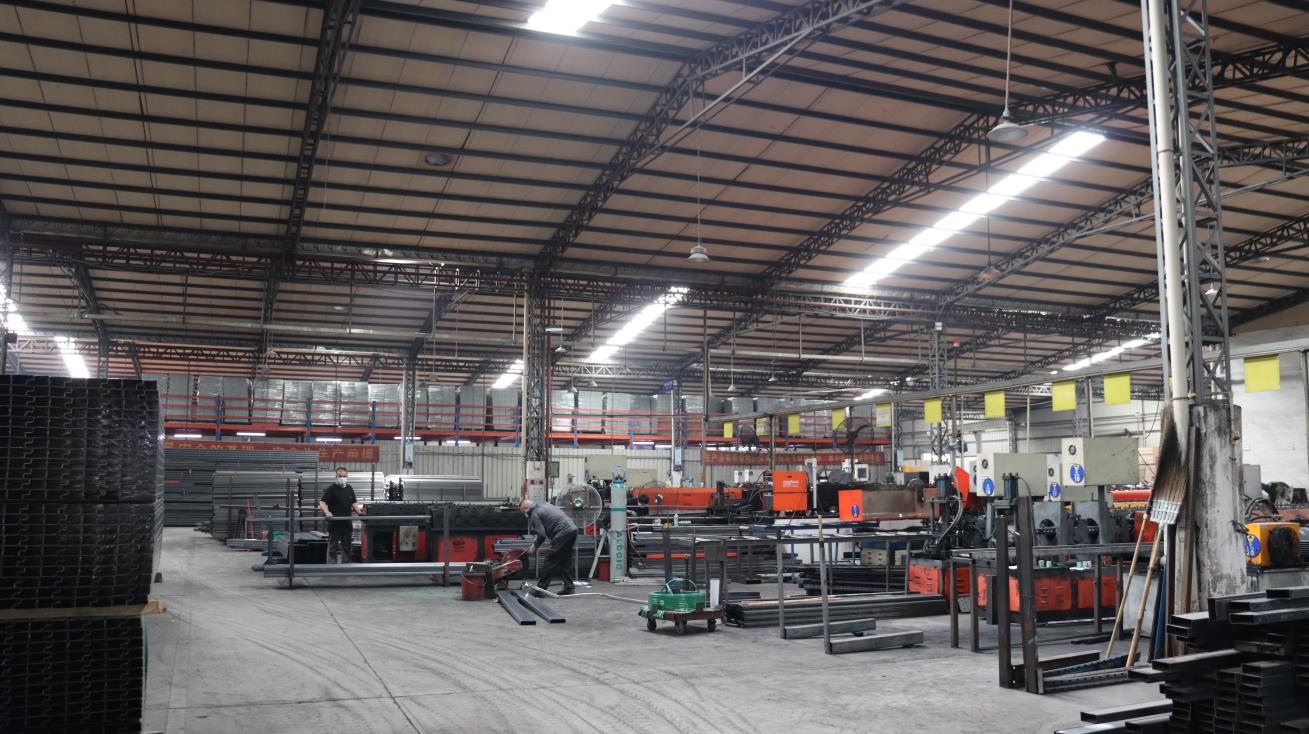
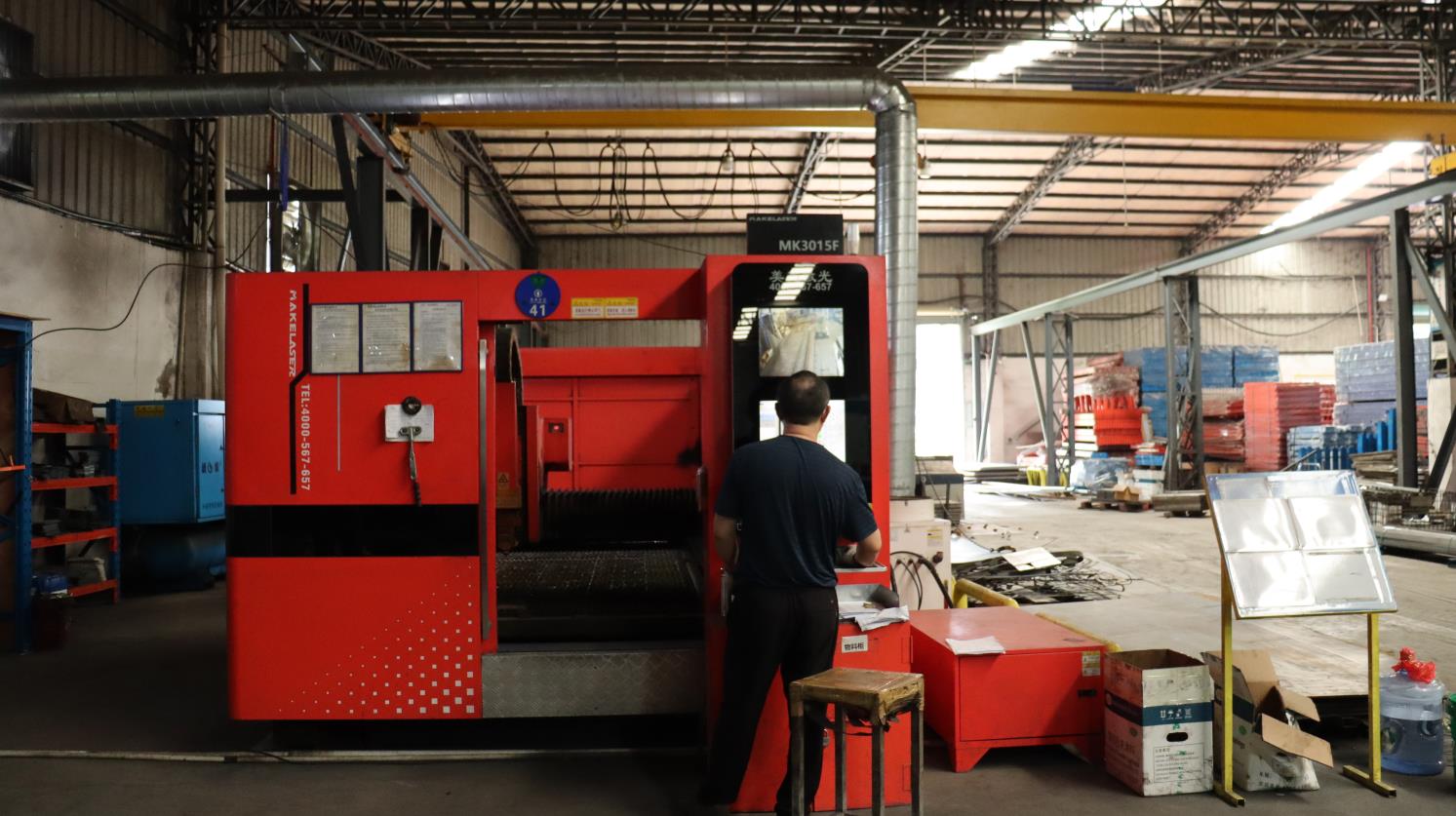
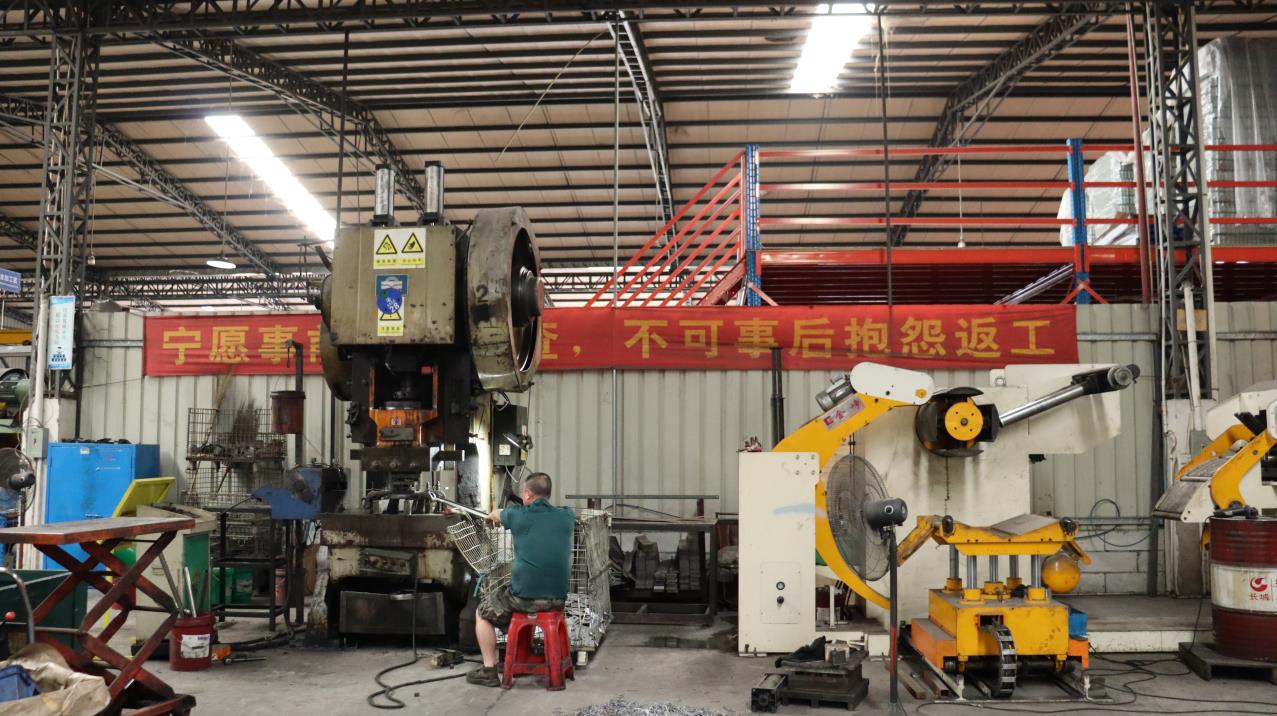
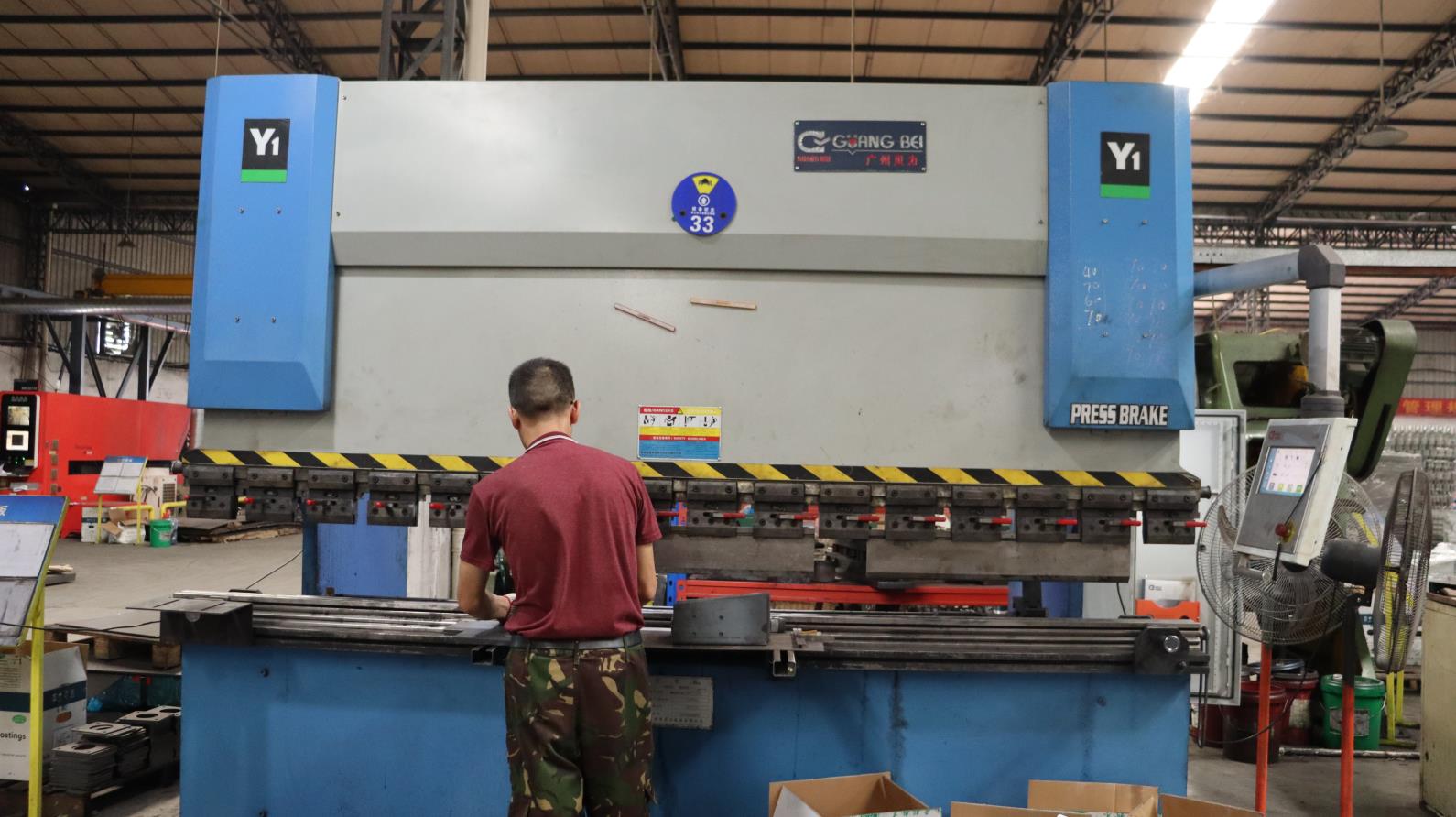
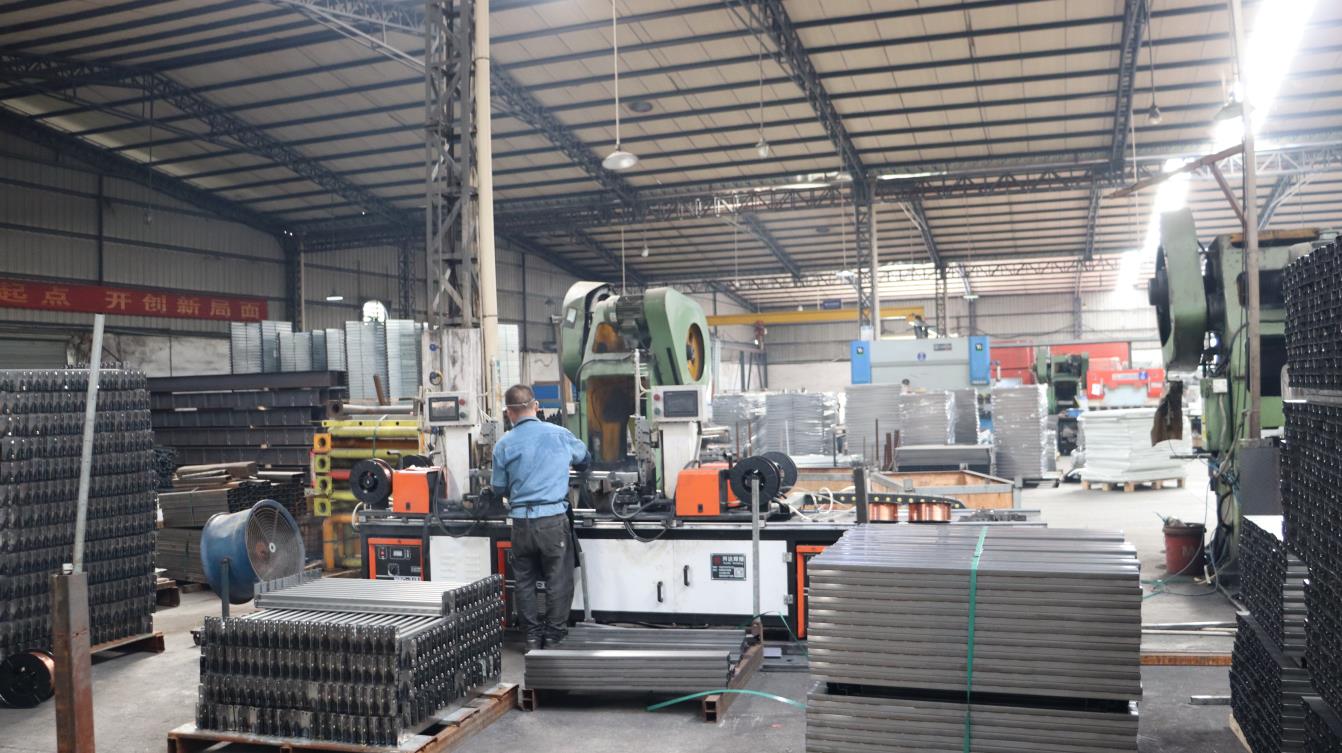
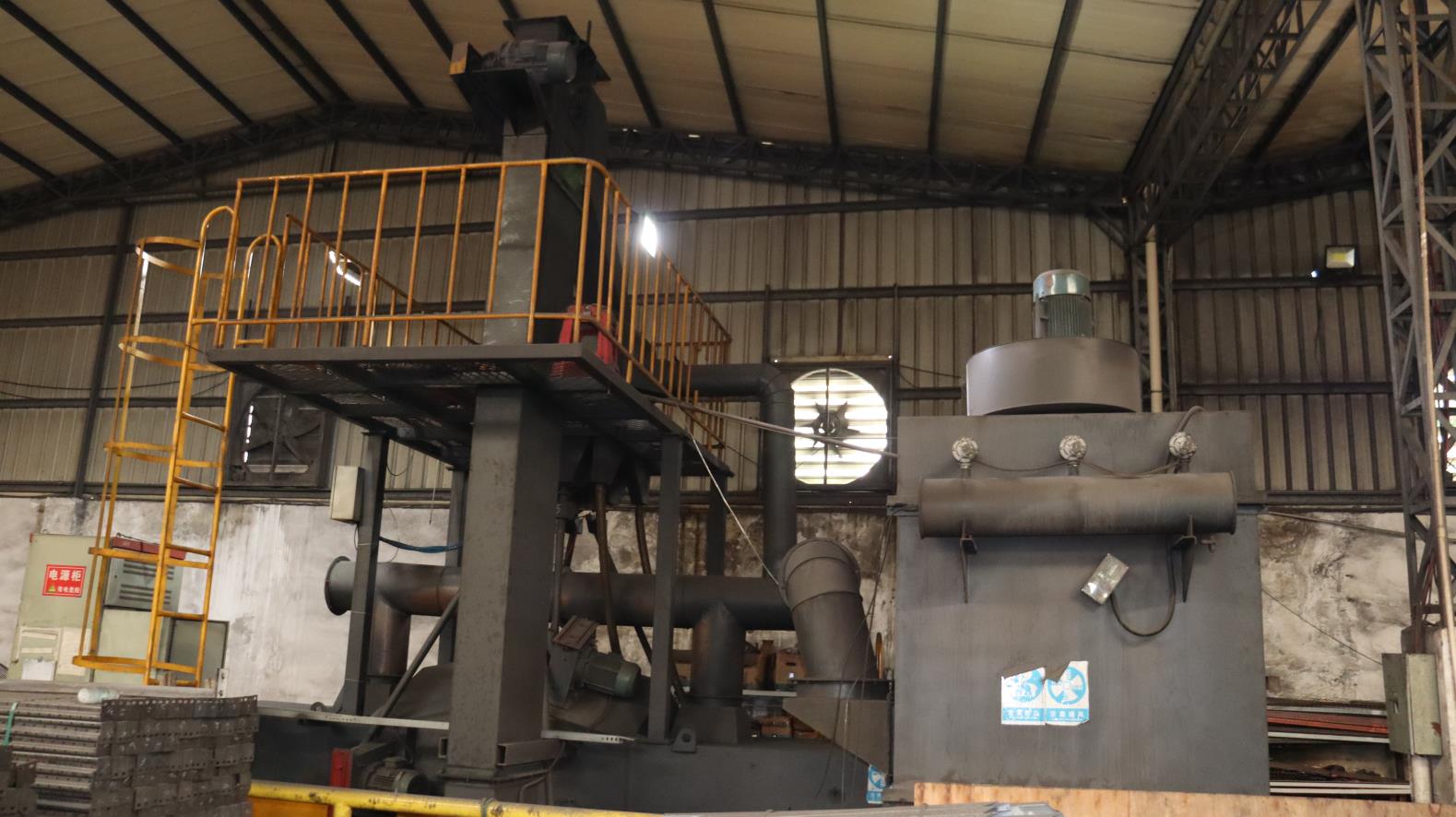
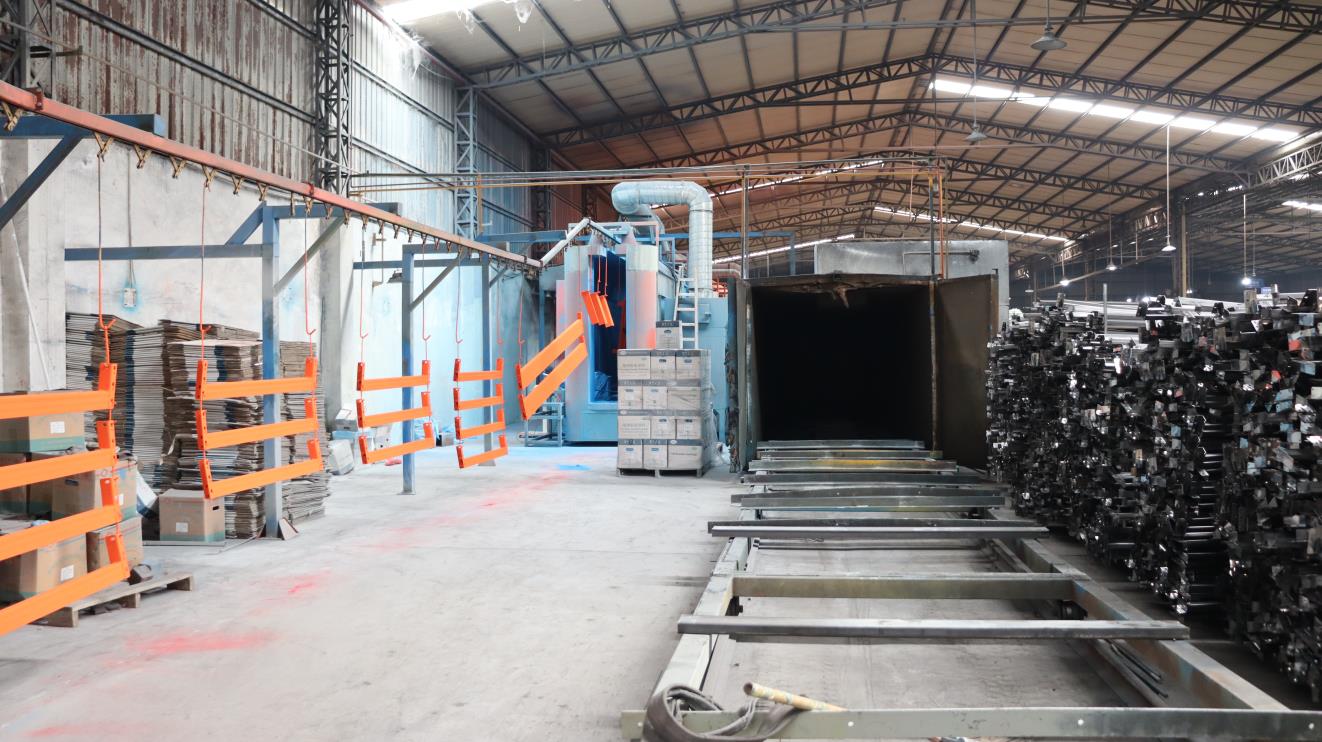
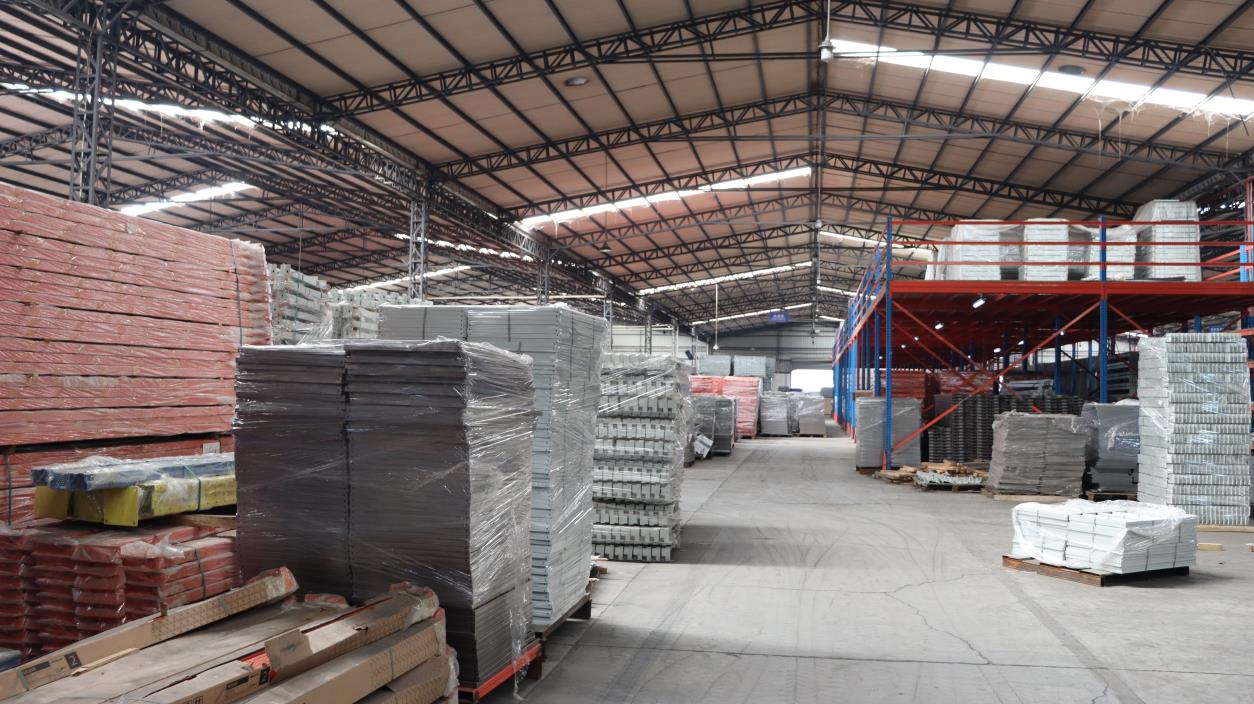
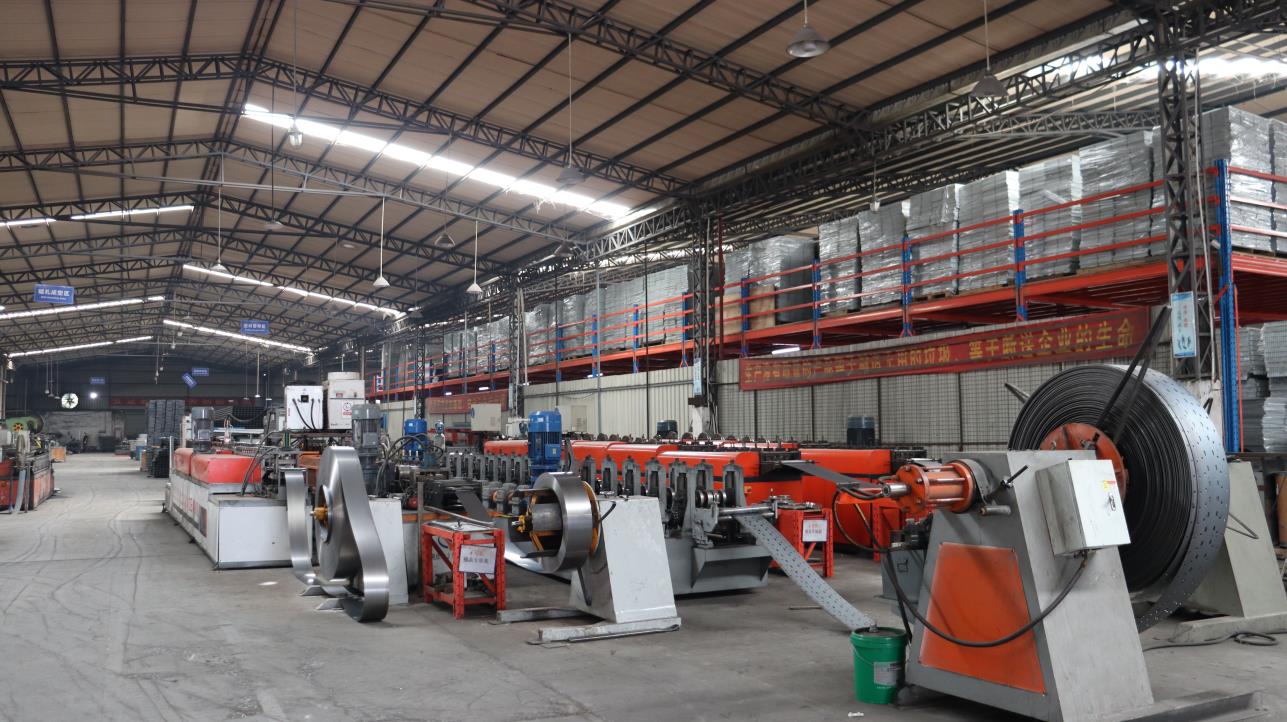
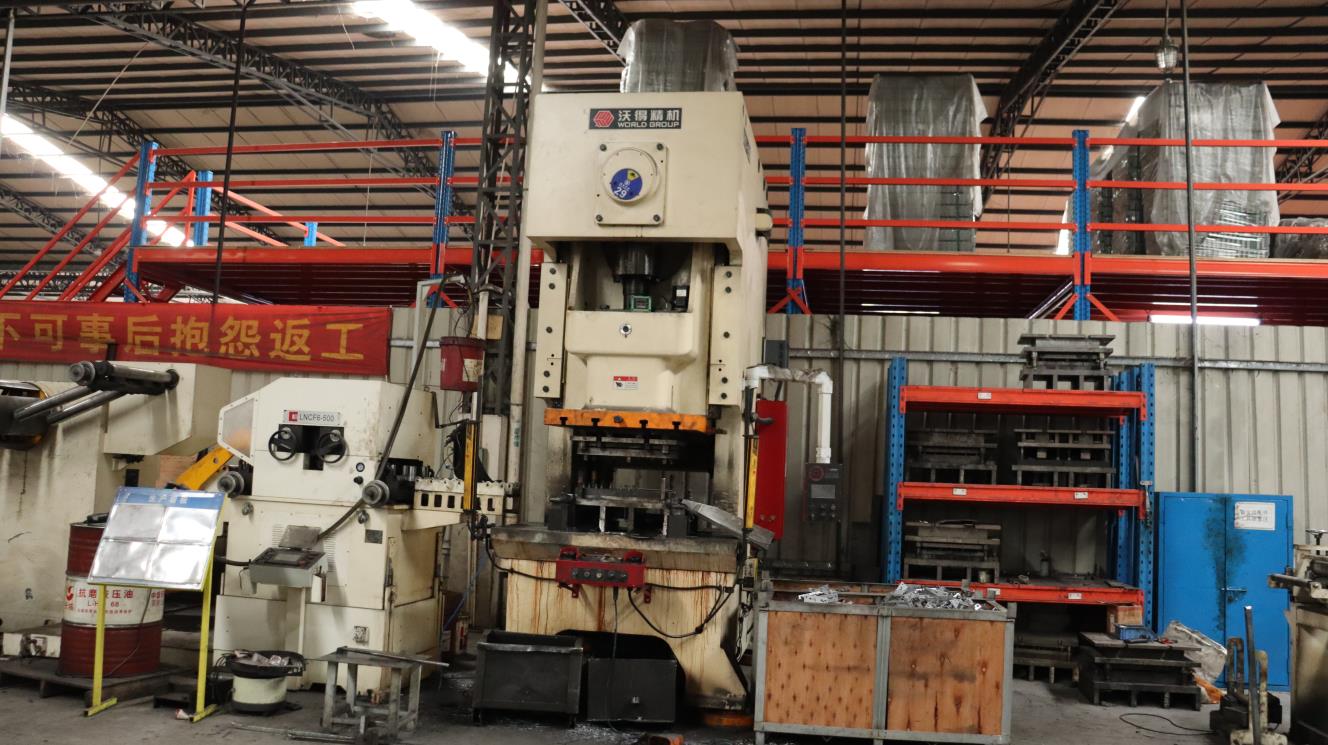
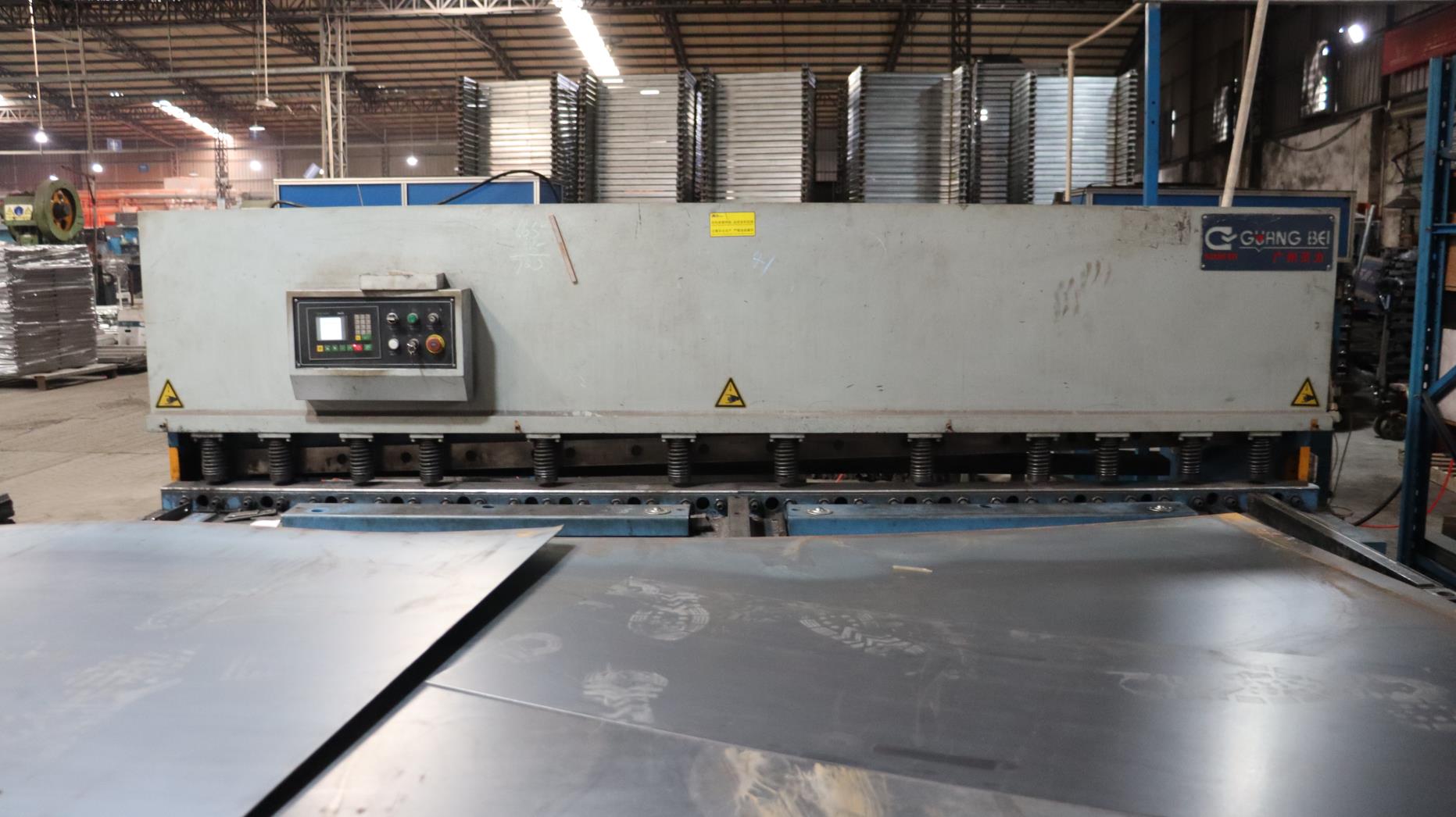
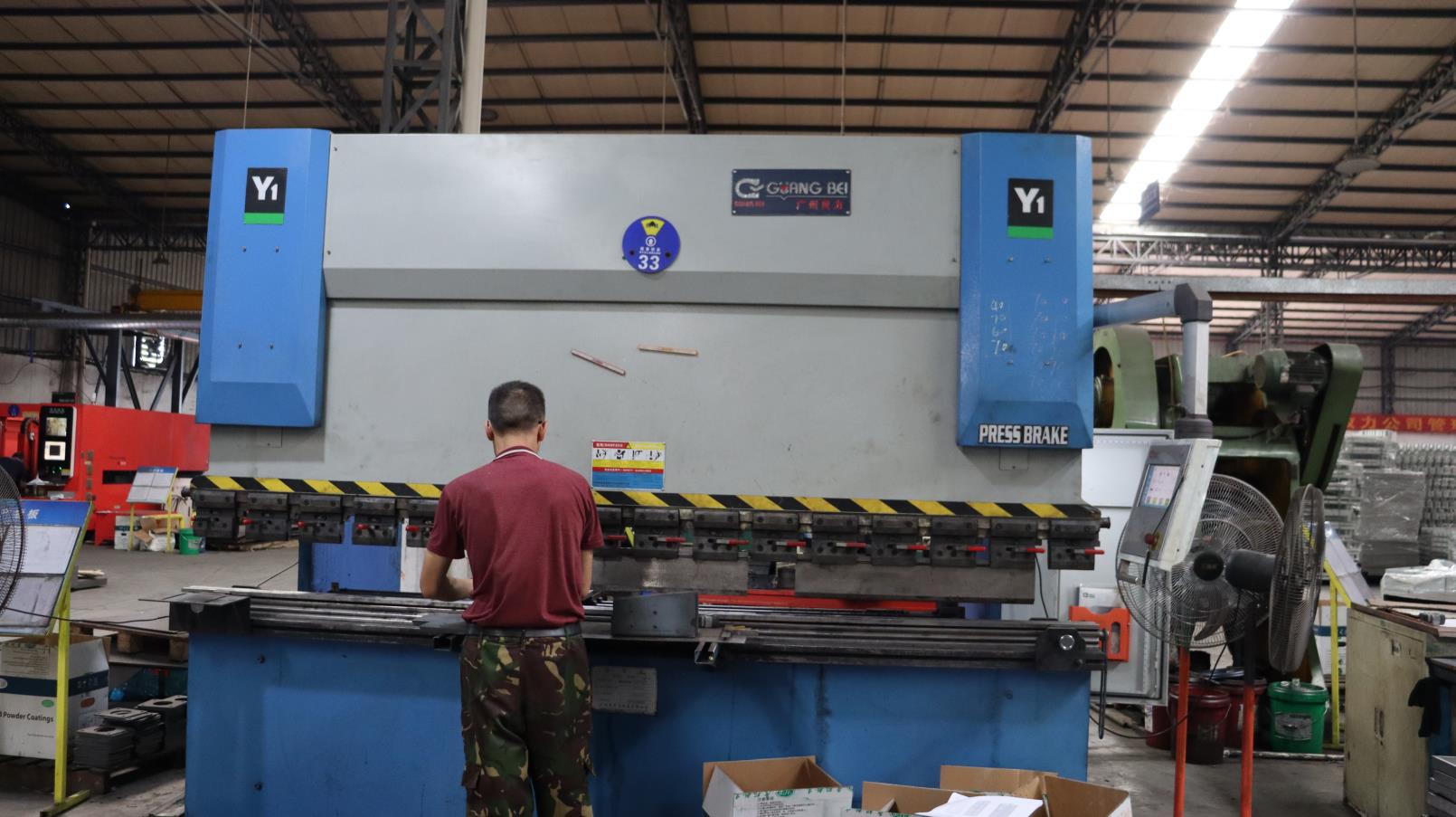
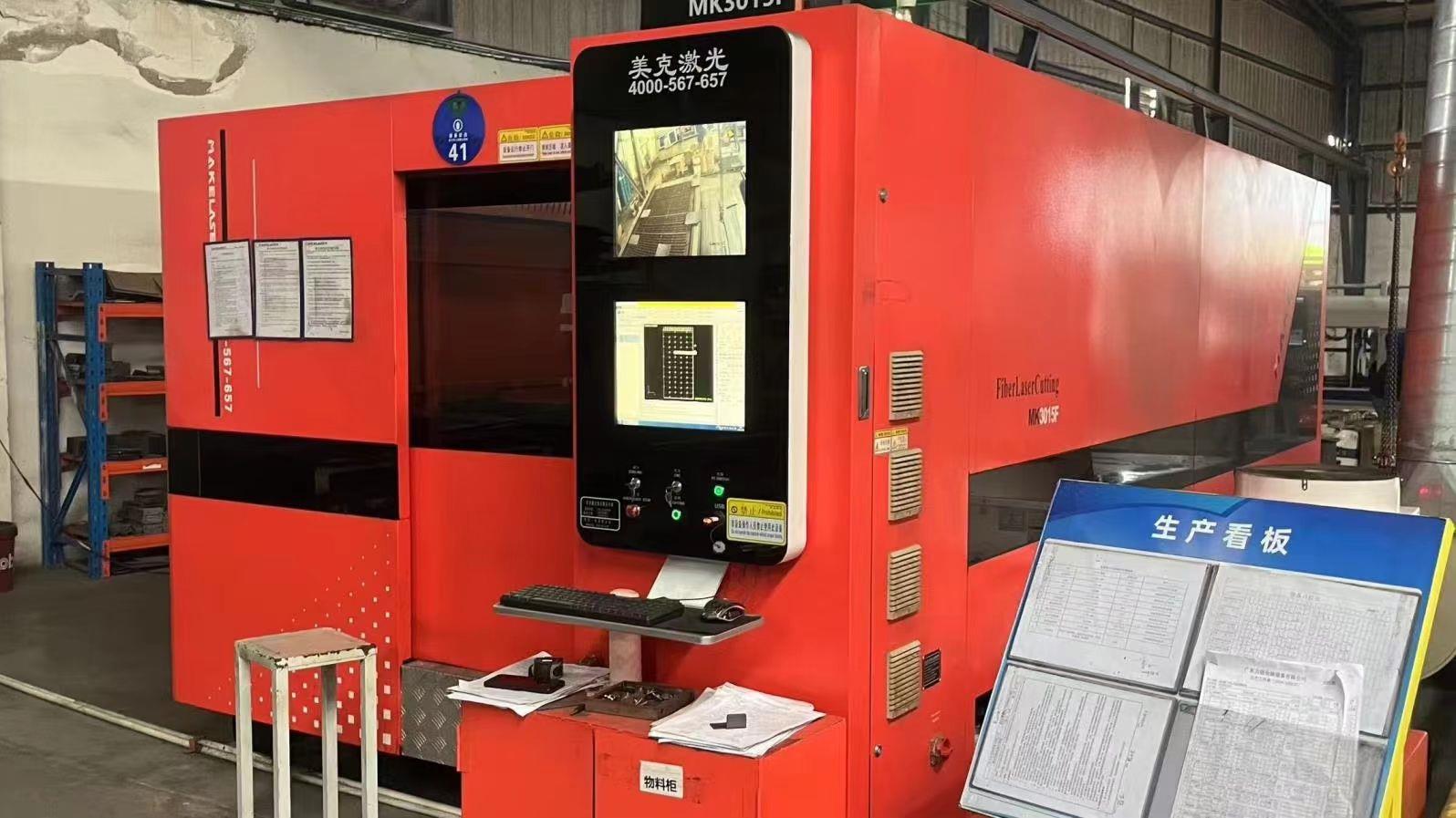
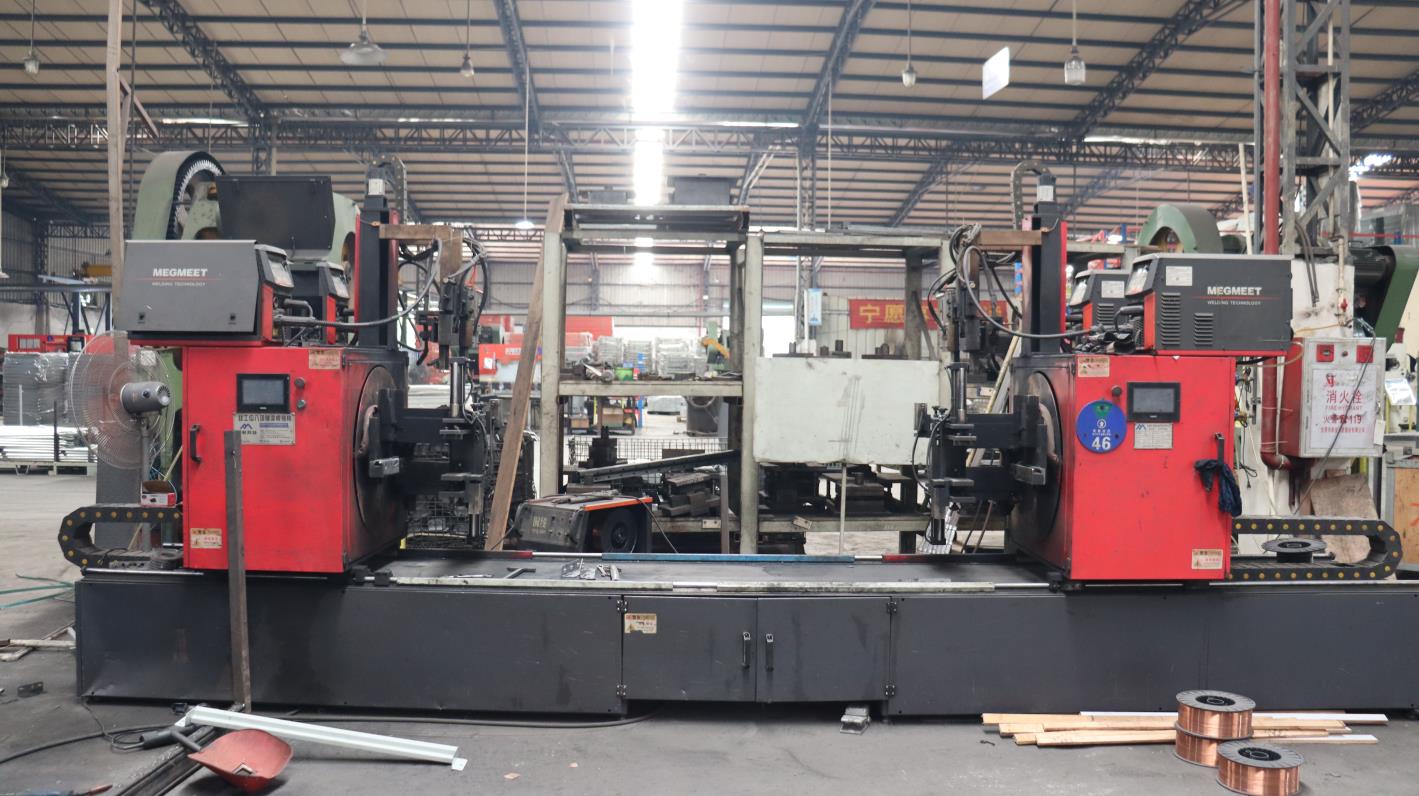
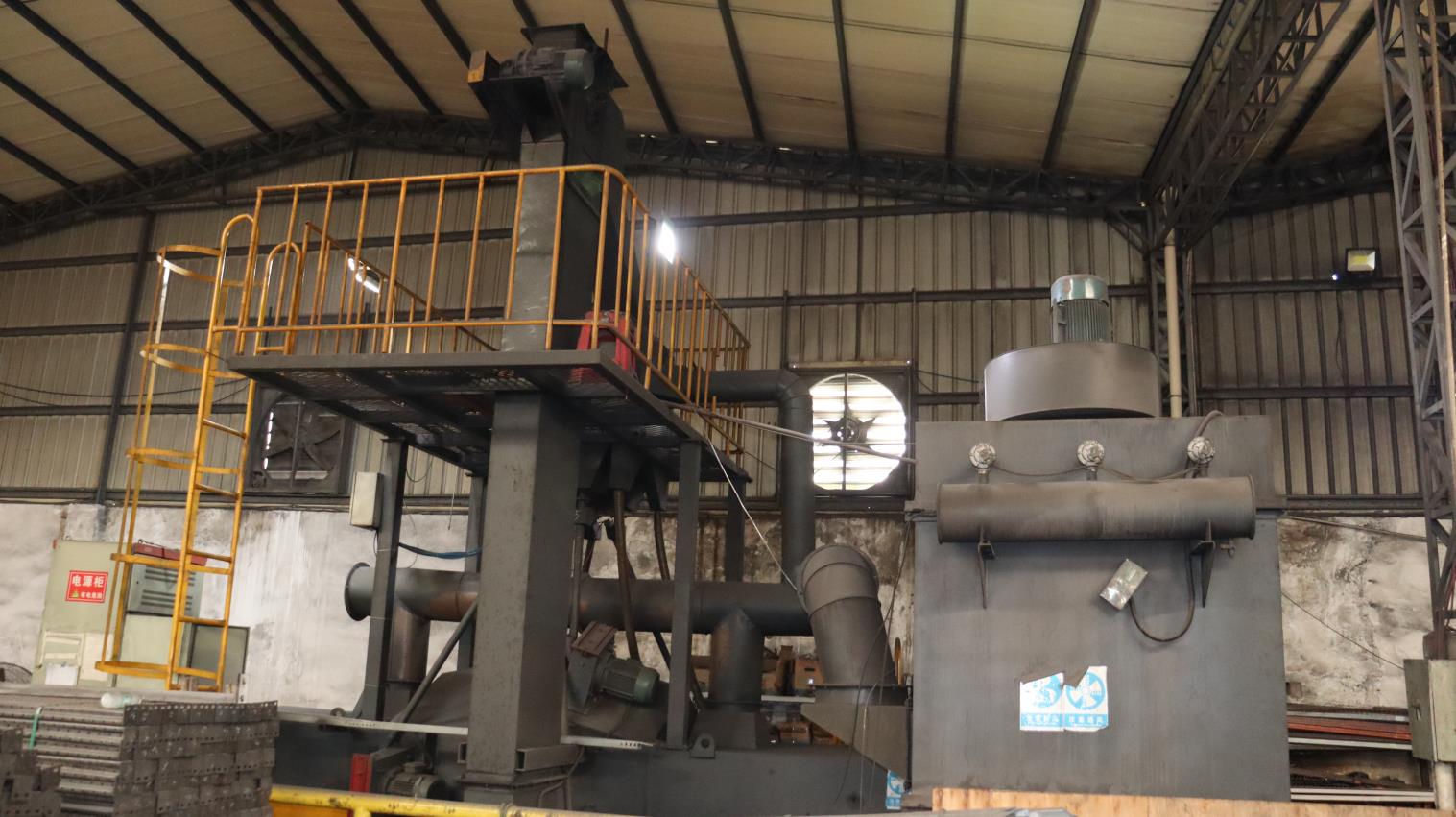
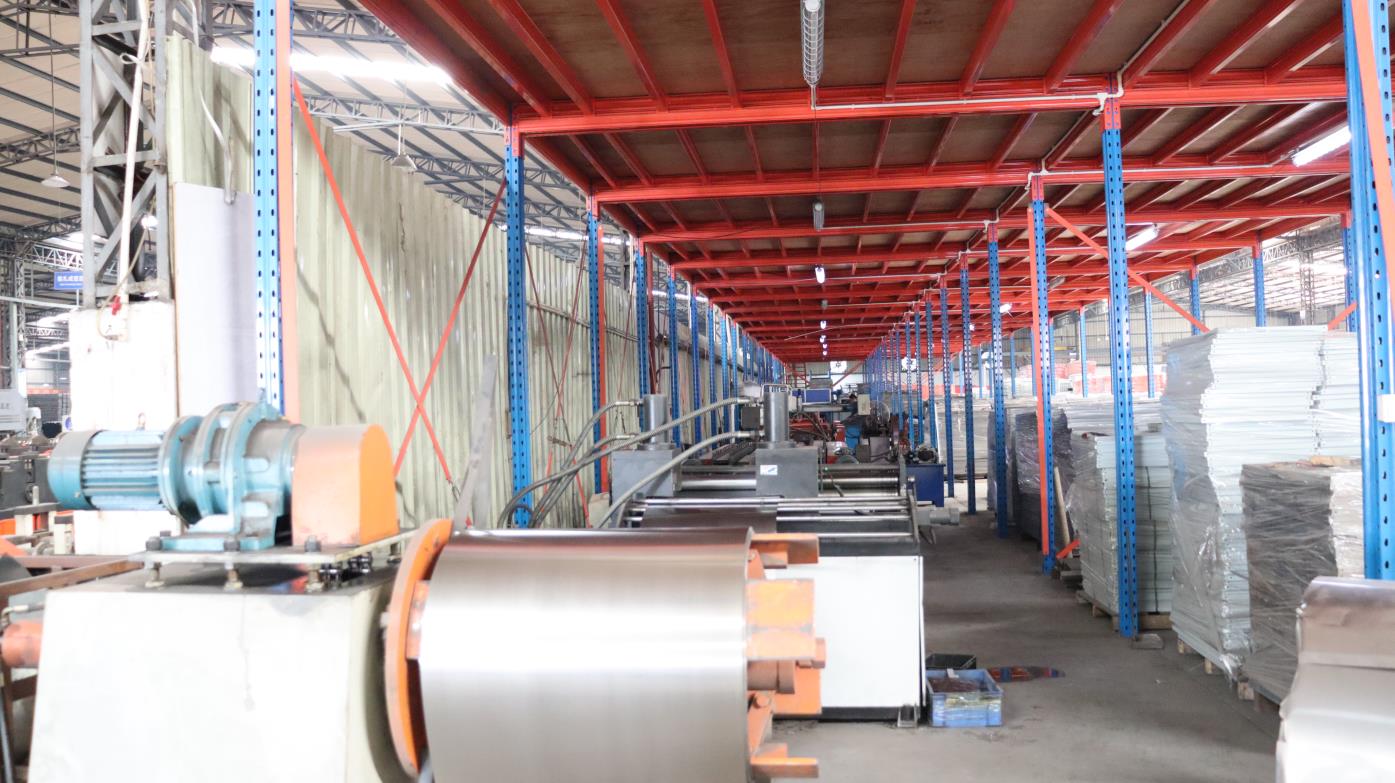
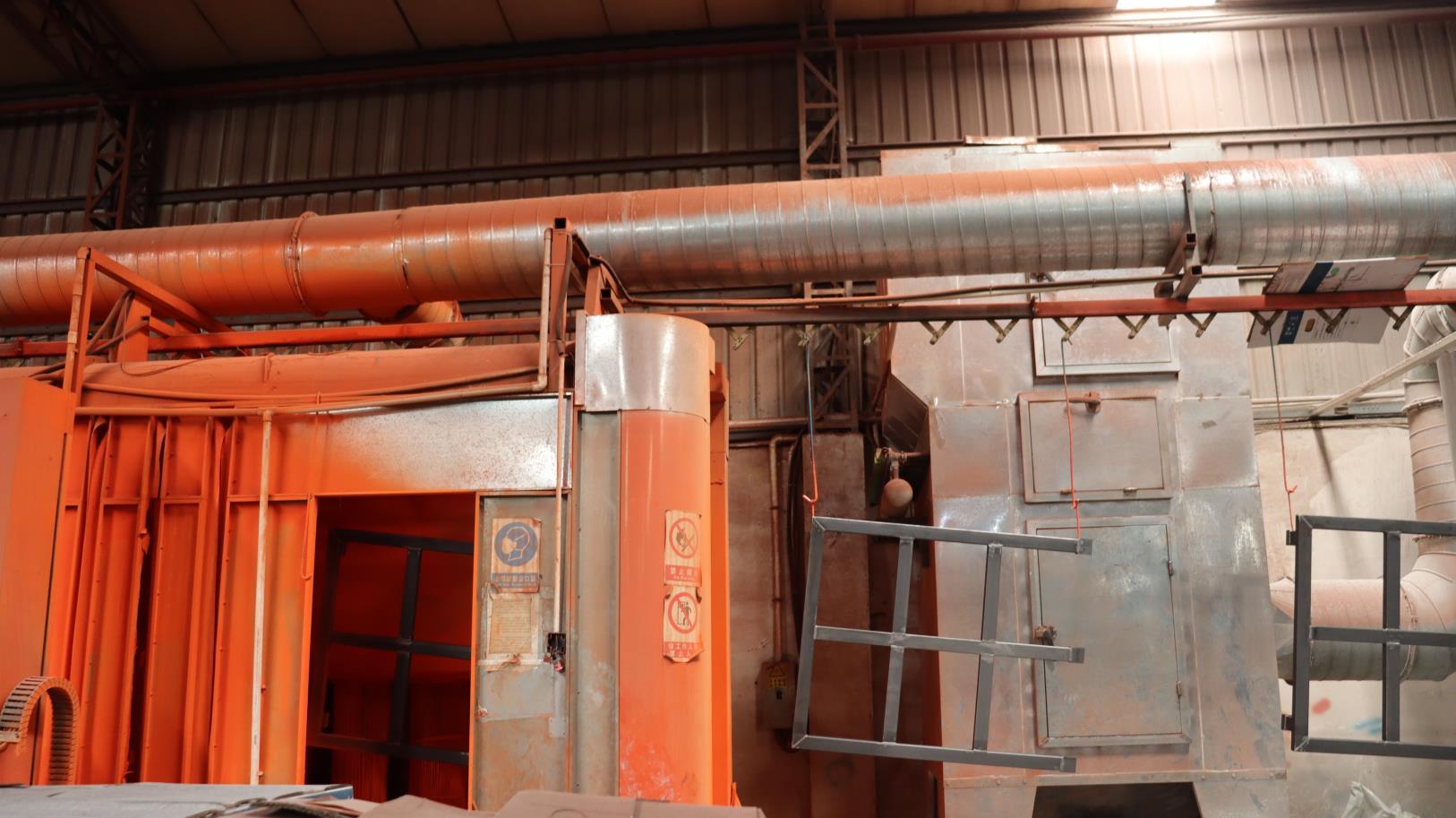
Industrial storage systems handle significant weight at considerable heights, making quality control a critical safety concern. Shenzhen Lijin ensures every manufactured batch meets rigorous safety standards before export.
Our quality verification team carries out material tests, including:
• Ultrasonic weld testing to ensure structural integrity.
• Precise thickness measurements to confirm load-bearing capacity.
• Salt spray tests to verify corrosion resistance.
• Structural deflection testing under heavy loads.
We build our warehouse solutions to meet regional and global standards, ensuring easy installation and regulatory compliance:
• FEM 10.2.02: European Code of Practice for industrial pallet racking.
• RMI Standards: Rack Manufacturers Institute specifications for structural safety.
• AS4084-2012: Australian Steel Storage Racking standards.
Key technical considerations and answers for engineers and project managers planning warehouse layout upgrades:
Explore our complete range of customizable warehouse products, manufactured to high standards for worldwide export.
 Lijin Racking