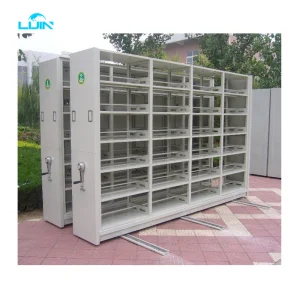
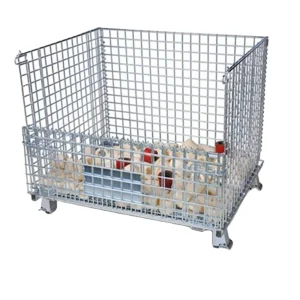
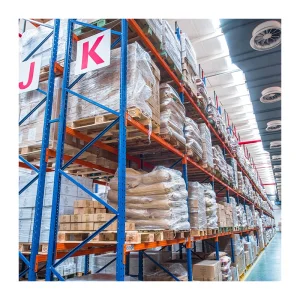
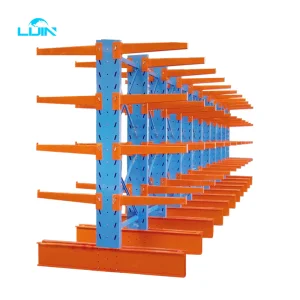
Premium industrial solutions optimized for dynamic load distributions and space optimization.
How modularity, supply chain velocity, and smart warehouse optimization are reshaping material handling.
Modern industrial supply chains demand extreme flexibility. The traditional paradigm of static storage racking is rapidly shifting towards modular, dynamic, and foldable systems. Across industries such as third-party logistics (3PL), e-commerce fulfillment, automotive part management, and emergency response, facility managers are seeking storage fixtures that can scale up or fold flat in minutes. By utilizing space-saving, collapsible metal shelving and toolless assembly frameworks, companies can reclaim up to 80% of floor space during off-peak seasons.
This macro industry evolution is driven by several key indicators. First, the cost of warehouse floor space has escalated globally, making footprint efficiency a primary KPI. Second, shipping volumes fluctuate dynamically due to seasonal demands. Foldable shelving allows facilities to deploy temporary picking zones rapidly and collapse the structures back into compact storage when the surge subsides. This flexibility reduces return-logistics costs and simplifies spatial restructuring.
Collapse-ratios exceeding 4:1 enable massive reductions in storage footprints when units are out of deployment cycle.
Flat-packed logistics profiles ensure maximum container utilization, saving up to 40% on intercontinental shipping fees.
Patented pin-locking and knuckle-joint interfaces allow rapid deployment without requiring specialized toolkits or skilled technicians.
What enterprise-level buyers prioritize when vetting international steel storage suppliers.
For procurement officers in major logistics hubs, material safety is paramount. Sourcing foldable shelving involves strict evaluation criteria that go far beyond price-per-unit metrics. Systems must demonstrate structural integrity under load, stability in seismic zones, and compatibility with automated warehouse operations (AGVs and AMRs). Key international testing paradigms such as ANSI/MH16.1 (RMI) and EN 15512 regulate rack load capacities, making certified engineering compliance a gatekeeper for global trade.
Furthermore, sourcing managers must map global vendor options to limit lead times and custom packaging requirements. Reliable global supplier footprints allow multi-national firms to standardize warehouse setups across continents. Reliable surface finishes, like high-durability epoxy-polyester powder coatings, are necessary to prevent oxidation in cold-storage and high-humidity marine logistics hubs.
A deep insight into the structural engineering and manufacturing footprint of an industry leader.
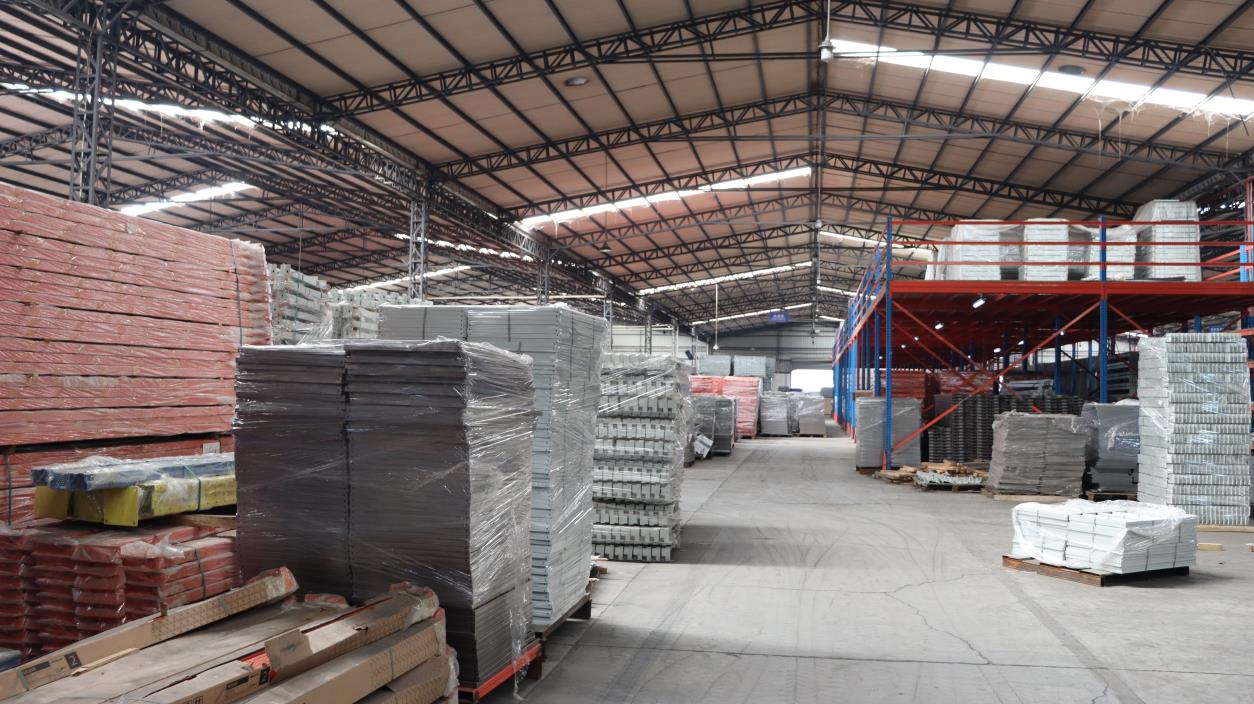
Established in 2015, Shenzhen Lijin Storage Equipment Co., Ltd. is a leading enterprise specializing in the design, manufacturing, and global distribution of heavy-duty warehouse racking systems, automated storage solutions, and industrial shelving. Spanning a state-of-the-art facility of 35,000 m², we have developed into a trusted global supply chain partner with over 8 years of direct export experience and more than 12 years of deep industry expertise. Driven by innovation and quality, our global revenue reached USD 22 million last year.
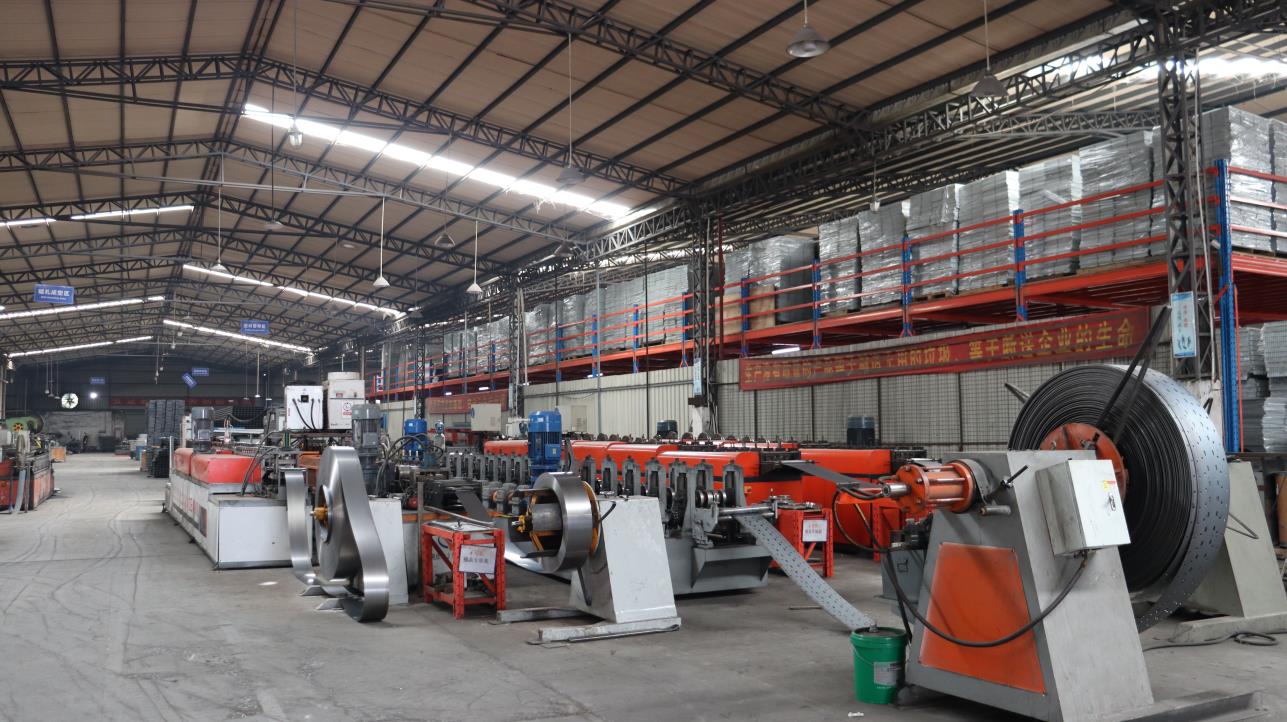
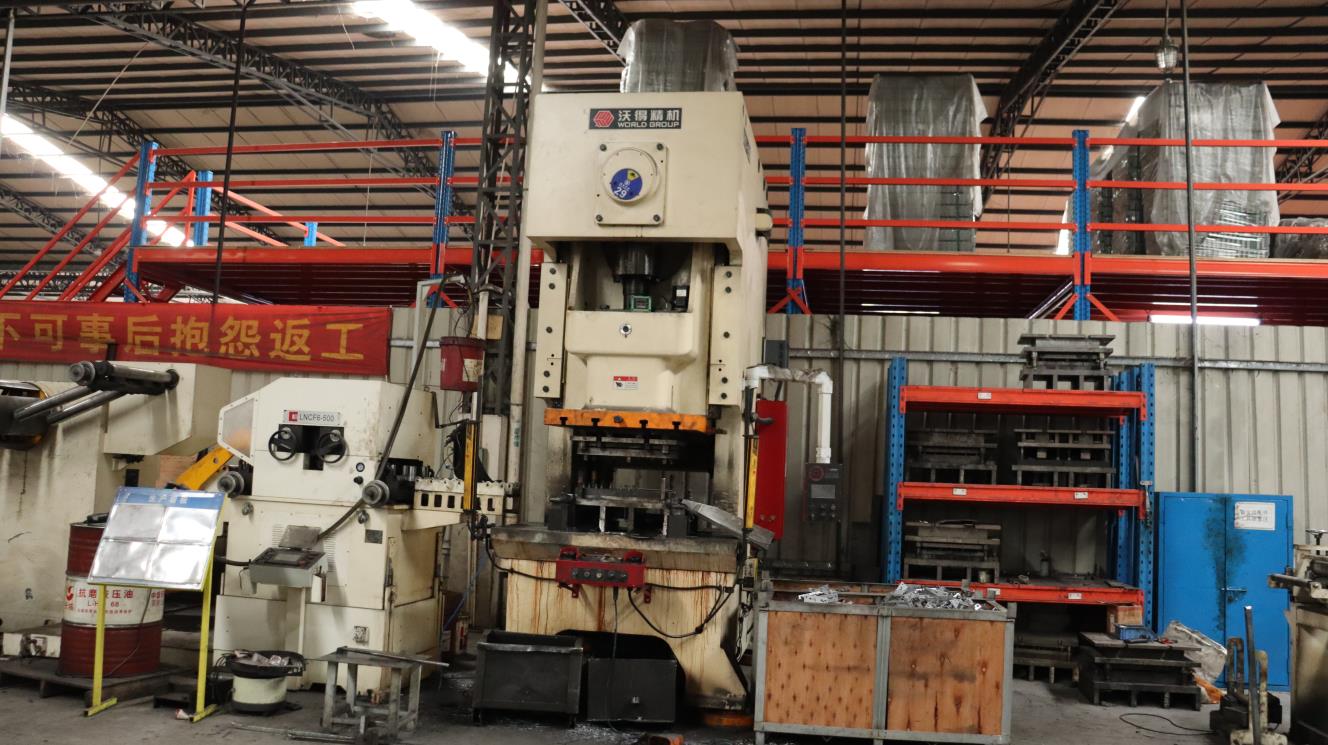
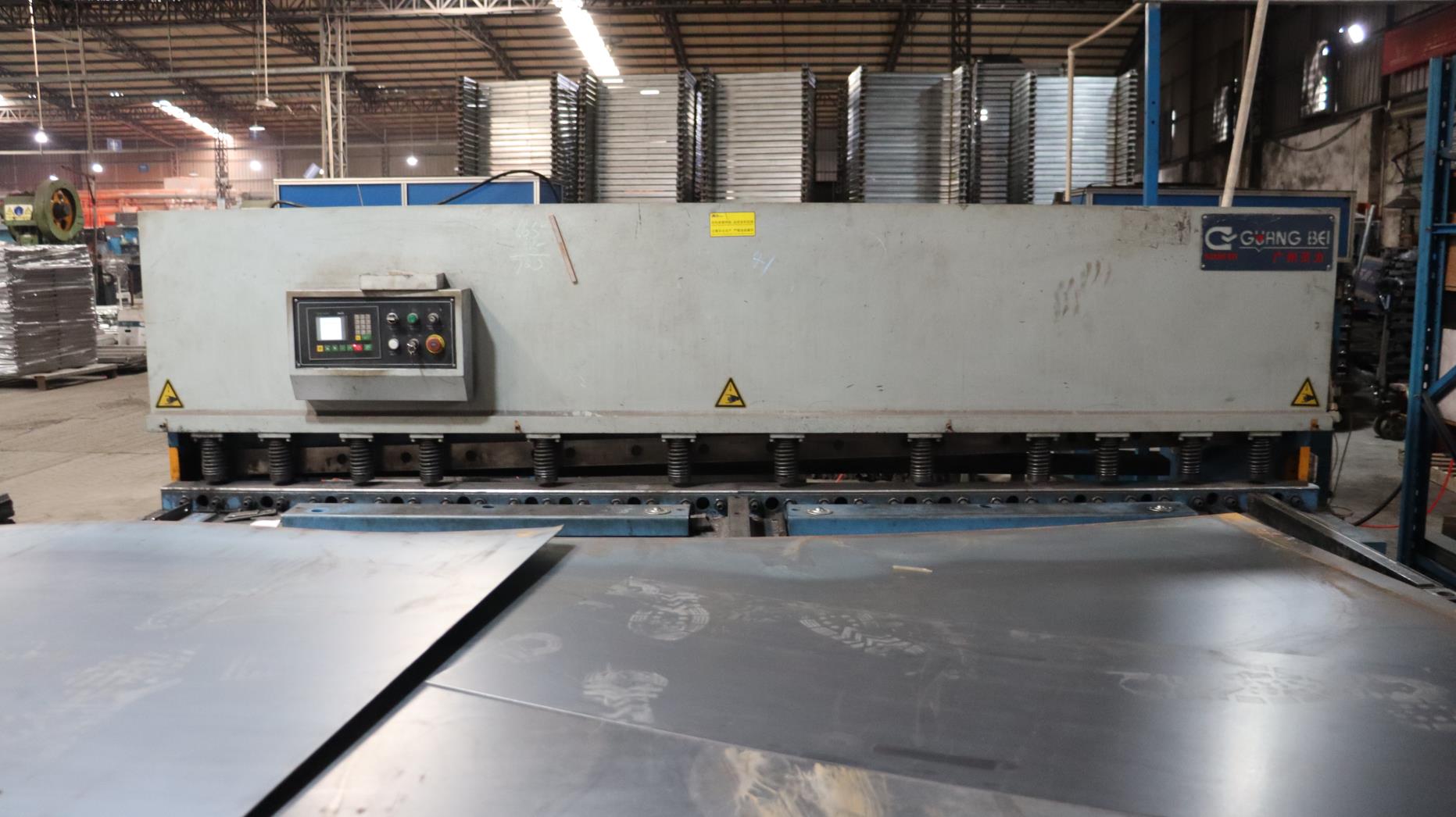
We enforce a rigorous, multi-stage quality control system—including ultrasonic non-destructive testing, automated weld inspection, laser dimensional checking, and heavy-load endurance testing. Backed by an in-house quality inspection team of 35 dedicated professionals, every batch meets international safety and structural standards, ensuring maximum load-bearing efficiency and long-term stability.
Backed by an experienced international trade background, our core markets span North America, Western Europe, Southeast Asia, and the Middle East. We maintain strong strategic relationships with over 850 supply chain partners globally. Our primary clients include large-scale logistics hubs, commercial distributors, third-party logistics (3PL) providers, and industrial equipment wholesalers.
Supported by a skilled team of 28 R&D engineers, Shenzhen Lijin delivers comprehensive OEM and ODM solutions tailored to unique warehouse layouts, seismic requirements, and capacity needs. Our engineering team launched over 85 new products and dynamic storage configurations last year, continuously setting new standards in space optimization and modern automated storage integration.
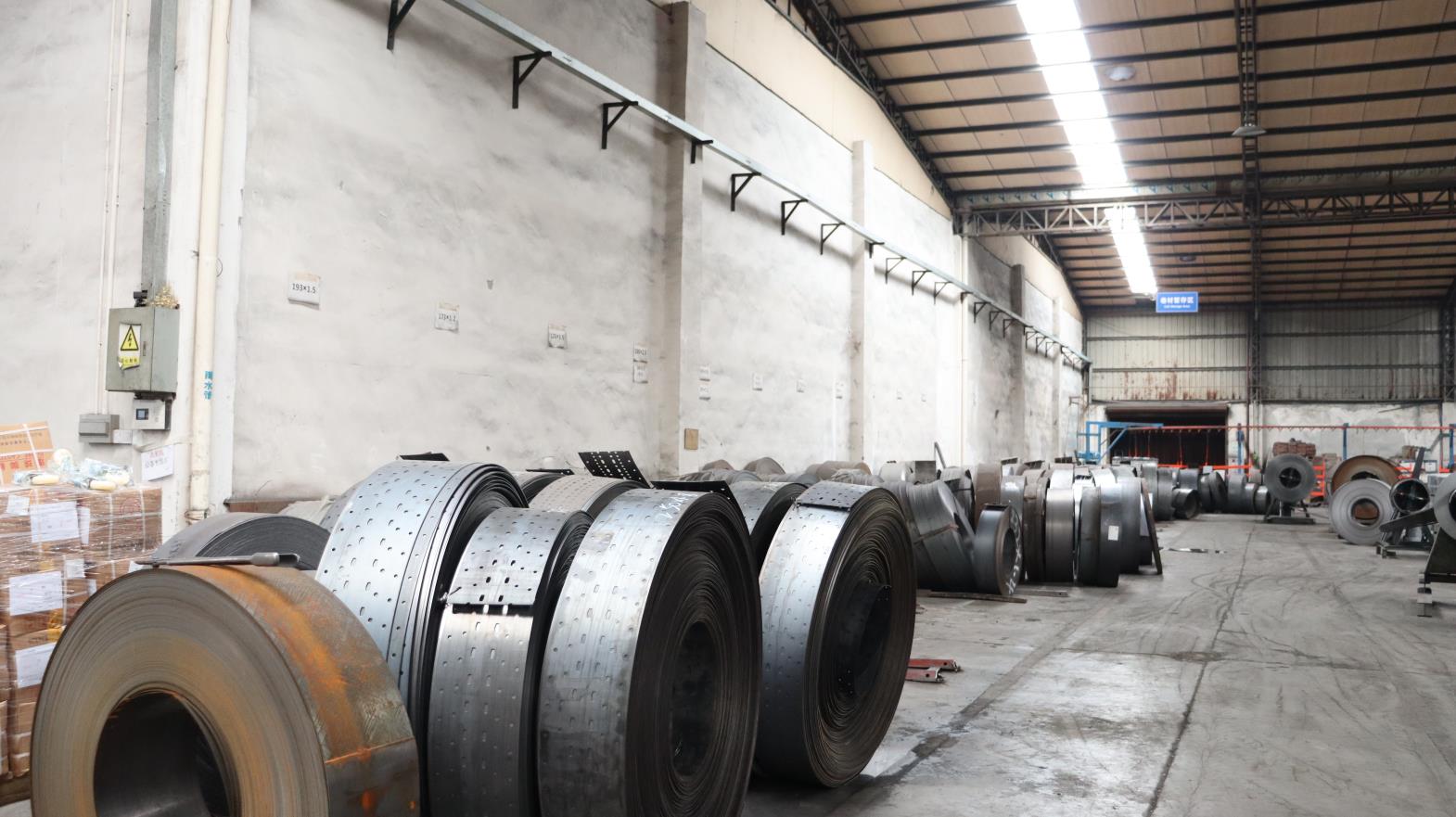
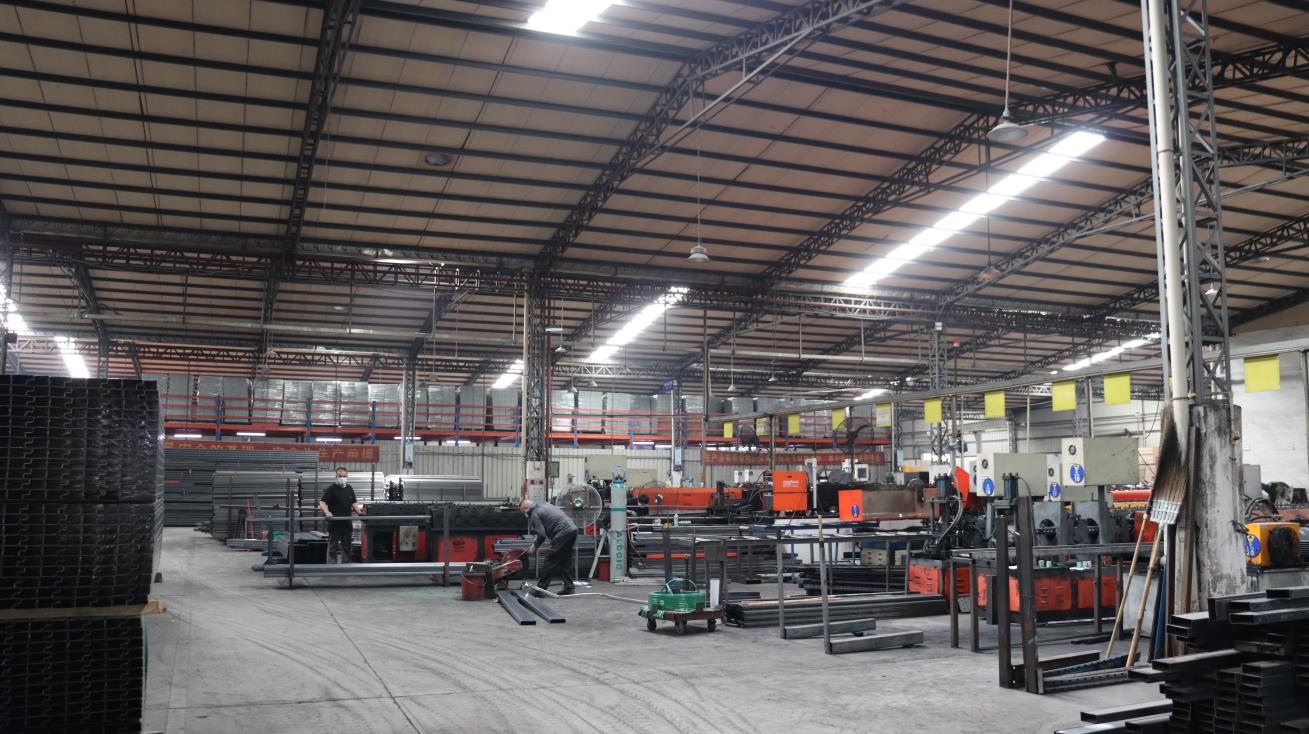
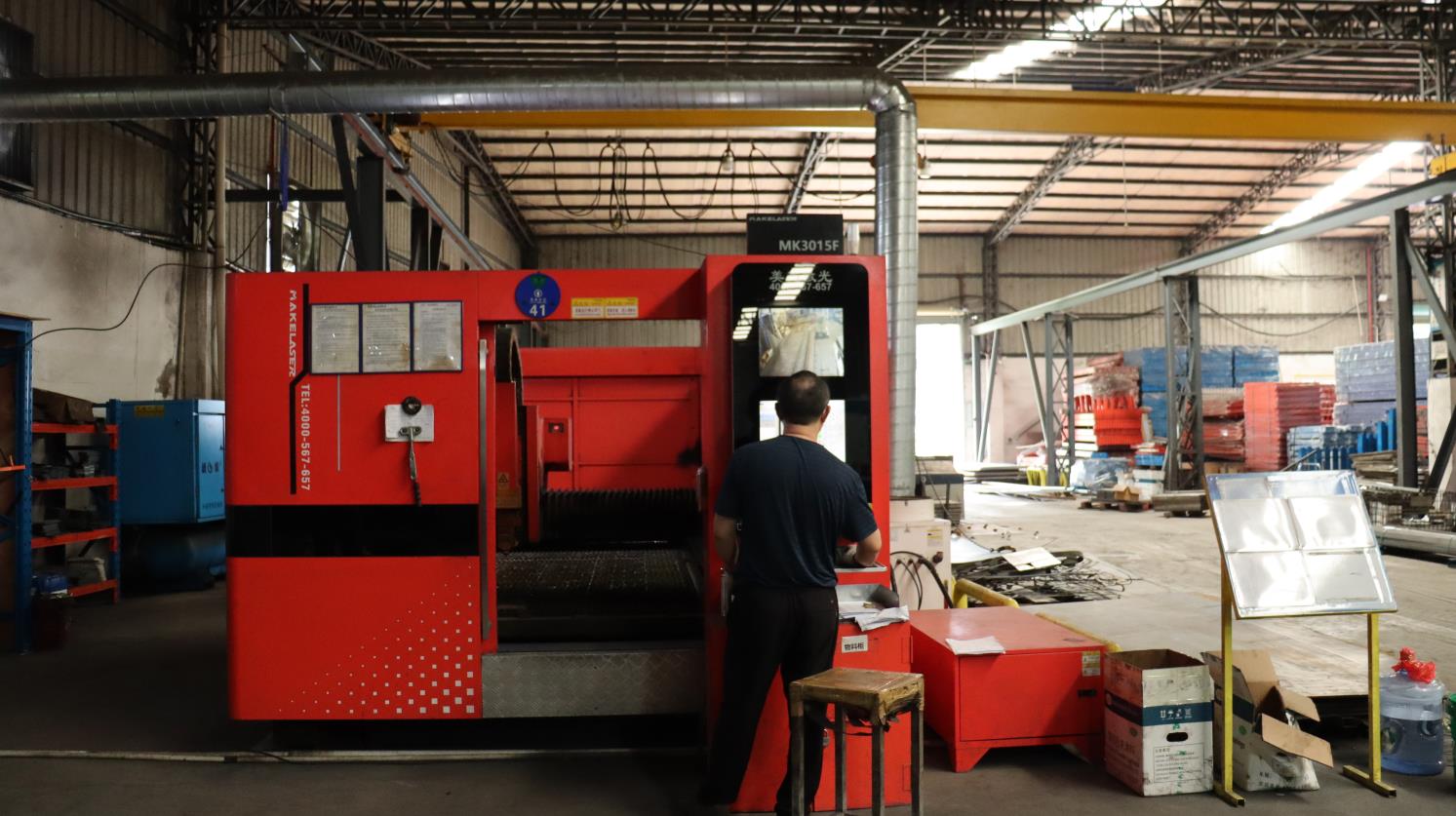
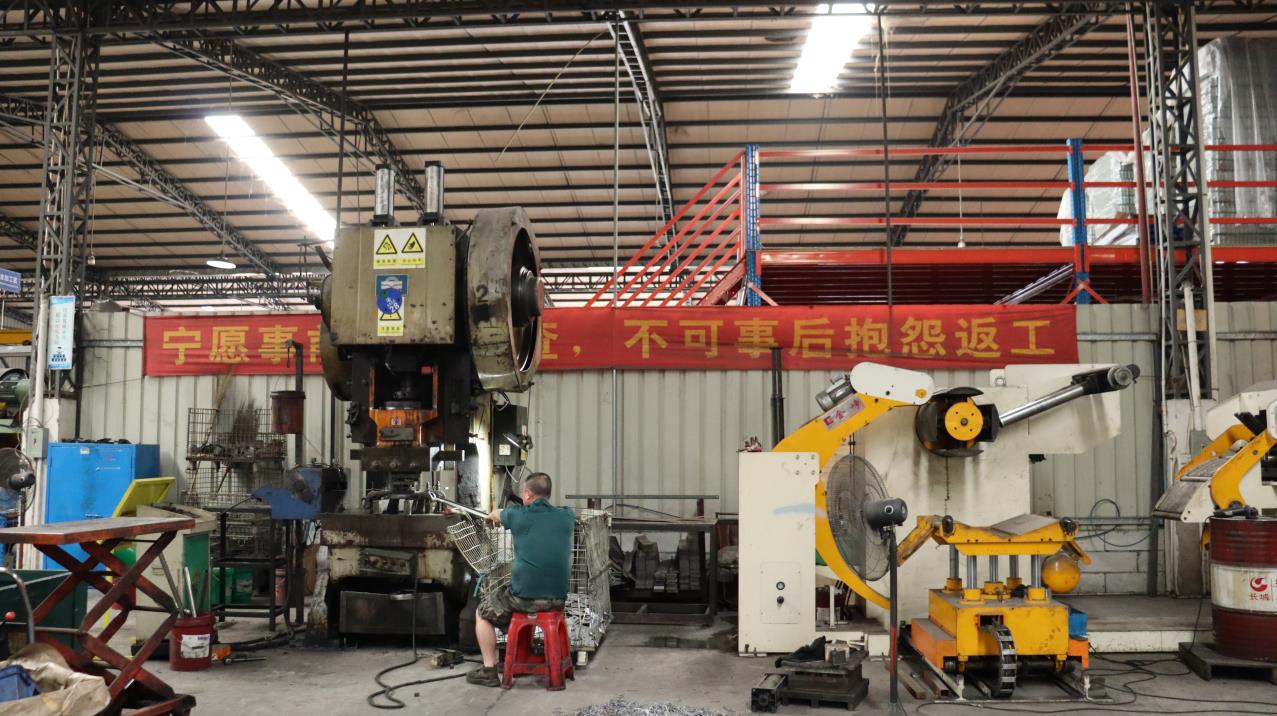
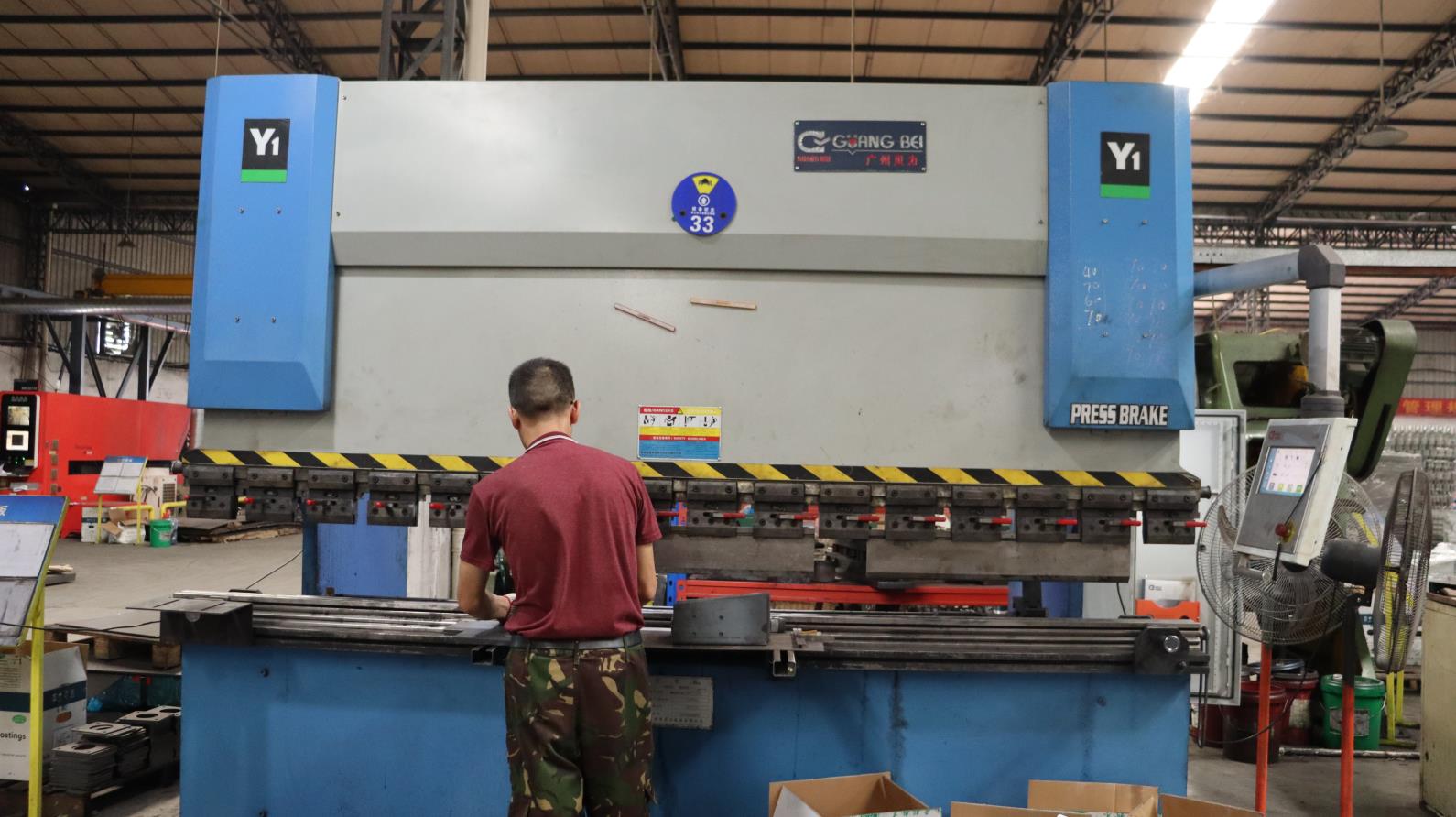
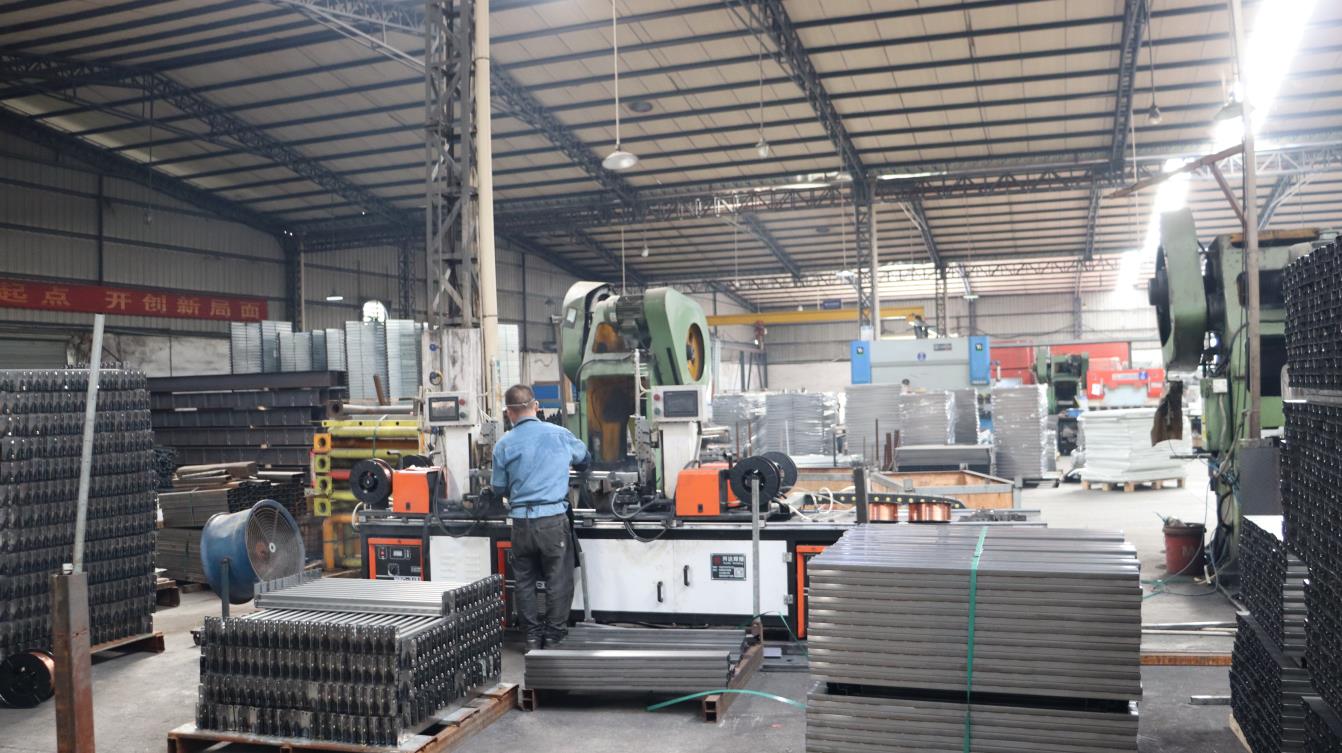
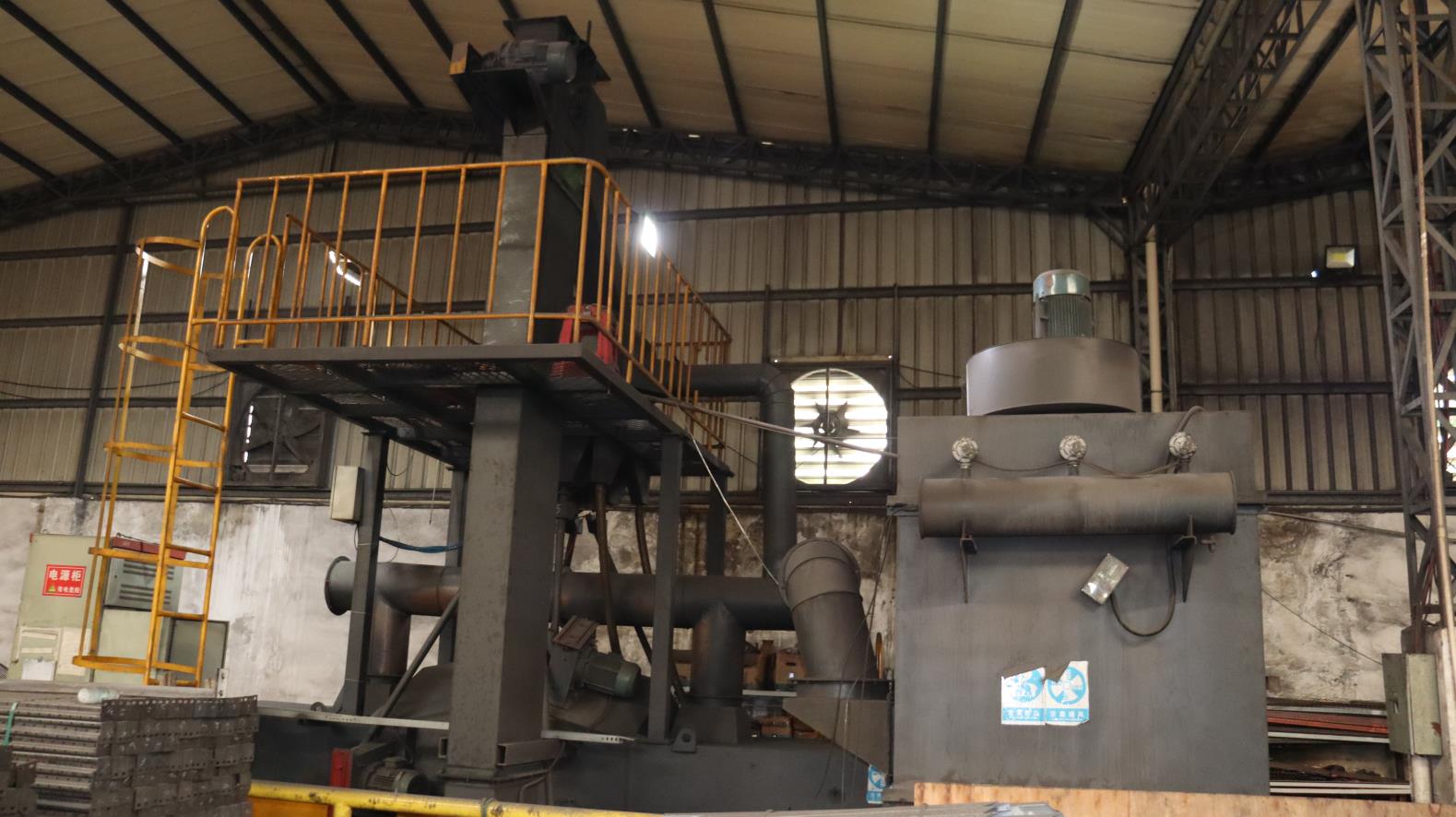
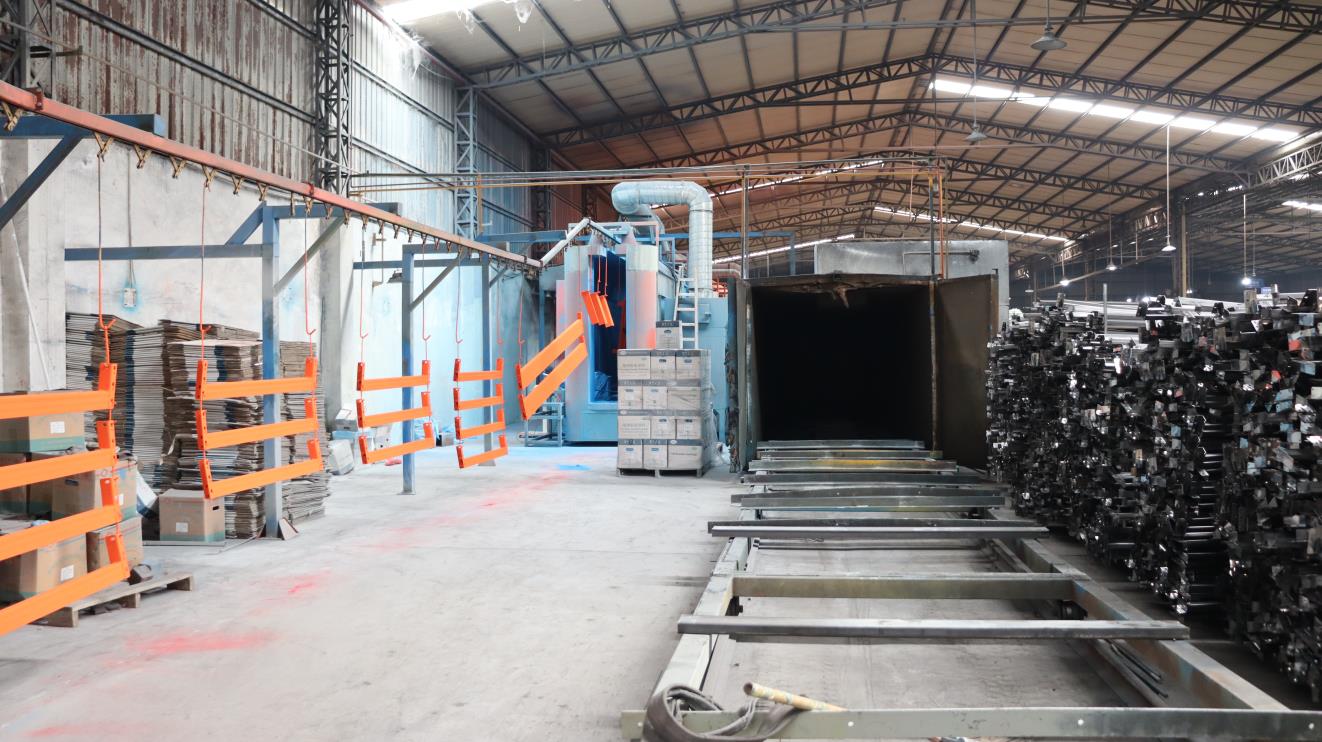
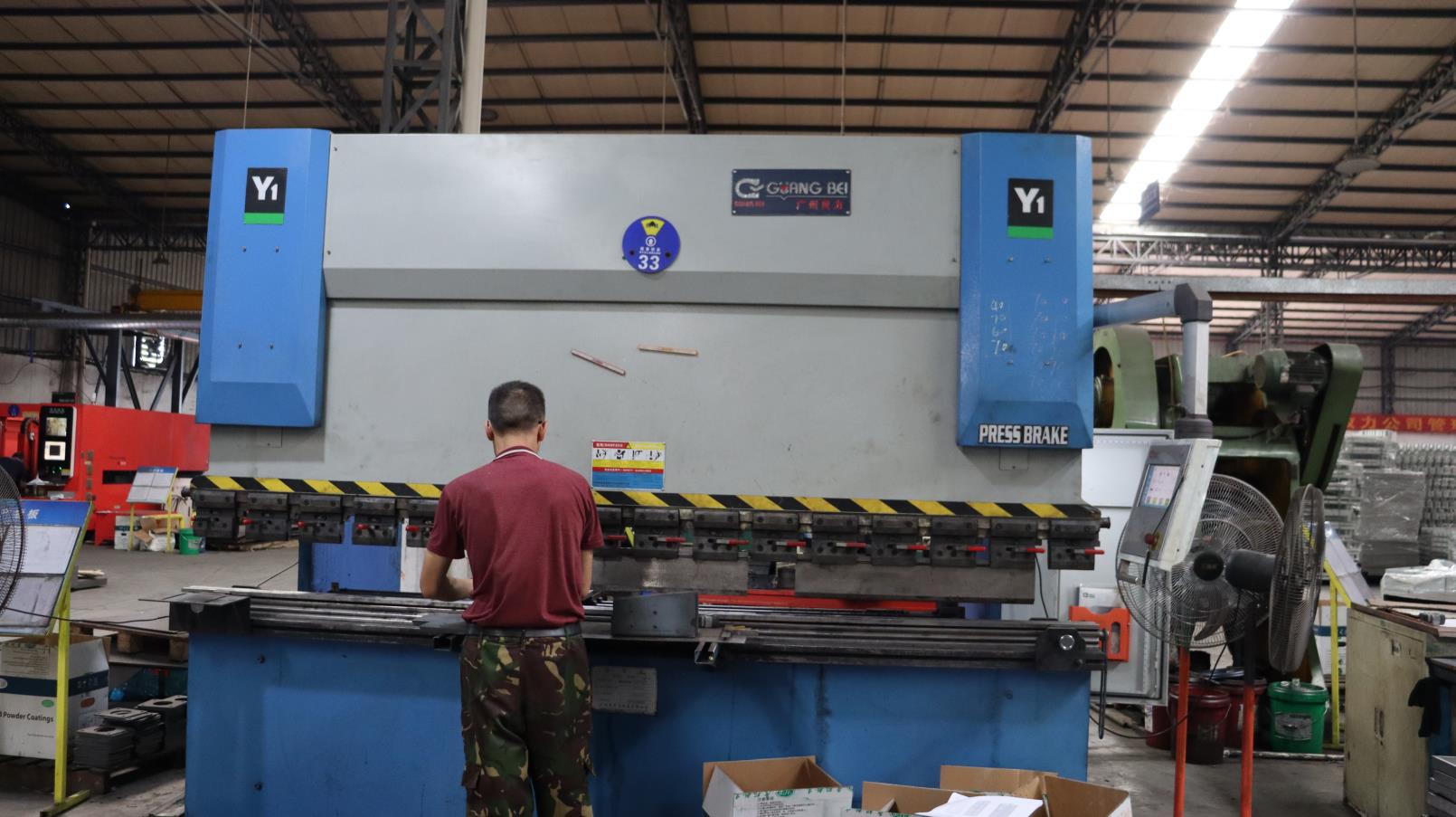
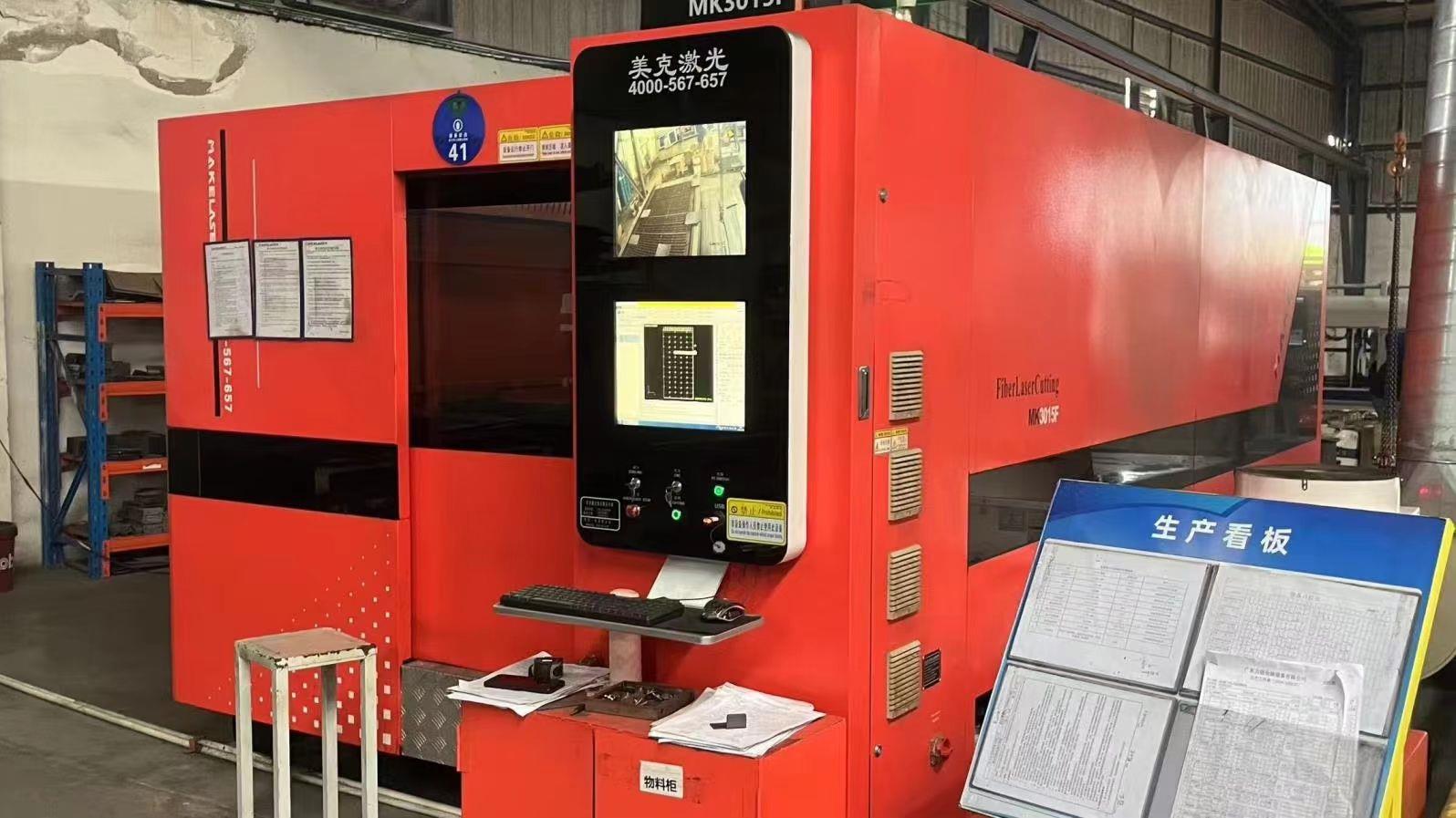
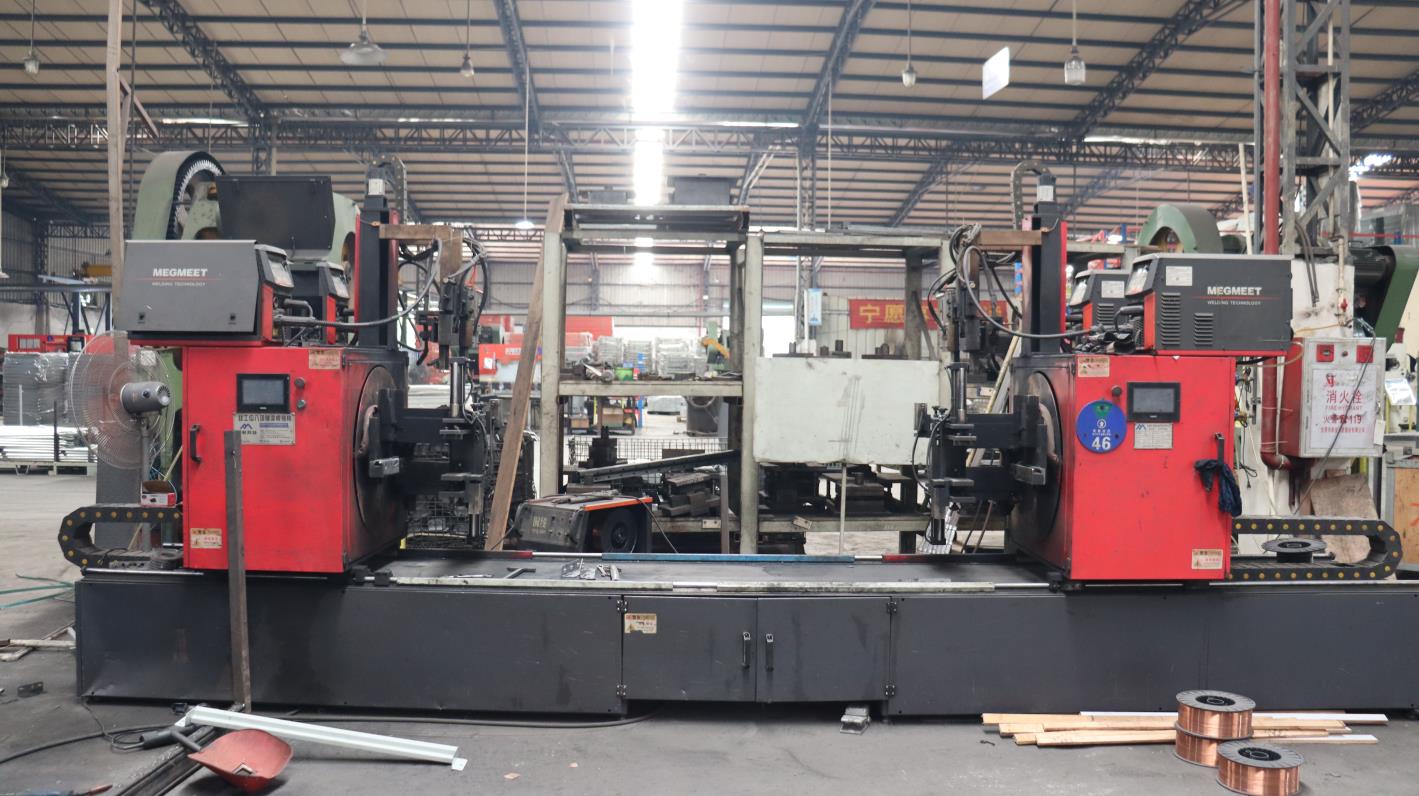
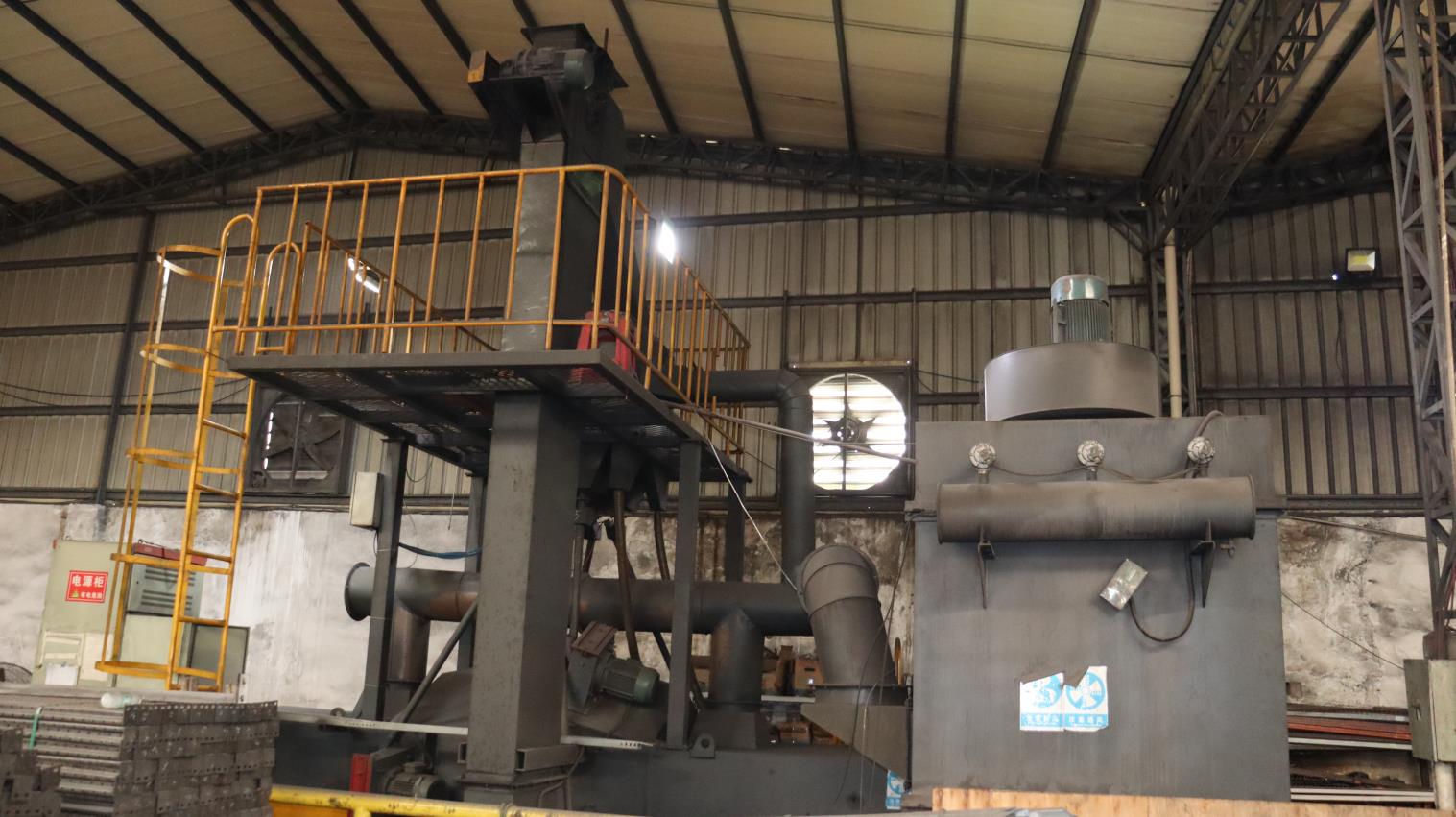
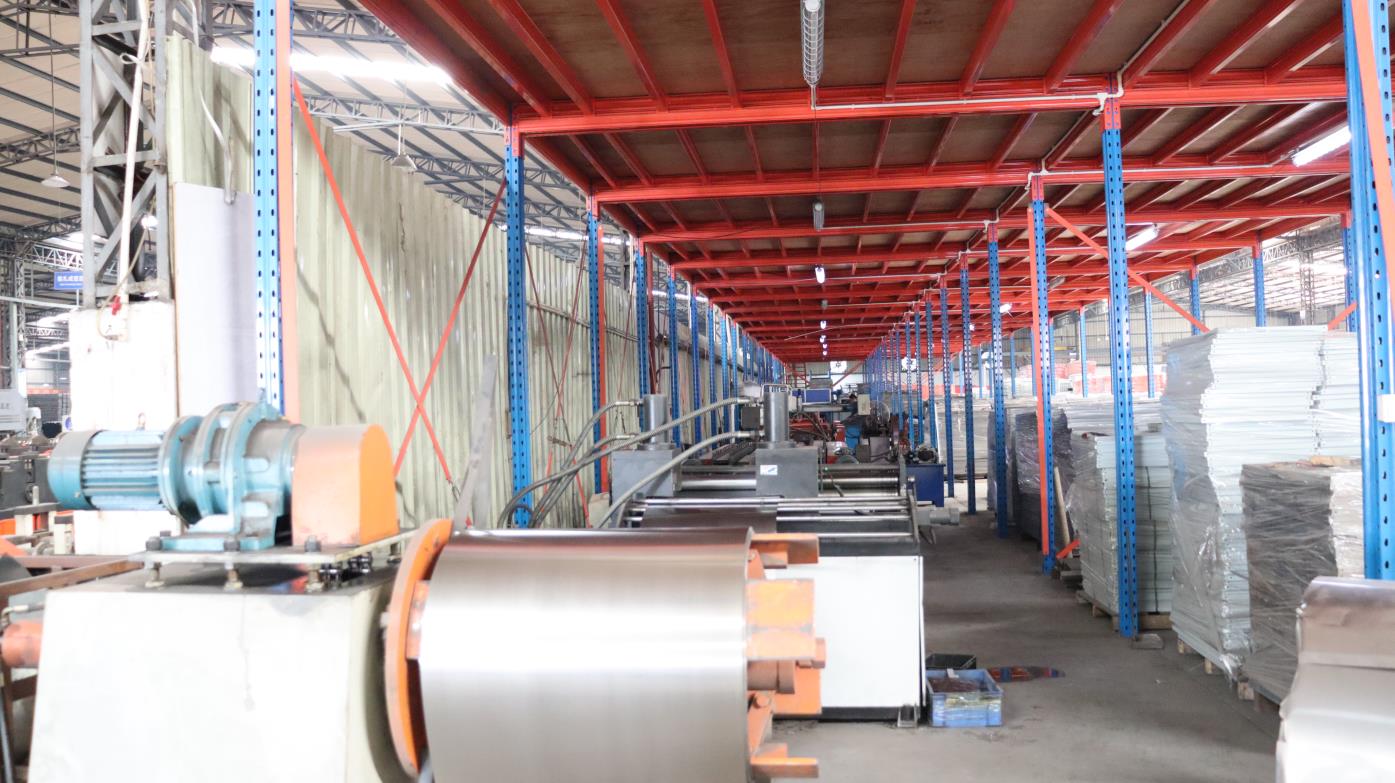
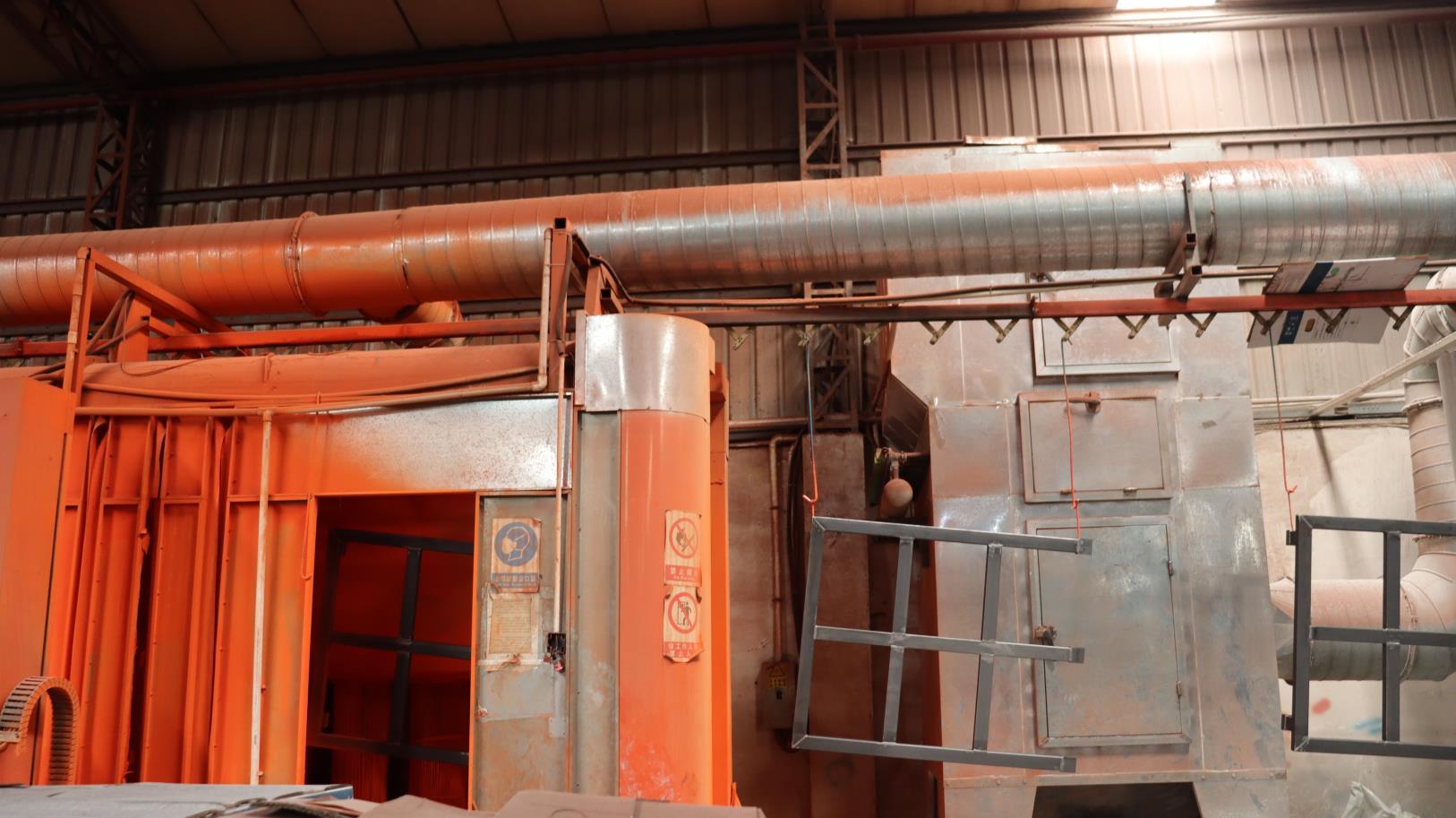
Inside the production line: From high-grade raw steel processing to fully finished industrial racking.
Engineered spatial systems mapped to specialized industrial operations.
Foldable storage layouts are not generic. Depending on the vertical sector, structures require different alloy treatments, connection mechanics, and spatial designs:
Rapid adjustments to pick-zones and order-packing stations are crucial. Our collapsible racking systems enable dynamic scaling to align with seasonal peaks like Q4 holidays.
In sub-zero temperatures, standard steel is prone to embrittlement. Lijin utilizes specialized Q355B low-temperature carbon steel coated with outdoor-grade anti-corrosive powder finishes.
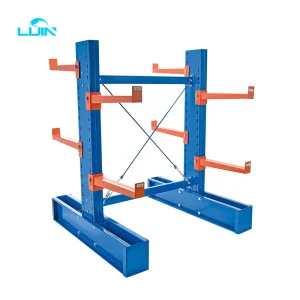
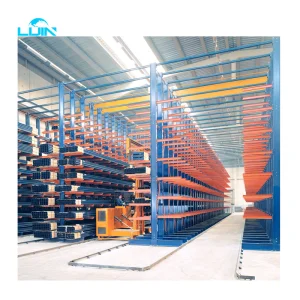
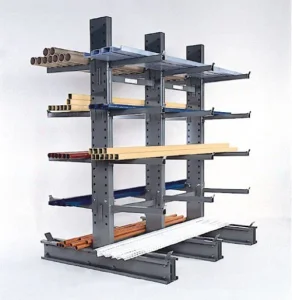
Heavy stamping dies and engine sub-assemblies require high load capacities. Our structured cantilever systems handle heavy loads up to 1000kg per arm, ensuring long-term structural integrity.
Assuring legal, safety, and physical compliance across international distribution channels.
Deploying material handling equipment across different countries requires compliance with local standards. Shenzhen Lijin structures are engineered to comply with multiple regional building codes and safety regulations:
Next-generation innovations: Lightweight materials, embedded sensors, and automated deployment.
The next decade of industrial storage design points toward automation and data integration. Traditional steel alloys are being combined with high-tensile composite elements to reduce dead weight while maintaining load-bearing capacity. Additionally, IoT-enabled weight and tilt sensors are integrated directly into rack columns, providing warehouse management systems (WMS) with real-time capacity and load balance data.
Furthermore, automated latching and locking systems are being developed. These mechanisms allow automated guided vehicles (AGVs) to collapse or deploy shelving racks without manual human intervention, paving the way for fully autonomous dark warehouses.
Strategic guidance and engineering answers for procurement managers.
Heavy-duty structural systems, modular work platforms, and storage solutions.
 Lijin Racking