Engineered structural racking, platforms, and stackable solutions optimized for high-volume warehousing, 3PL logistics hubs, and heavy industrial applications.
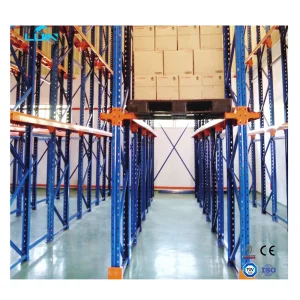
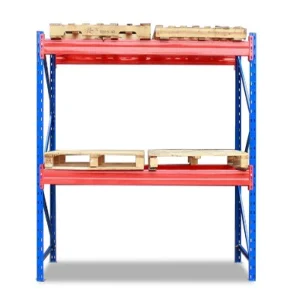
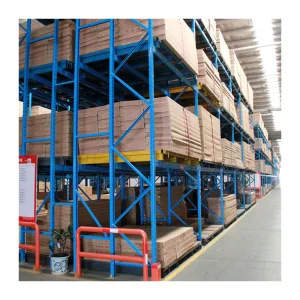
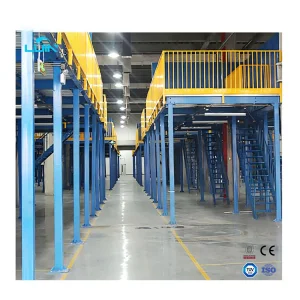
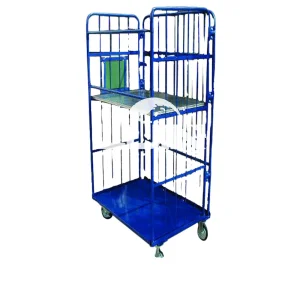
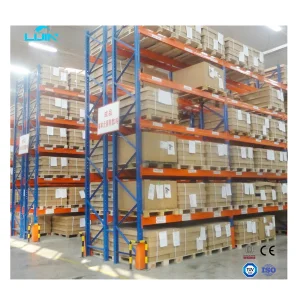
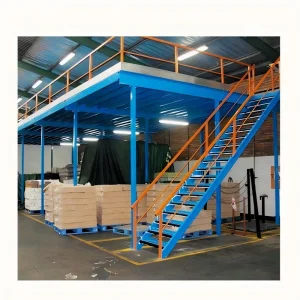
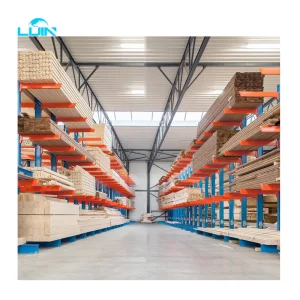
Established in 2015, Shenzhen Lijin Storage Equipment Co., Ltd. has evolved from a specialist workshop into a globally recognized enterprise specializing in the design, engineering, and mass-scale fabrication of structural storage racking systems, heavy-duty material handling equipment, and integrated container technologies. Spanning a state-of-the-art facility of 35,000 m², our organization supports automated logistics operations across six continents, driving spatial density and throughput velocity for global supply chains.
Through more than 12 years of deep industry expertise and over 8 years of direct international export operations, Lijin has cultivated strategic alliances with 850+ global supply chain partners, commercial distributors, third-party logistics (3PL) providers, and industrial wholesalers. Our R&D unit, consisting of 28 structural and mechanical engineers, introduced more than 85 new structural profiles and configurations last year alone, utilizing Finite Element Analysis (FEA) to ensure optimal load dissipation and seismic resilience under severe configurations.
"By integrating real-time stress modeling and cold-rolled profiling technologies, we produce stackable storage ecosystems that deliver safety factors exceeding European FEM and American RMI standards." – Shenzhen Lijin Engineering Division
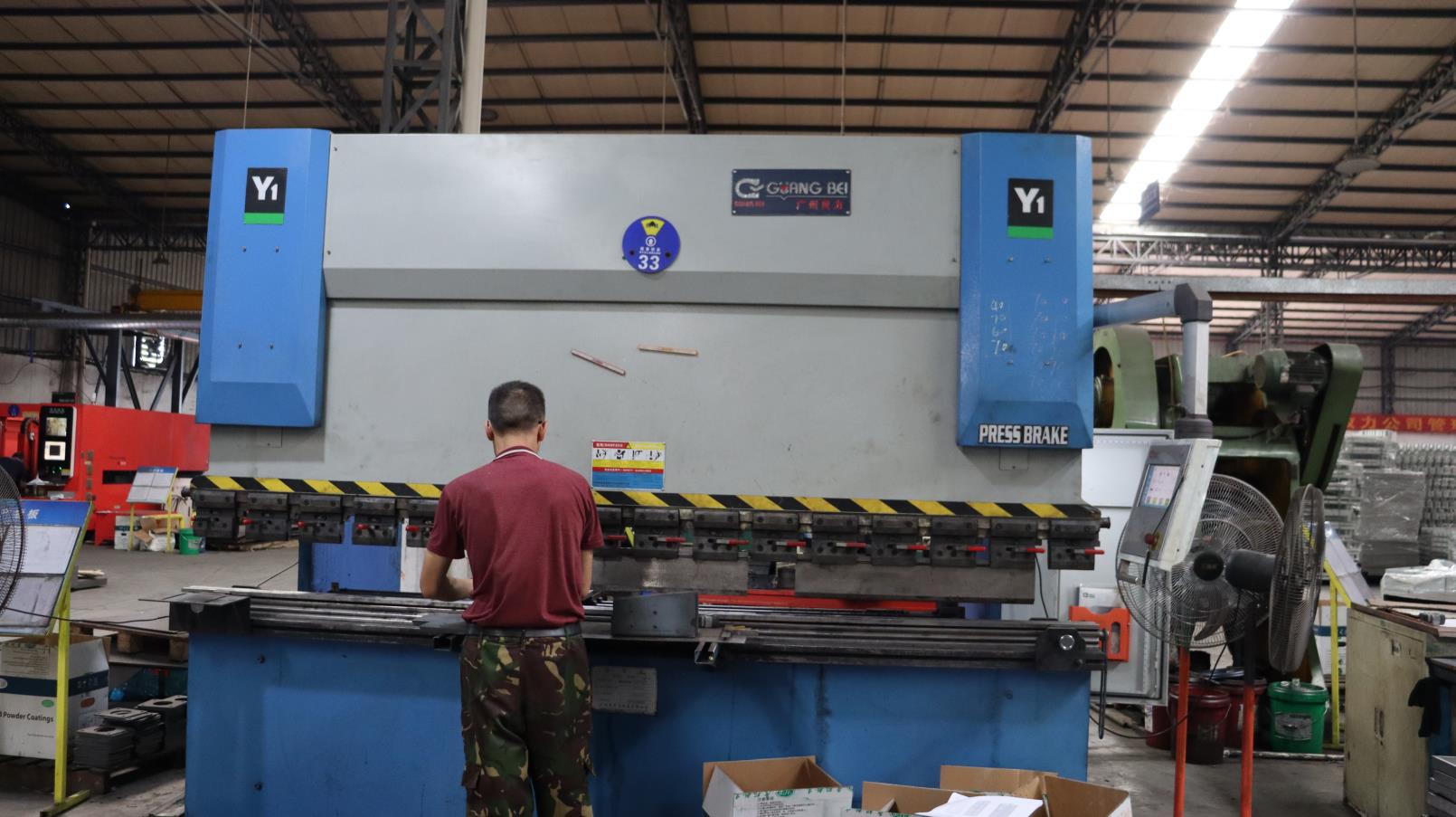
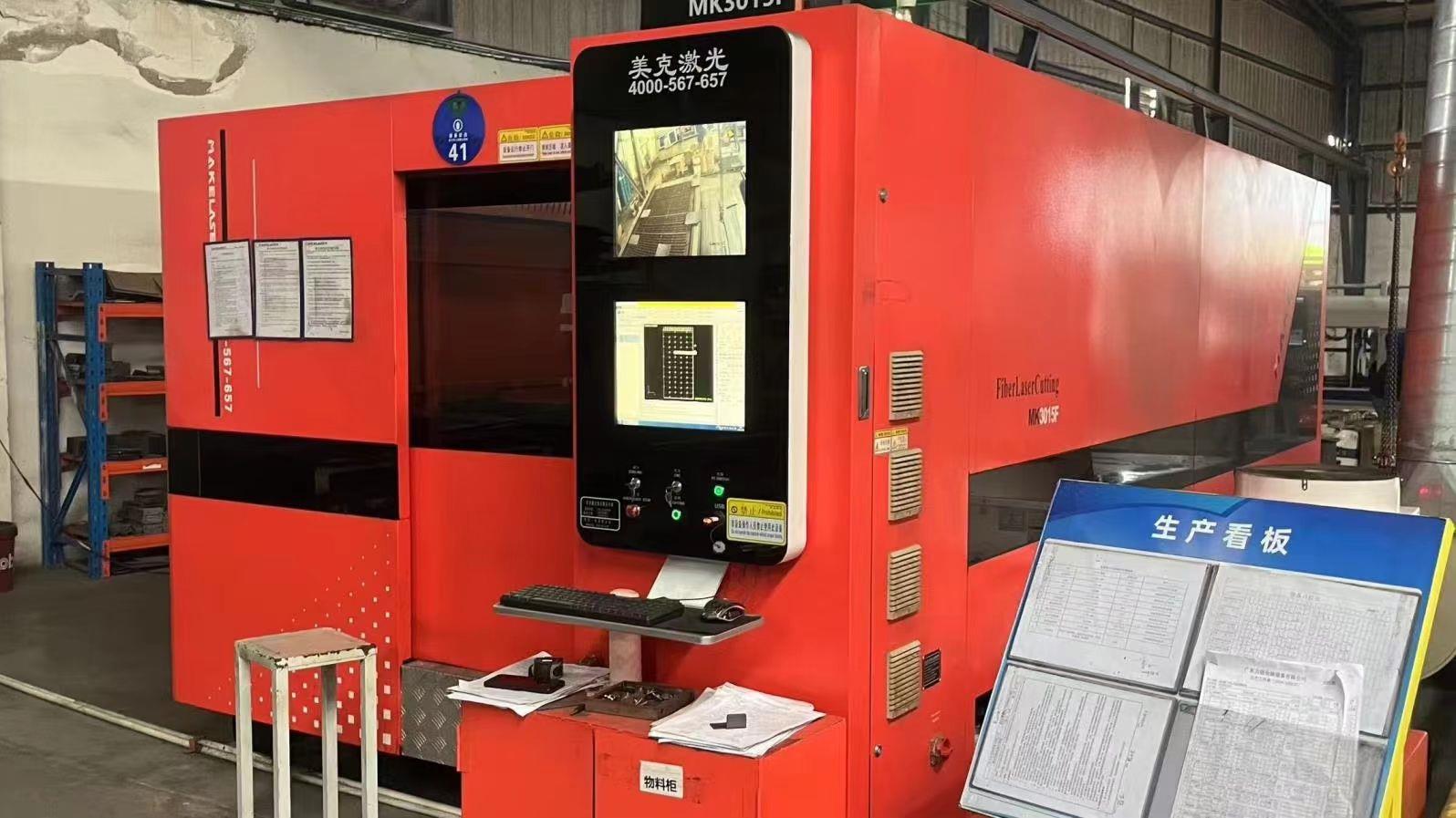
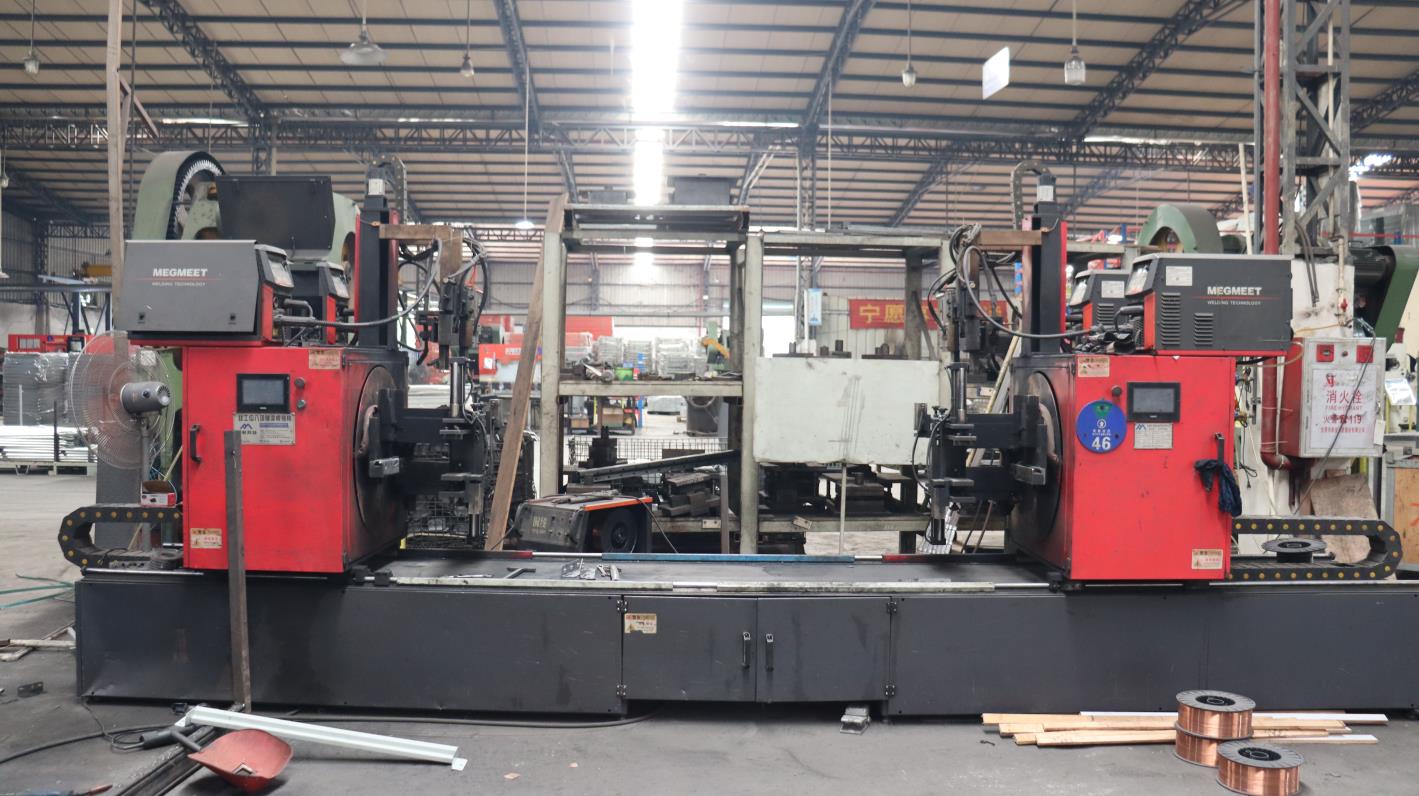
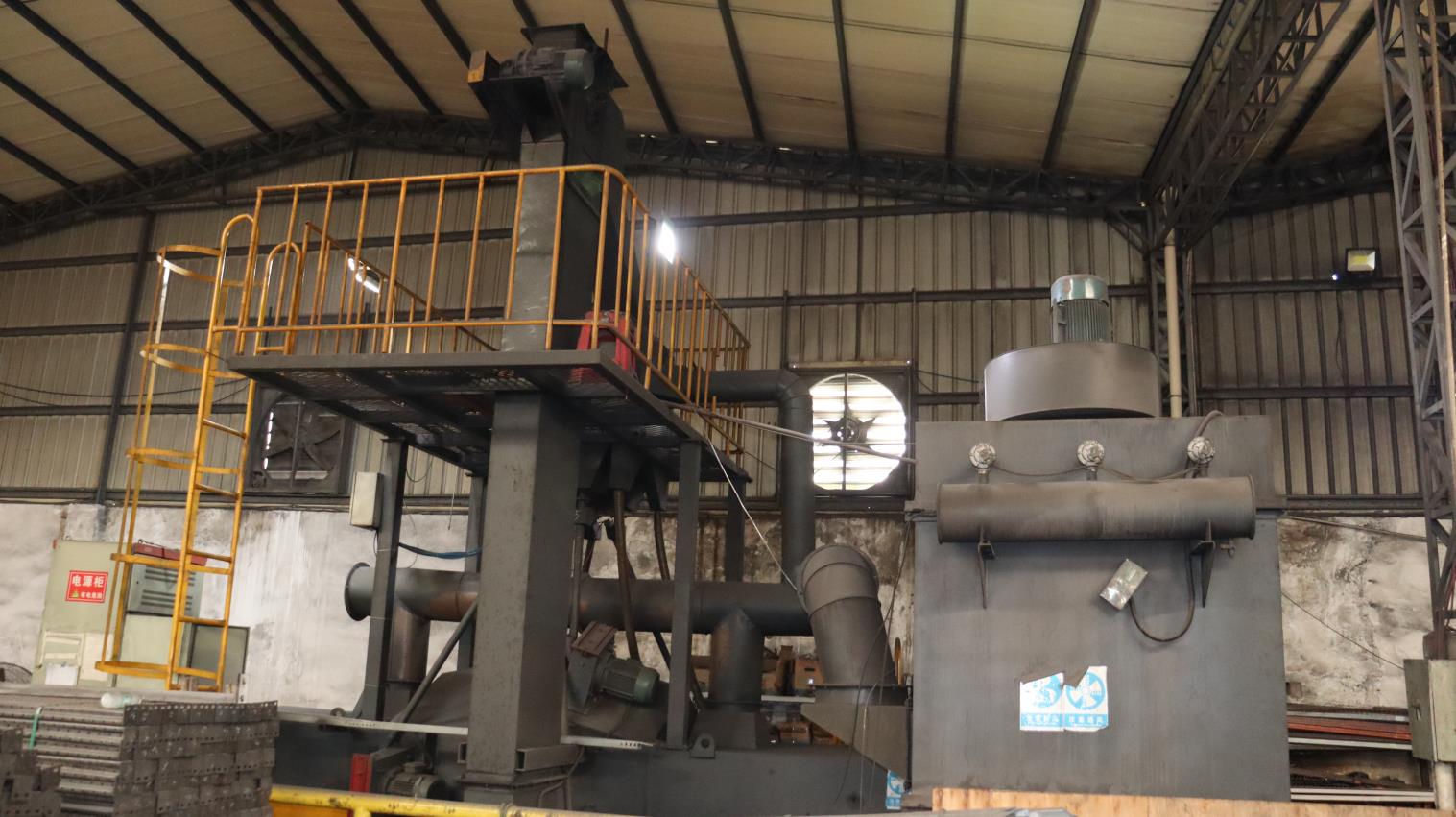
Take a tour through our vertically integrated 35,000 m² factory floor, where premium Q235B steel is transformed into high-tolerance industrial storage components.
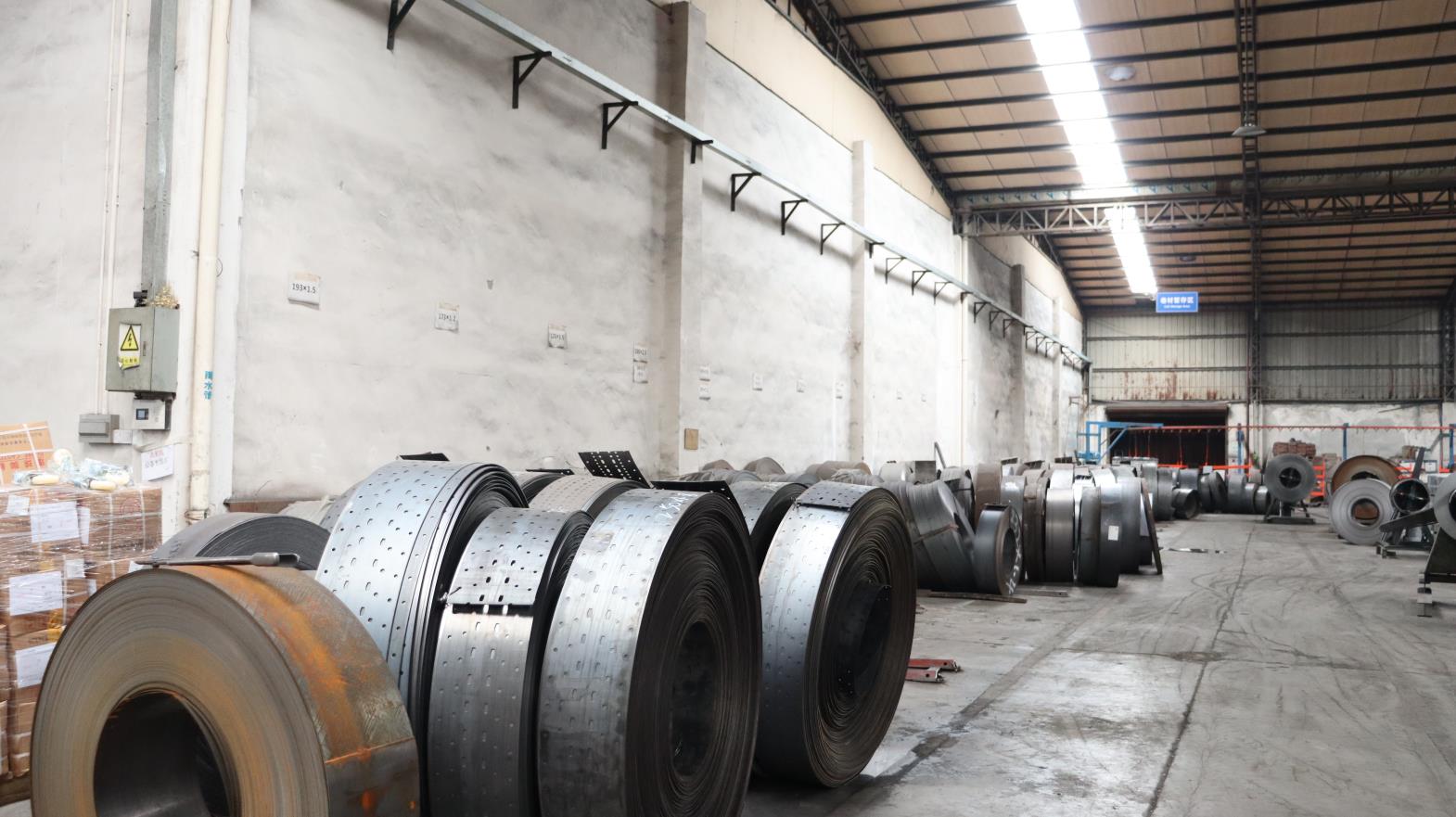
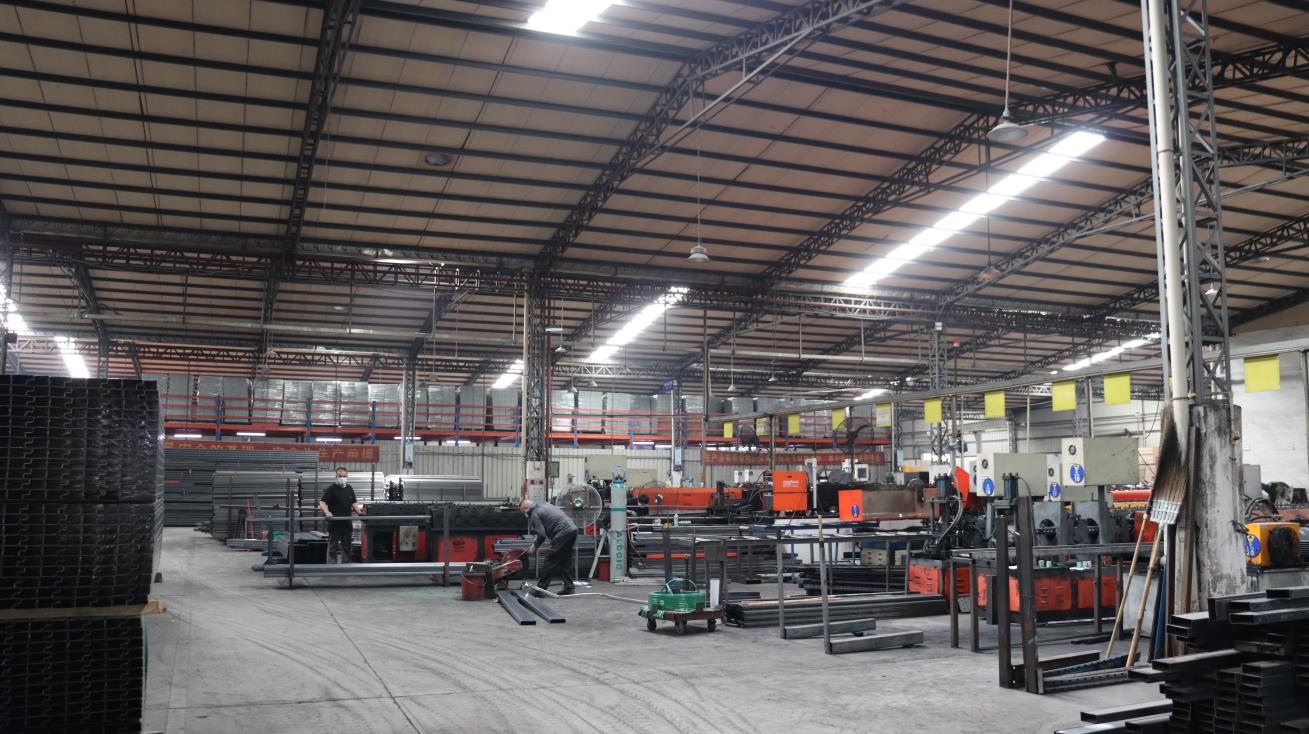
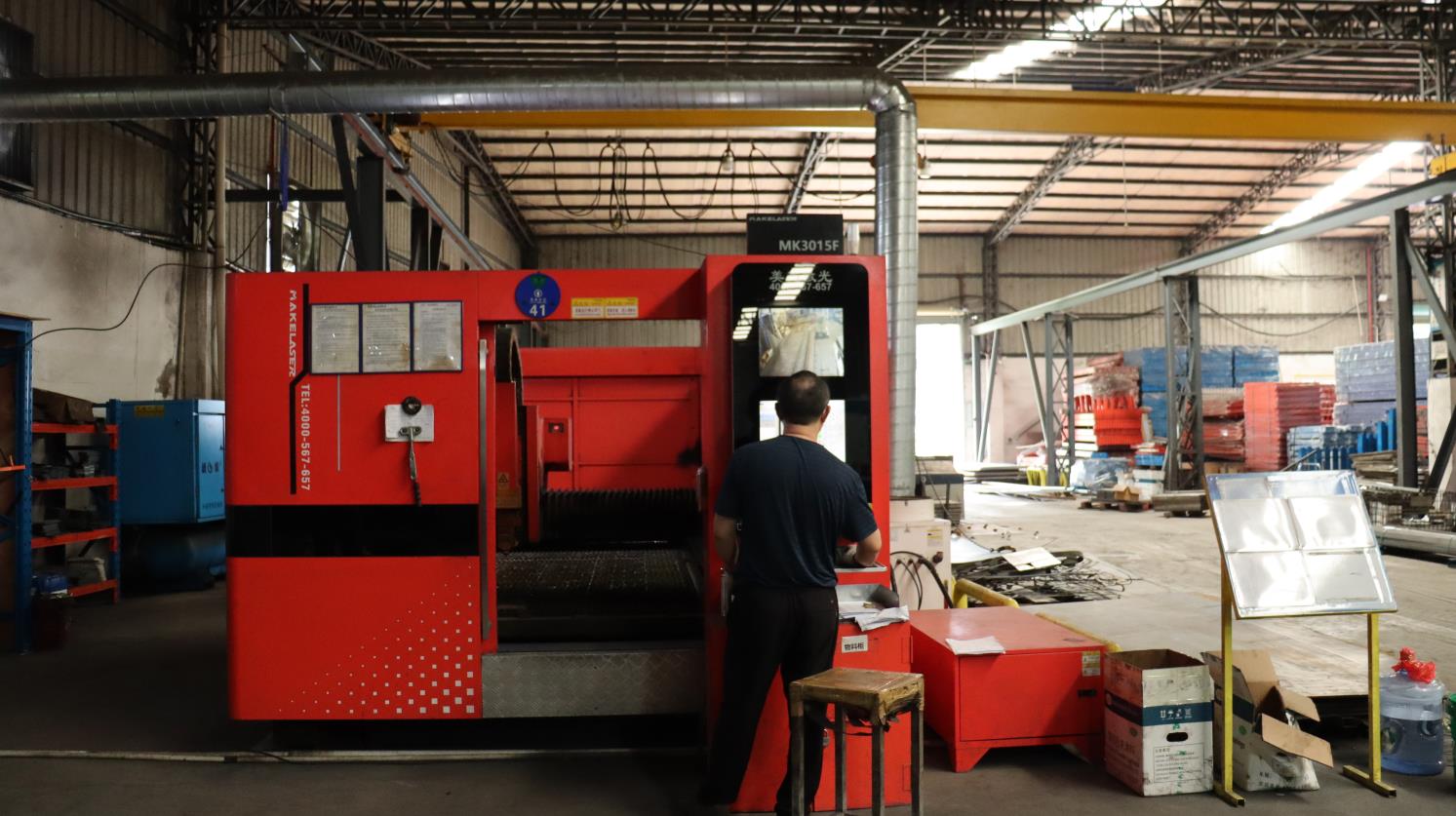
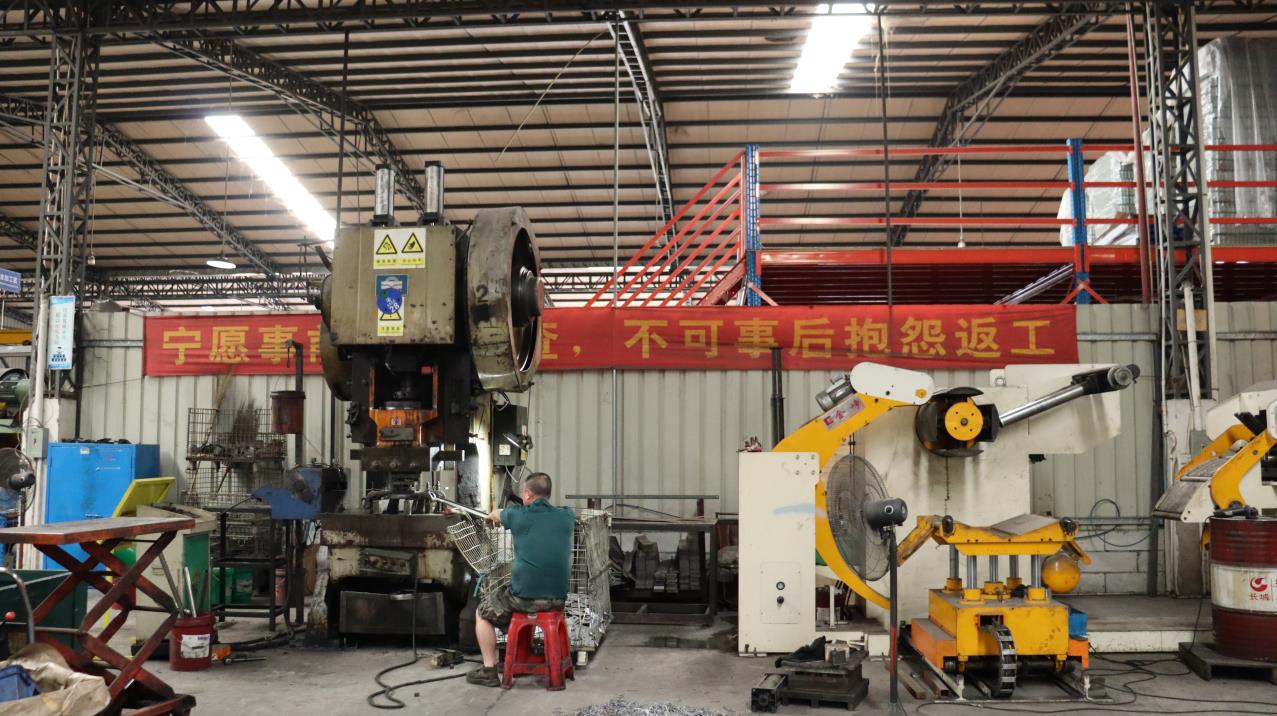
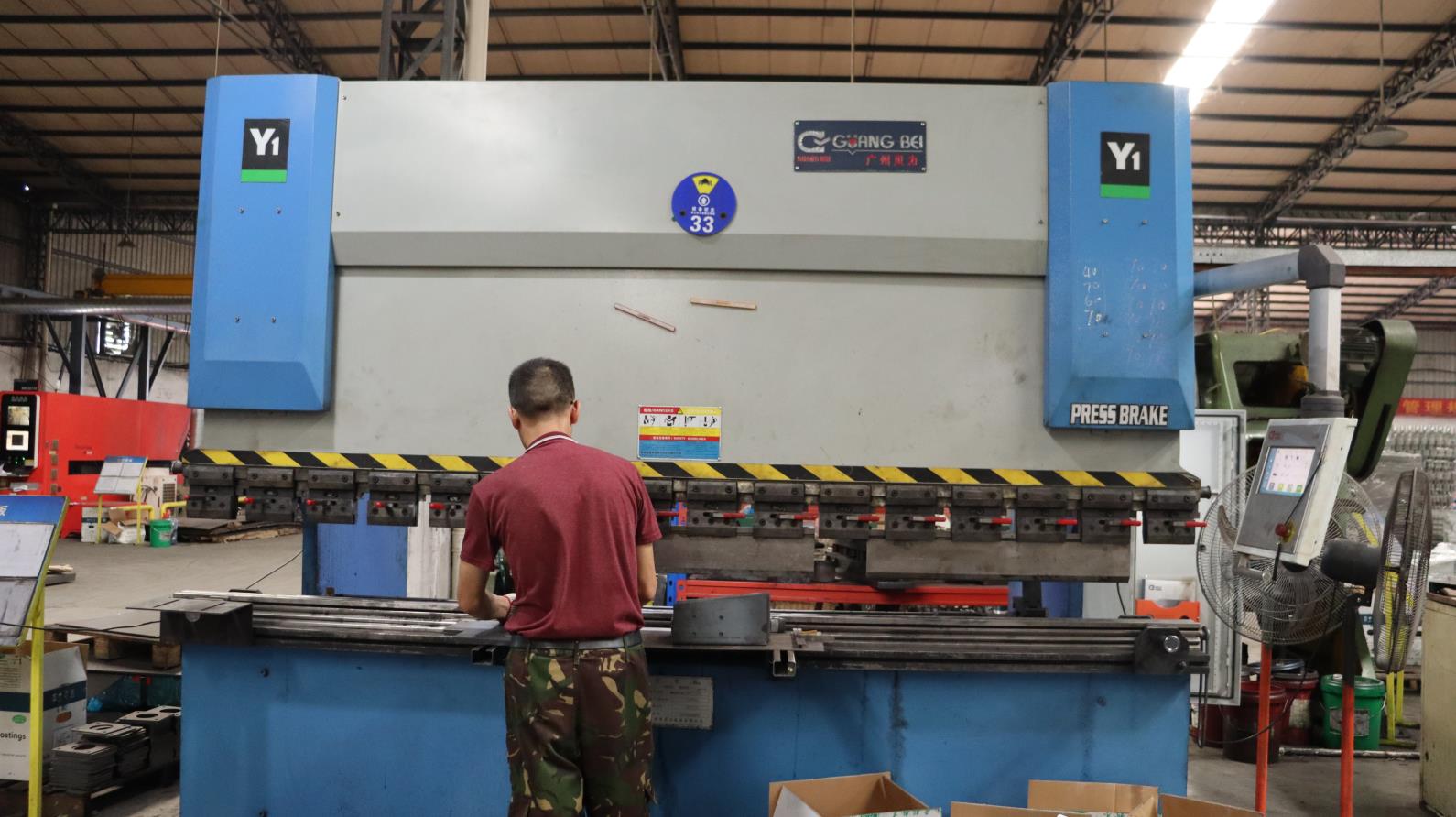
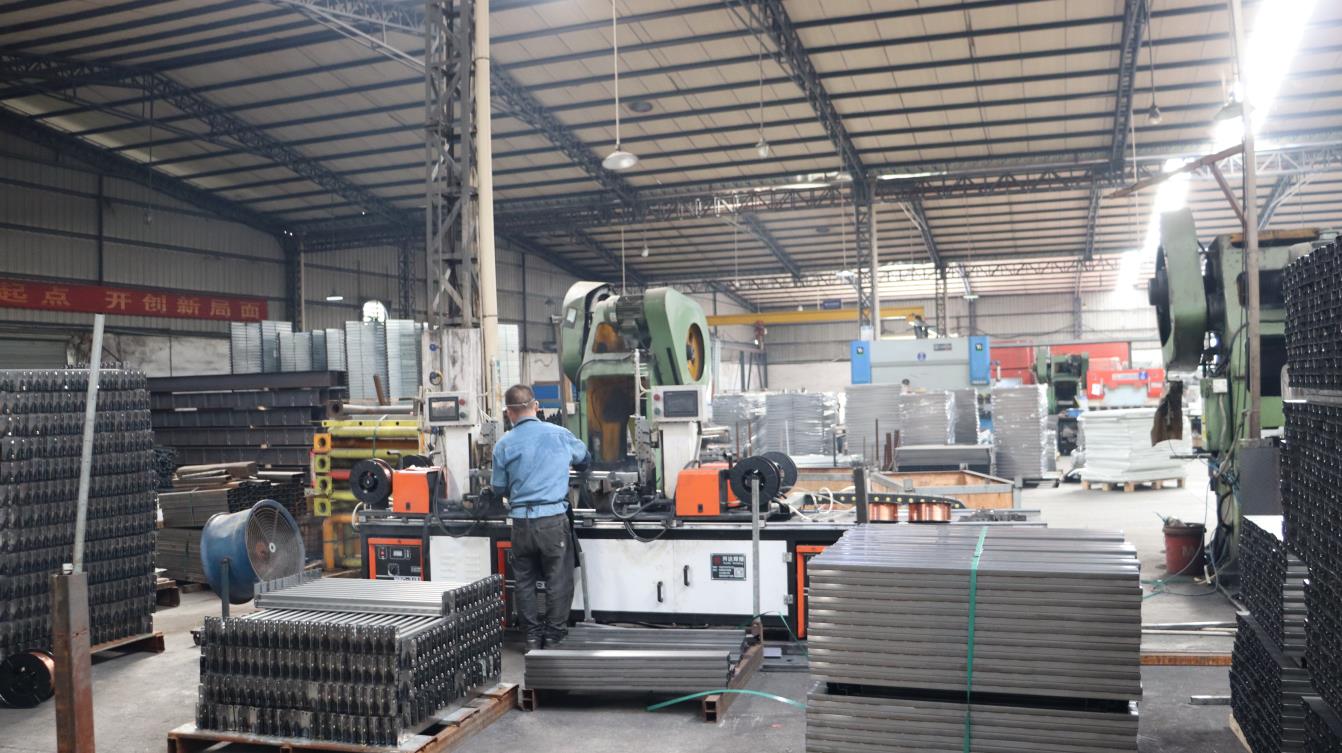
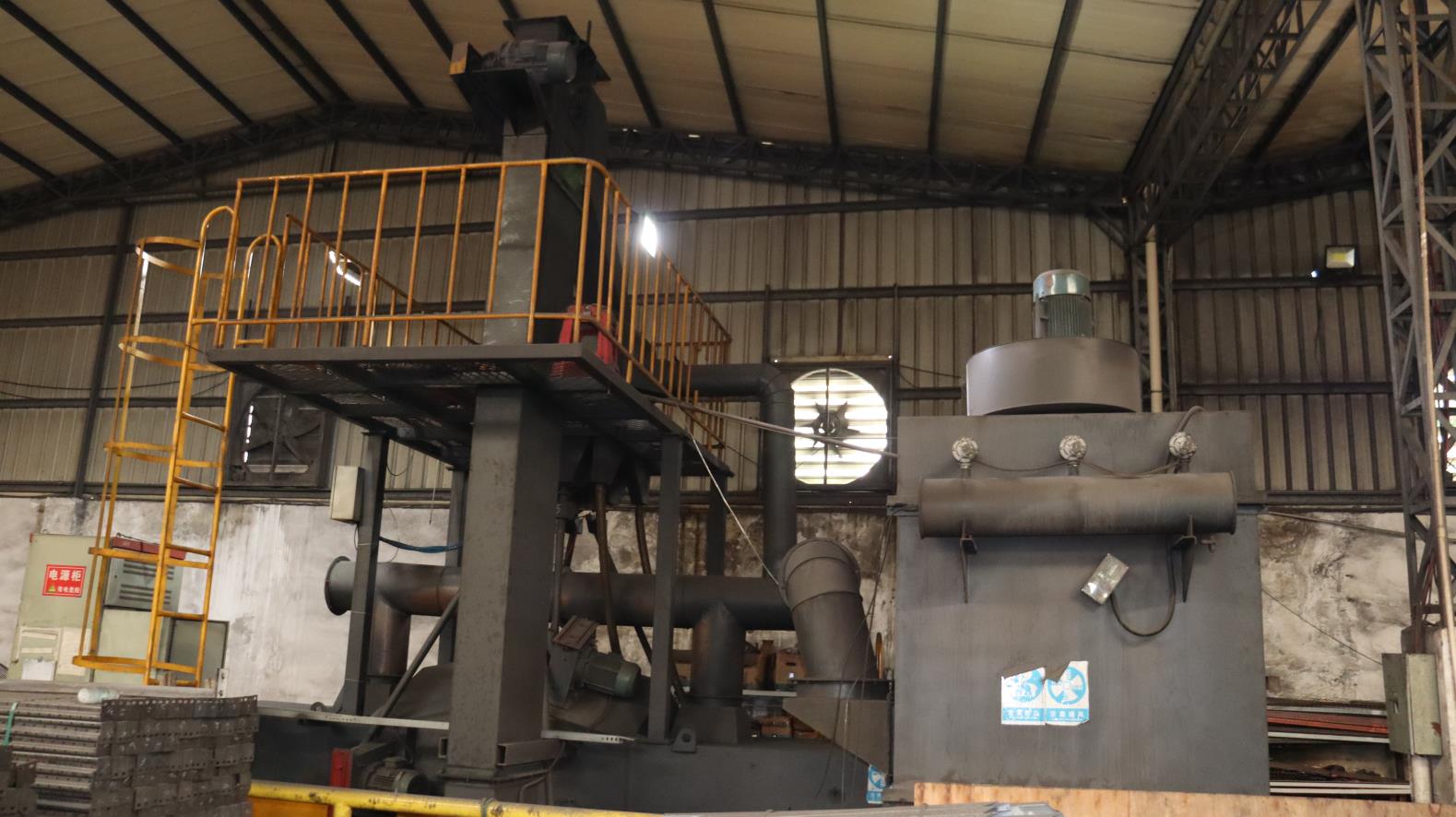
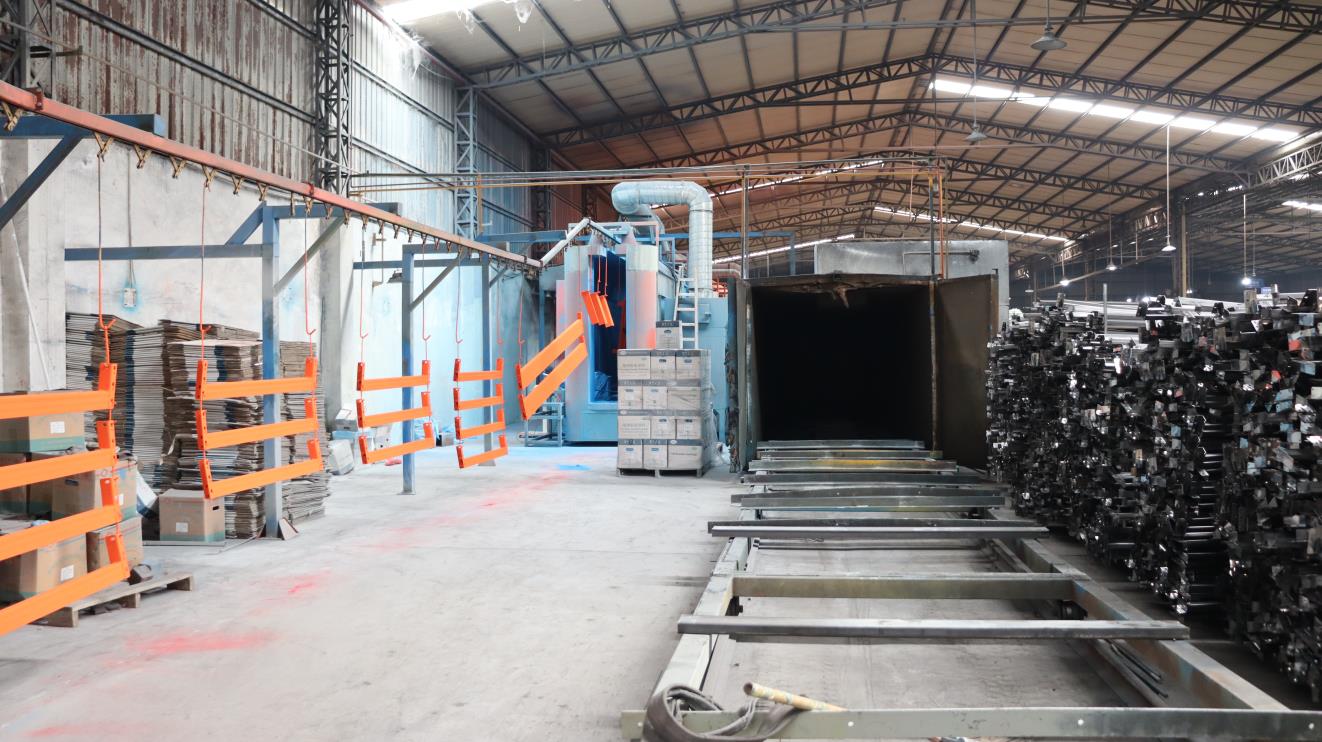
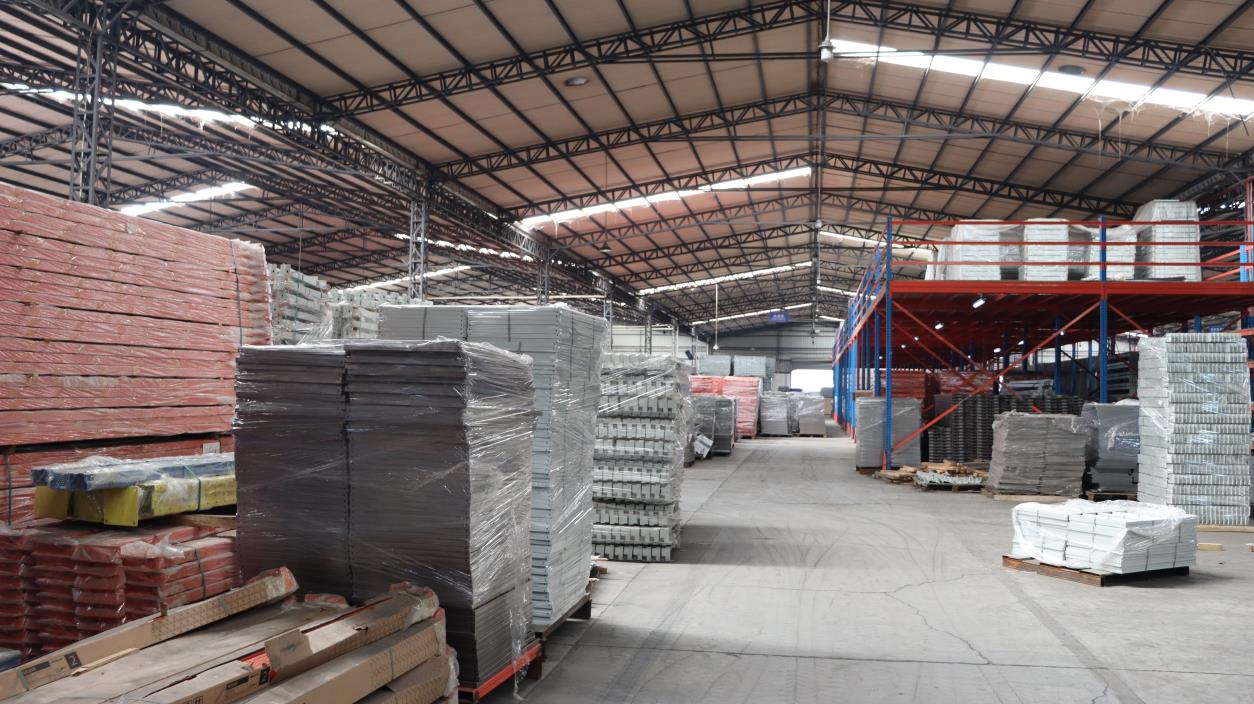
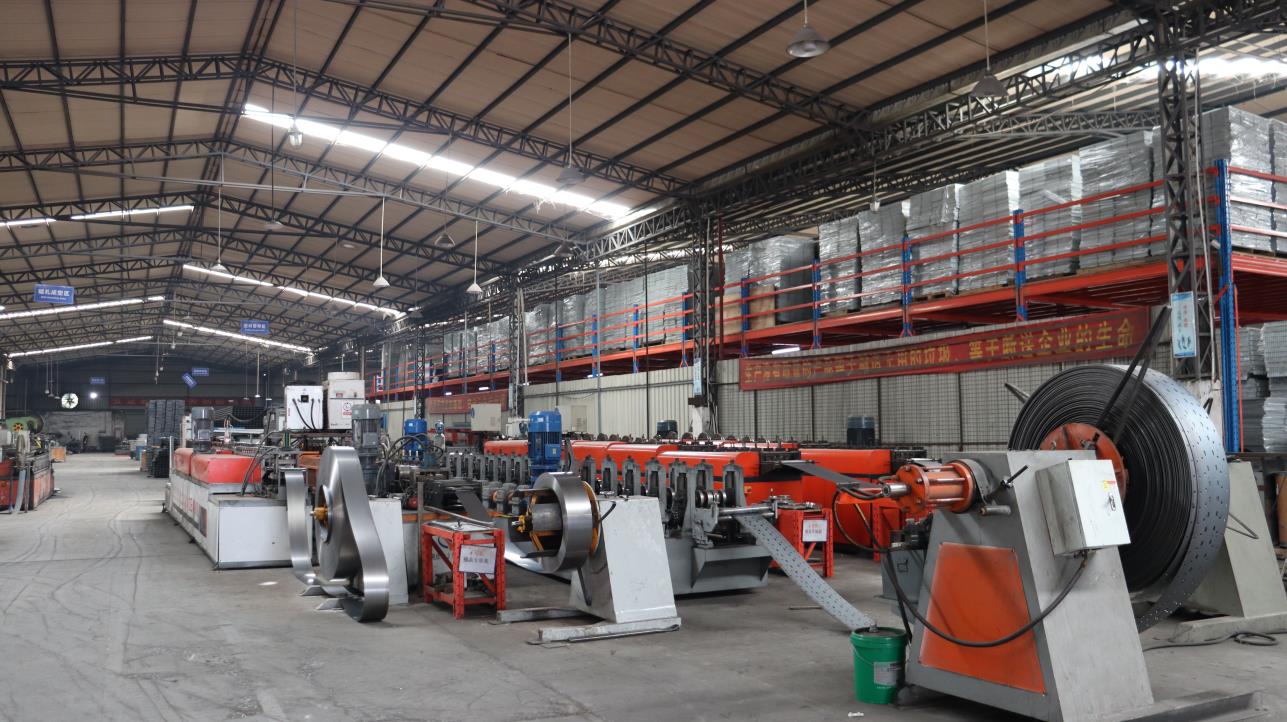
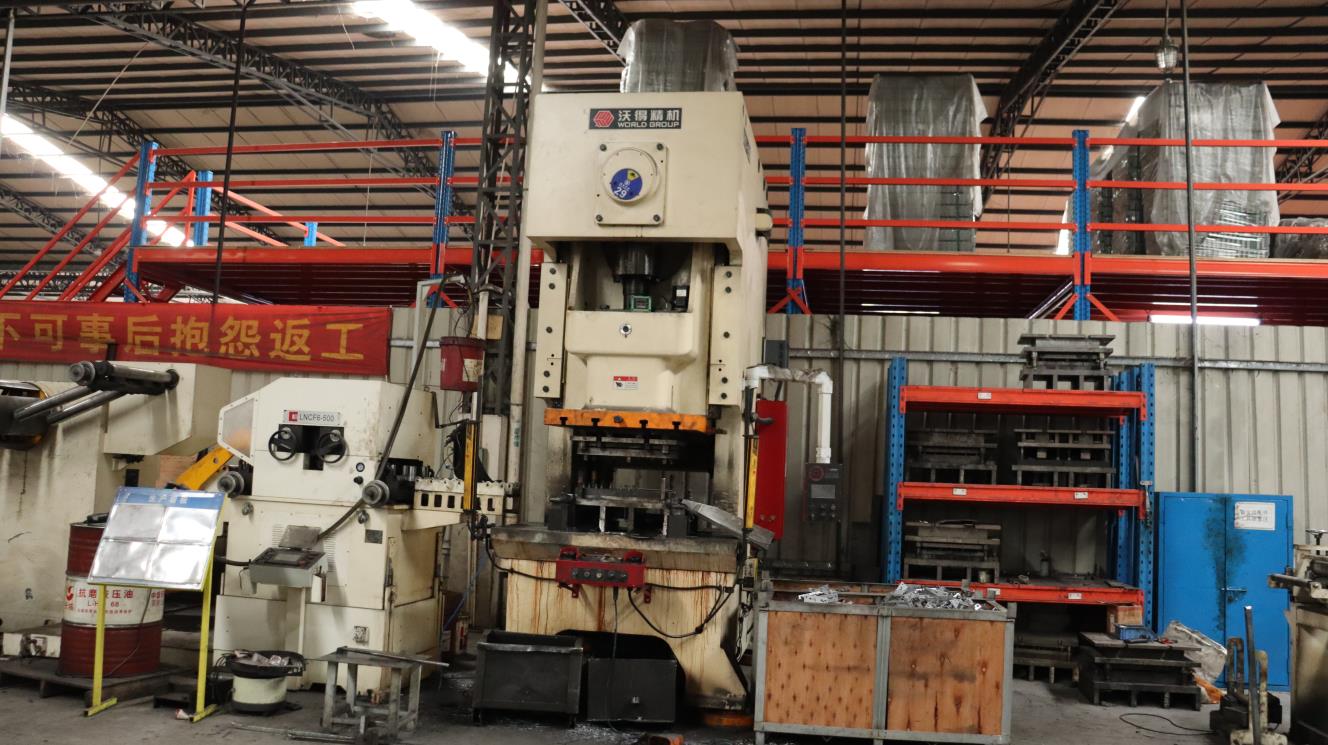
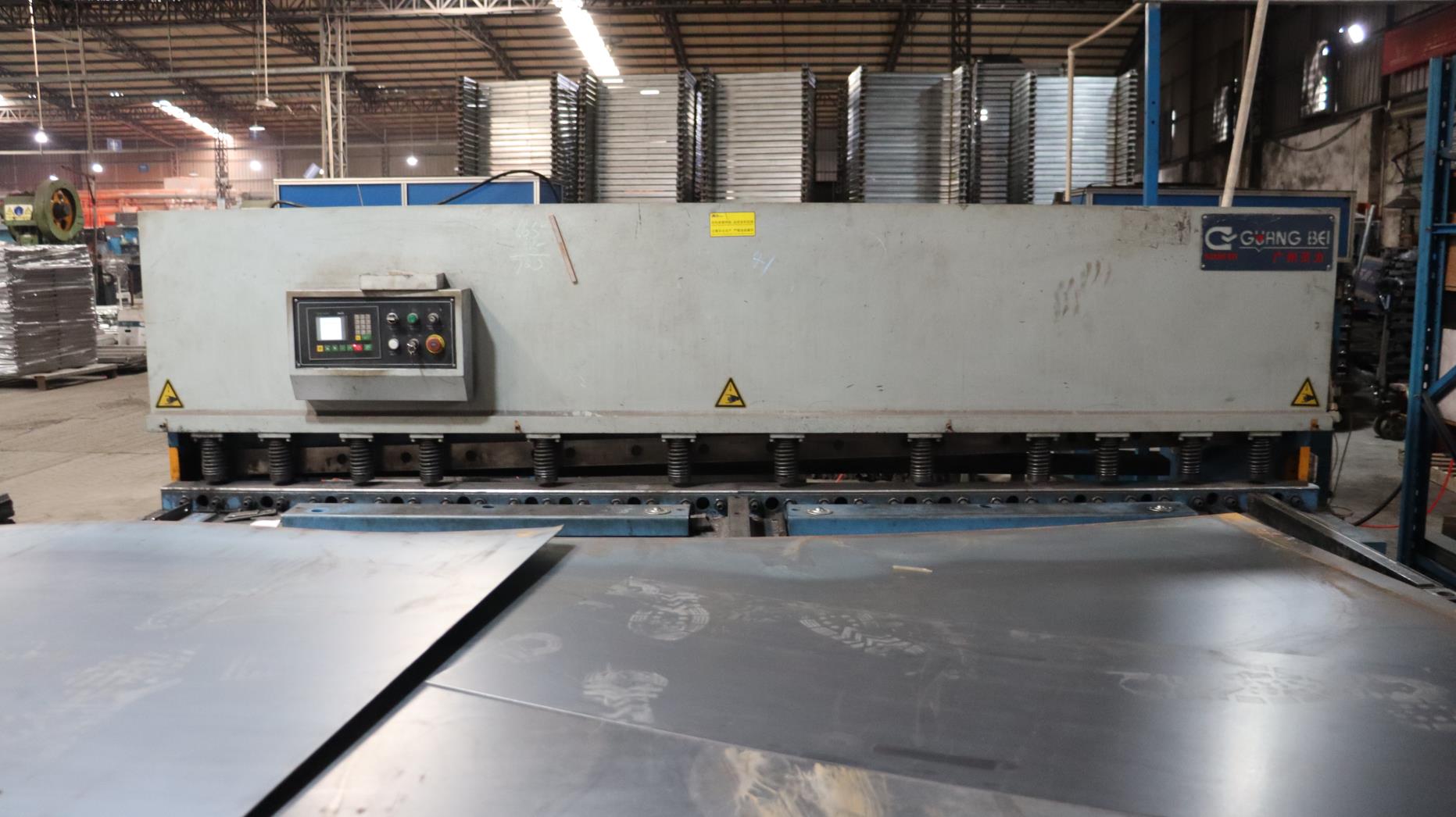
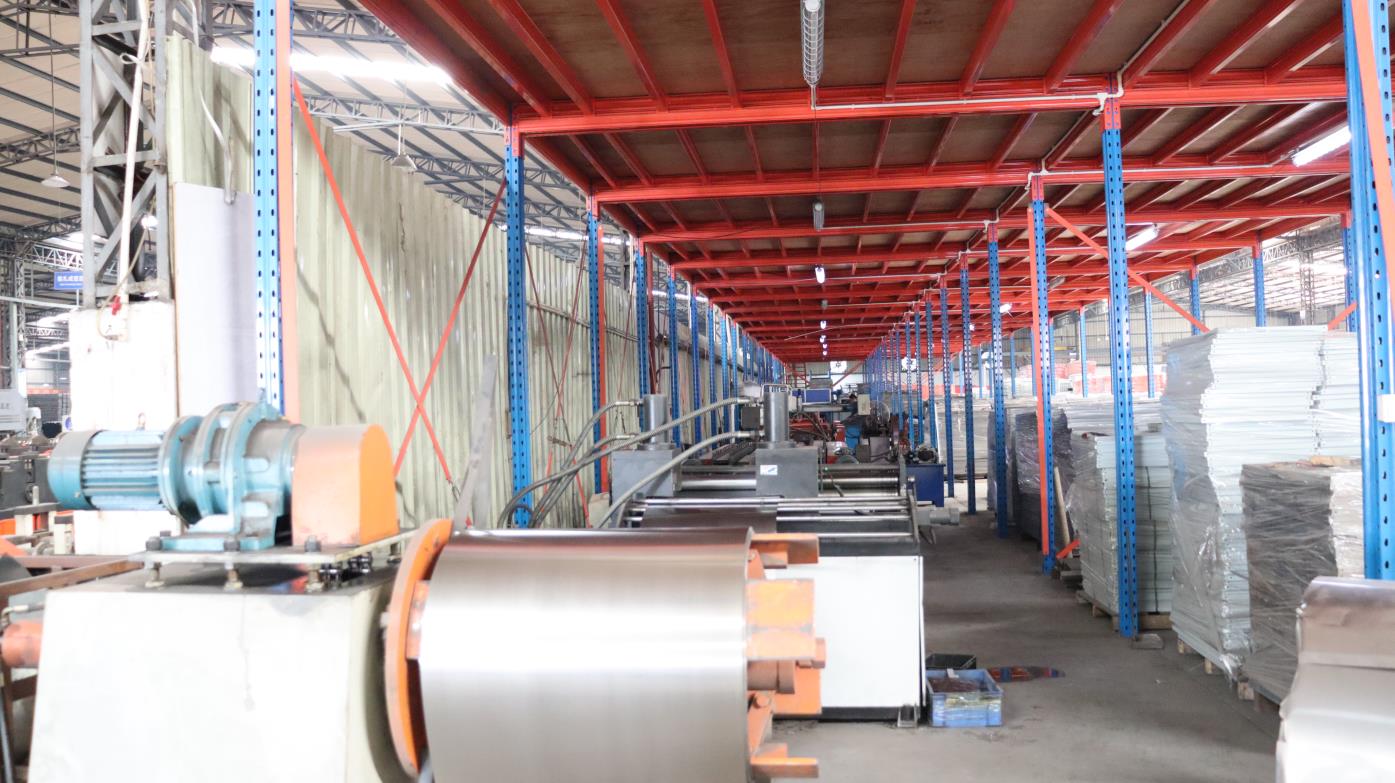
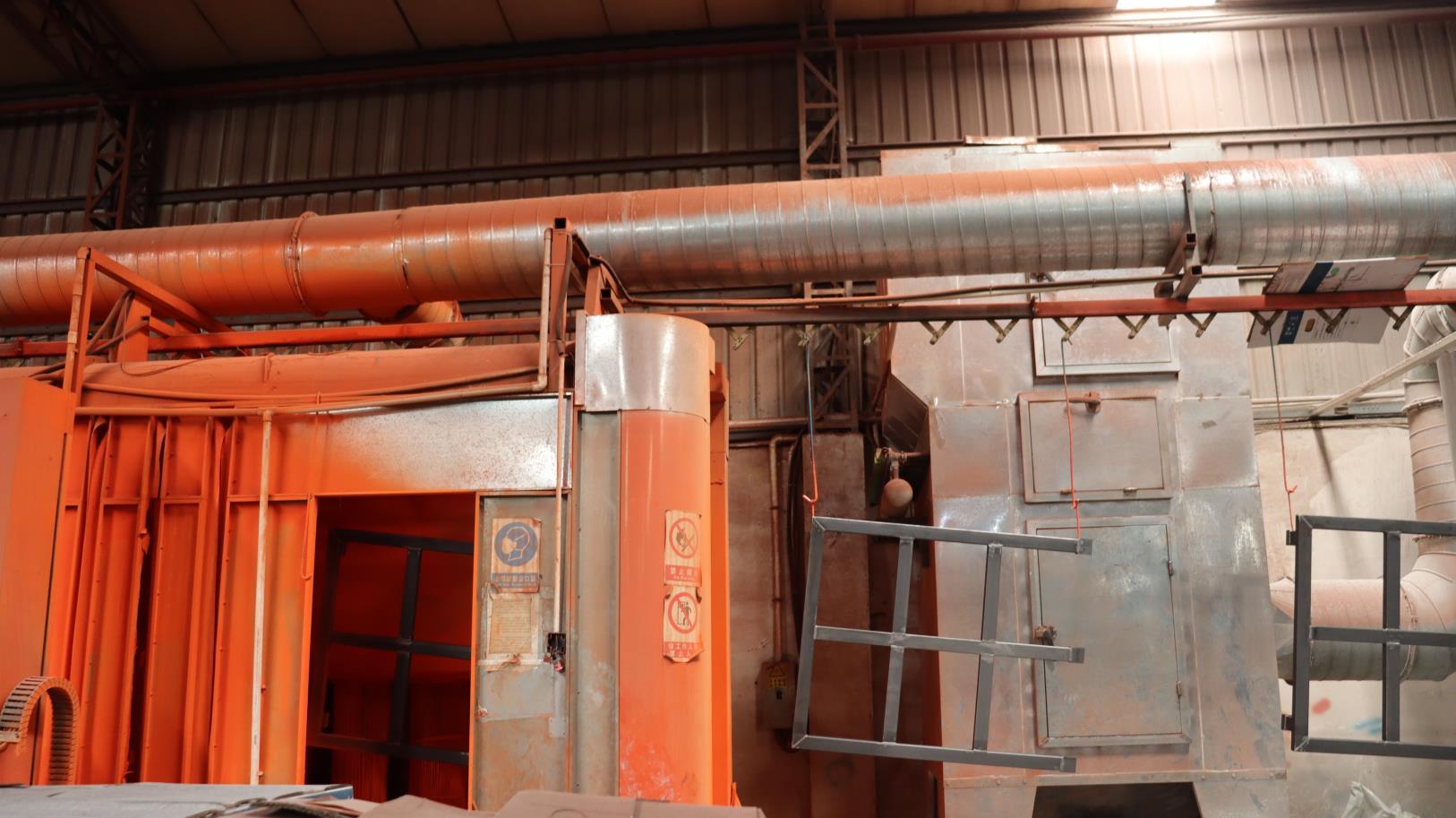
In the era of Smart Warehousing and Industry 4.0, material handling systems are transitioning away from static, floor-bound storage frameworks toward dynamic, vertical storage architectures. Heavy-duty stackable containers, wire-mesh steel boxes, and modular post pallets represent the cornerstone of this shift. They offer structural flexibility that traditional racking systems cannot easily duplicate, acting as portable racks that can be configured, collapsed, and restacked within minutes.
Globally, the integration of Automated Guided Vehicles (AGVs) and Autonomous Mobile Robots (AMRs) has mandated stricter dimensional tolerances for stackable hardware. A deviation of just 2mm in structural alignment can cause automated picking failures or disrupt loading sensors. As a leading OEM/ODM manufacturer, we utilize high-precision CNC laser cutting and automatic roll forming lines to yield tolerances under 0.5mm, ensuring our container systems function within robotic fulfillment networks.
Additionally, the push for circular economies is driving global procurement directors to replace single-use packaging with high-strength, recyclable steel containers. By employing Q235B cold-rolled structural steel, protected with advanced electrostatic powder coatings or hot-dip galvanization, our systems are built to withstand up to 15 years of continuous outdoor weathering, heavy-duty industrial loading, and forklift impacts.
When engineering customizable storage platforms, structural integrity depends directly on material selection and geometry design. Our R&D division calculates load distributions, shear stresses, and deflection limits for every custom product. Whether configuring customized mezzanine platforms or heavy-duty wire-mesh decks, our engineers select the optimal grade of structural steel to achieve your load capacity requirements:
Our engineering team uses Finite Element Analysis (FEA) to run simulated stress tests on stackable frame configurations. This modeling ensures that when stacked up to six units high, the lower post structure can comfortably support dynamic compressive forces during forklift maneuvers, maintaining safety factors that exceed regional building codes.
We configure bespoke physical storage systems designed for specialized supply chains and high-load demands.
Designed to store cast iron parts, engine blocks, and sub-assemblies. Heavy-duty stackable storage boxes are built to absorb crane loading vibrations and endure high-load transport across assembly floors.
Featuring precision-engineered profiles designed for integration with automated stacker cranes, conveyor systems, and automated sorting centers, optimizing system uptime and cycle times.
Constructed with cold-resistant galvanized steel finishes and open wire-mesh decks that promote laminar airflow, temperature stability, and compliance with sanitation regulations.
For multi-national enterprise buyers, compliance is non-negotiable. To operate inside European Union and North American logistics environments, all storage equipment must conform to strict structural safety standards. Shenzhen Lijin operates under an ISO 9001 certified manufacturing framework, governed by an in-house quality assurance team of 35 dedicated QC professionals.
Every batch of cold-rolled steel undergoes raw material yield strength testing before enters our production line. Finished welds are subjected to non-destructive testing (NDT), ultrasonic crack detection, and high-frequency structural loading simulations to guarantee weld throat thickness and structural continuity. Furthermore, our products are engineered and tested in accordance with FEM 10.2.02 (European Federation of Materials Handling design rules) and the RMI Specification (Rack Manufacturers Institute), providing peace of mind for engineering, health, and safety compliance audits.
Shenzhen Lijin is committed to driving the next generation of warehousing configurations. Our technological roadmap focuses on three key vectors: material light-weighting, IoT tracking integration, and fully automated robotic welding setups.
By partnering with advanced metallurgy labs, we are testing high-yield micro-alloyed steel formulations. These next-generation steels will allow us to reduce container tare weight by up to 15% while maintaining the identical dynamic load rating. A lighter container footprint directly translates to reduced freight emissions during global transport, aligning with modern corporate scope-3 carbon reduction targets.
We are also refining automated production line programming to integrate RFID chips and IoT tracking sensors directly into custom-stamped channels within the container frame. This allows logistics networks to monitor storage unit location, load weight, and internal temperatures in real-time, integrating warehousing hardware with cloud ERP networks.
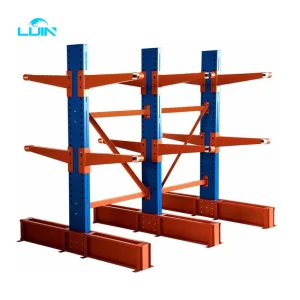
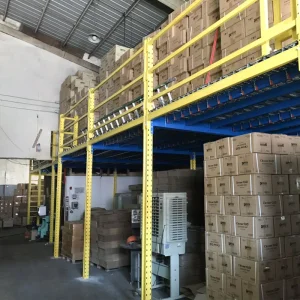
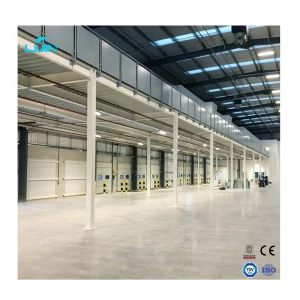
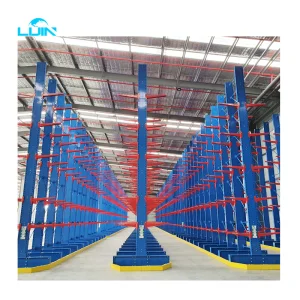
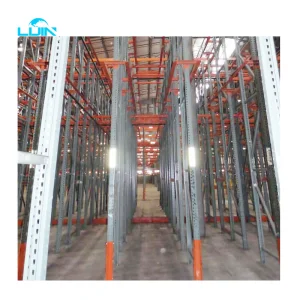
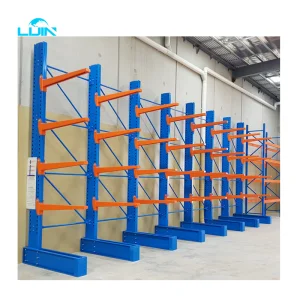
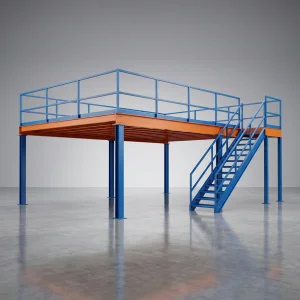
Heavy-duty structural storage configurations, custom cantilevers, and heavy platform structural solutions for maximum warehouse space optimization.
Get professional clarification on materials, design calculations, standards compliance, and international logistics details.
 Lijin Racking