Engineered for extreme longevity, dynamic load distribution, and rapid assembly interface configurations.
An in-depth analysis of supply chain stresses, mechanical capacity planning, and material engineering standards.
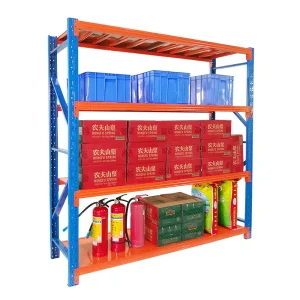
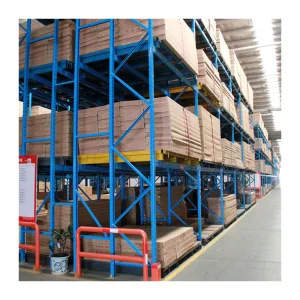
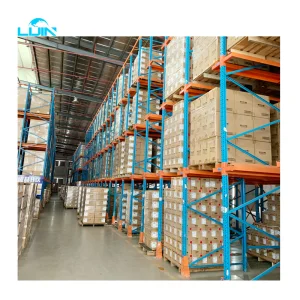
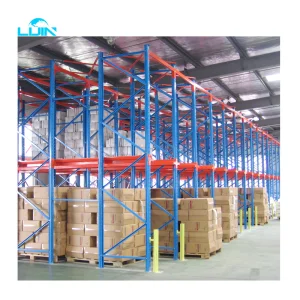
The global warehousing landscape is undergoing a structural paradigm shift. Accelerated by e-commerce logistics, just-in-time (JIT) manufacturing, and complex localized inventory requirements, the demand for versatile, highly configuration-stable space utilization solutions has reached unprecedented heights. Within this ecosystem, medium-duty storage systems act as the vital bridge between high-density heavy pallet racks and light-duty manual picking bins. Engineered to support payloads generally ranging from 300 kg to 1,000 kg per level, these systems require rigorous calculations of load-bearing profiles, safety factors, and structural deflection limits (such as the industry-standard L/200 ratio).
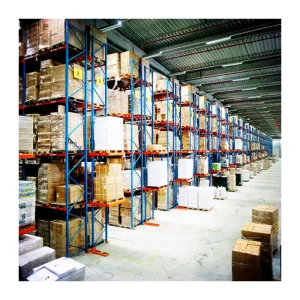
At a global level, commercial enterprises face severe spatial constraints. Industrial rents in logistical corridors have surged, forcing facilities to optimize vertical volume. Medium-duty storage architectures—specifically boltless longspan shelving and integrated multi-tier picking structures—allow operators to double active floor area without expanding physical facility footprints. By implementing precision-engineered upright frameworks and adjustable step beams, modern logistics centers can seamlessly adapt to changing inventory profiles, minimizing downstream overhead and improving picking cycle times.
Pioneering structural integrity and precision cold-rolled steel storage systems since 2015.
Established in 2015, Shenzhen Lijin Storage Equipment Co., Ltd. stands as a premier enterprise specializing in the design, manufacturing, and global distribution of heavy-duty warehouse racking systems, automated storage solutions, and high-performance industrial shelving. With over 8 years of direct export experience and a team of 35 quality inspection specialists, we ensure that every structural weld, upright column, and step beam complies with global safety protocols including EN 15512 and RMI standards.
Our production facilities utilize automated manufacturing lines, high-precision roll-forming systems, and advanced electrostatic powder-coating lines to produce components with consistent mechanical properties and superior corrosion resistance. This level of vertical integration allows us to achieve strict cost controls, offering unmatched value while maintaining quality benchmarks required by high-density distribution networks.
Witness our multi-stage manufacturing workflow, built to guarantee structural compliance and tight dimensional tolerances.
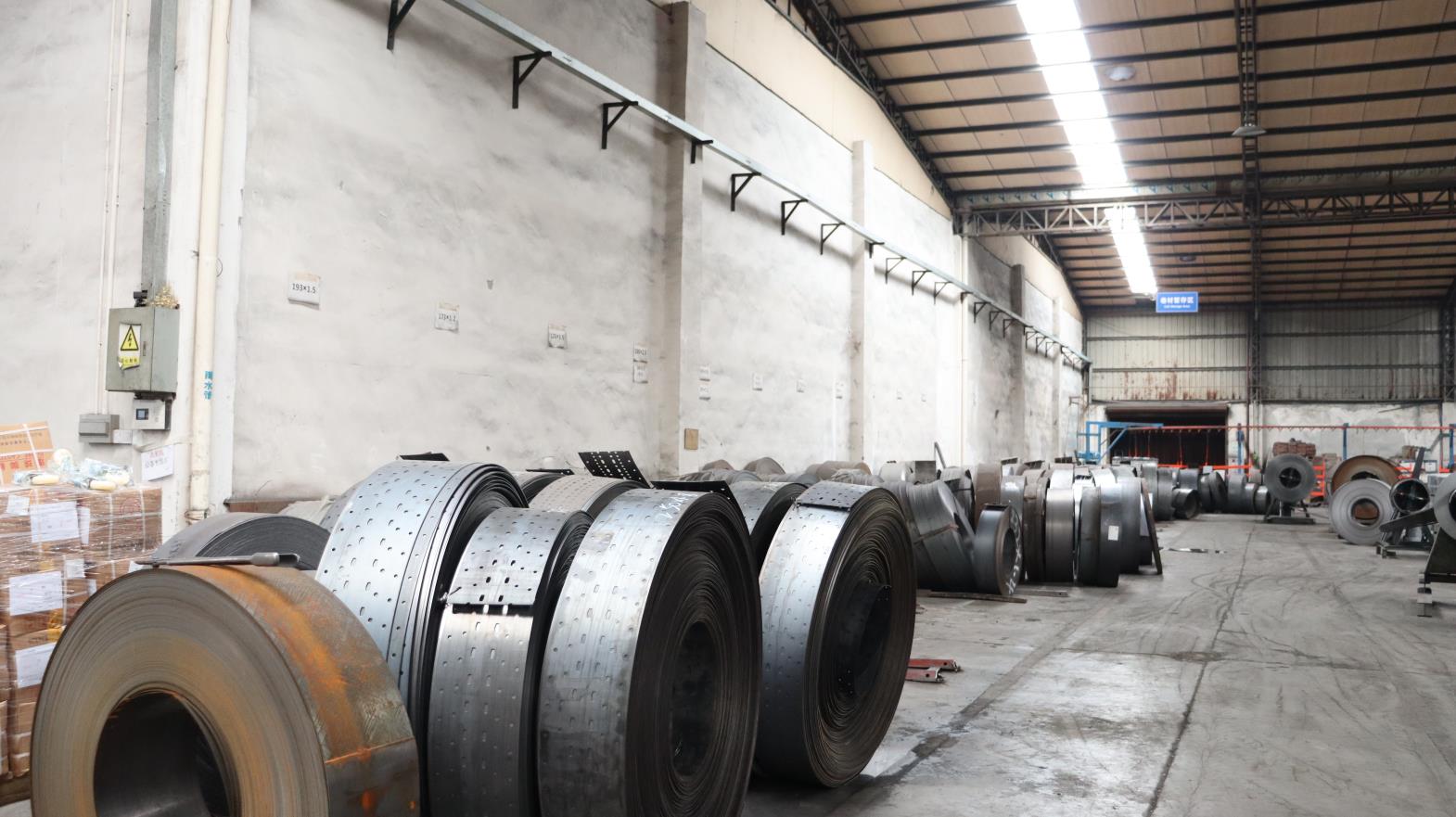
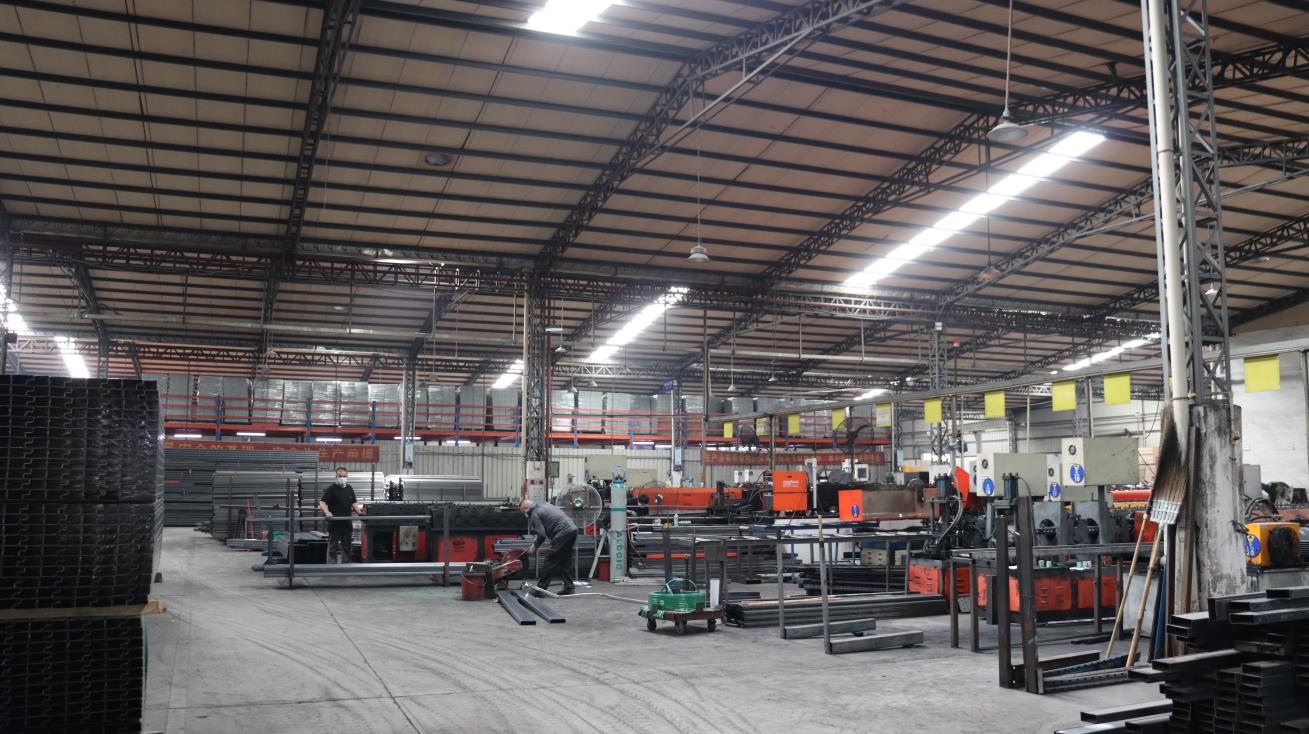
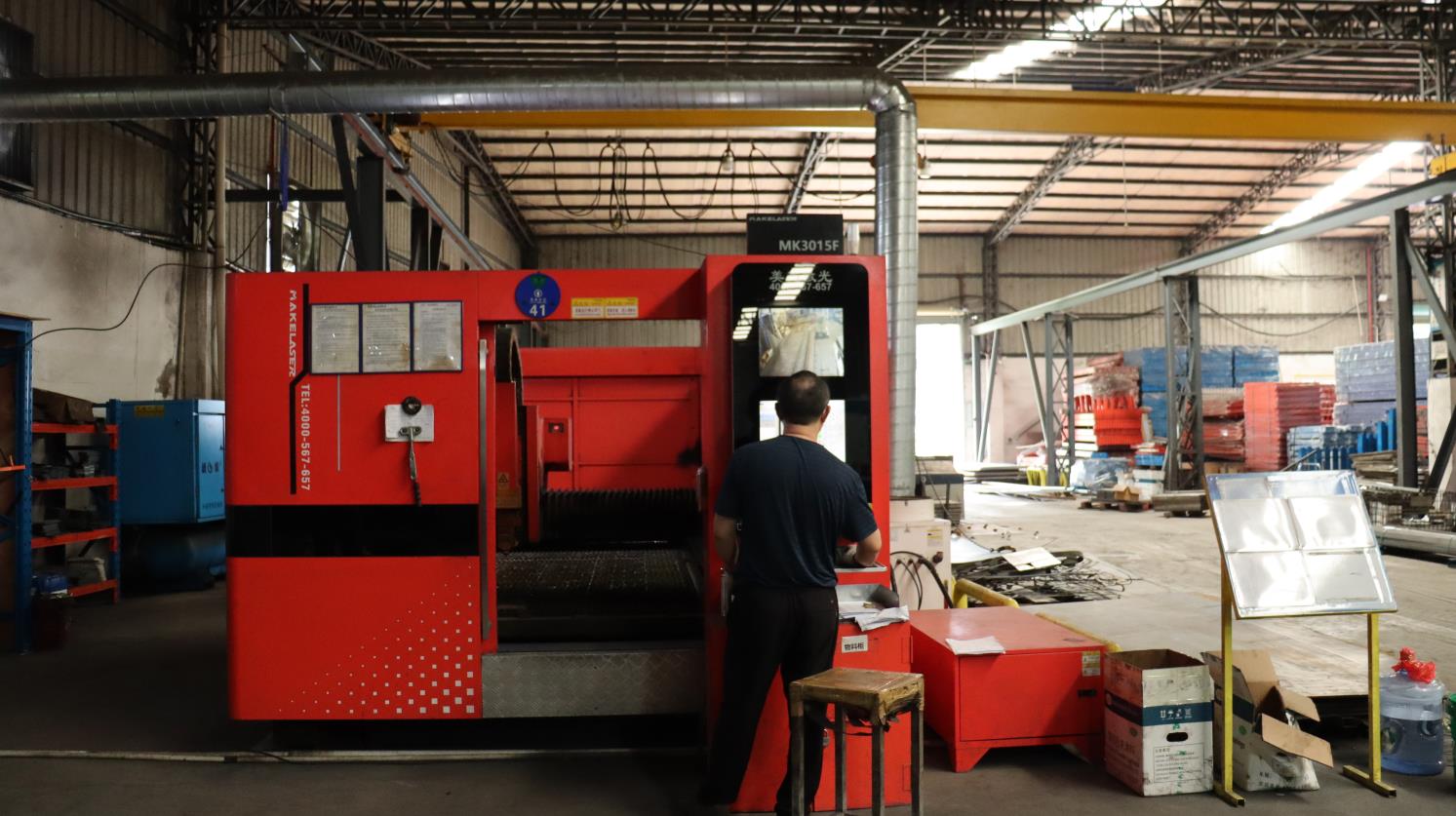
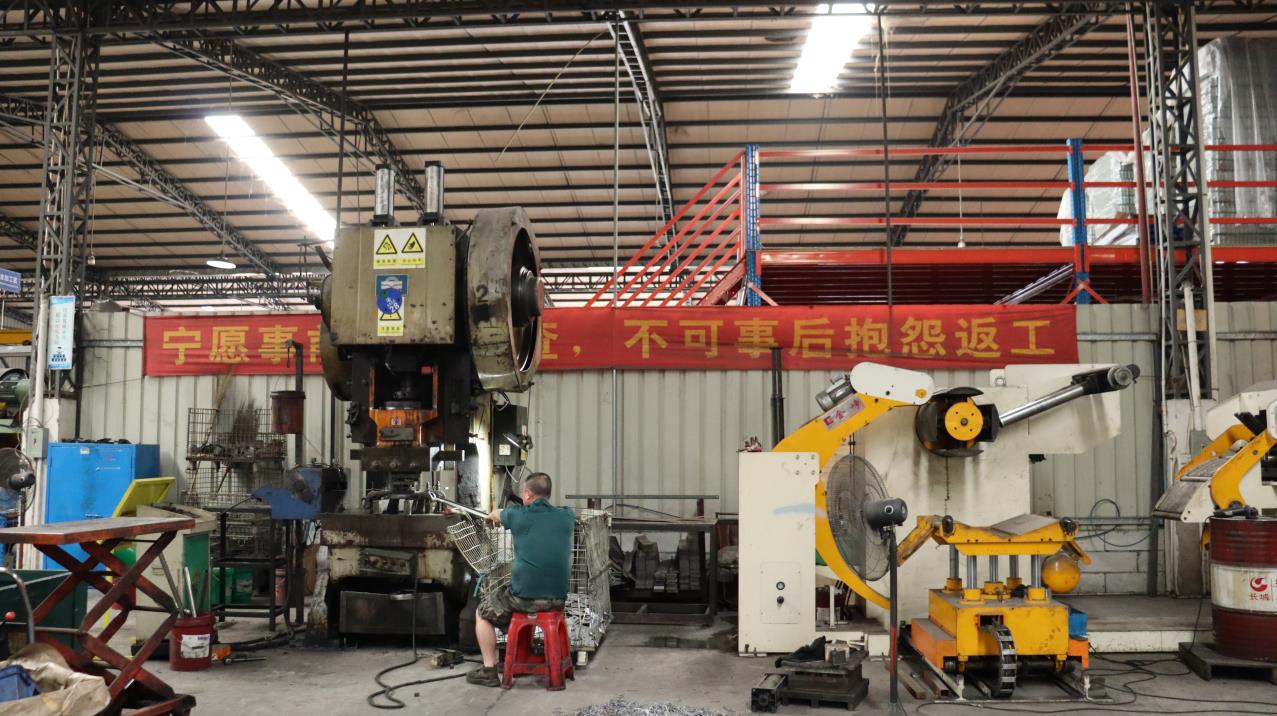
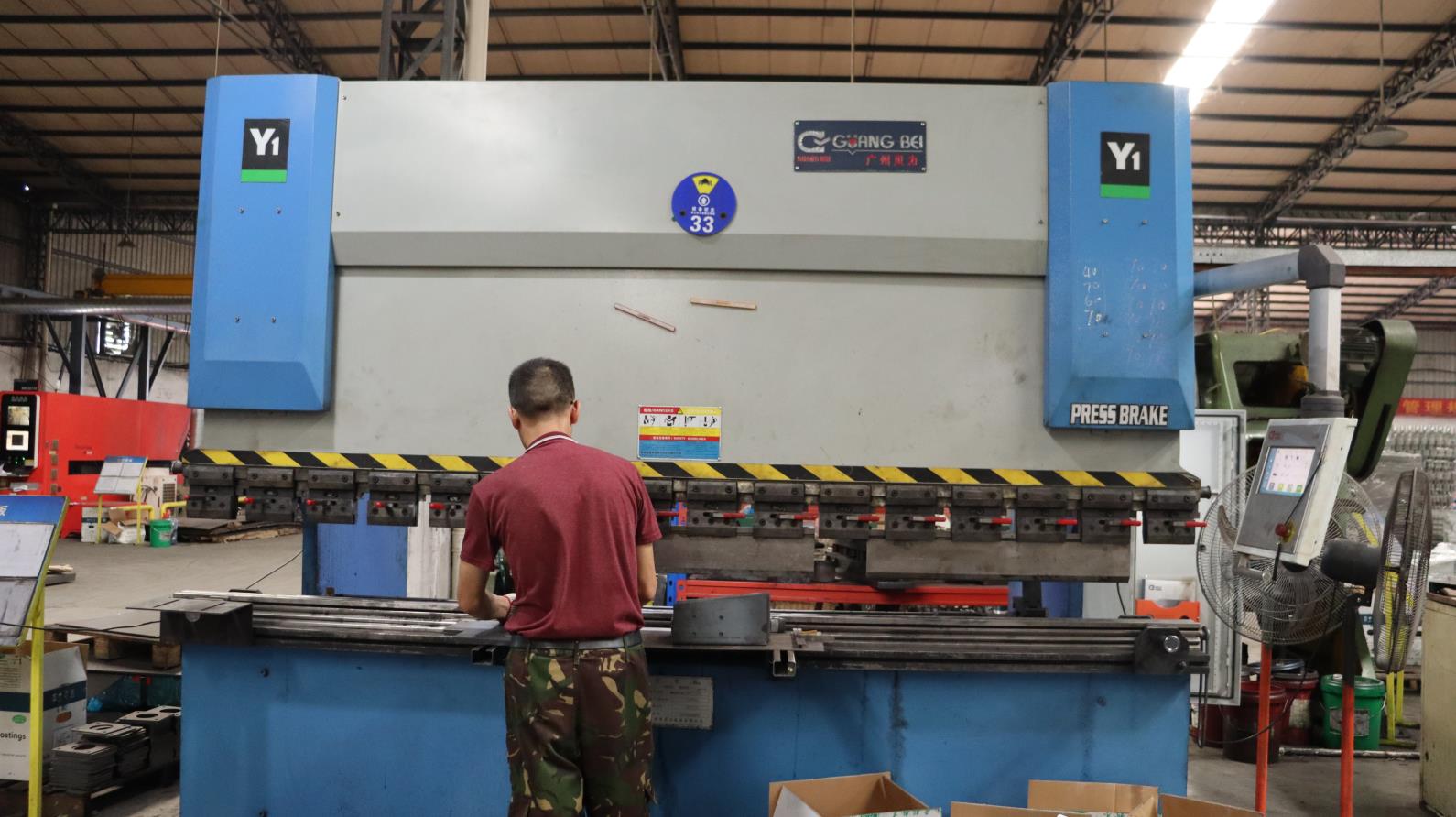
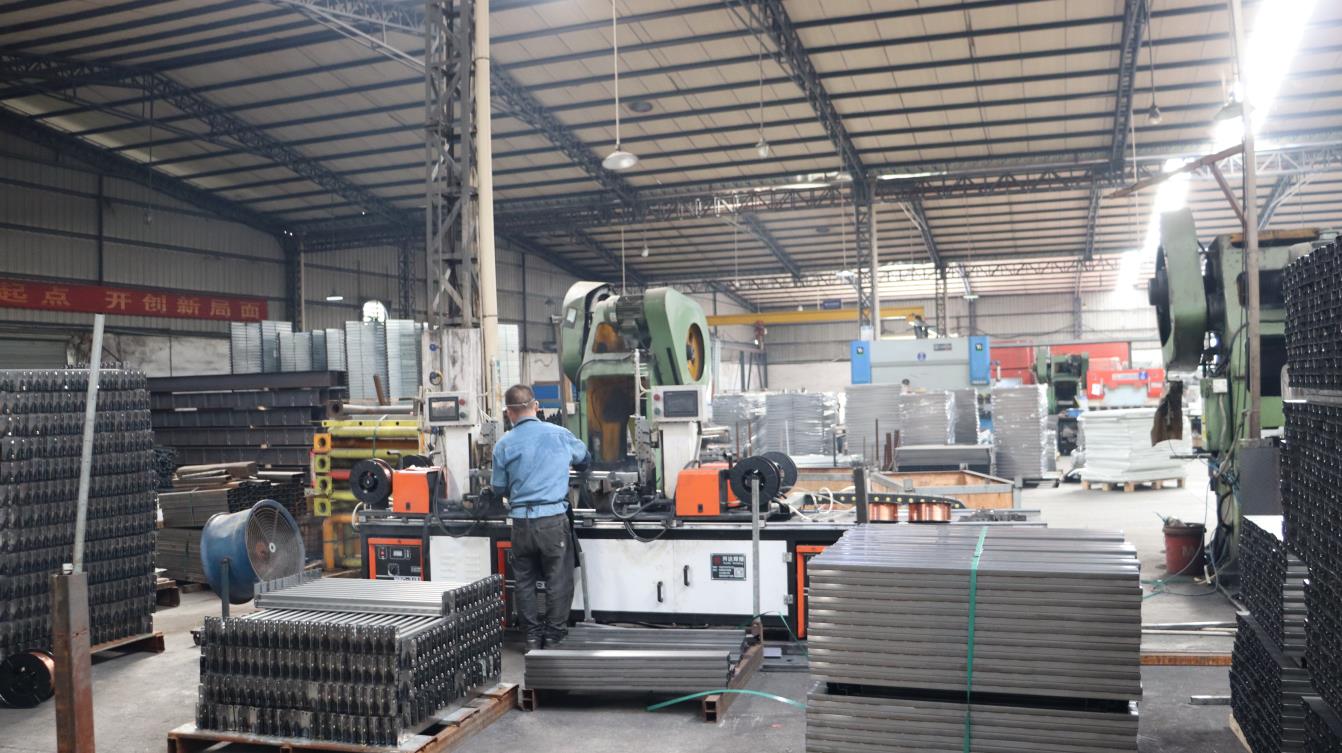
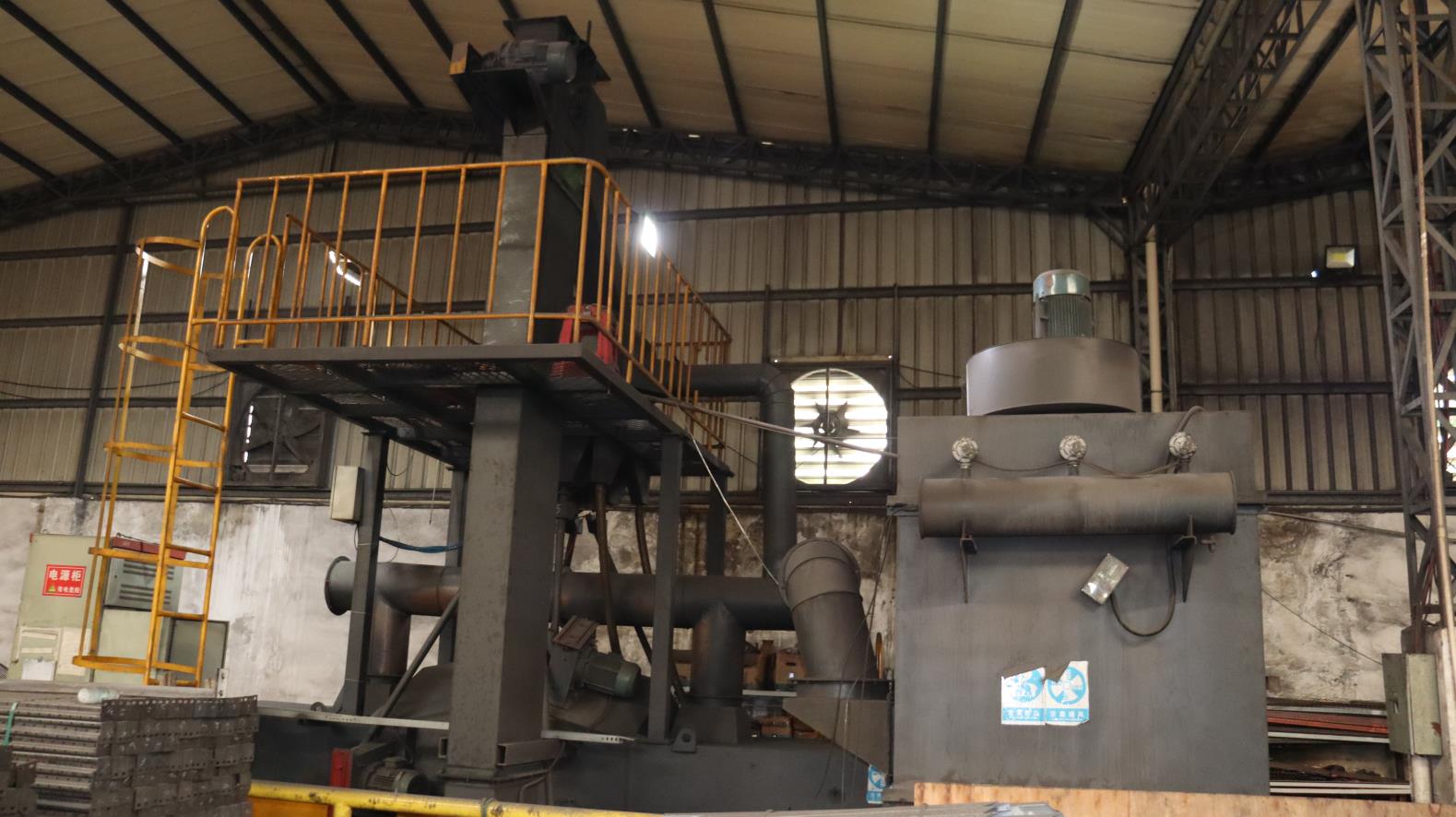
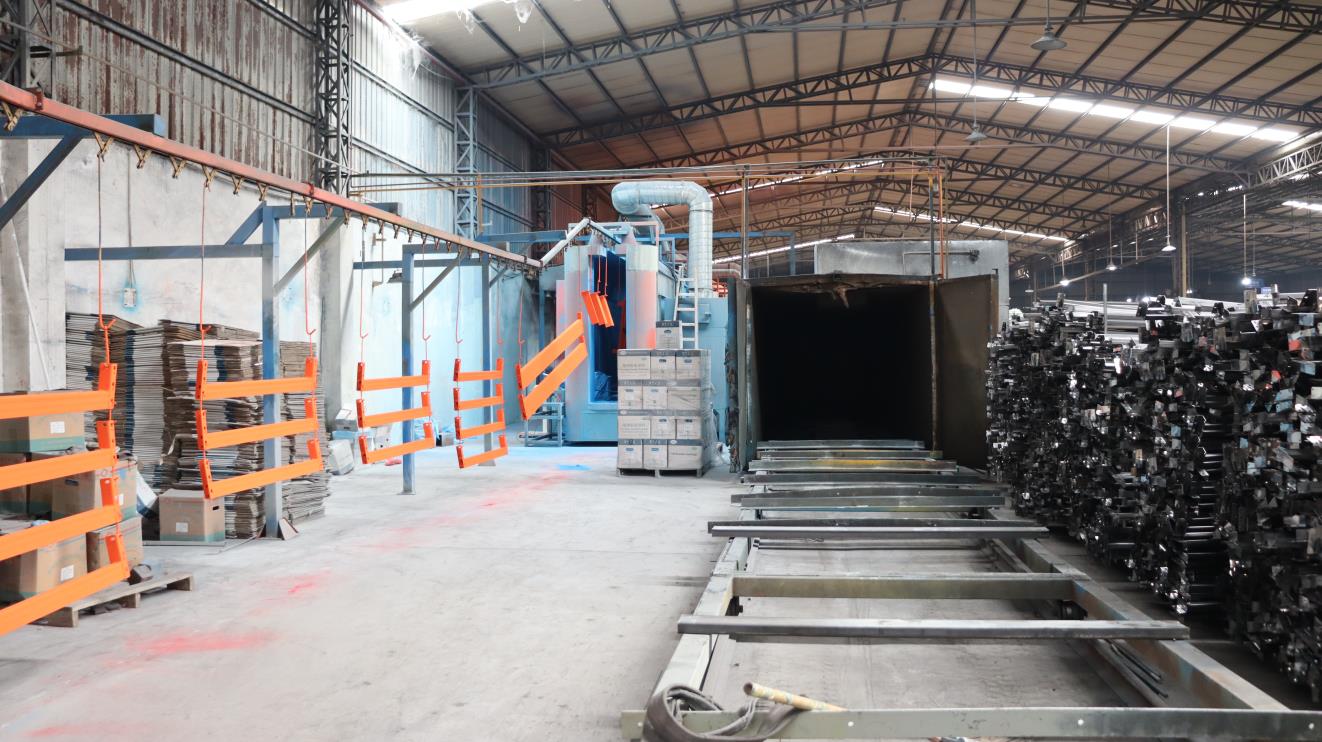
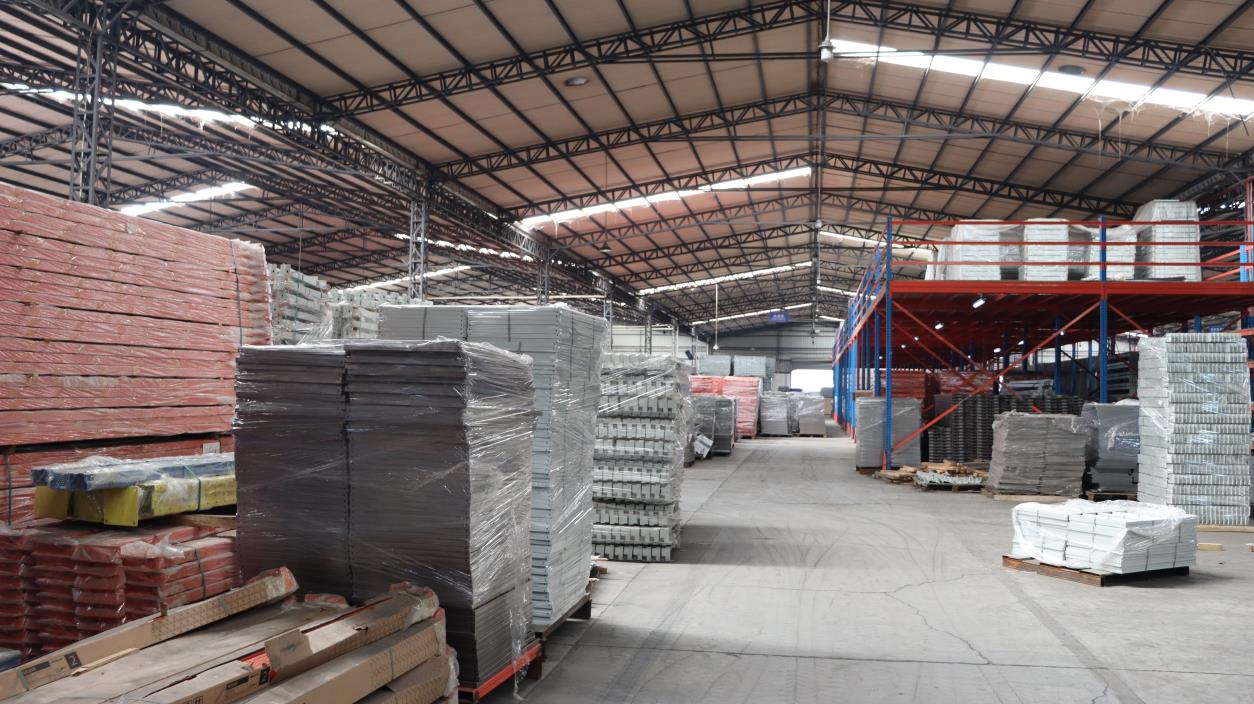
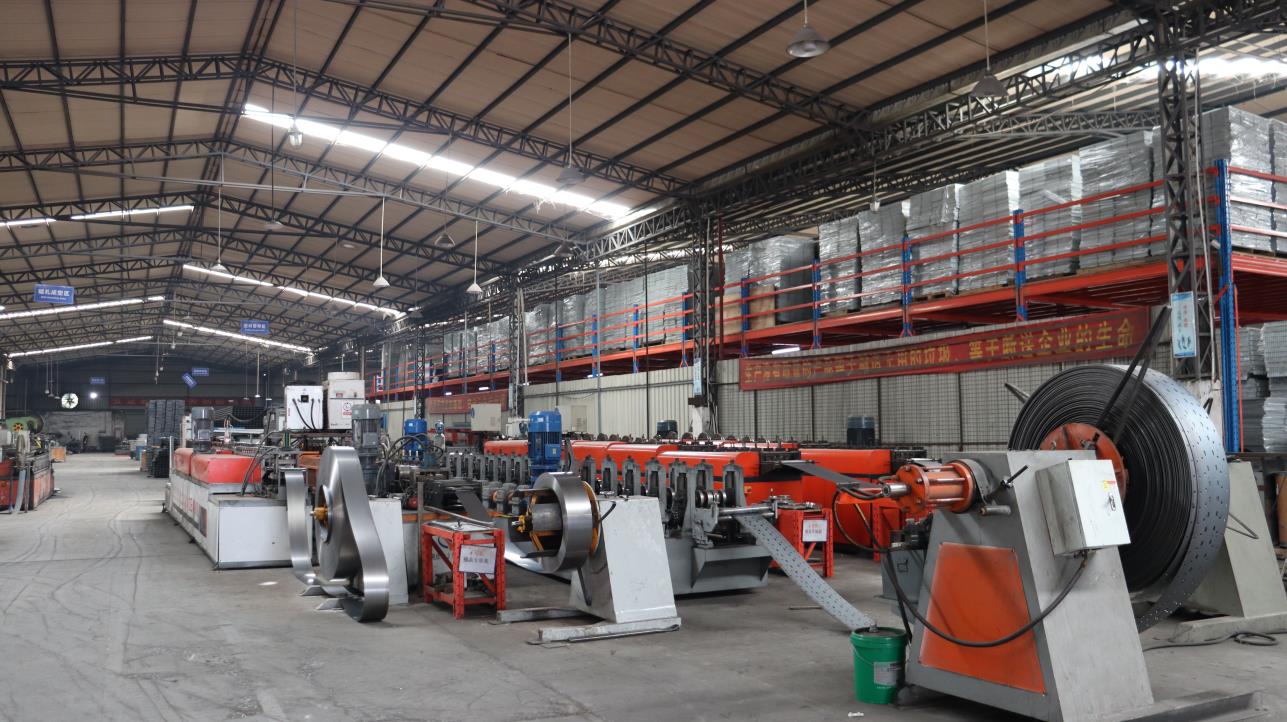
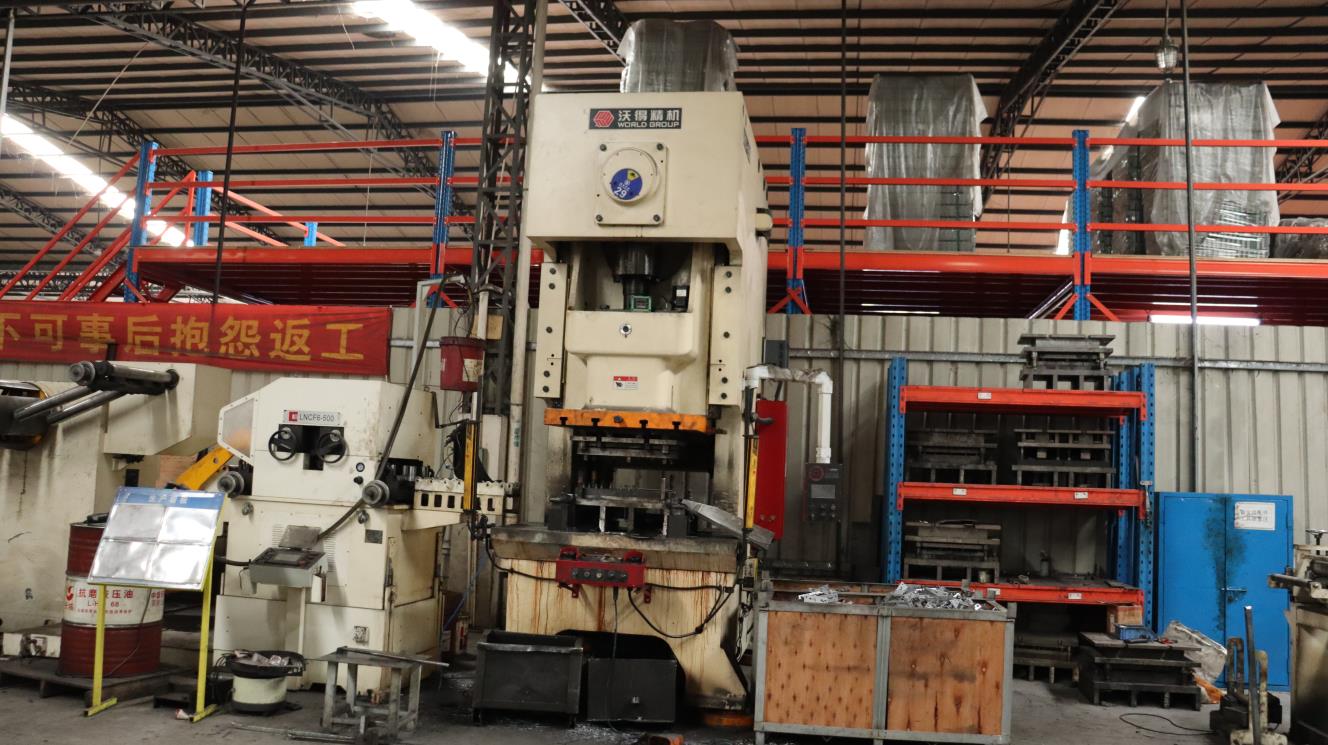
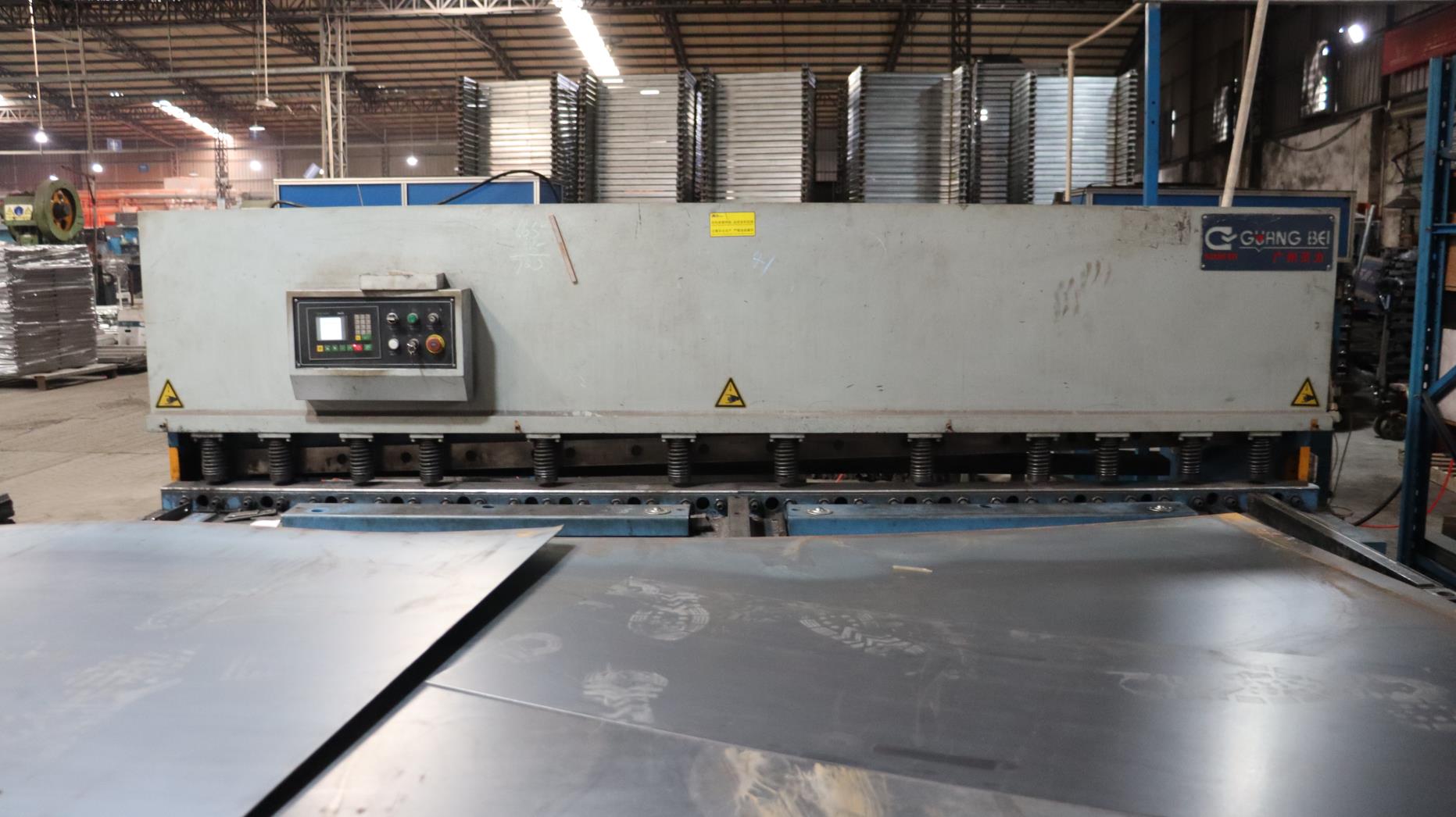
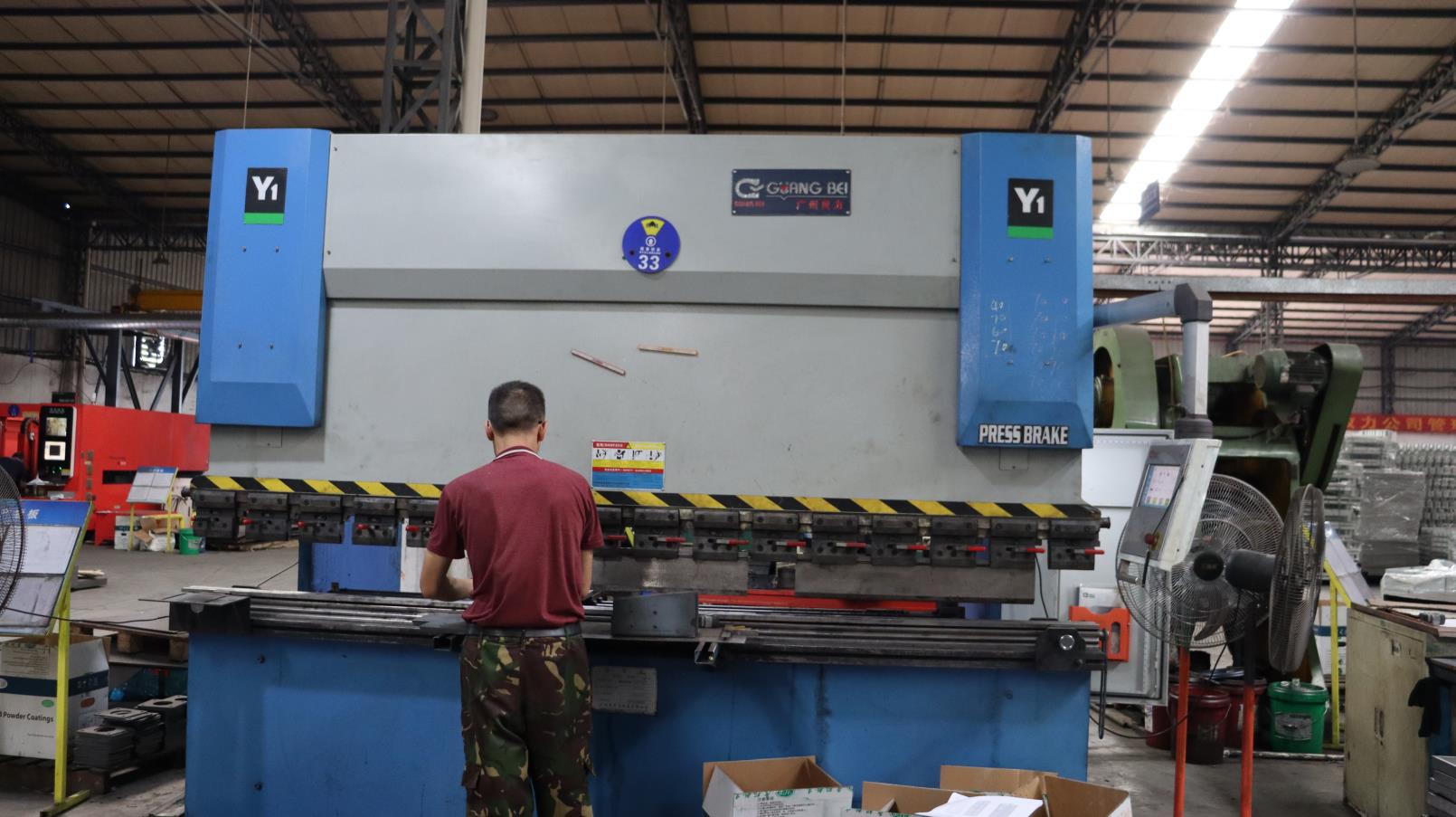
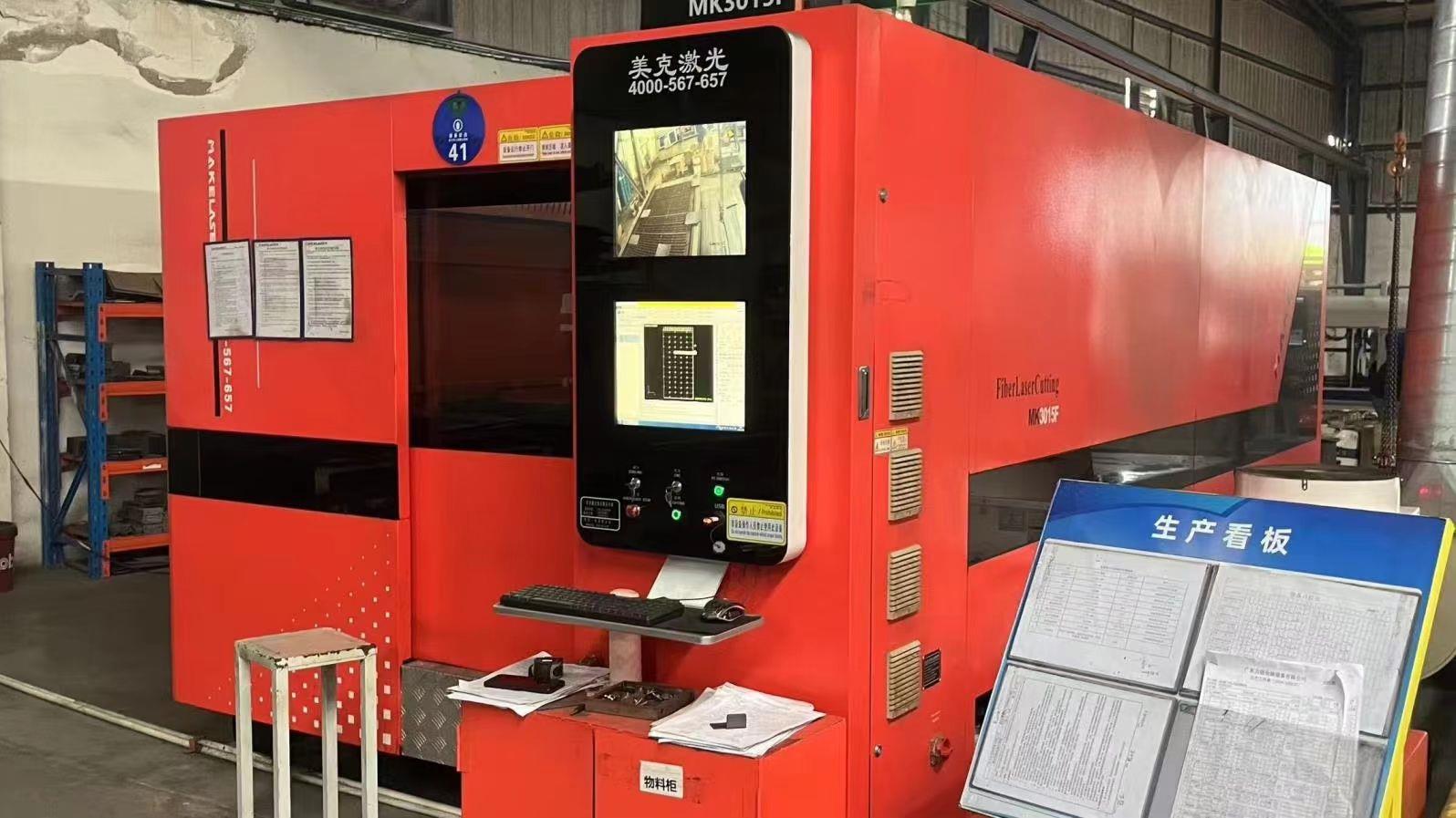
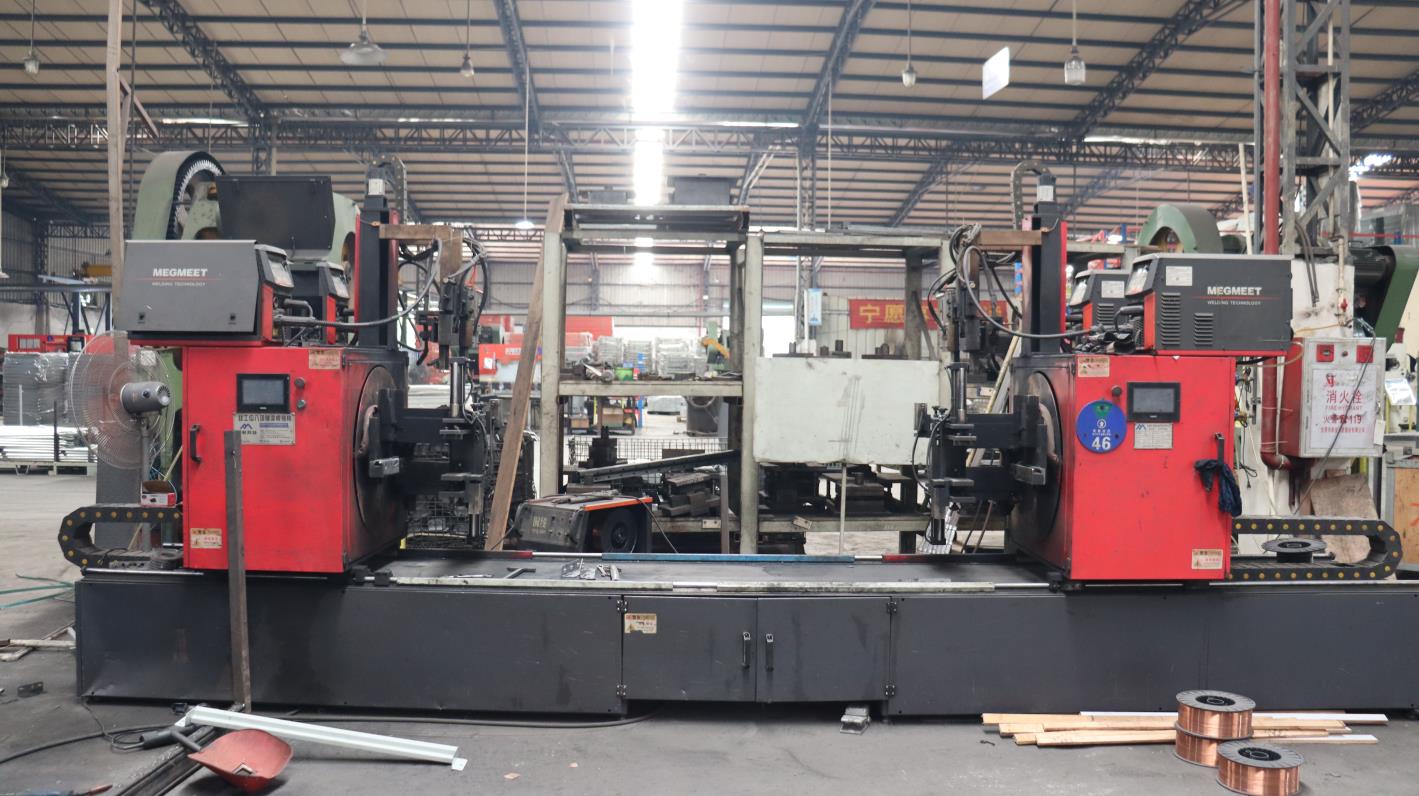
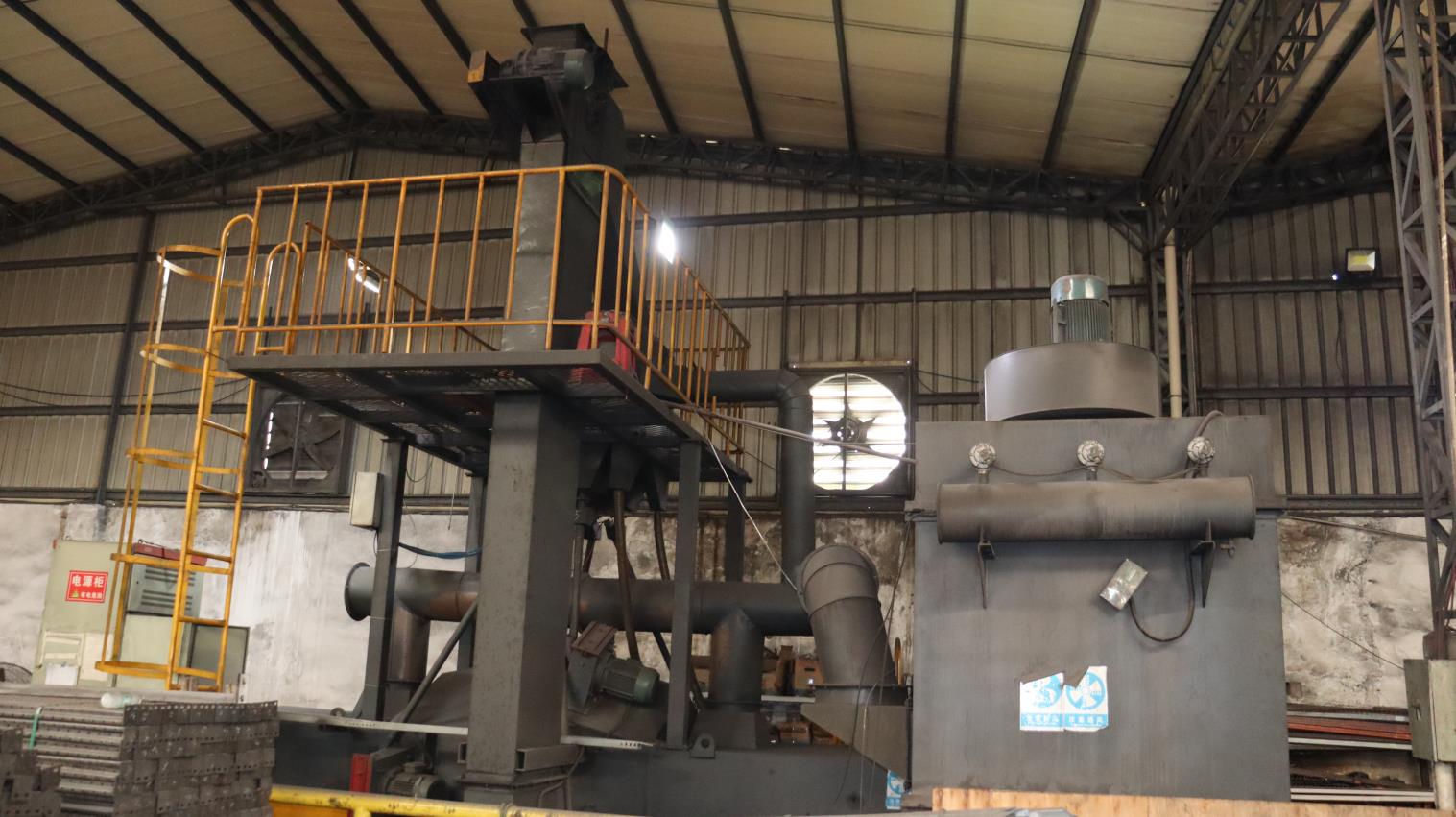
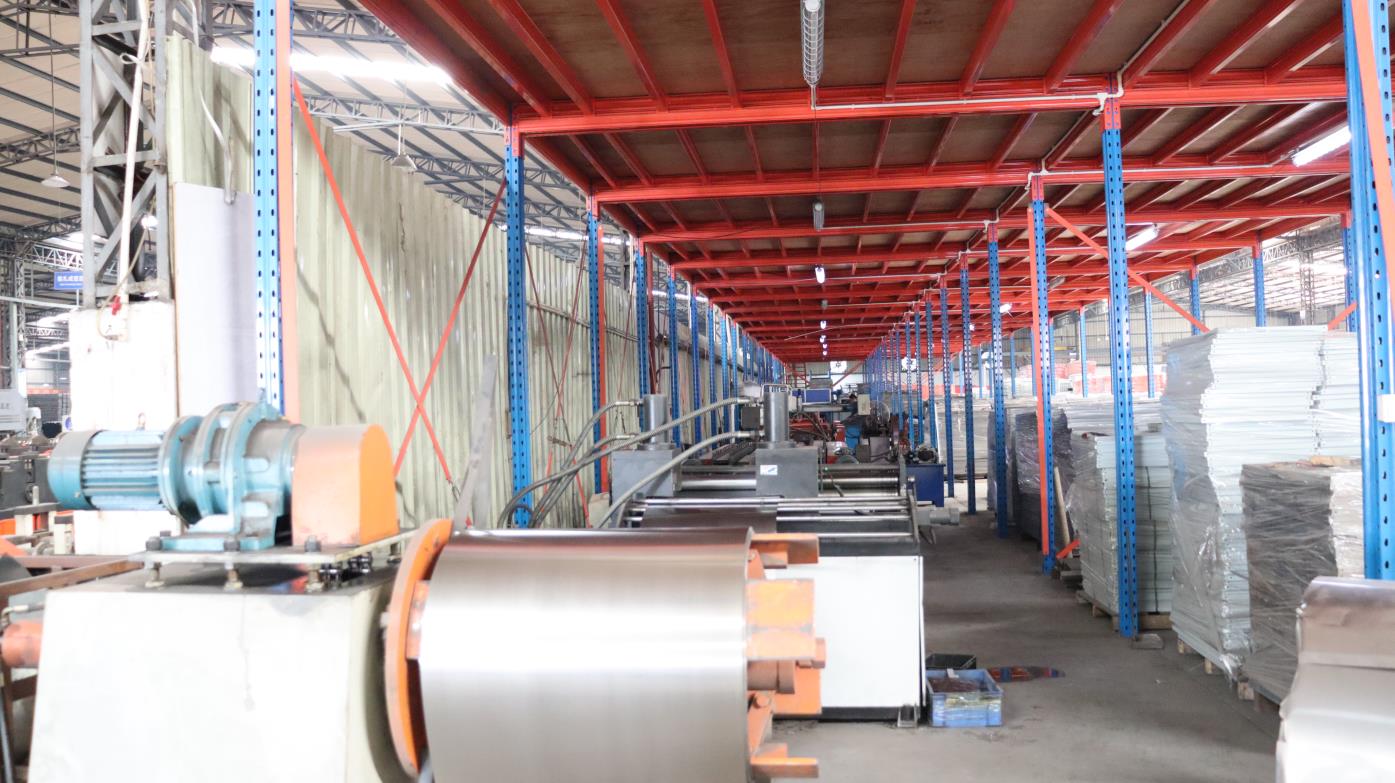
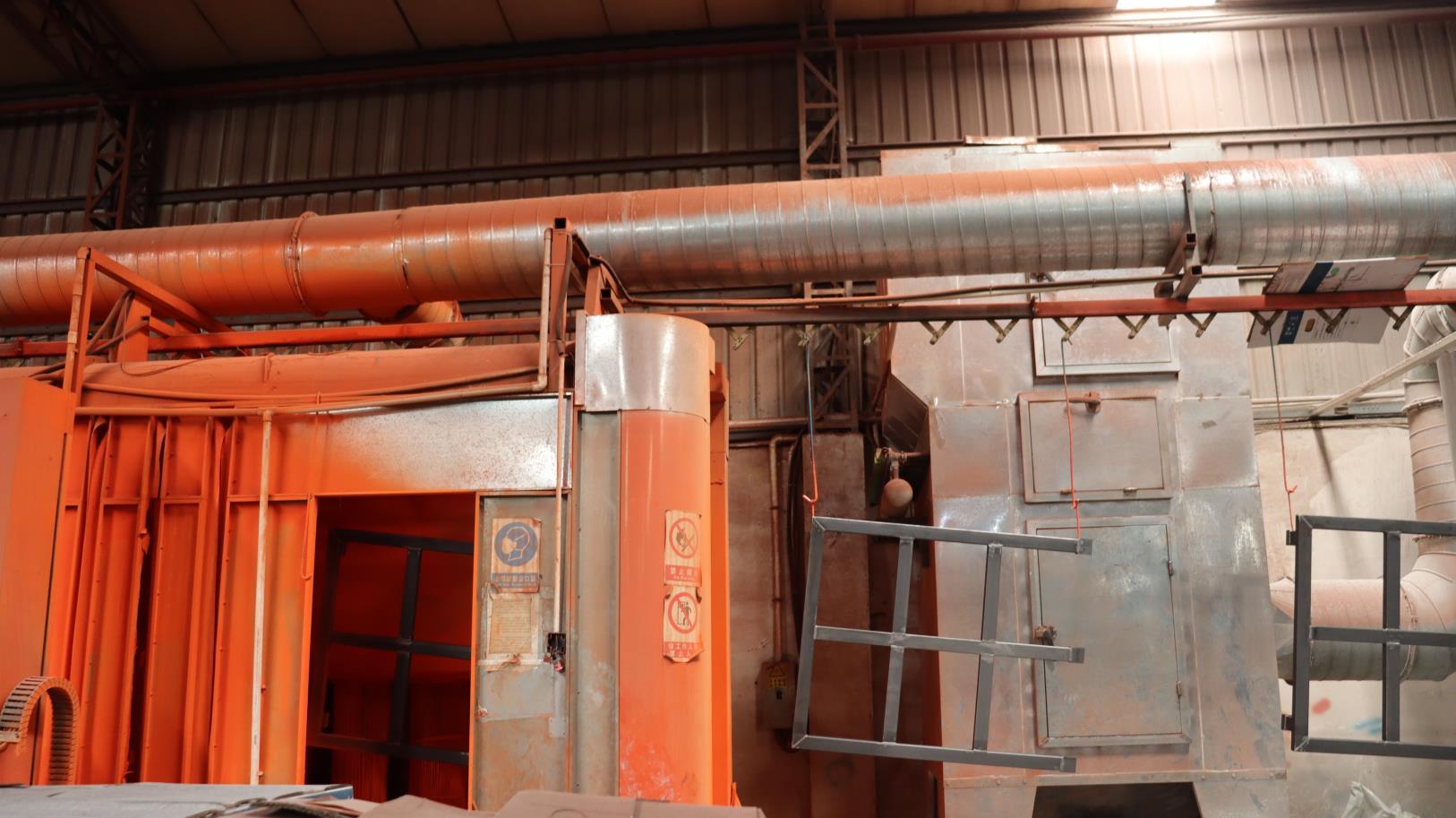
How Chinese raw material access, integrated supply chains, and engineering automation drive down total cost of ownership (TCO).
The concentration of raw material refinement, automated steel-rolling plants, and logistics infrastructure in China allows industrial manufacturers to achieve structural efficiencies that are difficult to match elsewhere. Shenzhen Lijin relies on local, direct access to premium Q235 structural steel coils, eliminating regional transport surcharges and long material staging queues. This allows us to cut lead times down to standard 15-to-25 day manufacturing windows, even for customized ODM architectural layouts.
Our localized manufacturing cluster also integrates advanced metallurgical testing laboratories and specialized finishing facilities within close proximity. Because of this proximity, we can implement rigorous quality control gates without halting overall production schedules, helping clients minimize project delay risks.
Standardized robotic CO2 gas-shielded welding guarantees penetration depth, minimizing structural variance and material fatigue vulnerability over decades of usage.
Advanced non-toxic epoxy-polyester powder formulations are cured at 200°C. This delivers an impact-resistant shell rated above 60 microns in dry film thickness (DFT), preventing oxidation in humid warehouses.
Using finite element analysis (FEA), we calculate shear force tolerances and displacement behaviors. Our designs feature enlarged floor baseplates and floor anchor locations tailored to match local building codes.
Upright columns feature precise 50mm or 75mm incremental punching. This allows operators to reconfigure beam levels manually without requiring specialized tooling or welding modifications.
Tailored space-maximization designs across diverse global industrial sectors.
Industrial warehousing needs vary significantly by geography, temperature, and inventory type. Rather than a one-size-fits-all approach, modern facilities require specific system designs tailored to their unique operational profiles:
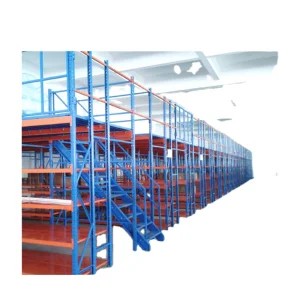
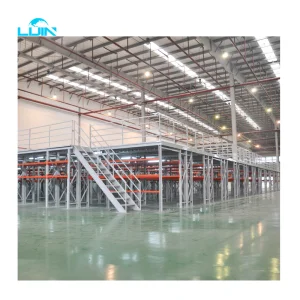
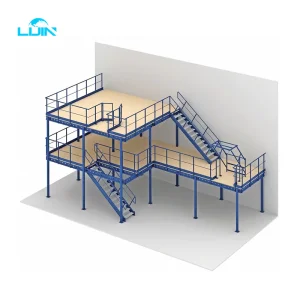
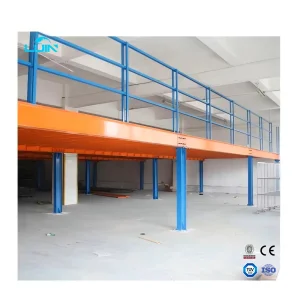
High-density multi-tier picking platforms integrate staircases, handrails, and pallet drop zones to double vertical floor footprint. This setup optimizes foot-traffic pick paths and handles SKU varieties that require manual sorting.
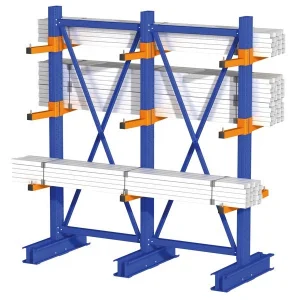
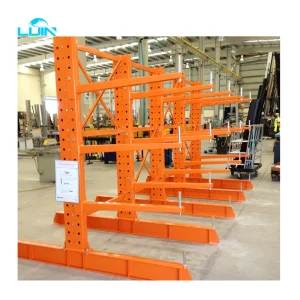
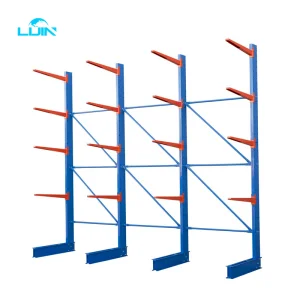
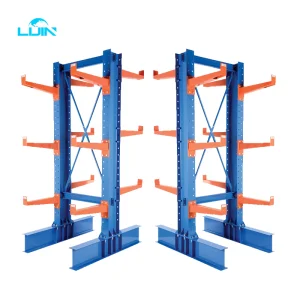
Using structural cantilever arms and reinforced steel deck panels, these systems accommodate irregular shapes, drive shafts, engine blocks, and long-shaft pipes, ensuring safe load distribution without column interference.
Using low-temperature resistant powder coatings and hot-dip galvanized finishes, these racks resist structural peeling and oxidation down to -40°C. This protection maintains structural integrity in high-humidity cooling chambers.
Analyzing structural modularity, green materials, and automated systems integration.
Industrial storage systems are evolving from passive static racks into active, dynamic components within automated facilities. Modern distribution hubs require racking that integrates seamlessly with automated guided vehicles (AGVs), autonomous mobile robots (AMRs), and automated storage and retrieval systems (AS/RS). These technologies require ultra-tight structural tolerances, as deviations of even 2mm can disrupt automated crane paths and sensor alignments.
Additionally, green procurement regulations are driving changes in manufacturing processes. Global enterprises now seek suppliers that use energy-efficient powder curing systems, eco-friendly metal pre-treatments, and raw steel sourced from low-emission mills. Shenzhen Lijin focuses on sustainable operations, refining our processes to limit waste, optimize energy use, and lower the carbon footprint of our finished products.
Key quality standards and parameters for global procurement managers.
Answers to common technical, shipping, and engineering queries from procurement managers.
Heavy-duty structural platforms, pipe cantilever arrays, and custom steel mezzanine floors.
 Lijin Racking