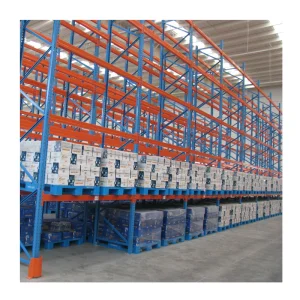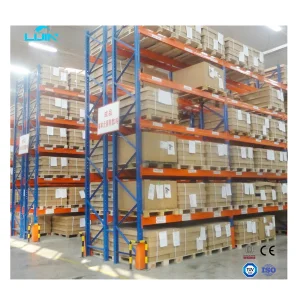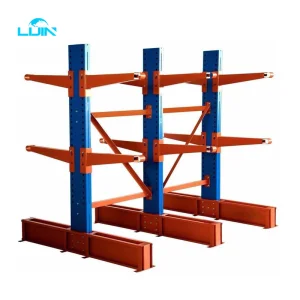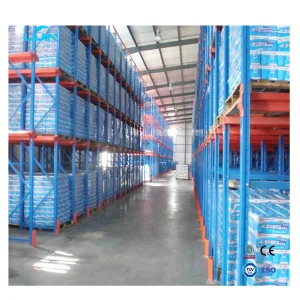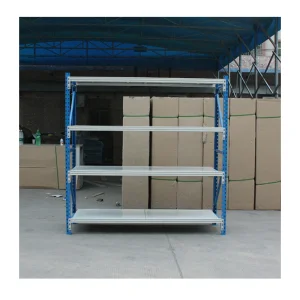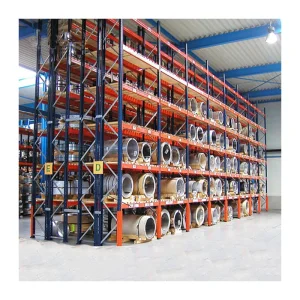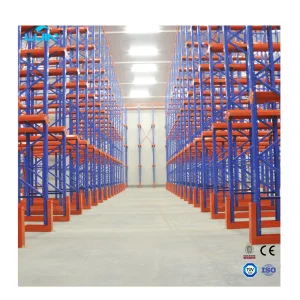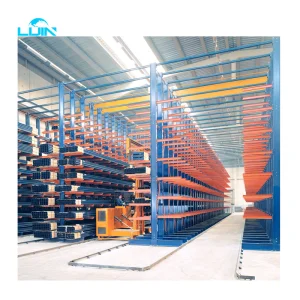
Shenzhen Lijin Storage Equipment Co., Ltd. is a premier manufacturing enterprise specializing in the structural design, stress analysis, precision production, and global export of heavy-duty warehouse racking and integrated automated storage solutions. From our state-of-the-art facility, we act as a foundational supply chain link for international logistics operations, logistics integrators, and industrial wholesalers worldwide.
With over 12 years of professional industry expertise and 8+ years of direct international trade capabilities, our footprint spans across critical economic corridors in North America, Western Europe, Southeast Asia, and the Middle East.
We operate a dedicated 35-person quality control team enforcing rigorous structural and chemical inspection protocols. From raw material yield-point verification to computerized loading simulator tests, Lijin ensures every single installation meets structural standards including FEM 10.2.02, RMI, and EN 15512.
Modern distribution nodes require more than static steel structures. Dynamic storage, shuttle systems, automated crane integration, and seismic compliance dictate the profile of industrial racking. Our team designs custom rack solutions that integrate smoothly with warehouse automation components.
We perform mechanical structural simulations using FEA software to model load patterns, frame deflections, and bucking modes. This guarantees structural stability under operational load combinations, including wind, snow, and seismic actions.
Automated storage and retrieval systems demand millimeter-level tolerances. Our R&D team works closely with logistics integrators to align guiding rails, crane runouts, and sensor reflectors with structural columns, minimizing spatial discrepancies.
We engineer systems in accordance with regional standards (like FEMA, RMI, and ASCE 7). Racks destined for high-seismic zones feature heavy-duty base plates, customized diagonal bracing configurations, and custom anchoring arrays.
Sub-zero environments require steel structures that retain ductile properties under extreme conditions. We manufacture racks using high-quality steel alloys (such as Q355B or Q355D) combined with thick hot-dip galvanized finishes.
Modern fulfillment centers rely on picking efficiency. We design multi-tier racking configurations and picking platforms that integrate with vertical conveyors and high-speed sortation machinery.
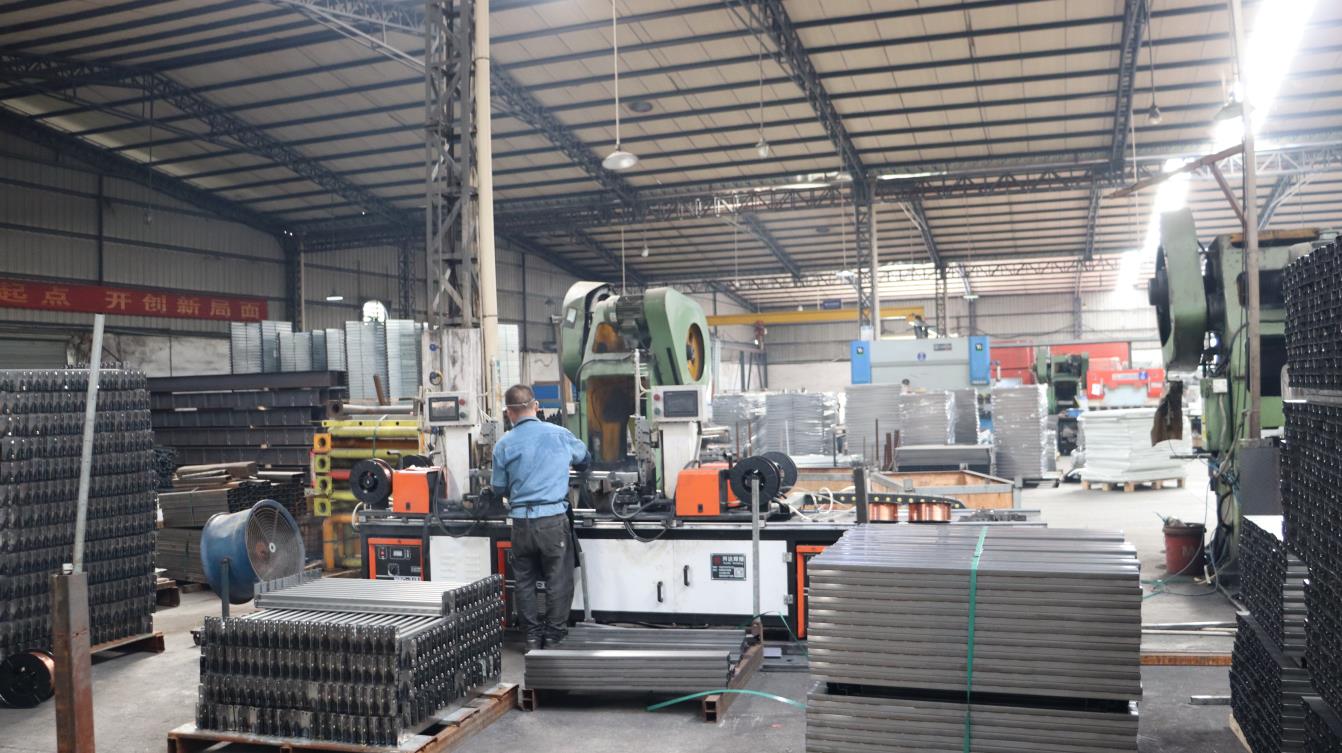
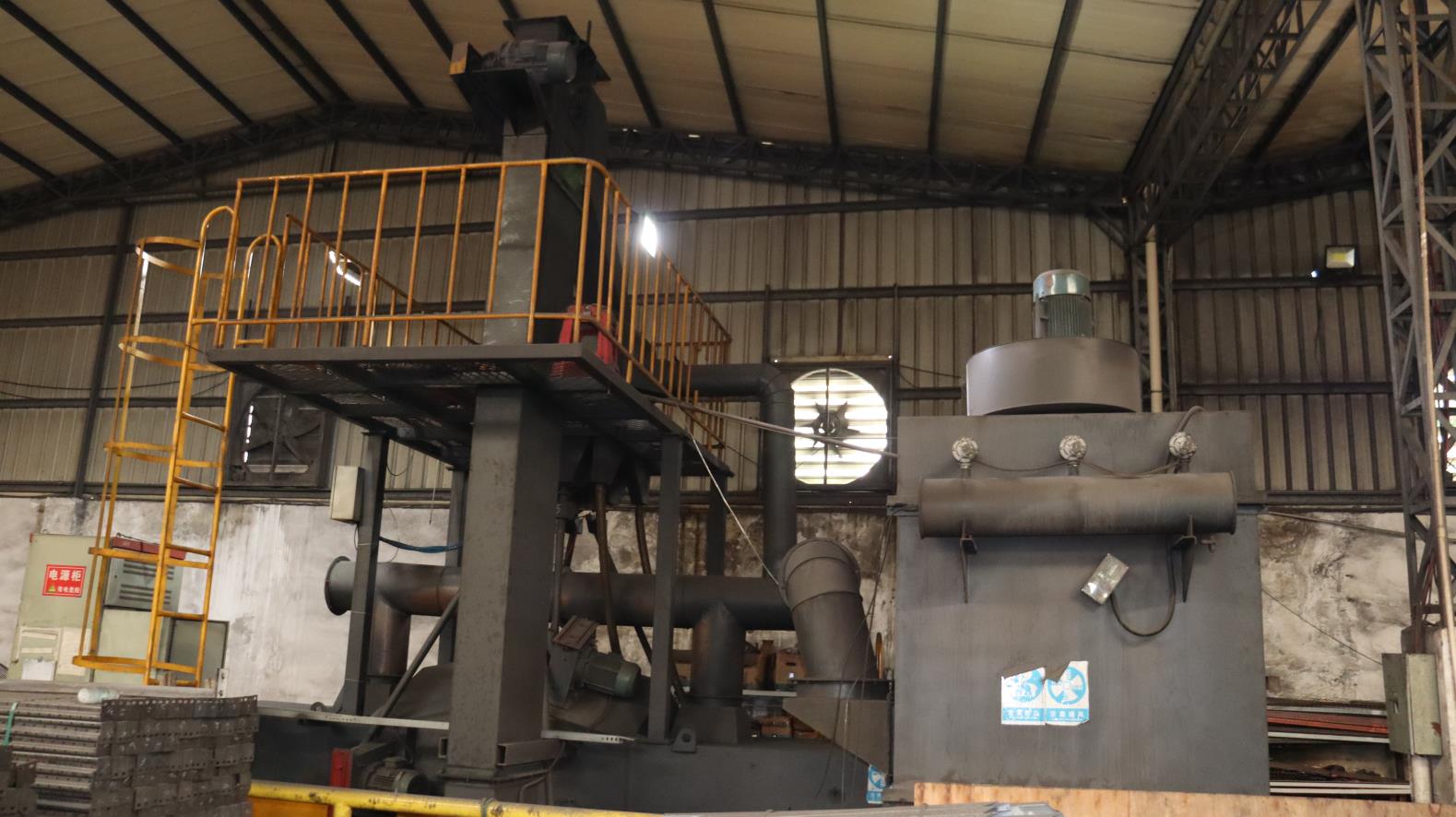
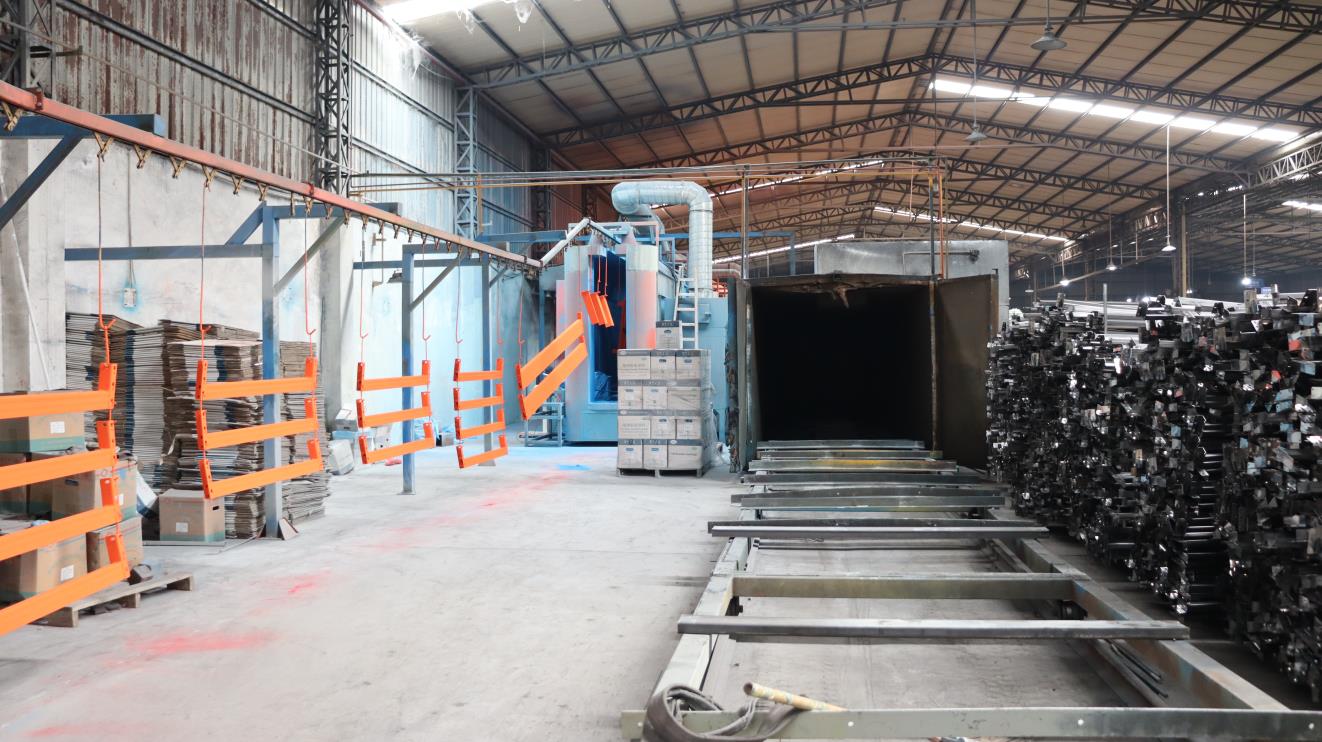
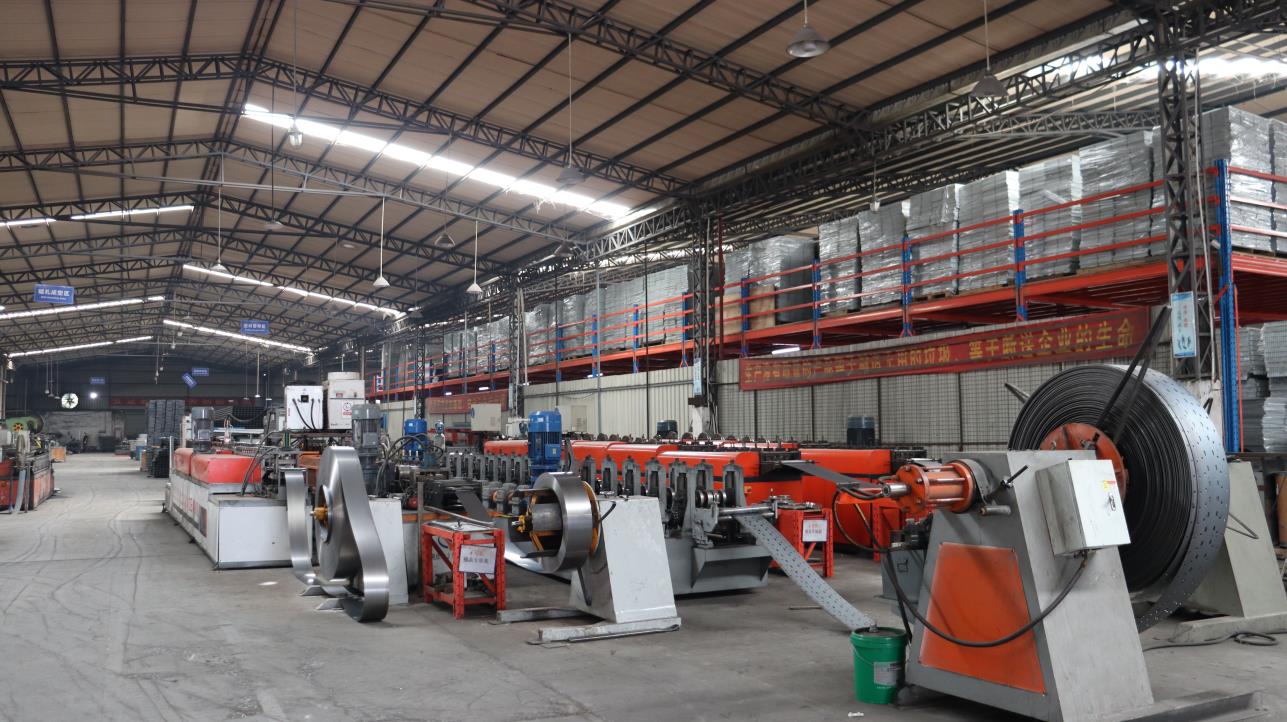
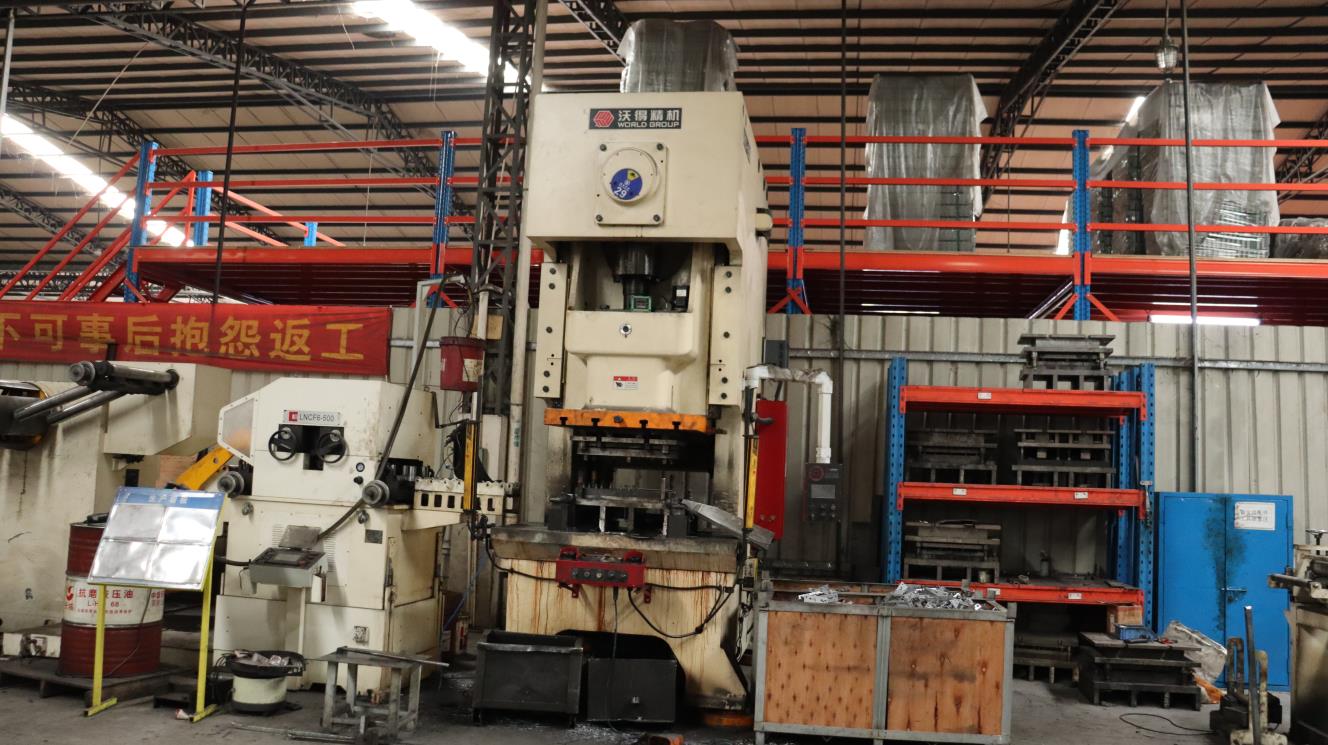
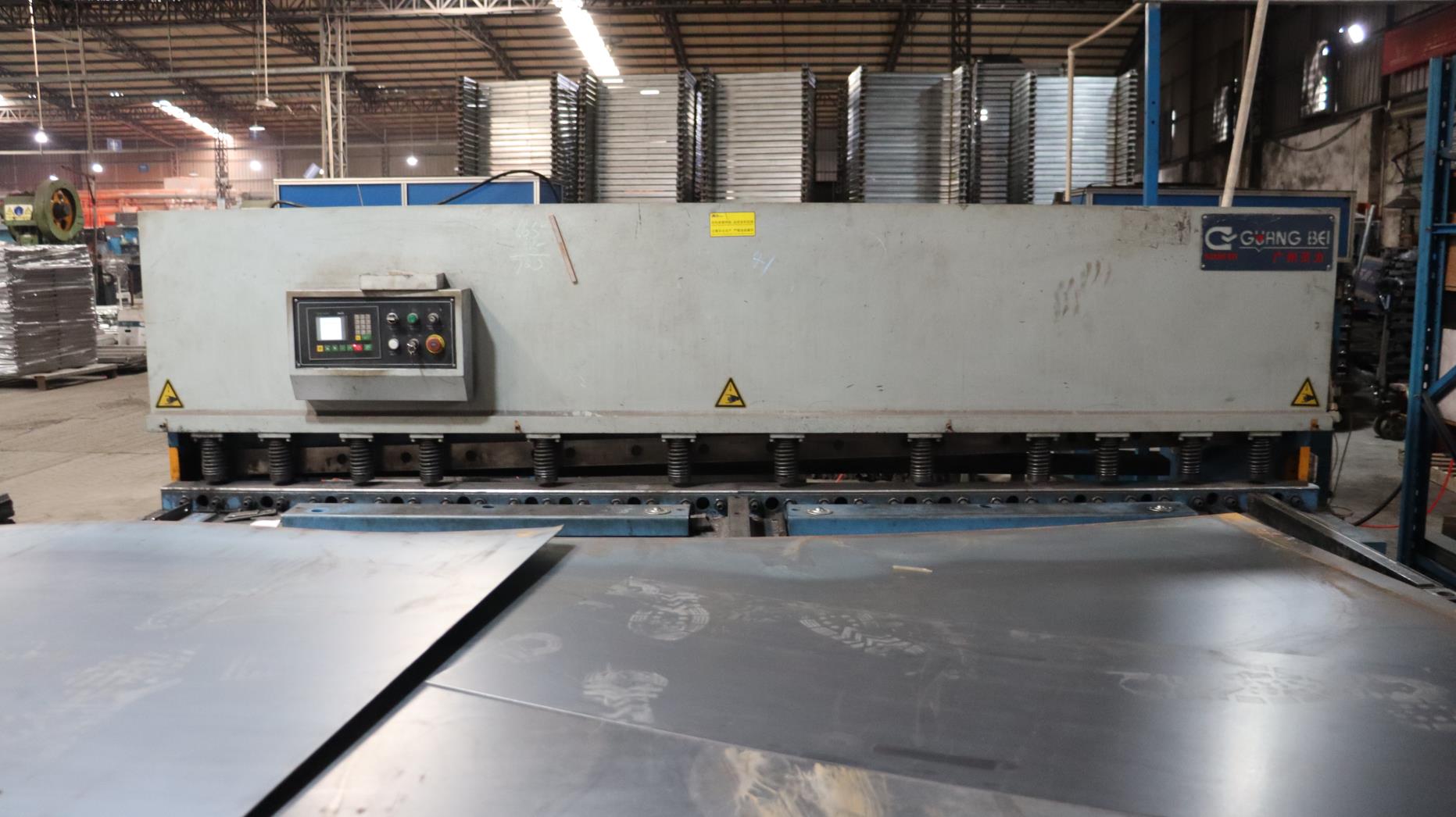
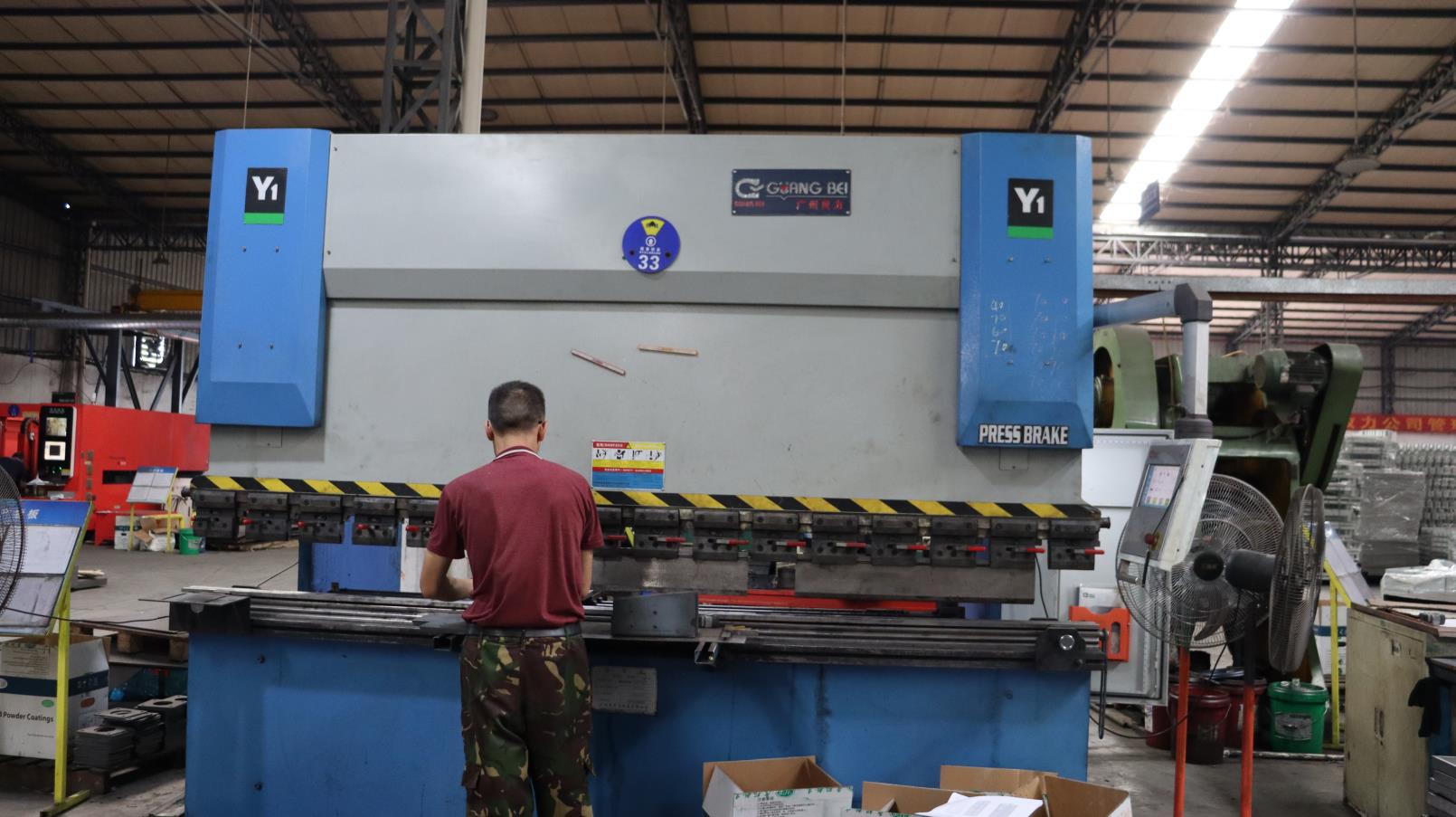
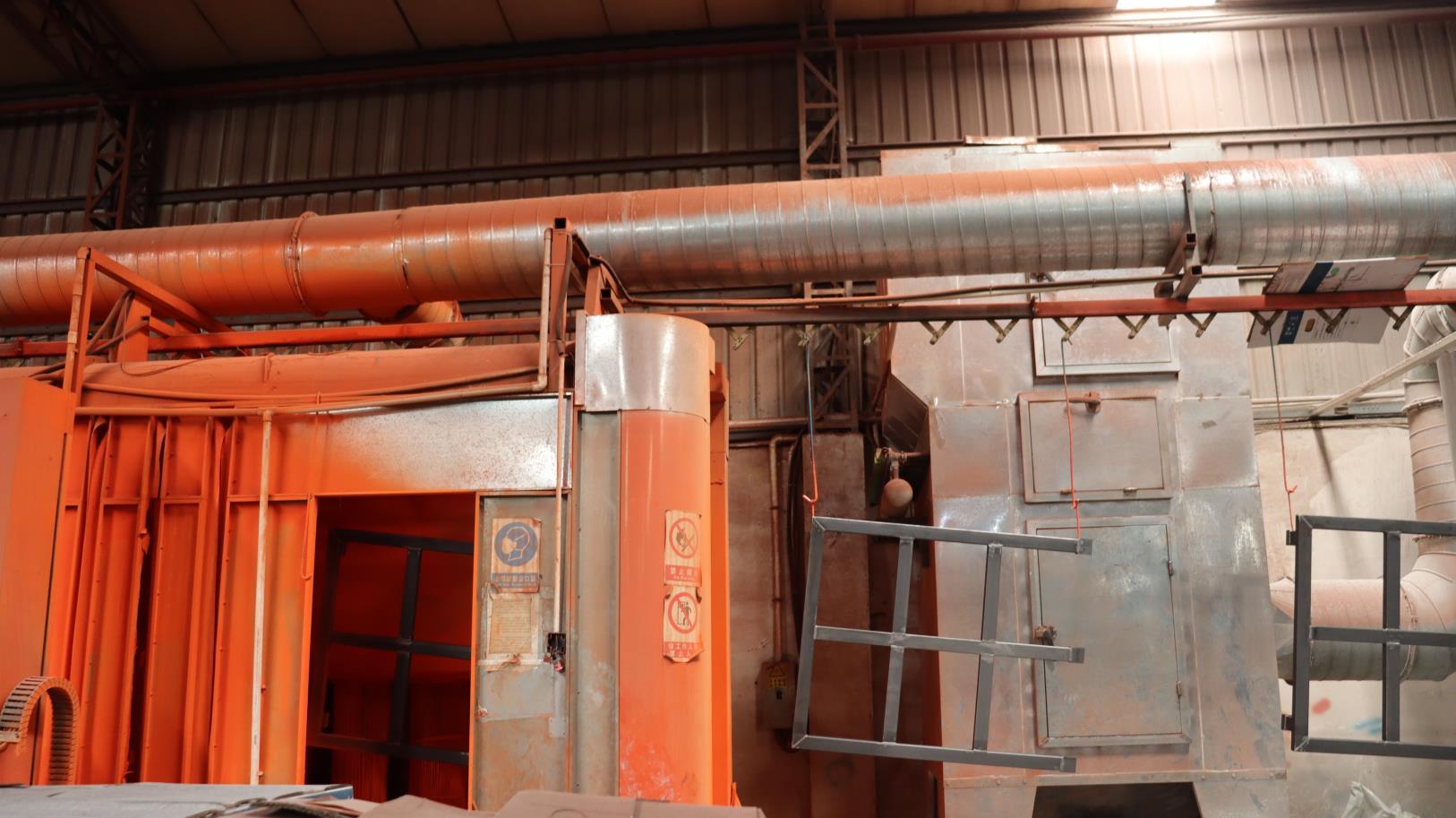
Our manufacturing facility uses automated machinery and precise quality checks to produce structural steel sections with consistent load capacities and precise dimensional tolerances.
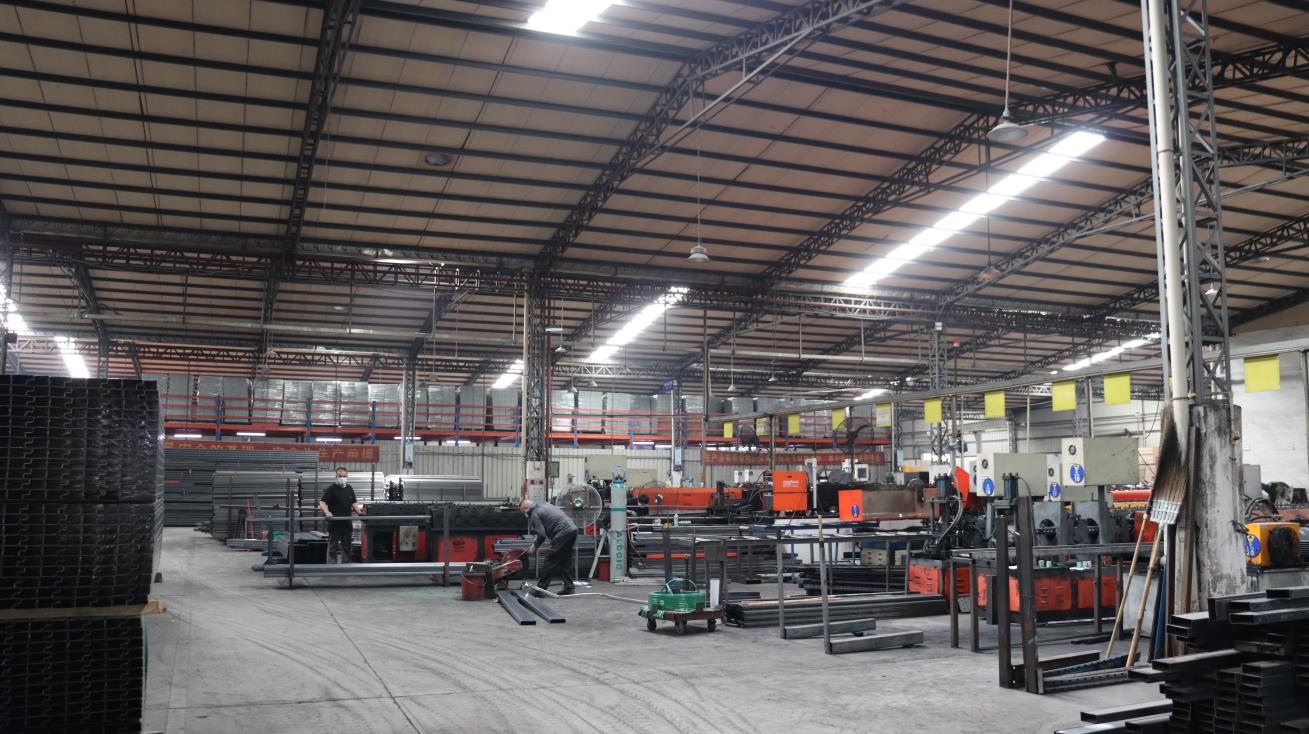
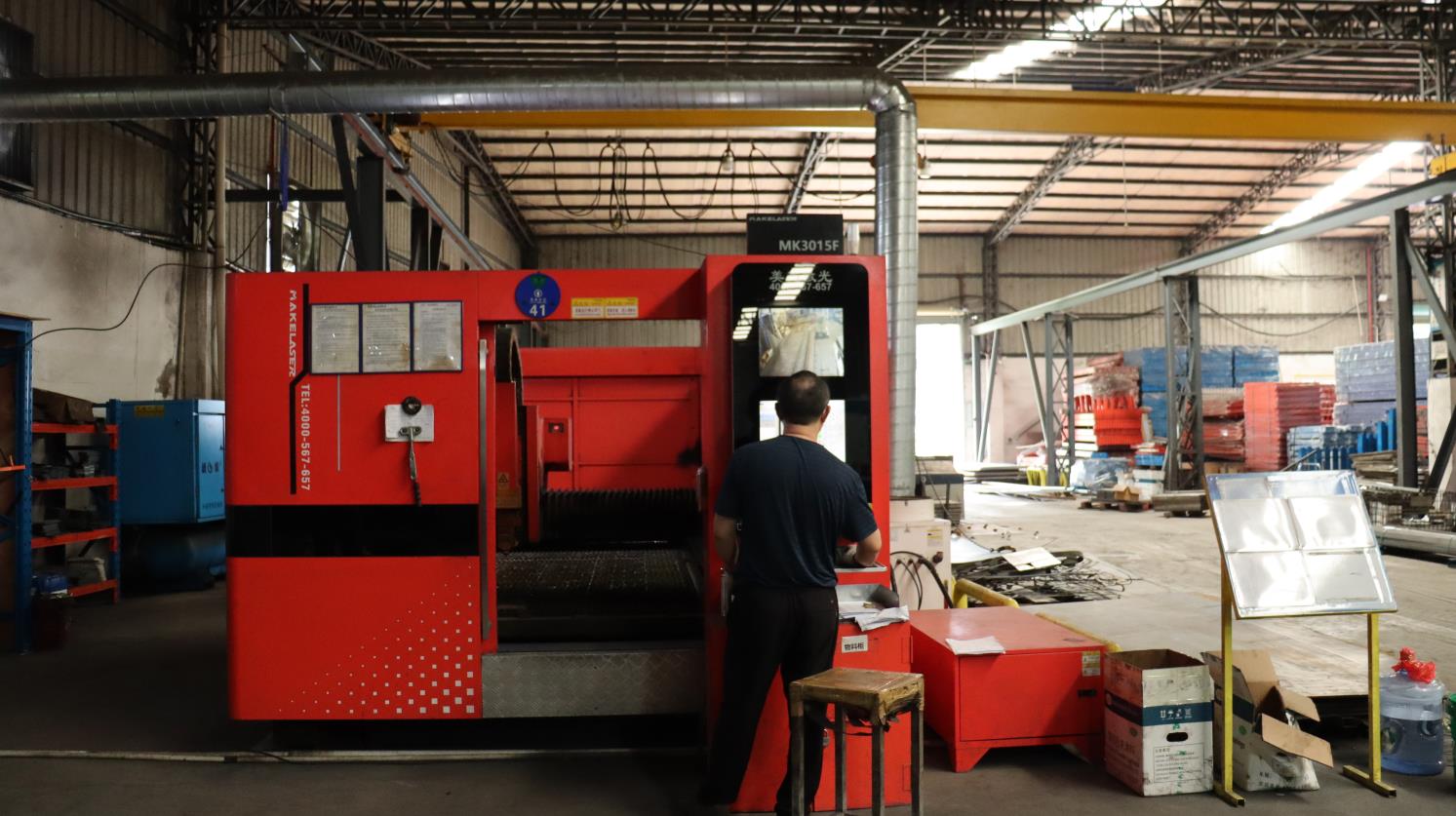
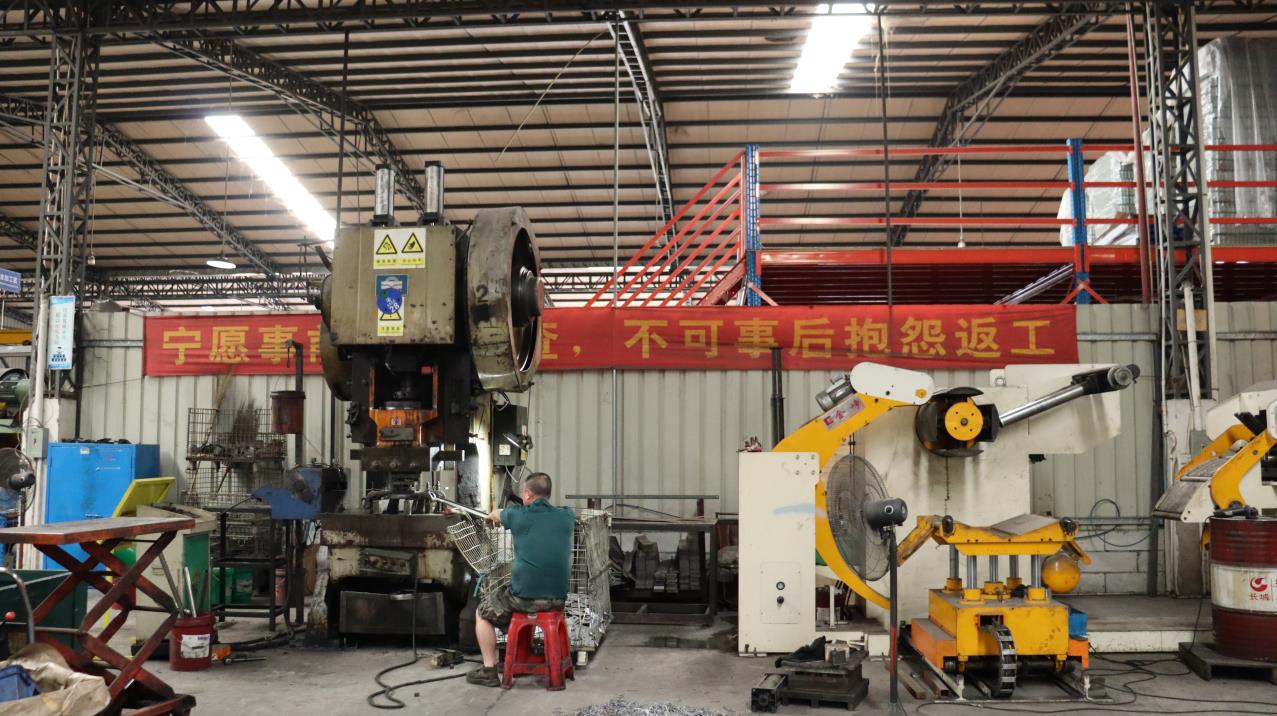
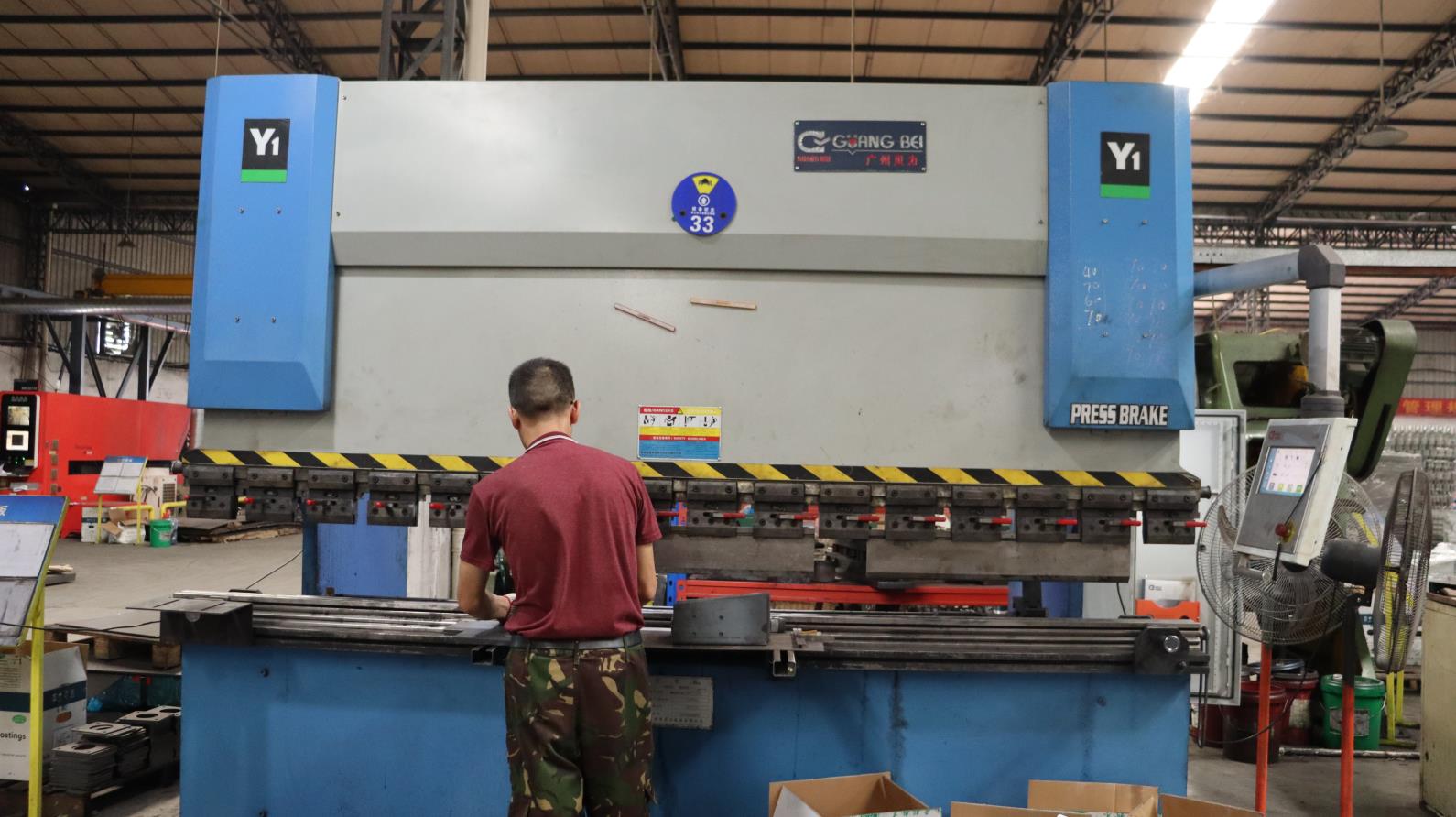
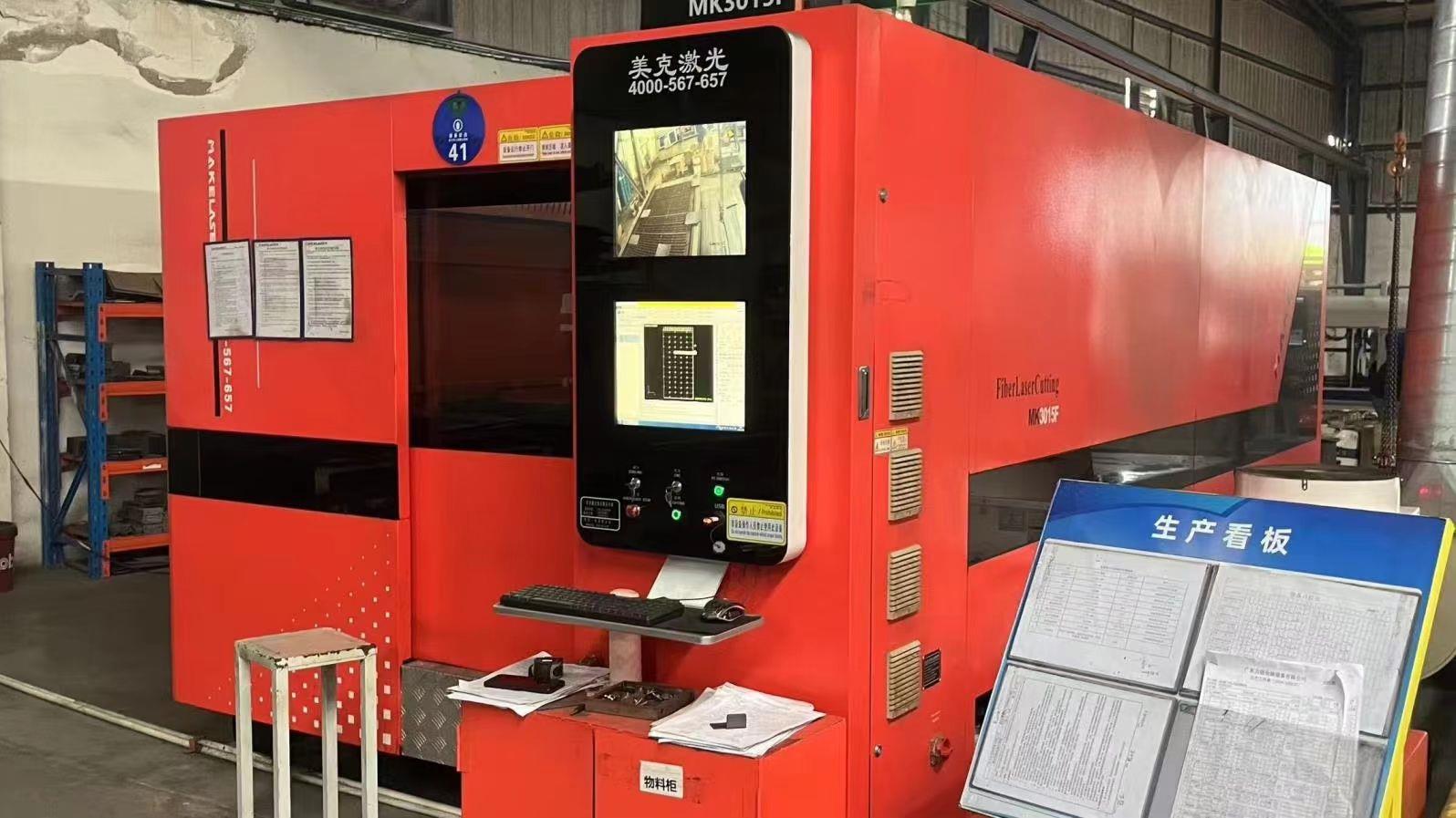
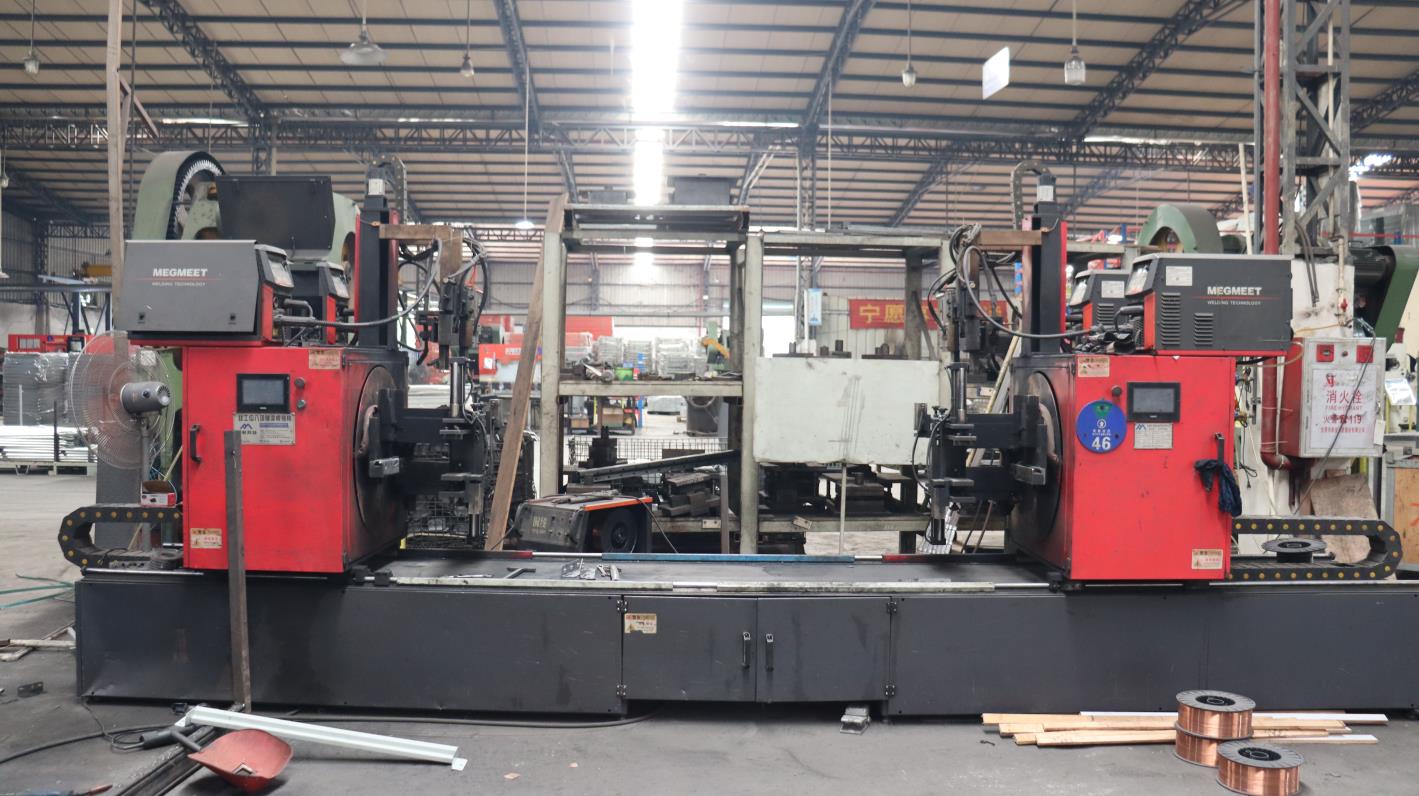
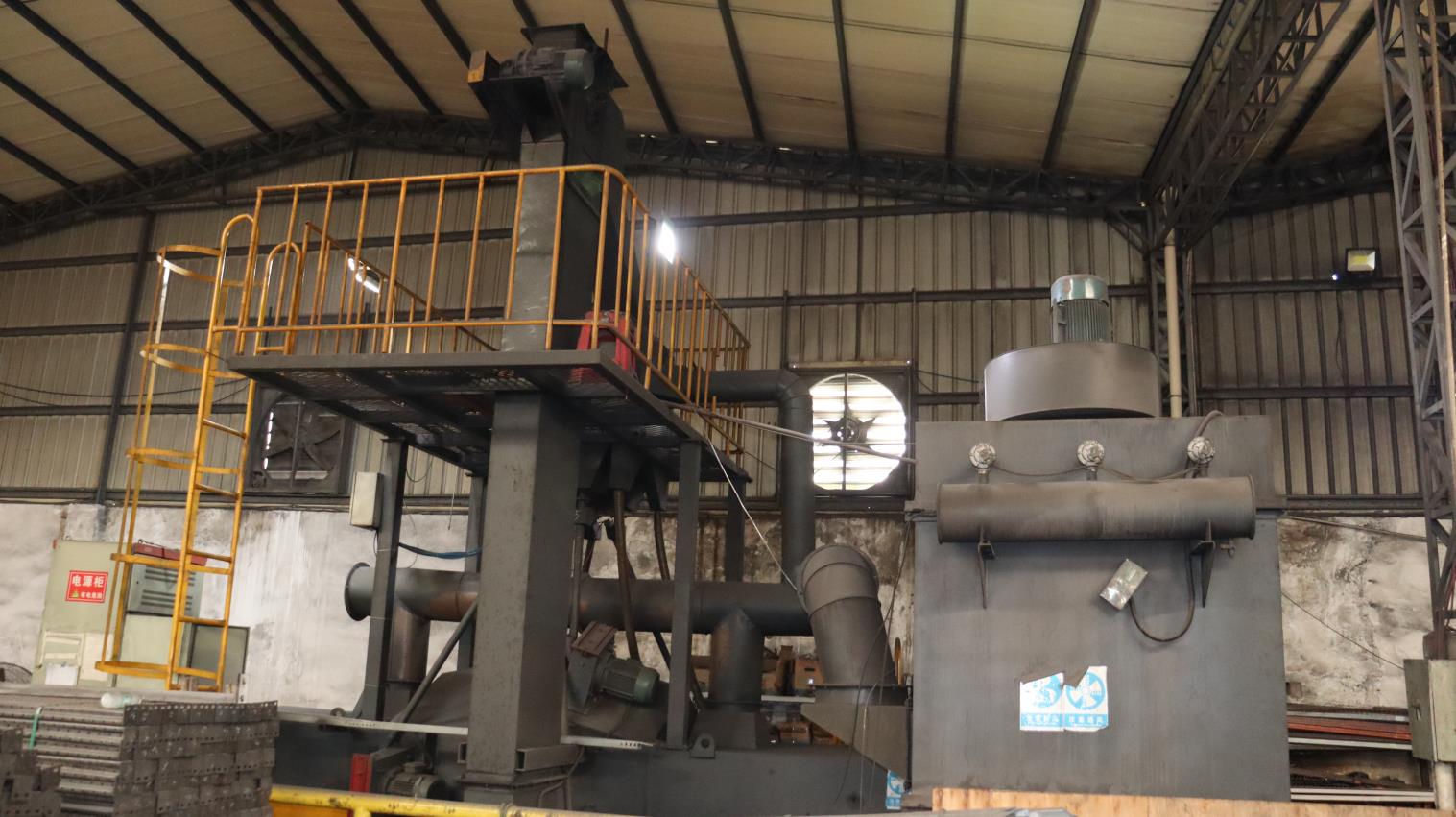
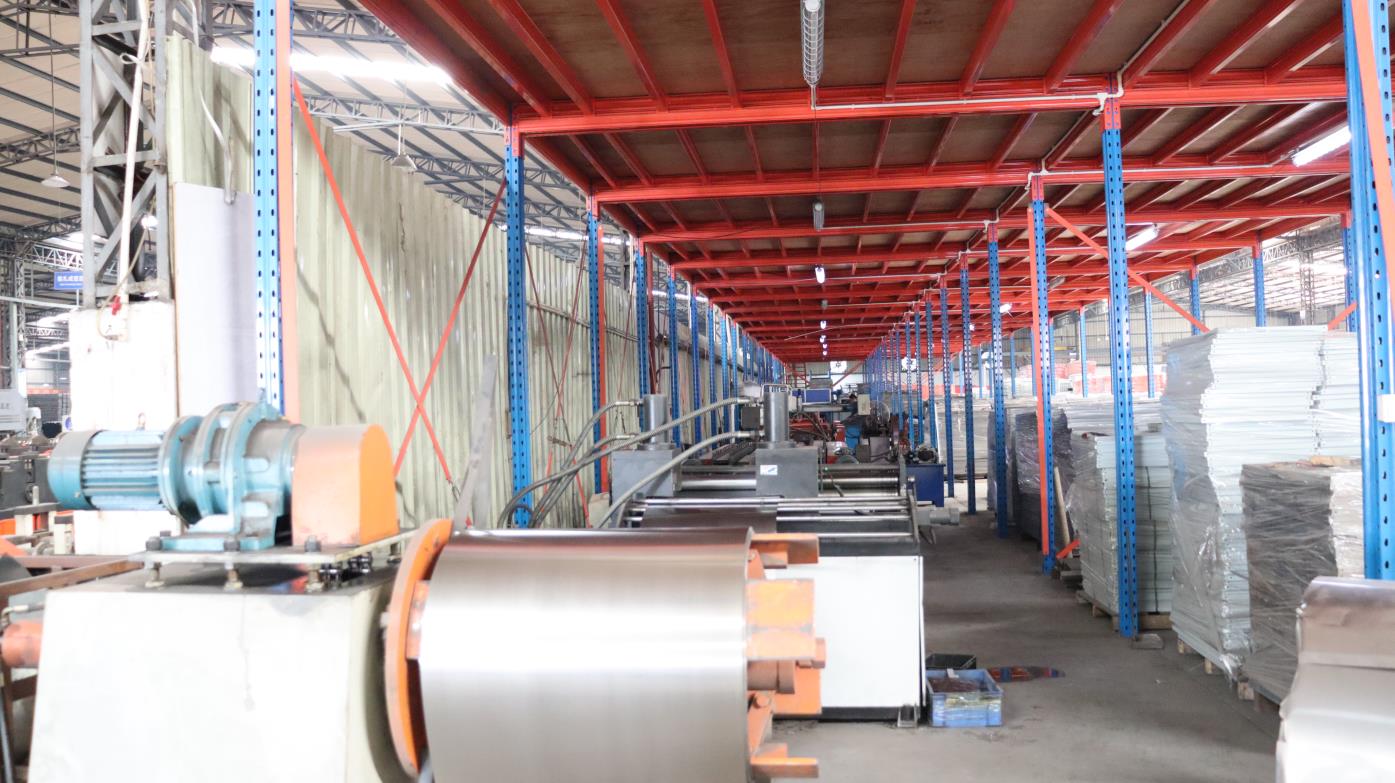
Large-scale racking purchases require strict compliance with international mechanical design codes. The table below outlines key structural expectations for commercial buyers:
| Technical Parameter | Standard Requirement | Lijin Quality Assurance |
|---|---|---|
| Base Material Steel Grade | ASTM A1011 / EN 10025 S355JR | Verified Q235B / Q355B mill certificate verification for every batch. |
| Weld Quality Standard | AWS D1.1 / EN ISO 15614 | Automated dual-shielded active gas welding with continuous weld penetration testing. |
| Powder Coating Thickness | Min 60 to 80 microns dry film | Electrostatic epoxy powder spray line ensuring 70-90 microns thickness with cross-hatch adhesion validation. |
| Seismic Calculations | IBC / ASCE 7 Section 15.5 | Structural engineers provide complete structural calculations calculations for local building permit compliance. |
Developing structural health monitoring nodes that integrate strain gauges and wireless accelerometers directly into heavy-duty upright frames to alert warehouse operators to dynamic overloads or impacts.
Increasing the stiffness indices of upright columns to support high vertical configurations (exceeding 25 meters) with minimal sway under maximum structural loading.
Aligning with corporate ESG initiatives by incorporating recycled steel alloys and choosing low-emission powder coatings, reducing the environmental footprint of new installations.
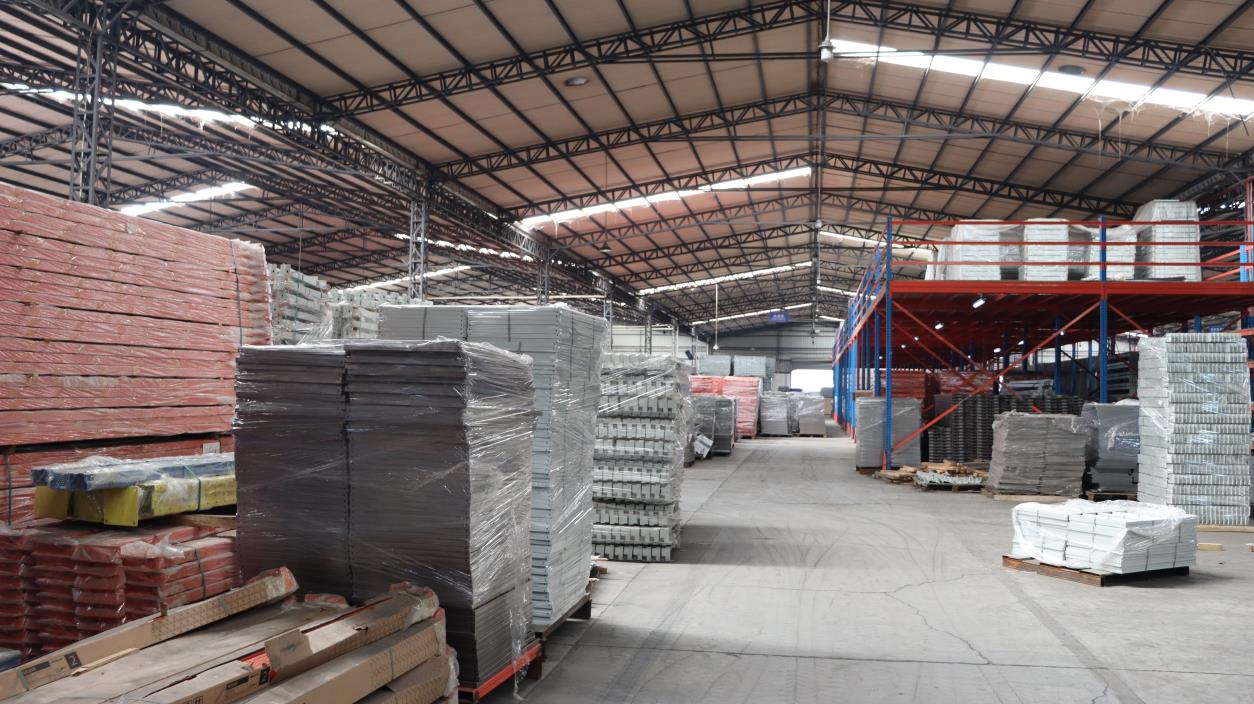
Exporting structural steel sections requires reliable logistics coordination. Shenzhen Lijin manages shipping logistics to major ports worldwide, ensuring packaging protection prevents dynamic damage or moisture exposure during transit.
Heavy-duty steel strapping combined with edge protectors and custom wood block supports to prevent scratching and mechanical damage inside shipping containers.
Detailed HS Code classification (e.g., Section 7308.90) and compliance paperwork to facilitate straightforward port clearance.
We support project delivery past the manufacturing stage. Lijin coordinates with certified industrial installation teams in North America, Western Europe, and the Middle East to facilitate clean installation schedules.
Our structural engineers provide detail drawings, recommended assembly orders, and bolt-torque values. For major installations, we can dispatch QA supervisors to the job site to verify alignment tolerances and ensure structural sign-off.
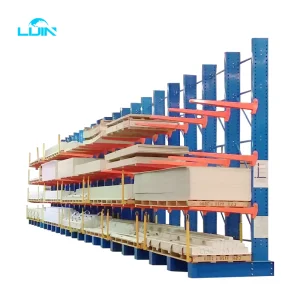
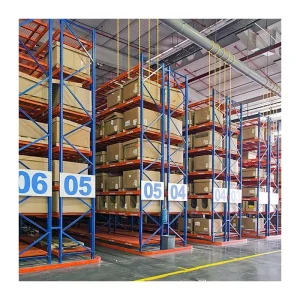
 Lijin Racking