Custom OEM Radio Shuttle Storage Exporter & Exporters

Empowering Global Logistics Hubs and 3PL Providers with High-Density Automated Storage Engineering & Intelligent Warehousing Systems

Featured Heavy Duty Storage Products

Explore our core industrial shelving, high-density racking, and automated warehouse material handling solutions.
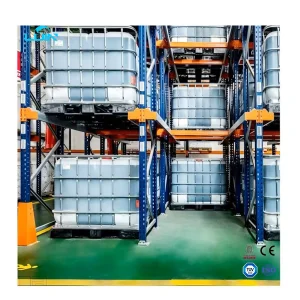
Drive-in Racking Pallet Rack

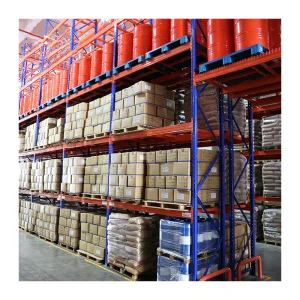
Drive-in Racking Pallet Rack Heavy Duty Rack Factory Price Industrial Storage System

View Specifications
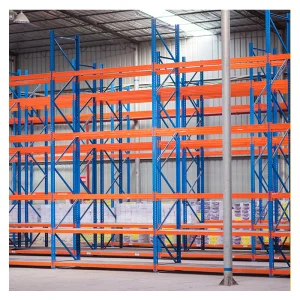
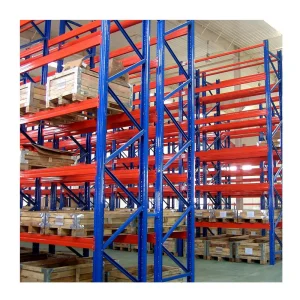
Heavy Duty Metal Warehouse Shelf

Heavy Duty Metal Warehouse Shelf

View Specifications
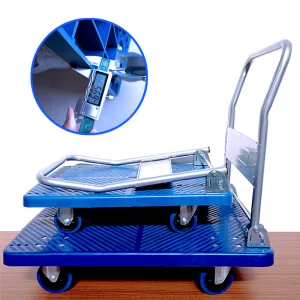
Platform Hand Truck and Trolley

Platform Hand Truck and Trolley

View Specifications
Filing Steel Cabinet

Good Quality Customization Filing Steel Cabinet Office Furniture Metal Commercial Furniture Foldable Mobile Shelving Cabinet

View Specifications
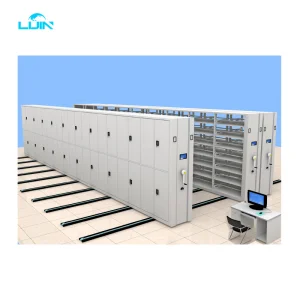
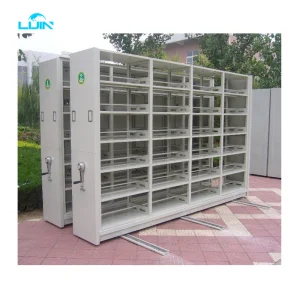
Movable File Cabinet System

LIJIN Manufacture Easy Operate Mechanical Metal Movable Compact File Cabinet System

View Specifications
Custom Warehouse Storage Rack

Heavy Duty Steel Metal Custom Warehouse Storage Rack

View Specifications
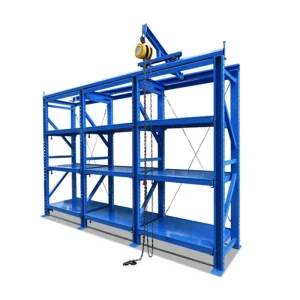
Heavy Duty Vertical Moulding Racks

Heavy Duty Vertical Moulding Racks

View Specifications
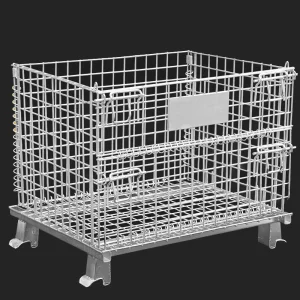
Wire Mesh Container Storage Cage

Hot Sale Anti-corrosion Wire Mesh Container Foldable Storage Cage with Wheels

View Specifications

Engineering Excellence & Supply Chain Capacity

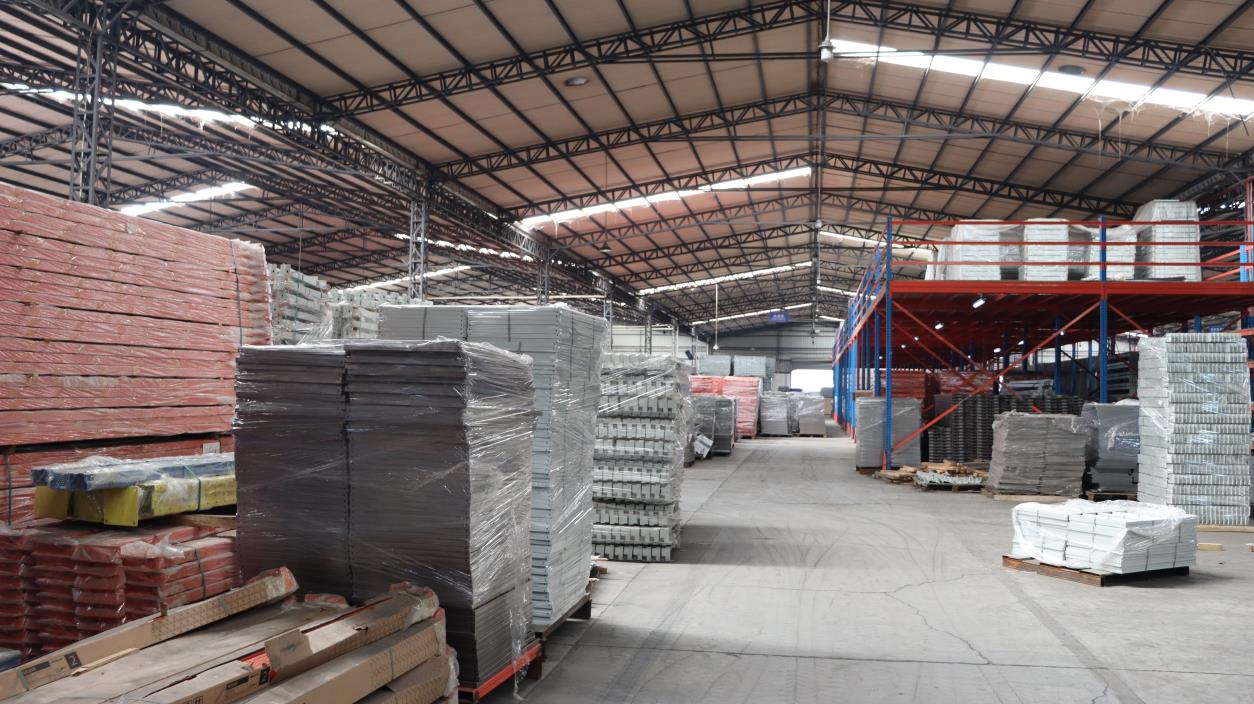
Shenzhen Lijin Storage Equipment Co., Ltd. is a global benchmark in advanced heavy-duty structural engineering and smart logistics integration.

Established in 2015, Shenzhen Lijin Storage Equipment Co., Ltd. is a leading enterprise specializing in the design, manufacturing, and global distribution of heavy-duty warehouse racking systems, automated storage solutions, and industrial shelving. Spanning a state-of-the-art facility of 35,000 m², we have developed into a trusted global supply chain partner with over 8 years of direct export experience and more than 12 years of deep industry expertise. Driven by innovation and quality, our global revenue reached USD 22 million last year.

Our infrastructure capacity combines intelligent manufacturing with specialized engineering, enabling seamless custom OEM configuration for automated radio shuttle lanes, high-density drive-in projects, and complex structural mezzanine platforms. We leverage structural analysis software to calculate seismic margins, dynamic loads, and fatigue parameters, delivering structures that endure rigorous operational cycles.

35k m²
Production Infrastructure
USD 22M
Annual Revenue Generated
28
Professional R&D Engineers
850+
Global Partners Served

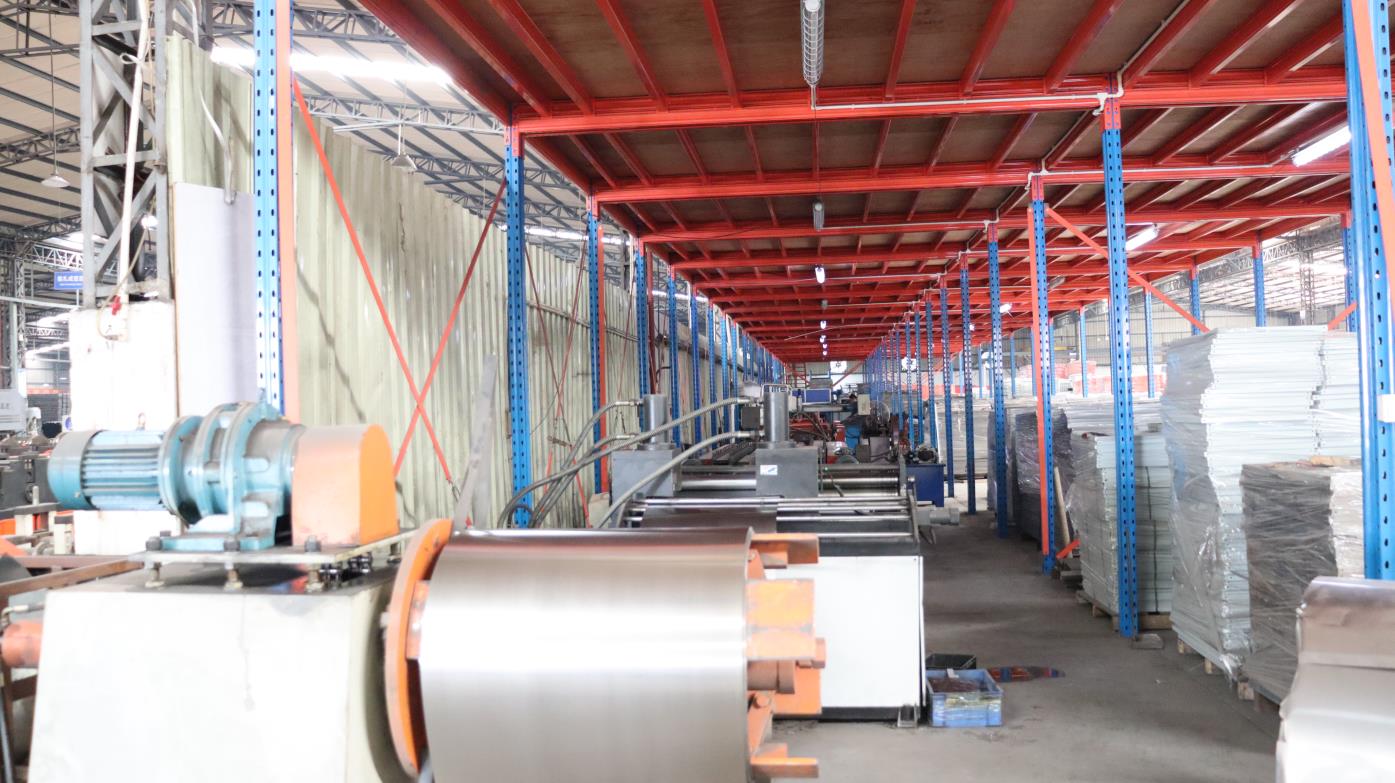
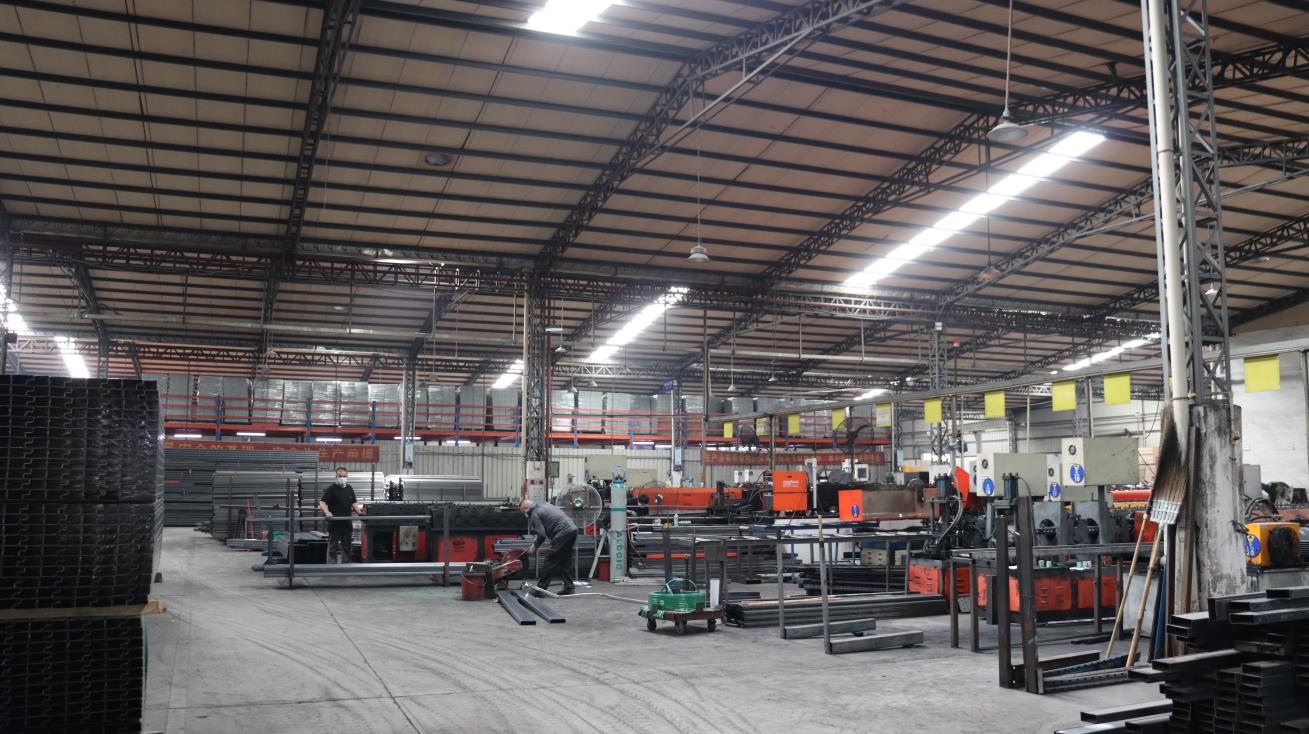
Advanced Manufacturing Sequence & Machining Assets

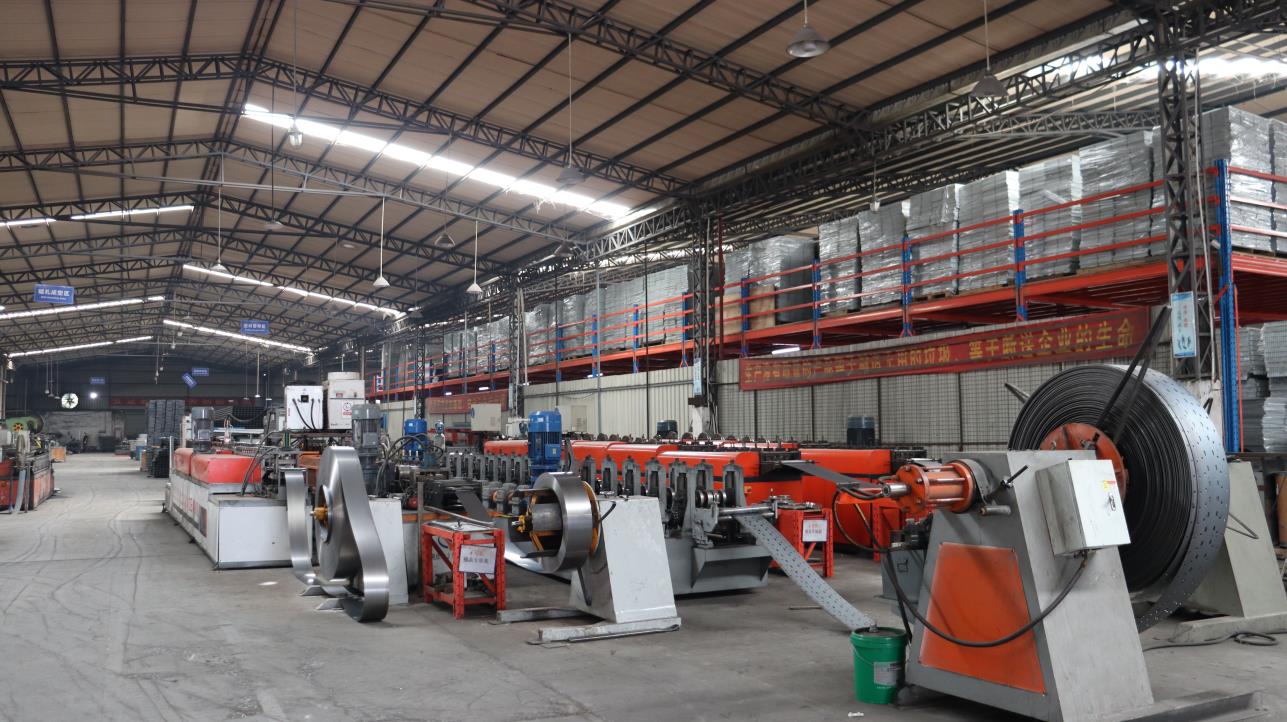
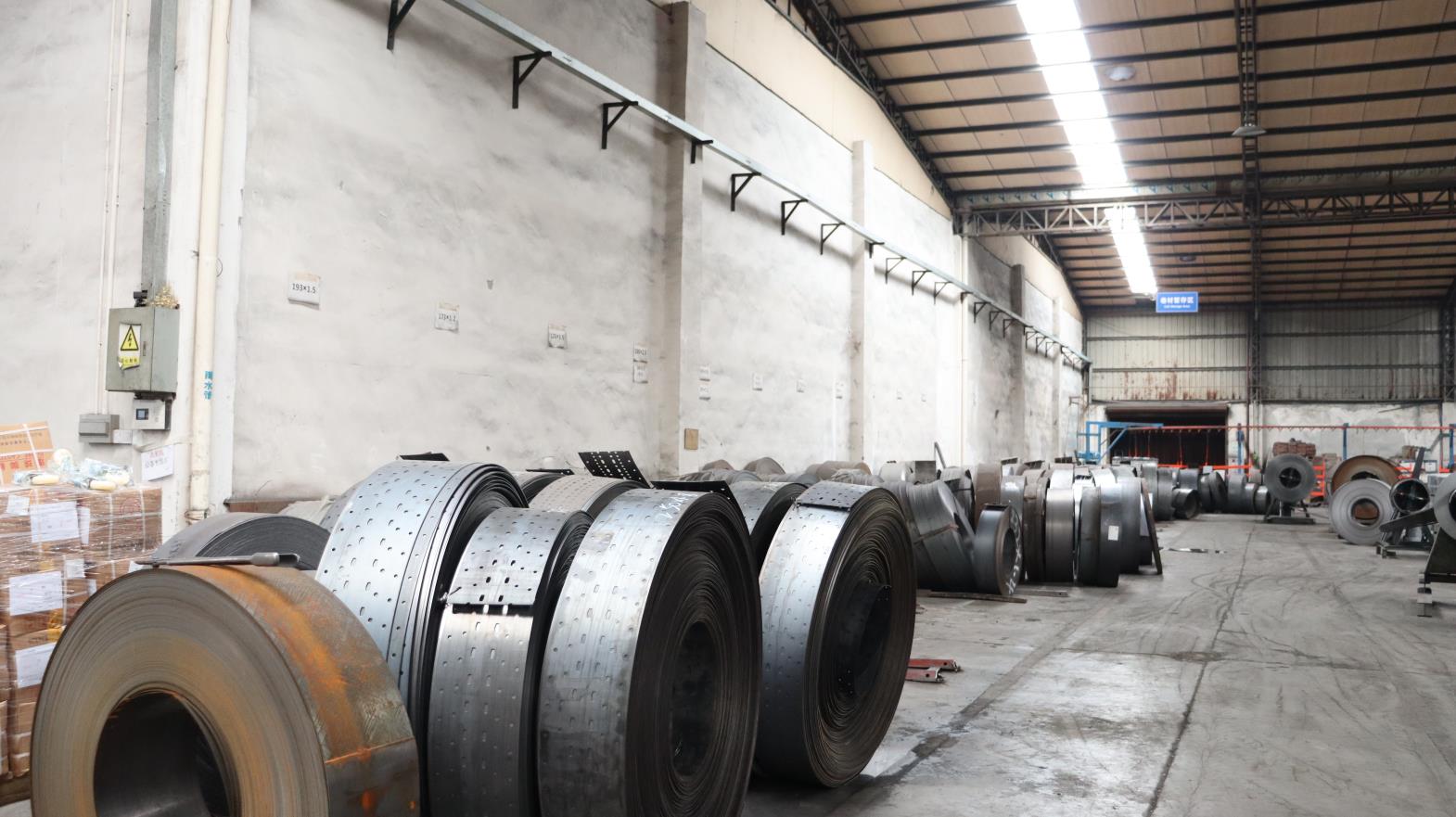
From raw structural coils to precision-engineered profiles, our fully integrated manufacturing steps guarantee rigorous tolerances and zero structural defects.
Production Line Processing Phases

Raw Material Selection
Raw Material
High Precision Roll Forming
Roll Forming
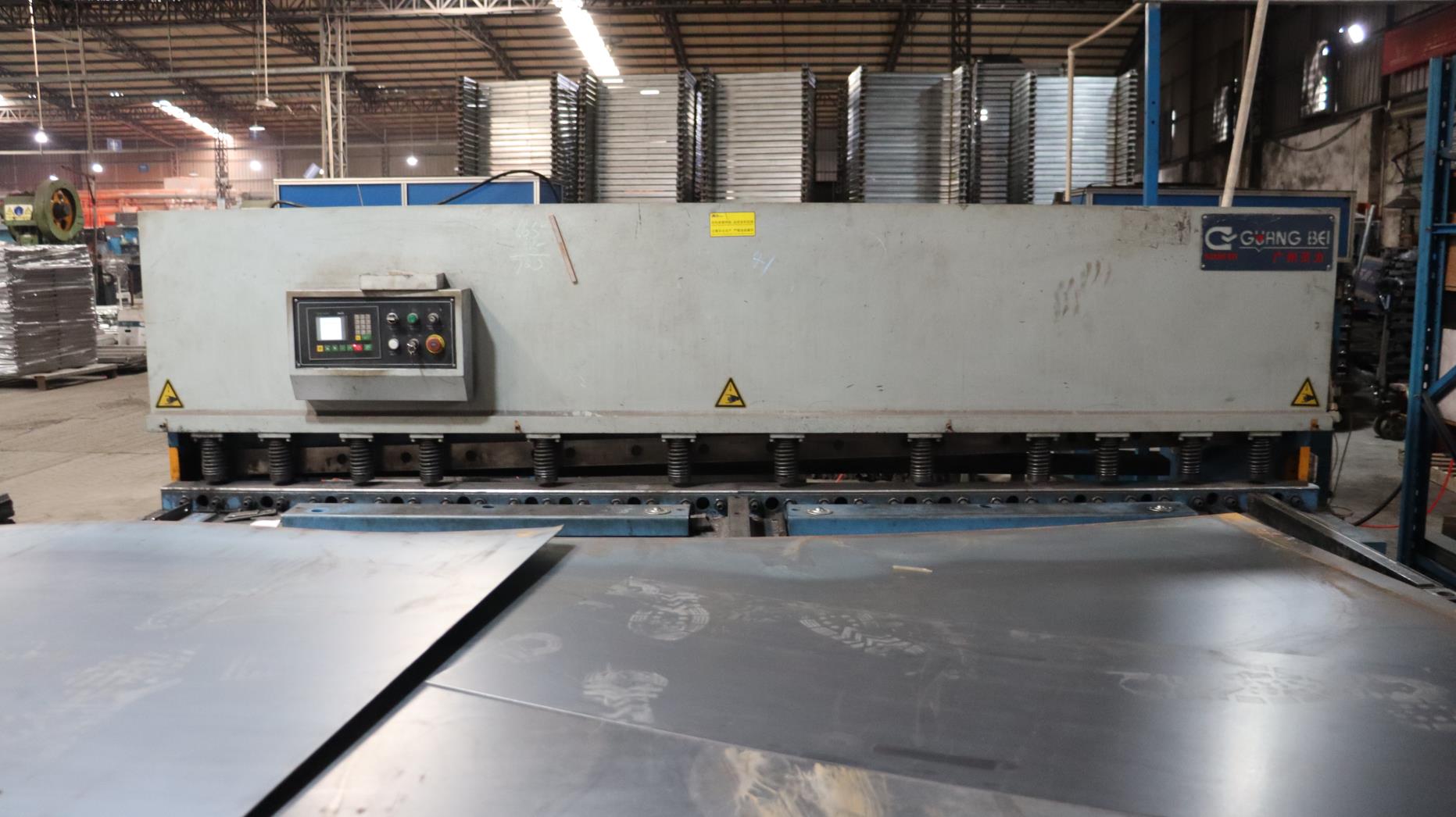
Cutting to Precision Lengths
Cutting
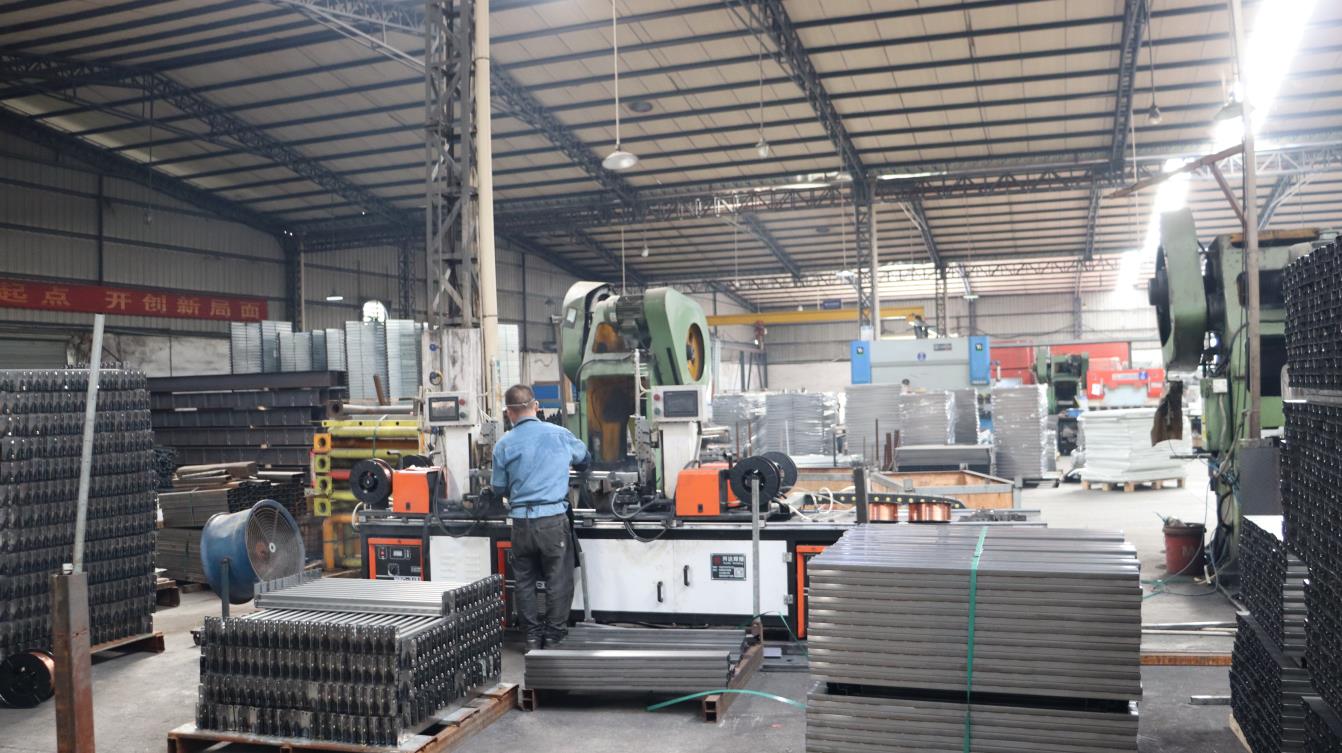
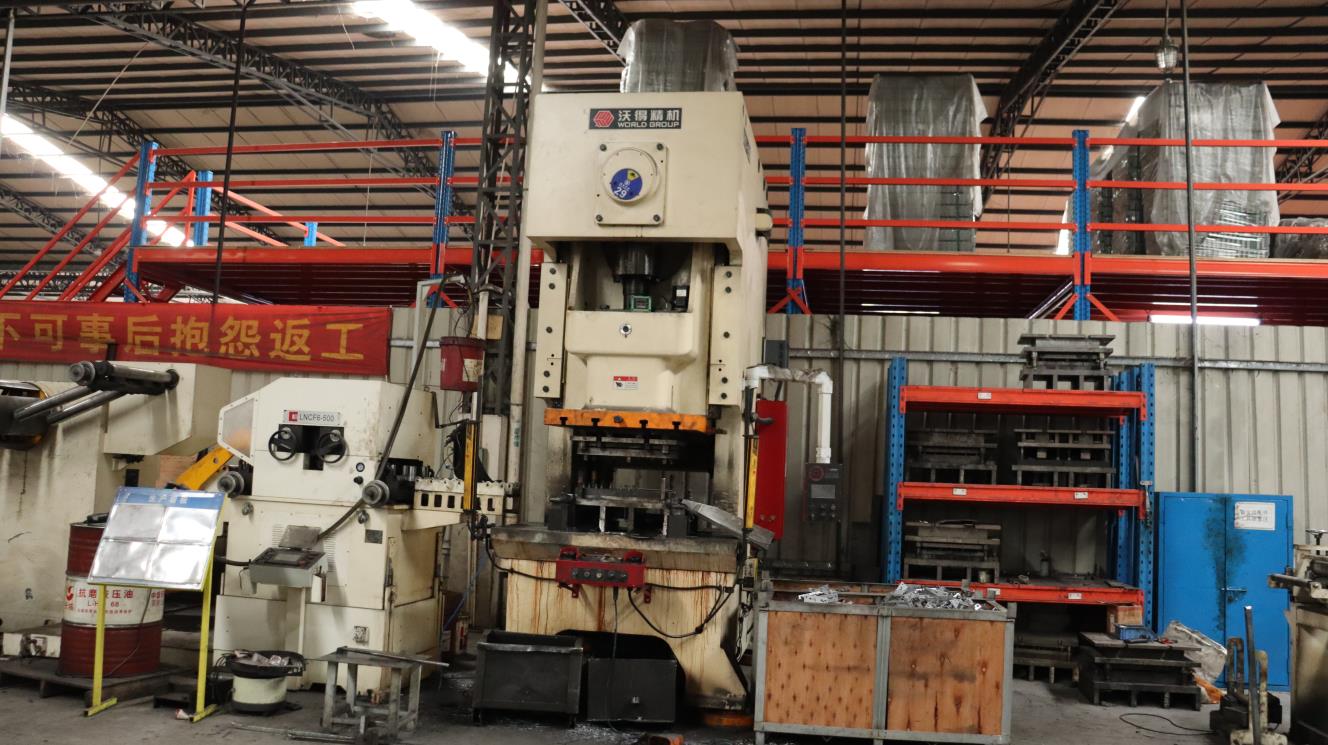
Stamping Operations
Stamping
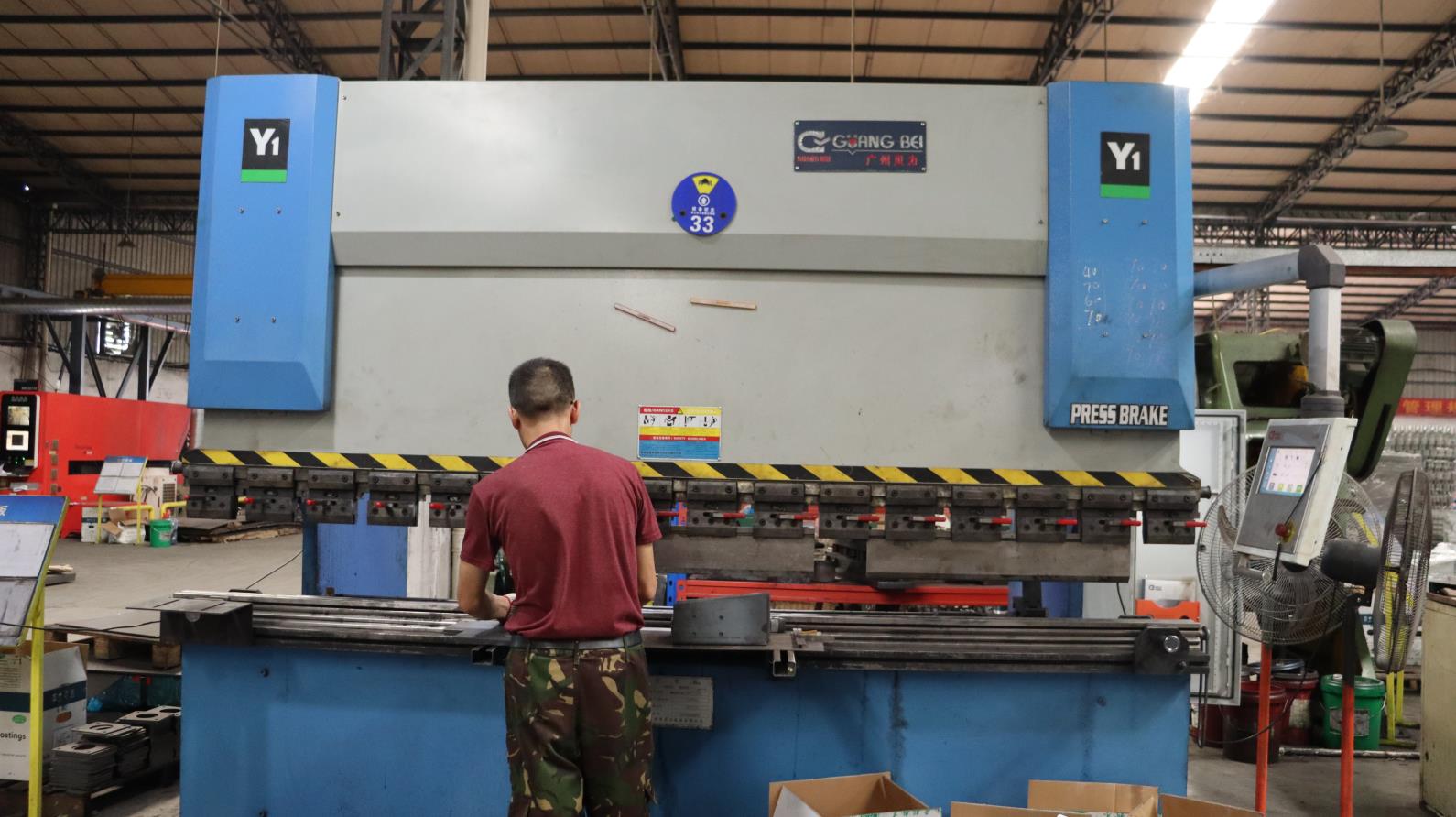
Hydraulic Profile Bending
Bending
Robotic and Manual Welding
Welding
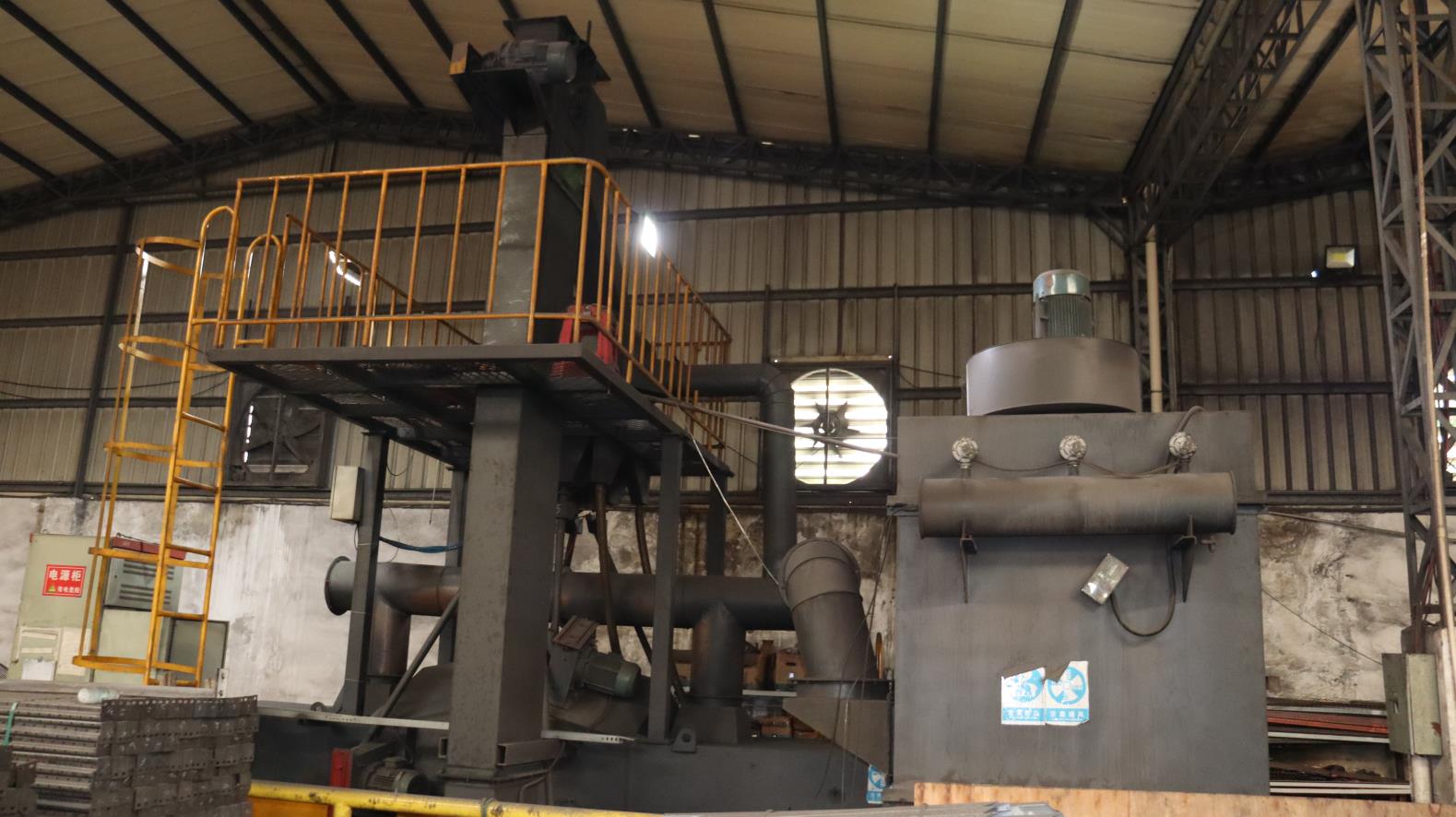
Surface Polishing Process
Polish
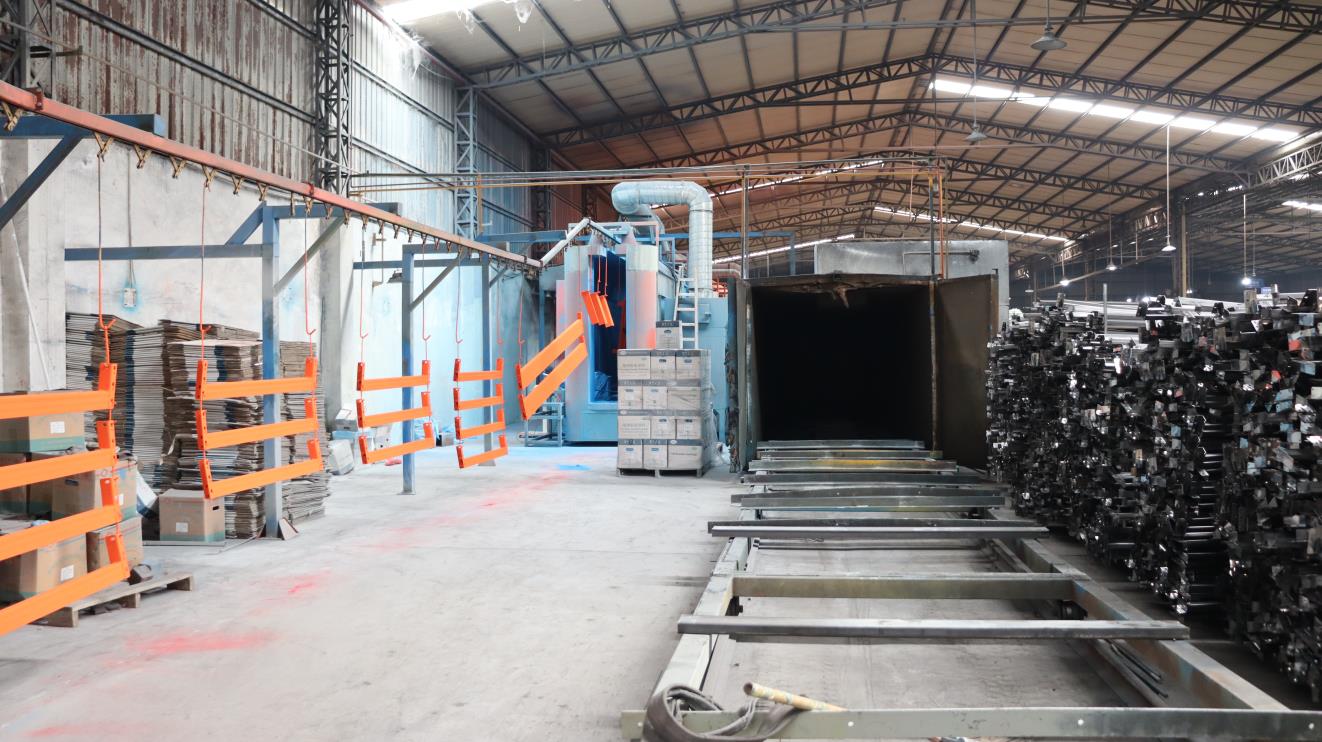
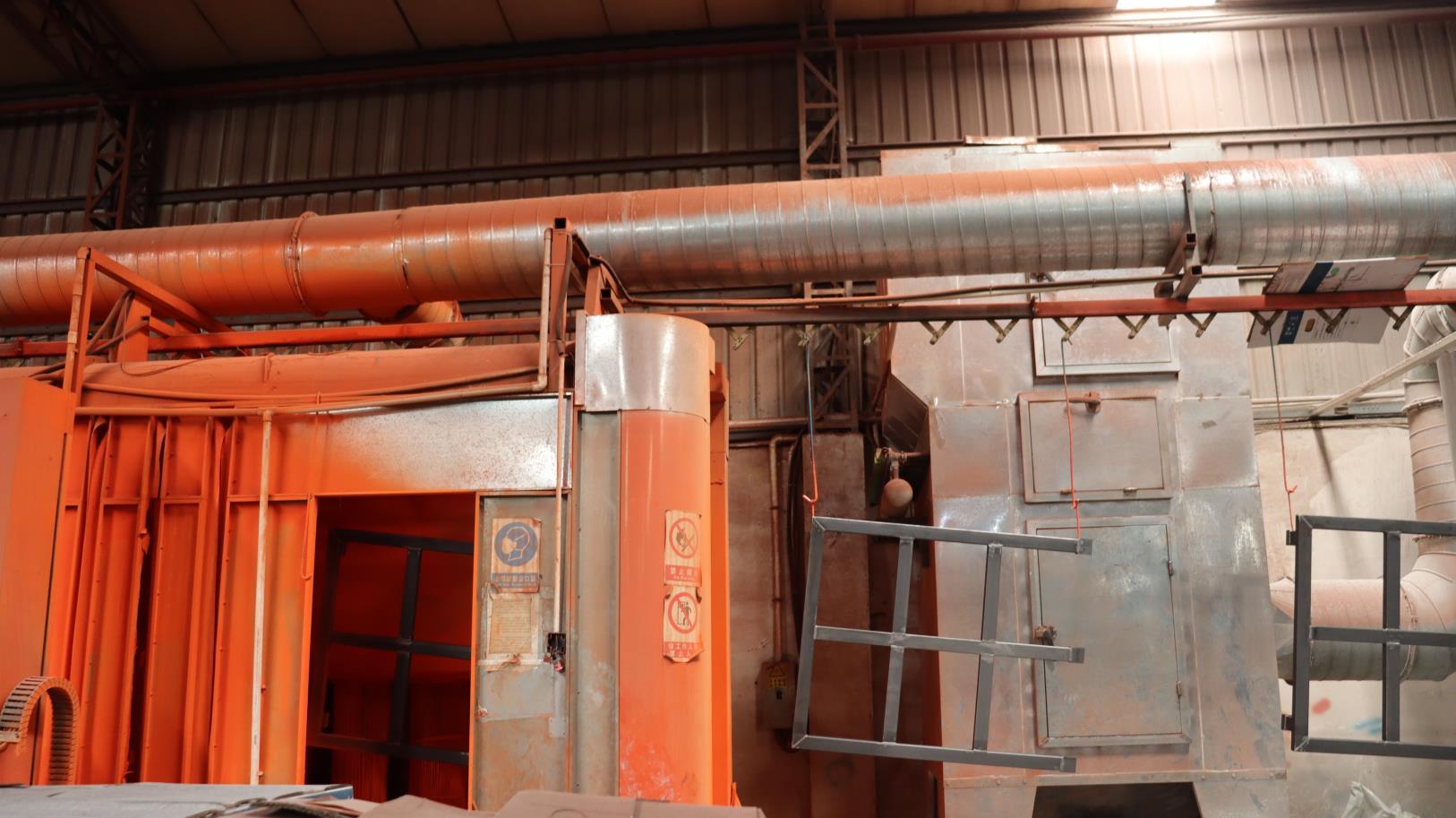
Electrostatic Powder Coating Painting
Painting
Finished Product Warehouse
Warehouse

Heavy Machining Assets & Technology Infrastructure

Rolling Machine
Rolling Machine
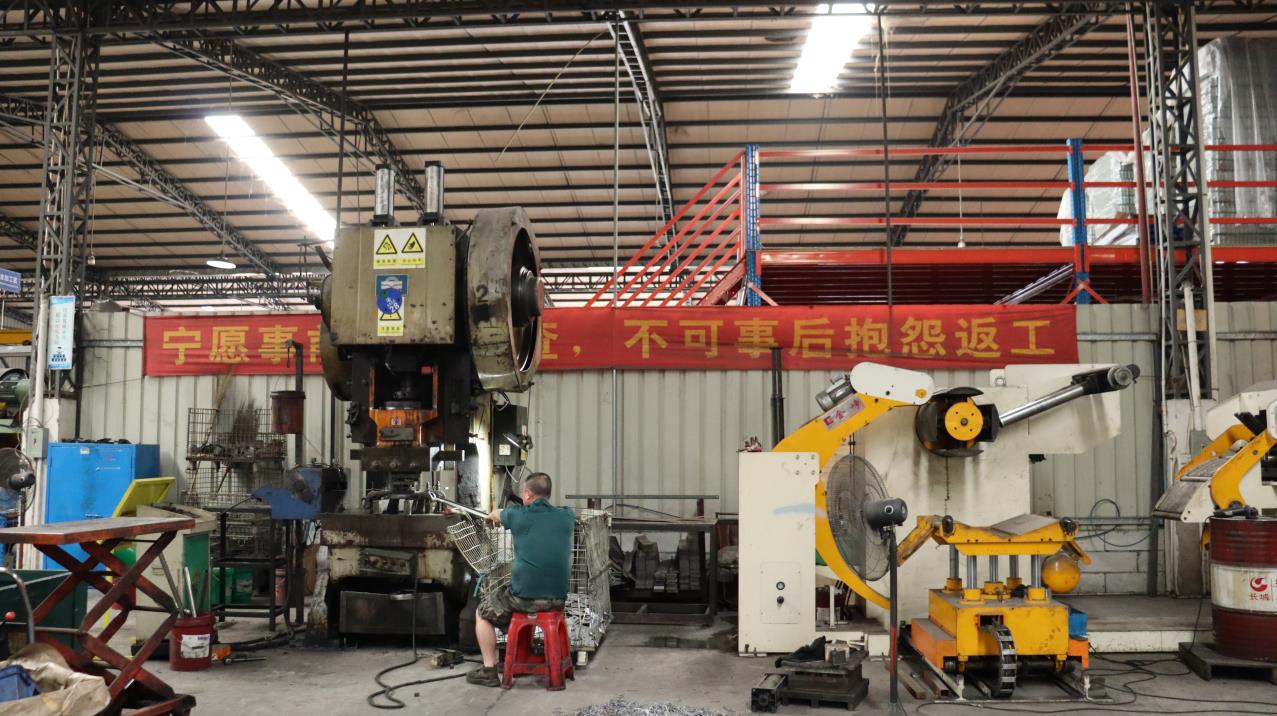
Punching Machine
Punching Machine
Plate Shearing Machine
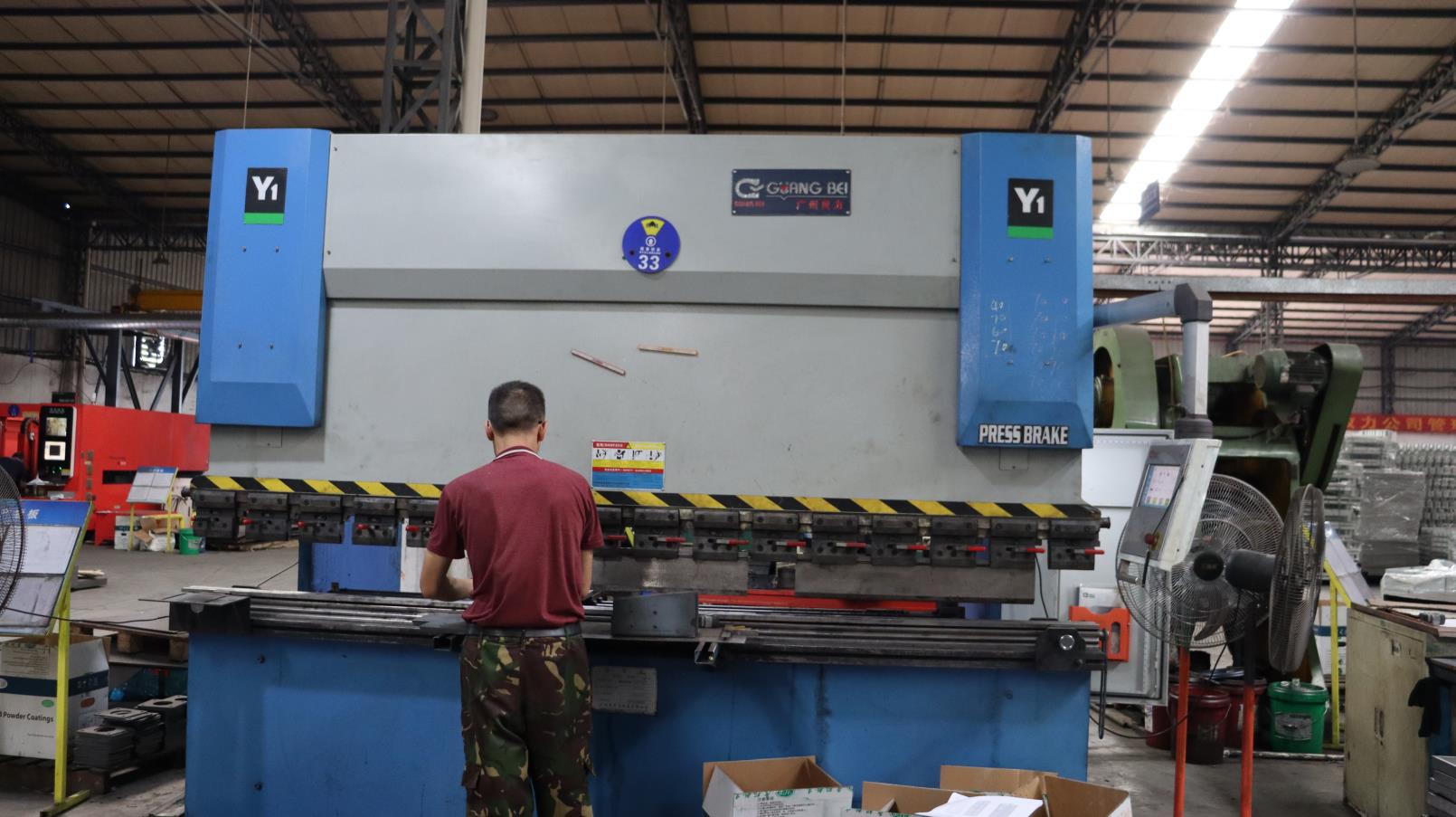
Bending Machine
Bending Machine
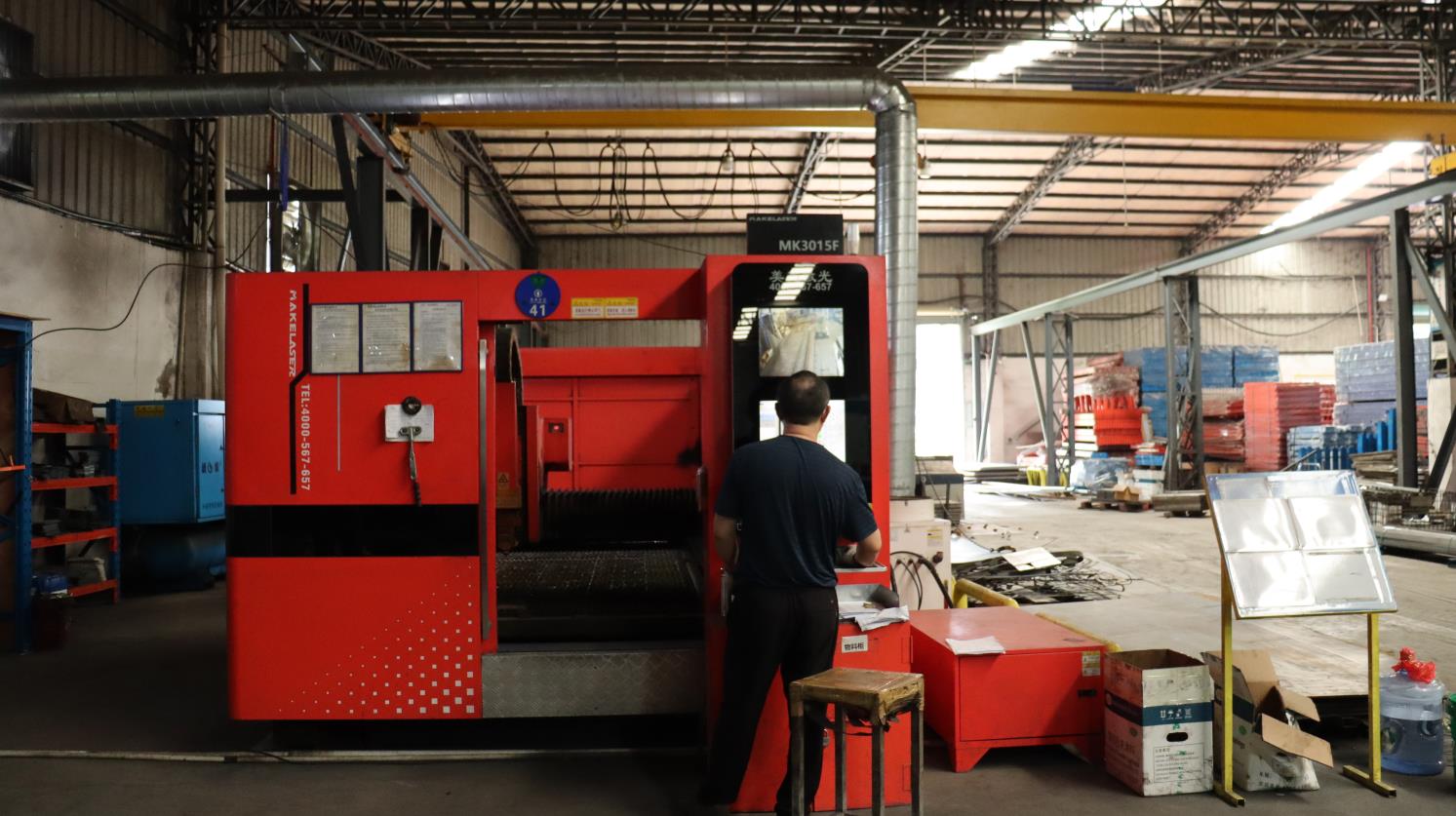
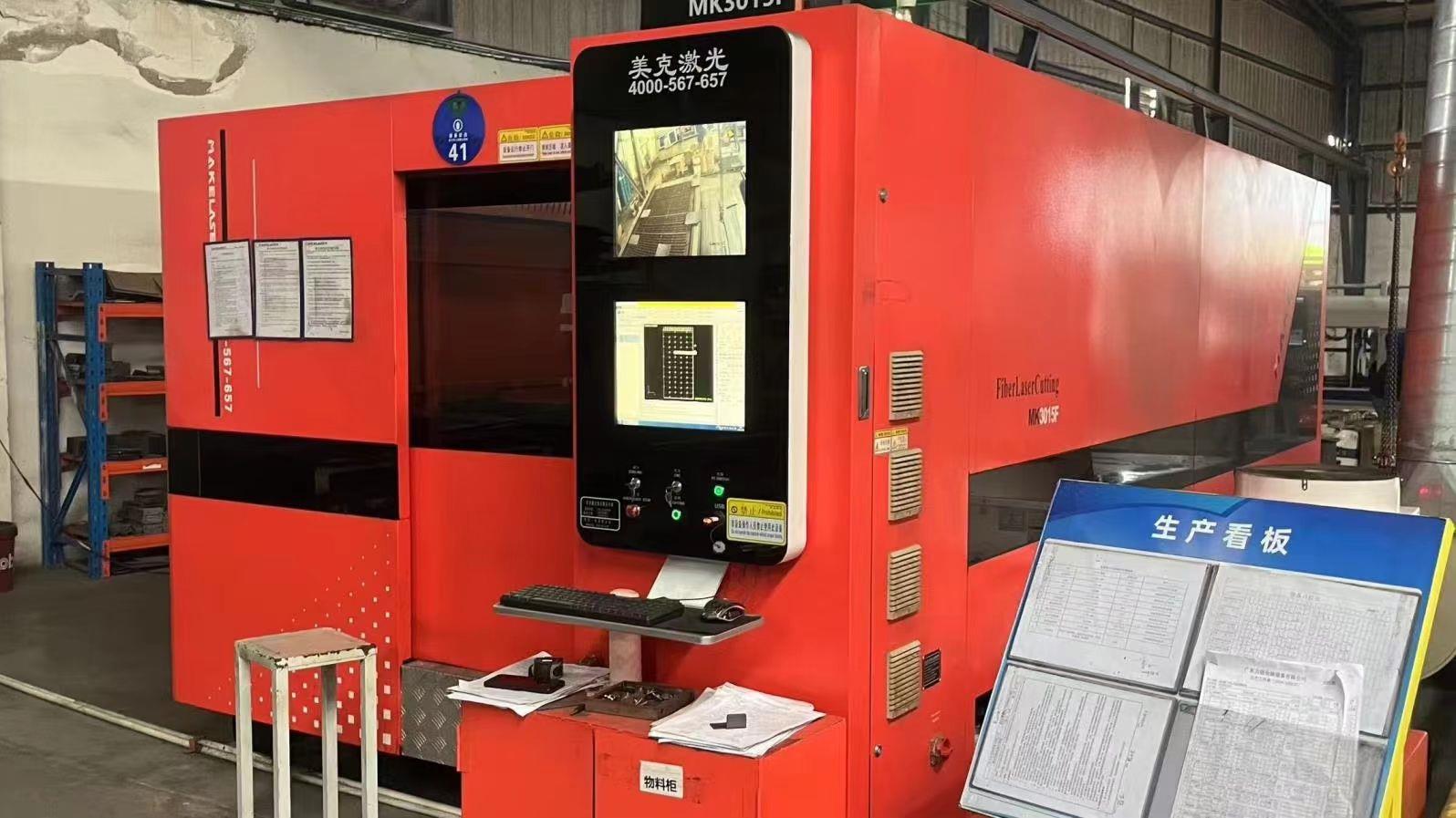
Laser Cutting Machine
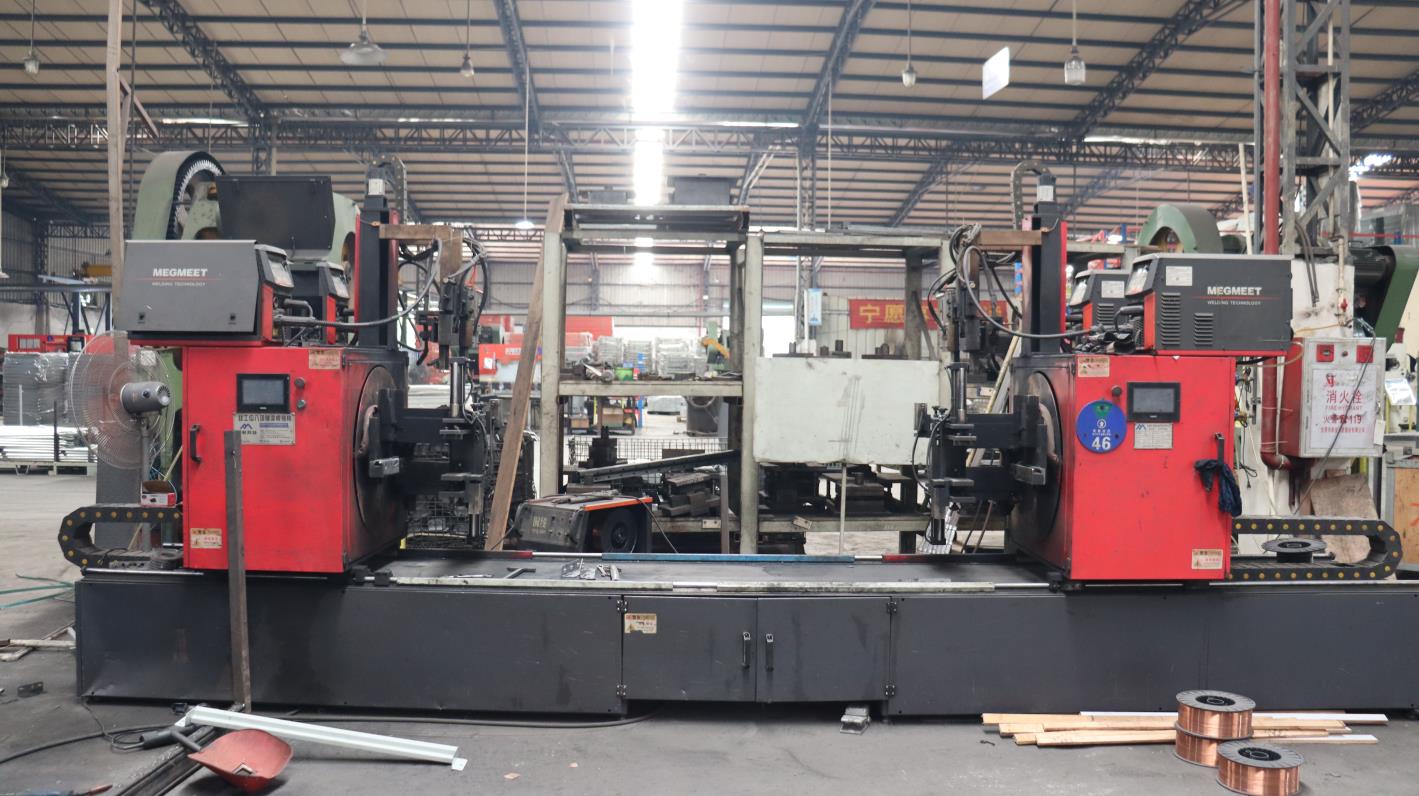
Welding Machine
Welding Machine
Polish Machine
Polish Machine
Light Frame Forming Line
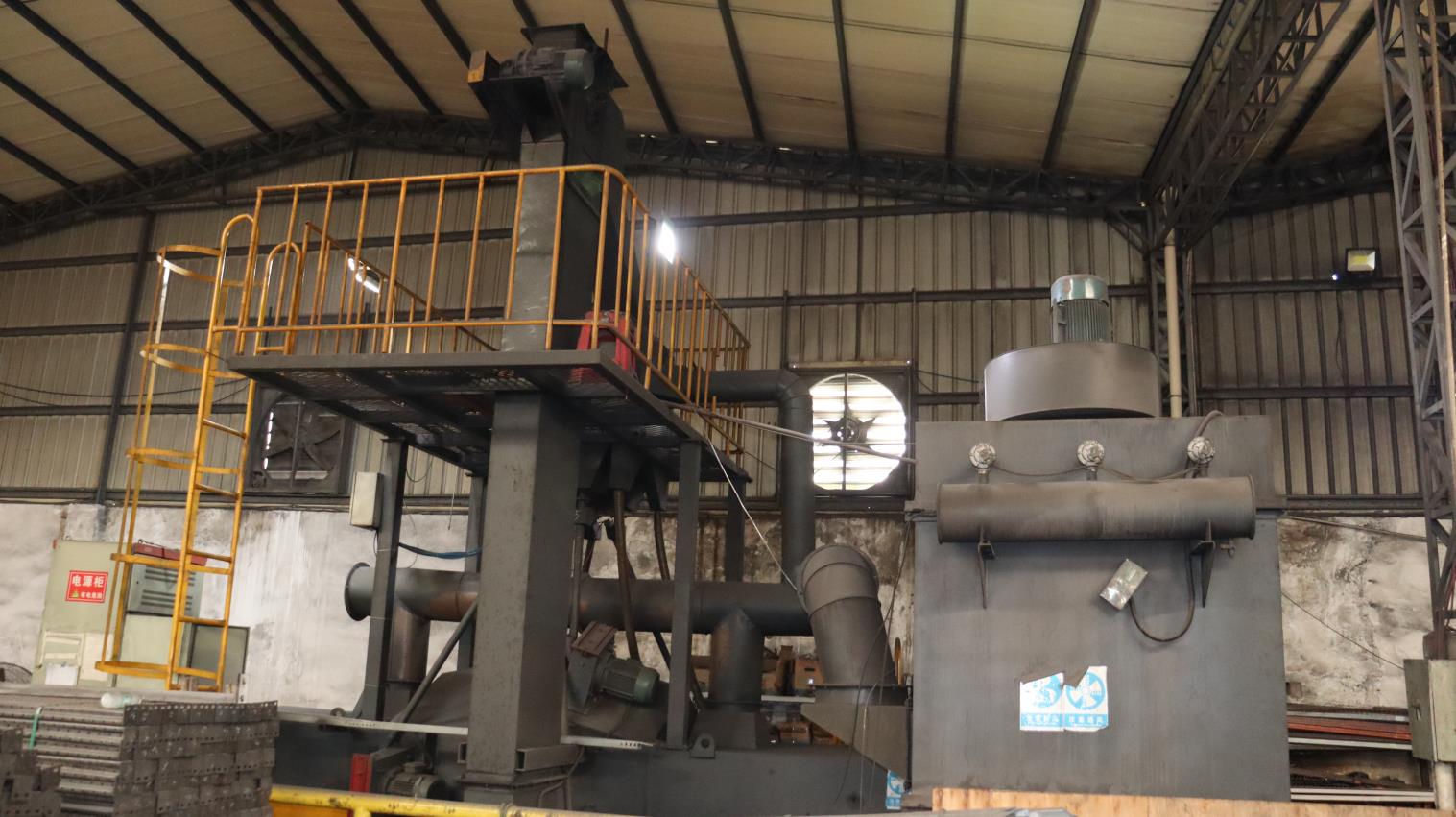
Automatic Spraying Line

Industry Whitepaper: High-Density Radio Shuttle Systems

An authoritative analysis on structural engineering, automation integration, and global procurement paradigms.

1. Evolution & Global Market Trends in Radio Shuttle Storage

The global warehousing landscape is undergoing a structural transition from static, manual-access racking to semi-automated and fully automated high-density storage systems. The driving force behind this evolution is the rising cost of industrial real estate combined with chronic labor shortages across key logistics hubs. Modern supply chain operations demand extreme throughput efficiency, reduced product damage, and absolute spatial optimization.

Radio Shuttle Storage—often referred to as pallet runner or pallet mole systems—represents a crucial bridge in this evolution. Unlike traditional drive-in racking where forklifts must physically navigate inside the deep lanes, the radio shuttle system utilizes a self-powered robotic cart. The shuttle travels on dedicated guide rails inside the storage lanes, picking up, transporting, and depositing pallets with micro-millimeter precision.

Market trends indicate that the integration of Internet of Things (IoT) sensors, real-time telemetry, and advanced battery management (such as fast-charging Lithium Iron Phosphate chemistries) has elevated the viability of shuttle technology. Today, modern radio shuttle storage is no longer viewed as a stand-alone utility, but rather as an integral node linked dynamically with Warehouse Execution Systems (WES) and ERP networks.

2. Global Procurement Challenges & OEM Design Specifications

Procuring high-density warehouse racking systems at a global scale introduces complex regulatory and structural compatibility challenges. Supply chain directors and engineering consultancies must look past simple price-per-pallet-position metrics to evaluate the overall structural integrity of the steel profiles, roll-forming tolerances, and connection point fatigue resistance.

Key technical challenges in custom OEM procurement include:

  • Steel Metallurgy and Grade Consistency: Ensuring the use of certified structural steel, such as Q235B and high-tensile Q355B, which possess the mechanical properties required to withstand high static and dynamic loading forces.
  • Rail Tolerance Alignment: The tolerances for radio shuttle rails are significantly tighter than standard selective racks. A deviation of just 2mm in rail width or alignment can cause the shuttle cart to stall, lose traction, or accelerate component wear.
  • Seismic Optimization: Heavy-duty storage racking systems deployed in seismically active regions must comply with local seismic standards, necessitating rigorous finite element analysis (FEA) to determine base plate dimensions, bracing patterns, and frame gauge thicknesses.
Technical Specification Note: Shenzhen Lijin addresses these challenges directly through our specialized in-house R&D team of 28 engineers. By executing exhaustive finite element analysis on structural configurations, we design customized guide rails and heavy-duty frame columns that ensure smooth shuttle operation and long-term mechanical reliability under maximum load limits.

3. Macro-Level Warehouse Solutions: Integrating Racking with Automation

To maximize Return on Investment (ROI), contemporary facility layouts must treat racking structures as active machine components rather than passive metal shelves. A holistic radio shuttle storage implementation integrates seamlessly into the wider warehouse automation matrix:

Storage System Type Space Optimization Efficiency Selectivity Performance Ideal Application Profile
Radio Shuttle System Very High (up to 85% utilization) High (LIFO or FIFO configurations) High-volume SKUs, Food & Beverage, Cold Storage, 3PL Logistics
Standard Selective Rack Low-Medium (approx. 40% utilization) Absolute (100% immediate access) Low-volume, diverse SKUs, dynamic e-commerce fulfillment hubs
Traditional Drive-In Rack High (up to 70% utilization) Low (strictly LIFO) Bulk storage with slow rotation rates, low throughput demands
Automated AS/RS Crane System Maximum (multi-level height utilization) Automated & Immediate Ultra-high-density distribution centers with continuous cycles

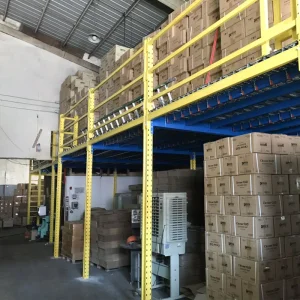
By pairing the radio shuttle system with vertical material handling equipment like heavy-duty mezzanine floors and structural steel platforms, logistics operators can stack shuttle blocks, effectively doubling the usable storage capacity within the same square footage footprint.

4. Quality Control, Localized Support & Compliance Frameworks

Reliability in high-density automation is achieved through strict manufacturing quality control and adherence to global testing criteria. At Shenzhen Lijin, we enforce a multi-stage quality protocol backed by an in-house quality inspection team of 35 dedicated professionals. We conduct:

  • Ultrasonic Non-Destructive Testing (NDT): To verify weld penetration and prevent structural failures at critical connector interfaces.
  • Laser Dimensional Checking: Ensuring the pitch of upright columns and rail dimensions adhere to strict millimetric tolerances.
  • Load-Bearing Capacity Verification: Subjecting system mock-ups to 1.5x design load capacity to confirm structural safety factors.

For international buyers, system delivery is only the first phase. Long-term operability requires comprehensive compliance with international standards such as European EN 15512 and the American ANSI/RMI MH16.1. Providing comprehensive engineering document submittals, load rating plaques, and maintenance manuals ensures localized building code approval and provides operators with a safe working environment.

5. Technical Roadmap & Future Outlook

The future of Radio Shuttle Storage lies in deeper integration, smarter diagnostics, and multi-directional autonomy. Our technical roadmap focuses on the development of 3D Shuttle Systems. Unlike standard 2D shuttles that travel only along the X and Y axes, next-generation 3D shuttles can autonomously shift levels via built-in vertical lifts, eliminating the need for dedicated forklifts or cranes to transport carts between tiers.

Additionally, the implementation of predictive maintenance modules driven by edge computing allows shuttles to analyze vibration patterns, wheel wear, and battery status. This data is transmitted back to the warehouse maintenance team before an on-line component failure occurs, reducing unscheduled downtime to near-zero.

Technical Q&A / Deep FAQ

Direct answers to the most common engineering and integration questions regarding high-density radio shuttle systems.

Q1: What are the primary differences between FIFO and LIFO configurations in Radio Shuttle Storage?
A FIFO (First-In, First-Out) setup requires loading access at one end of the racking structure and retrieval access at the opposite end. This layout is ideal for date-sensitive inventory, food perishables, and pharmaceutical warehouses. A LIFO (Last-In, First-Out) setup utilizes a single loading/retrieval face, saving additional aisle space. Selecting the right setup depends on inventory turnover rates, the number of unique SKUs, and structural warehouse footprint constraints.
Q2: How does temperature affect the operation of Radio Shuttle systems, specifically in cold storage?
Cold storage environments present unique challenges for electronics and mechanical components. Low temperatures reduce standard battery capacity and cause condensation, which can result in electronic short-circuits. Shenzhen Lijin designs custom OEM solutions equipped with specialized low-temperature lithium batteries, IP-rated moisture-resistant sealing, and heating elements within the shuttle's control box. These modifications ensure reliable operation in temperatures as low as -30°C.
Q3: What steel grades and surface treatment options are available for heavy-duty racking systems?
We manufacture our racking profiles using structural-grade steel, primarily Q235B and high-yield Q355B. For surface protection, we offer high-durability electrostatic powder coating (standard thickness: 60 to 80 microns) for internal applications, and hot-dip galvanizing for corrosive or high-humidity environments. Galvanized finishes provide superior protection against scratches, humidity, and chemical exposure, ensuring the structure remains safe and stable over time.
Q4: How does Shenzhen Lijin ensure structural safety in areas prone to seismic activity?
Our engineering department analyzes local seismic acceleration maps and calculates the dynamic load distributions of the system using specialized design software. Based on these calculations, we increase upright steel thicknesses, implement dual-connection baseplates, and install horizontal and vertical bracing systems. These safety features comply with RMI and EN 15512 specifications, securing the structural integrity of the racking and protecting nearby operators.

Industrial Racking & Storage Platforms

Discover our comprehensive range of high-capacity storage structures, cantilever racks, and mezzanine floor systems.
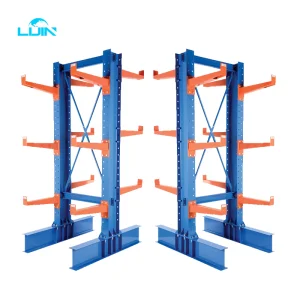
Steel Cantilever Racking System

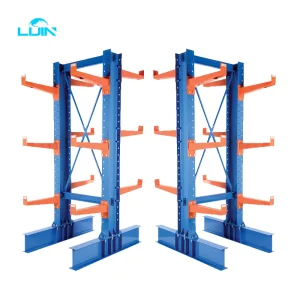
Steel Shelf Cantilever Racking System for Rebar Warehouse Storage Shelves Q235 Steel Heavy Duty Cantilever Rack

View Specifications
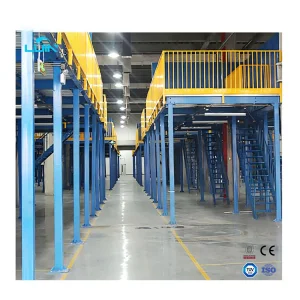
Heavy Duty Mezzanine Floor

Heavy Duty I-Beam Mezzanine Floor Industrial Structural Steel Platform for Storage

View Specifications
Customized Mezzanine Floor System

Customized Mezzanine Floor System Heavy Duty Industrial Storage Platform

View Specifications
Customizable Heavy Duty Industrial Rack

Customizable Heavy Duty Industrial Storage Rack

View Specifications
Galvanized Steel Mezzanine Floor

Q235B Cold Steel Metal Plate Warehouse Storage Materials Galvaniced Mezzanine Floor System

View Specifications
Custom Size Cantilever Racking

Custom Size Tube Warehouse Cantilever Racking Storage Garage Shelf for Rebar Storage

View Specifications
Powder Coated Cantilever Rack

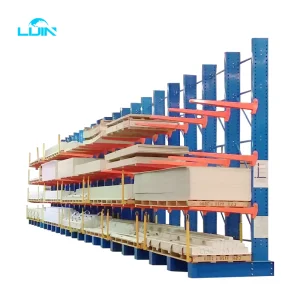
Powder Coated Single Sided and Double Sided Cantilever Rack for Strip or Irregular Goods Storage

View Specifications
Heavy Duty Racking Manufacturer

Heavy Duty Racking Manufacturer

View Specifications