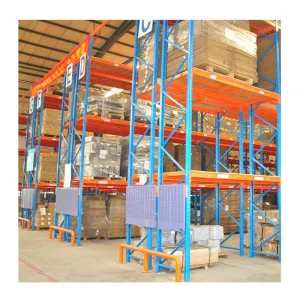
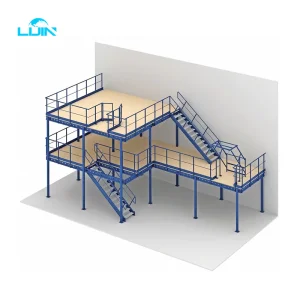
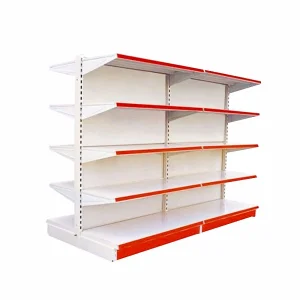
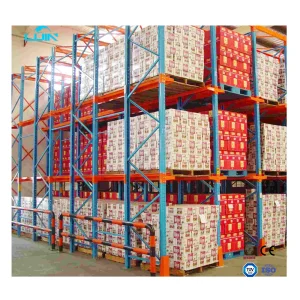
Explore our heavy-duty industrial racking configurations engineered for structural safety and spatial efficiency.
Analyzing global demand, structural paradigms, and next-generation warehouse footprint optimization.
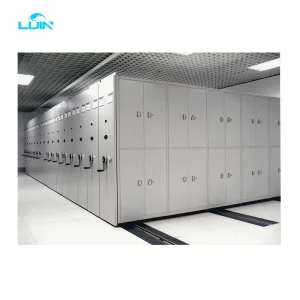
In the era of hyper-optimized supply chains and skyrocketing industrial real estate costs, traditional stationary storage systems are increasingly viewed as space-inefficient. Globally, logistics managers and supply chain directors are turning to mobile shelving and dynamic racking systems to maximize volume utilization. High-density mobile shelving works on a simple yet revolutionary principle: eliminating permanent access aisles. By mounting structural storage racks onto heavy-duty motorized or manual chassis that move along embedded floor tracks, a facility can function with a single shifting aisle instead of one aisle per racking line. This architecture increases storage capacity by up to 80% to 120% within the same physical footprint.
Three core macroeconomic vectors are driving the adoption of high-density mobile storage configurations globally:
A premier global supply partner engineering heavy-duty storage structures since 2015.
Established in 2015, Shenzhen Lijin Storage Equipment Co., Ltd. is a leading enterprise specializing in the design, manufacturing, and global distribution of heavy-duty warehouse racking systems, automated storage solutions, and industrial shelving. Spanning a state-of-the-art facility of 35,000 m², we have developed into a trusted global supply chain partner with over 8 years of direct export experience and more than 12 years of deep industry expertise. Driven by innovation and quality, our global revenue reached USD 22 million last year.
Supported by a skilled team of 28 R&D engineers, Shenzhen Lijin delivers comprehensive OEM and ODM solutions tailored to unique warehouse layouts, seismic requirements, and load capacities. Our engineering team launched over 85 new products and dynamic storage configurations last year, continuously setting new standards in space optimization and modern automated storage integration. We enforce a rigorous, multi-stage quality control system—including ultrasonic non-destructive testing, automated weld inspection, laser dimensional checking, and heavy-load endurance testing. Backed by our dedicated QC professionals, every structural batch meets international safety and load-bearing standards.
A step-by-step showcase of our certified industrial production line, from raw material to dispatch.
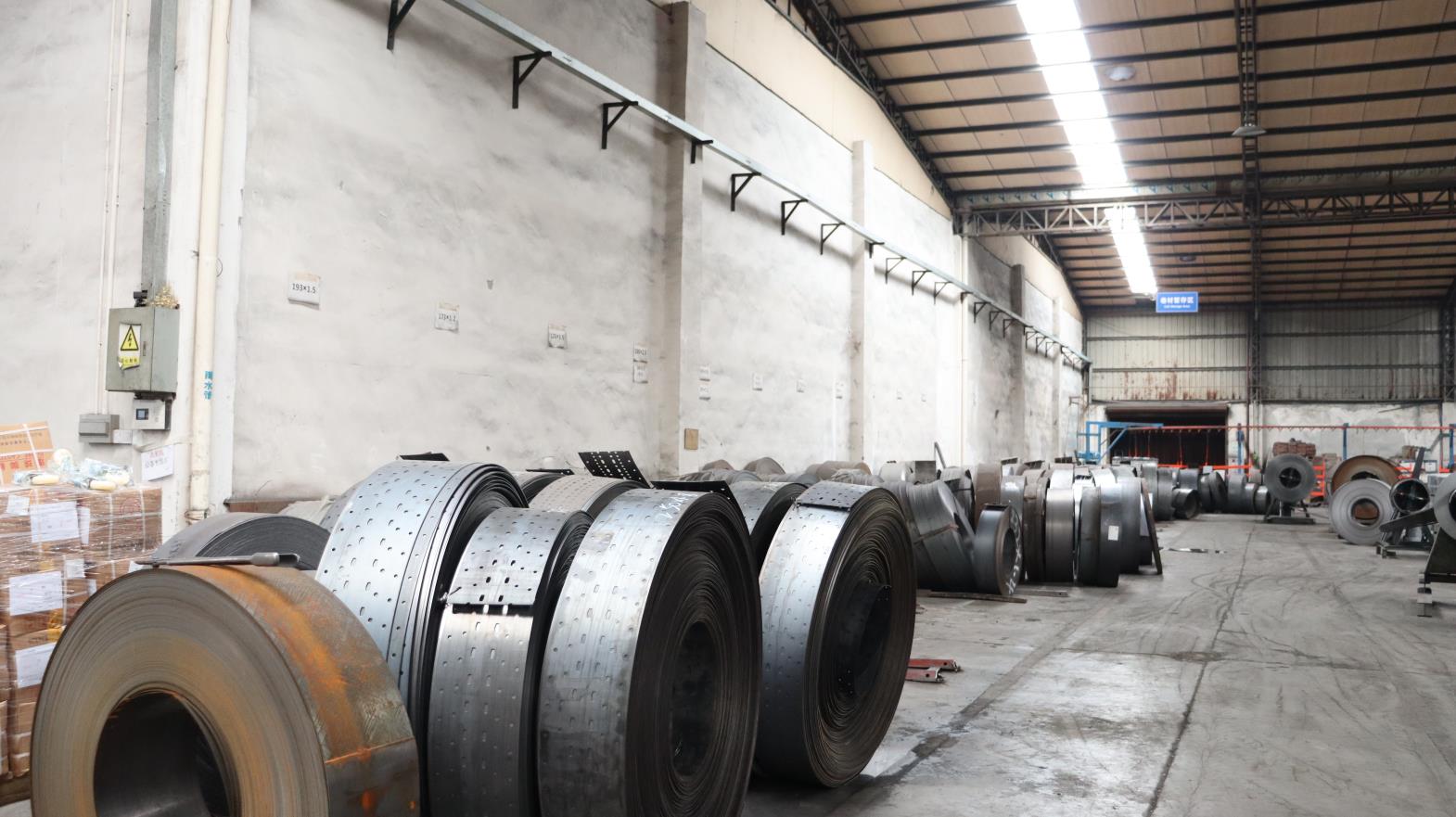 01
01
High-tensile structural steel (Q235B, Q355B) is inspected for mill certificate compliance, thickness tolerances, and chemical composition before entry.
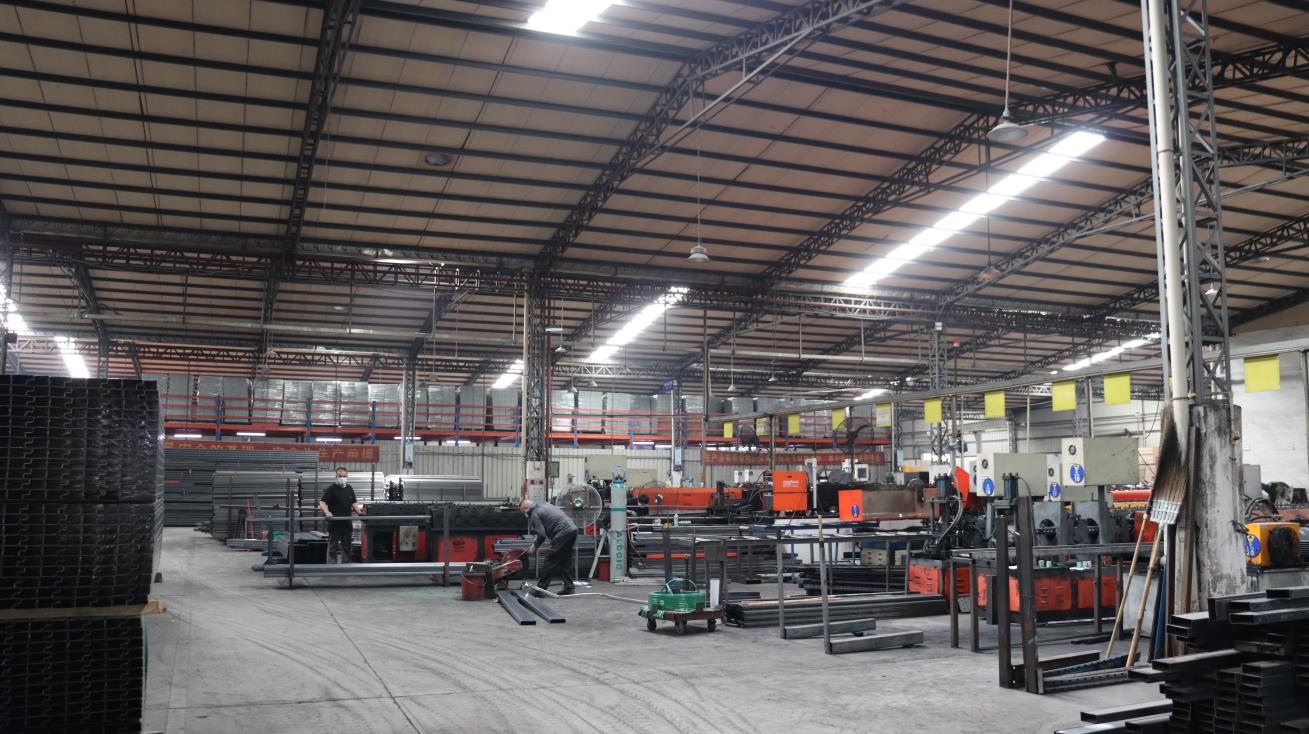 02
02
High-precision multi-station forming rollers shape cold-rolled steel profiles to exact upright and beam cross-sections to ensure load capacities.
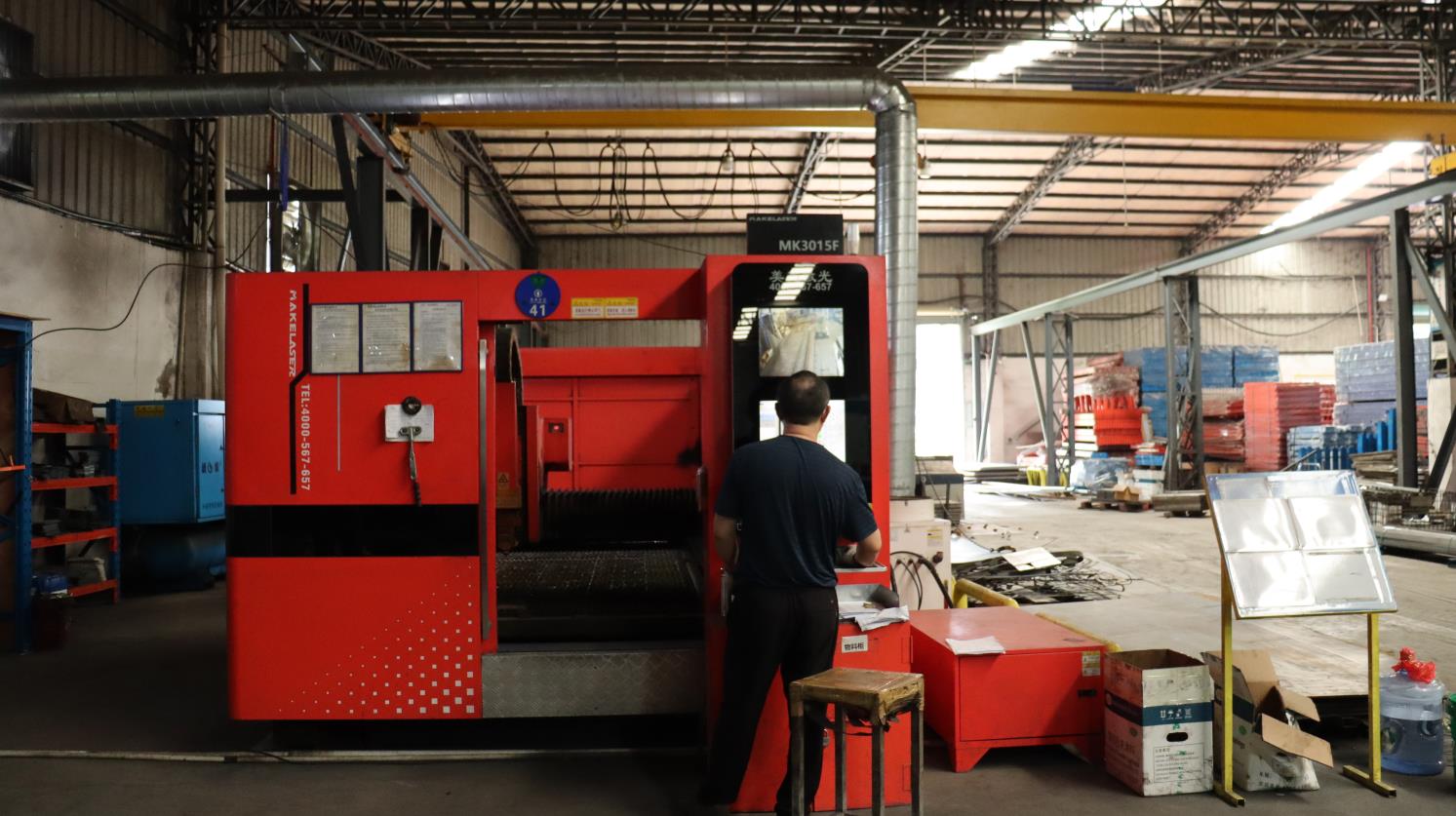 03
03
Automated high-speed hydraulic cut-off systems cut formed sections to design lengths with accuracy margins of less than 0.5mm.
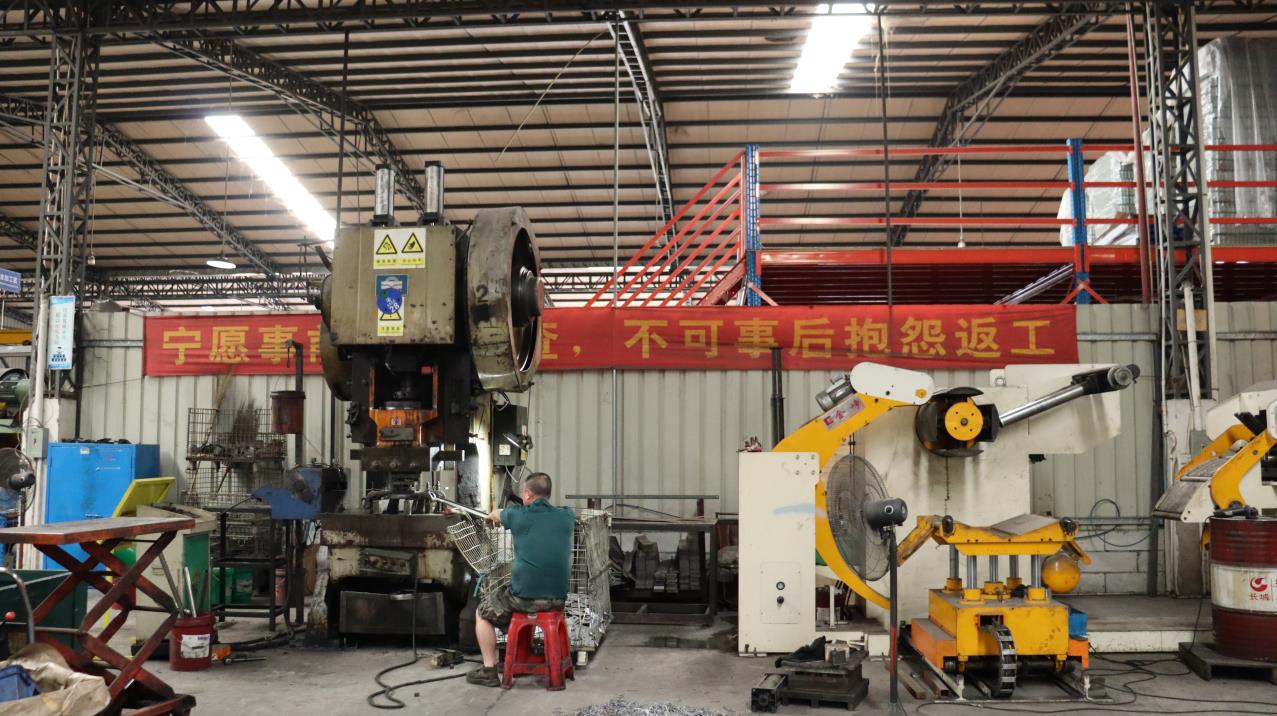 04
04
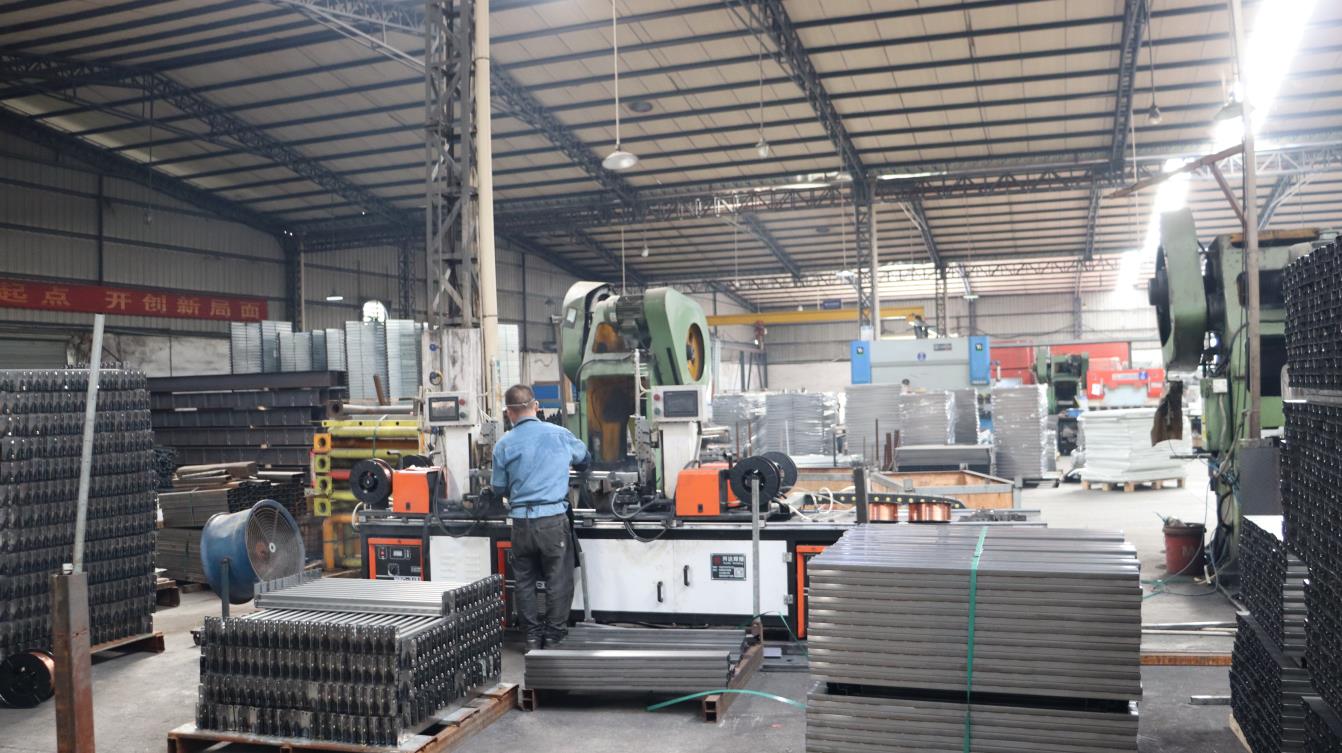
High-tonnage stamping presses punch standard teardrop, hexagon, or custom hook patterns into uprights for adjustable beam connection pitches.
 05
05
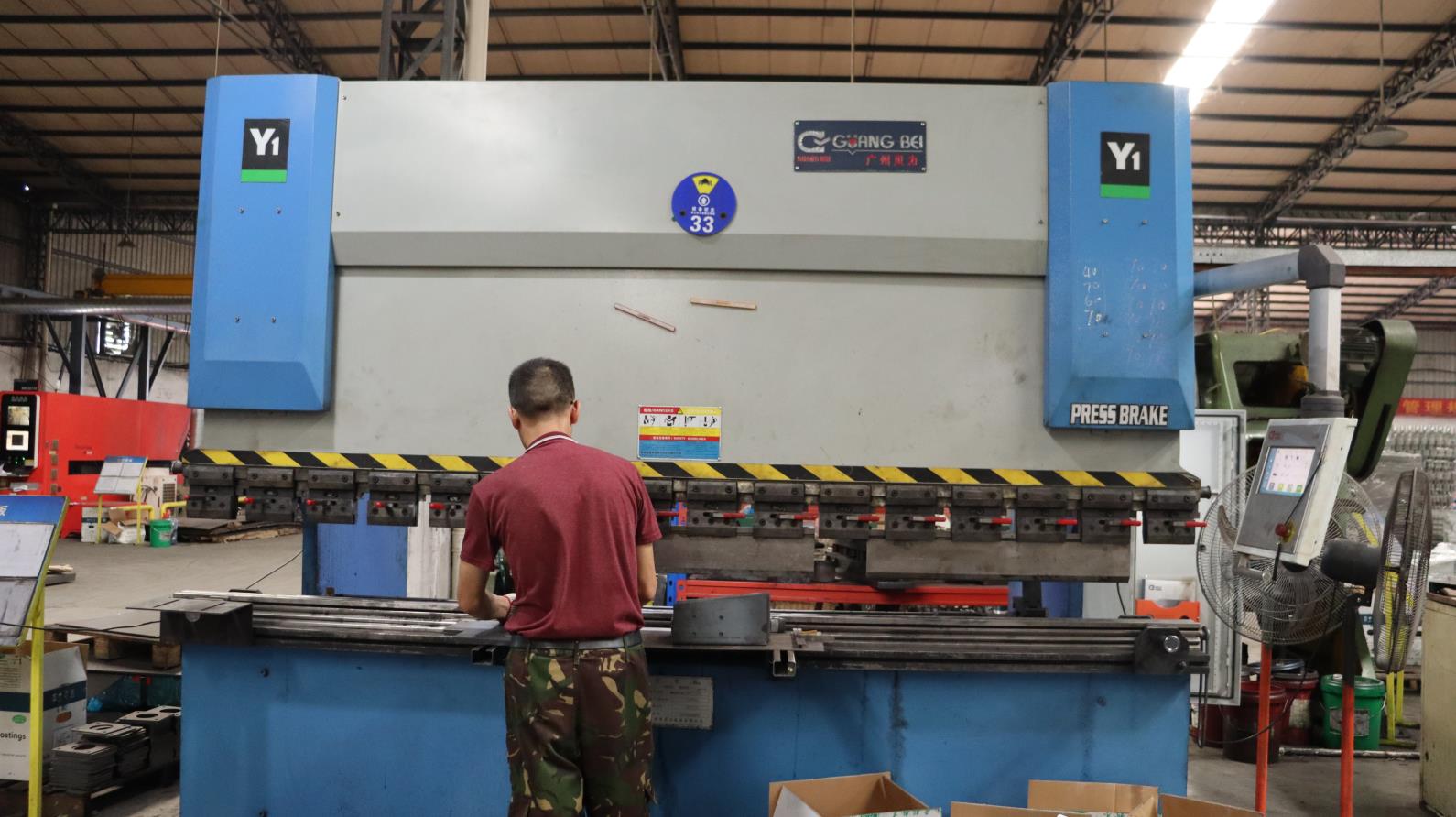
CNC press brakes process structural accessories, row spacers, base plates, and structural components with precise angular accuracy.
 06
06
Robotic welding arms execute carbon-dioxide shielded arc welding (MIG/MAG) to guarantee deep weld penetration and clean seam finishing.
 07
07
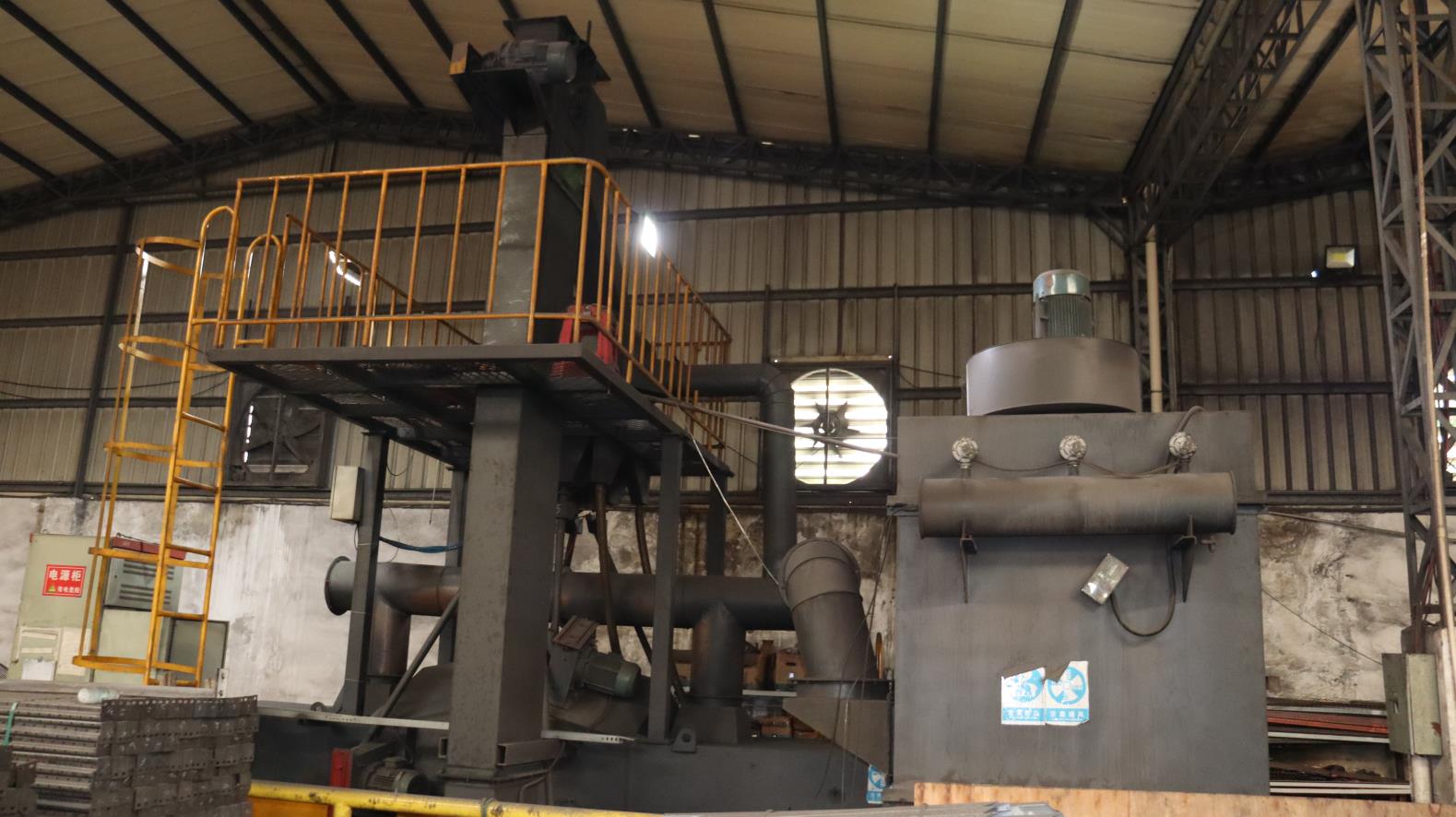
Manual and automated polishing operations deburr sharp edges and clean weld spatter, ensuring safe handling and optimal paint adhesion.
 08
08
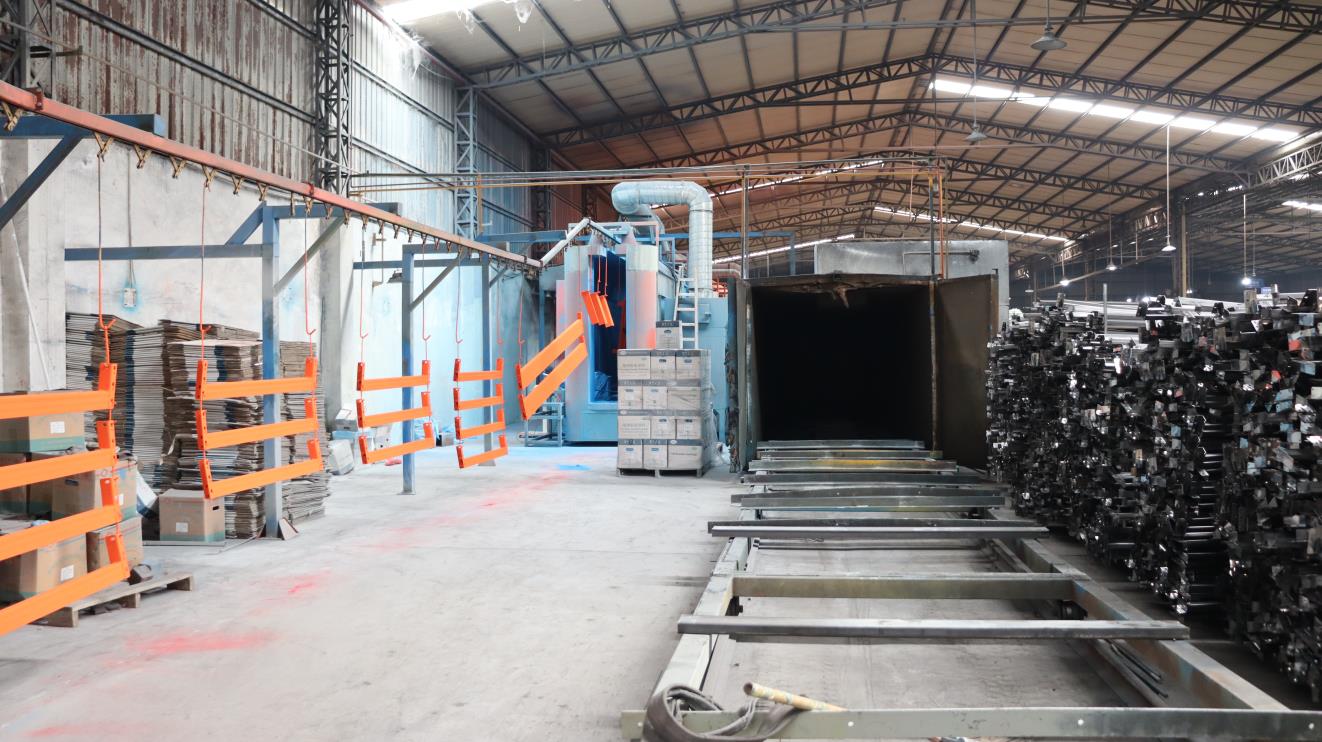
An automated electrostatic powder coating line applies thermosetting epoxy-polyester coatings, followed by curing in a 200°C oven.
 09
09
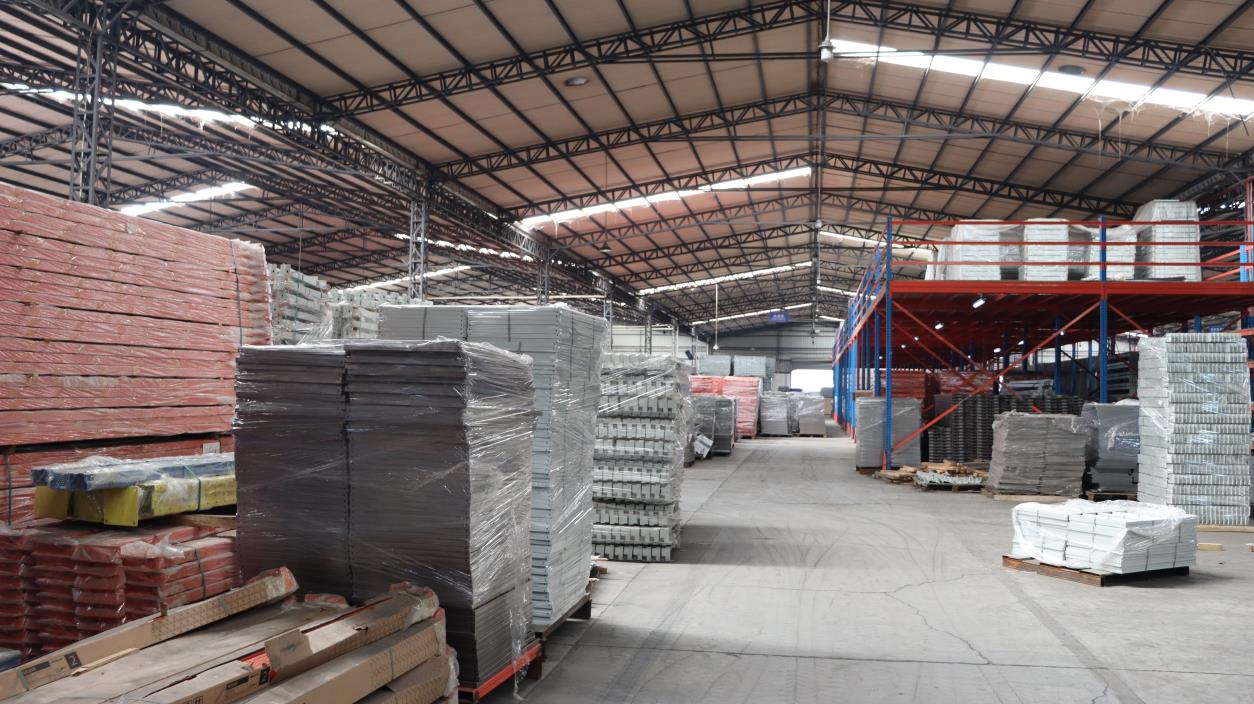
Finished racking elements are systematically packaged, strapped, protected, and loaded for secure long-distance sea shipping.
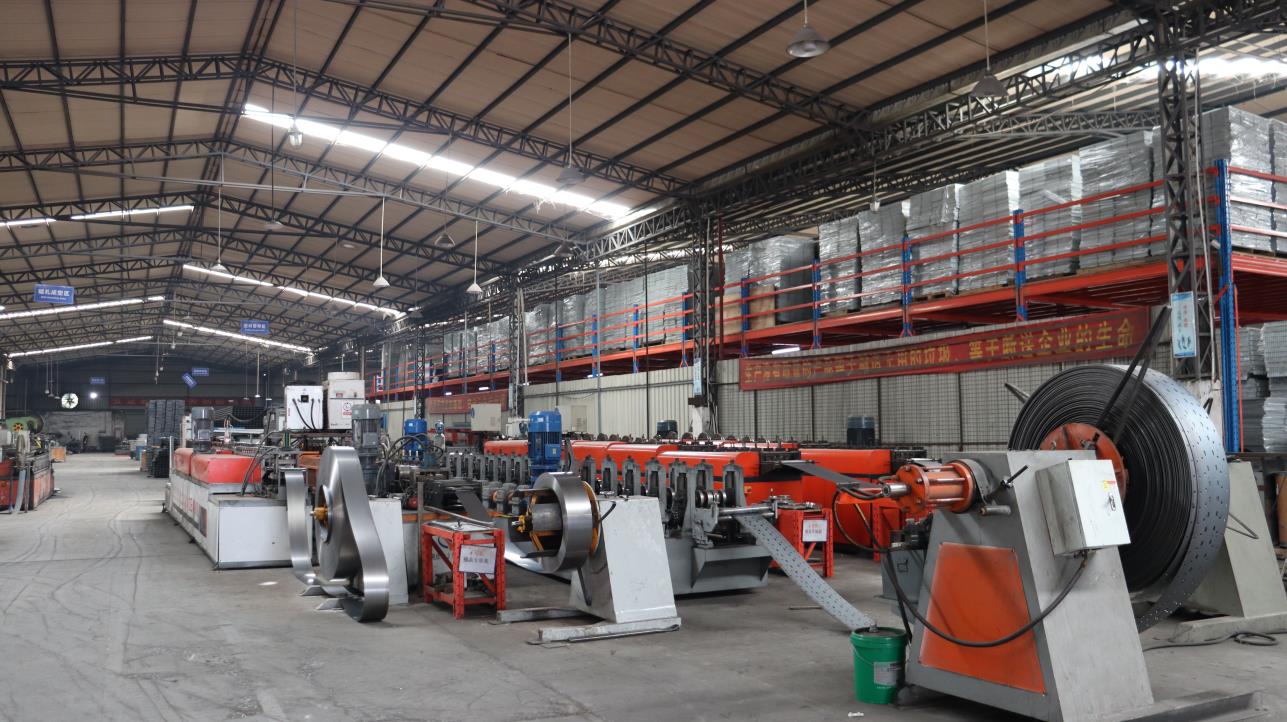
Continuous profiling roll formers designed to execute complex structural curves on steel profiles up to 4.0mm thick.
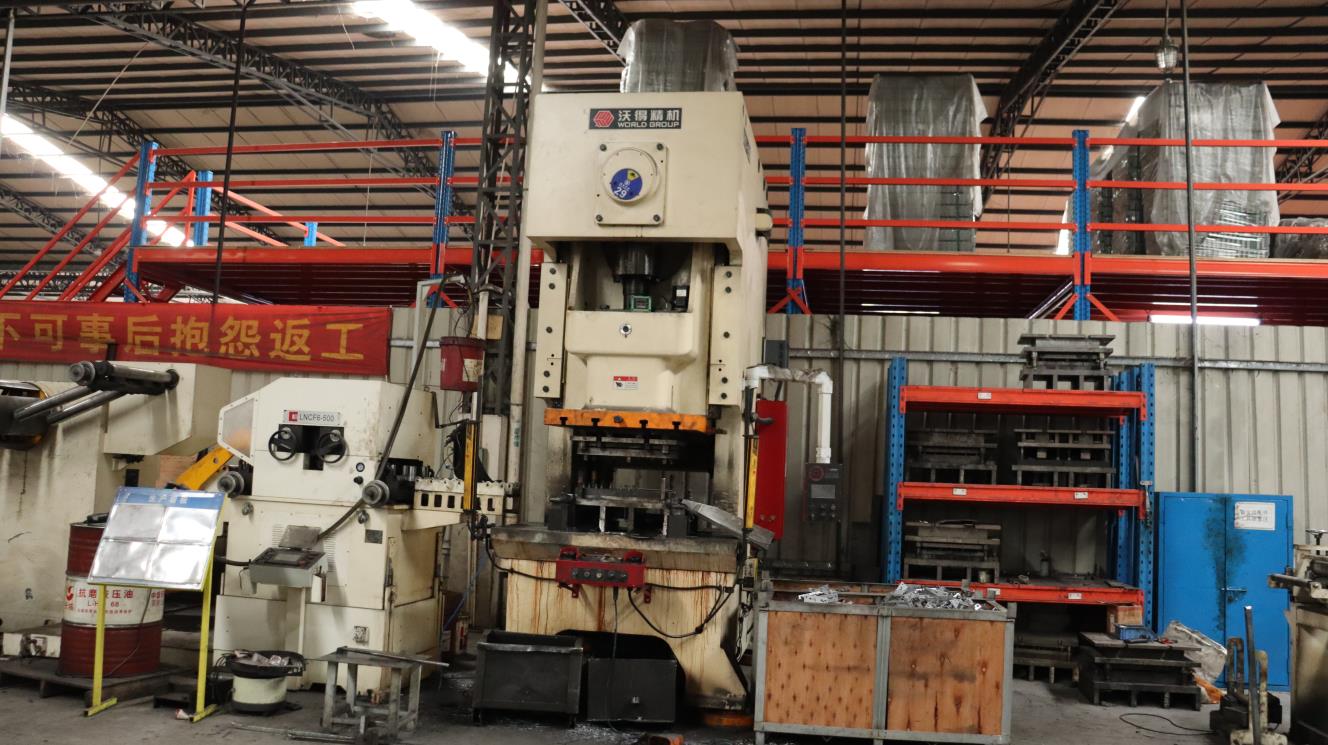
Heavy pneumatic presses delivering rapid, high-pressure die punching for uniform connectivity margins.
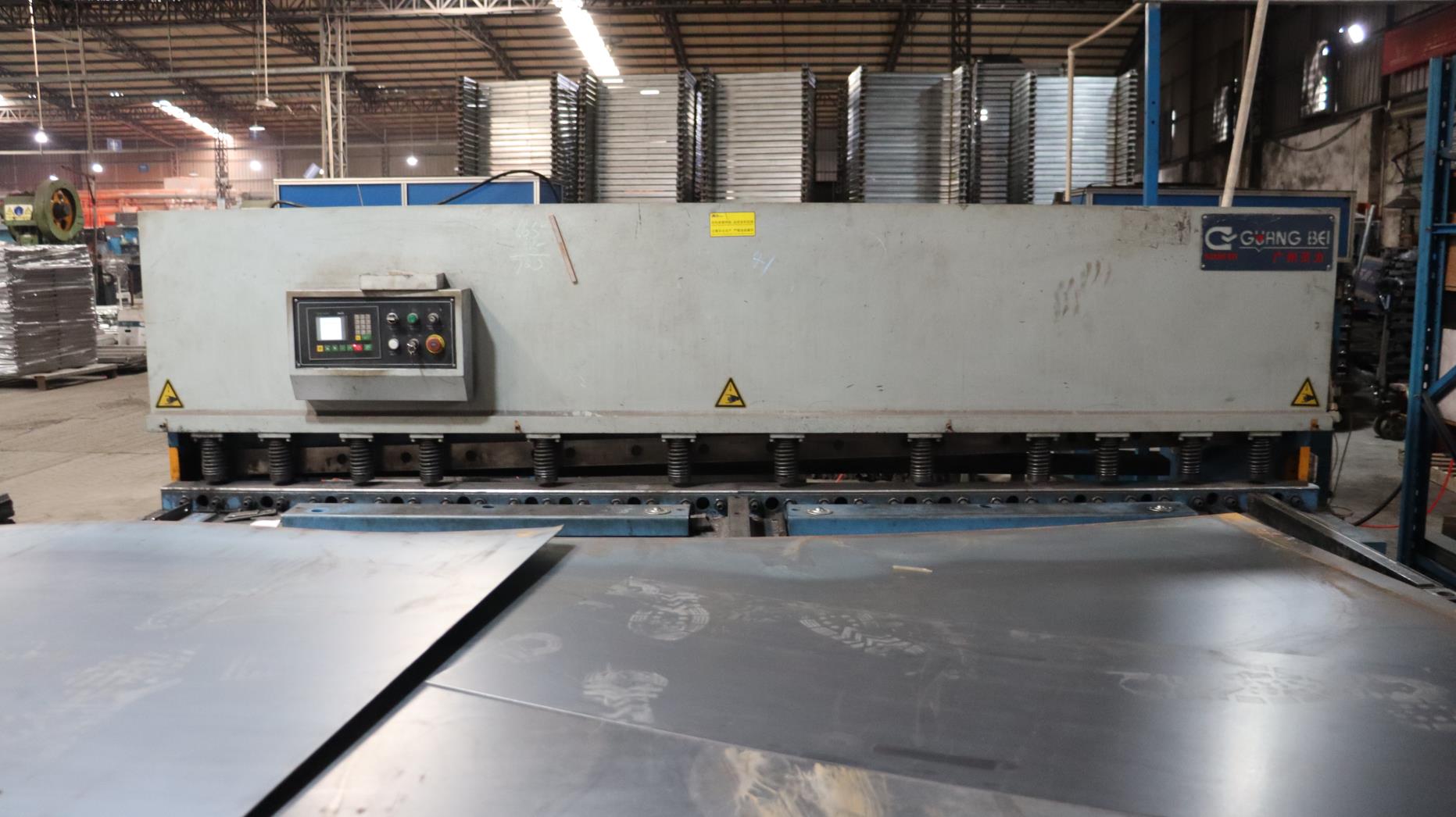
CNC guillotine shears providing straight, clean sheet cuts ready for further structural processing.
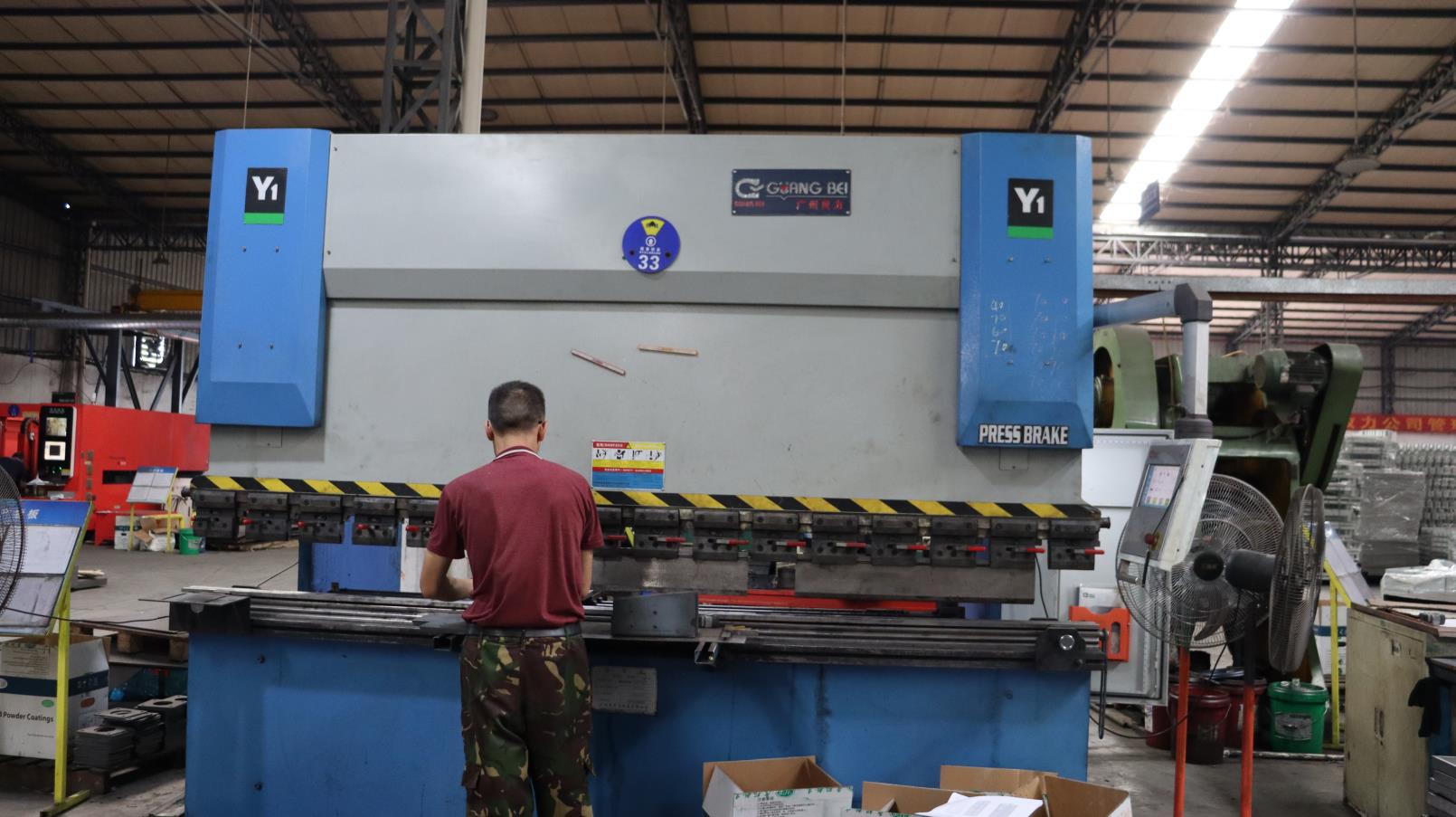
Multi-axis hydraulic press brakes configured for precision bending angles on structural support members.
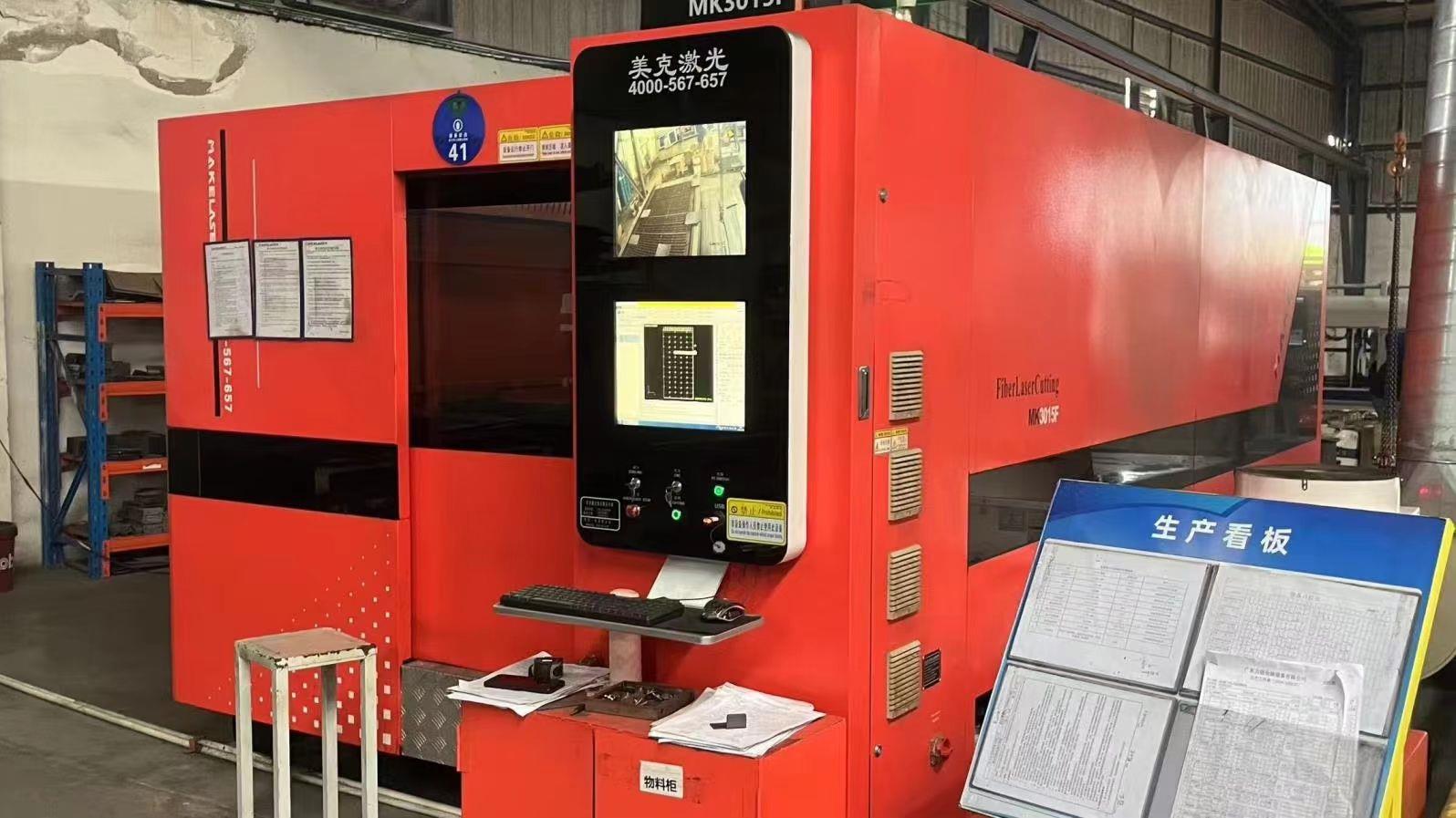
Fiber laser cutters providing clean cuts on structural connectors and accessory plates.
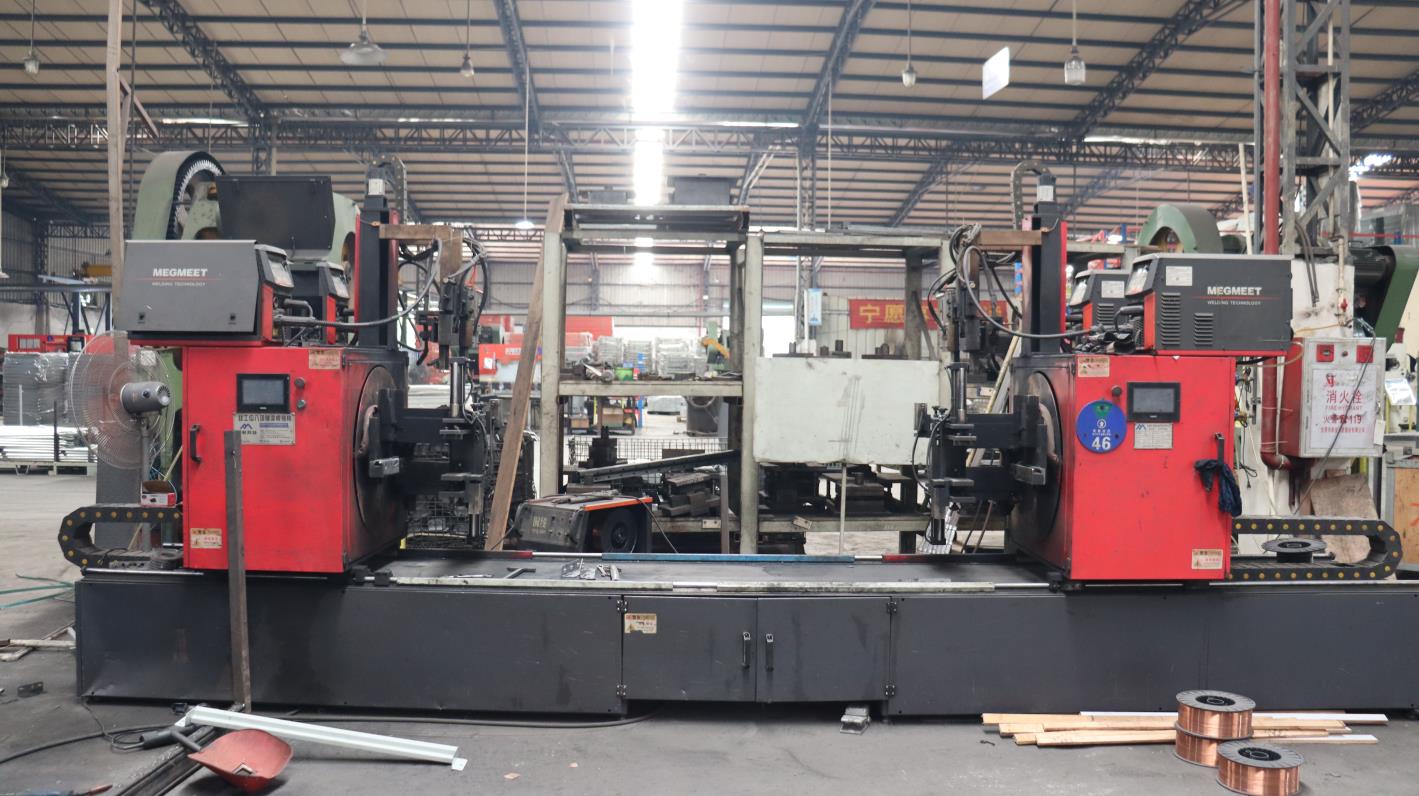
Semi-automated and manual gas metal arc welding systems configured for heavy-duty structural joins.
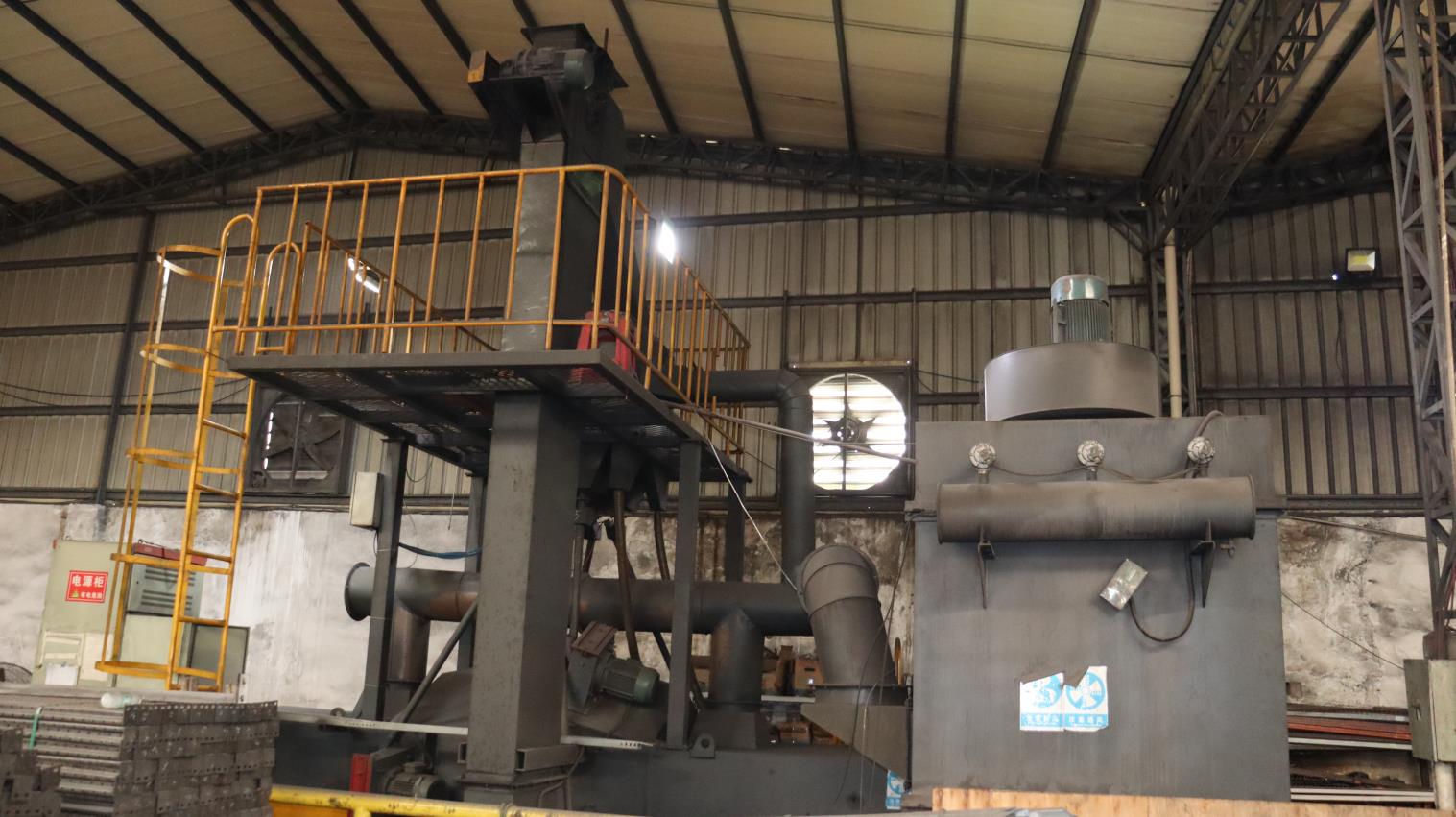
Industrial rotary polishers ensuring clean weld seams prior to chemical treatment and coating.
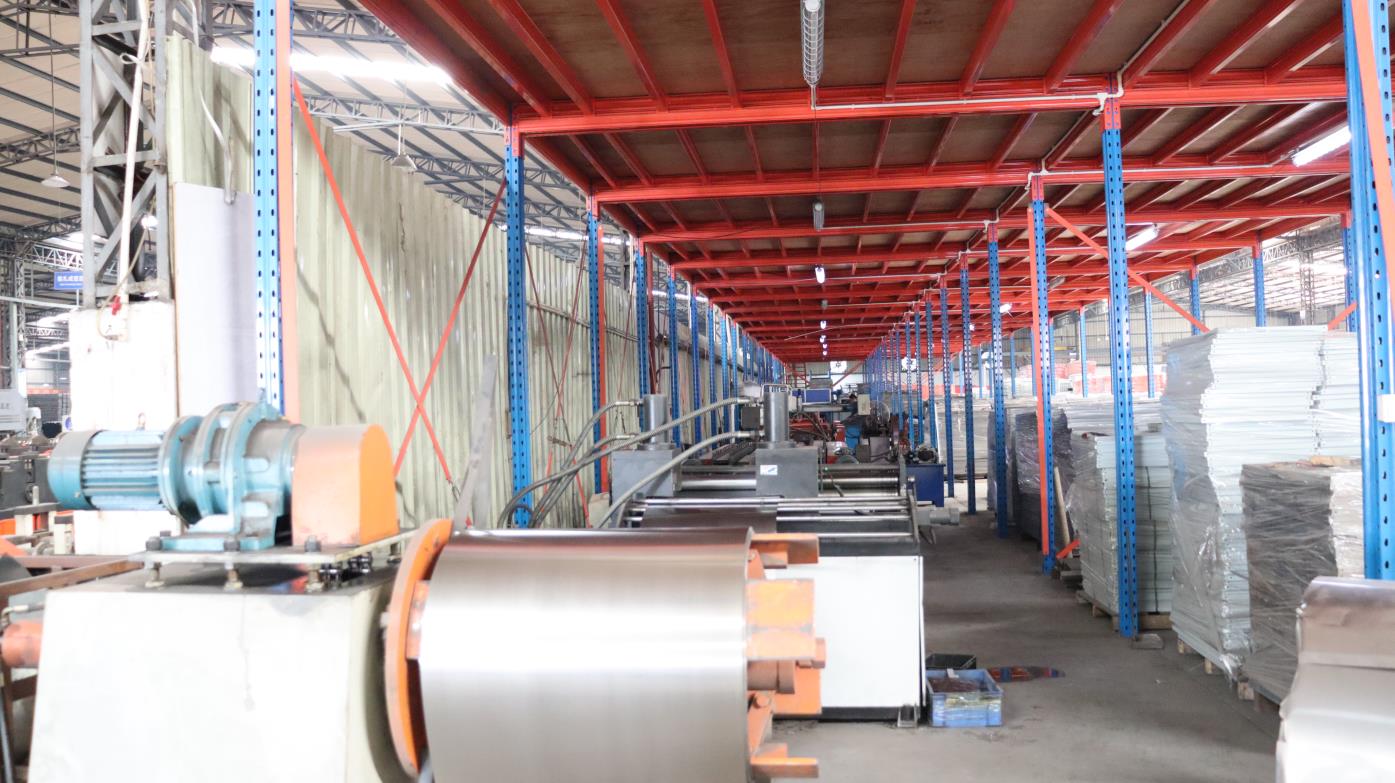
Dedicated light gauge steel roll forming equipment specialized in processing light shelf panels.
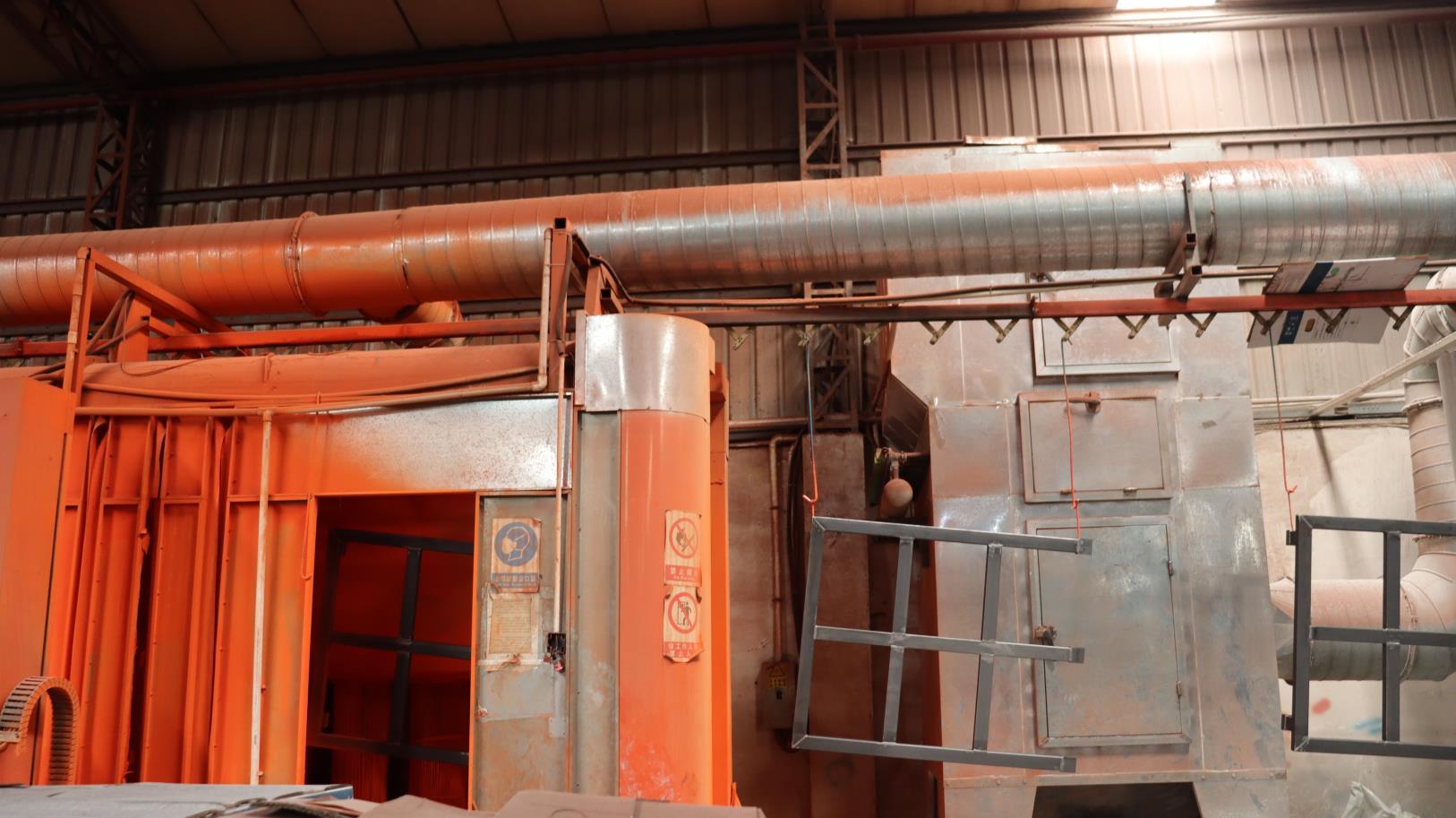
Reciprocator powder coat booths ensuring uniform coating thickness and adhesion across all components.
How our heavy-duty structural designs address sector-specific operational bottlenecks.
For temperatures down to -30°C, cold storage facilities must utilize space efficiently to minimize refrigeration costs. Our mobile shelving bases use special low-temperature lubricants, structural materials designed for cold climates, and IP65-rated drive motors. These features enable high-density pallet storage that prevents energy waste in empty aisles.
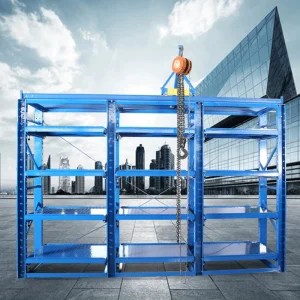
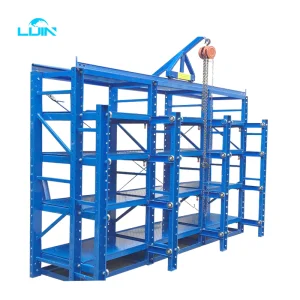
Heavy industrial moulds require safe, structural-grade racking. We engineer custom mold rack structures with load capacities exceeding 3,000 kg per level. These racks feature built-in safety roll-out locks and overhead hoisting linkages to ensure operators can extract tooling safely and efficiently.
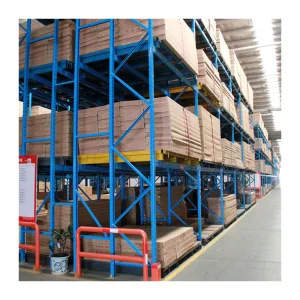
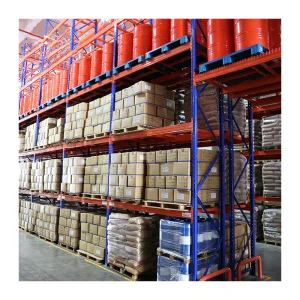
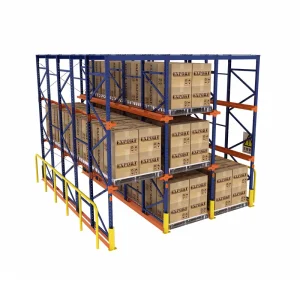
3PL providers operate in dynamic environments with changing inventory profiles. Our modular design philosophy allows for adjustable beam levels and adaptable configurations. This ensures warehouses can easily switch from standard selective pallet configurations to widedpan shelves or high-density drive-in systems.
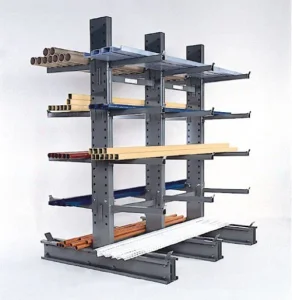
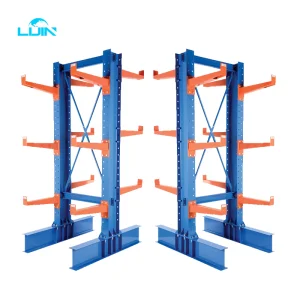
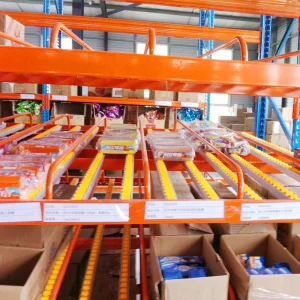
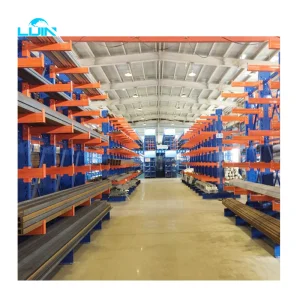
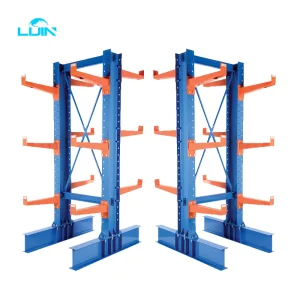
From body panels stored in cantilever arms to high-volume small parts on flow racks, the automotive supply chain requires highly organized storage. We supply integrated racking systems that balance volume density with direct pick access, ensuring smooth workflow synchronization with production lines.
Detailing the strict compliance protocols and structural standards met by Shenzhen Lijin products.
Global logistics facilities require structural stability that complies with regional building and safety codes. At Shenzhen Lijin, we engineer systems that meet these rigorous international standards:
In regions subject to seismic activity, high-density storage requires enhanced structural calculations. Shenzhen Lijin engineers design custom upright bracing structures, heavy baseplates, and dynamic anti-topple anchoring points. We calculate seismic acceleration parameters for each location to ensure our structural steel configurations protect both inventory and personnel.
Anticipating next-generation warehouse requirements with IoT, AI diagnostics, and automation integration.
As logistics complexes shift toward fully automated systems, mobile shelving is evolving into smart infrastructure. We are actively developing and integrating these advanced technologies:
Our upcoming smart mobile chassis line features a network of real-time load sensors, photoelectric barriers, and laser scanners. If an obstruction or hazard is detected in a shifting aisle, the system immediately halts movement. Continuous load monitoring helps prevent overloads and unbalanced weight distribution, reducing structural stress over time.
Modern mobile racks are designed to integrate with automated warehouse dispatch loops. Racks receive movement instructions directly from the WMS. Before a forklift arrives, the target aisle automatically opens, reducing driver wait times and improving picking efficiency.
To support global carbon-reduction goals, our engineering team is adopting variable-frequency motor control systems. These drives optimize acceleration profiles, reducing electricity draw during start-stop cycles and providing smooth transitions that protect fragile stored inventory.
Expert answers to critical engineering, installation, and procurement questions.
A comprehensive catalog of industrial and commercial storage solutions manufactured by Shenzhen Lijin.
 Lijin Racking