Engineered for maximum load capacity, compliance with international safety protocols, and seamless warehouse optimization.
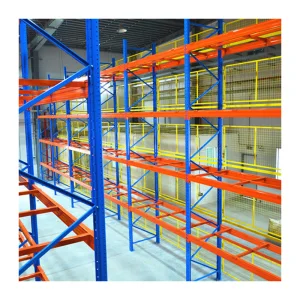
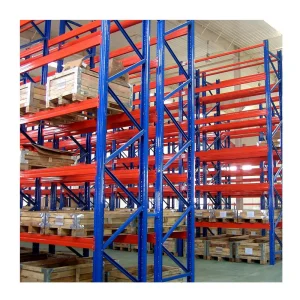
In the era of supply chain complexity, industrial warehousing has transitioned from simple product holding spaces to dynamic, strategic engines of corporate growth. The demand for heavy-duty pallet storage solutions is experiencing unprecedented expansion, driven by the explosive growth of third-party logistics (3PL), e-commerce integration, and the global imperative to maximize floor-space efficiency. Modern warehouses are no longer looking at rack systems as static metal shelving; instead, they are evaluated as integrated structural components capable of handling high stress, high cycle rates, and integration with automated storage and retrieval systems (AS/RS).
Real estate pricing surges are pushing operators upward. Vertical rack architectures stretching past 15 meters are now the norm, requiring structural analysis and premium grade steel profiles (such as Q235B and Q345B) to guarantee stability.
Racking systems must align with strict deflection tolerances. Modern suppliers must design racking configurations compatible with automated cranes, automatic guided vehicles (AGVs), and shuttle runners to ensure continuous operation.
Seismic zones require engineered rack frames. Global procurement teams insist on rigorous conformity to standards like the Rack Manufacturers Institute (RMI) guidelines in the Americas and the European EN 15512 codes.
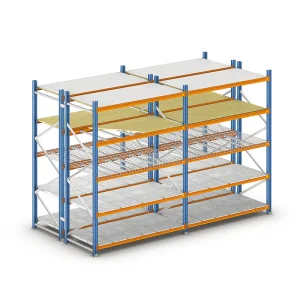
As a premier global supplier, Shenzhen Lijin Storage Equipment Co., Ltd. leverages a highly evolved product engineering workflow to address these macro challenges. By prioritizing advanced structural finite element analysis (FEA), we ensure that every system—whether a standard selective pallet rack or a complex mezzanine floor—delivers maximum load-bearing limits, enabling modern enterprises to future-proof their supply chain infrastructure.
For enterprise procurement officers and system integrators worldwide, buying pallet racking is an exercise in managing long-term operational risk. The purchasing decision extends far beyond the initial price-per-pallet position; it encompasses installation speed, structural safety compliance, local building approvals, and structural durability. Global businesses need high reliability and local agility, driving them to partner with manufacturers who maintain absolute control over steel quality and precision fabrication.
| Procurement Parameter | Industry Standard Requirements | Lijin Quality Benchmark |
|---|---|---|
| Raw Material Origin | Variable quality steel (highly susceptible to structural fatigue under maximum dynamic loading) | Certified Q235B & Q345B High-Tensile Steel sourced from tier-1 national mills |
| Welding Integrity | Manual welding with manual verification (leads to inconsistencies and structural weak points) | Automatic robotized welding coupled with ultrasonic non-destructive testing (NDT) |
| Surface Protection | Standard liquid paint or thin powder coats prone to premature chipping and corrosion | Electrostatic powder coating (thickness 60-80 microns), highly resistant to mechanical abrasion |
| Deflection Limits | L/200 under load (industry average structural tolerance) | Optimized down to L/300 for seamless integration with automation systems |
Industrial facilities operating in hostile climates, cold chain storage (reaching down to -30°C), or seismic zones require custom engineering profiles. Heavy-duty structures must incorporate specialized footplates, robust floor anchors, and double-deep bracing patterns to mitigate seismic actions. Choosing an experienced supplier like Lijin ensures these design parameters are accounted for prior to production, avoiding catastrophic structural collapses and keeping logistics lines operating continuously.
Established in 2015, Shenzhen Lijin Storage Equipment Co., Ltd. has grown to become a premium enterprise specializing in the design, engineering, and global distribution of heavy-duty warehouse racking systems, automated storage solutions, and industrial mezzanine structures. Operating out of a state-of-the-art 35,000 m² facility, we have positioned ourselves as a reliable global supply chain partner with over 8 years of direct export experience and more than 12 years of deep industry expertise.
Driven by technological innovation and strict quality control, our global revenue reached USD 22 million last year. We maintain strong strategic relationships with over 850 supply chain partners globally. Our core client demographic spans large-scale distribution hubs, global 3PL operators, commercial warehouses, and industrial wholesalers looking for reliable storage systems.
China’s manufacturing landscape has transitioned from simple labor-intensive assembly to advanced, automated Factory 4.0 ecosystems. This shift is clearly demonstrated in our production methodologies. Our manufacturing line uses CNC laser cutting, computer-controlled roll-forming, and automated robotic welding cells to ensure absolute part consistency. When processing heavy structural steel beams, a variance of even 1 millimeter can result in structural failure during site installation. Our automated machinery ensures tolerances are held within ±0.5mm, streamlining field installation and ensuring long-term structural integrity.
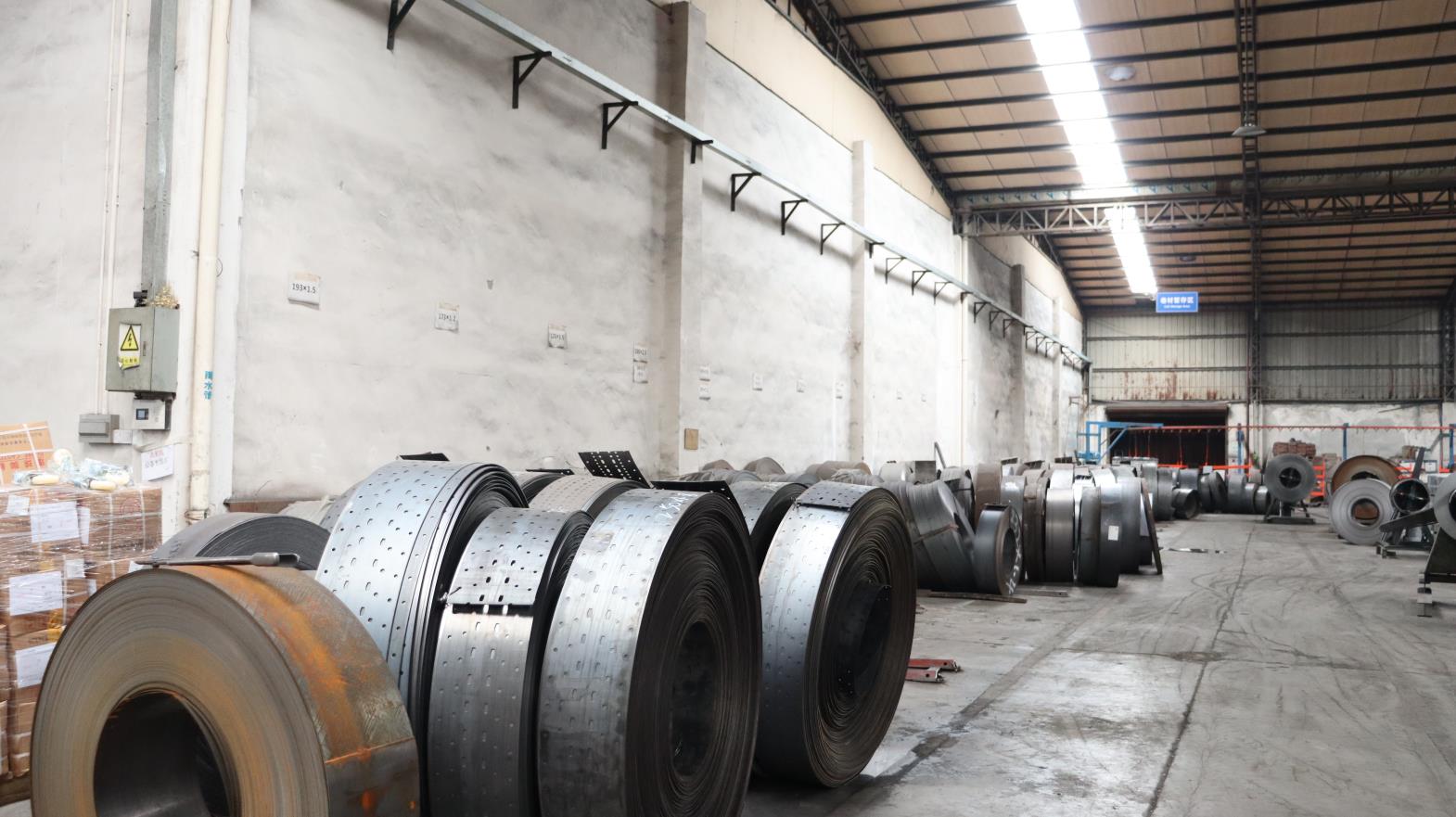
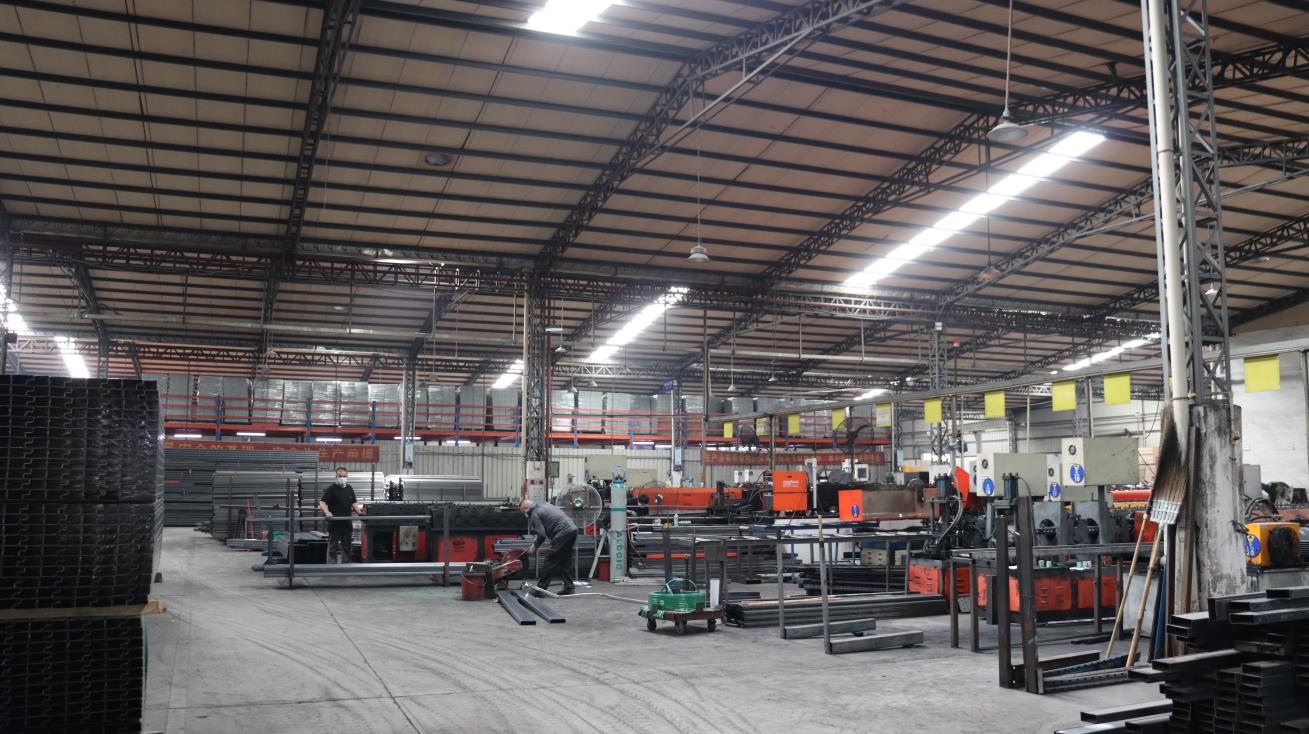
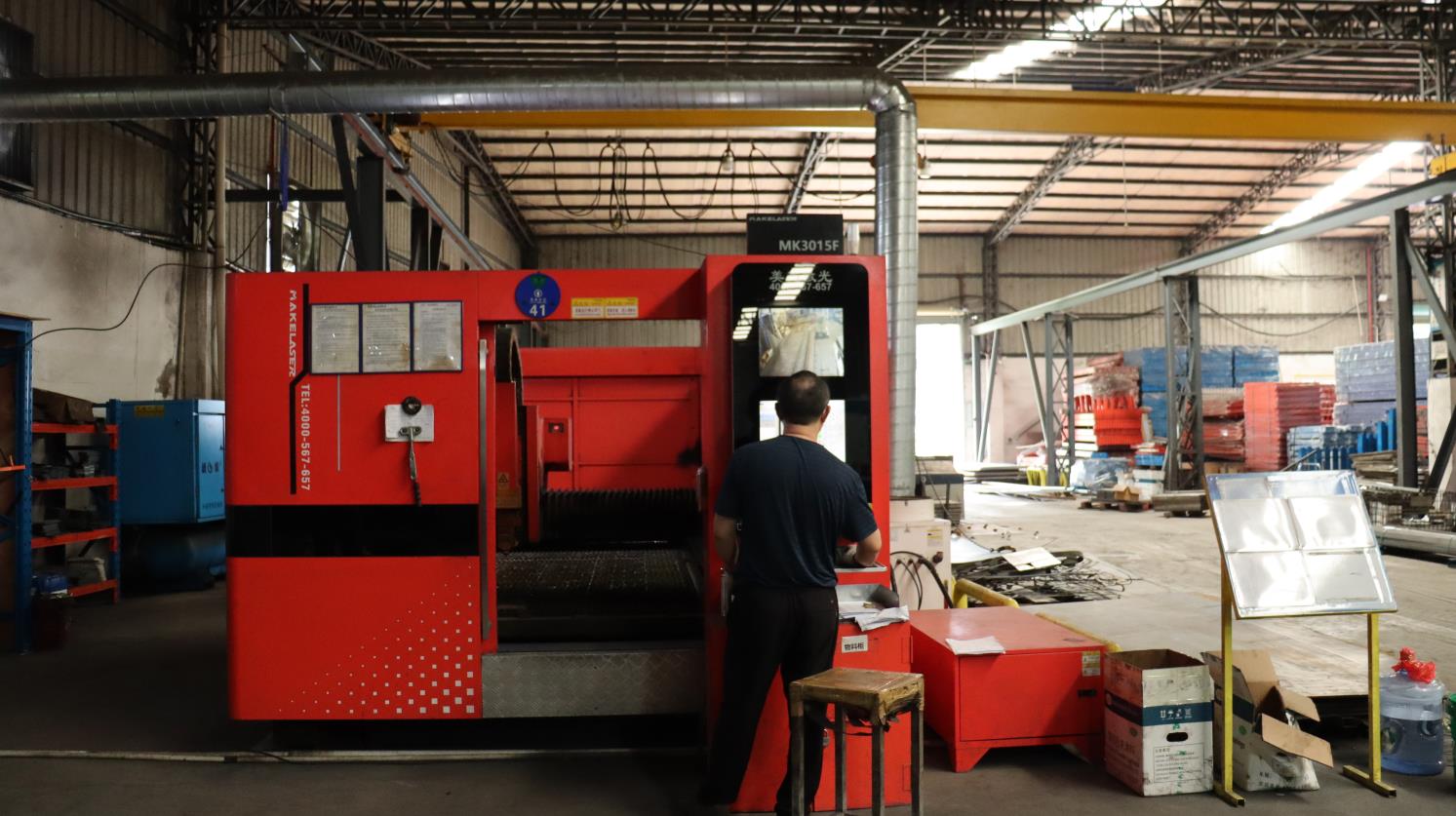
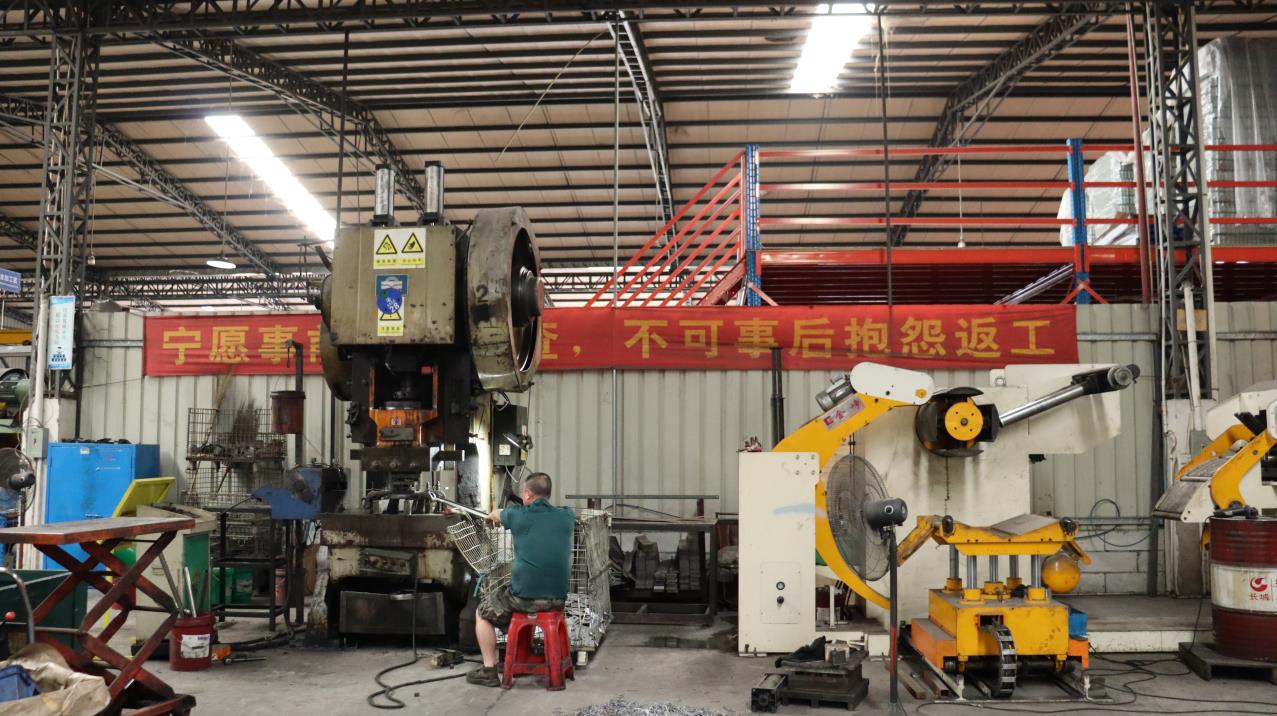
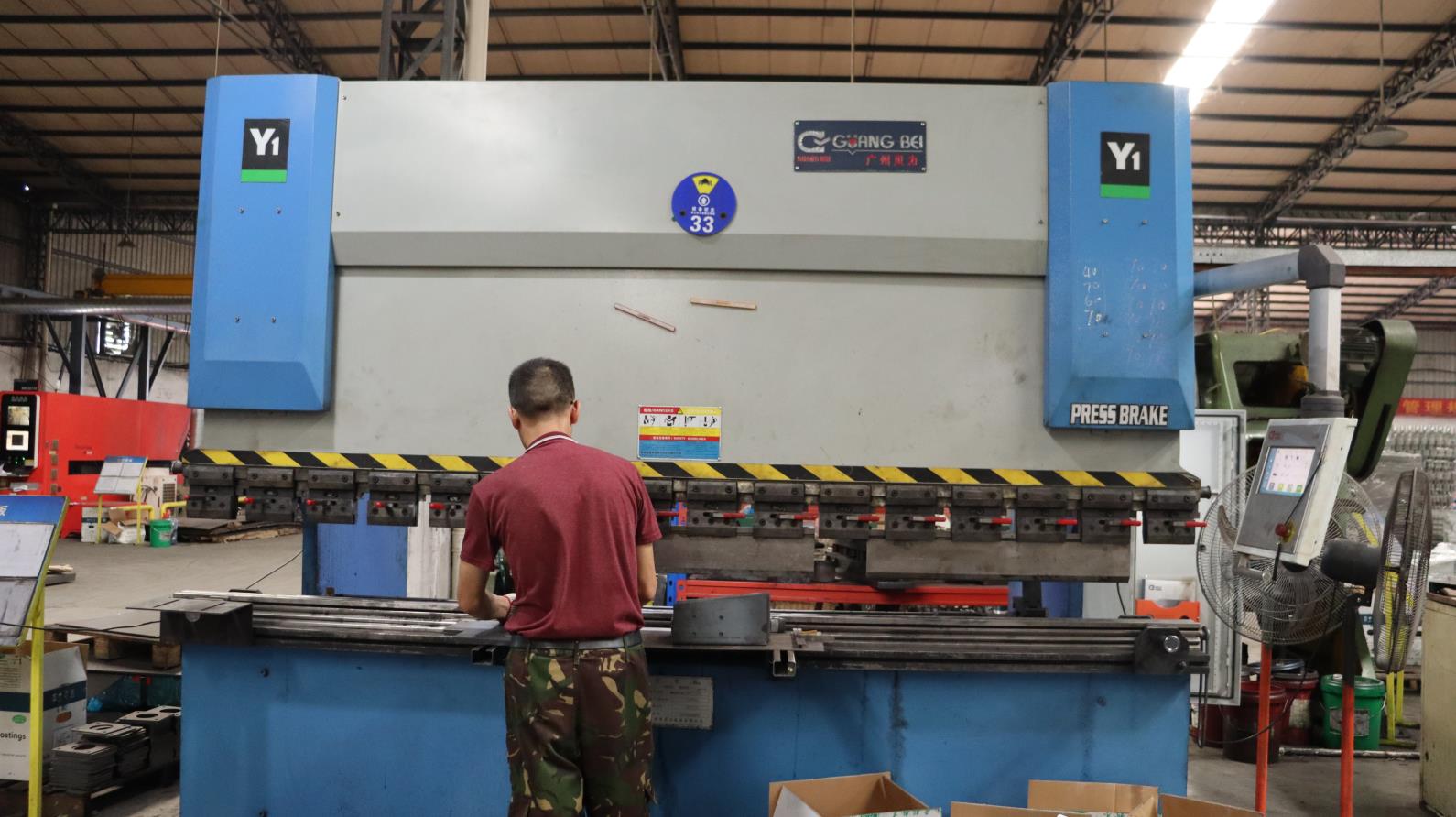
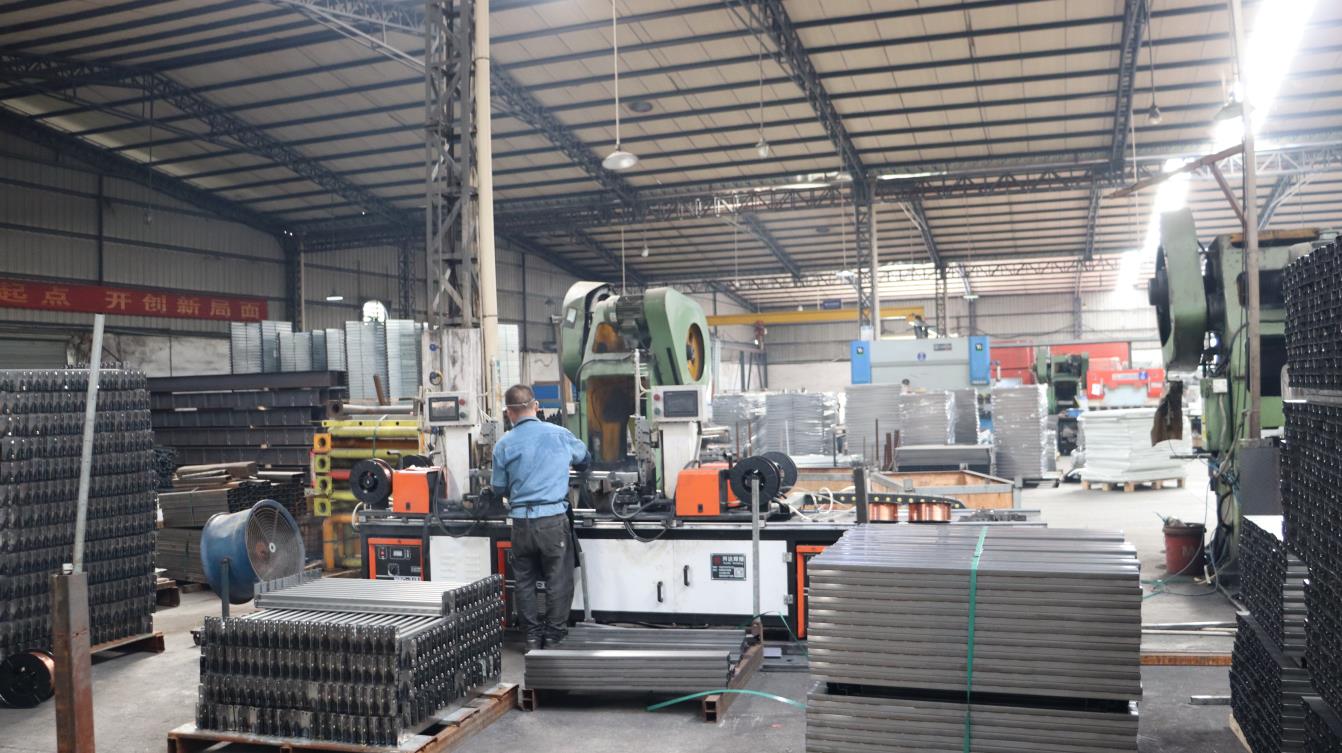
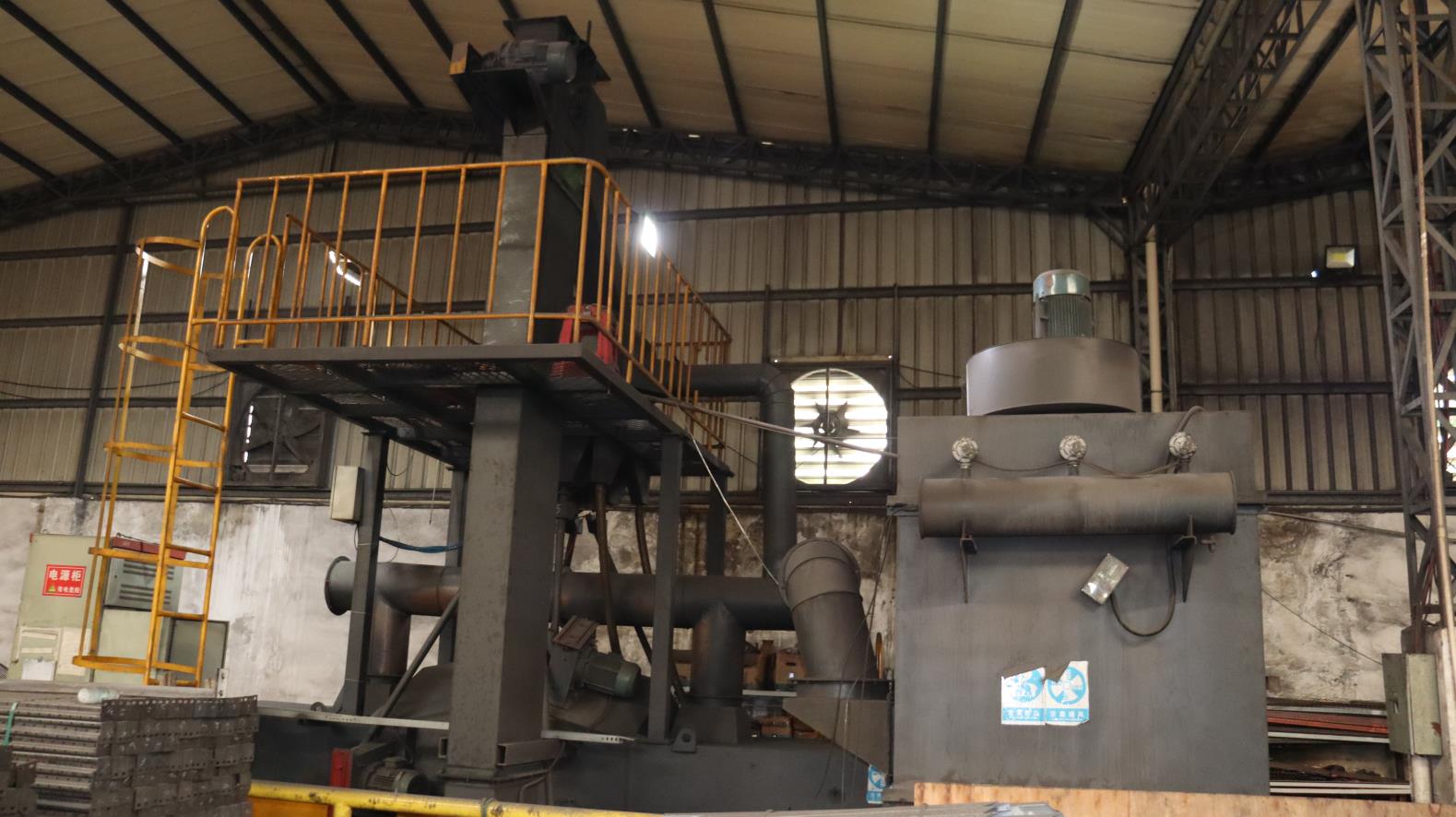
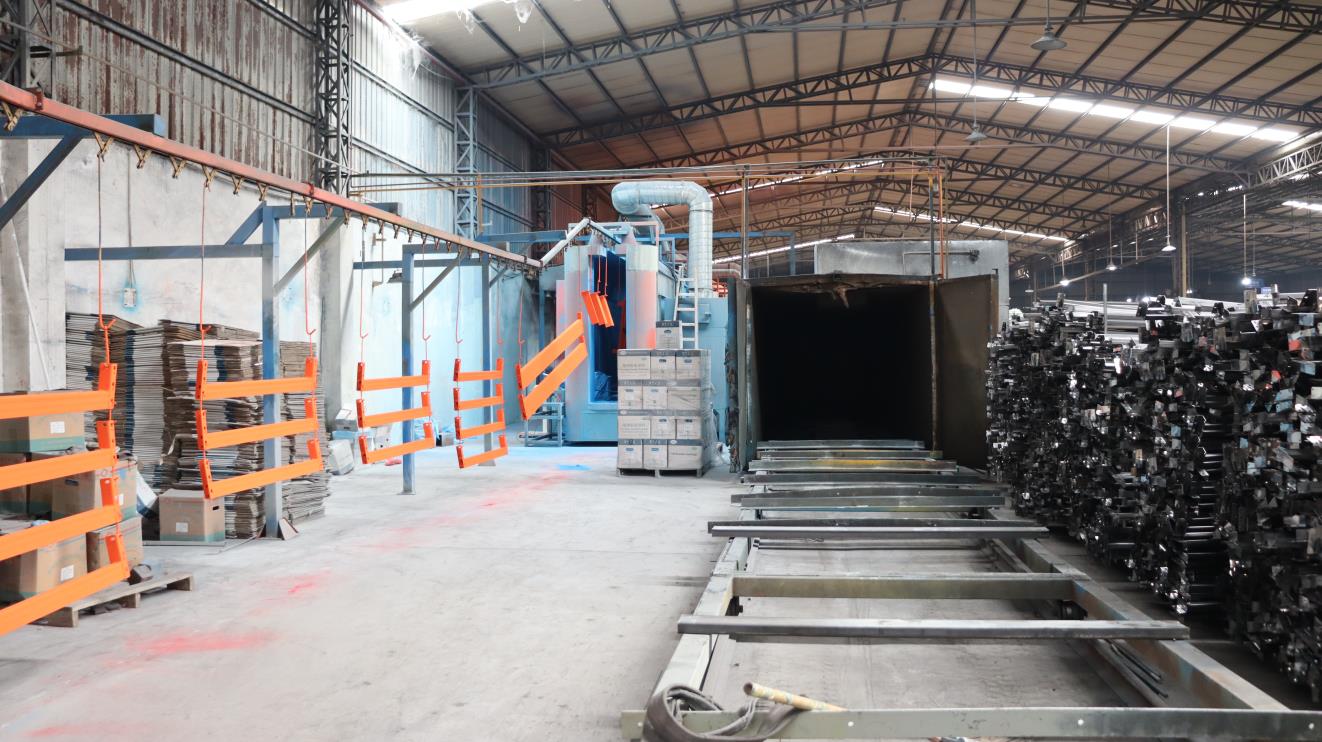
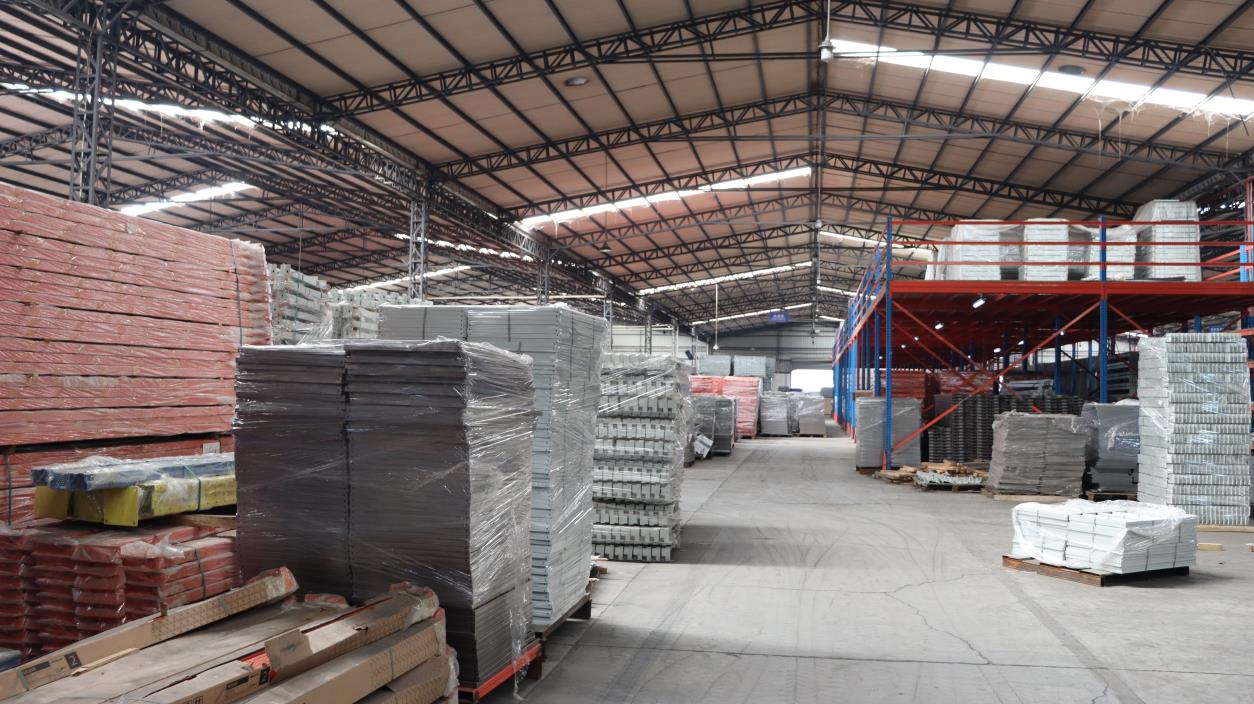
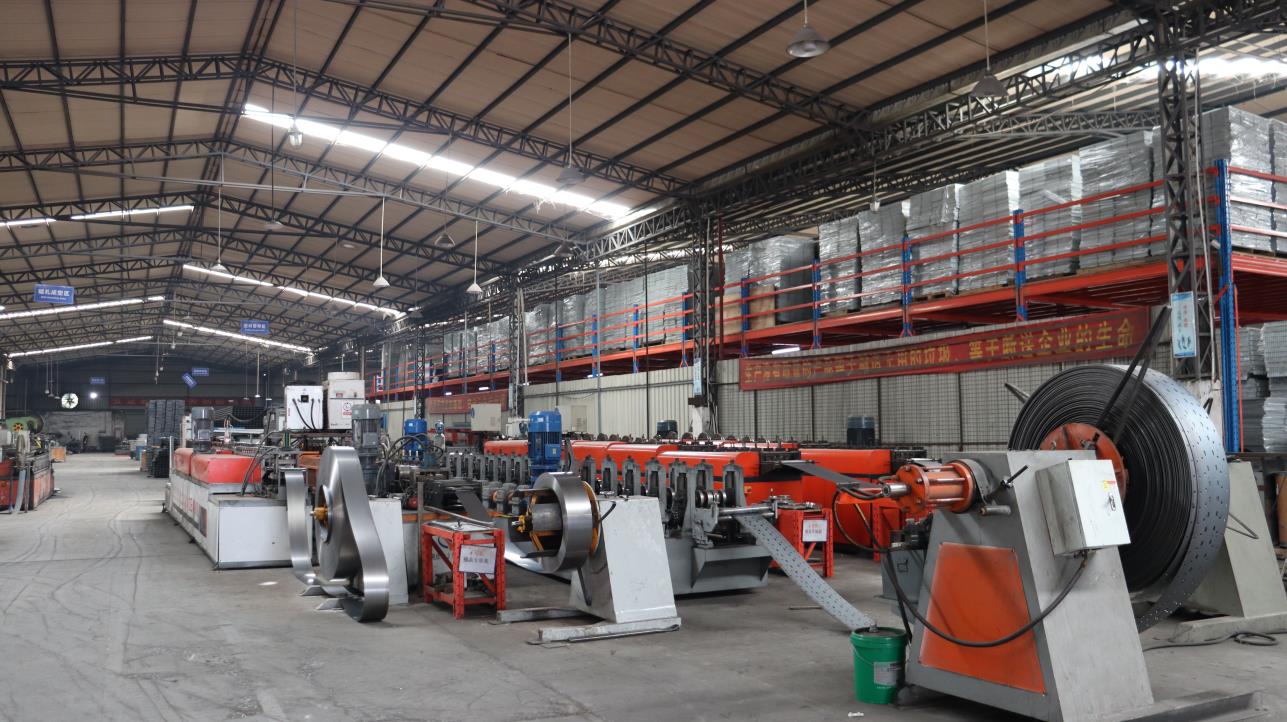
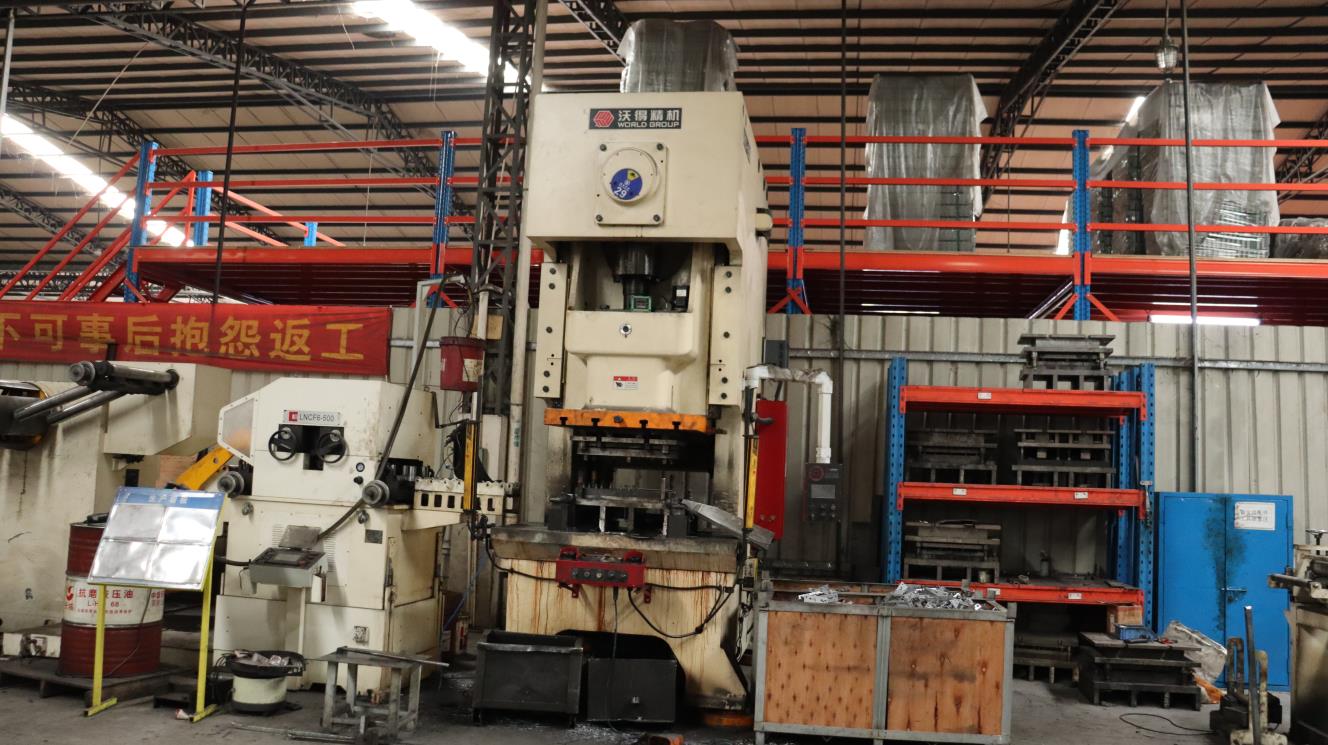
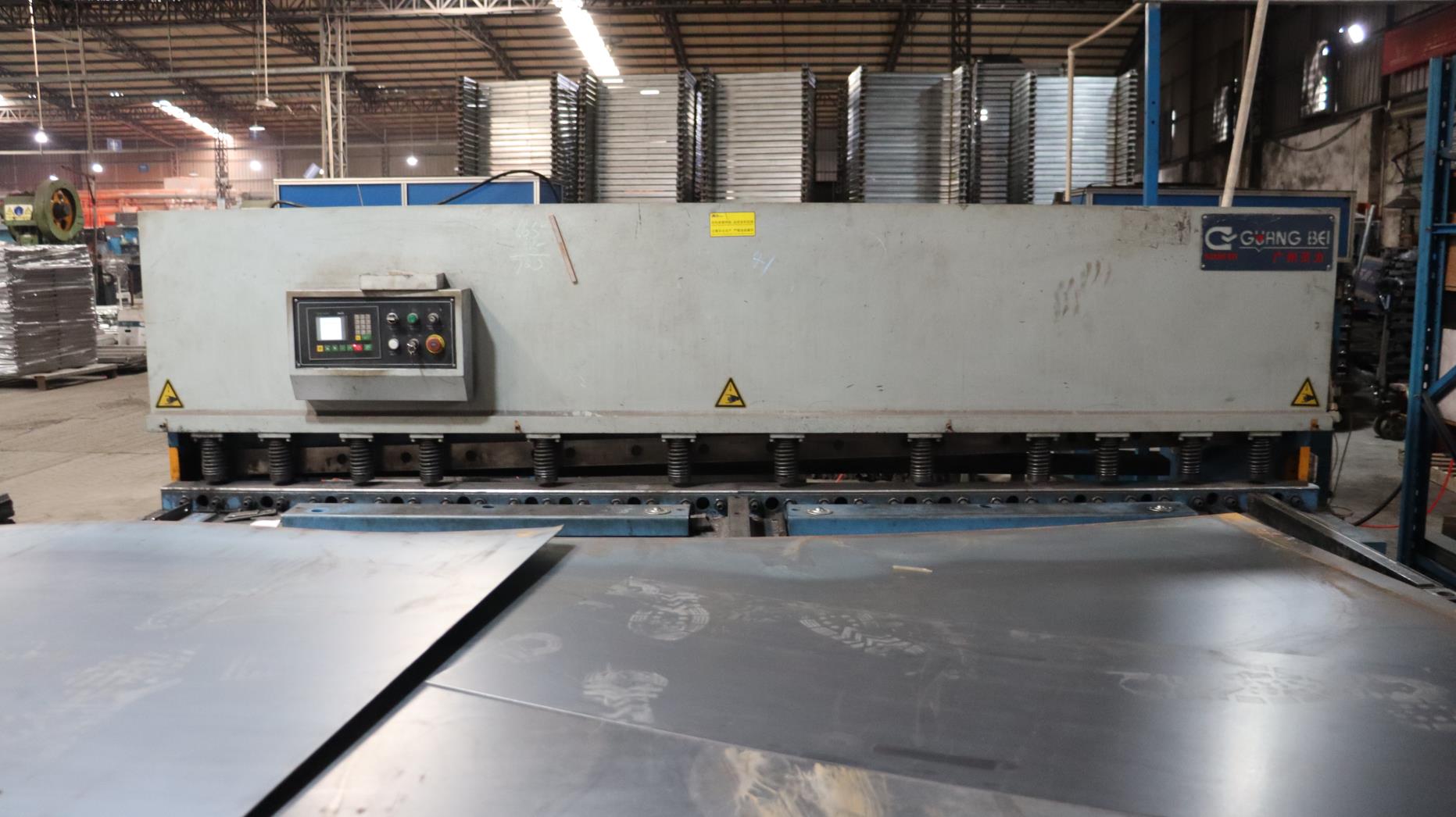
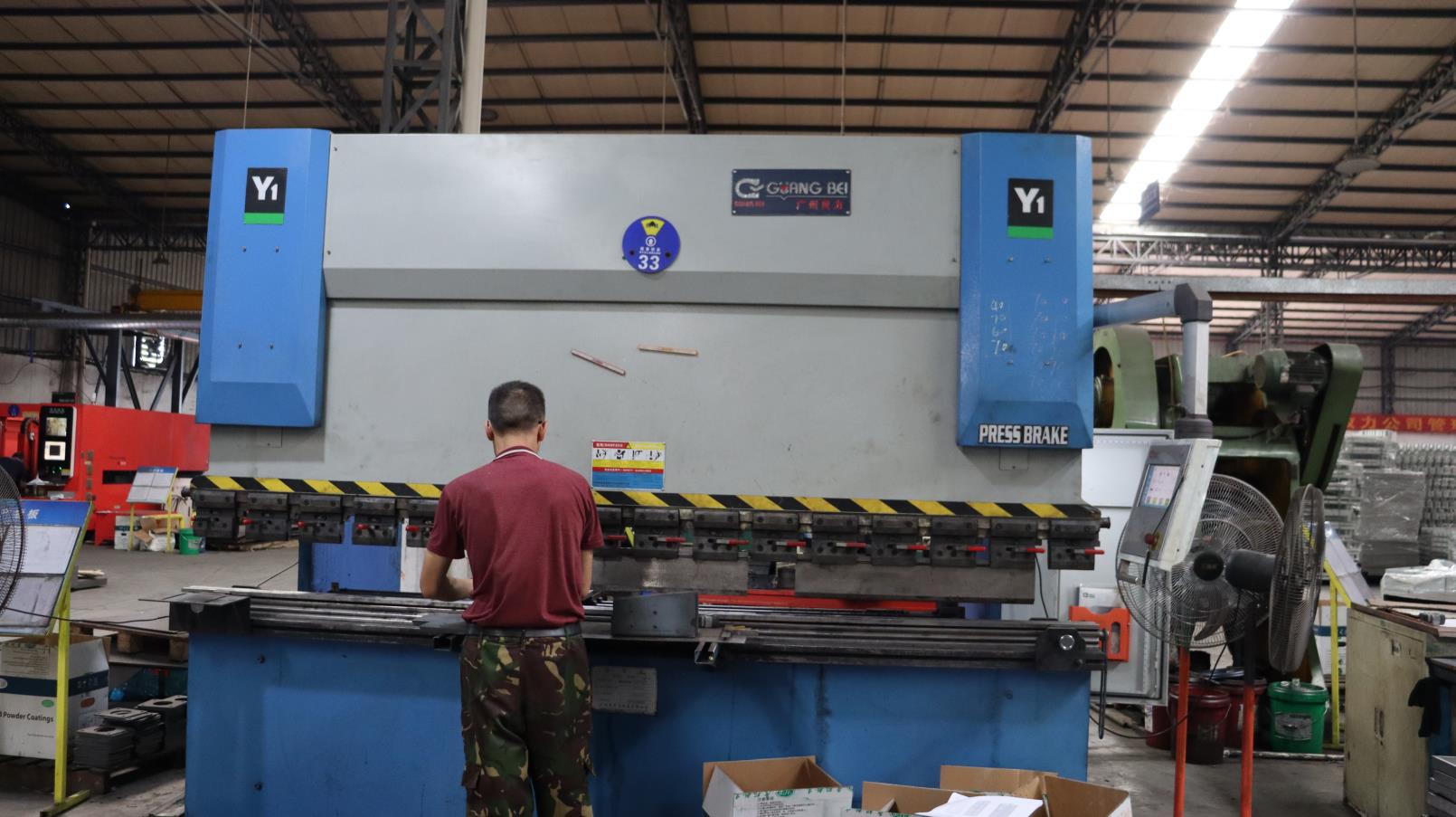
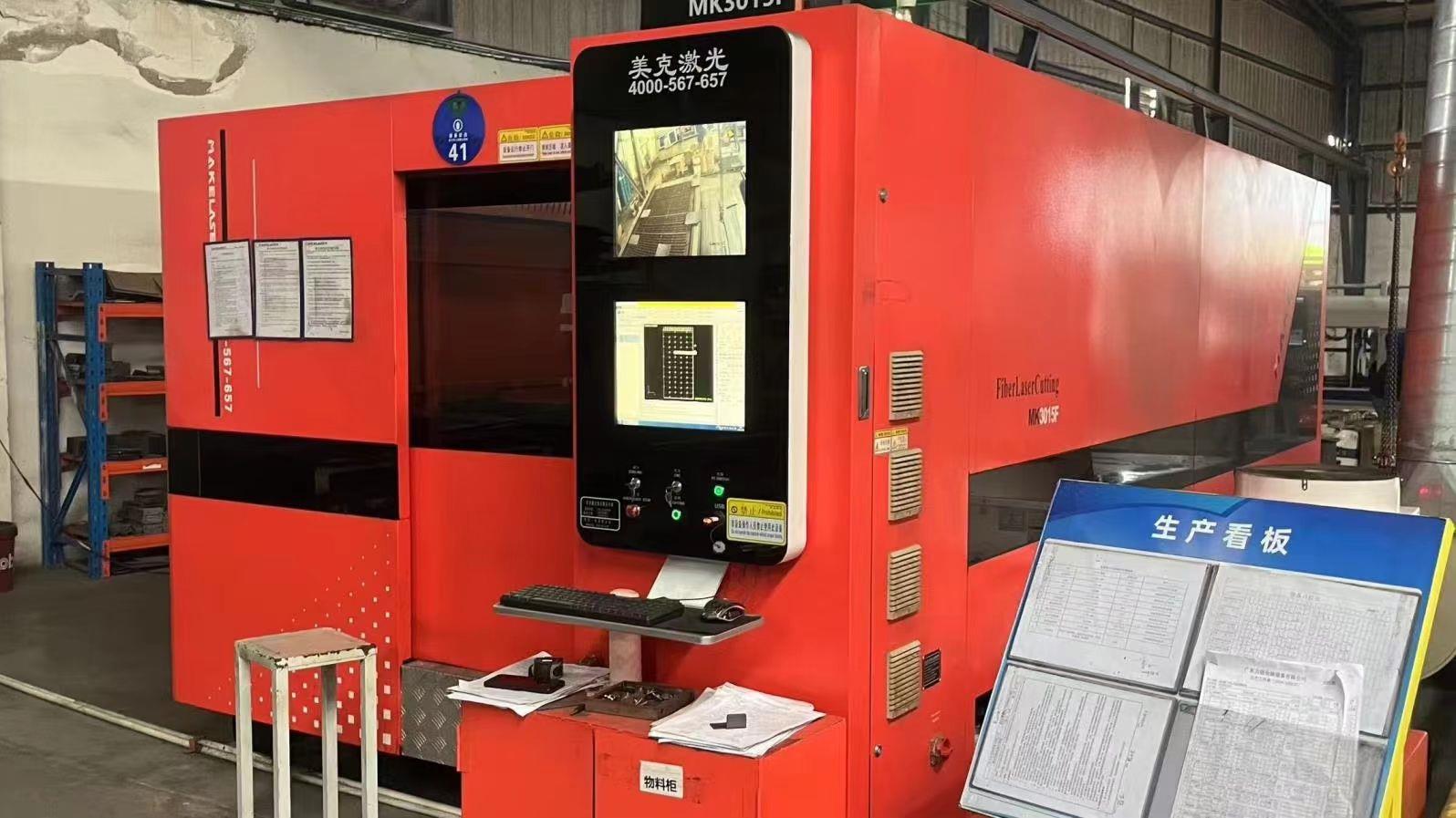
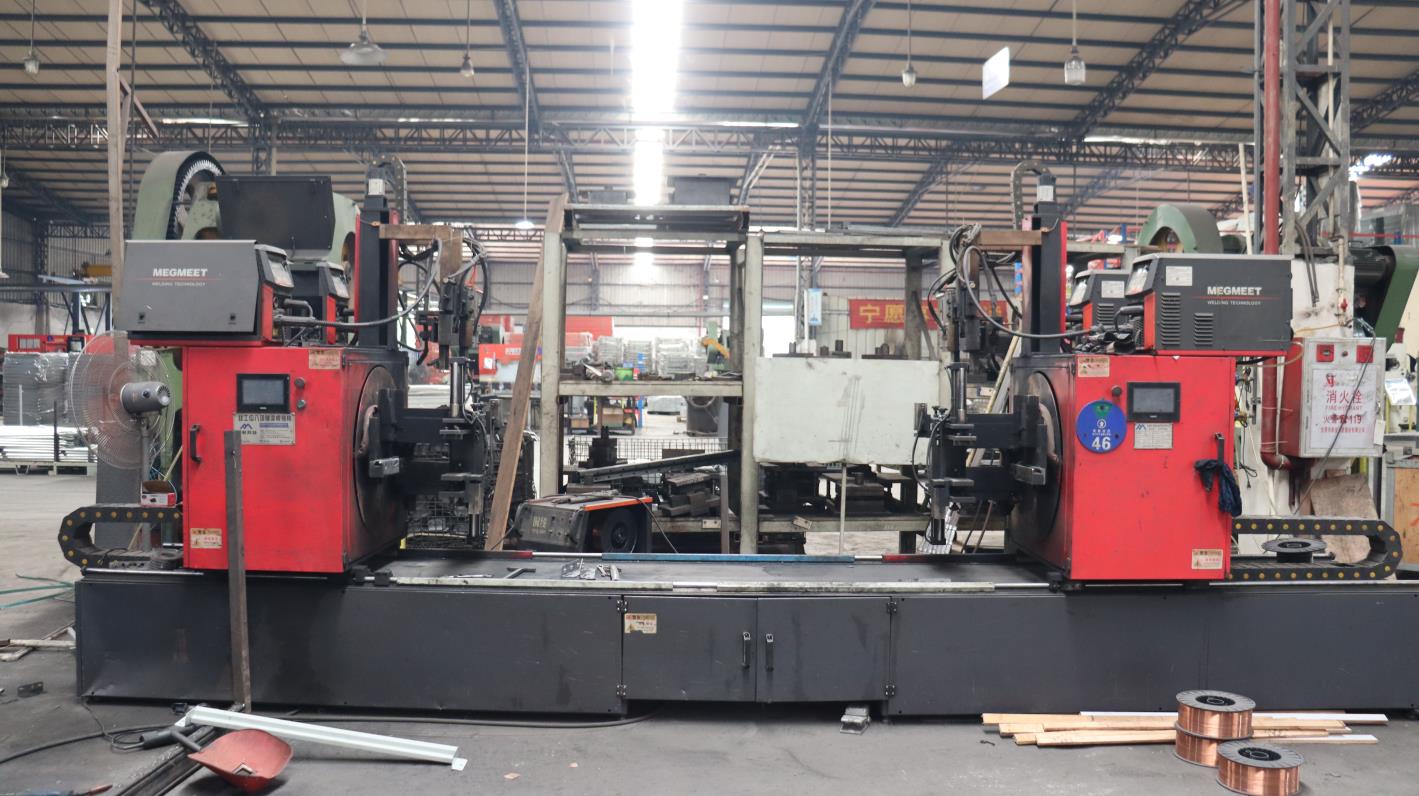
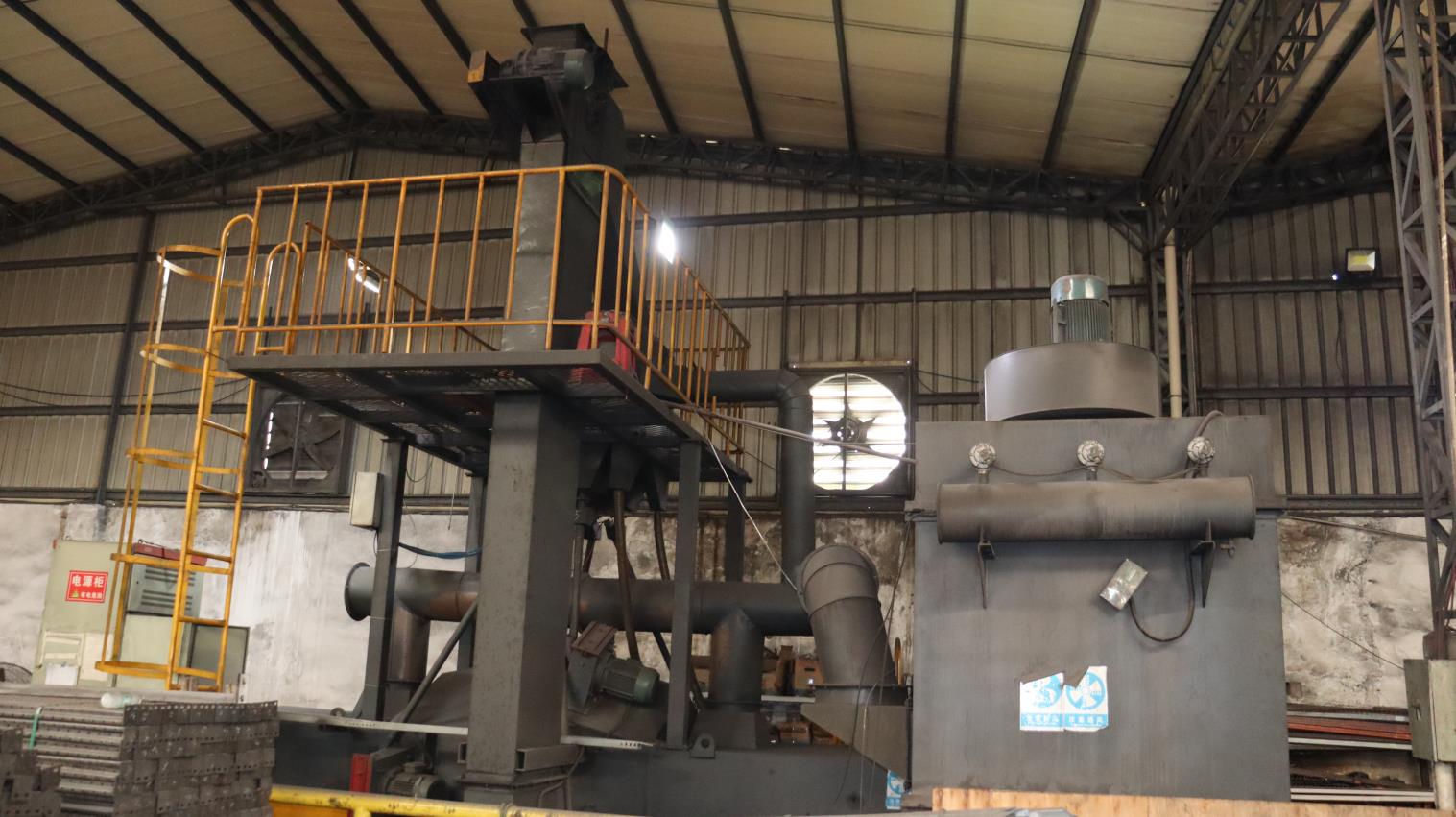
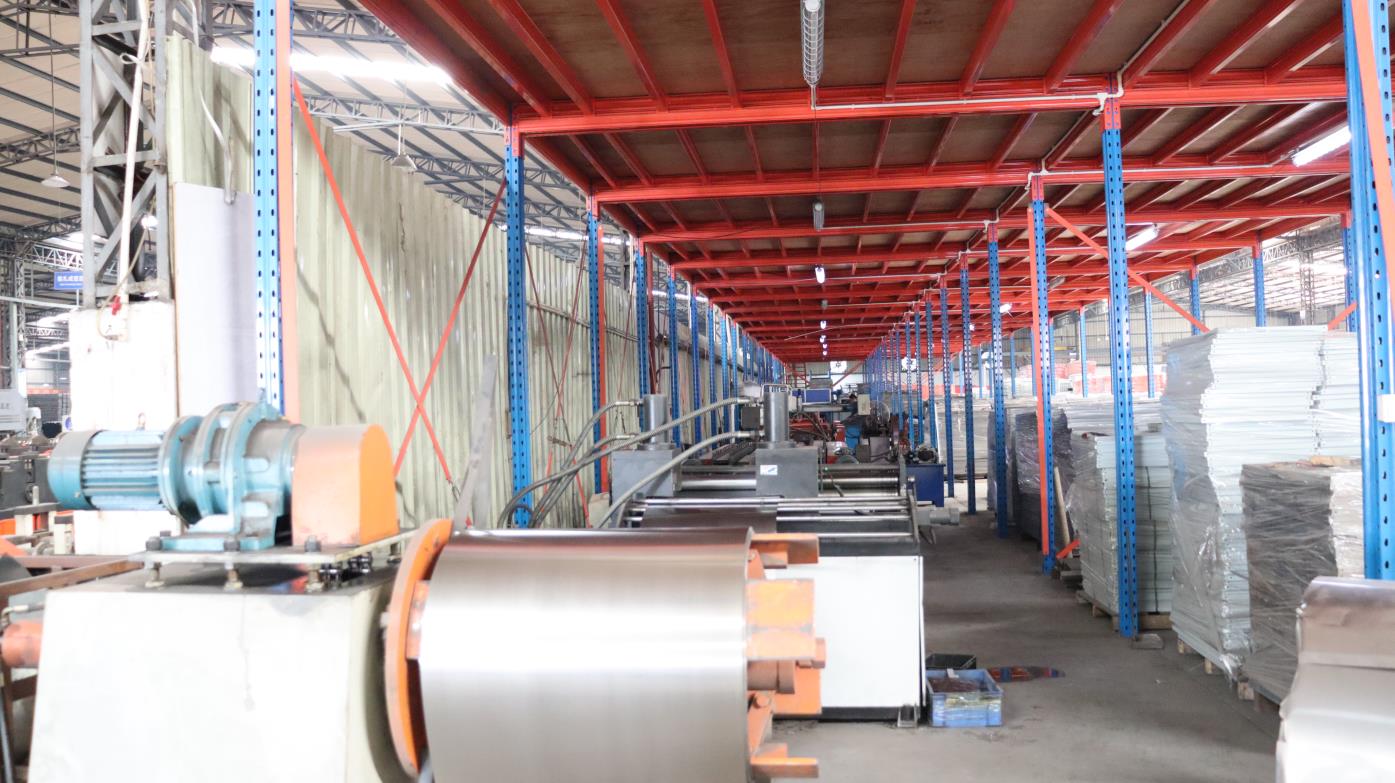
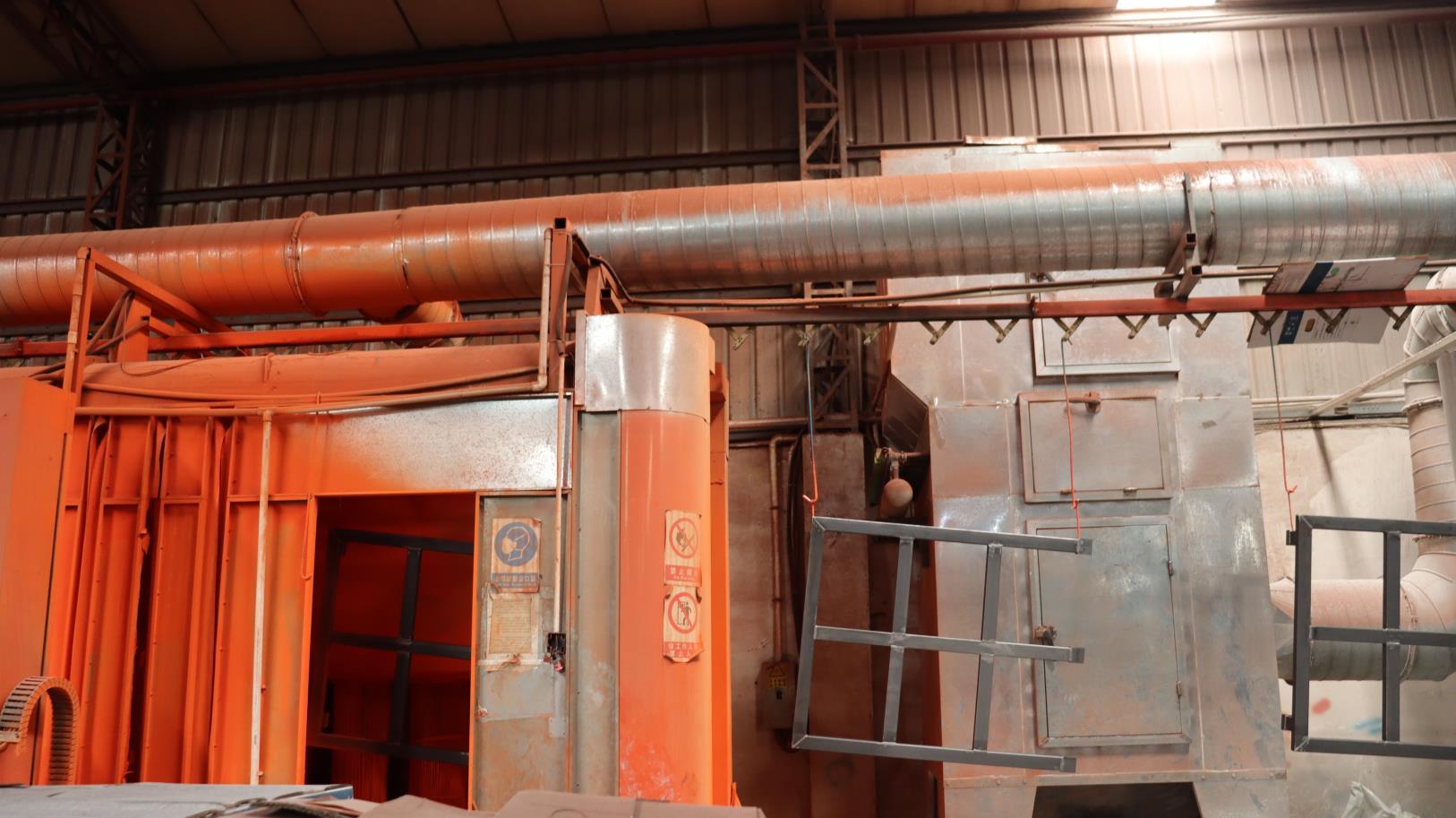
To ensure structural integrity across all production batches, our dedicated 35-member QC team executes strict quality inspections at every step:
Spectral analysis verification of steel batches to ensure carbon/alloy composition meets structural requirements.
Ultrasonic testing to identify microscopic internal weld defects or air bubbles that could weaken load capacity.
Laser inspection of upright pitch, slot patterns, and overall squareness to prevent installation alignment issues.
Hydraulic loading tests to ensure structural configurations handle rated limits with a 1.5x safety factor.
Standard storage systems rarely suit all operational spaces. Layout optimization requires specific rack adaptations based on product attributes, turnover rates, and forklift access requirements:
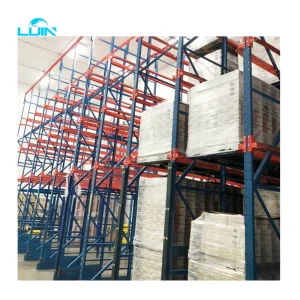
Freezer volume is highly expensive. High-density Drive-In or Shuttle storage maximizes space utilization. In these setups, steel must remain ductile at low temperatures (-30°C) without developing structural brittleness, requiring low-temperature impact testing.
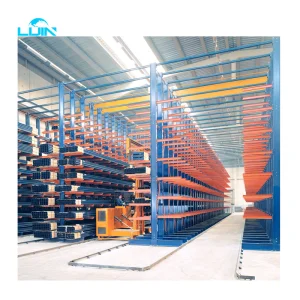
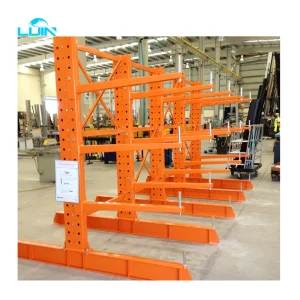
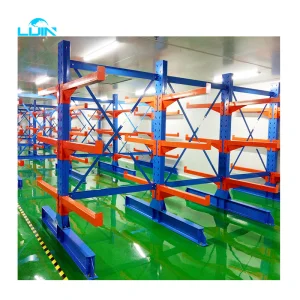
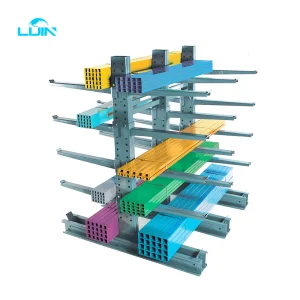
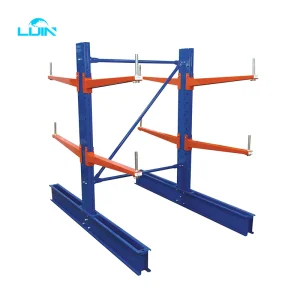
Unusually shaped products like PVC pipes, industrial tubing, and steel coils cannot fit on standard pallets. Custom engineered Cantilever racks provide open lateral access with high load capacity per arm, eliminating structural obstructions.
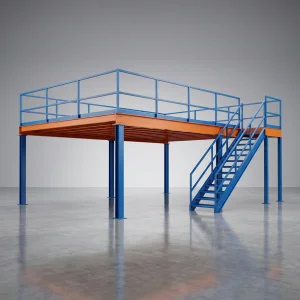
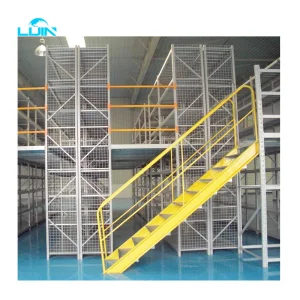
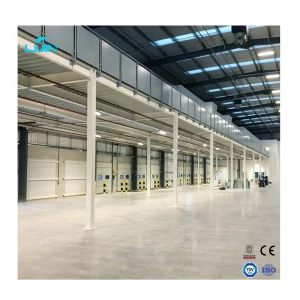
When expansion space is constrained, industrial mezzanines use vertical space to add administrative offices, packing lines, or light assembly spaces above active inventory zones, effectively doubling floor area.
Technical answers directly from our structural design and engineering division.
Flexible industrial shelving, file cabinets, and heavy-duty steel wire solutions designed for robust industrial usage.
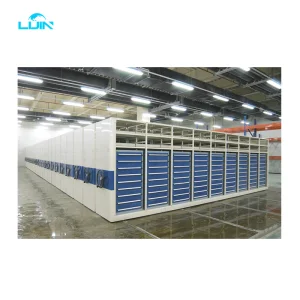
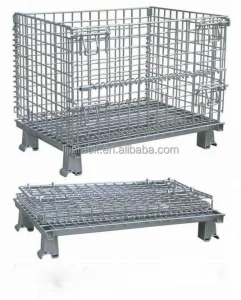
 Lijin Racking