Explore our premium grade heavy-duty racking, mezzanine configurations, and automated storage products engineered for high vertical load capacities.
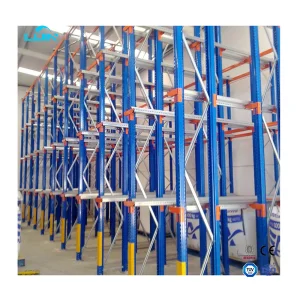
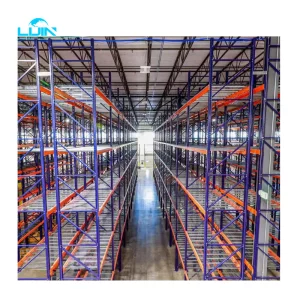
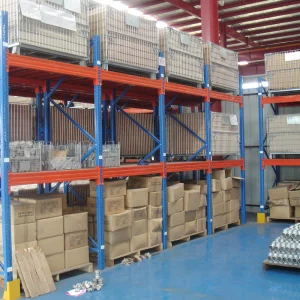
Established in 2015, Shenzhen Lijin Storage Equipment Co., Ltd. has risen to become a premier designer, manufacturer, and exporter of high-density vertical warehousing and industrial racking configurations. By integrating structural steel engineering with advanced spatial layouts, we help multi-tier logistics hubs and global distribution centers reclaim valuable square footage, driving down overhead while accelerating unit-load throughput.
Operating a state-of-the-art facility spanning 35,000 m², our company bridges the gap between traditional industrial steel fabrications and automated warehouse environments. Over the past 12 years of deep industry expertise, combined with 8 years of direct international export operations, Lijin has cultivated strong partnerships with enterprise distributors and system integrators globally. Our commitment to structural safety, material traceability, and customer-centric engineering culminated in a global revenue of USD 22 million last year.
Global warehousing dynamics have undergone an unprecedented transformation. Real estate margins in core distribution clusters have tightened, making horizontal expansions financially non-viable. Modern supply chain managers are shifting their attention to Volumetric Utilization Indexes (VUI). This involves utilizing vertical space that was previously unexploited.
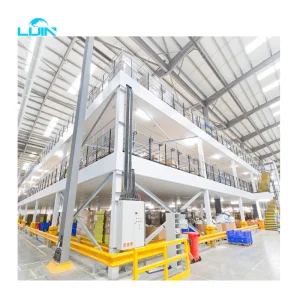
Vertical storage systems address these realities by offering structured vertical paths. In regions such as Western Europe and North America, implementing structural steel mezzanine floor configurations and double-sided cantilever systems increases storage densities by up to 150%. Incorporating high-load capacity selective shelving alongside automated materials handling (AMH) lines allows logistics centers to process higher volumes without changing their physical footprint.
Furthermore, the integration of Automated Storage and Retrieval Systems (AS/RS) has shifted from a novelty to a necessity. This tech integration demands extreme manufacturing precision: vertical uprights must have tight tolerances, straightness deviations must be minimized, and weld structures must withstand continuous cyclic stresses. This is where Shenzhen Lijin’s high-precision roll forming and automatic spray coating play a pivotal role.
Our vertical storage components undergo rigorous, multi-stage processing to guarantee precision structural compliance and long-term durability under maximum loading capacities.
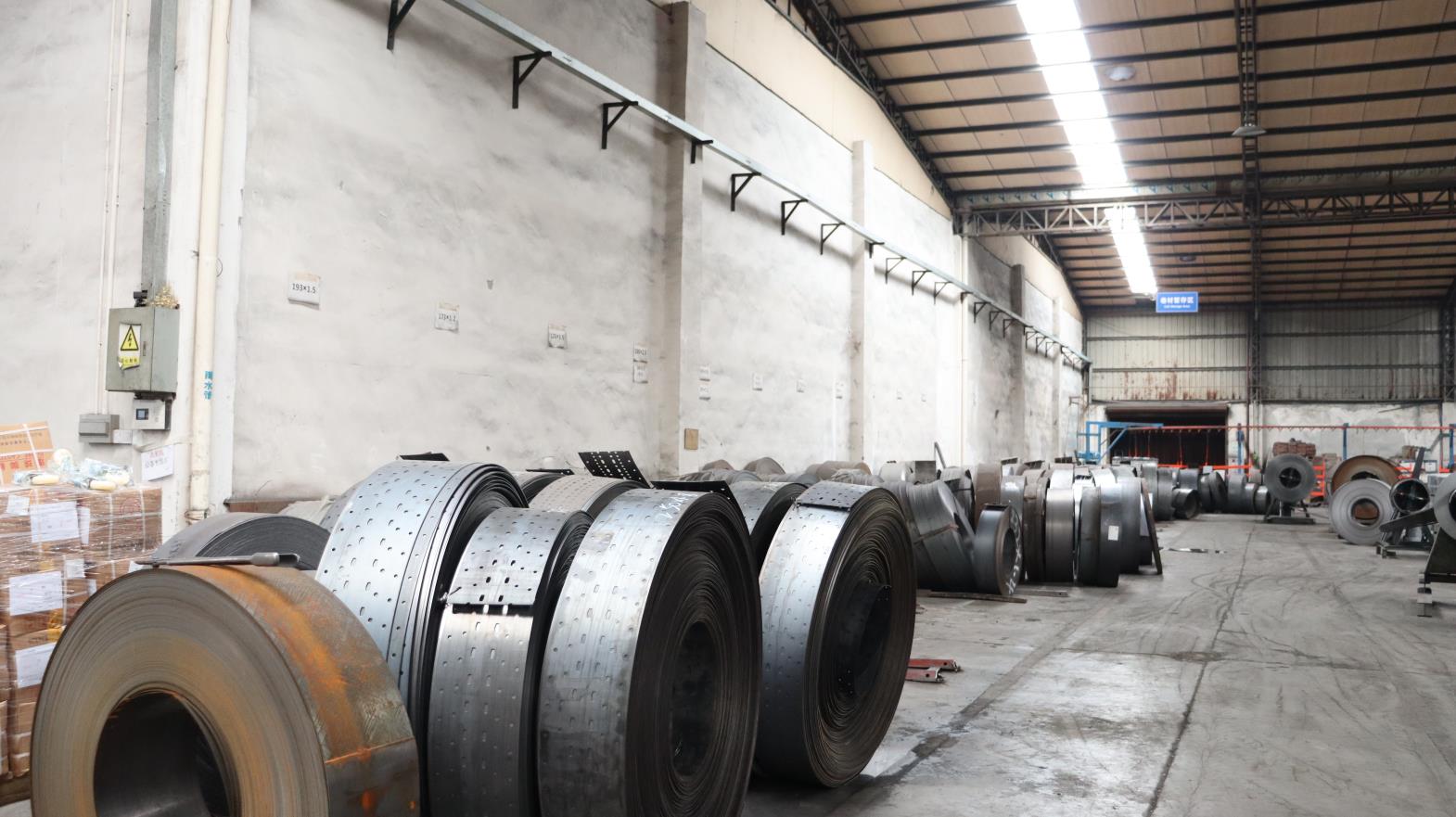
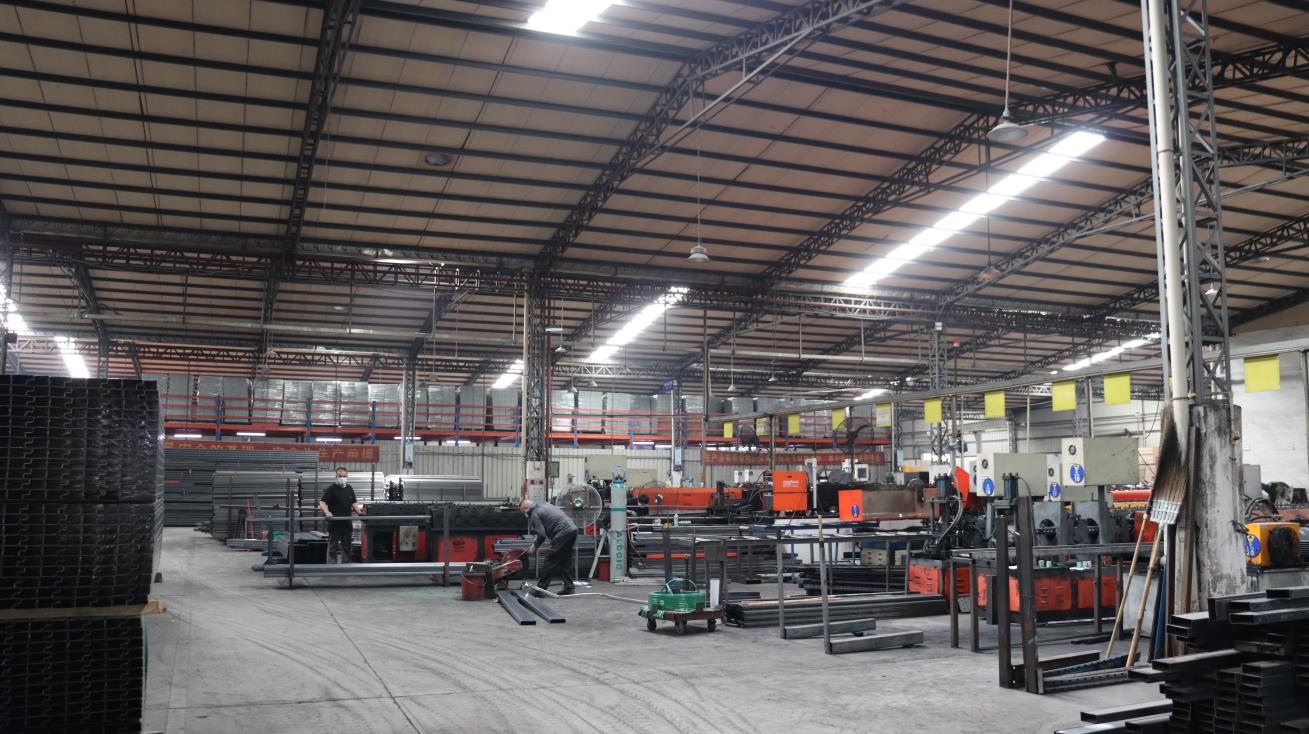
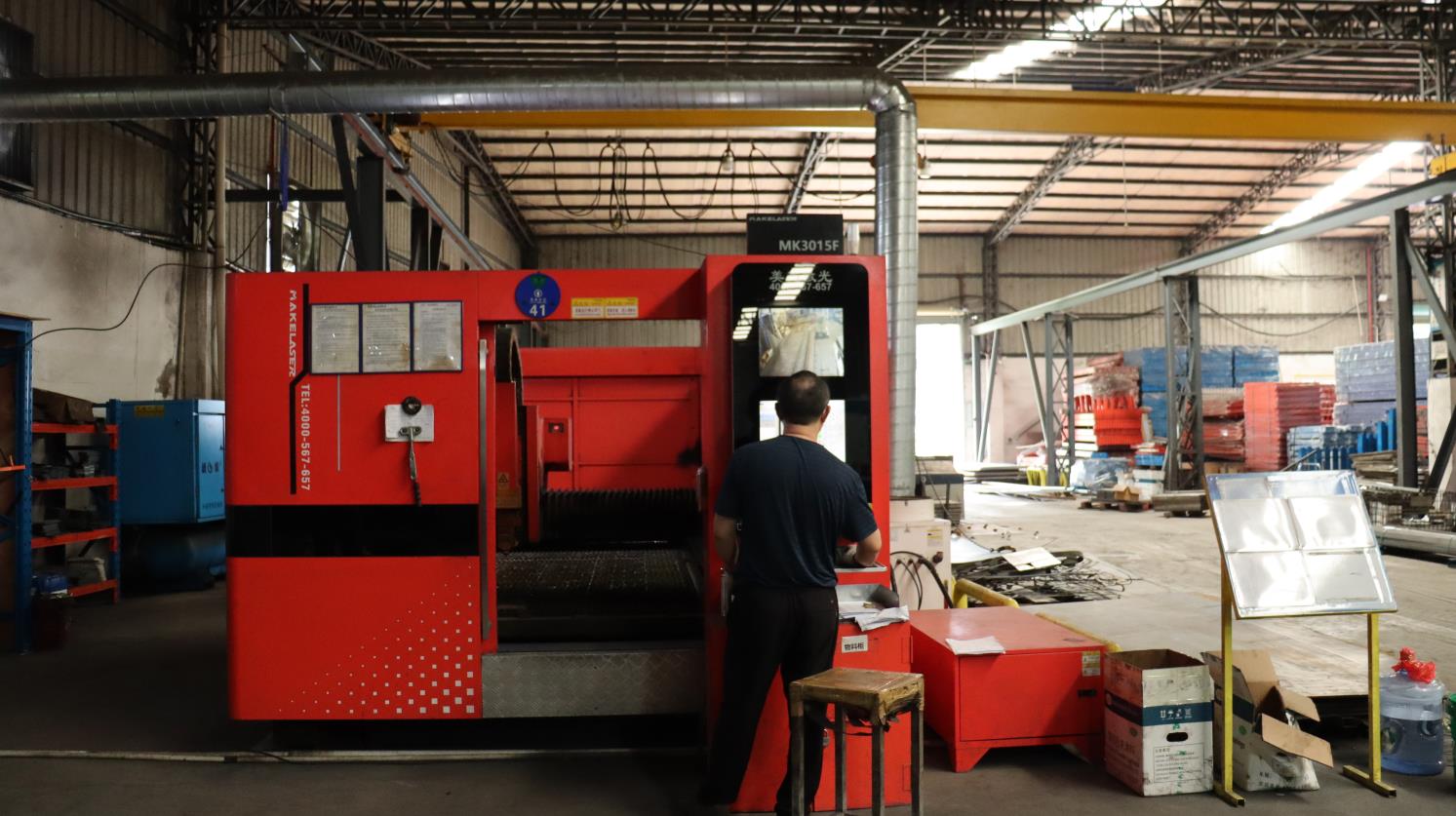
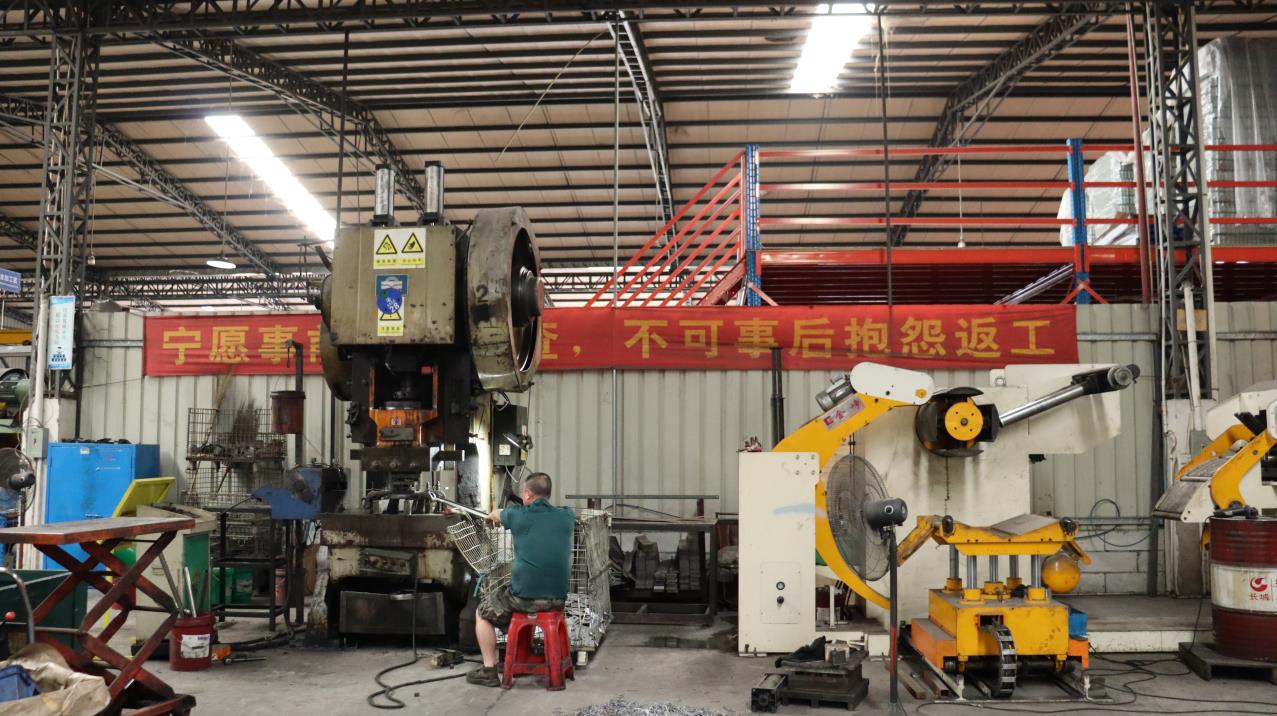
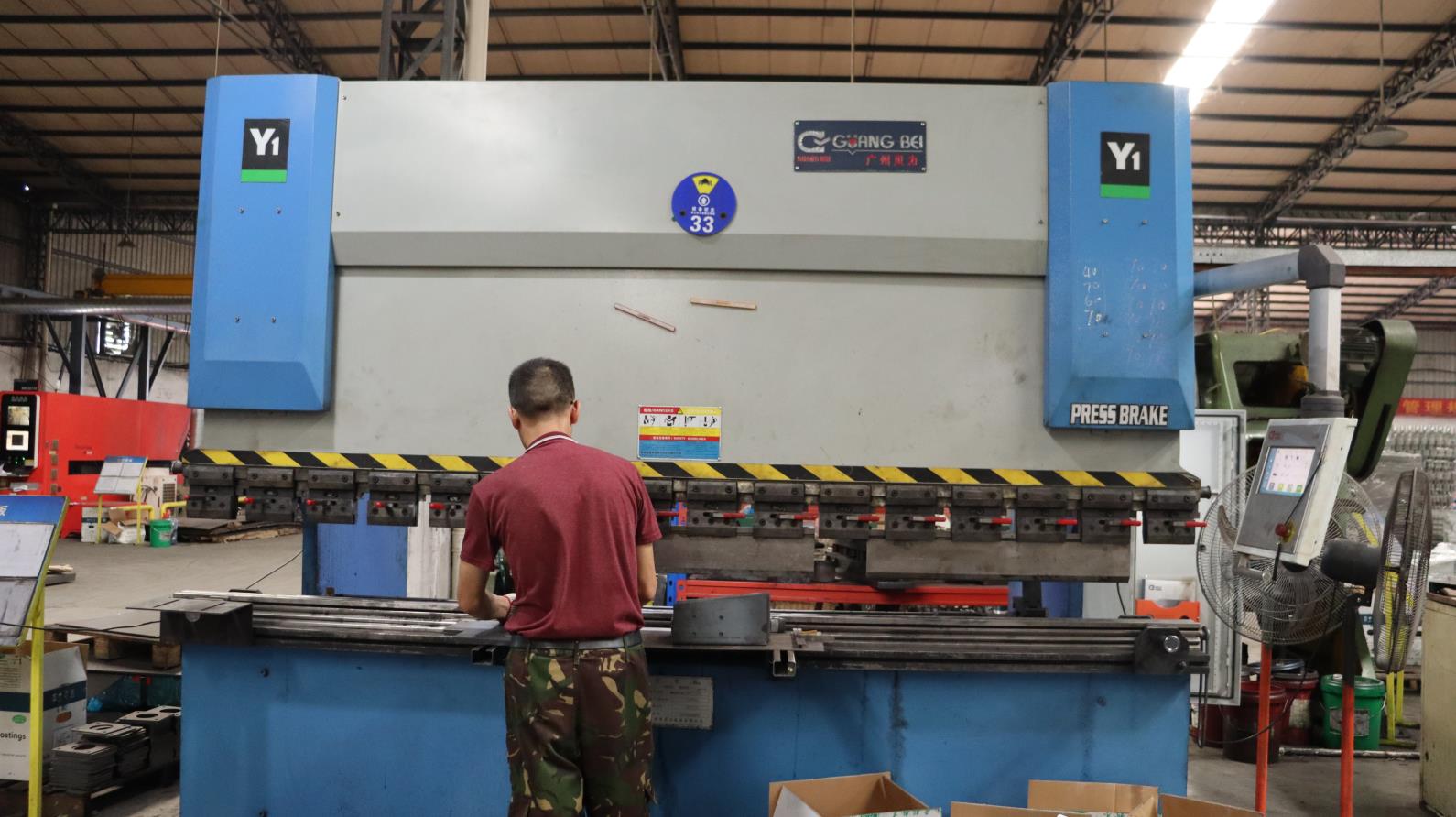
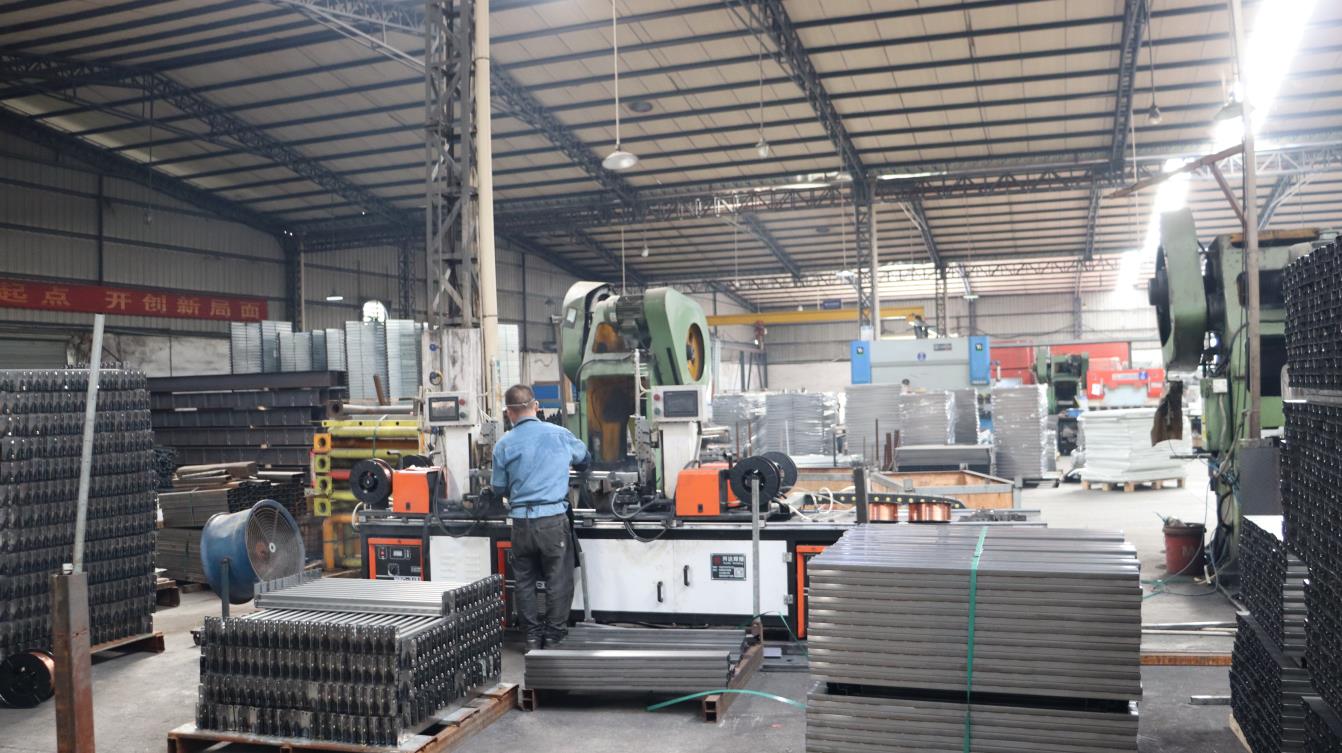
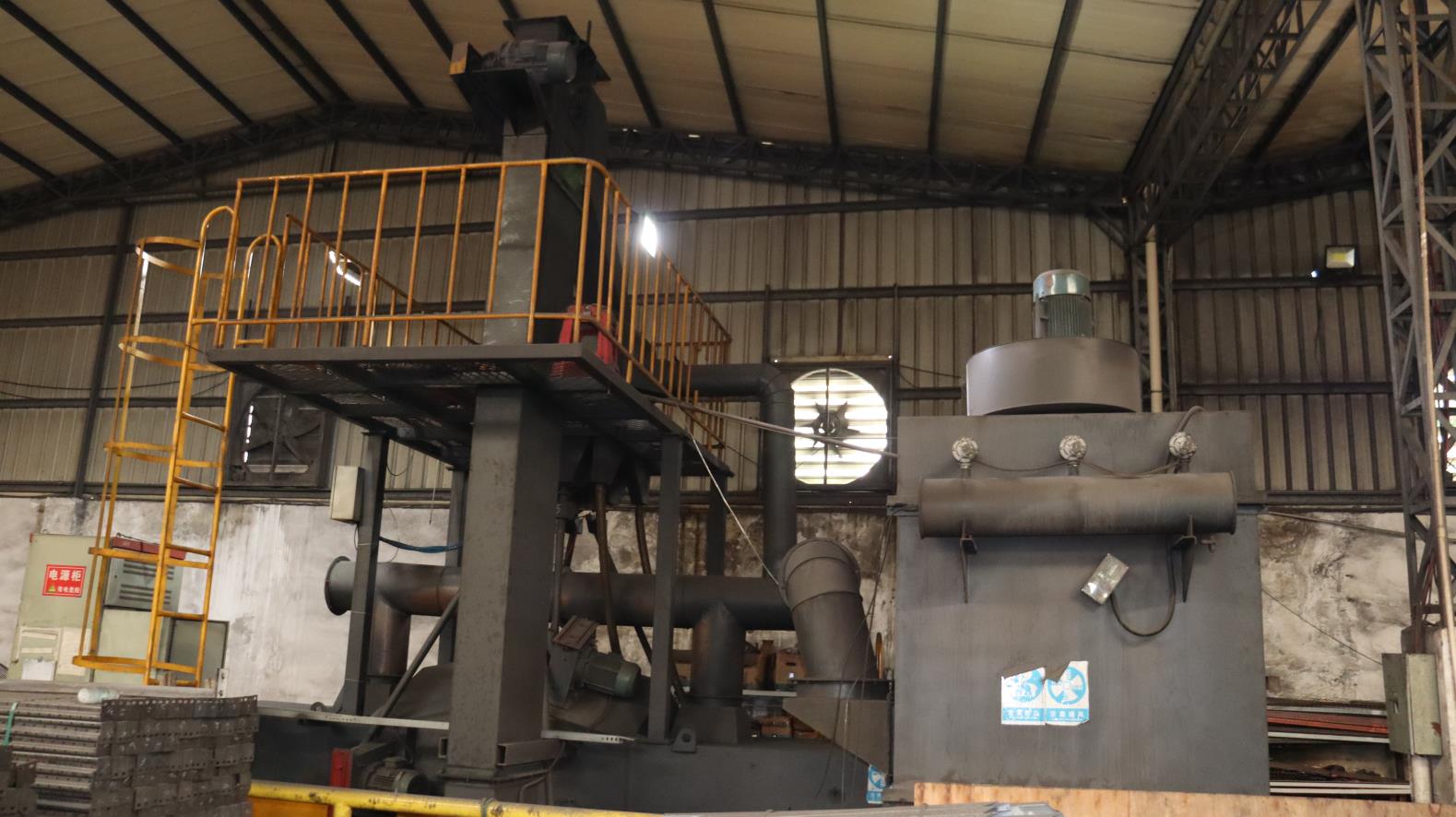
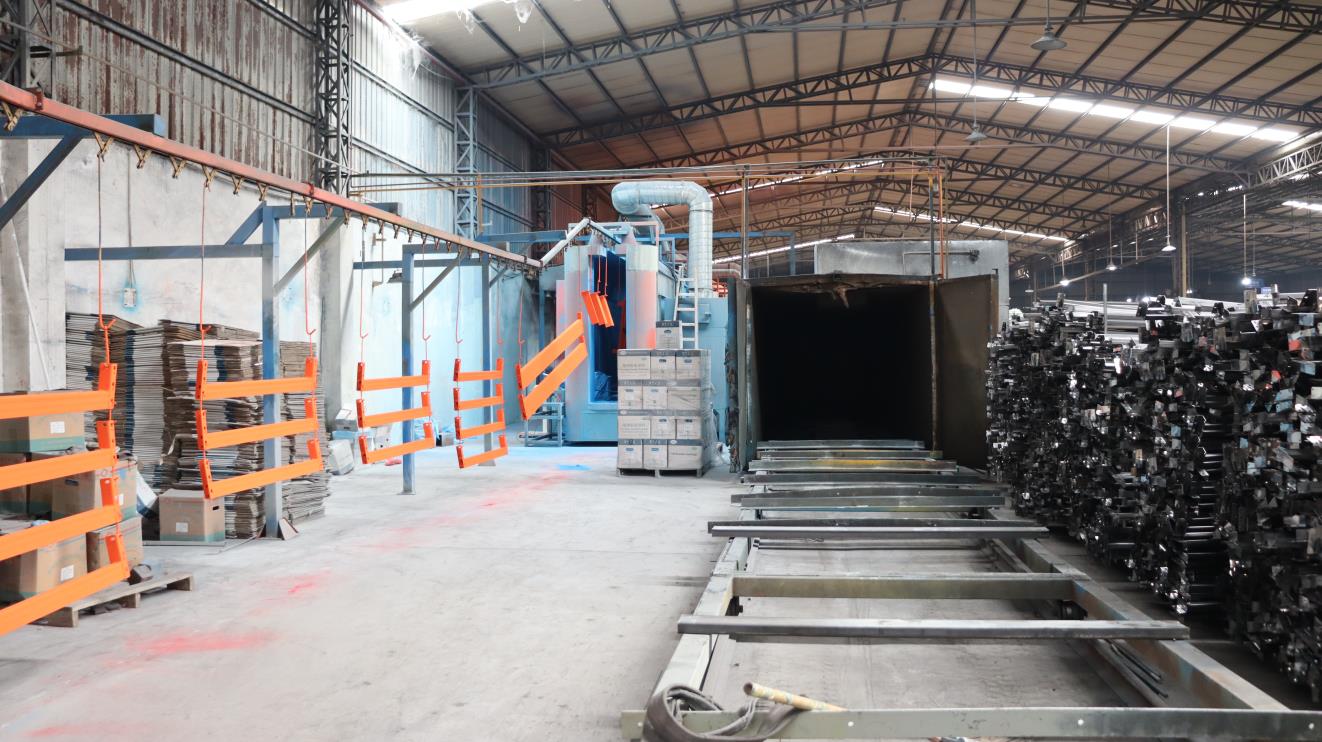
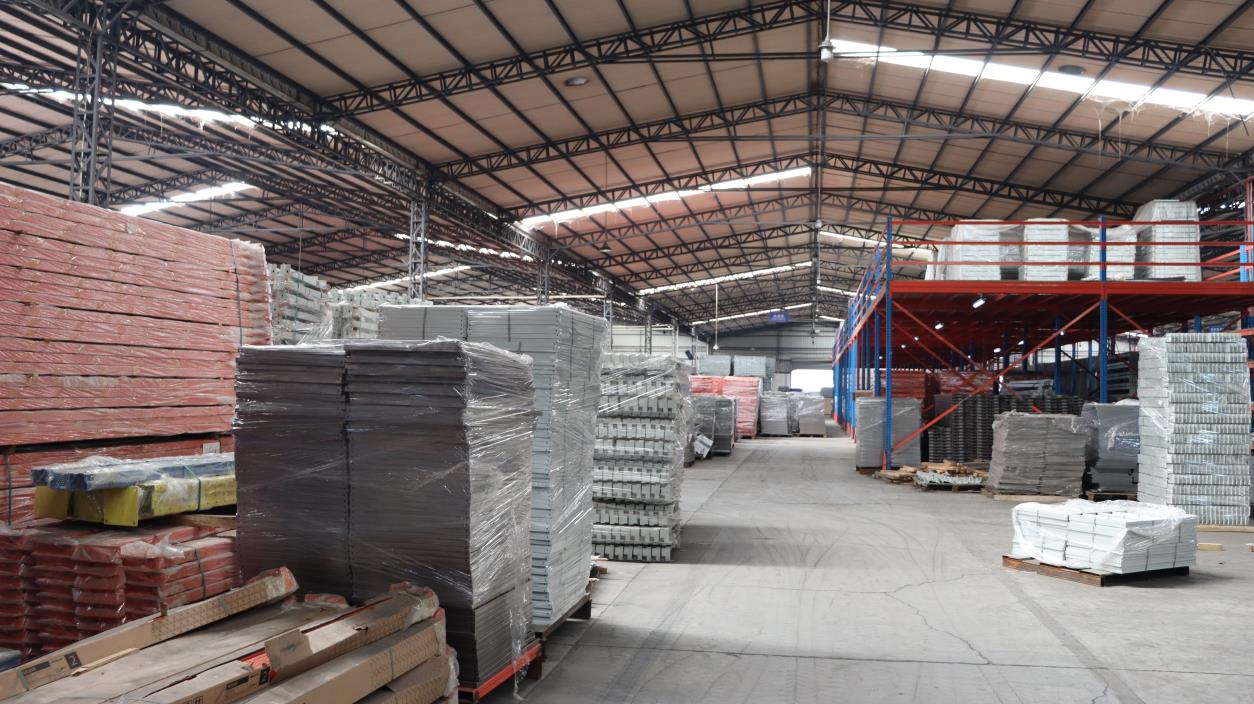
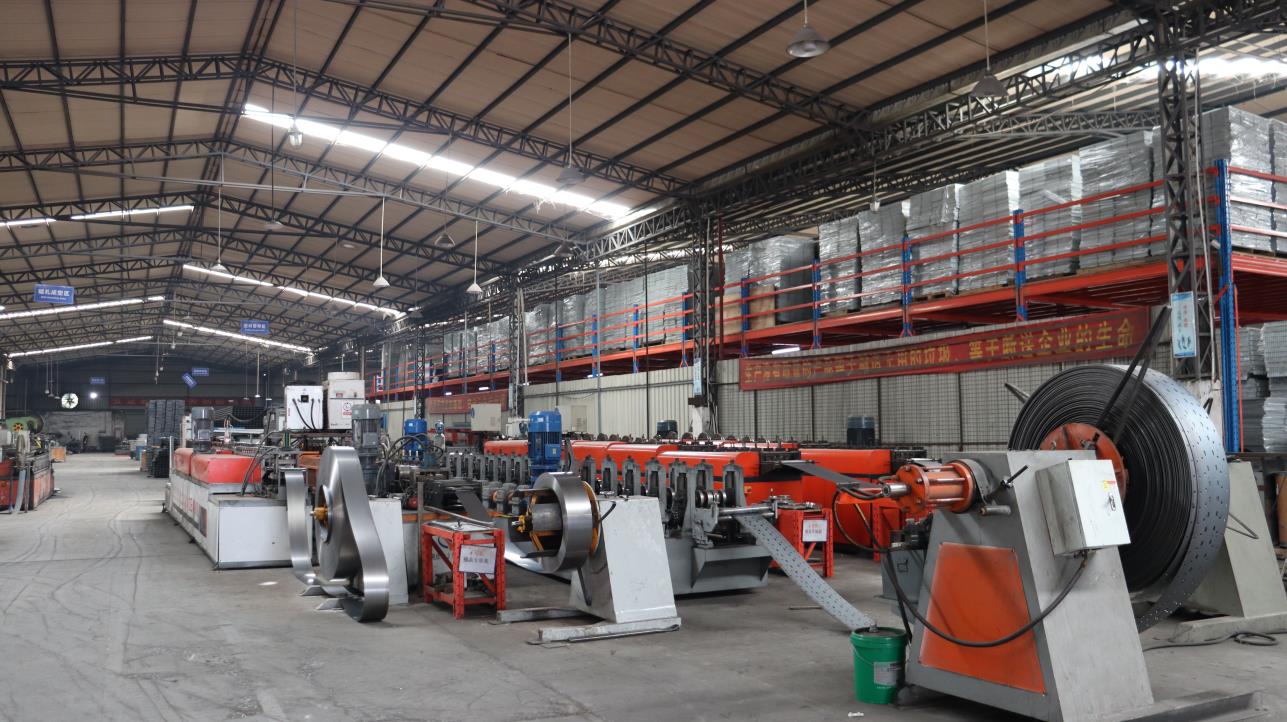
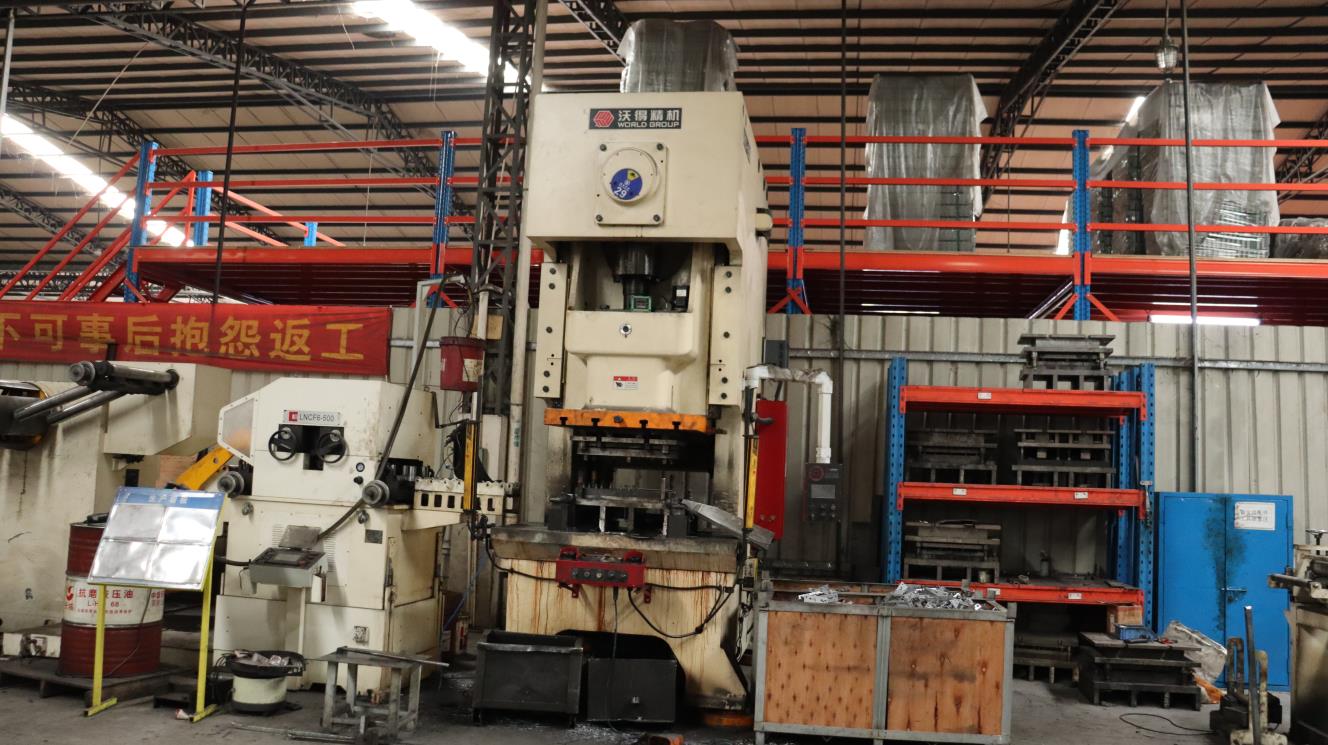
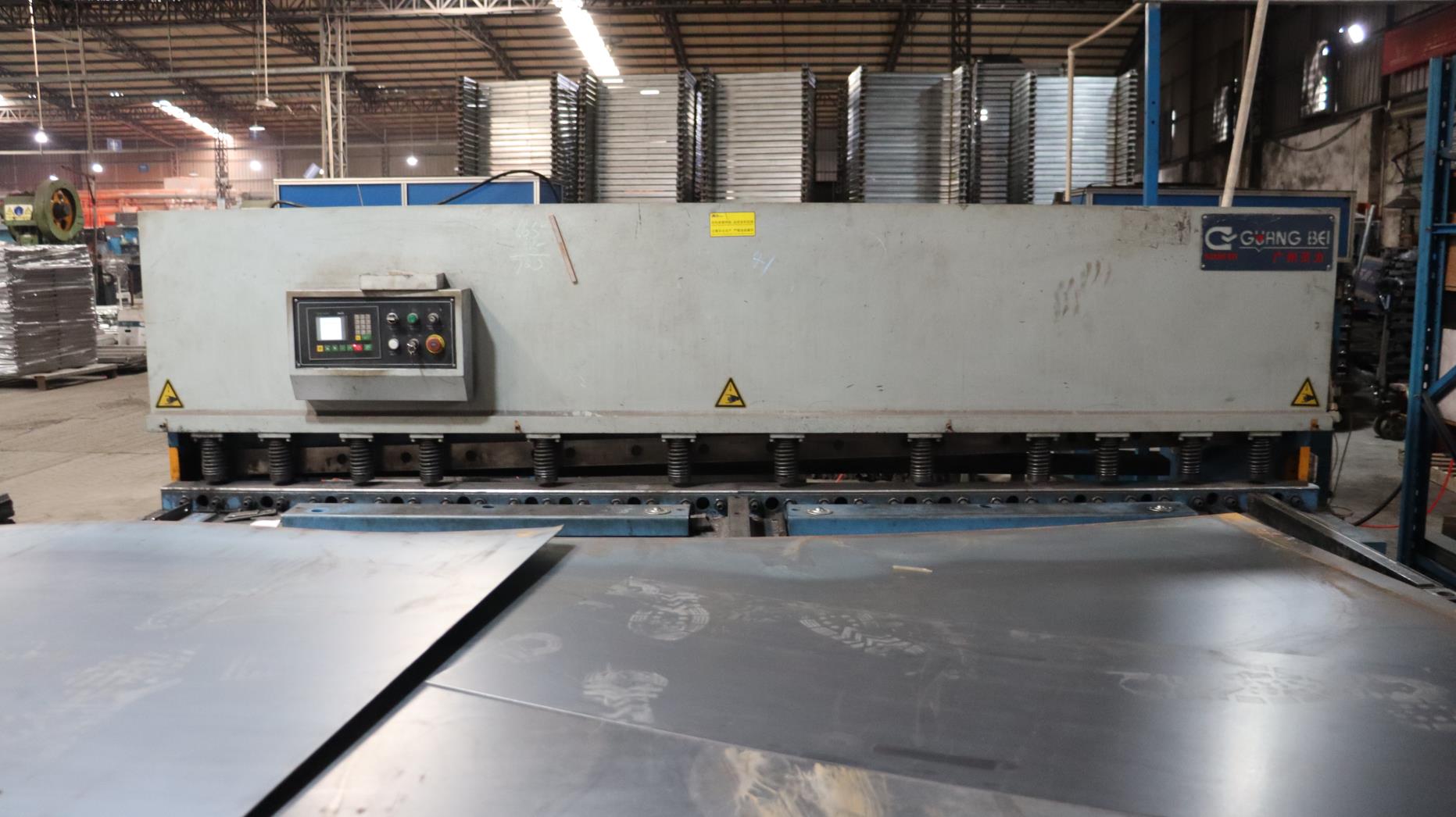
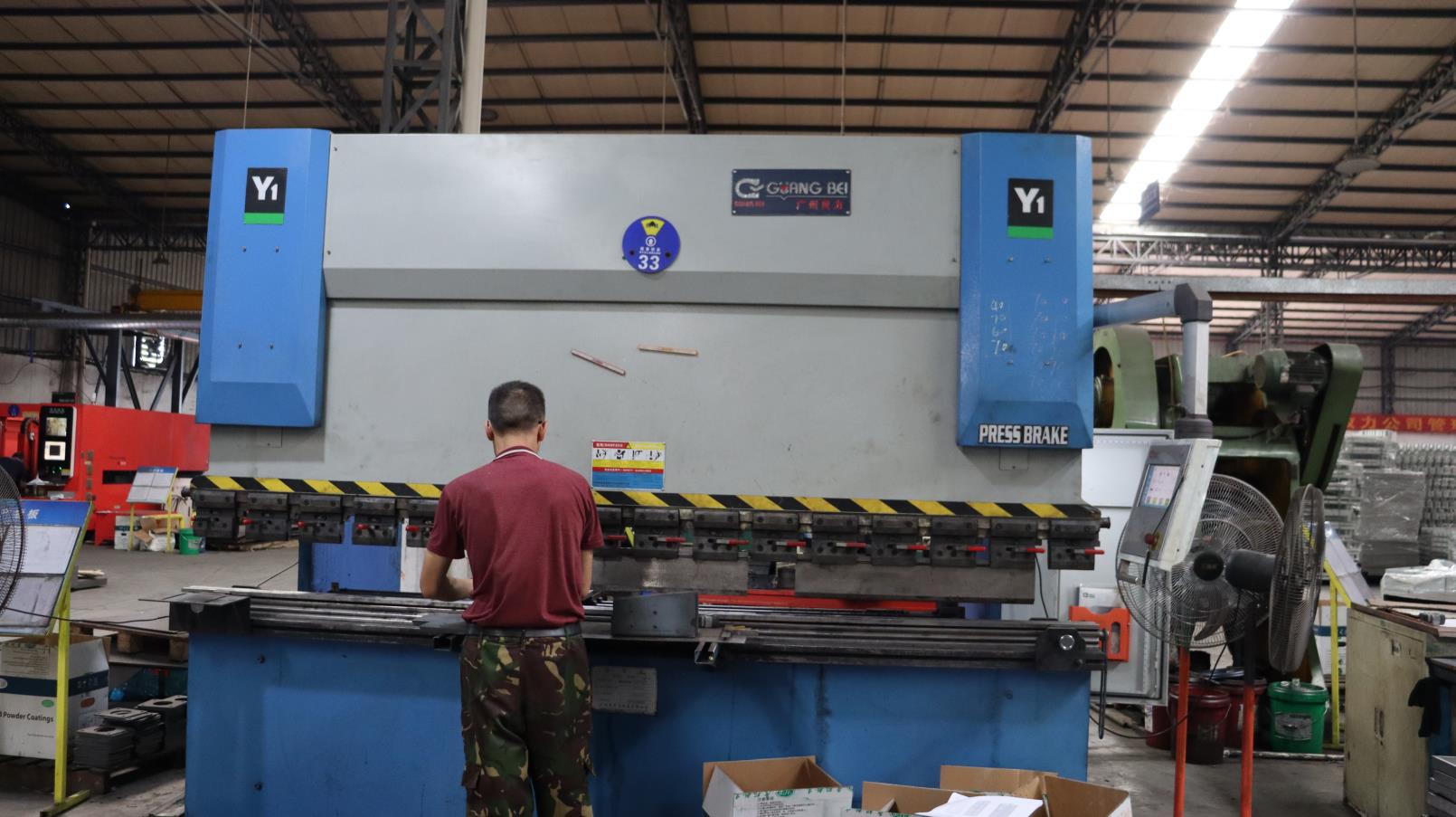
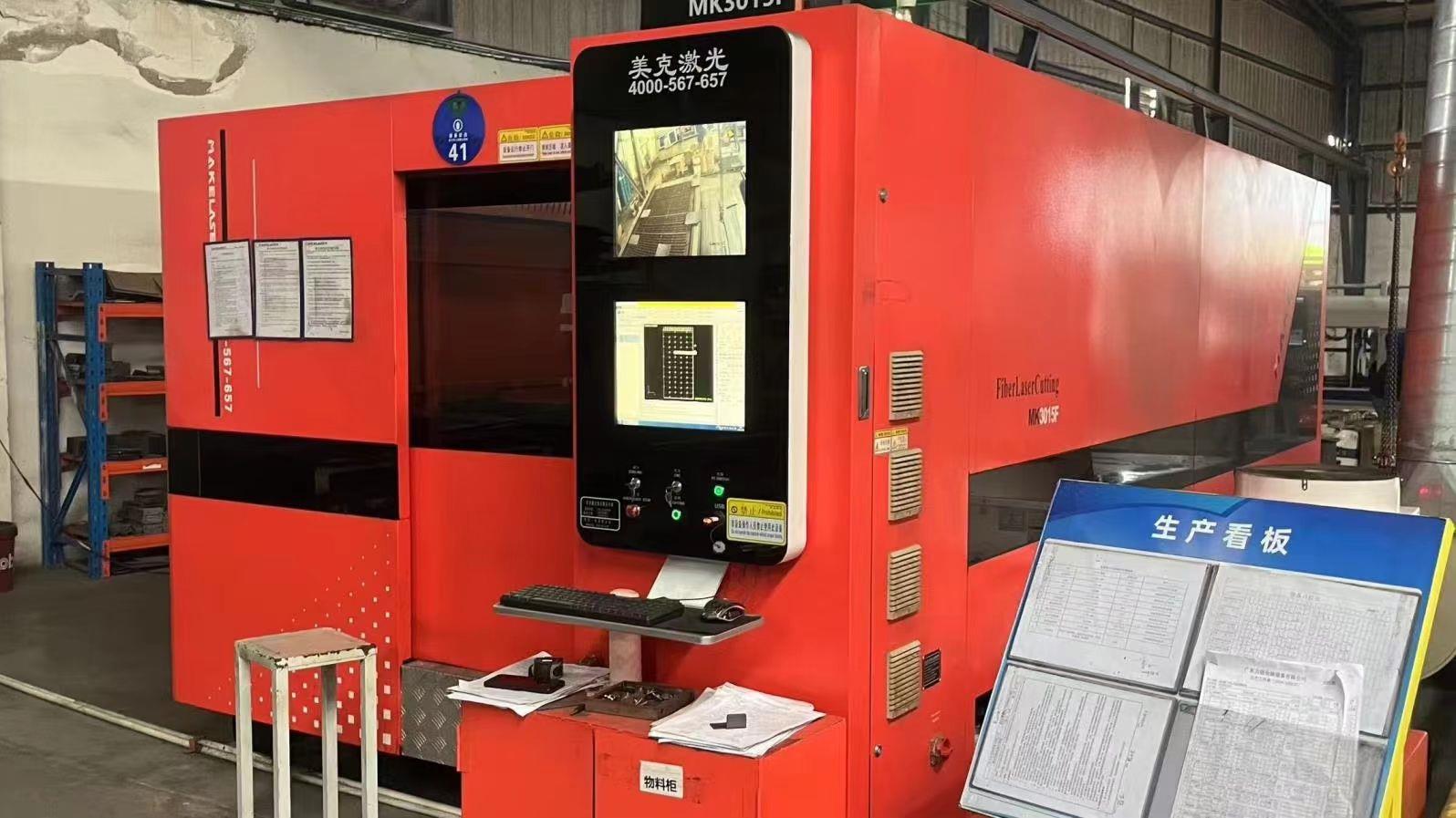
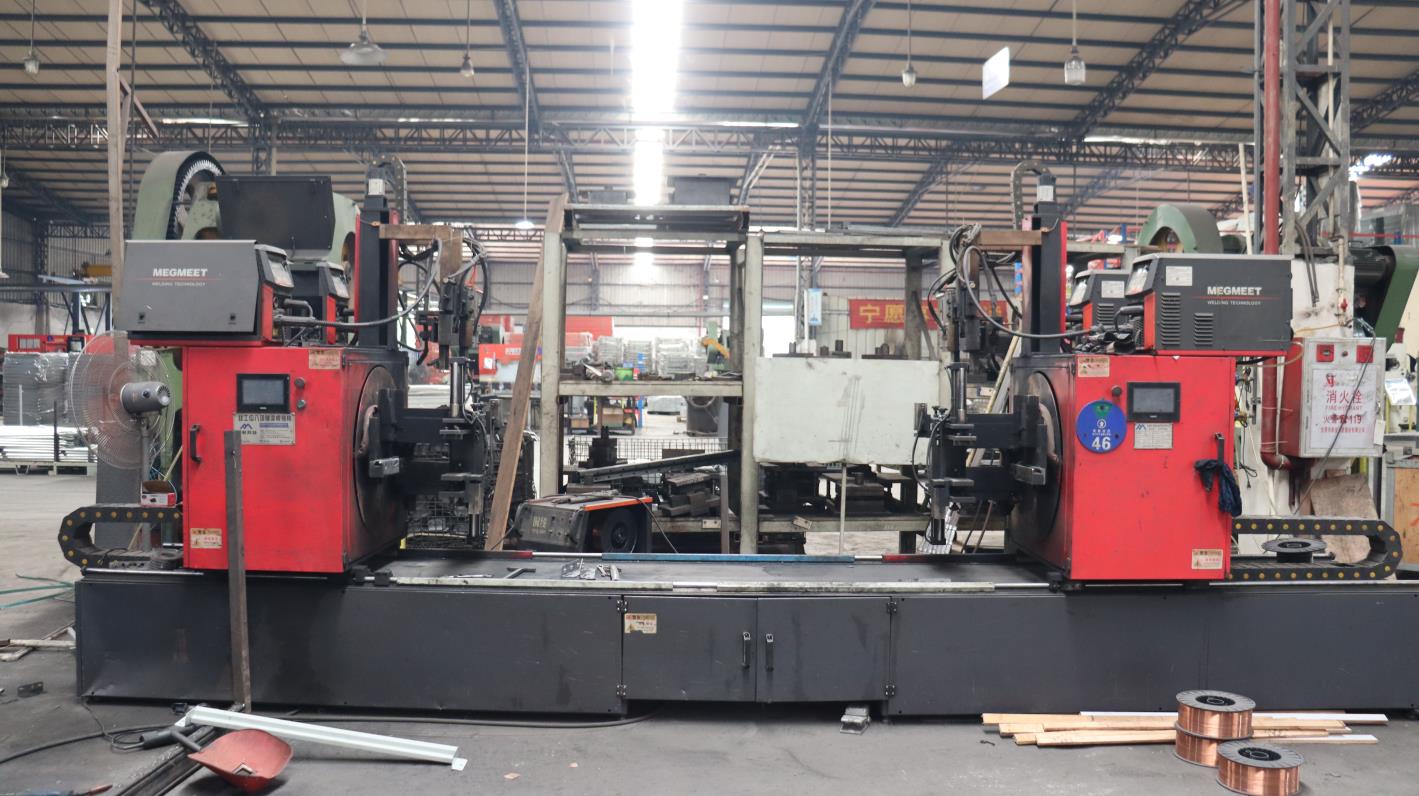
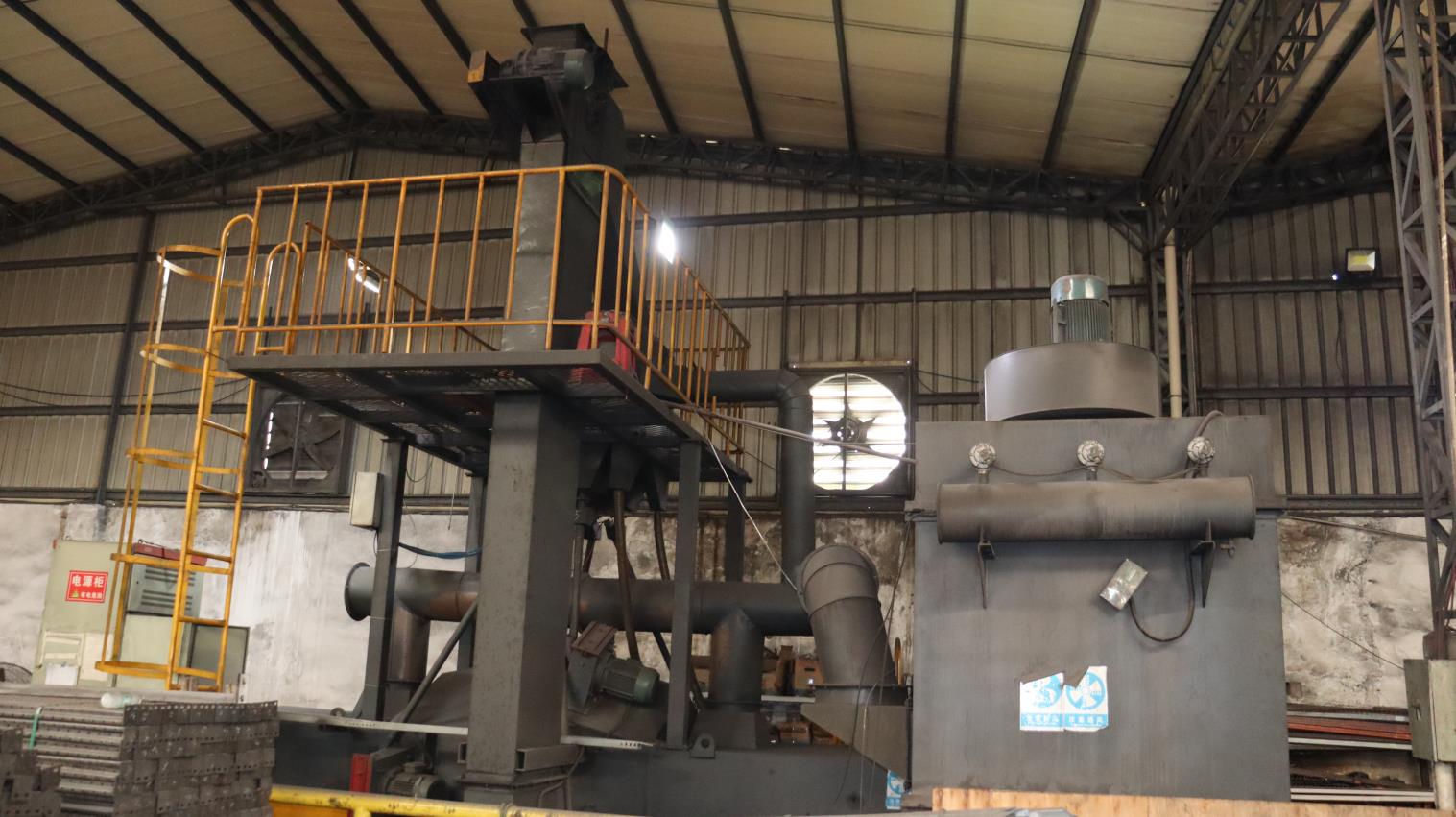
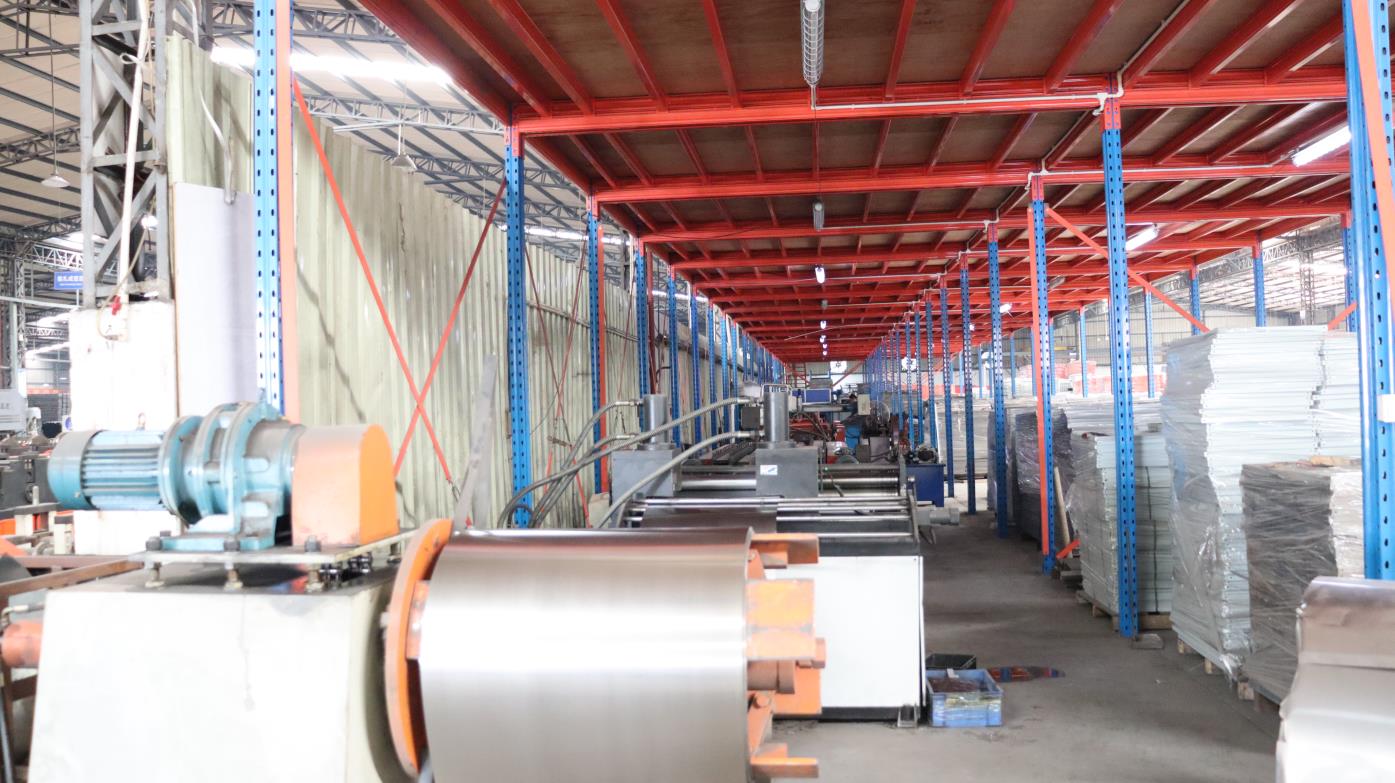
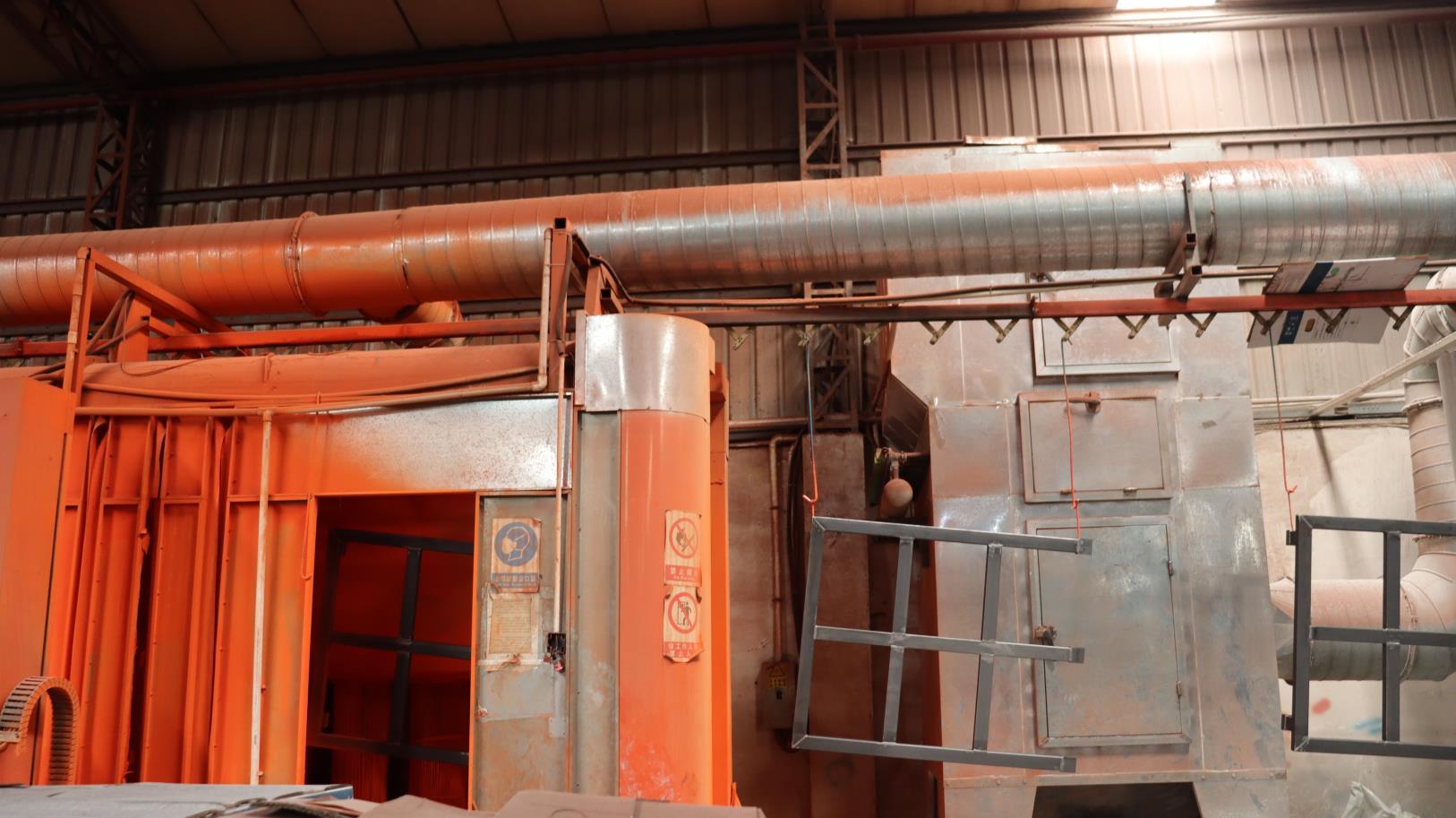
At Shenzhen Lijin, we prioritize engineering accuracy and structural safety. Structural failures in high-rise industrial racking or mezzanine systems pose significant operating hazards. Consequently, our production is guided by a team of 28 structural and mechanical R&D engineers. Last year alone, they developed and validated 85 new configurations, optimizing load profiles for high-elevation racking systems.
Our quality assurance protocol includes a dedicated team of 35 QC specialists who implement a comprehensive inspection regimen:
From chemical-resistant frames to high-capacity mezzanine assemblies, Lijin tailors storage systems to handle demanding applications.
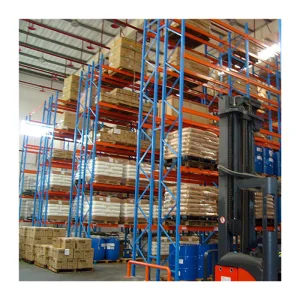
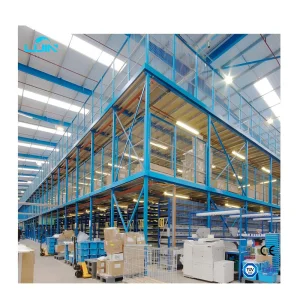
Maximize overhead air space by utilizing structural columns and I-beams to support overhead storage platforms, integrated with pallet gates and drop-off stations.
Engineered for hazardous chemical environments, utilizing specific acid-resistant coatings and hot-dip galvanized finishes to resist oxidation and breakdown.
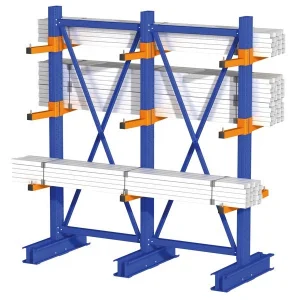
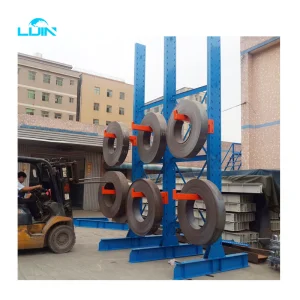
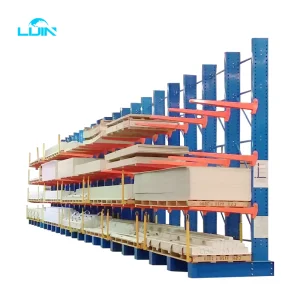
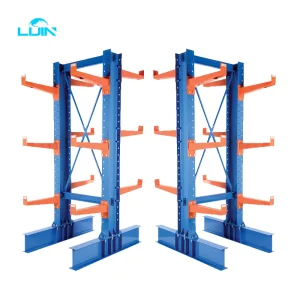
Optimized for structural profiles, long extrusions, and heavy tubing. Columns can be customized with single or double-sided arms for clear loading access.
Exporting to markets across Western Europe, North America, Southeast Asia, and the Middle East requires strict compliance with localized engineering and safety standards. Shenzhen Lijin aligns all structural engineering calculations with international norms, including the European FEM 10.2.02 standards, AS4084-2012 (Australian steel storage standards), and RMI certifications in the United States.
Our localized support network includes:
As modern warehousing transitions toward fully autonomous models, our structural racking systems are evolving to integrate with emerging warehouse technologies:
Get answers to common queries regarding load calculations, structural steel grades, safety compliance, and custom vertical integration options.
We primarily utilize high-tensile structural carbon steel, including Q235B and Q355B (equivalent to ASTM A36 and ASTM A572 Grade 50). This material profile guarantees the yield strength and elasticity required to support high-density vertical loads without structural deformation.
Our engineering division uses specialized finite element analysis (FEA) software to model structural loads. By referencing local building codes and seismic zones, we calculate proper anchor spacing, diagonal bracing, baseplate thickness, and frame sizes to handle dynamic forces.
For corrosive environments, we provide hot-dip galvanized (HDG) steel components. This processing produces a zinc-iron alloy finish that protects against rust, acids, and physical wear. Additionally, we provide custom electrostatic powder coatings designed for acid resistance.
Standard manufacturing runs take 20 to 30 days from layout approval to container dispatch. This timeline is supported by our 35,000 m² factory capacity and automated roll forming lines. Shipping times vary depending on the destination port, typically ranging from 15 to 40 days.
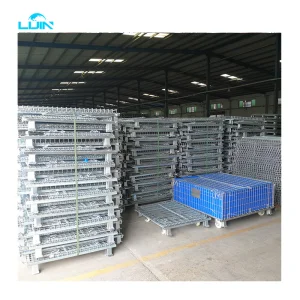
Explore our selective cantilever systems, custom-welded structural mezzanines, and transport cages designed for heavy industrial use.
 Lijin Racking