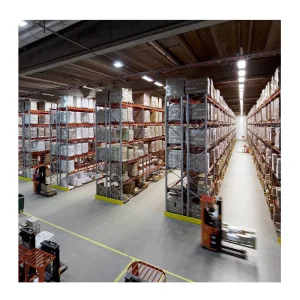
Engineered to maximize vertical efficiency and structural load reliability under stringent dynamic operations.
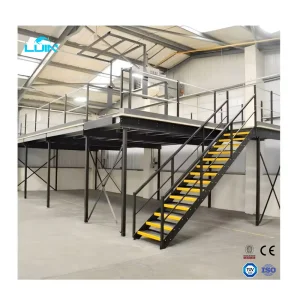
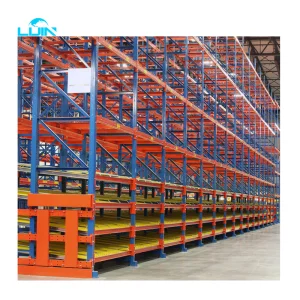
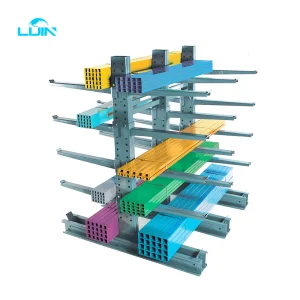
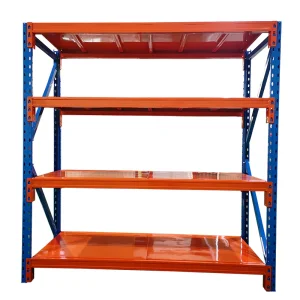
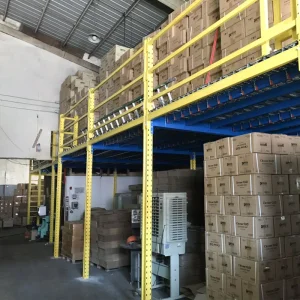
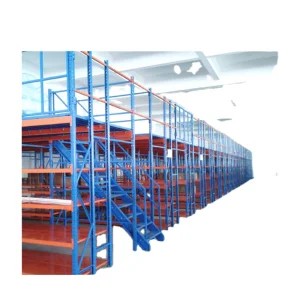
Established in 2015, Shenzhen Lijin Storage Equipment Co., Ltd. has forged a global reputation as a premier engineer, manufacturer, and exporter of high-grade industrial racking and dynamic storage systems. Operating from a cutting-edge 35,000 m² automated manufacturing hub, we bridge the gap between heavy structural design and active warehousing execution.
Our operation balances 12+ years of direct industry engineering expertise with 8+ years of streamlined international trade export, achieving a global revenue of USD 22 million last year. We are not just a metal fabricator; we are systemic architect planners for warehouse operations worldwide.
Lijin's commitment to durability, structural integrity, and ergonomic handling safety allows us to service critical global supply hubs. From heavy-duty racking modules to dynamic storage trolleys, every product is optimized utilizing state-of-the-art materials engineering, ensuring maximum loading capacity, precise stability, and lasting performance under variable ambient demands.
Engineered in accordance with RMI guidelines and European EN 15512 codes, ensuring stability in dynamic logistics hubs.
Continuous monitoring: ultrasonic weld examinations, laser structural sizing, and real-time load testing across the line.
Backed by 28 design engineers delivering OEM/ODM plans tailored to seismic requirements and space-optimization limits.
Finished with multi-stage pre-treatments and electrostatic epoxy powder coatings to endure cold-chain moisture and chemicals.
Strategic logistics nodes require agile, robust, and certifiable hardware to minimize operational bottlenecking.
Modern distribution hubs operate on thin margins. Integrating heavy-duty storage platforms and optimized rack structures helps warehouses reduce footprint rental overheads by up to 40% through vertical expansion.
Procurement departments require strict structural certificates. All warehouse setups must withstand seismic activities and high-dynamic forklift impacts. Lijin addresses this with Q235B cold-rolled steel and dual-weld seams.
High-efficiency operations depend on quick loading and sorting cycles. Whether managing dynamic warehouse transport systems or manual storage trolleys, equipment must operate with minimal rolling resistance and maximum tracking agility.
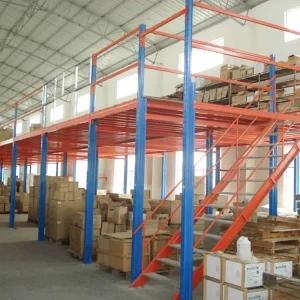
Across North America, Western Europe, and parts of the Middle East, the transition to high-velocity e-commerce and automated dark warehouses has redefined physical storage requirements. Warehousing complexes no longer merely house goods; they must accommodate variable high-load rotations. This paradigm shift requires custom industrial racking configurations, heavy structural steel mezzanine platforms, and reliable dynamic handline transport to withstand around-the-clock operations.
To support this structural shift, our design process utilizes Finite Element Analysis (FEA). This ensures that load-bearing joints, beam-to-column connections, and baseplates are engineered to distribute stresses safely. This helps prevent column bucking and weld fractures under extreme load variations.
A comprehensive view of our production pipeline from raw material staging to high-quality electrostatic finishing lines.
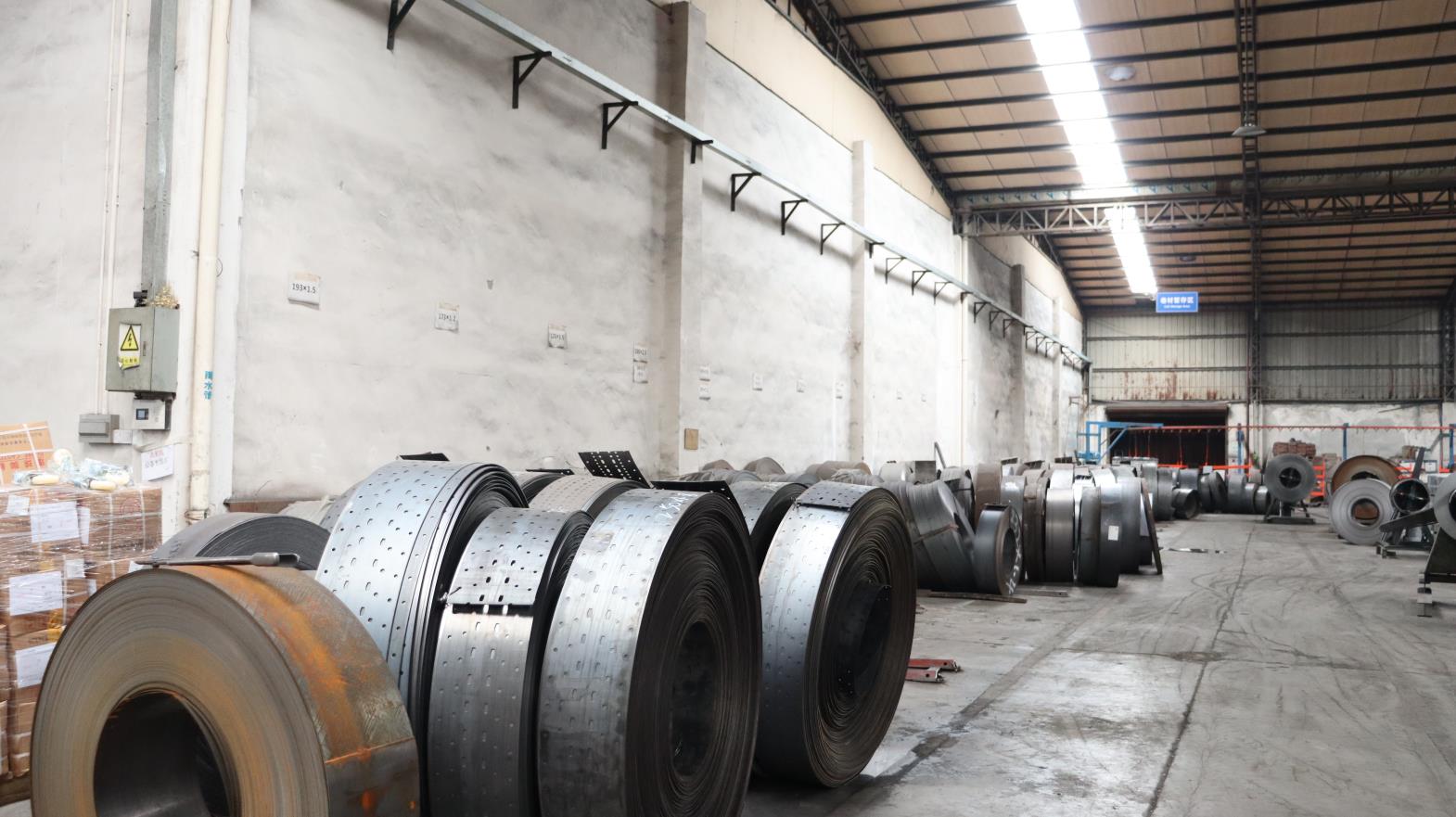
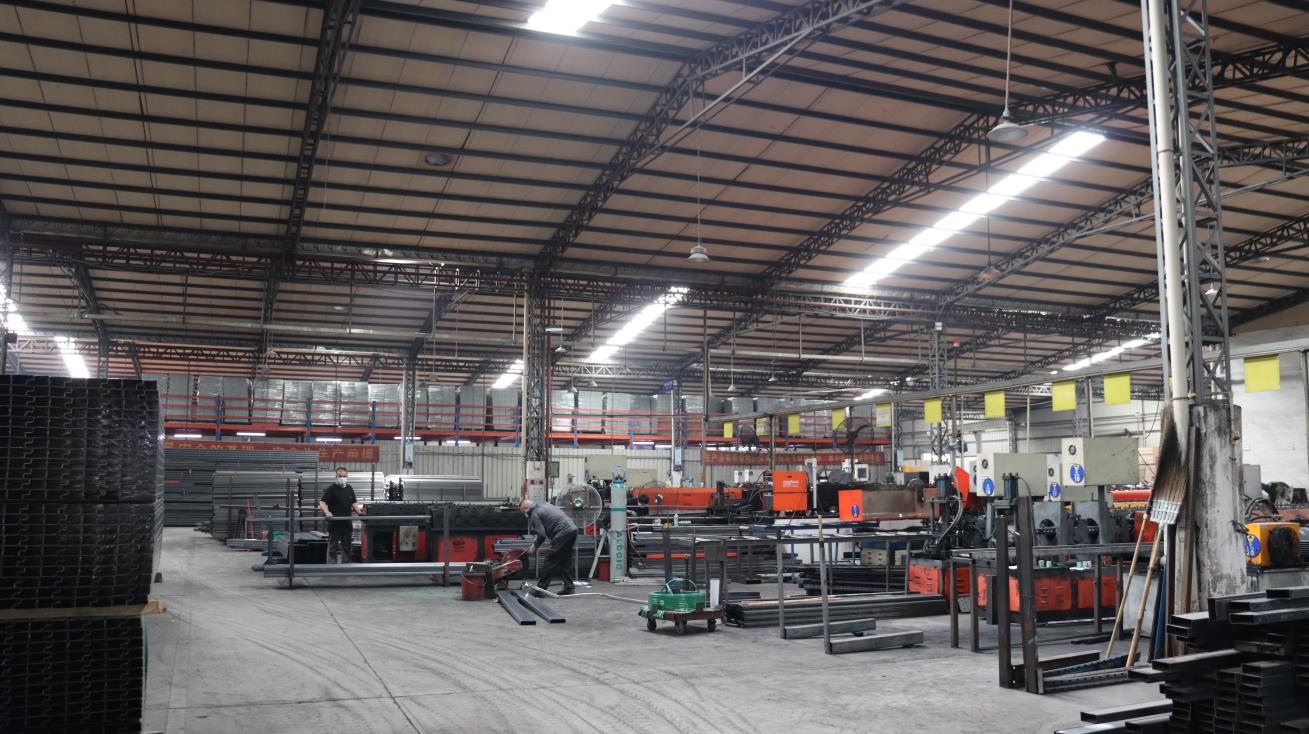
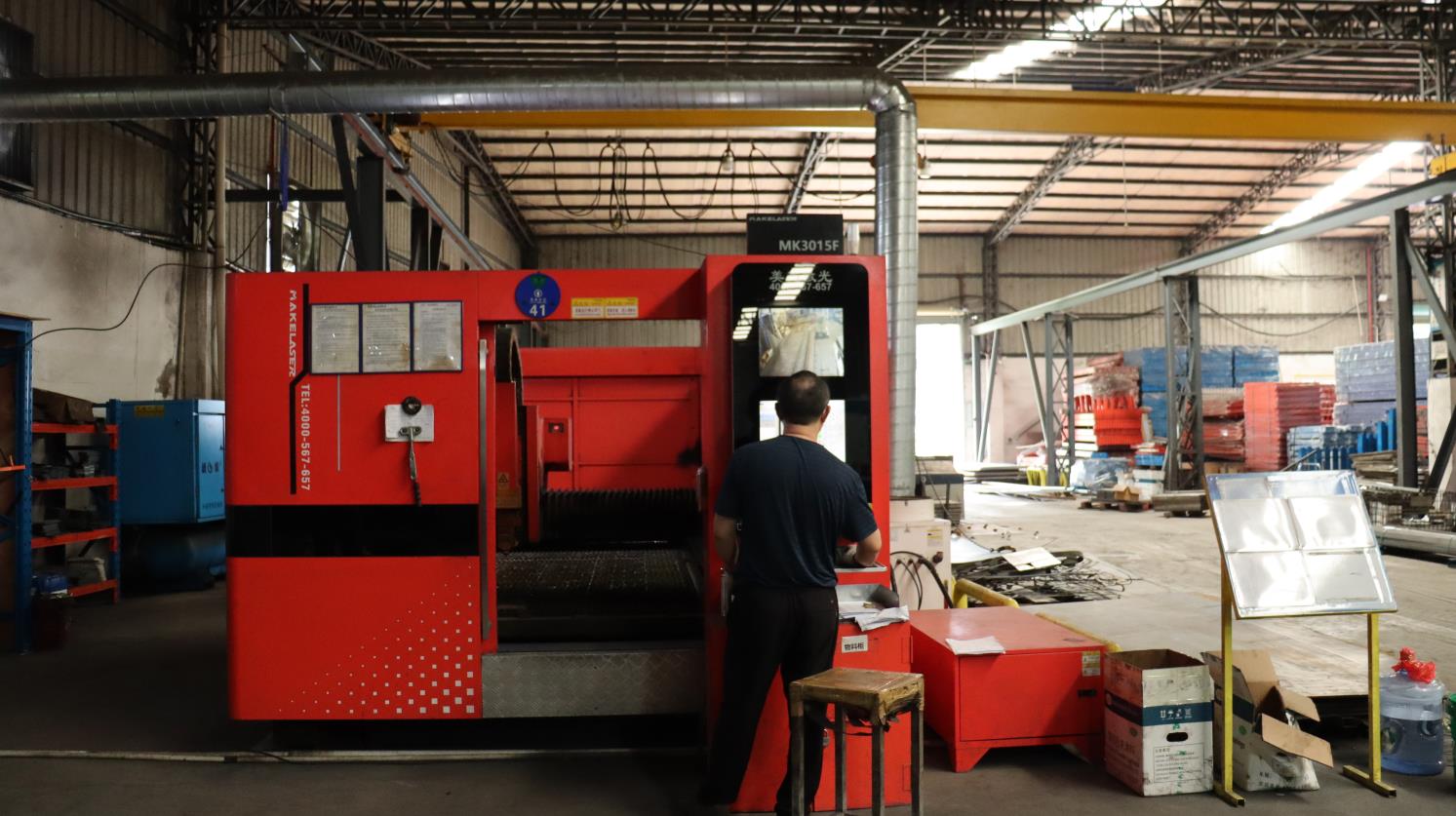
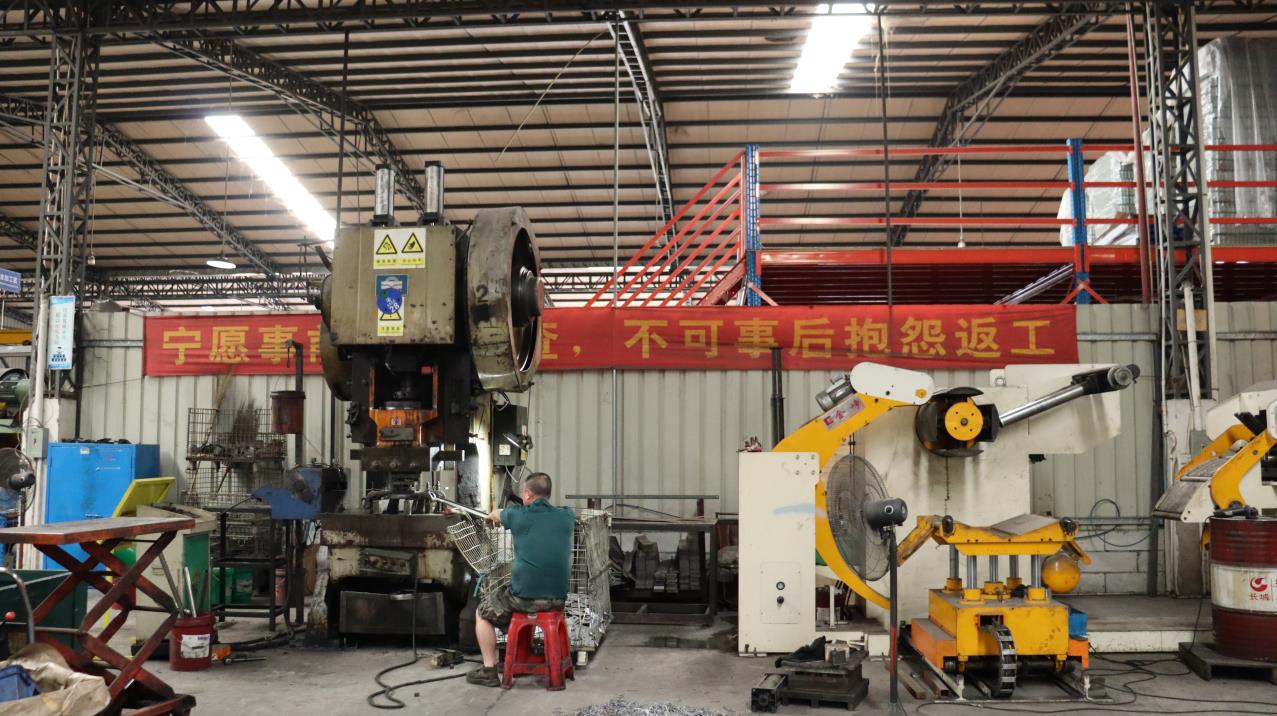
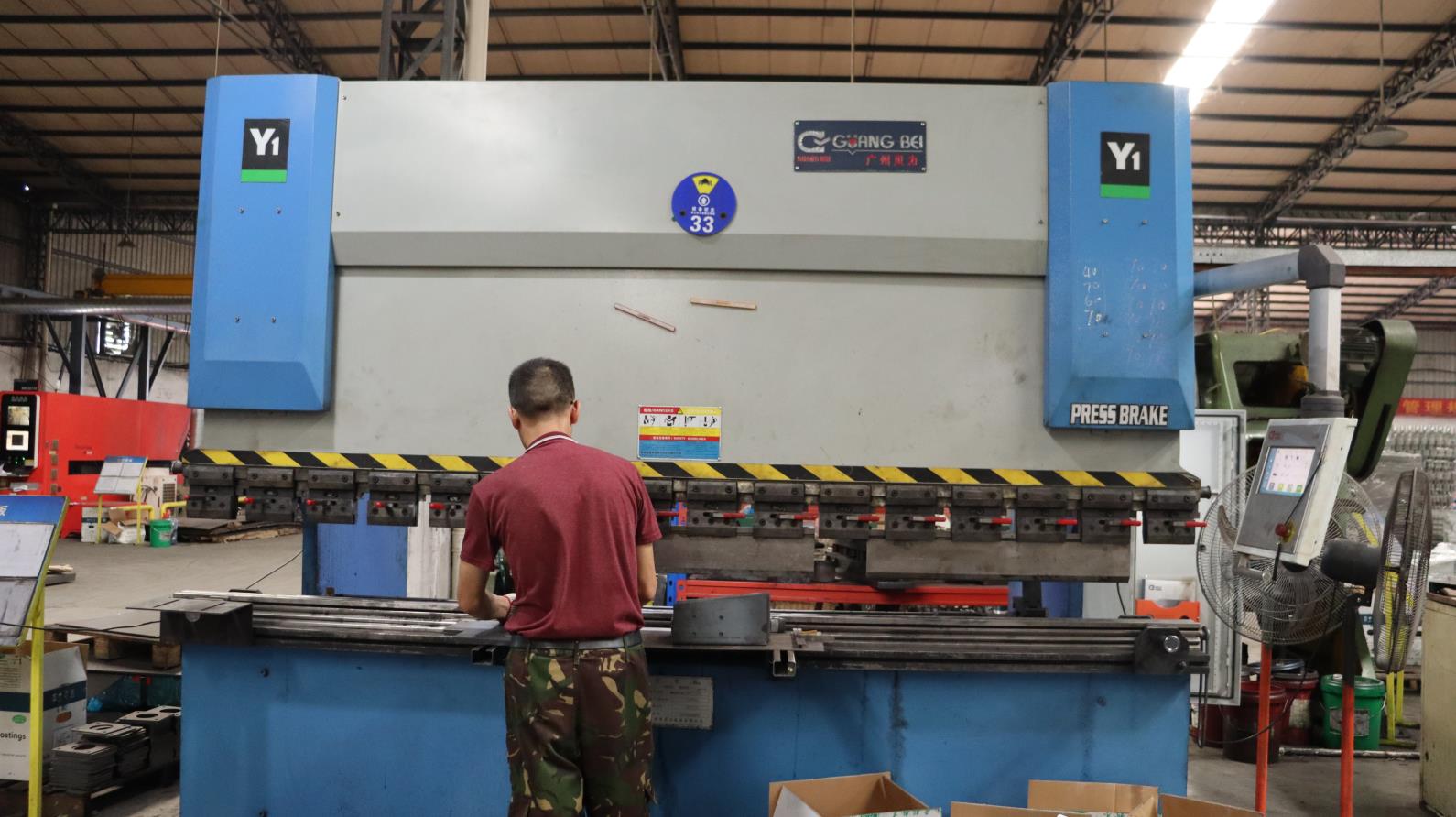
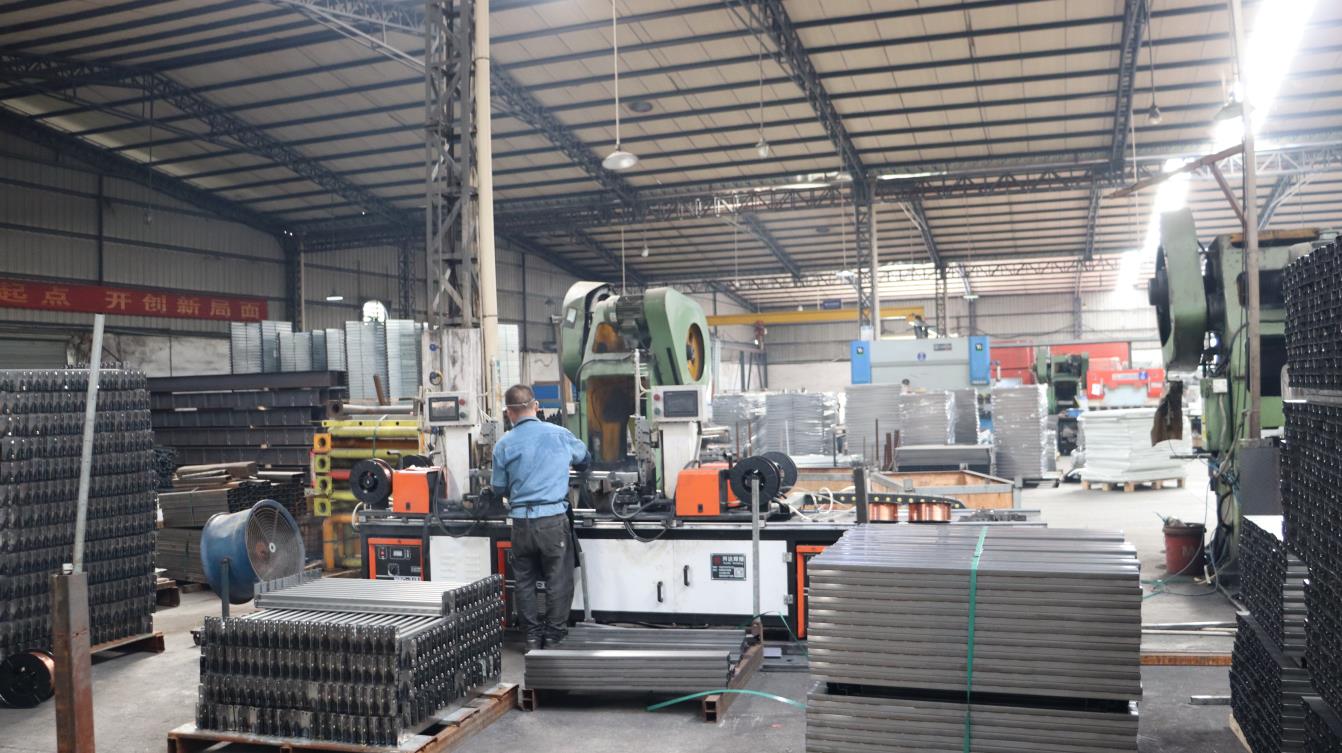
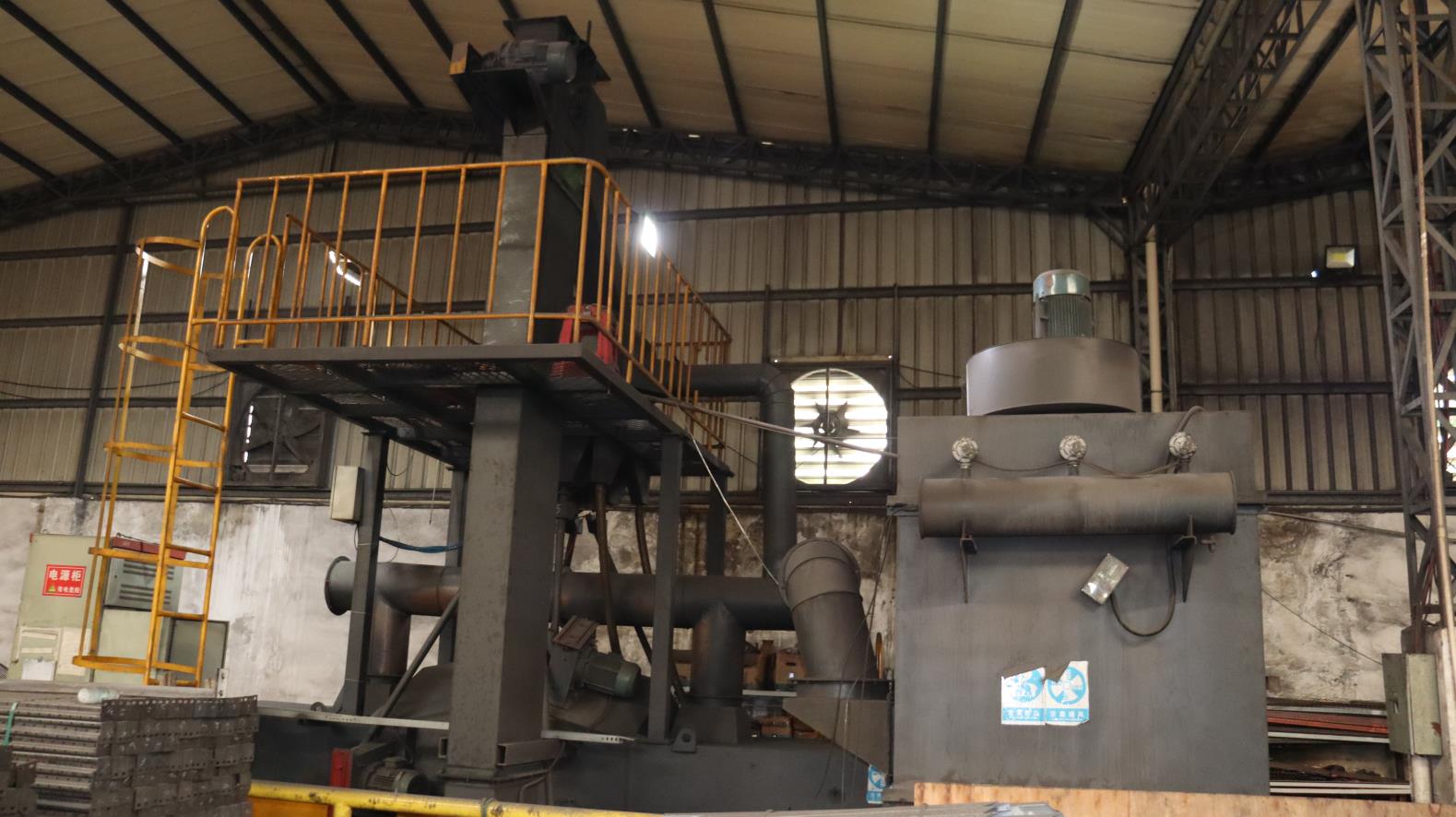
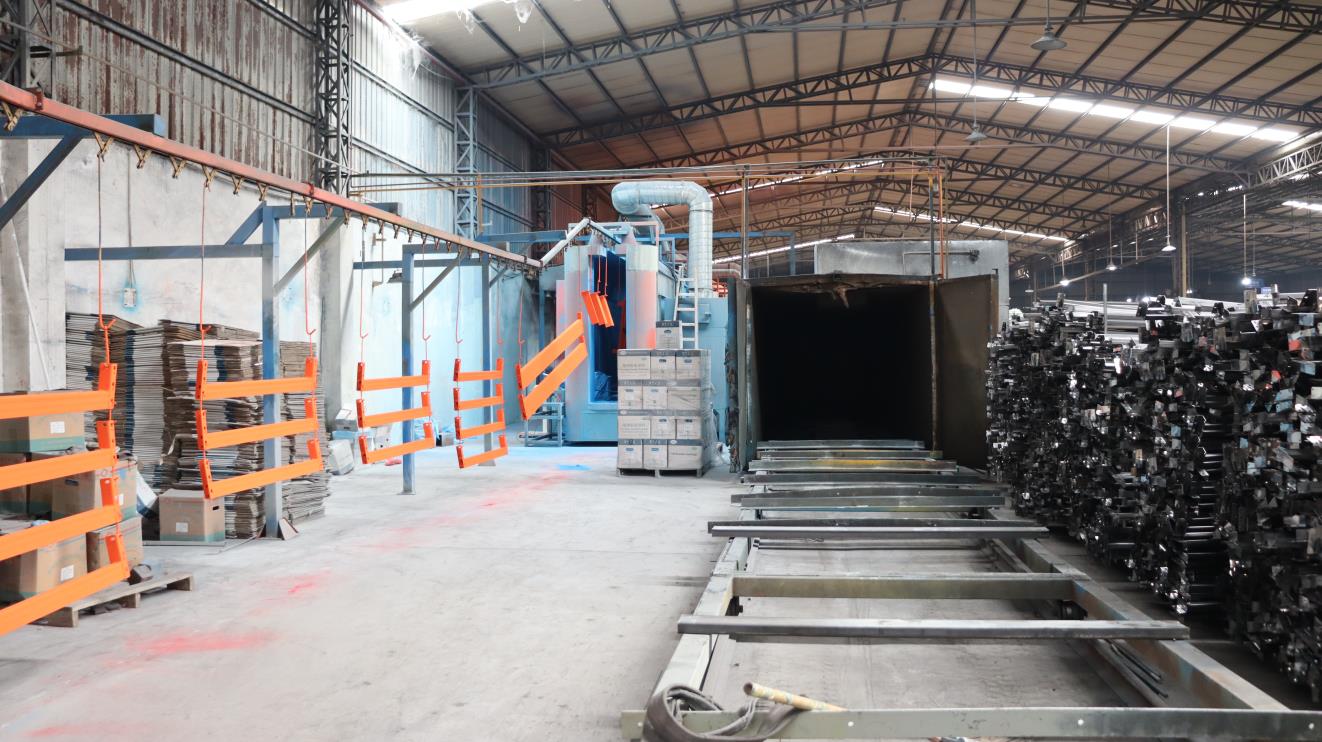
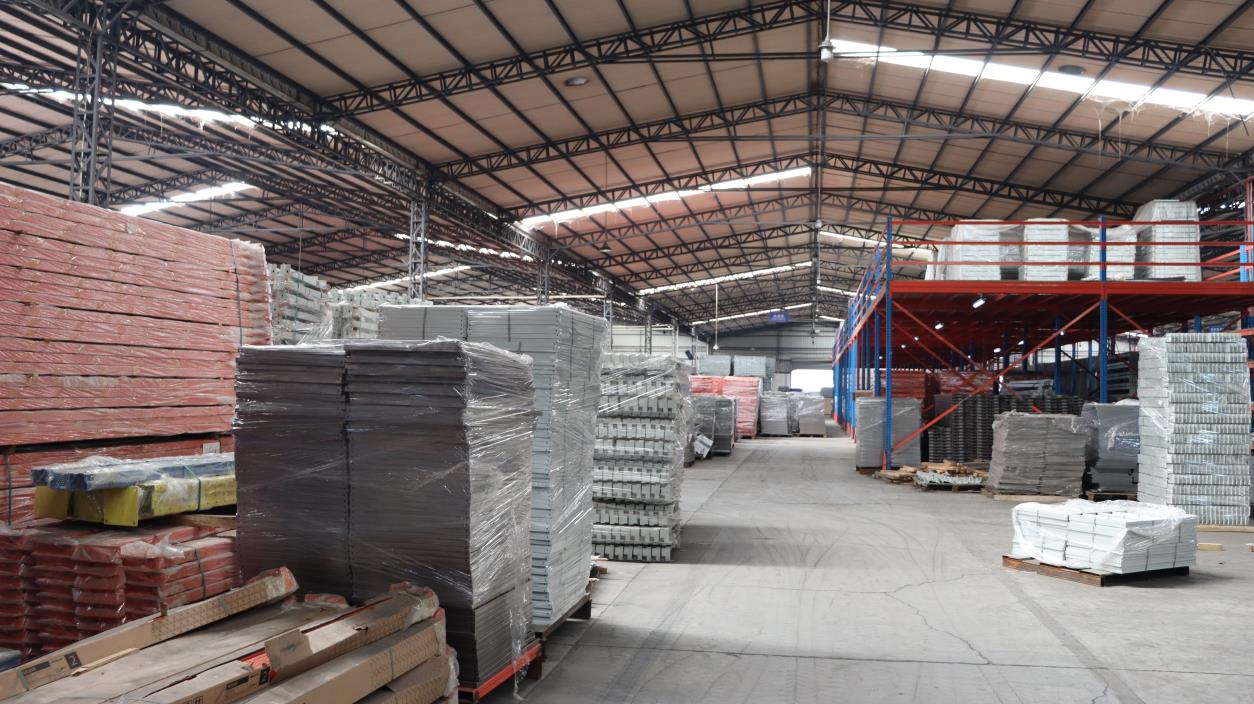
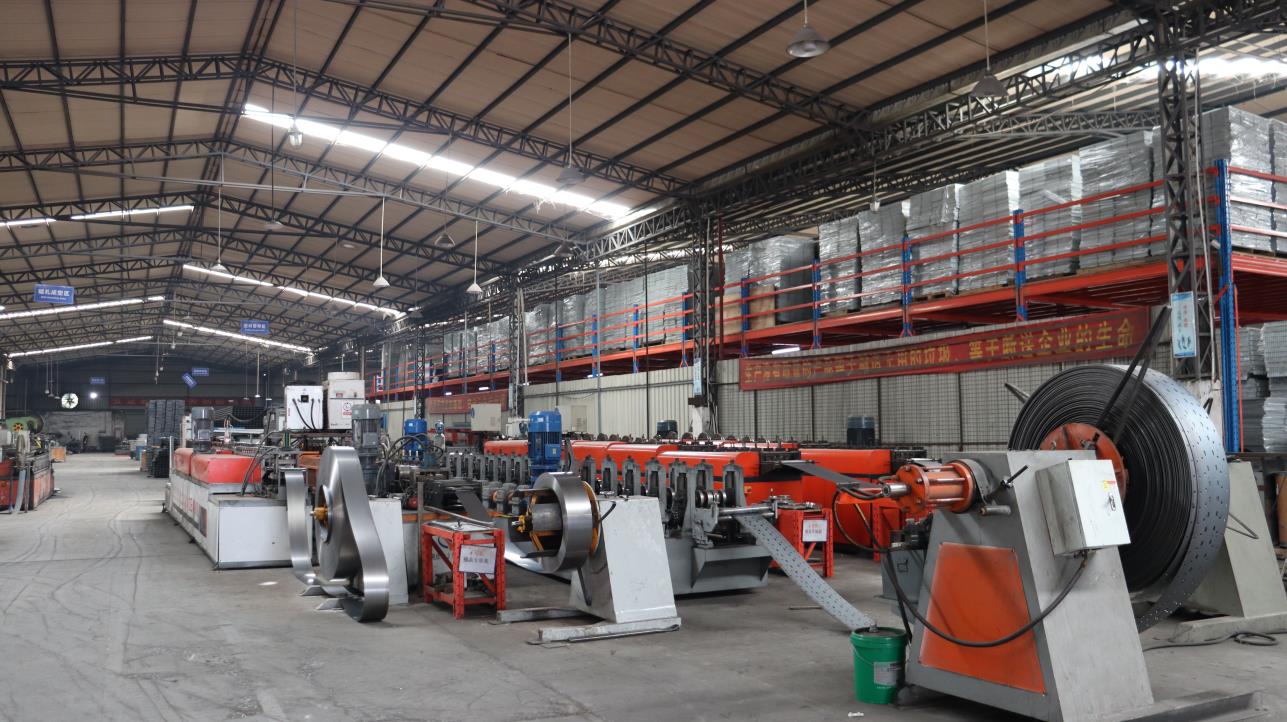
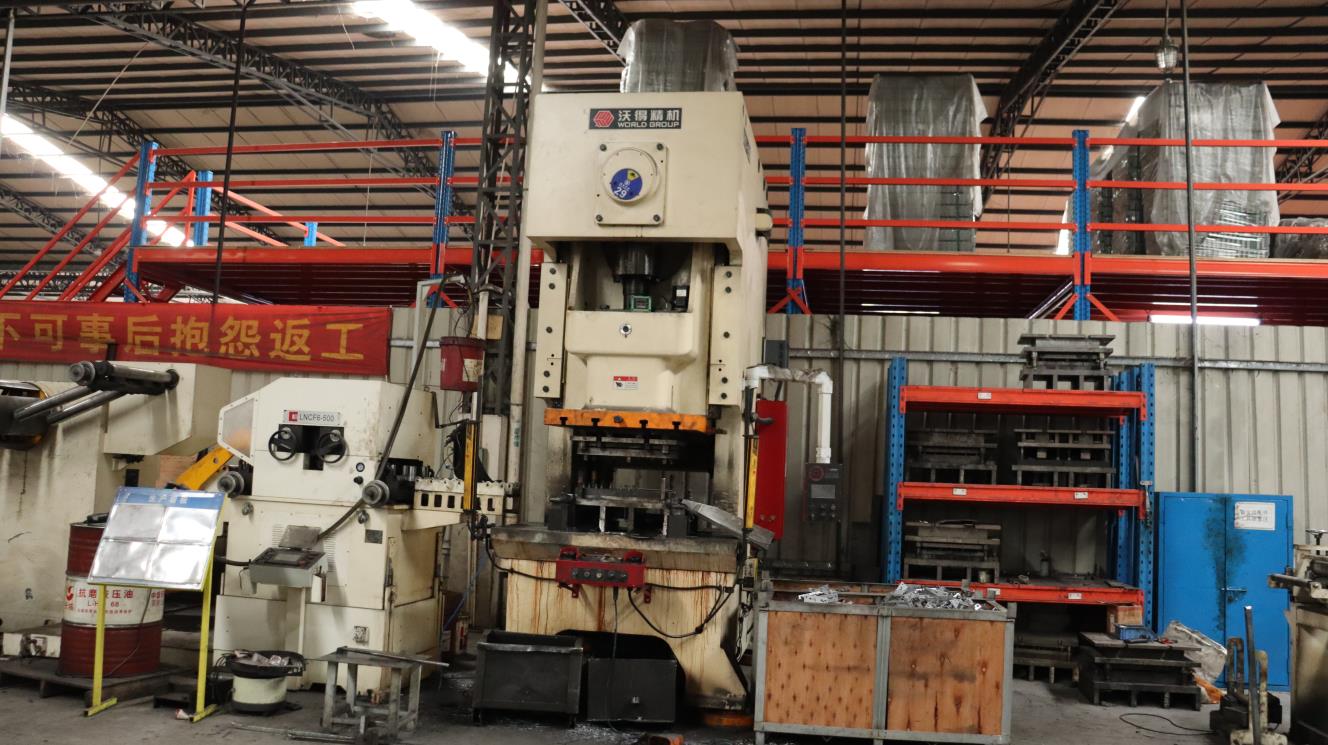
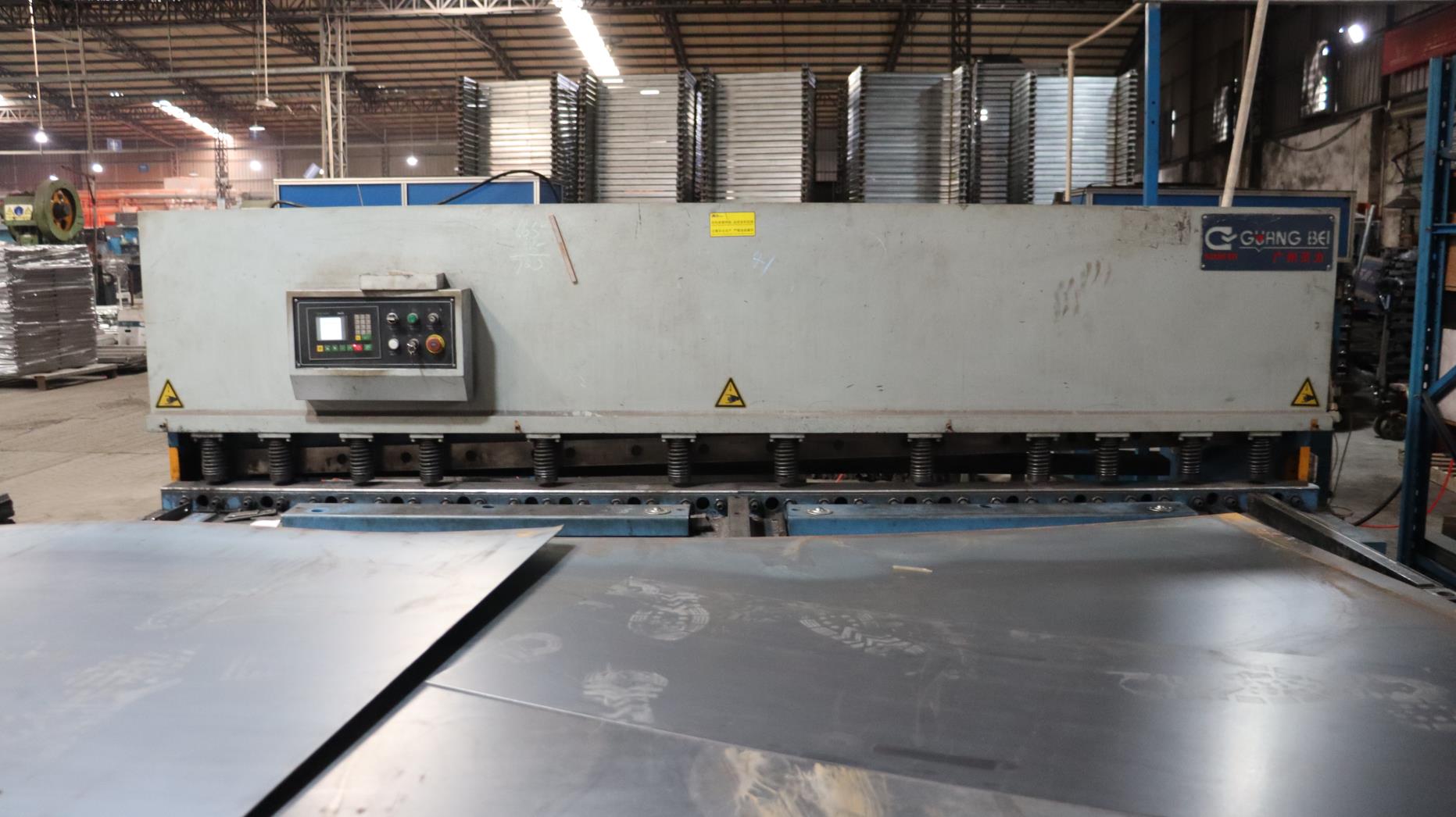
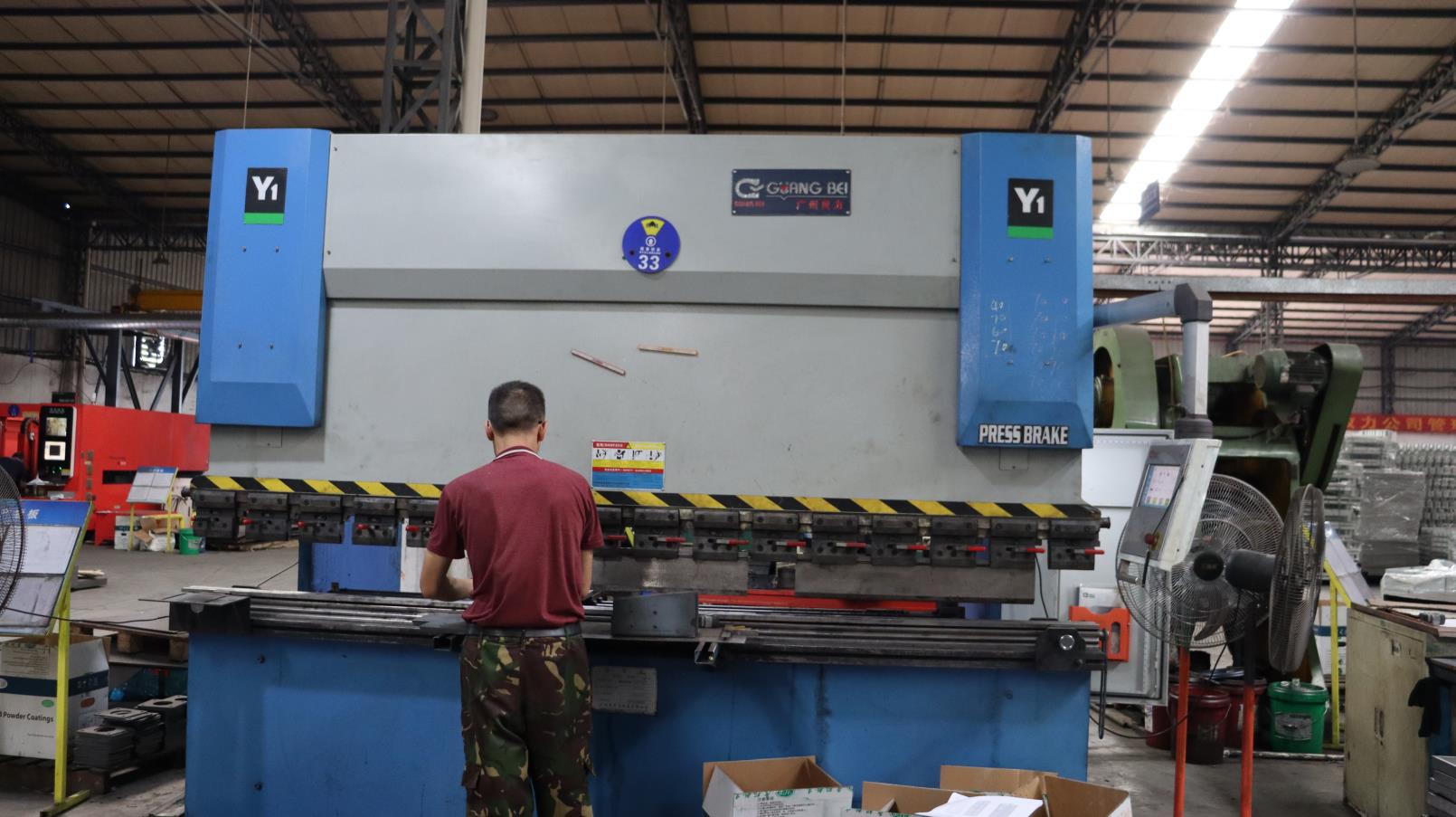
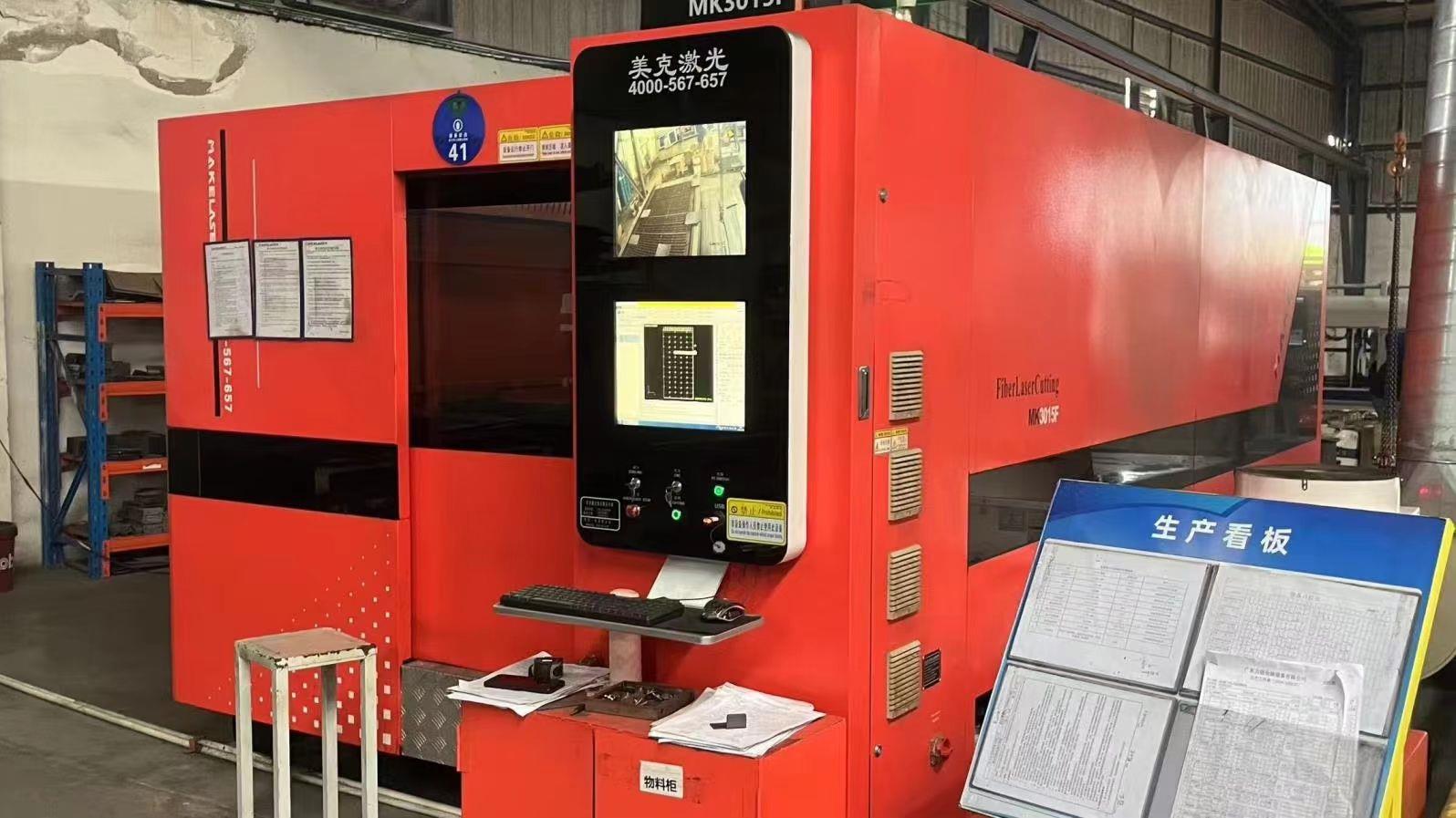
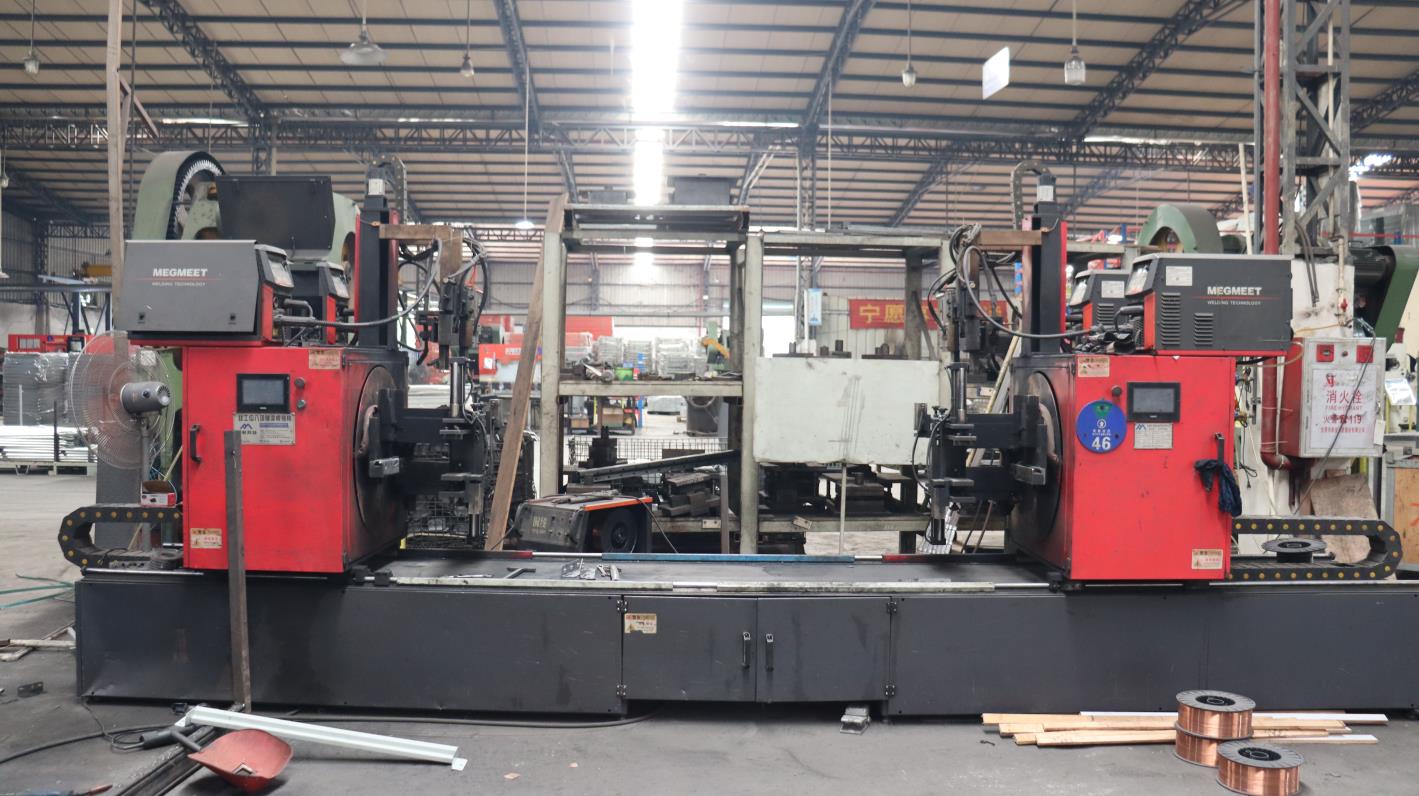
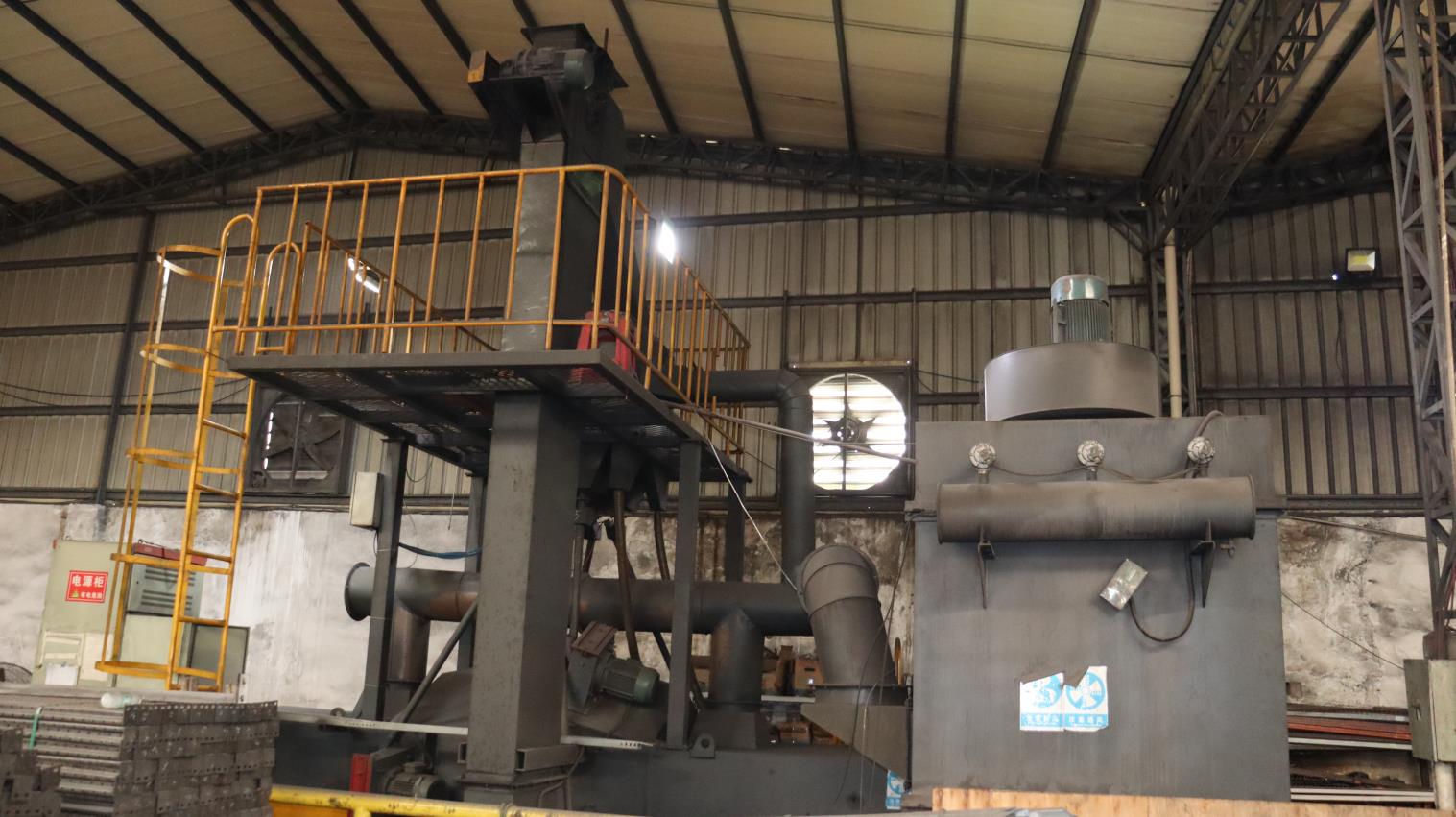
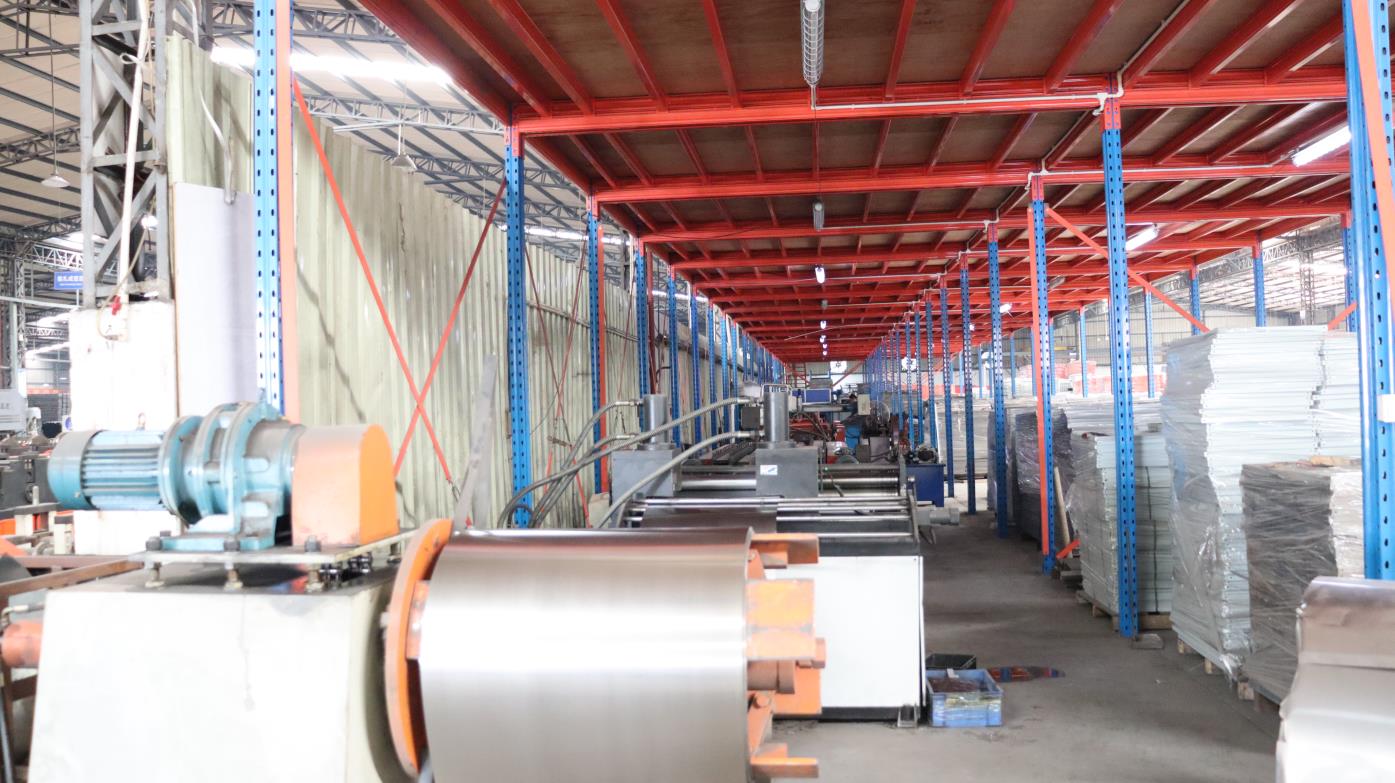
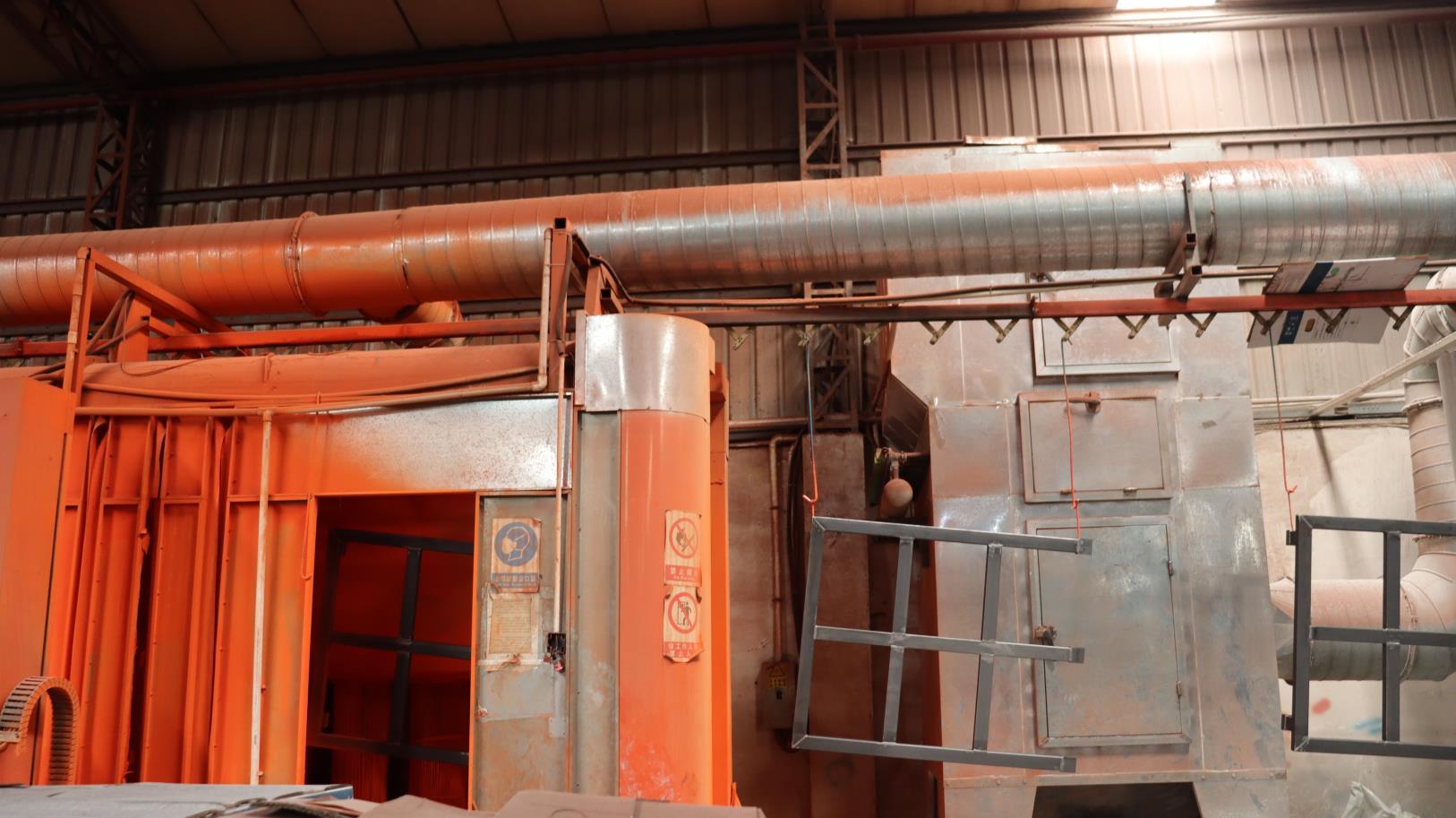
How Lijin is shaping the future of physical warehousing infrastructure and smart material handling integrations.
Traditional manual racking systems are transitioning toward automated intralogistics. High-throughput facilities demand precise manufacturing tolerances. If a rack profile deviates by even 2mm, an AGV fork carriage or AS/RS system may malfunction.
Shenzhen Lijin is currently developing next-generation structural rack profiles featuring integrated track mounts. These hybrid designs are optimized for both manual forklift usage and automated vertical cranes, offering a future-proof path for expanding warehouses.
Environmental responsibility is transforming corporate sourcing. Lijin is adjusting its supply lines to utilize low-emission steel options, working to decrease the carbon footprint of structural frames by up to 20%. This aligns with global carbon-reduction goals for logistics structures.
Continuous upgrade of automated CNC rolling lines to ensure uniform load distribution across heavy upright frames.
Embedding stress sensor mounts into structural support beams to provide real-time weight reporting and overload alarms.
Modular, component-based racking systems made entirely from certified recycled structural steel, allowing easy disassembly and reuse.
Ensuring engineering integrity, seismic safety, and localized compliance for international building codes.
To operate reliably in locations like the USA, Europe, or the GCC, structural racking and mezzanine platforms must comply with strict localized safety codes. This includes the Rack Manufacturers Institute (RMI) standards in North America and standard EN 15512 codes in the European Union. At Shenzhen Lijin, we prioritize safety by ensuring all structures meet these requirements:
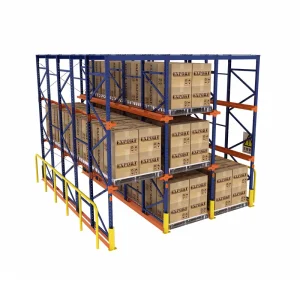
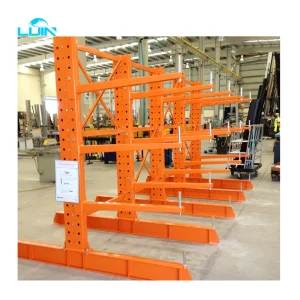
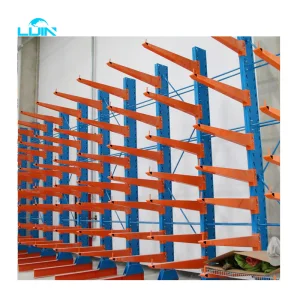
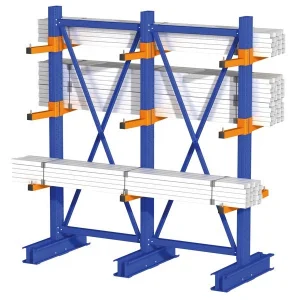
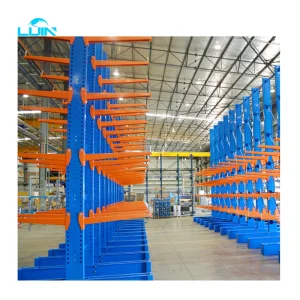
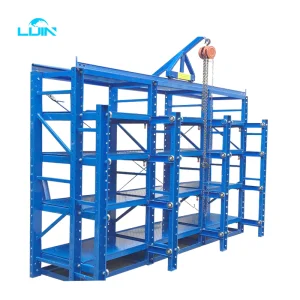
Engineered for high load limits, bulk storage, and long-form structural profiles.
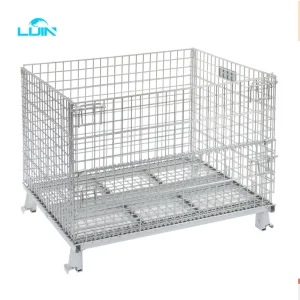
Get professional, technical answers to common queries regarding industrial storage and dynamic trolley performance.
Q235B is a carbon structural steel grade widely used in heavy industrial racking because it balances tensile strength (370-500 MPa) with ductility and formability. This ensures columns and beams can bend slightly under load without fracturing, offering durability and performance in busy warehouses.
Our engineering team performs localized stress analyses and calculations based on regional seismic parameters. We adjust structural thickness, use dual-weld seams, and supply heavy-duty floor anchor plates with specialized dynamic anchors. This ensures systems meet building safety requirements, including RMI and EN 15512 standards.
All structural metal parts undergo a multi-stage pre-treatment phase, including pickling, phosphating, and rinsing to eliminate mill scale and oils. They are then finished with an electrostatic epoxy-polyester powder coating (typically 60-80 microns thick) and cured at 180-200°C. This creates a hard, scratch-resistant surface that helps protect against rust in humid and cold-chain conditions.
Static load capacity represents the maximum weight a rack can support when items are stationary. Dynamic load capacity refers to the stress placed on the structure by movement, such as walking, cart rolling, or forklift placement. Lijin designs its systems with a safety factor of 1.4 to 1.5, helping to ensure the structural integrity of our platforms under dynamic operational conditions.
 Lijin Racking