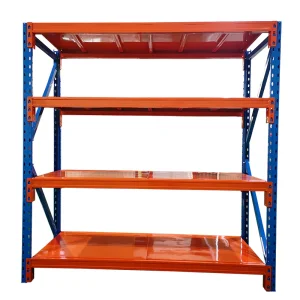
Engineered to handle structural load-bearing tolerances with high seismic performance capabilities. Explore our heavy and medium duty dynamic structures.
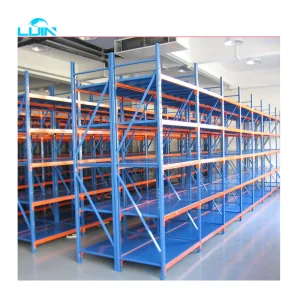
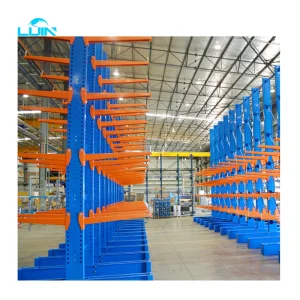
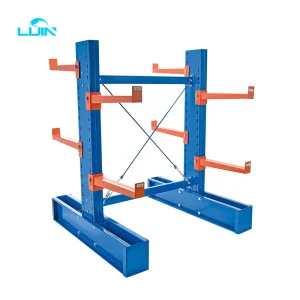
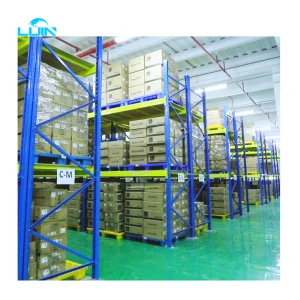
A technical overview of vertical integration and density parameters in the age of global logistics strain.
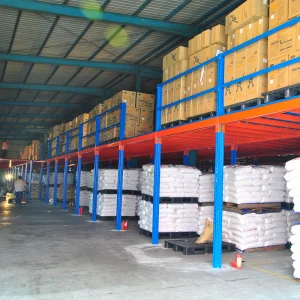
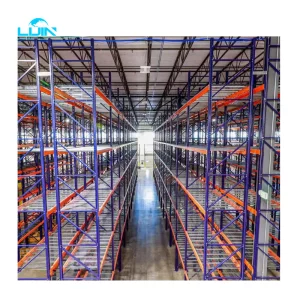
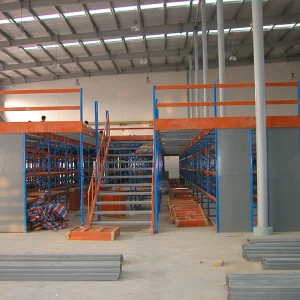
Modern supply chains demand unprecedented volumetric efficiency. Stacking systems represent the intersection of material engineering, statics, and floor planning. By utilizing vertical warehouse volumes, operators can multiply footprint capacity by up to 400% without expanding their horizontal perimeter. This optimization is particularly crucial in regions where real estate cost is high, and margins on bulk handling are narrow.
When designing stacking architectures, structural engineers prioritize load limits (UDL - Uniformly Distributed Load) alongside lateral stiffness parameters. The system must tolerate dynamic stresses caused by forklifts, Automated Guided Vehicles (AGVs), and seismic activity. High-yield carbon steels such as Q235B or Q345B are standard because they support optimum structural elasticity, minimizing permanent material deformation under continuous load cycles.
Industrial capacity and global footprint analysis.
Established in 2015, Shenzhen Lijin Storage Equipment Co., Ltd. has developed into a premier force in heavy-duty warehouse racking design and manufacture. Over the past 8+ years of direct export, our custom-engineered systems have served logistics hubs worldwide, securing a global revenue of USD 22 Million last year.
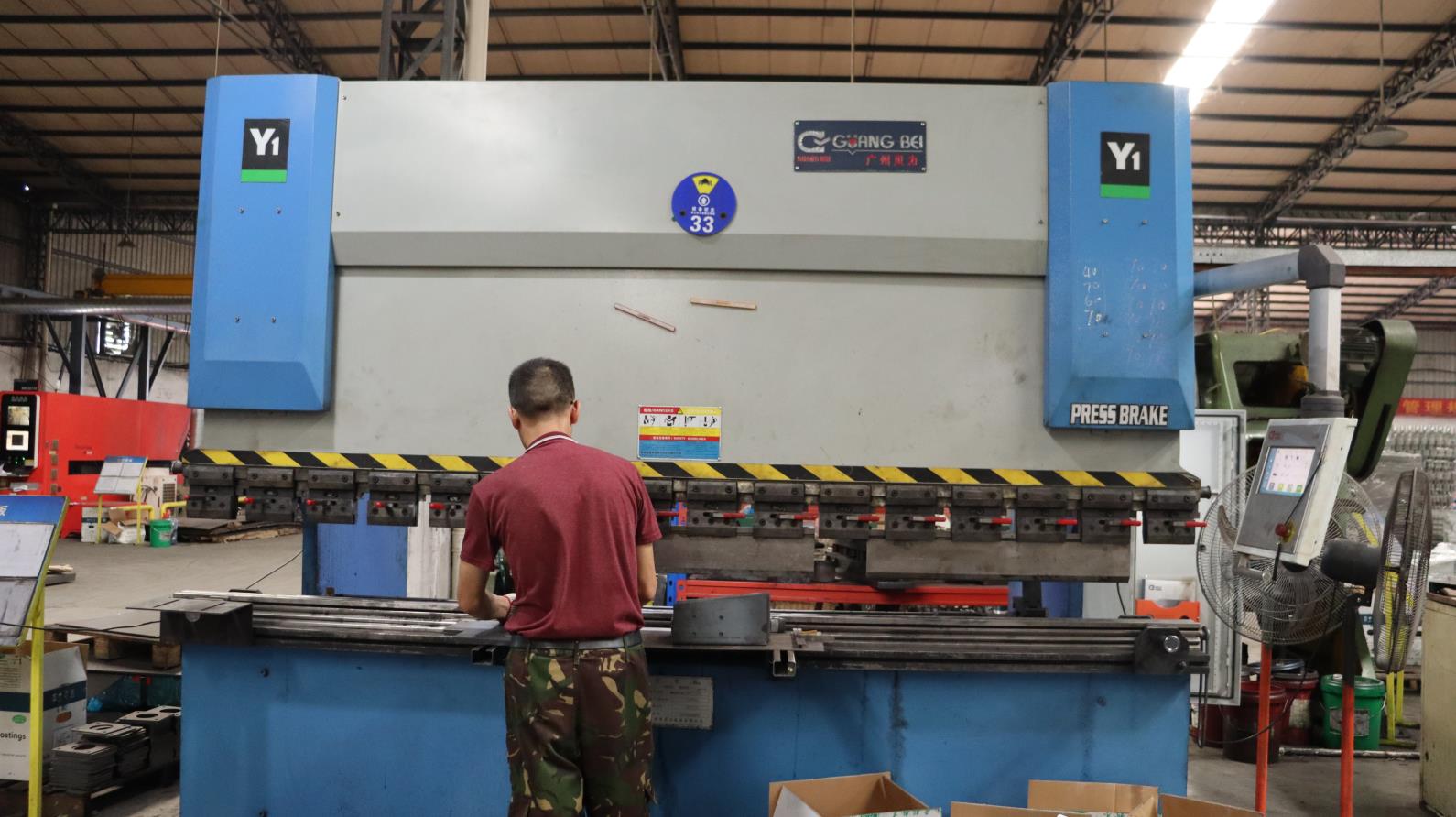
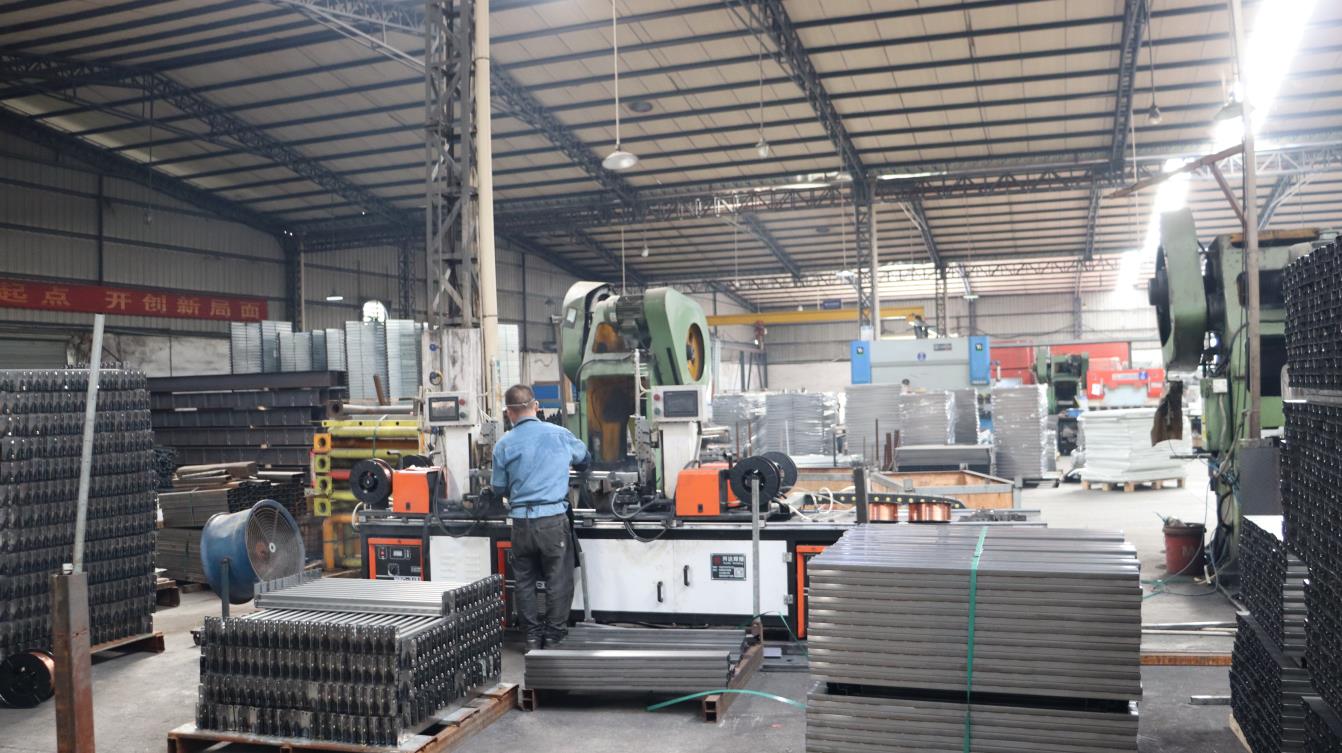
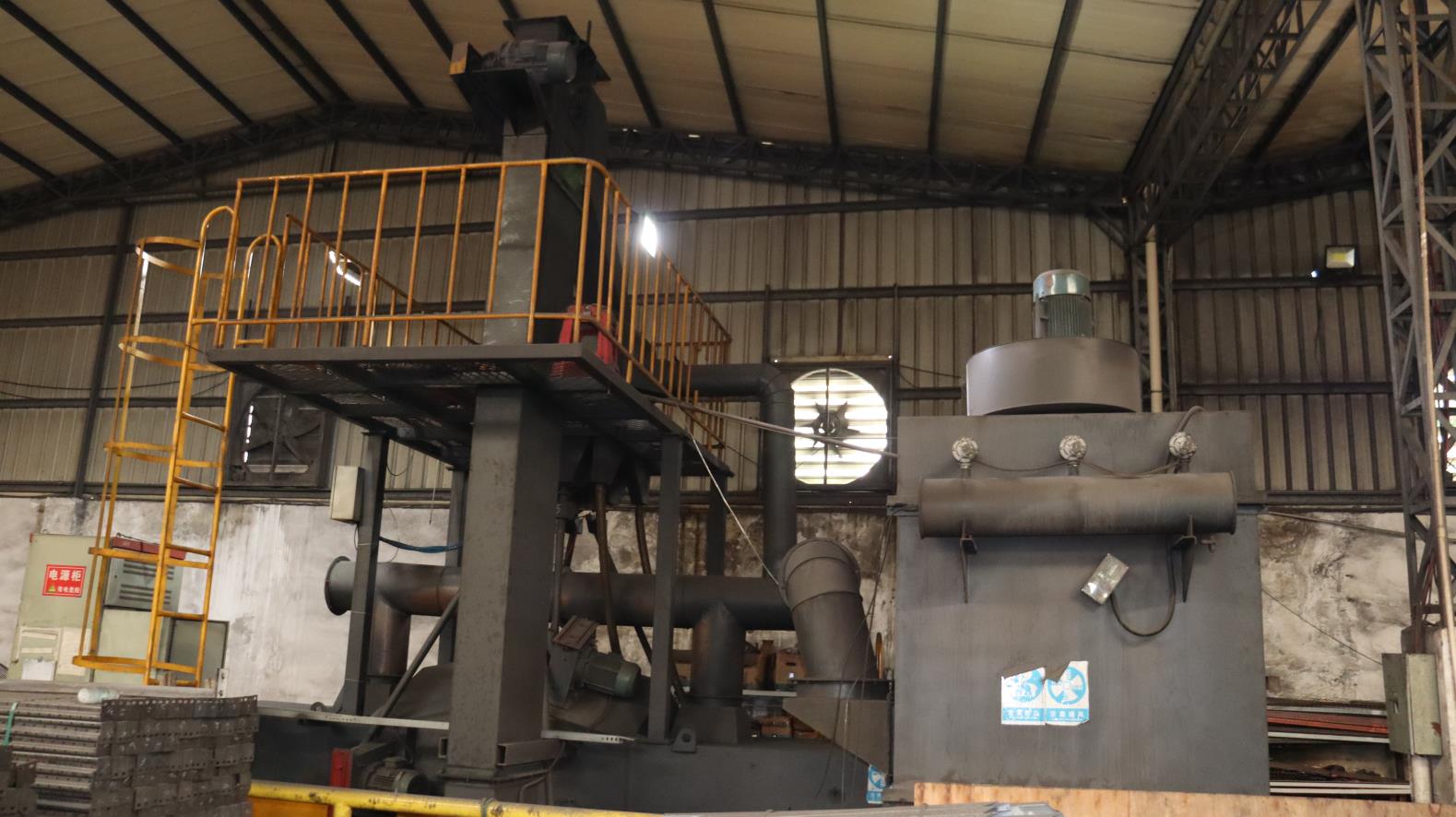
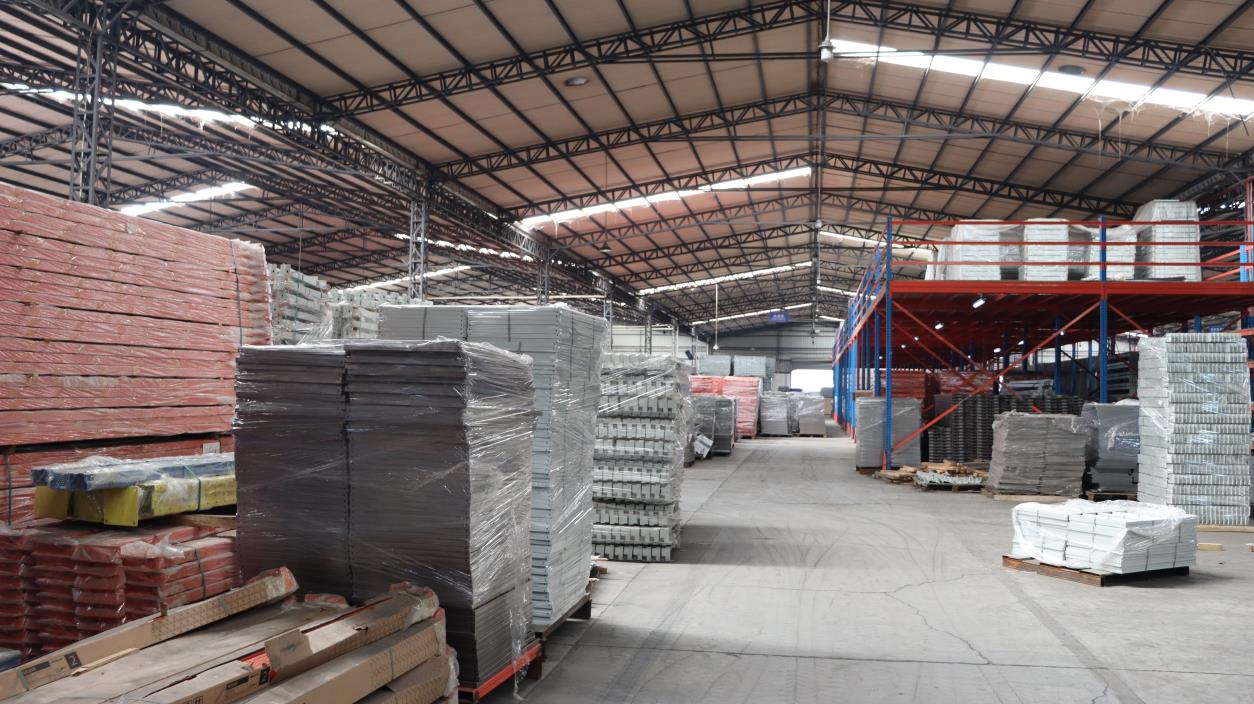
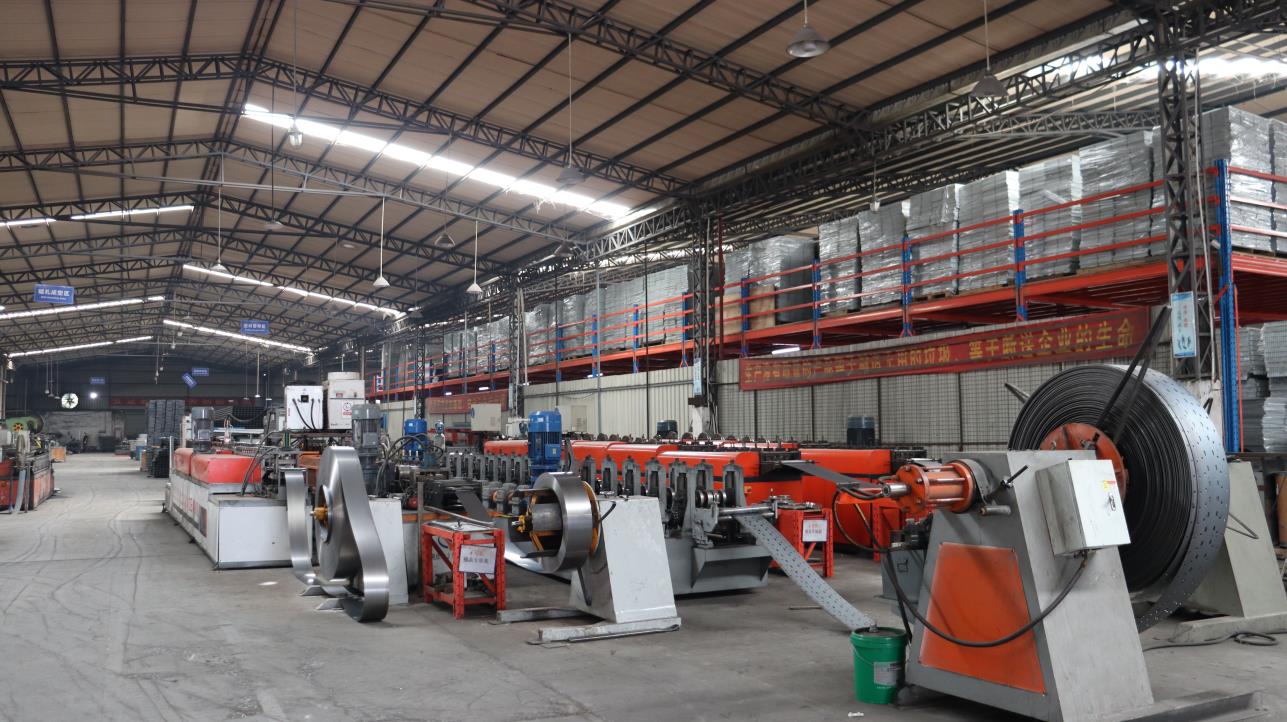
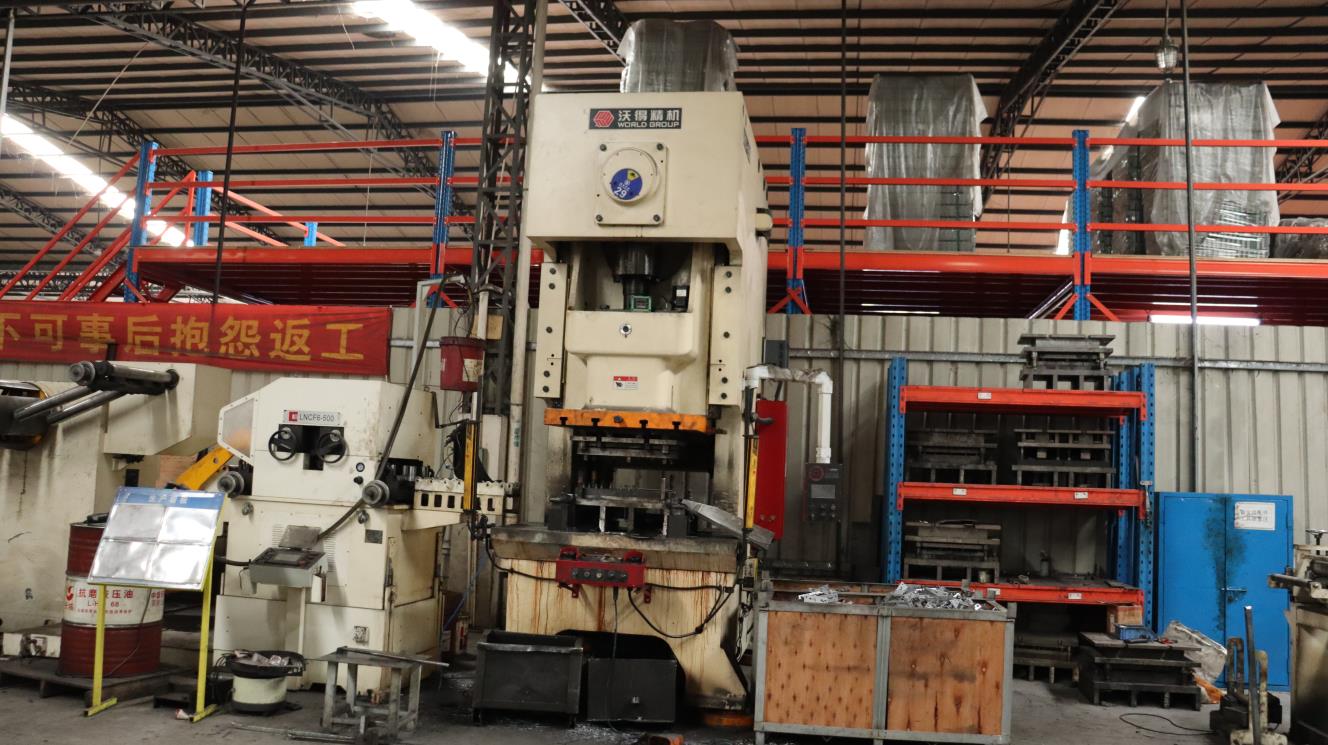
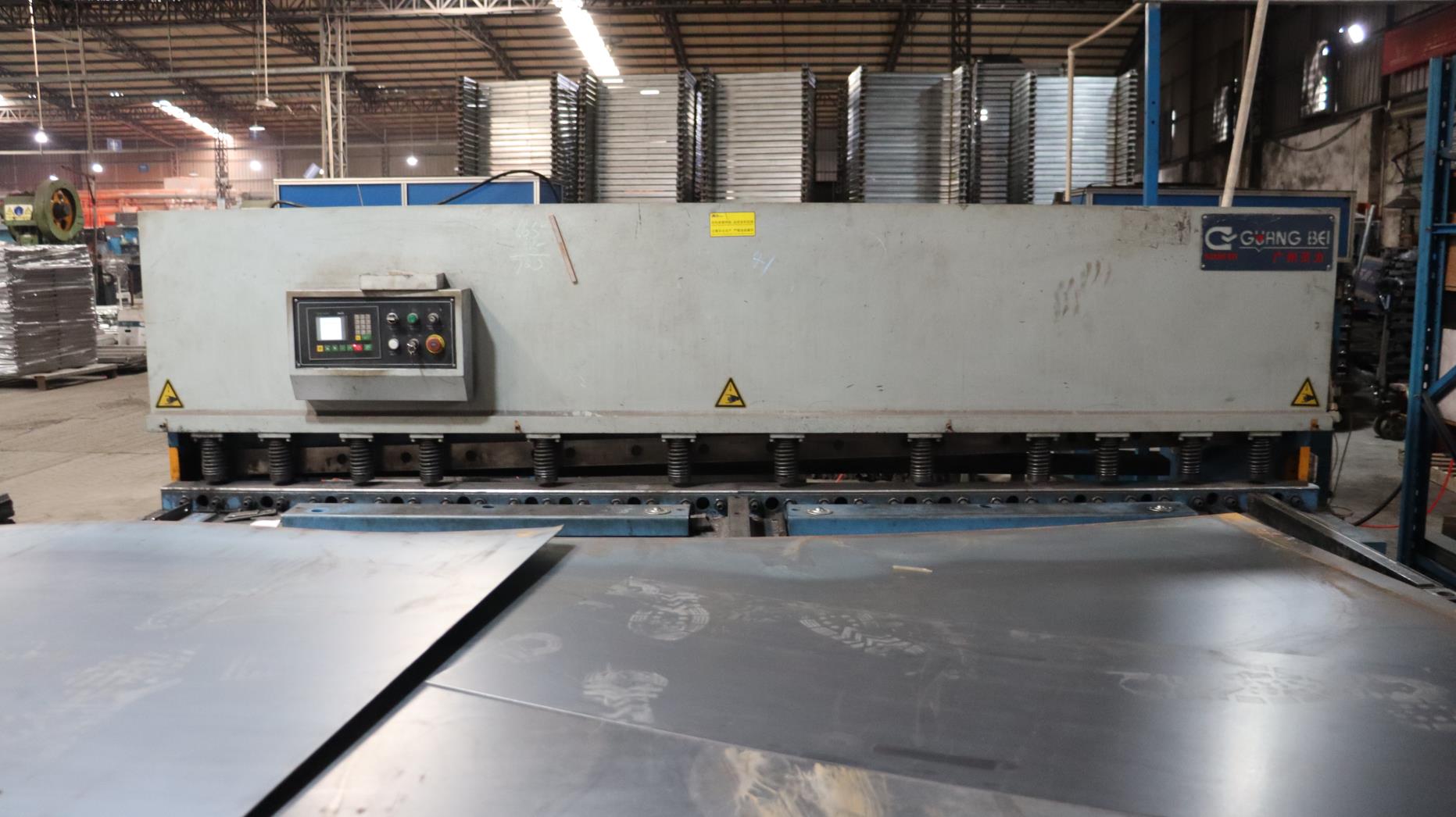
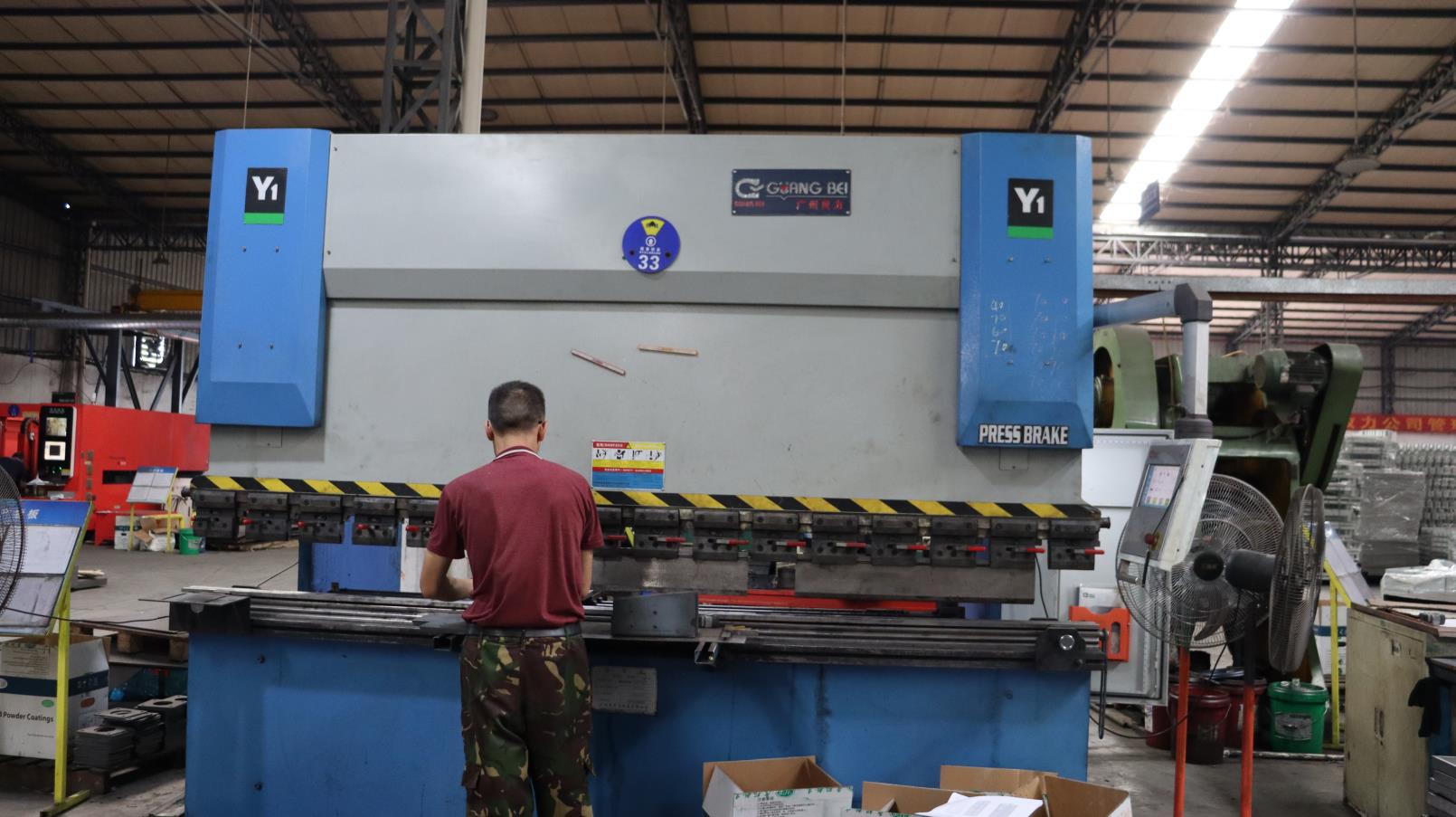
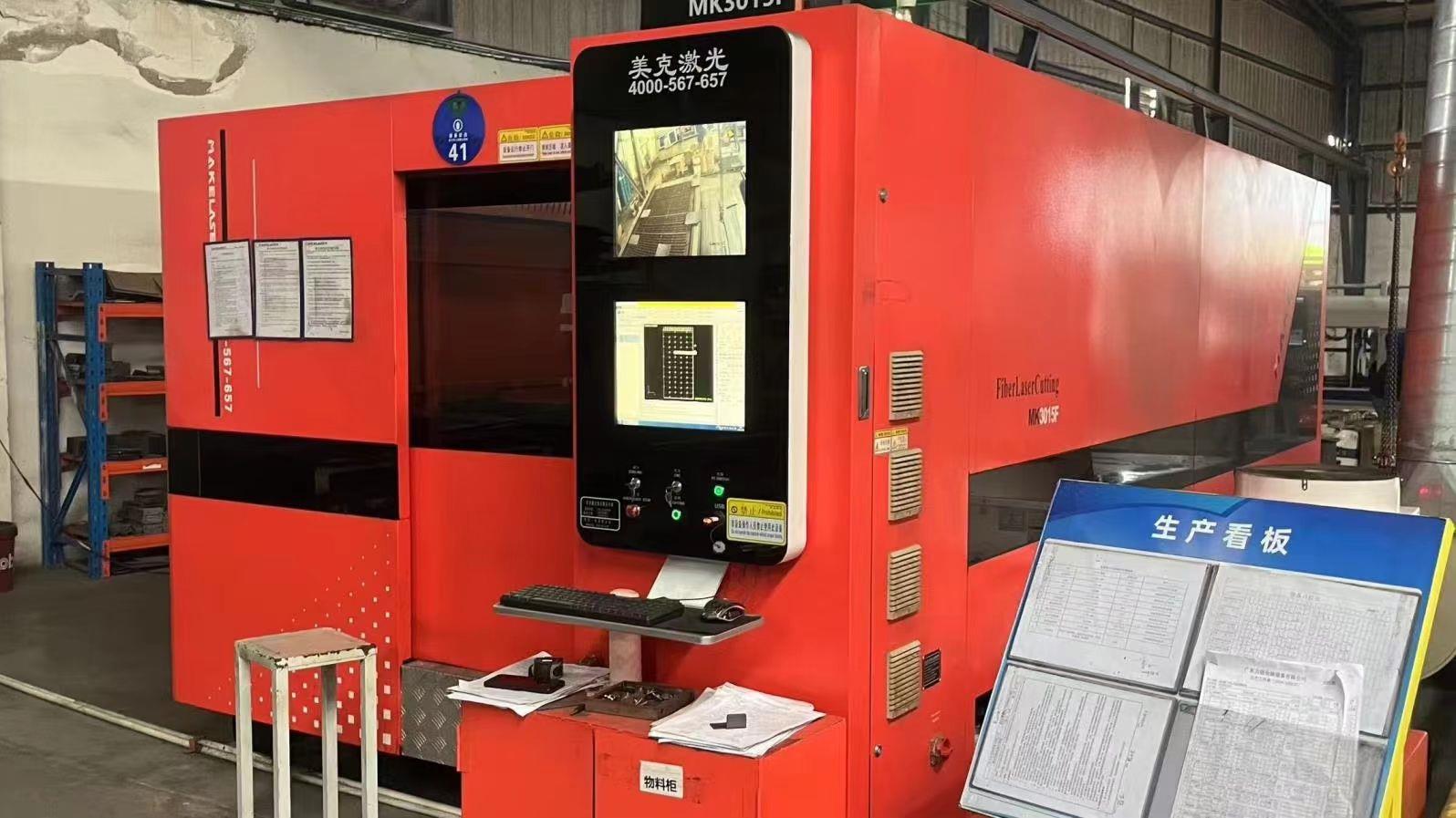
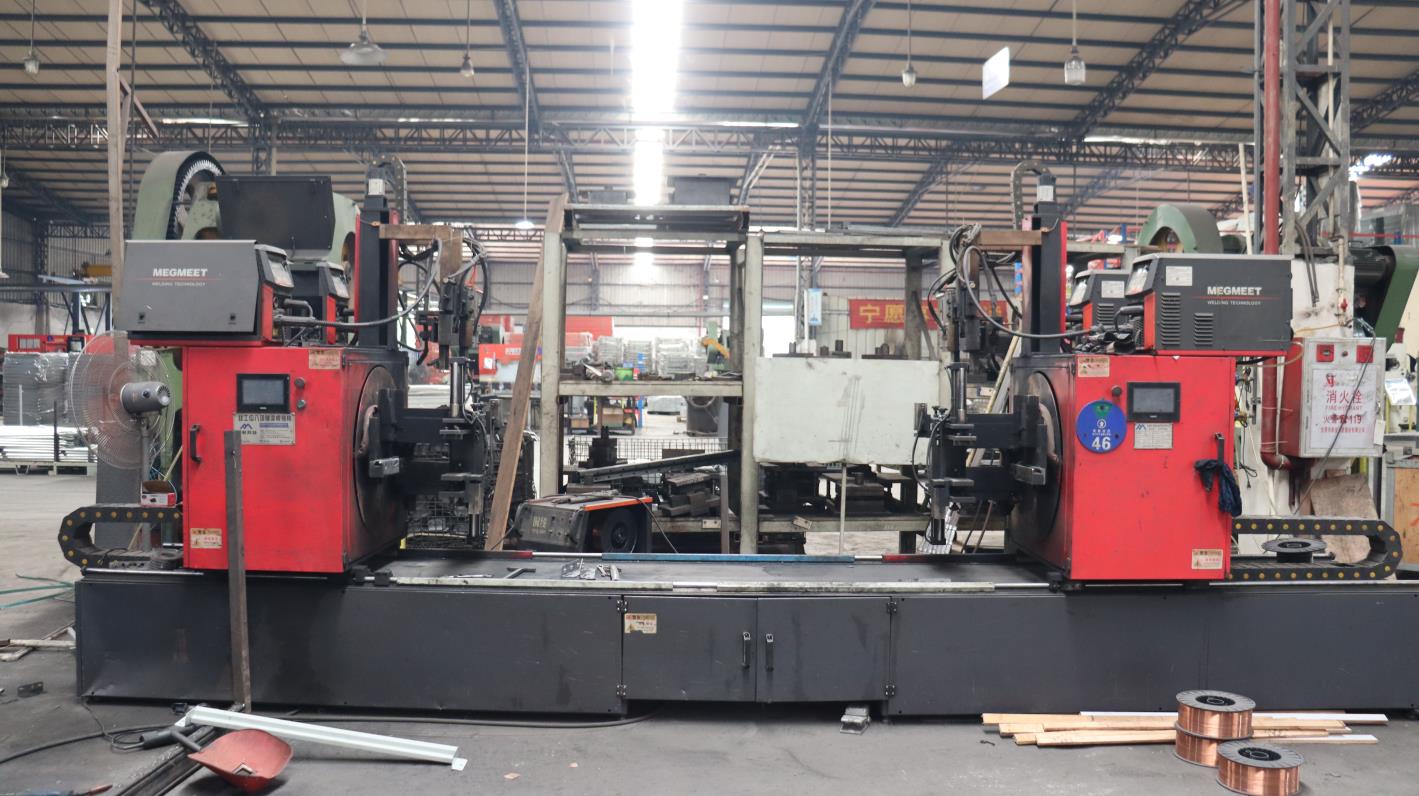
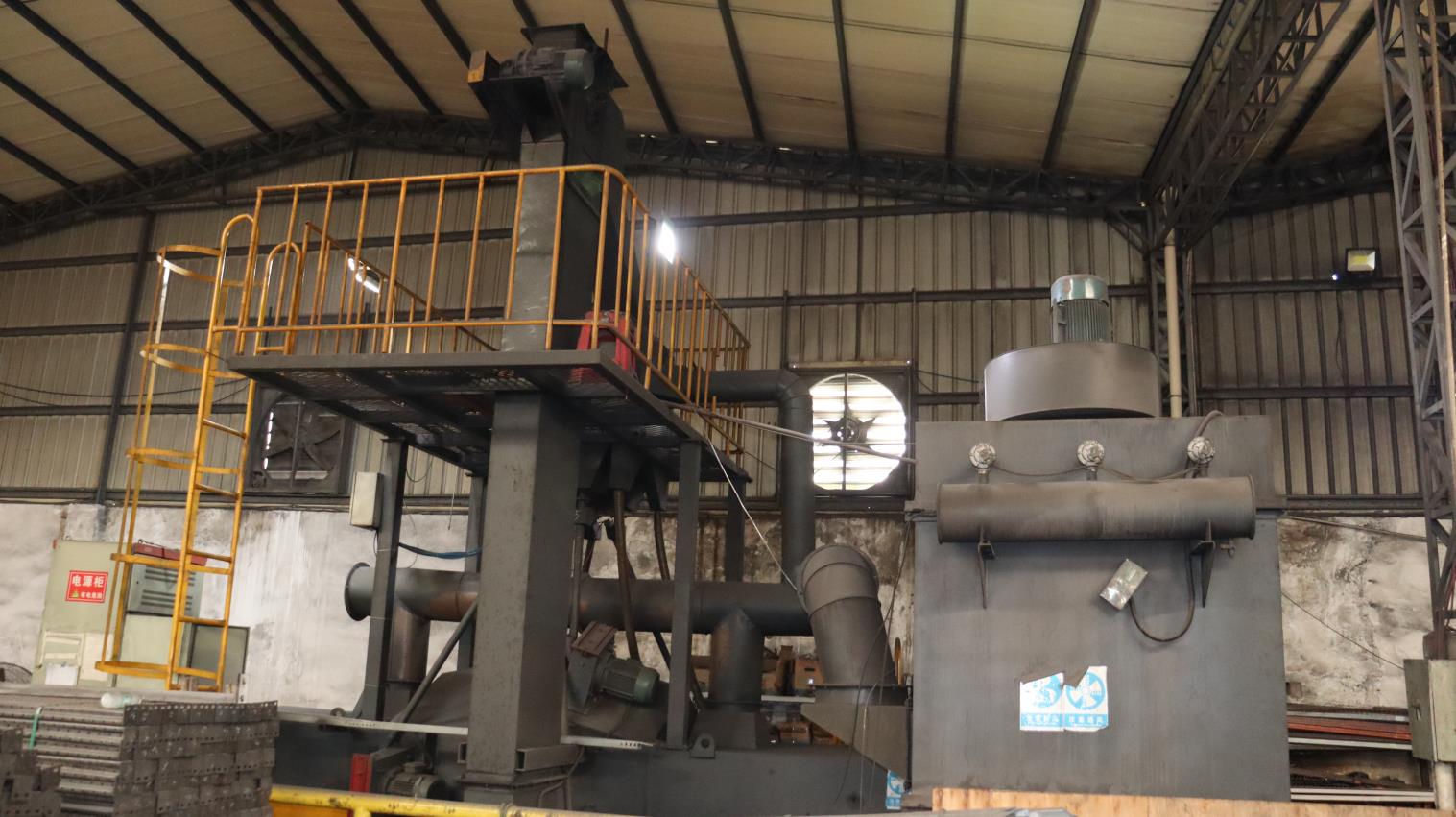
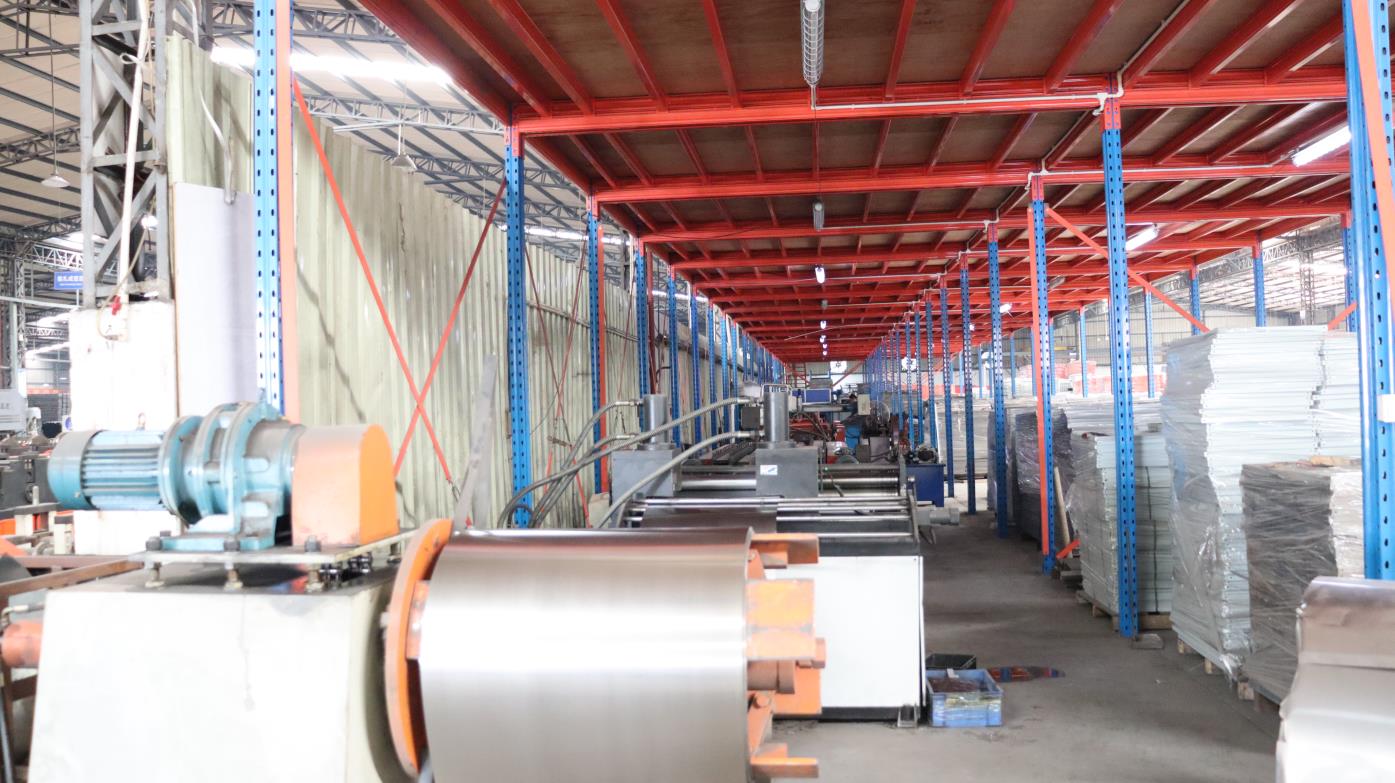
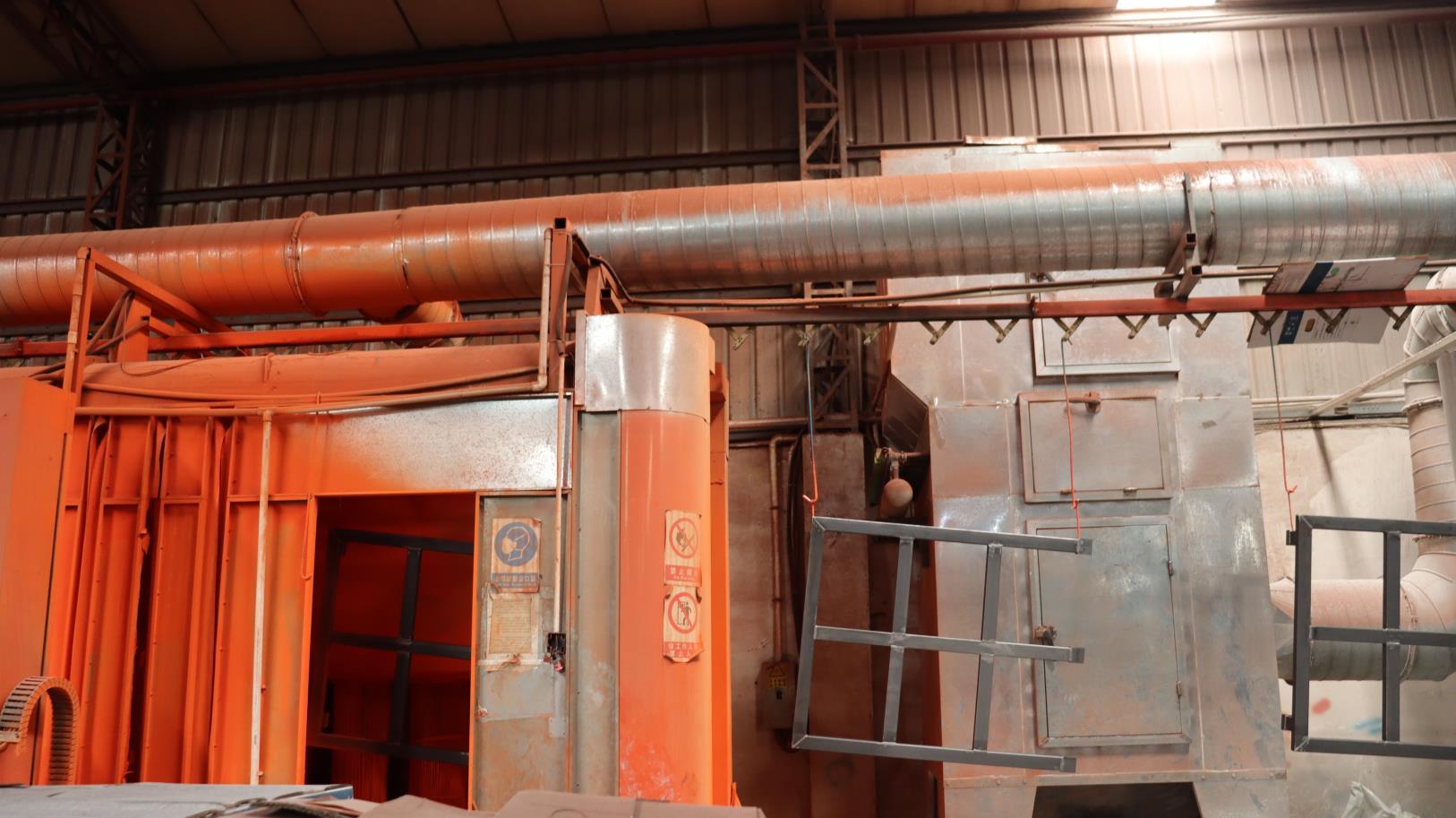
Operating a state-of-the-art facility spanning 35,000 m², our factory boasts continuous roll forming, automated laser cutting, and robotic welding platforms. This allows us to handle large-scale, customized OEM/ODM industrial racking and mezzanine runs concurrently while ensuring rapid delivery timelines.
With 35 dedicated QA professionals and 28 R&D engineers, Lijin implements multi-stage quality gates. Last year, our engineering team launched over 85 new storage configurations, guaranteeing conformity to CE, ISO, and TUV structural benchmarks.
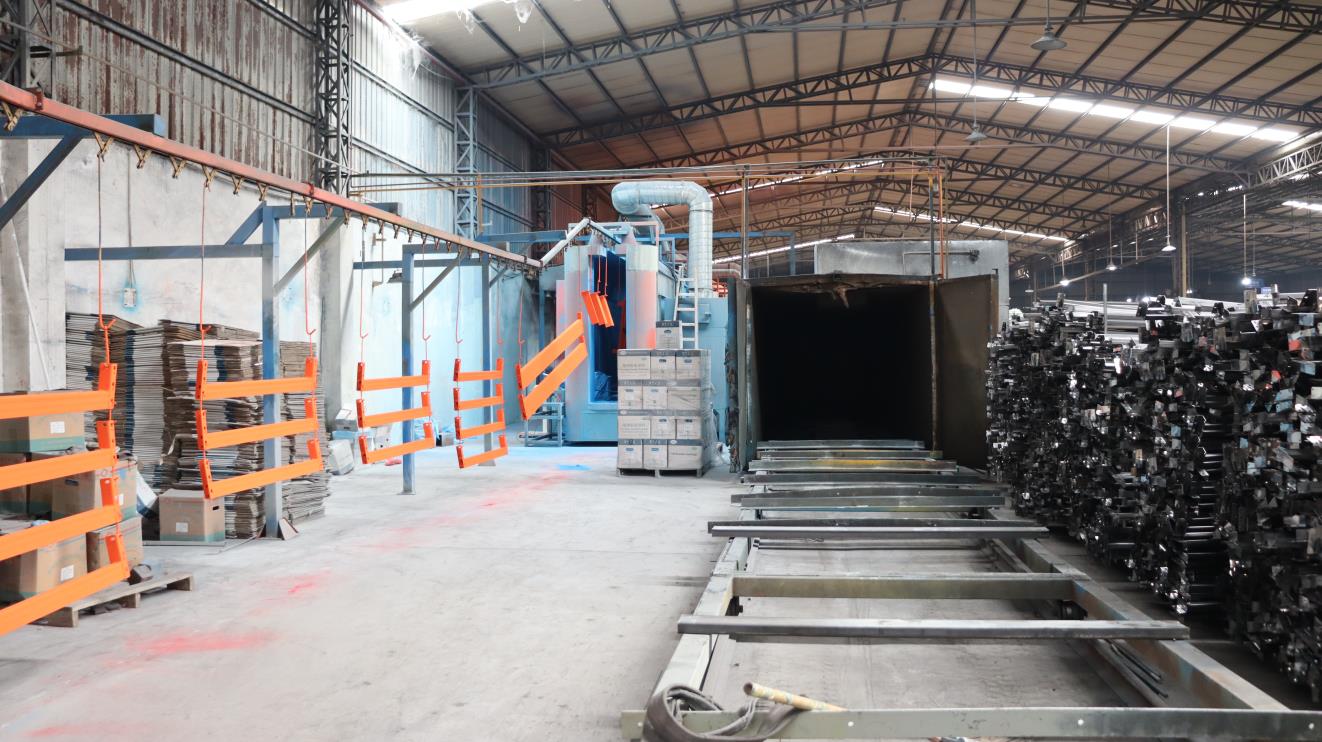
Witness the journey of raw cold-rolled steel transforming into high-strength modular storage systems.
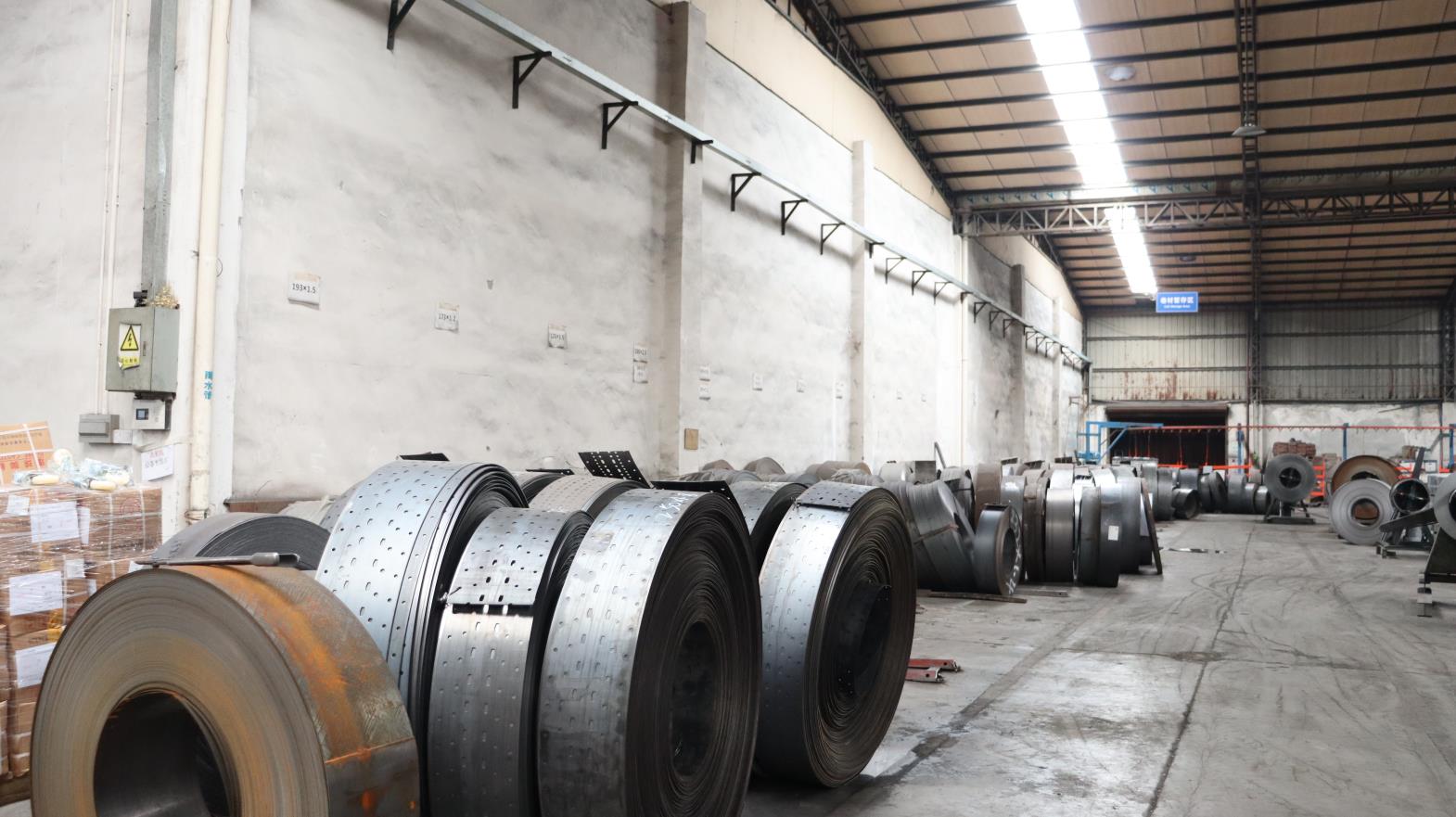
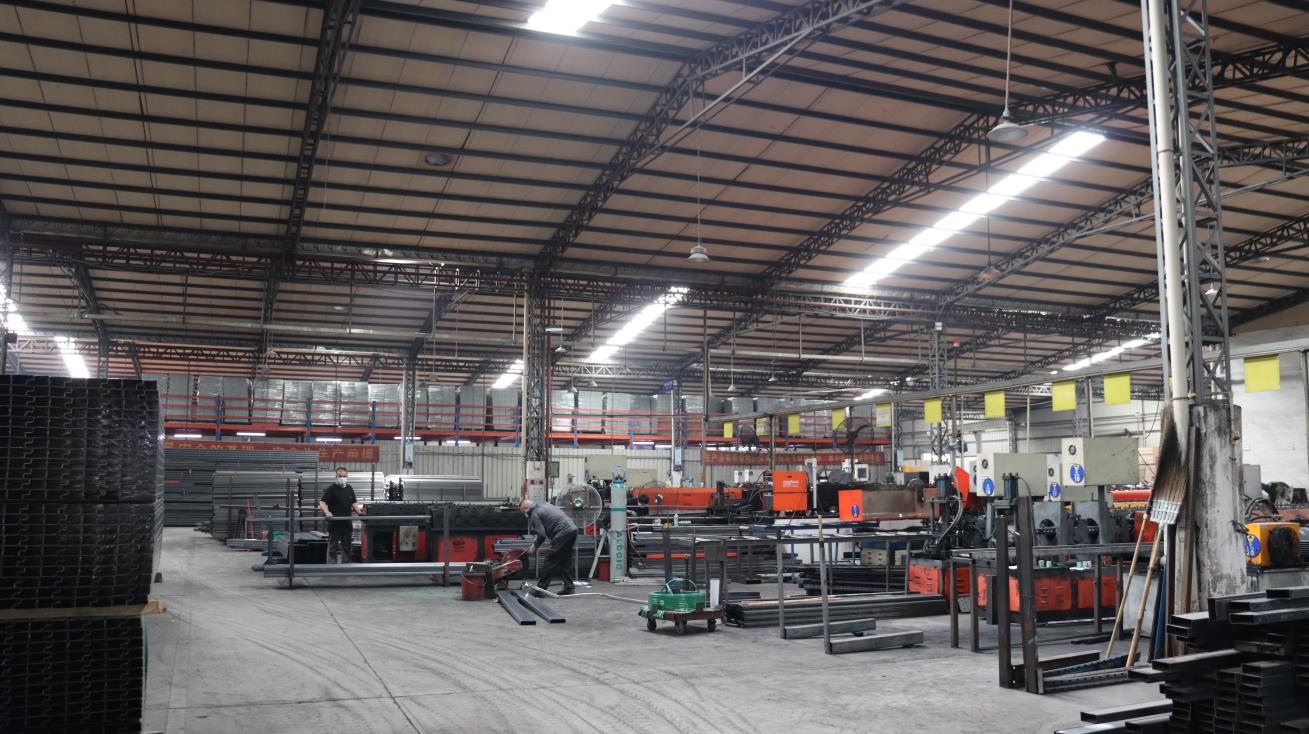
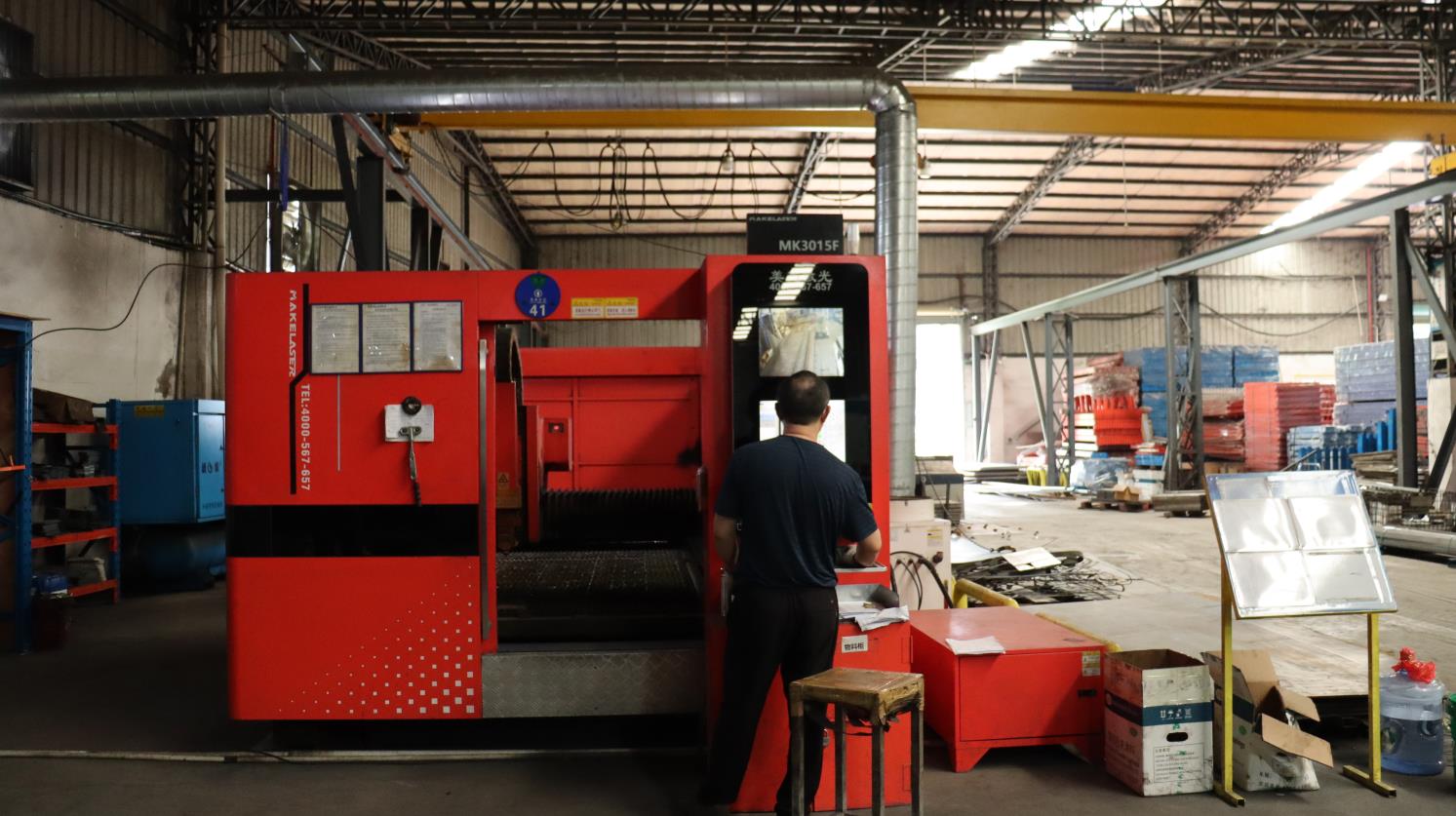
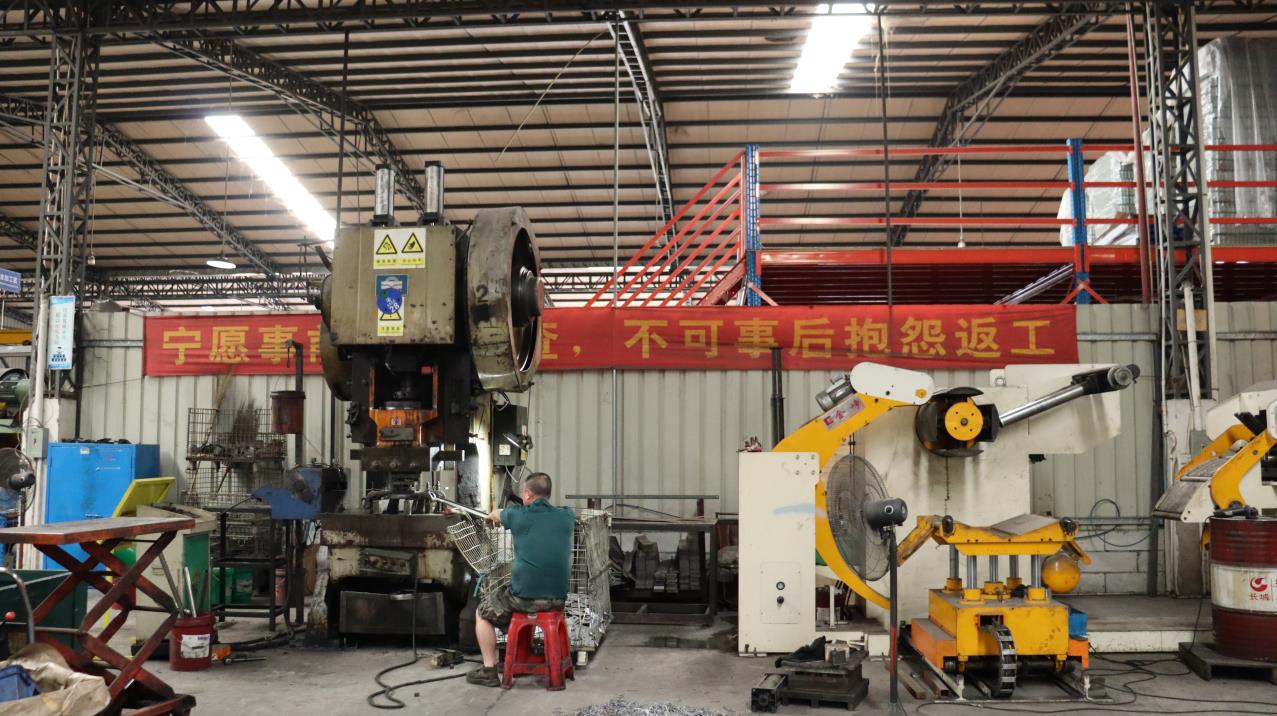
Understanding cold-formed steel standards, load calculations, and advancements in dynamic safety parameters.
The structural integrity of a heavy-duty stack rack rests upon structural calculations. Finite Element Analysis (FEA) serves as our foundational tool to predict load behaviors under both static conditions and dynamic impact stresses. By simulating warehouse scenarios, our R&D team determines the deflection limit of beams (typically L/200 or L/300 as dictated by FEM and RMI standards).
Looking forward, the integration of smart sensors into cold-formed steel racking channels is emerging as the industry standard. These IoT load sensors transmit real-time deflection values directly to the Warehouse Management System (WMS), alerting managers if load thresholds are exceeded. This shift from passive structures to active, self-monitoring systems reduces accidents and protects valuable inventory.
| Chinese Standard | US Equivalent (ASTM) | European Equivalent (EN) | Yield Strength (MPa) | Tensile Strength (MPa) |
|---|---|---|---|---|
| Q235B | A36 / A570 Gr.36 | S235JR (EN 10025) | ≥ 235 | 370 - 500 |
| Q345B | A572 Gr.50 | S355JR (EN 10025) | ≥ 345 | 470 - 630 |
Custom designs for manufacturing, heavy industrial storage, and e-commerce fulfillment hubs.
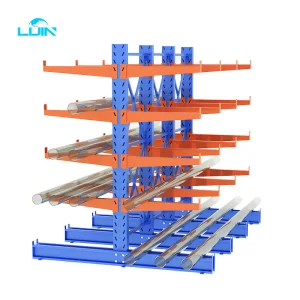
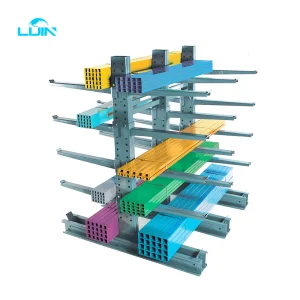
Automotive logistics demands storage configurations capable of handling unevenly distributed, high-density loads such as stamping dies, engine blocks, and body panels. Our customized cantilever systems are constructed to hold arm capacities exceeding 1,000kg, assuring stability in quick-access manufacturing environments.
Sub-zero environments require steel formulations resistant to low-temperature brittleness. Lijin designs custom systems utilizing cold-hardened galvanized alloys, ensuring that condensation and freezing temperatures do not undermine the yield strength of upright frame panels.
For chemical warehousing, surface finish compliance is non-negotiable. Our automated epoxy spraying line provides chemical-resistant coatings that protect structural metal from corrosion caused by spills, ensuring a secure storage footprint.
Mitigate logistics risks, ensure regulatory compliance, and control project lead times.
For procurement managers, selecting a racking supplier in China involves a detailed evaluation of compliance, freight optimization, and raw material transparency. To help streamline your pre-qualification audit, consider the following five criteria:
Request mill test certificates (MTC) for all steel batches. Ensure the raw materials meet the minimum yield and tensile strength requirements specified in your national building codes.
Verify that your engineering partner utilizes static load programs configured to local seismic coefficients (e.g., ASCE 7 parameters in the United States or Eurocode 8 in Europe). Racks must be customized with heavy-duty baseplates and anchor bolts for high-risk seismic zones.
Check if the supplier implements AWS (American Welding Society) standards or ISO 3834 welding quality assurances. Ultrasonic non-destructive testing (NDT) should be regularly performed on load-bearing weld seams.
Storage racking is heavy and bulky. Custom steel strapping, dynamic foam corner protection, and secure wood pallets are required to prevent damage during ocean transit. Optimize your orders for 40ft High Cube (HC) containers to maximize shipping economy.
Addressing engineering queries, shipping processes, and structural design standards.
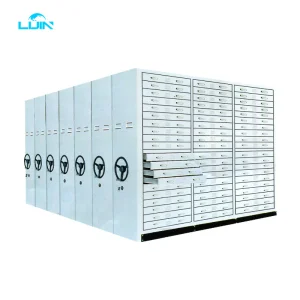
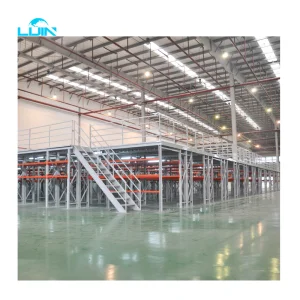
Browse our complete list of heavy-duty pallet racking, movable school/office systems, and structural mezzanines.
 Lijin Racking