Explore our leading industrial racking and mezzanine designs optimized for global logistics operations.
Analyzing global supply chain evolution, mechanical design variables, and warehouse spatial economics.
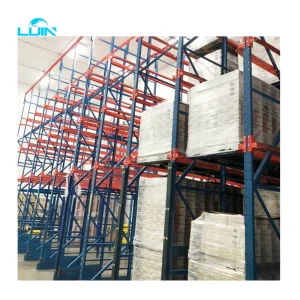
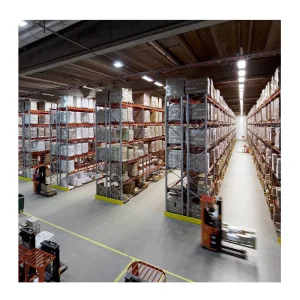
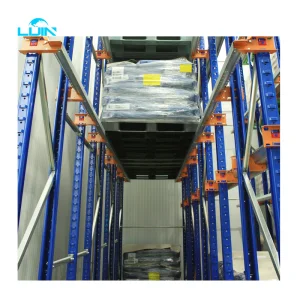
In the modern global supply chain network, industrial space optimization is no longer simply an operational metric; it is a primary strategic imperative. Driven by skyrocketing commercial real estate valuations, rapid e-commerce expansion, and the specialized demands of temperature-controlled storage, facility designers are under intense pressure to maximize volumetric utilization. The global logistics industry is experiencing a pivot toward high-density configurations, specifically drive-in storage racking architectures, which eliminate conventional operating aisles to recover up to 85% of standard cubic volume.
As urban logistics centers move closer to consumer bases, land costs continue to escalate exponentially. Traditional selective pallet racking systems, while offering excellent selectivity, lose up to 60% of floor space to forklift maneuvering paths. By consolidating storage lanes into continuous deep-lane layouts, drive-in systems operate on the LIFO (Last-In, First-Out) principle, concentrating homogeneous products in high volumes. This structural efficiency translates to immediate operational cost reduction, particularly in cold-storage environments where cooling empty aisle space constitutes an ongoing financial drain.
Design Insight: By shifting from selective pallet racking to a unified drive-in layout, cold storage facilities regularly experience a reduction in energy overhead of up to 35% per stored pallet position.
Drive-in systems require rigorous engineering to guarantee structural integrity, as the operating equipment must physically drive into the racking structure. This setup exposes the framework to recurring load cycles and potential forklift impacts. Dynamic analysis of columns, upright frames, and load-bearing cantilever rails must account for wind, structural tolerances, and seismic zones (pursuant to RMI/ANSI MH16.1 specifications). Unlike traditional racking where beams tie the frame structure horizontally at every level, drive-in structures utilize top-tie beams and heavy-duty back-bracing systems to ensure stability.
The choice of structural steel is critical. High-grade roll-formed steel with structural thickness profiles ranging from 1.8mm to 2.5mm is deployed for vertical uprights. Load rails, supporting the pallet edges, must withstand high shear and vertical bending stresses. The design incorporates critical elements like guide rails to align forklifts, heavy-duty column protectors, and floor-level wheel guides that direct operators, mitigating structure-to-vehicle collision risks.
| Engineering Parameters | Standard Configuration | Heavy Duty Option | Compliance Standards |
|---|---|---|---|
| Steel Quality Grade | Q235B Cold Rolled Steel | Q345B High-Tensile Steel | GB/T 1591, ASTM A1011 |
| Upright Section Dimensions | 90mm x 70mm x 2.0mm | 100mm / 120mm x 2.5mm | RMI Standard / EN 15512 |
| Powder Coating Thickness | 60 - 70 Microns | 80+ Microns (Galvanized) | ISO 9227 Salt Spray Tested |
| Load Capacity (Per Pallet) | 500kg - 1,000kg | 1,200kg - 1,800kg | ANSI MH16.1, AS4084-2012 |
System designers must align spatial priorities with product rotation dynamics. Drive-in setups work ideally for products with long shelf lives and consistent distribution volumes (such as beverages, industrial chemicals, packaging materials, and bulk agricultural goods). For applications requiring strict FIFO (First-In, First-Out) operations, drive-through systems are utilized, featuring dual access points (entry on one side, exit on the opposite). However, drive-through layouts require additional structural tiebacks and cross-bracing considerations to handle the loss of rear-stabilizing cross-braced frames.
Deep manufacturing footprint, verified international trade performance, and professional R&D infrastructure.
Established in 2015, Shenzhen Lijin Storage Equipment Co., Ltd. is a leading enterprise specializing in the design, manufacturing, and global distribution of heavy-duty warehouse racking systems, automated storage solutions, and industrial shelving. Spanning a state-of-the-art facility of 35,000 m², we have developed into a trusted global supply chain partner with over 8 years of direct export experience and more than 12 years of deep industry expertise. Driven by innovation and quality, our global revenue reached USD 22 million last year.
Supported by a skilled team of 28 R&D engineers, Shenzhen Lijin delivers comprehensive OEM and ODM solutions tailored to unique warehouse layouts, seismic requirements, and capacity needs. Our engineering team launched over 85 new products and dynamic storage configurations last year, continuously setting new standards in space optimization and modern automated storage integration.
Step-by-step production routing and manufacturing machinery portfolio enforcing zero-defect product runs.
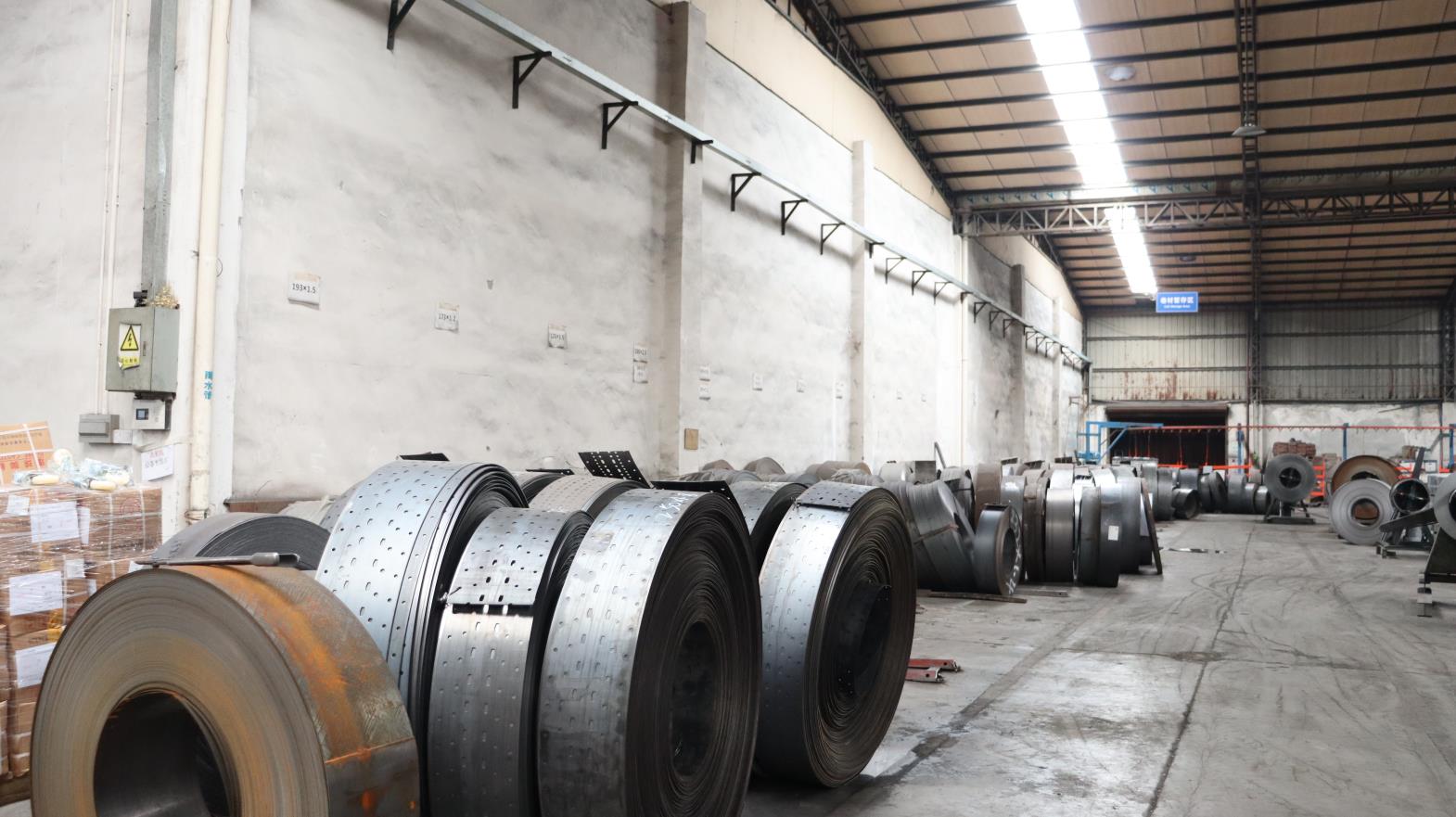
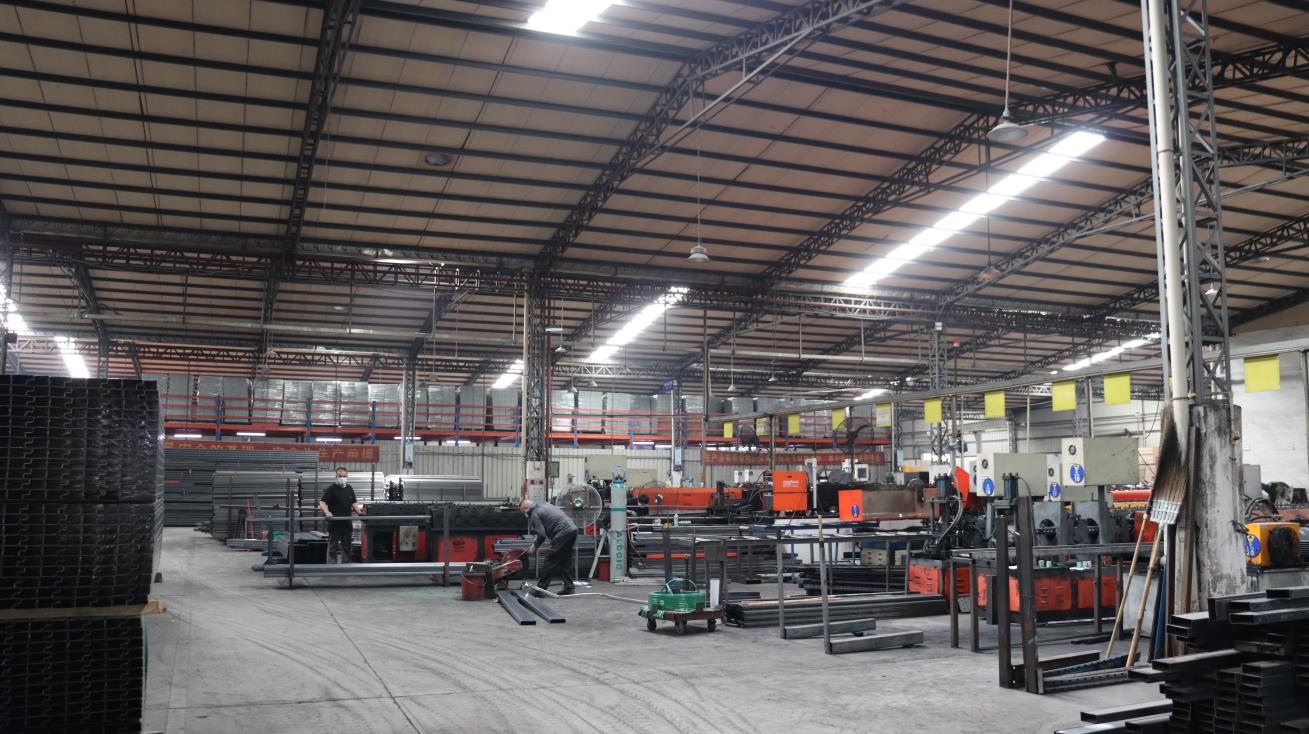
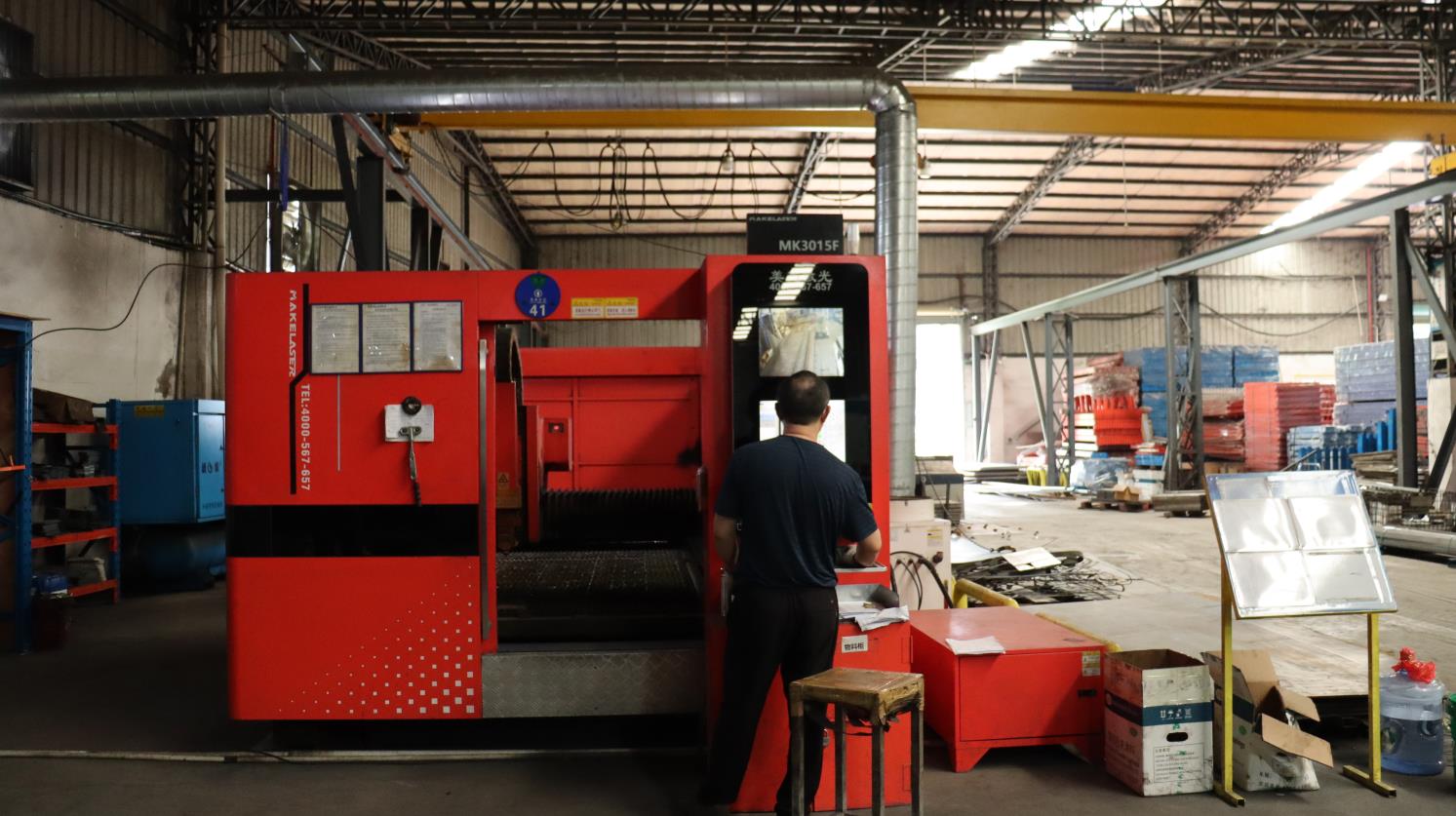
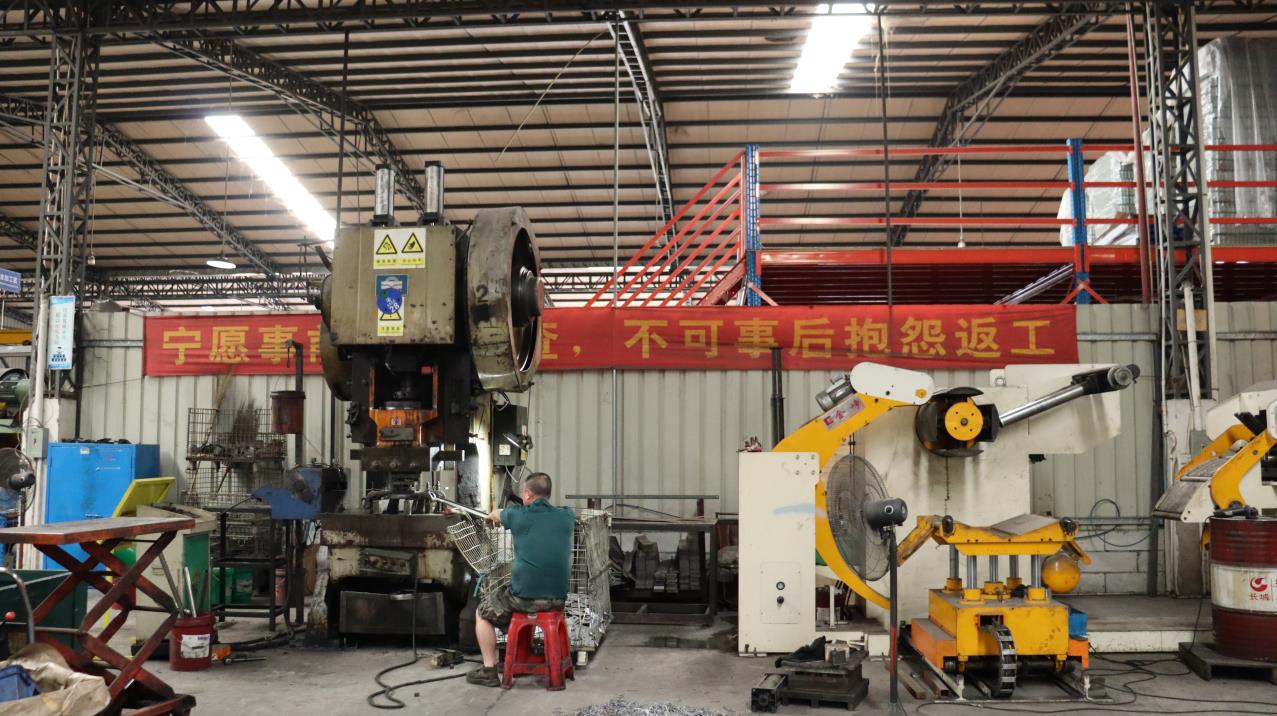
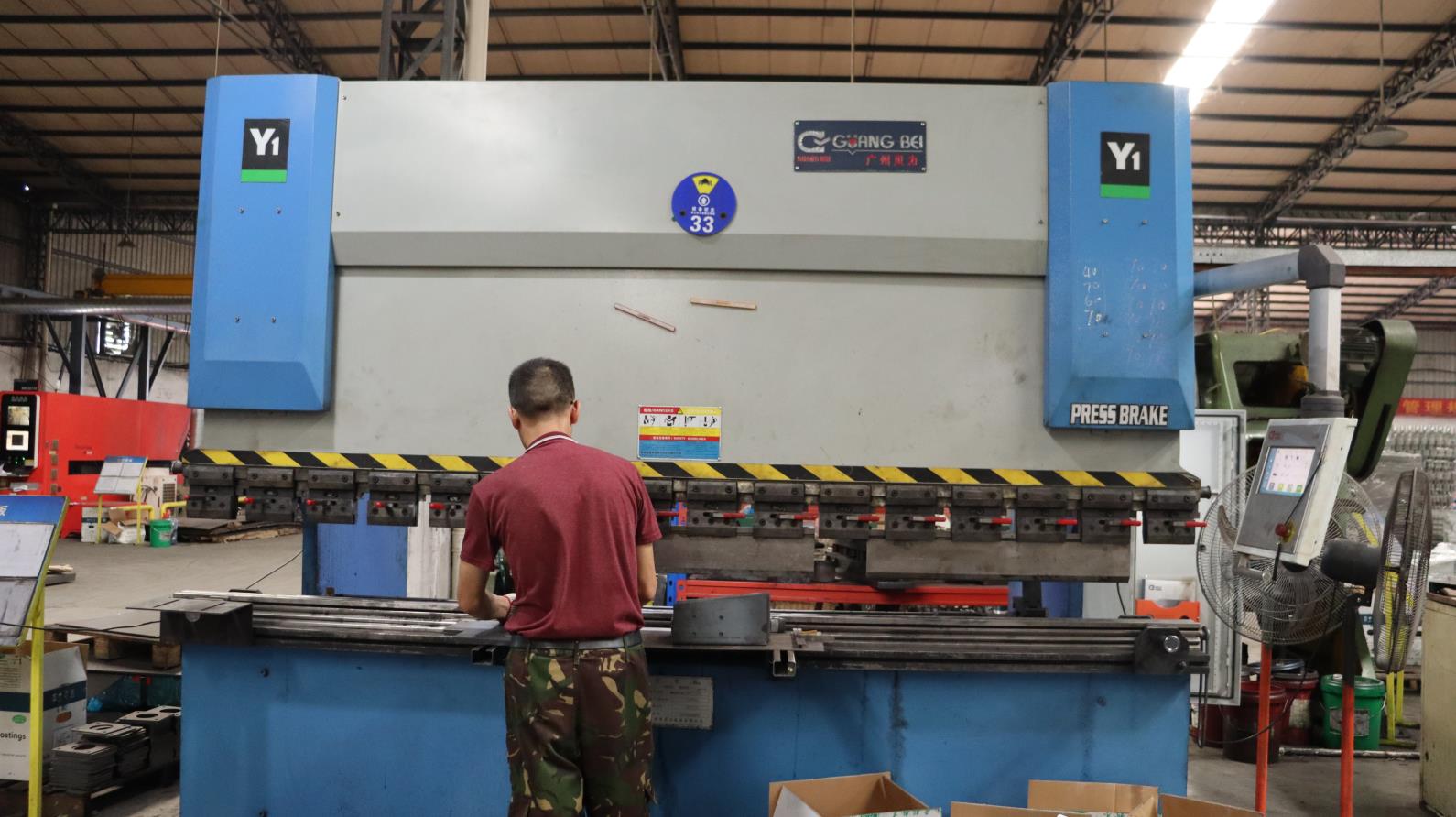
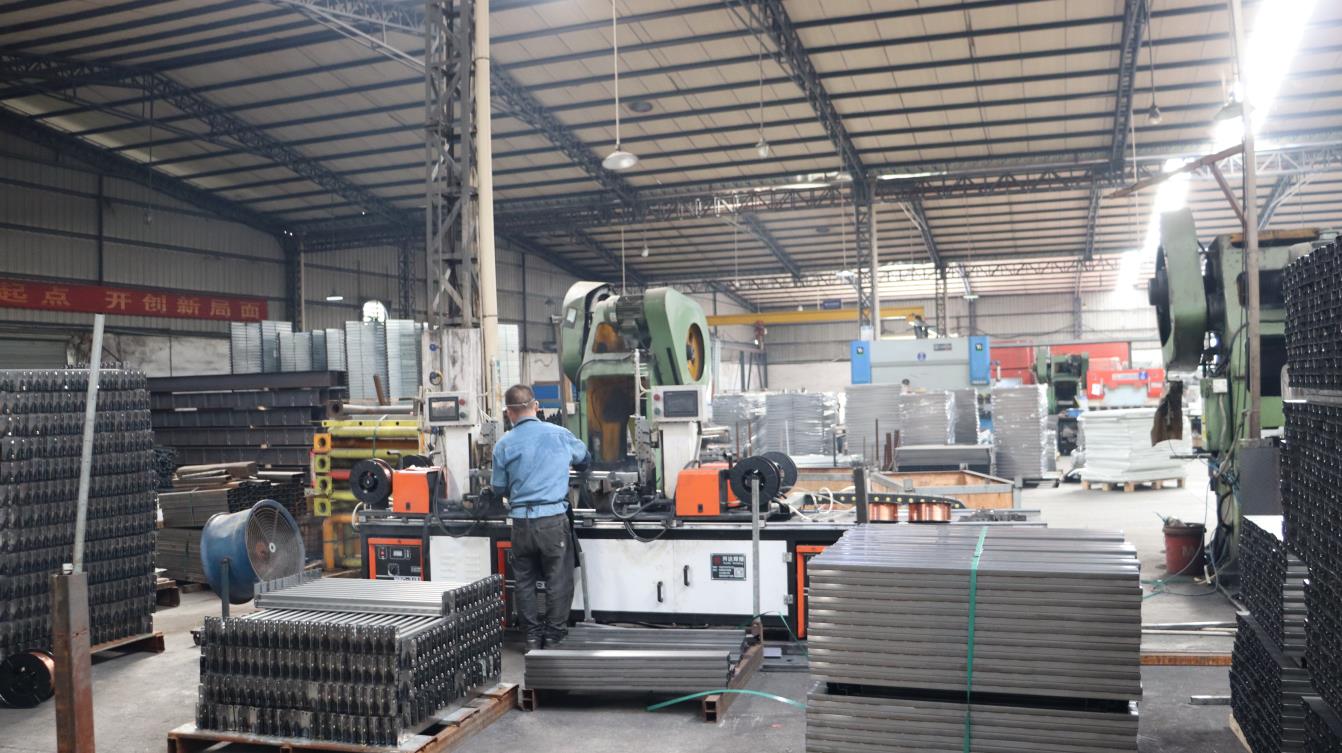
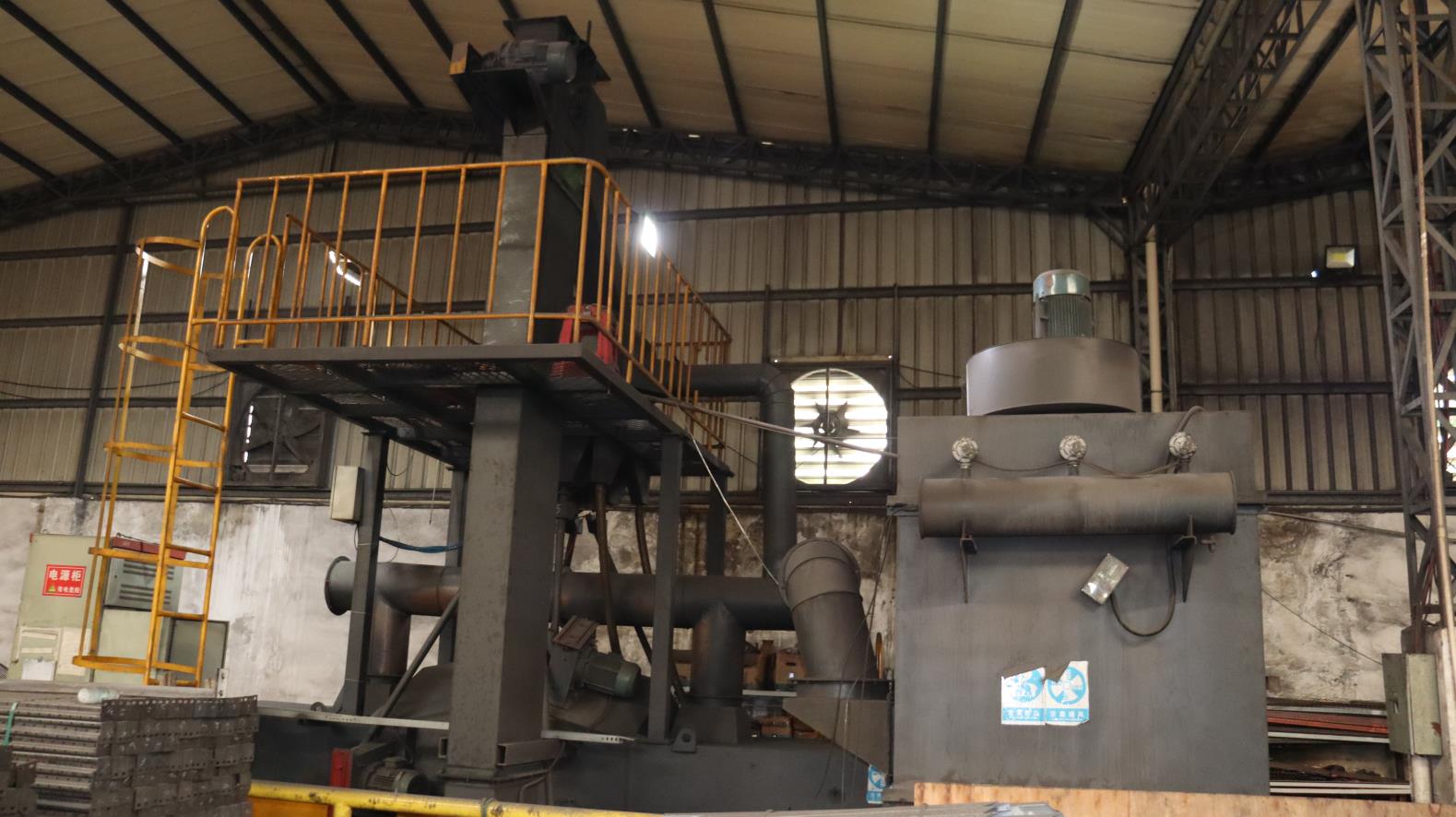
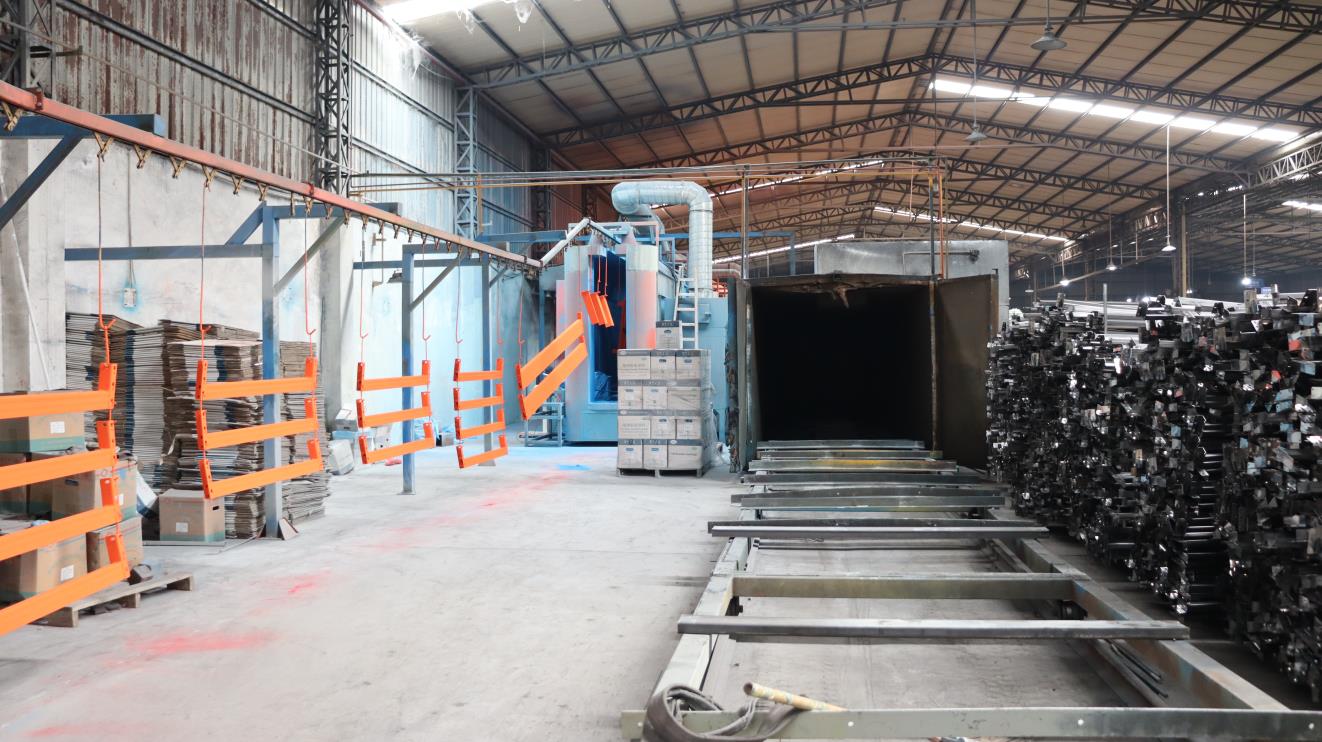
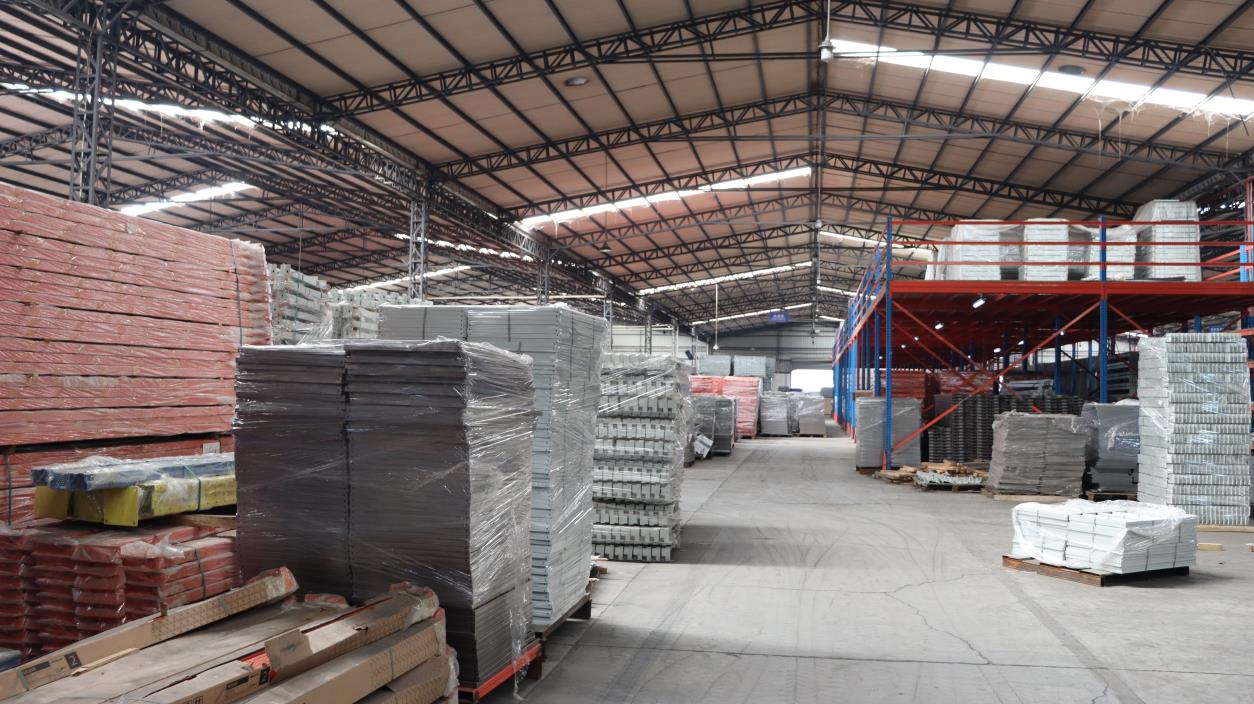
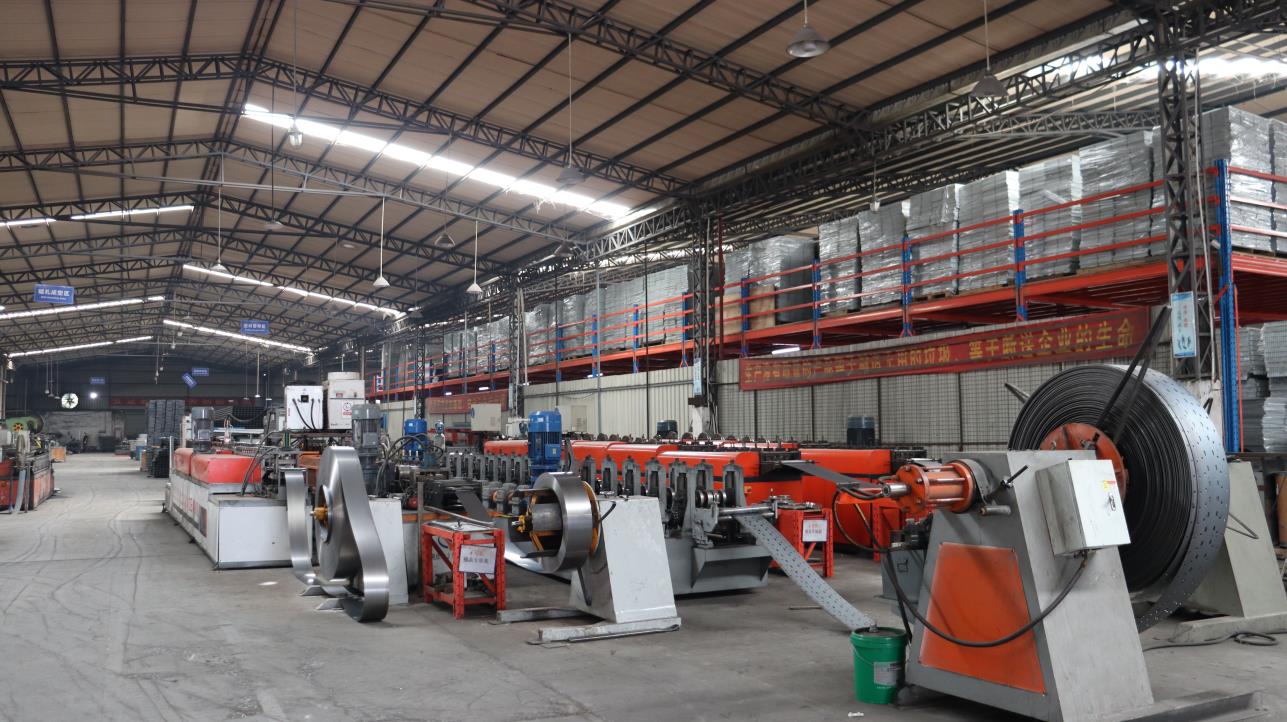
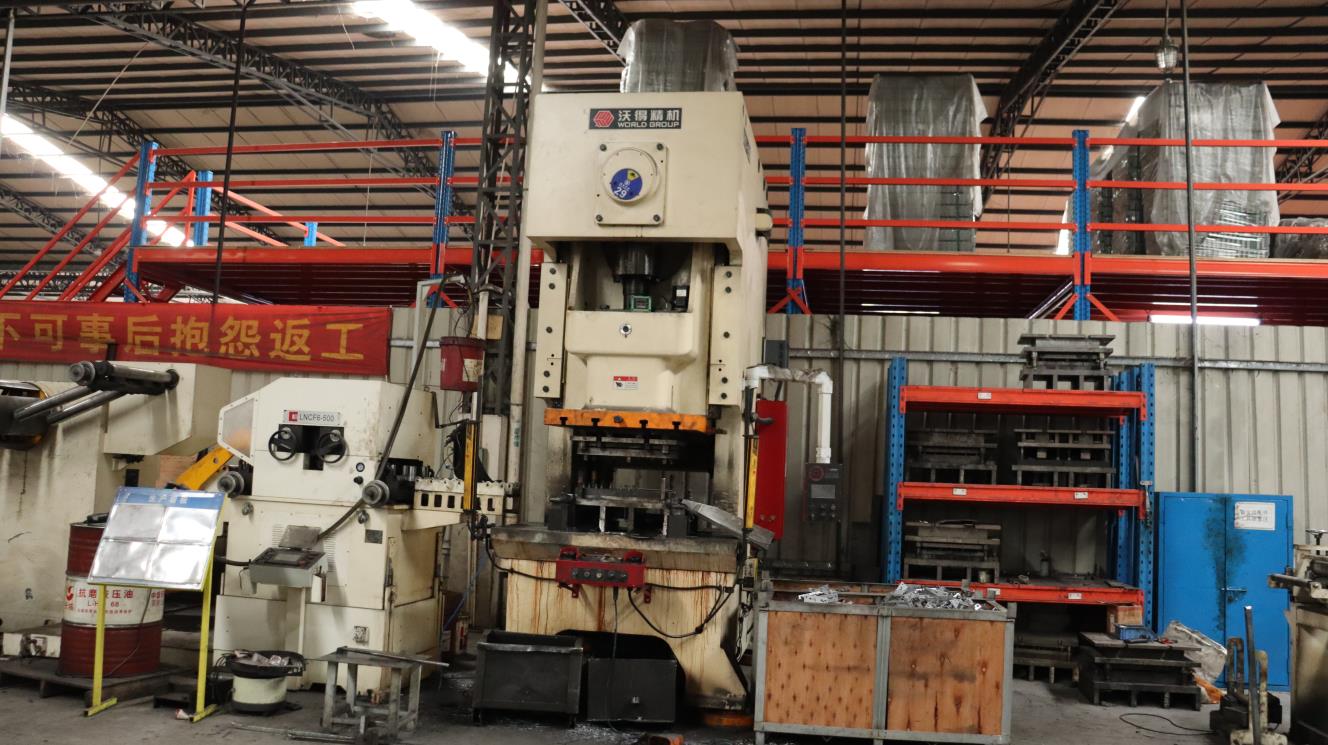
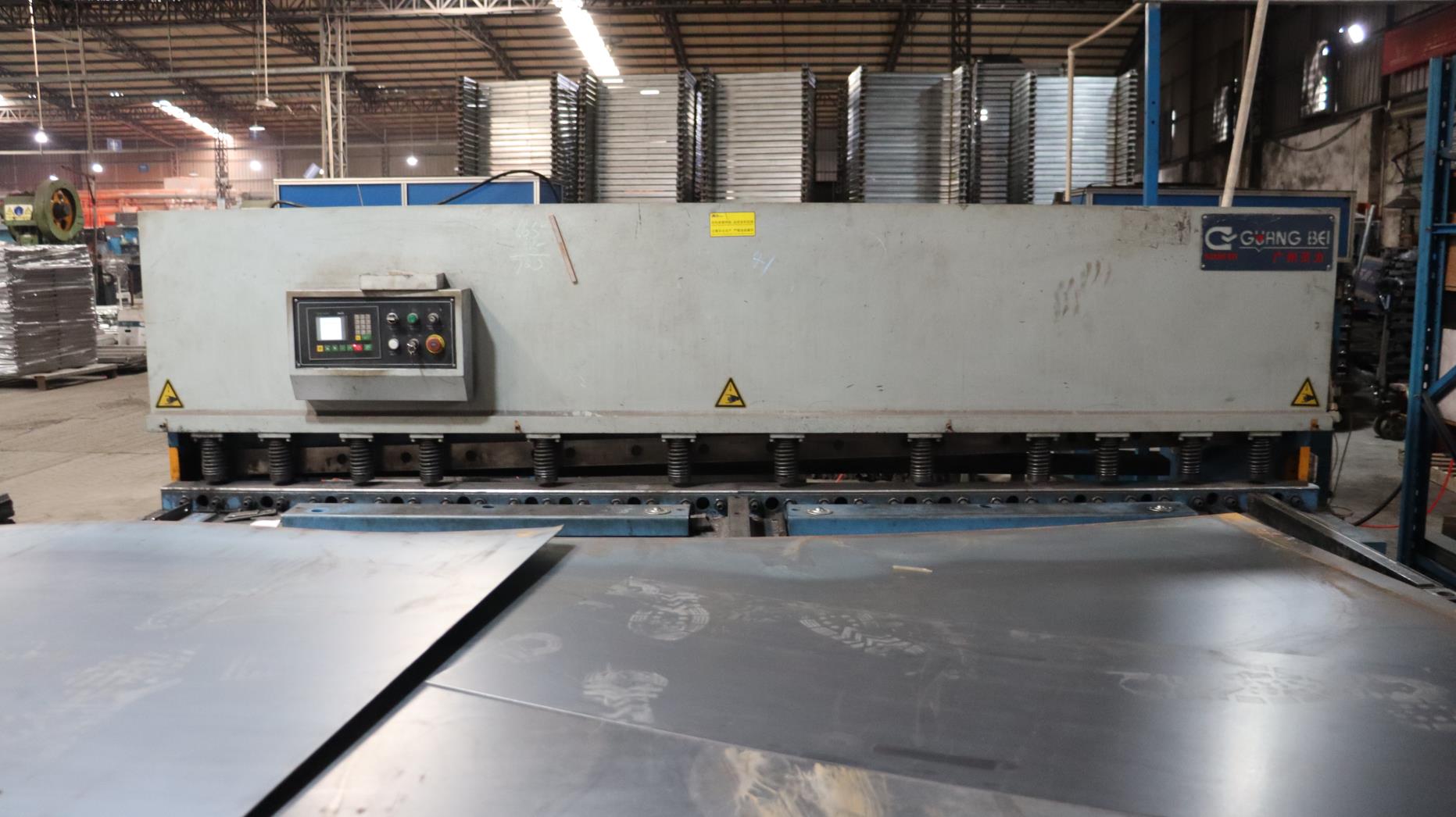
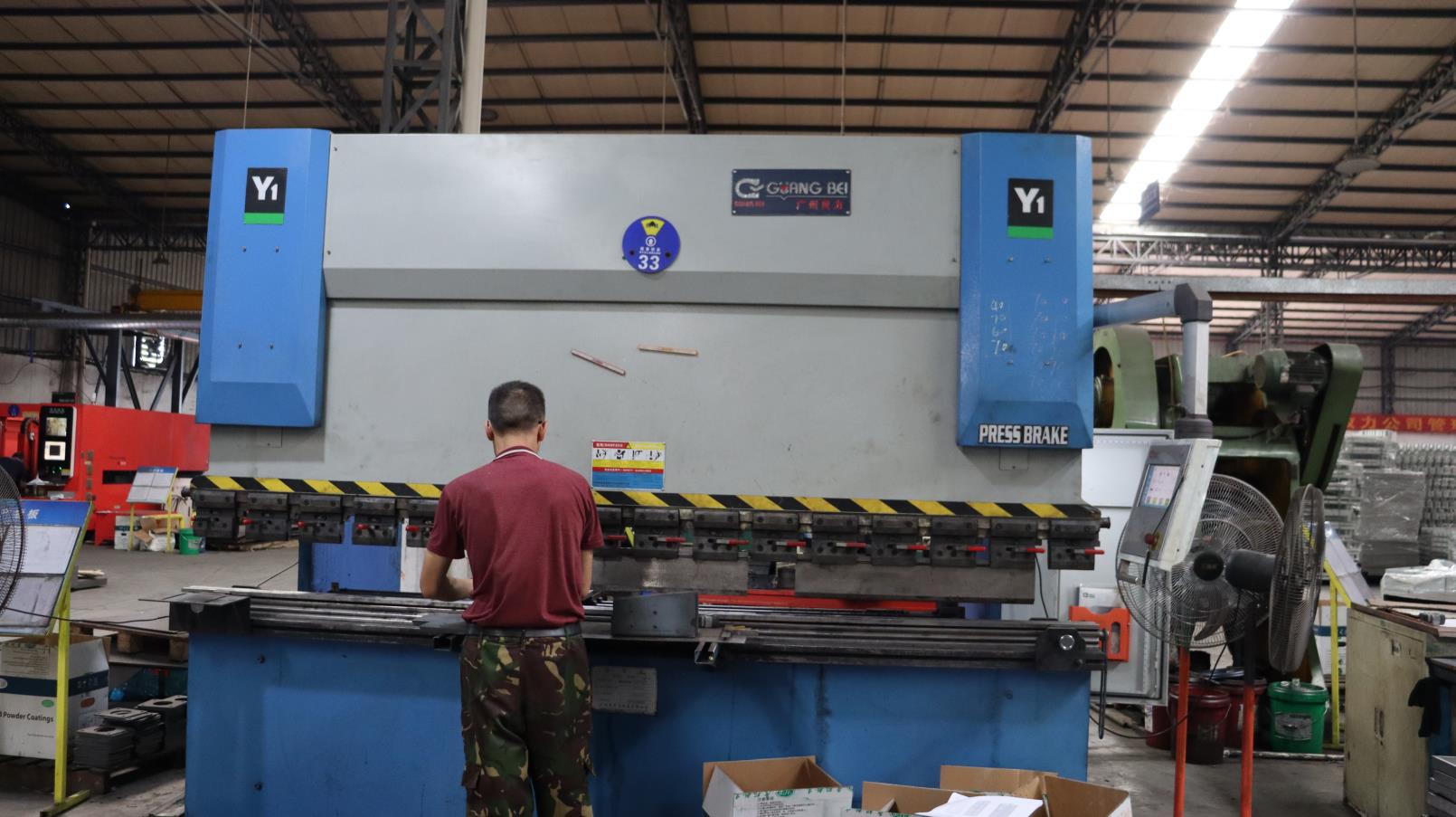
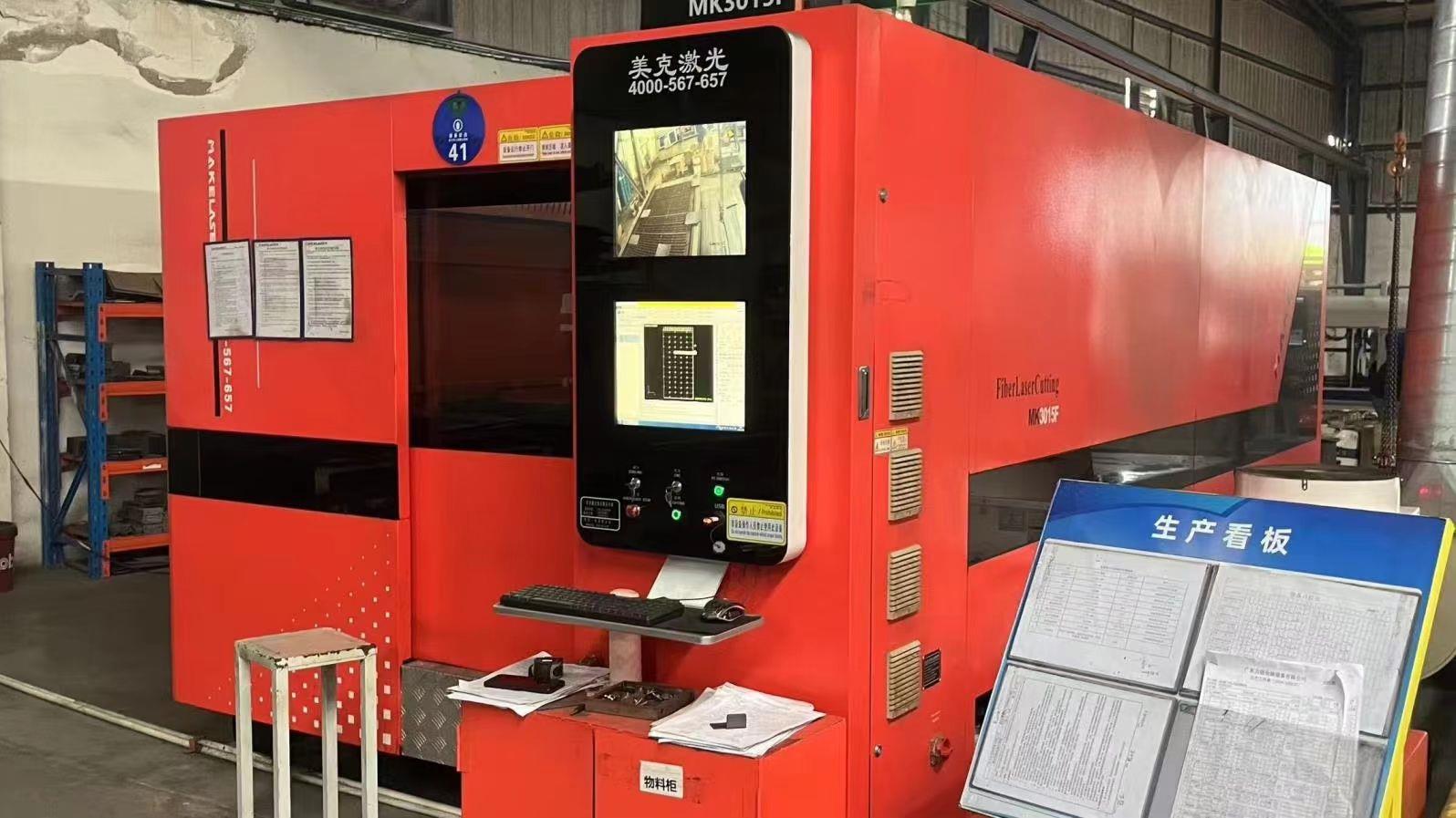
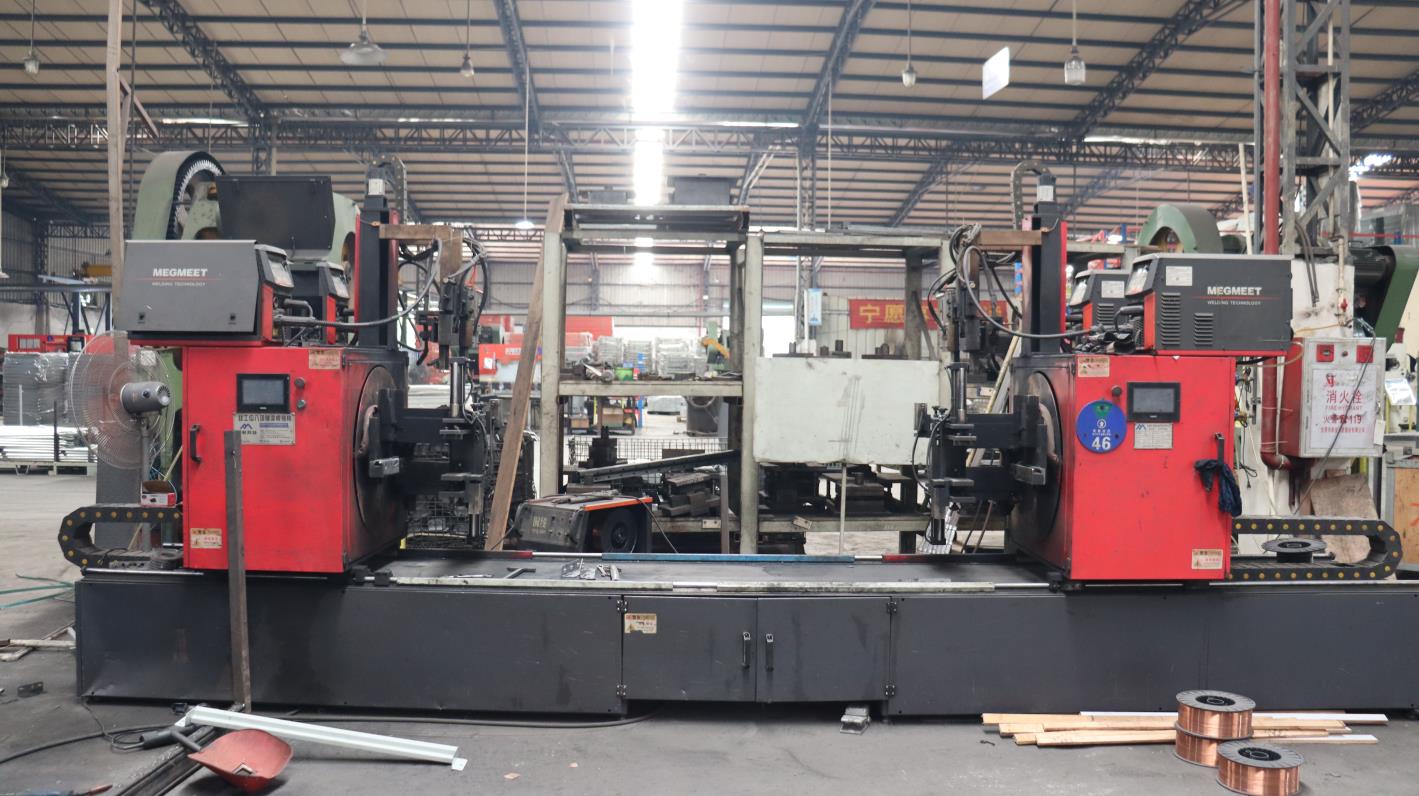
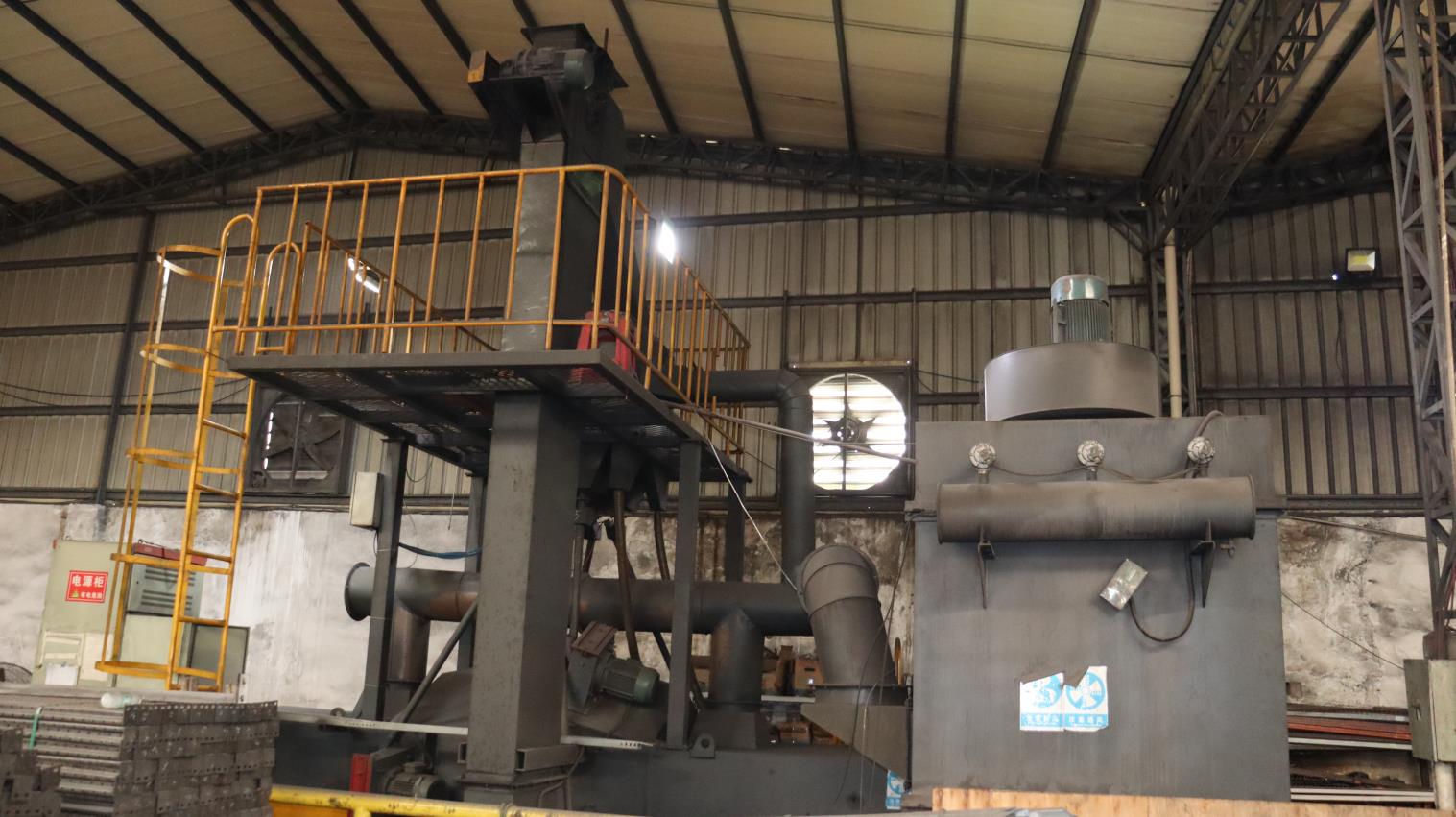
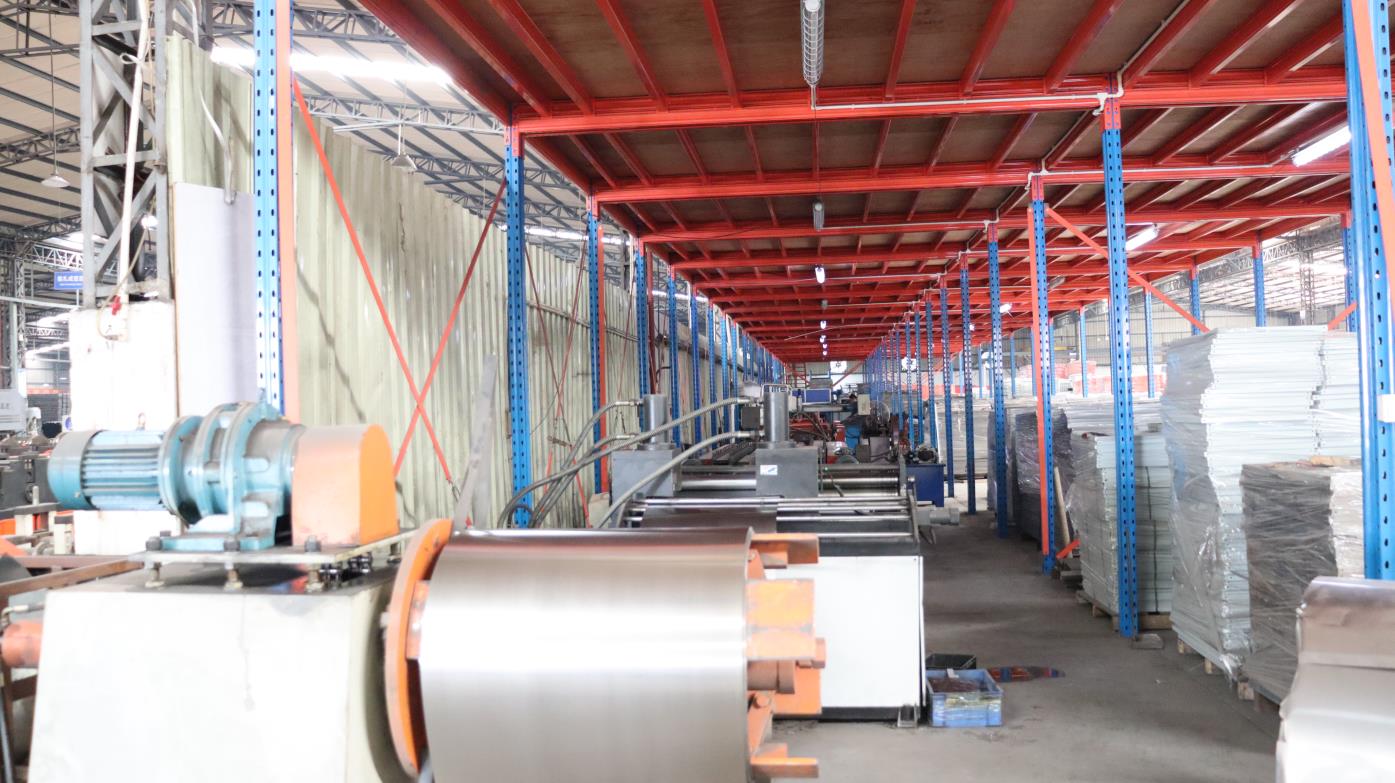
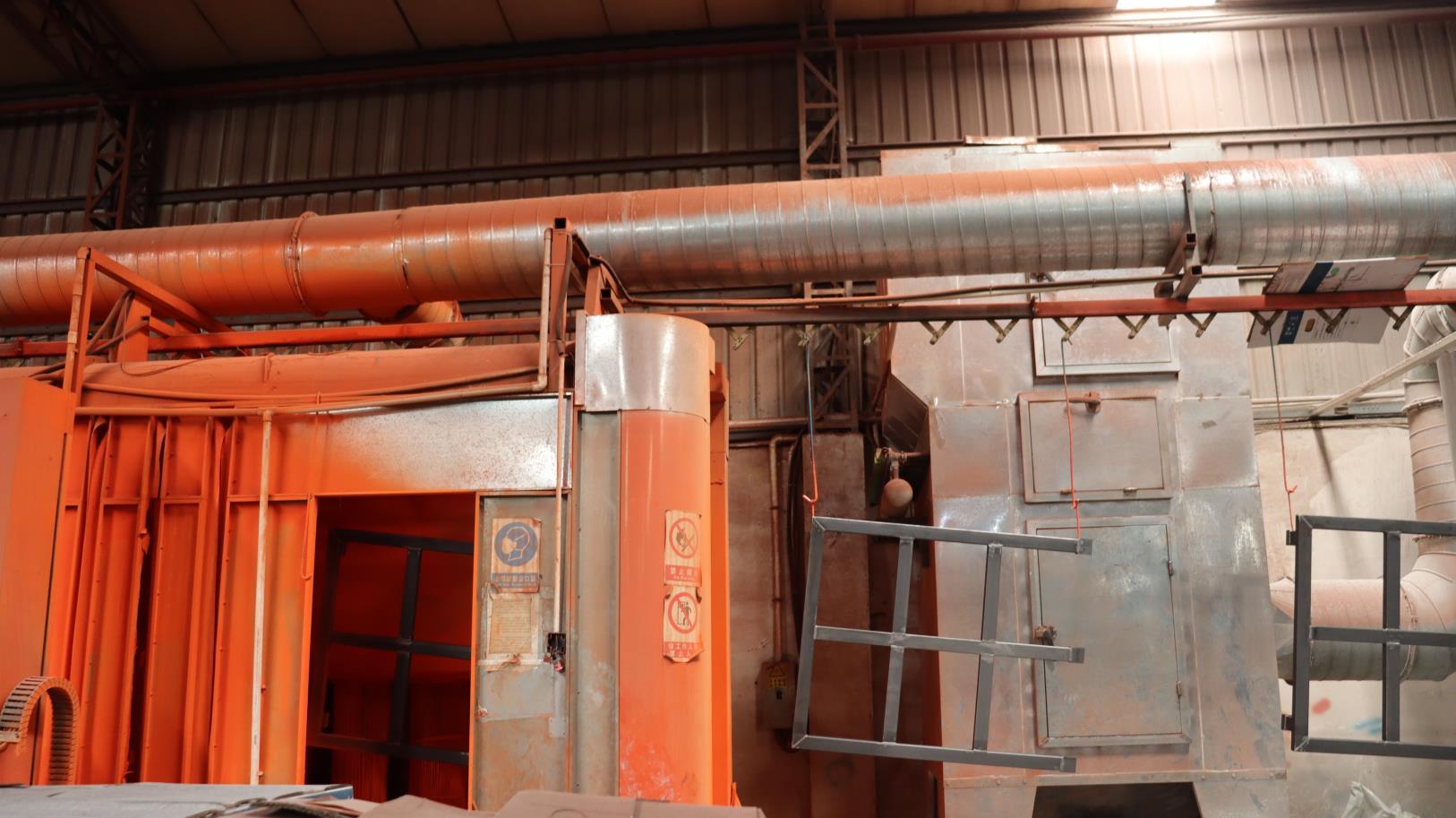
We enforce a rigorous, multi-stage quality control system—including ultrasonic non-destructive testing, automated weld inspection, laser dimensional checking, and heavy-load endurance testing. Backed by an in-house quality inspection team of 35 dedicated professionals, every batch meets international safety and structural standards, ensuring maximum load-bearing efficiency and long-term stability. Our automated roll forming lines and laser cutting arrays maintain fabrication tolerances within 0.5mm, ensuring seamless assembly on-site.
Exporting heavy-duty structural steel products requires strict adherence to destination-market regulations. Lijin designs conform to the European EN 15512 standard, the Australian AS 4084-2012 standard, and American RMI provisions. By running FEA (Finite Element Analysis) virtual stresses before factory tooling, we simulate high load cases and dynamic forklift strikes.
We partner with local engineering firms in North America, Western Europe, and Australia to verify local permit documentation, stamp design calculations, and manage site installations. This proactive alignment minimizes processing friction with regional structural inspectors and complies with local occupational safety guidelines.
Different operating environments require specific modifications to the racking system:
The warehouse storage sector is shifting toward automation. Conventional drive-in systems are increasingly designed to allow for direct conversion into semi-automated Radio Shuttle Systems. By installing running tracks along the load rails, operators can introduce self-powered shuttle carts that deposit and retrieve pallets, keeping forklifts out of the racking structures entirely.
This hybrid upgrade capability allows growing businesses to invest in cost-effective drive-in racking today, with the option to transition to automated shuttle operations later without replacing the structural framework.
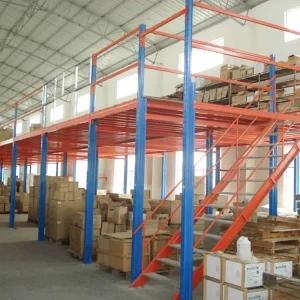
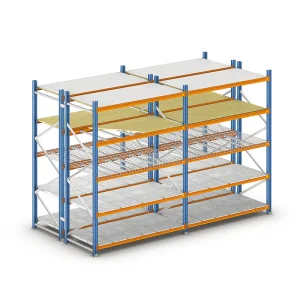
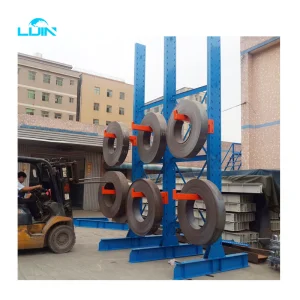
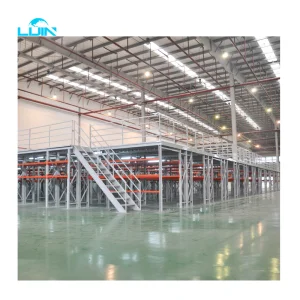
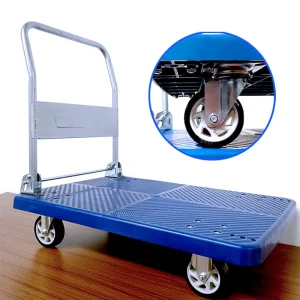
Explore our industrial range including heavy mezzanine decks, cantilever systems, and customized steel racks.
Expert answers addressing structural design, safety, forklift configurations, and customization limits.
Generally, standard drive-in configurations support depths of 6 to 10 pallets per lane. Going beyond 10 pallets increases retrieval cycle times and heightens the risk of forklift impacts inside the lane. For applications requiring greater depth, we recommend upgrading to semi-automated radio shuttle systems.
Because drive-in lanes do not use horizontal load beams, frame alignment is critical. Standard concrete slab tolerances should conform to FM2 classification specifications (or equivalent local standards). Large floor variations require adjustable leveling plates under the upright bases to prevent structural lean.
Most standard counterbalanced and reach trucks can operate within drive-in systems. However, the outer dimensions of the forklift (including overhead guard and chassis width) must clear the racking uprights, leaving at least 75mm to 100mm of clearance on each side. We customize bay widths during the design phase to match your specific forklift models.
Yes. We offer several safety accessories, including bright safety-yellow floor guides, upright protectors, pallet backstops, and overhead protection frames to safeguard your operators and racking structure from accidents.
Our structural steel meets international ASTM and GB/T requirements. Our welding processes are certified to meet AWS (American Welding Society) and European EN standards, backed by ultrasonic non-destructive testing for every product batch.
 Lijin Racking