CE Compliant Manufacturing

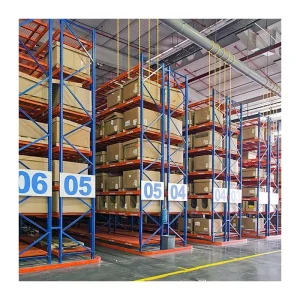
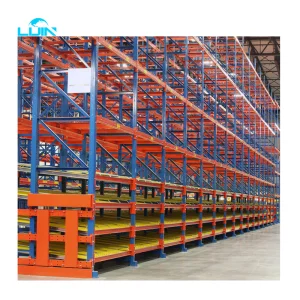
CE Certified Impact Racks Manufacturer & Supplier

High-Density Industrial Steel Storage Systems Engineered to Withstand Dynamic Force, Safeguard Personnel, and Maximize Warehouse Efficiency Worldwide.

Rigorous EN 15512 Testing Standard Structural Grade Q235B & Q355B Steel

Whitepaper: Structural Engineering and Dynamic Load Performance of CE Certified Impact Racks

An in-depth analysis of structural integrity compliance under European EN 15512 standards, dynamic impact resilience, and global supply optimization for modern high-throughput logistics hubs.

Executive Summary: The Physics of Warehouse Safety & System Integrity

Modern supply chains require taller, denser storage systems that operate under aggressive turnaround times. As forklift speeds and automated guided vehicle (AGV) frequencies increase, warehouse upright frames undergo severe mechanical strain. This technical document examines the engineering criteria, material choices, and manufacturing processes required to manufacture structural storage racks capable of resisting repetitive impact force without collapsing.

1. Understanding Structural Steel Grade Requirements: Q235B vs. Q355B

The core structural integrity of heavy-duty industrial storage racks depends strictly on the chemical composition and mechanical properties of the steel profiles used. At Shenzhen Lijin, our raw materials undergo precise verification using carbon equivalent analysis and tensile strength examinations.

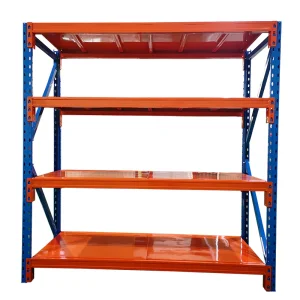
  • Q235B Carbon Structural Steel: Known for its optimized balance of ductility, weldability, and yield point (minimum yield strength of 235 MPa). It acts as the industry standard for upright channels, braces, and standard pallet beam profiles that require consistent formability and load capacity.
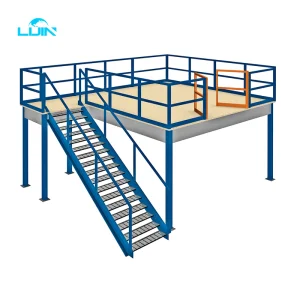
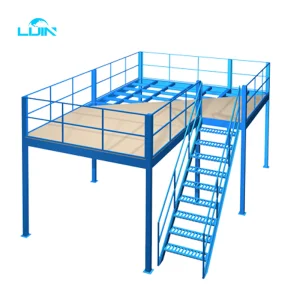
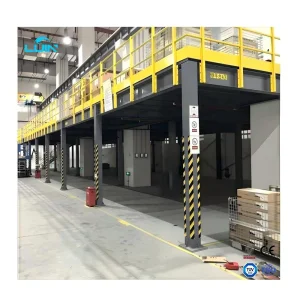
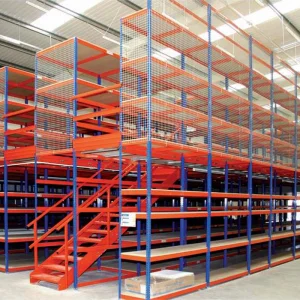
  • Q355B Low-Alloy High-Strength Steel: Utilized in high-load structural sections, heavy-duty mezzanine support systems, and extreme-load cantilevers. Featuring a yield strength of 355 MPa, it provides critical resistance against sudden shear forces caused by material handling operations.

By using computerized roll-forming and laser-cutting procedures, structural deflections are kept within a tolerance margin of less than L/200 (where L equals the beam span height), complying strictly with the safety guidelines mandated by standard EN 15512.

2. Impact Racks and Dynamic Load Dissipation Engineering

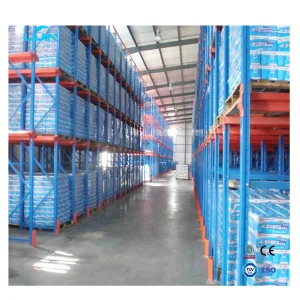
Standard static storage calculations often fail to estimate the damage caused by heavy material handling machinery. For instance, when a loaded 3-ton forklift strikes a rack frame upright at low speeds (1-2 meters per second), the instant energy transfer exceeds several thousand Joules of kinetic force. Standard frames deform permanently, creating structural risk.

True impact-resistant racking systems utilize a multi-layered load distribution design:

  1. Dual-Upright Reinforcements: Doubling the steel thickness at the critical structural base (up to 2.5mm or 3.0mm profiles) increases the resistance to local mechanical buckling.
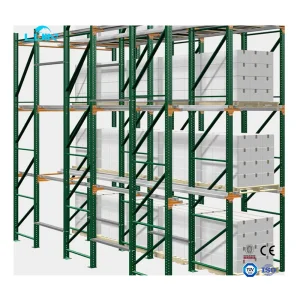
  2. Optimized Structural Deflector Guards: Strategically positioned guide rails and wrap-around column protectors decouple direct forklift collision energy, routing shock waves into the concrete slab rather than the upright uprights.
  3. Heavy-Duty Anchor Bolt Shear-Strength: High-tensile expansion anchors securely lock the baseplates to the warehouse slab, ensuring the base connection functions as a moment-resisting joint.

3. Global Industrial Context: Localized Requirements & Regulations

Different operating markets demand compliance with distinct structural design methodologies. A true global partner must offer multi-standard engineering compliance:

  • European Union (EN 15512 & EN 15620): Requires strict plastic design methodologies, considering second-order structural effects and safety factors for structural stability, dynamic frame stability, and geometric clearances. CE certification is mandatory to guarantee warehouse safety.
  • Americas (RMI/ANSI MH16.1): Emphasizes cold-formed steel engineering principles, using direct design methods to evaluate lateral stability and structural deflection thresholds.
  • Seismic Zone Geometries: Storage platforms must include diagonal cross-bracing and oversized baseplates to distribute vertical load columns over concrete surfaces during seismic events.

Shenzhen Lijin Storage Equipment Co., Ltd.

A Global Powerhouse in Structural Warehouse Storage Engineering, Research, and Custom OEM/ODM Production Excellence.

35,000 m²
Production Facility
USD 22M
Annual Revenue
12+ Years
Industry Expertise
28 Engineers
R&D Specialists
35 Members
Dedicated QC Team

Founded in 2015, Shenzhen Lijin Storage Equipment Co., Ltd. operates at the intersection of material science and logistics automation. We provide robust international compliance and engineering confidence, exporting heavy-duty rack installations to North America, Western Europe, Southeast Asia, and the Middle East. Over 850 international partners rely on our certified production systems to operate logistics hubs safely and efficiently.

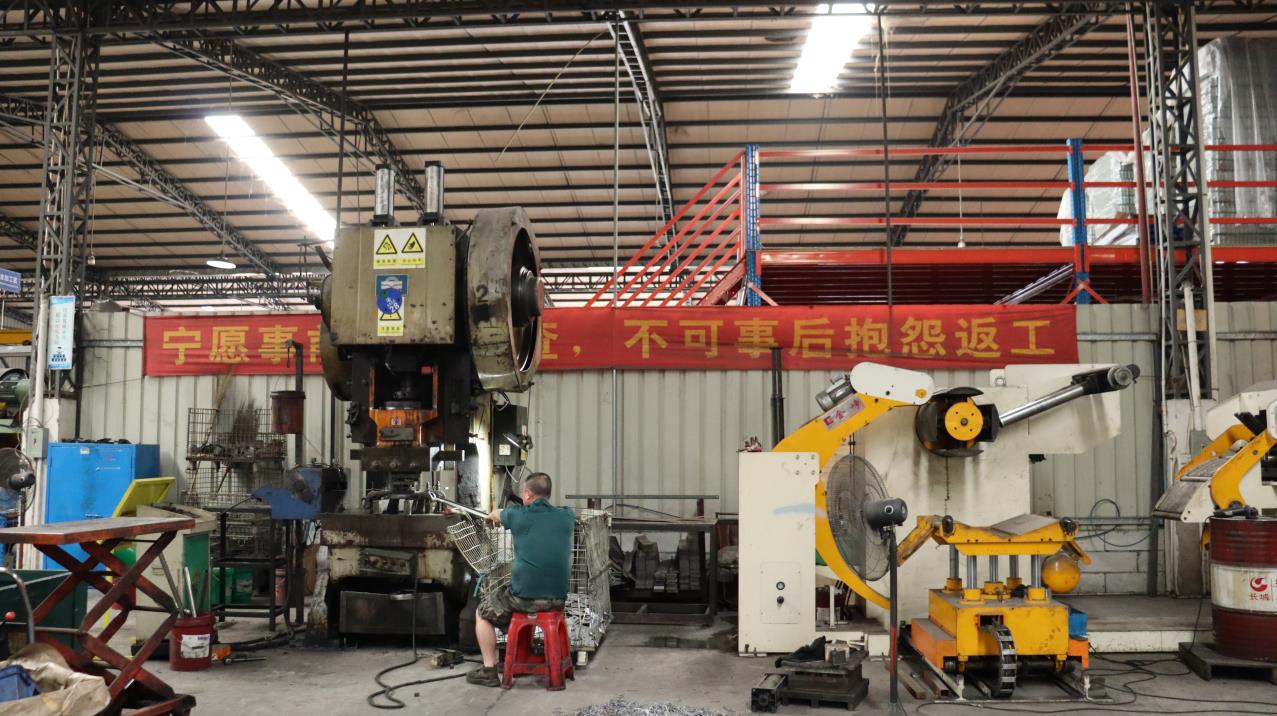
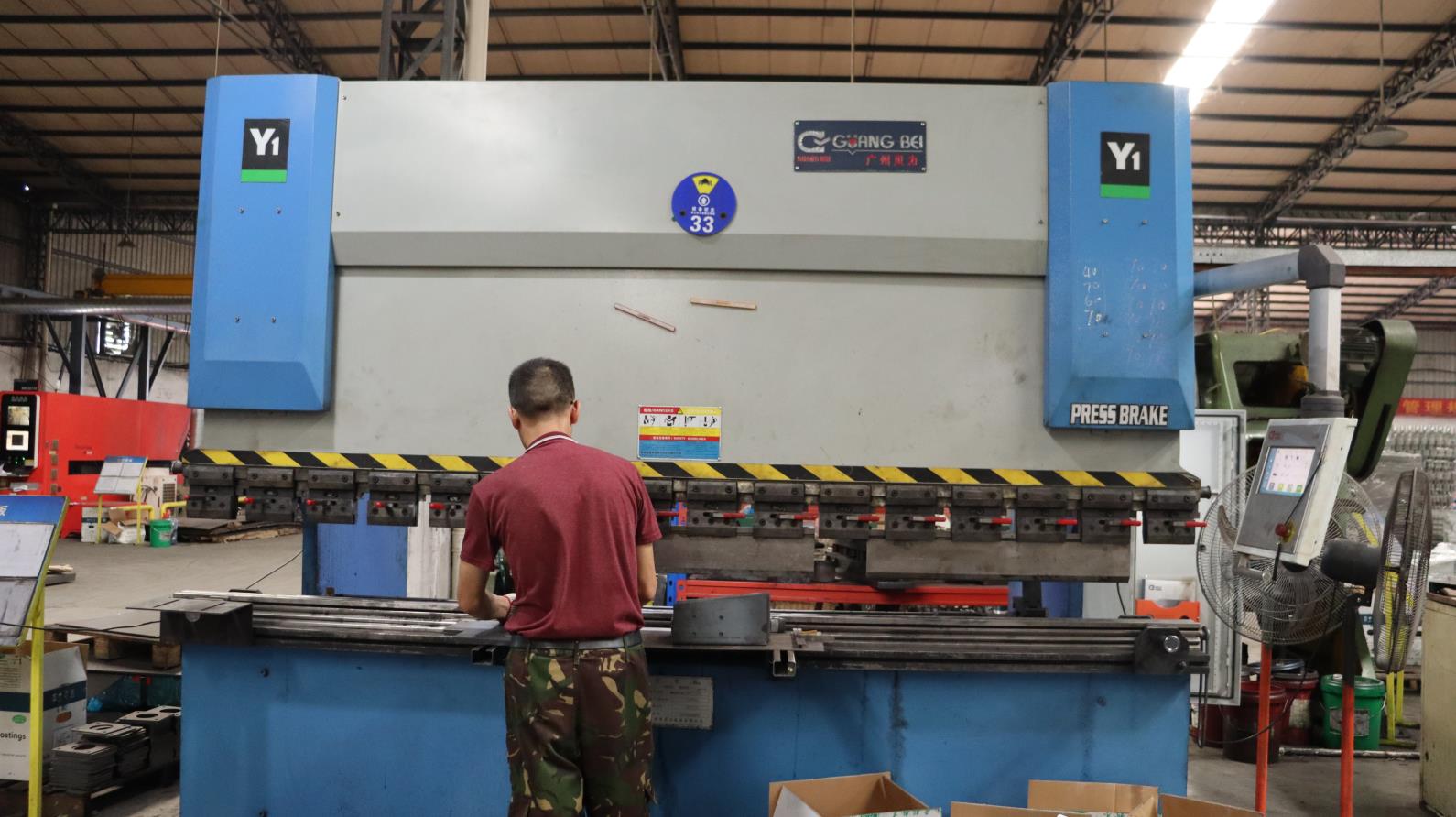
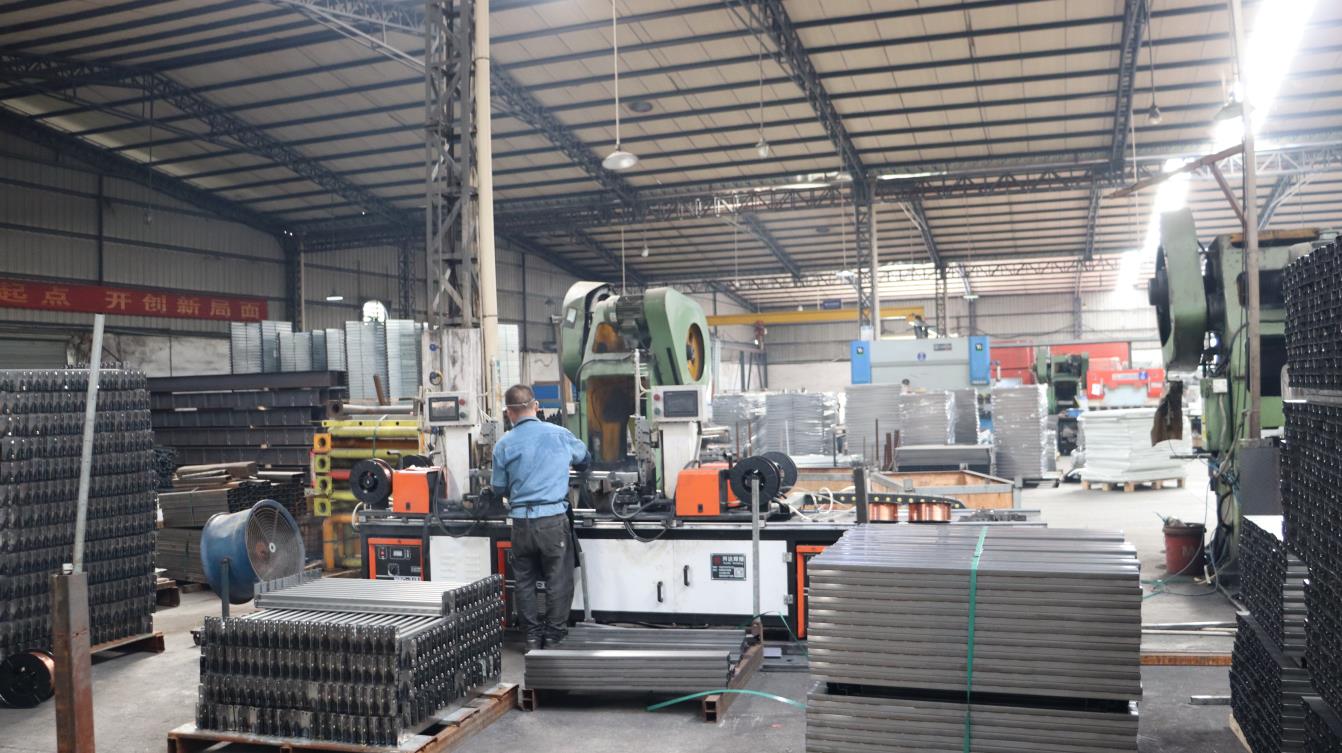
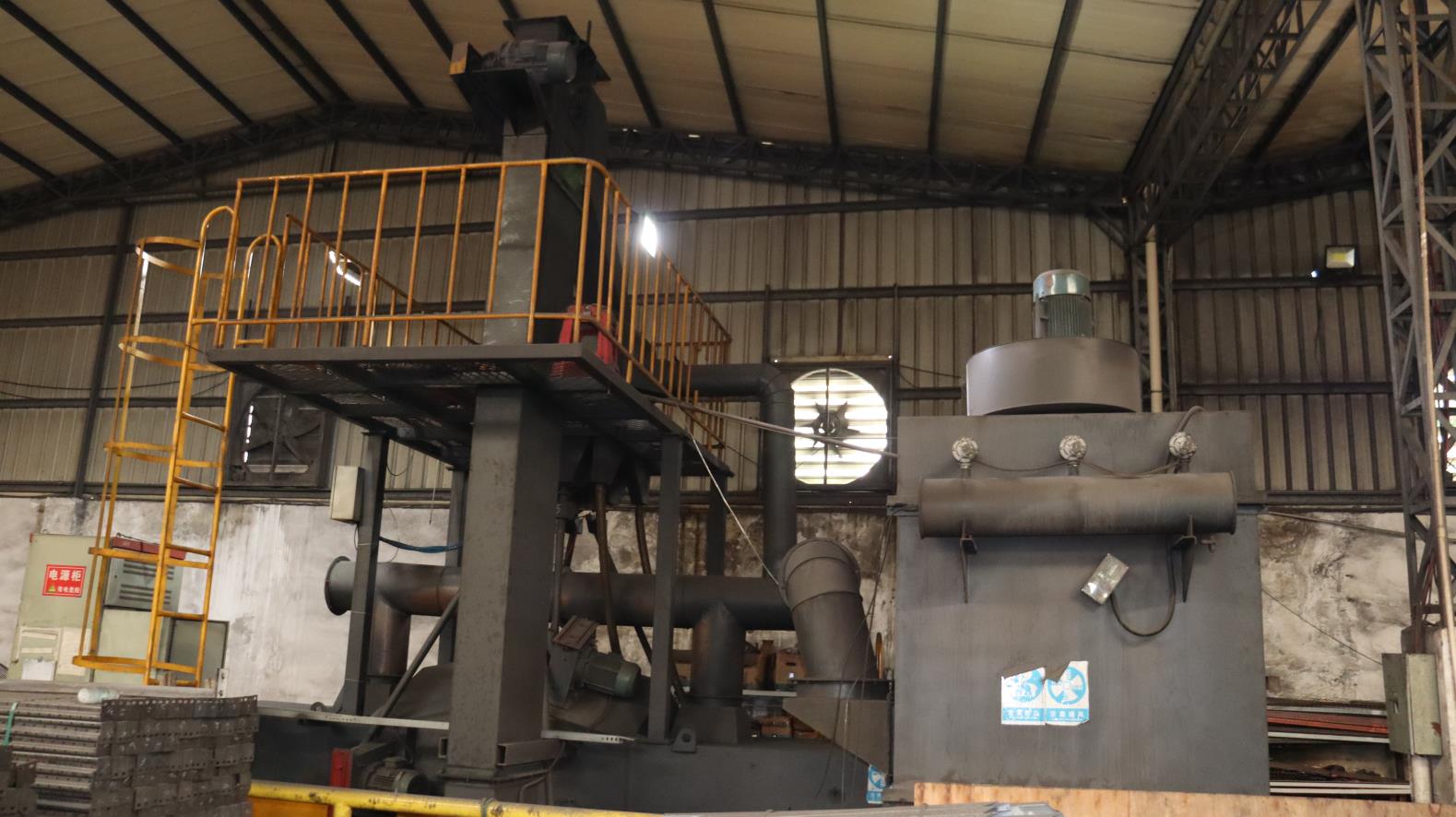
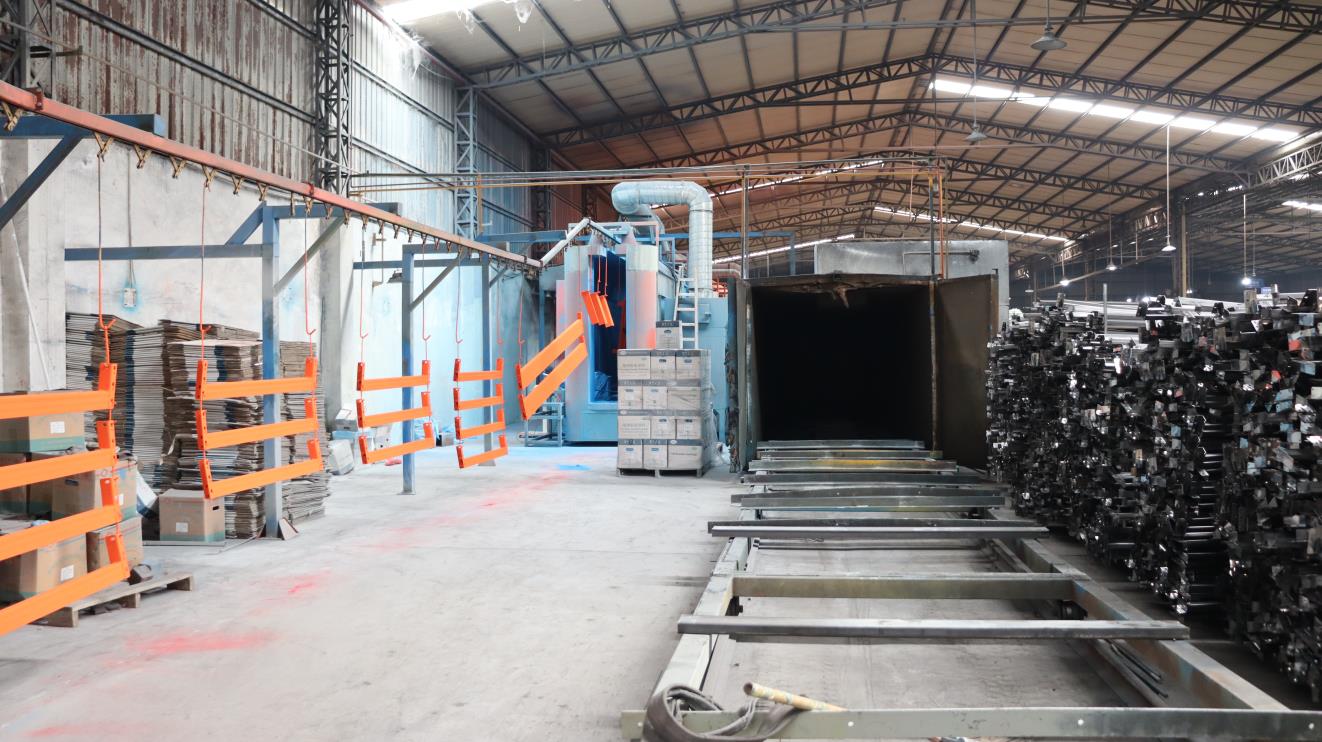
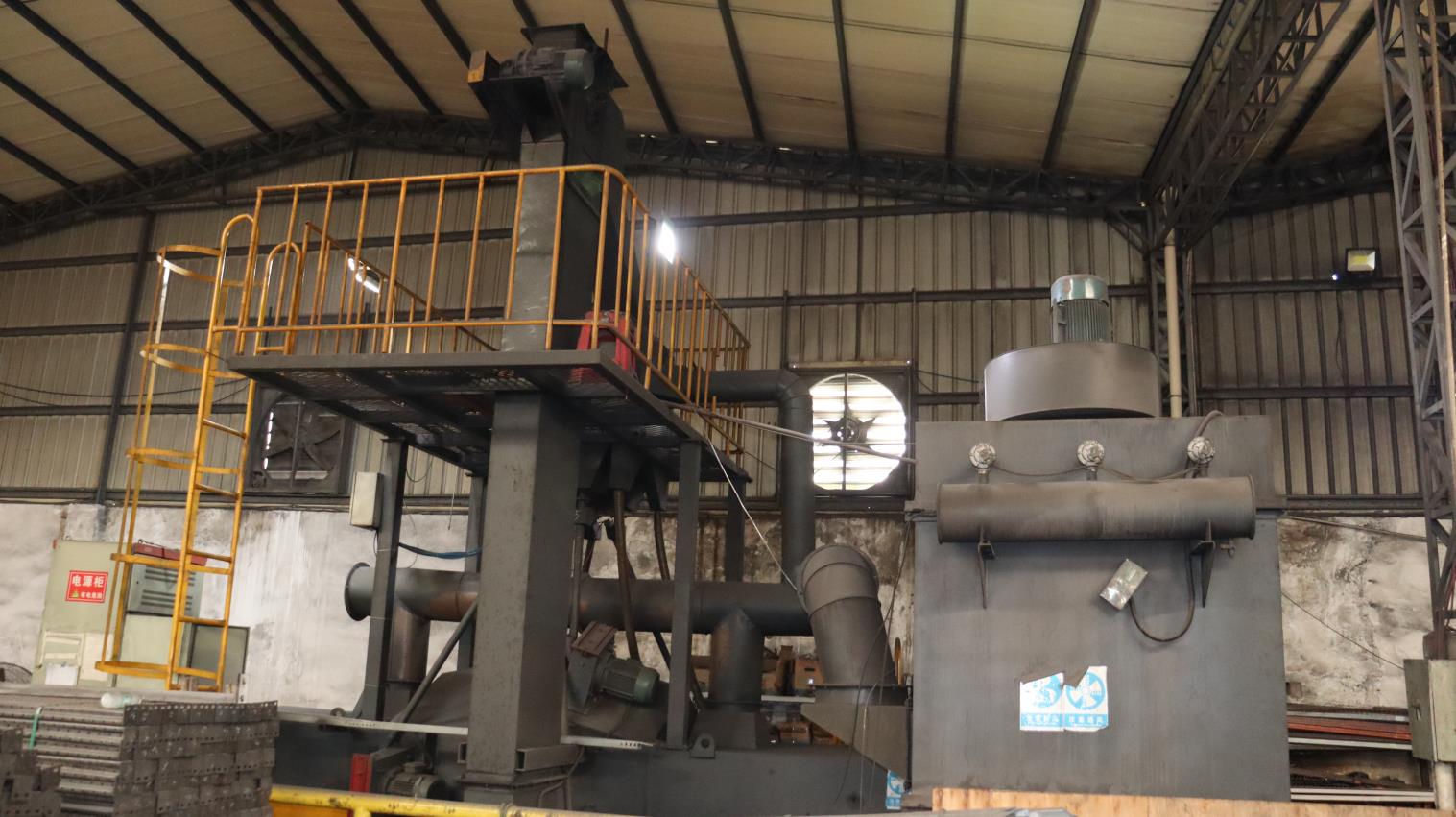
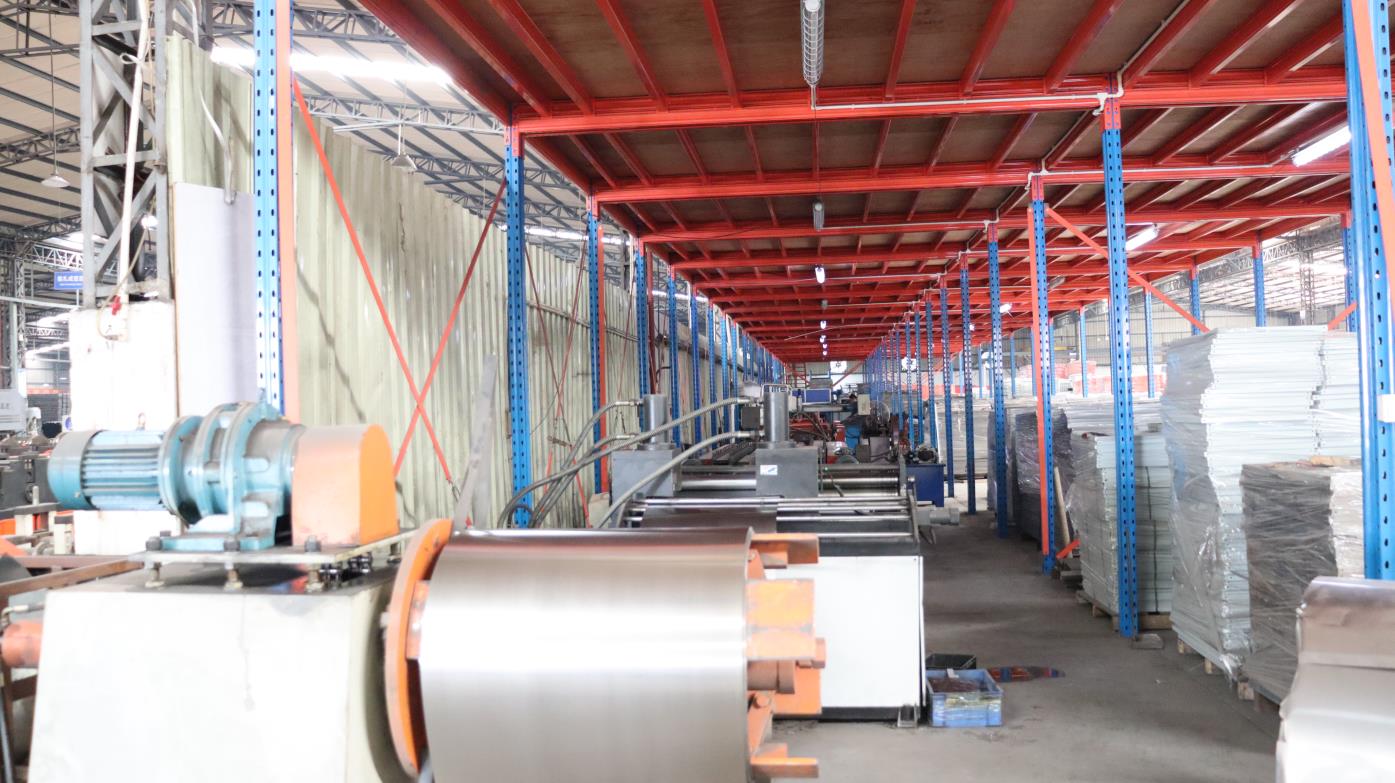
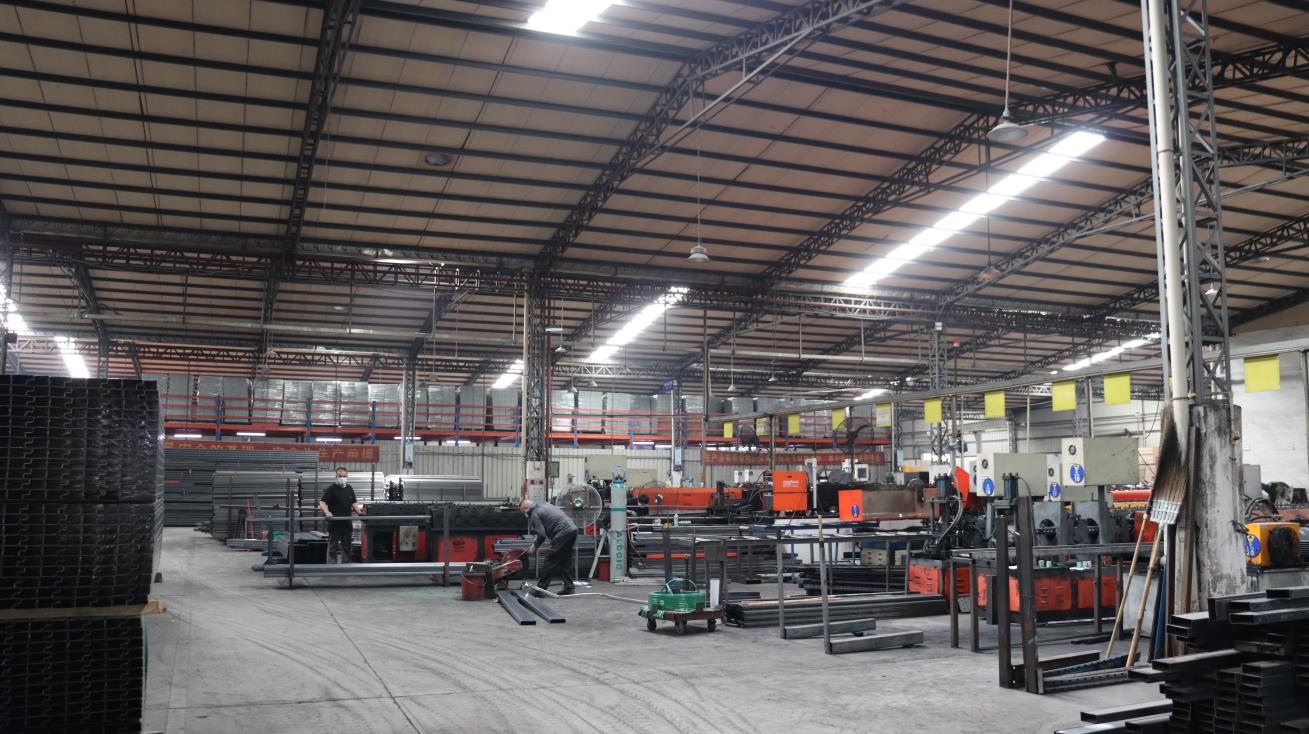
Industrial Production Lines & Machinery Inspection

Every step of our process—from raw Q235B cold coils to structural powder coating line finishes—is verified using non-destructive testing procedures.
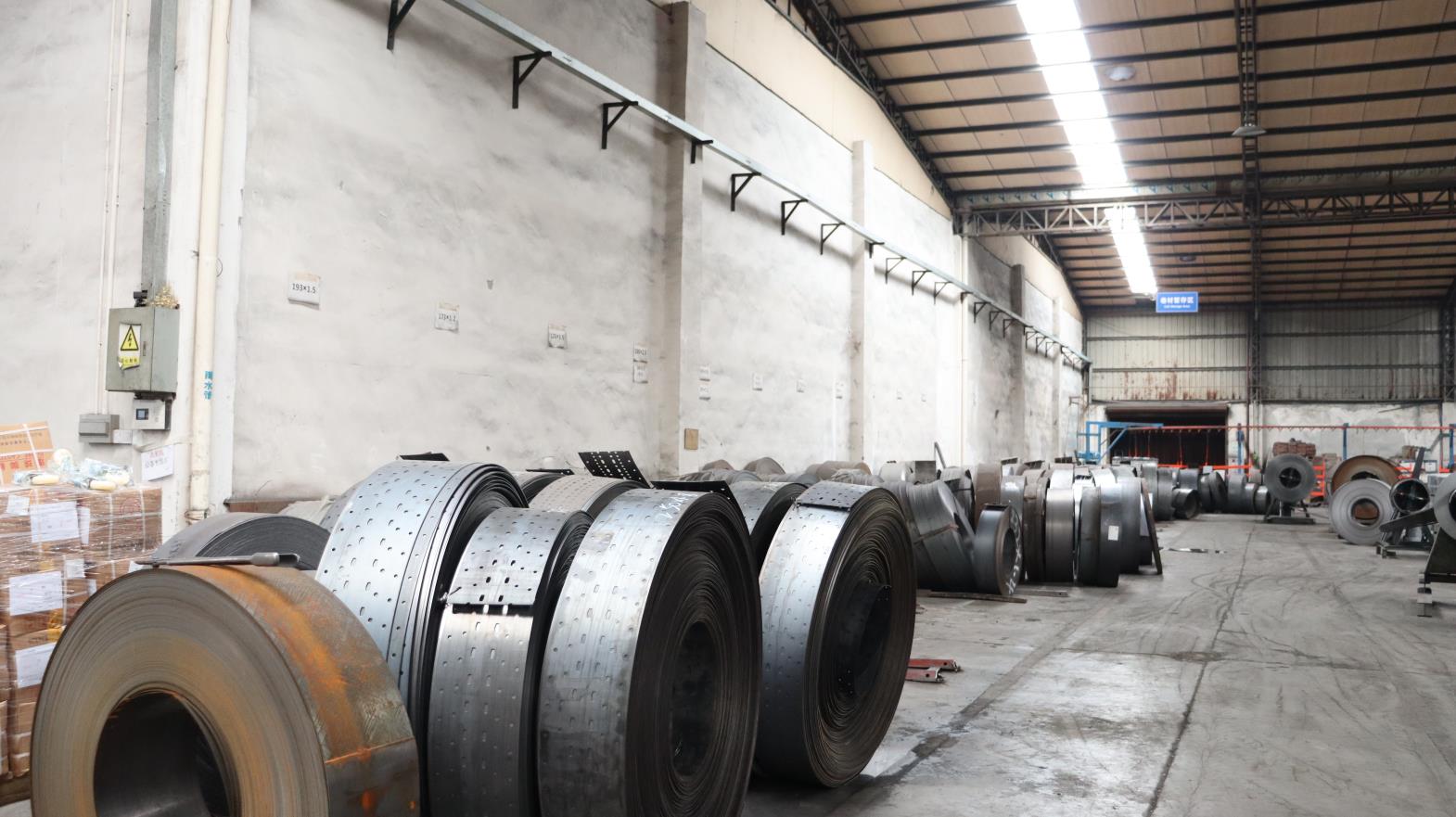
Raw Material Inspection
Raw Material
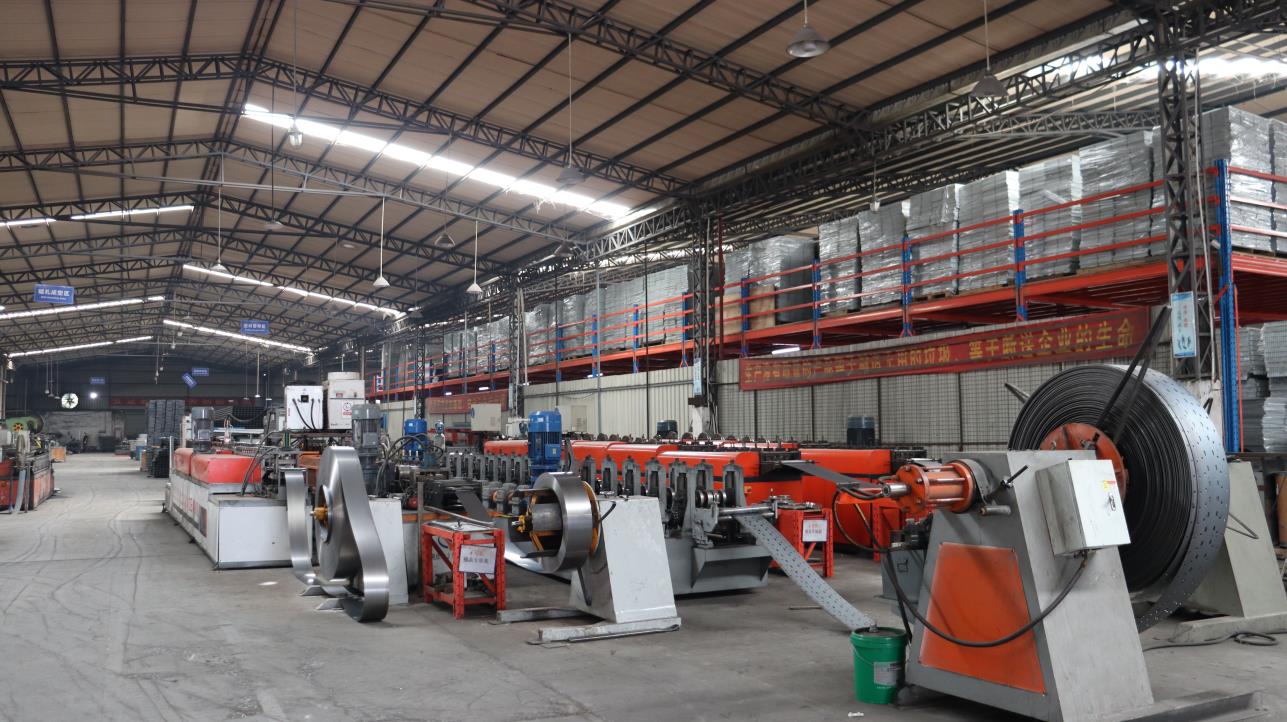
Roll Forming Lines
Roll Forming
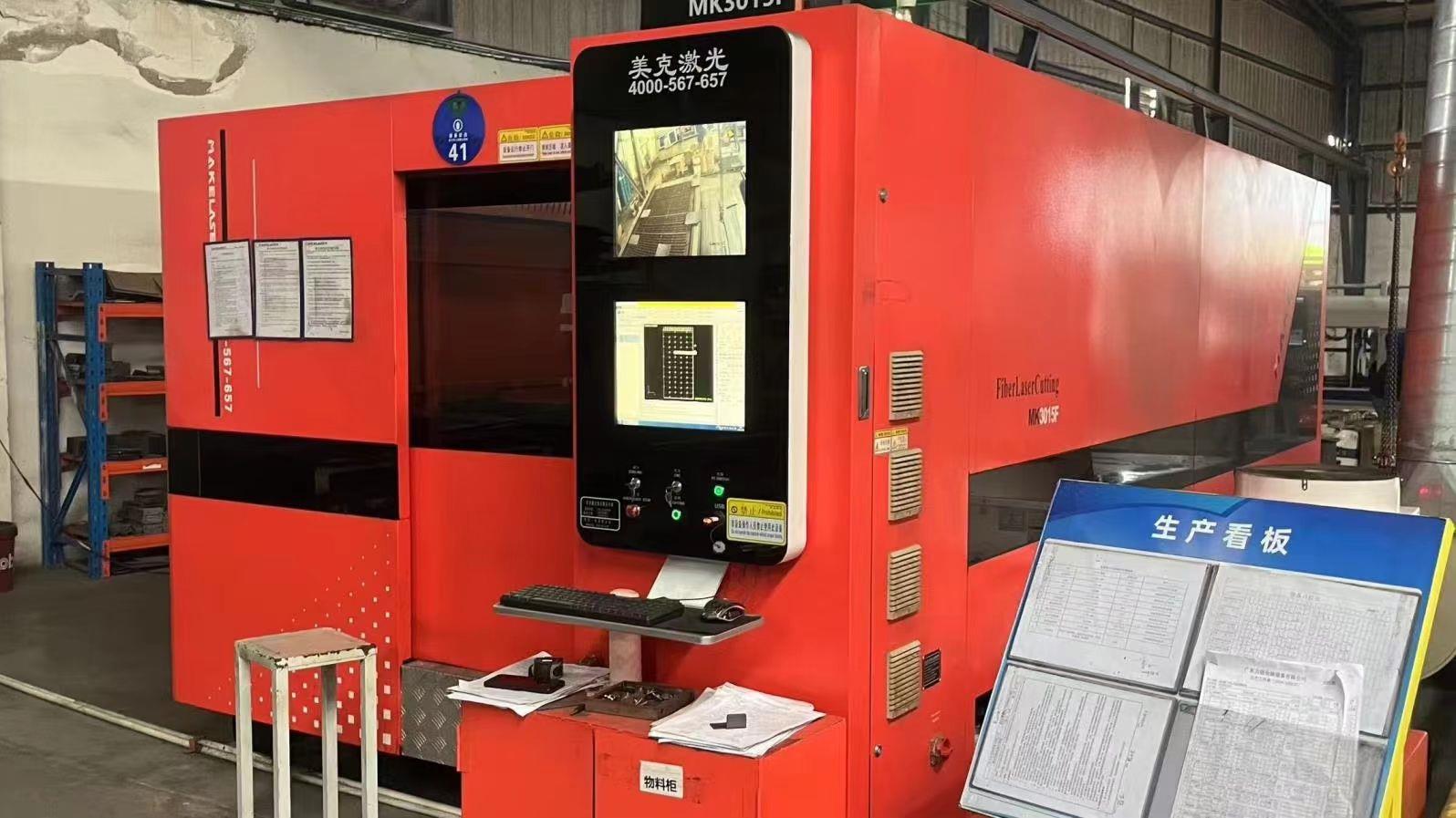
Precision Profile Cutting
Cutting
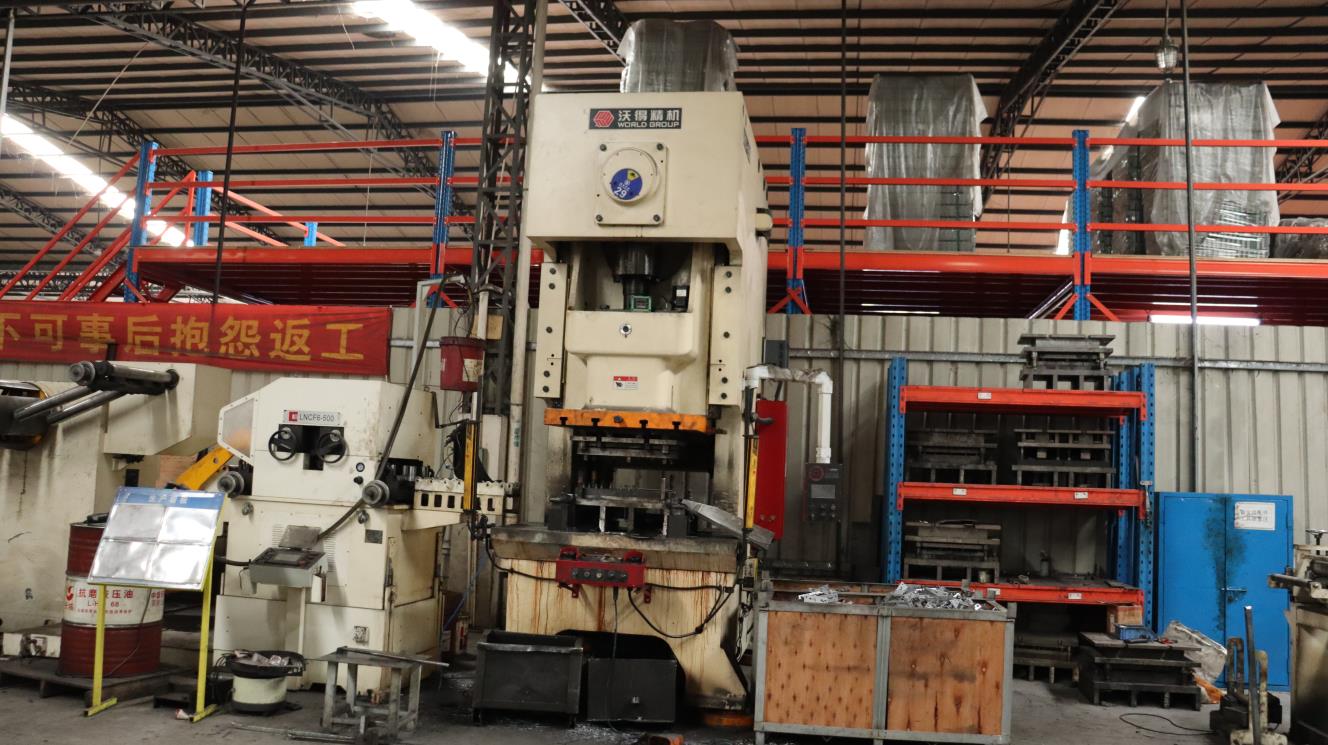
Heavy-duty Stamping
Stamping
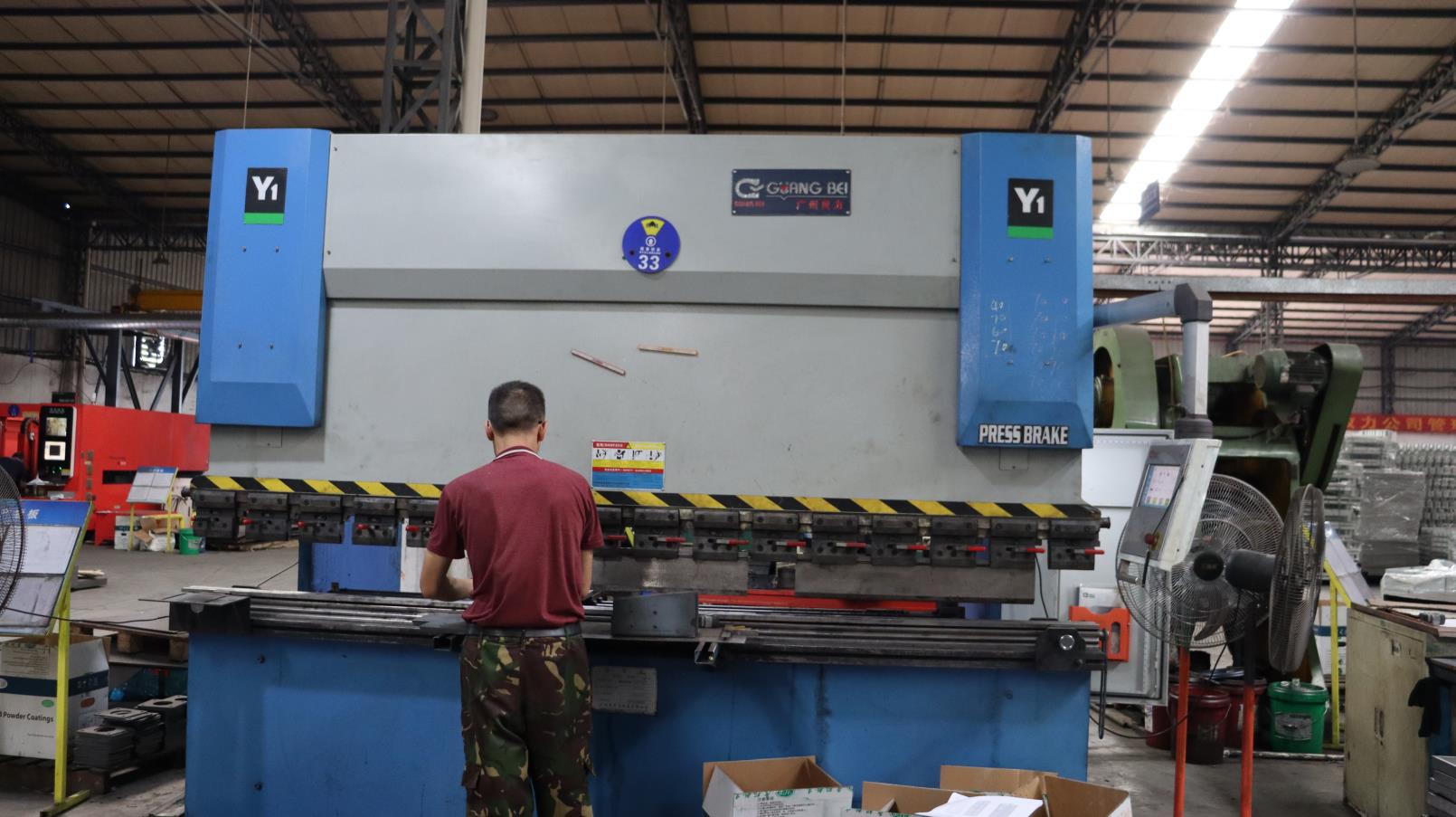
Computerized Bending
Bending
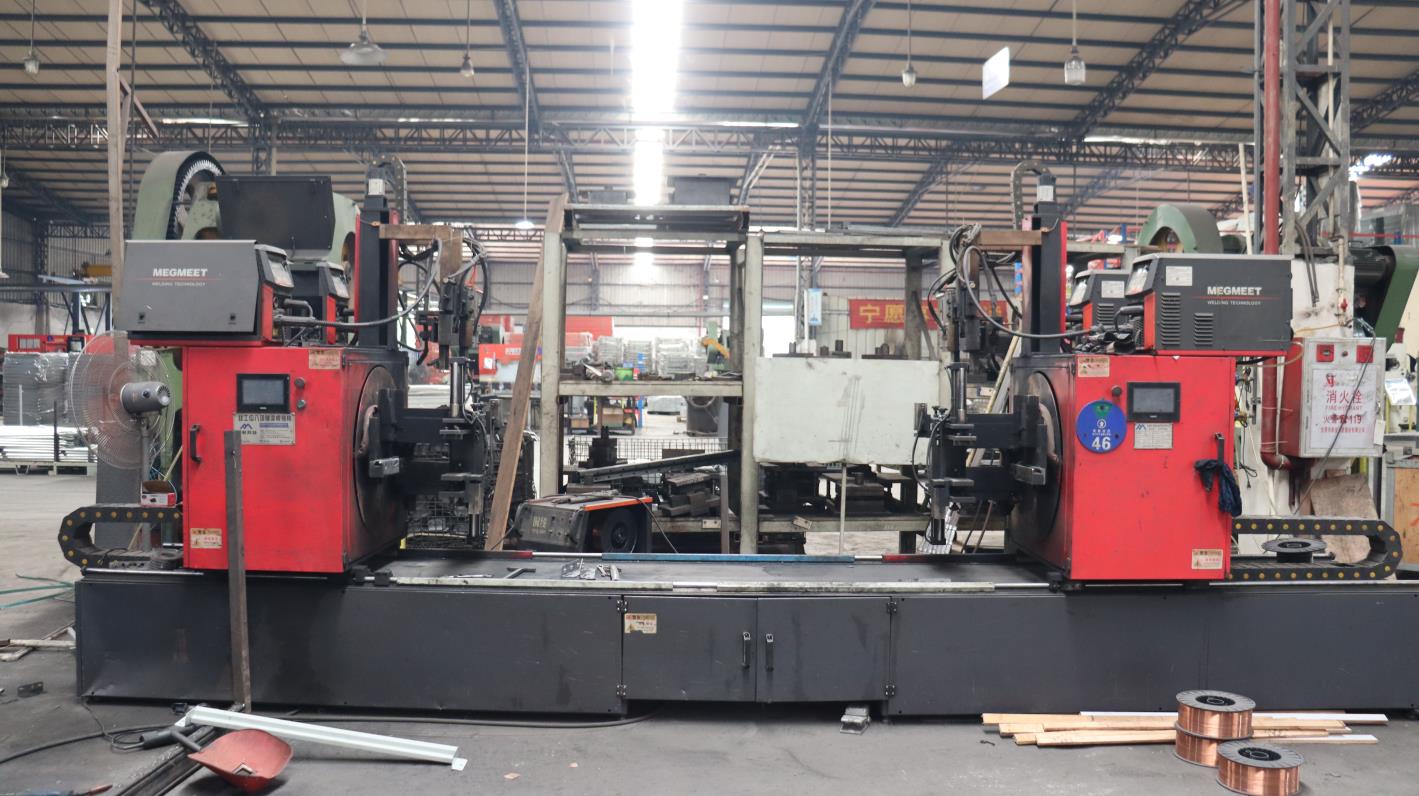
Robotic Arc Welding
Welding
Seamless Welds Polishing
Polish
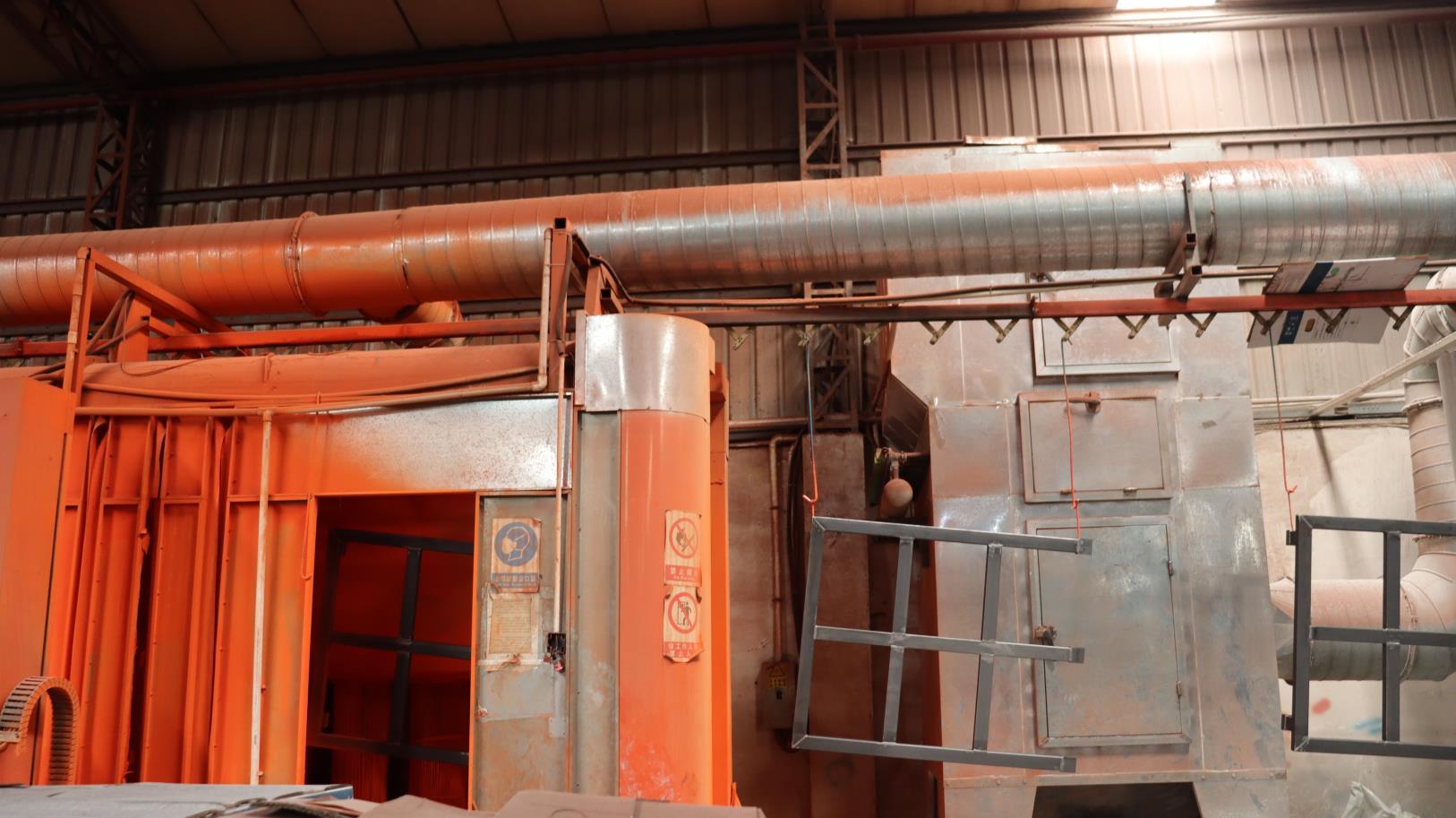
Electrostatic Powder Coating
Painting
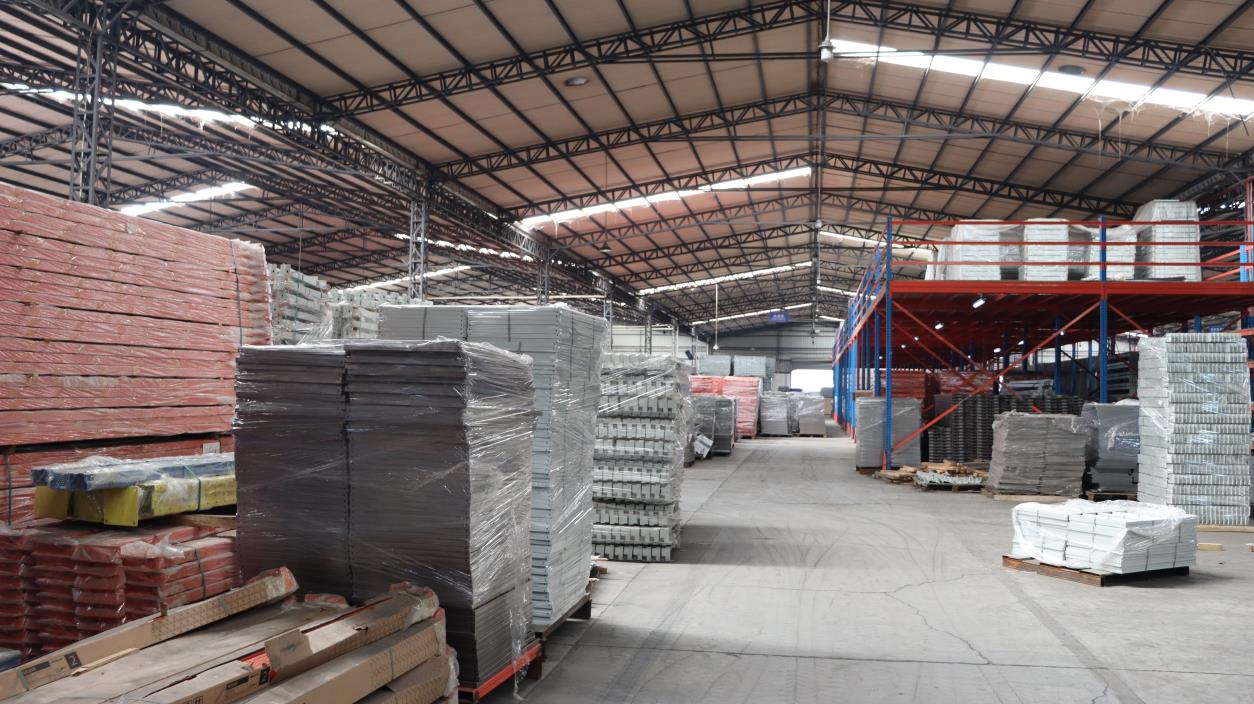
Finished Products Warehouse
Warehouse
High Speed Rolling Machine
Rolling Machine
CNC Punching Machine
Punching Machine
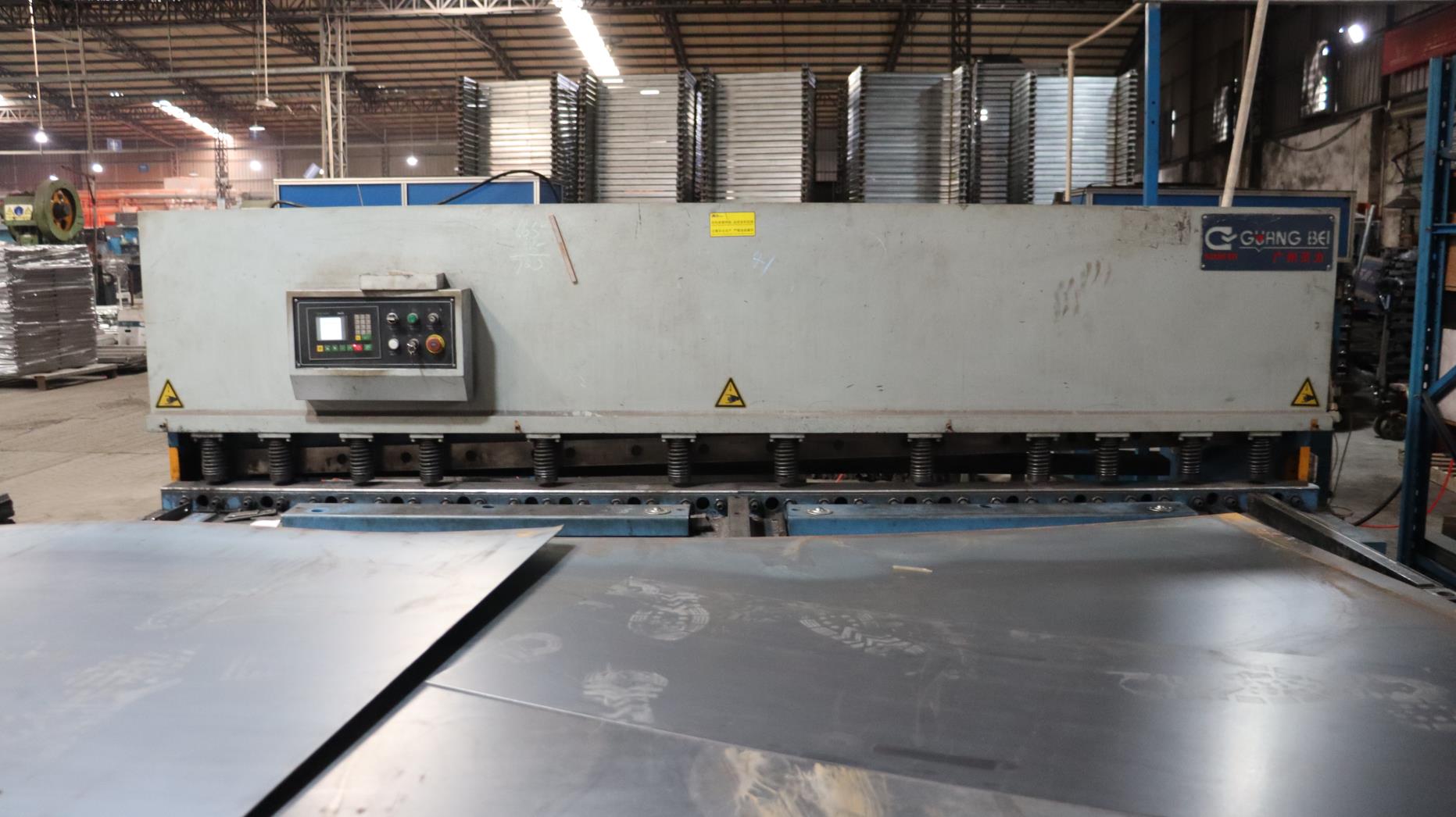
Plate Shearing Unit
Plate Shearing
Automated Hydraulic Bending Machine
Bending Machine
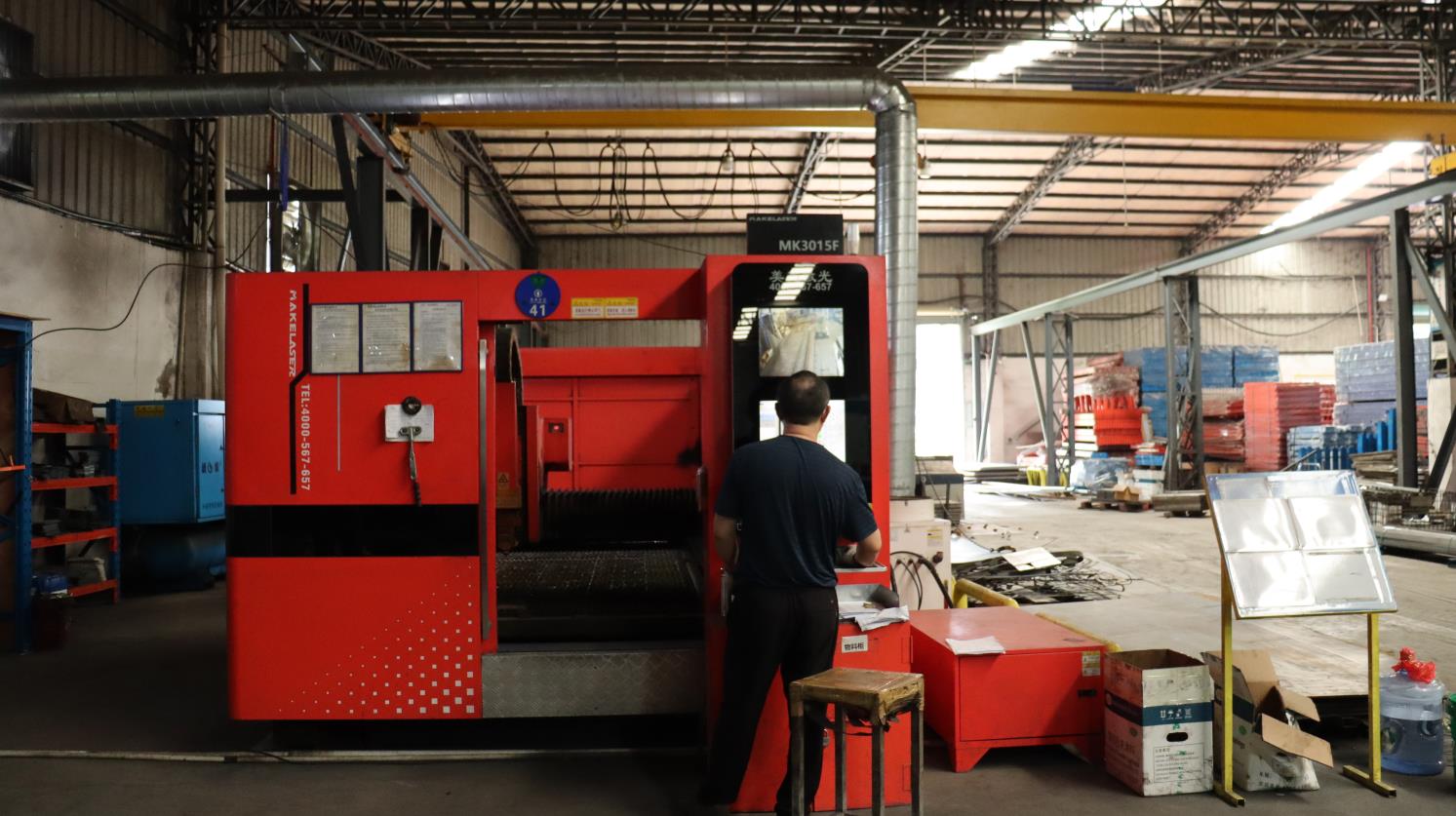
High-Speed Laser Cutting Machine
Laser Cutting
Automatic Pulse Welding System
Welding Machine
Manual Polish Stations
Polish Machine
Light Frame Profiling Line
Light Frame Line
Continuous Automatic Spraying Line
Spraying Line

Supply Chain Efficiency & Manufacturing Advantages

How our Shenzhen-based advanced facility reduces total cost of ownership (TCO) without compromising quality standards.

Integrated Raw Material Access

Located in the heart of China’s major industrial manufacturing corridor, we source high-quality structural steel coils directly from domestic tier-1 mills. This keeps raw material costs stable and minimizes production lead times.

Automated CNC Tooling

Our production floor uses robotic welding lines, automated punching machines, and CNC bending stations. This automated manufacturing approach achieves precise tolerances of under 0.1mm, ensuring smooth on-site assembly.

Direct Port Logistics

We are situated near Shenzhen Port (Yantian/Shekou), allowing us to secure container allocations and arrange fast ocean shipments to global cargo hubs. This proximity helps lower international ocean freight expenses.

Expert Structural Rack FAQ & Procurement Solutions

Detailed technical answers addressing standard compliance, load distribution capacity, and installation configurations.

How does Shenzhen Lijin ensure compliance with the CE EN 15512 standard?
Our storage systems undergo strict structural tests to meet the EN 15512 directive. This involves compression checks on upright channels, stub column tests, and bending tests on beam-to-column connectors. Each testing batch is supervised by our 35-person quality control team to confirm mechanical stability, base rotation behavior, and structural load calculations.
Which steel grade is ideal for heavy-duty storage applications: Q235B or Q355B?
The choice depends on your structural load requirements. Q235B is highly cost-effective and provides sufficient yield strength for standard industrial applications (up to 2,000 kg per level). For automated AS/RS installations, high-rise rack designs (over 10 meters), and seismic environments, we utilize Q355B low-alloy steel to increase tensile strength and maintain rigidity under heavier loads.
Can you provide customized OEM/ODM storage solutions for cold storage facilities?
Yes, our engineering department designs specialized configurations for cold storage and freezer applications. We utilize hot-dip galvanized steel structural parts that resist oxidation and prevent low-temperature material embrittlement down to -40°C.
What safety measures are integrated into your heavy-duty impact rack designs?
Our impact-resistant systems incorporate structural floor guides, heavy-duty frame column guards, steel wire mesh screens, and structural diagonal bracing. These features shield columns from dynamic forklift contact and improve lateral load distribution.
How does your shipping process manage container optimization?
Our export logistics department designs customized container layouts using specialist software. We pack steel upright frames, platform elements, and beams using protective wood crates and steel strapping to maximize container capacity and avoid damage during transport.