Explore our state-of-the-art modular racking systems designed for structural robustness and maximum volumetric density.
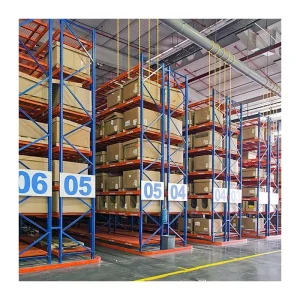
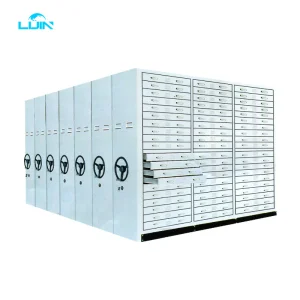
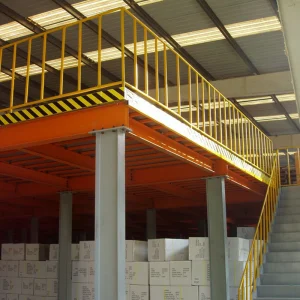
Architecting high-flexibility, structural-compliant supply chains for the modern industrial and logistics era.
In the wake of shifting macroeconomic parameters—accelerated by rapid E-Commerce expansion, localized micro-fulfillment initiatives, and variable warehousing demands—traditional static racking structures are undergoing a profound evolution. Today's global supply chain executives require modular, transportable, and high-density storage solutions. Foldable and stackable racks have moved from niche accessories to structural core components within advanced multi-modal warehousing architectures.
Modern global logistics networks require components that conform to strict structural assessments. The implementation of foldable racking solutions provides unmatched utility for industries managing seasonal demand fluctuations, volatile inventory turns, and transient industrial setups. By utilizing high-yield structural steel alloys (such as Q235B and Q355B) and complying with stringent manufacturing guidelines, suppliers now manufacture racking assets capable of supporting dynamic loads exceeding 1500 kilograms per unit, while retaining the capability to collapse down to less than a quarter of their operational height when not in use.
Reducing warehouse volumetric waste by enabling swift transformations between open storage modules and nested, collapsed storage configurations during off-peak cycles.
Meeting European CE marking codes (EN 15512, EN 1090-1) to ensure every structural node, pin joint, and frame section satisfies safety and load limit requirements.
Minimizing Scope 3 transport emissions. Empty collapsible racks can be stacked densely for back-haul shipping runs, reducing freight carbon emissions.
Resolving capacity issues, compliance hurdles, and life-cycle costs for multinational industrial buyers.
Enterprise procurement teams in North America, Western Europe, and Asia-Pacific face complex challenges when sourcing heavy-duty material handling equipment. Ensuring structural safety and longevity in diverse working environments requires strict adherence to detailed engineering specifications rather than simple cost comparisons.
In highly regulated markets, importing untested structural steel systems poses major compliance hazards. European safety inspectors mandate certifications verifying that load-bearing elements comply with EN 15512 or EN 15620 guidelines. A credible supplier must deliver complete testing documentation, including Finite Element Analysis (FEA) reports under simulated seismic loads, weld integrity validation via ultrasonic testing, and mill test certificates verifying chemical composition.
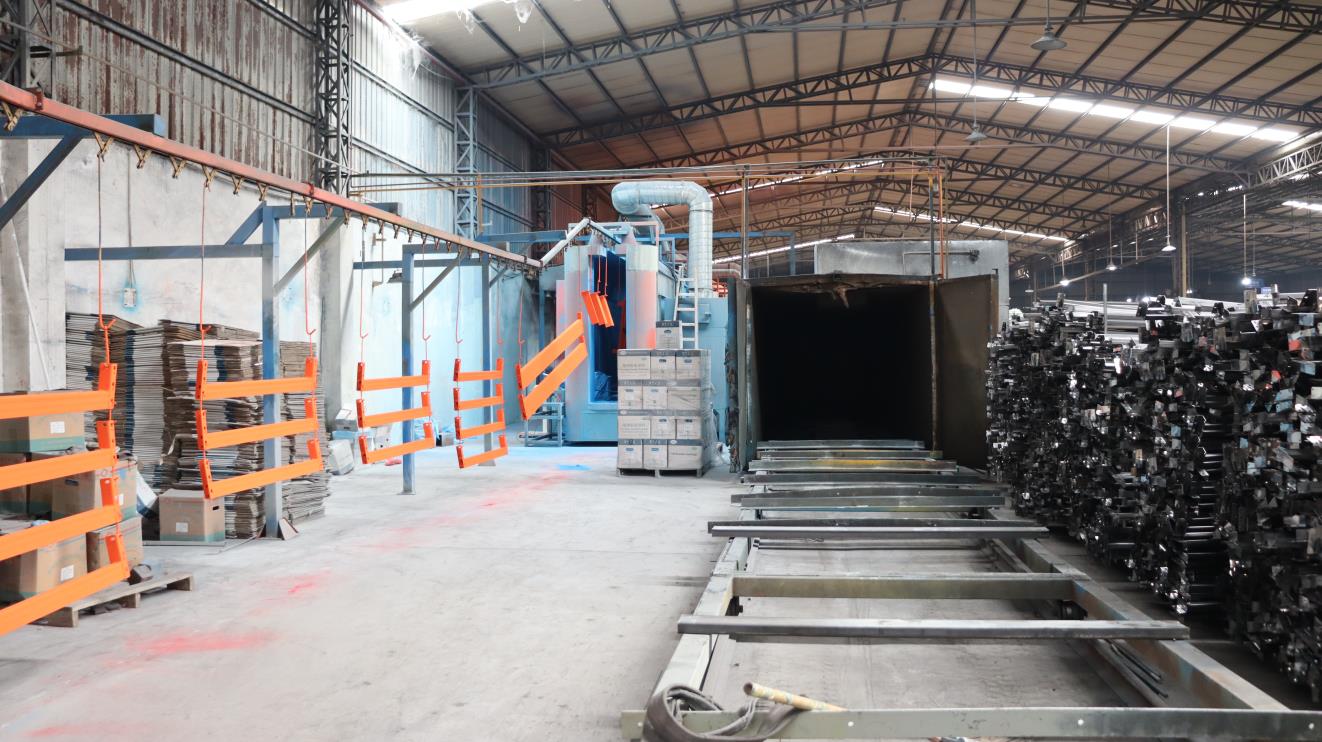
From industrial cold storage facilities operating down to -30°C to coastal distribution hubs exposed to high humidity, rust protection is essential for structural reliability. Global buyers prioritize suppliers using electrostatically applied epoxy-polyester powder coatings with cure thicknesses between 60 to 80 microns, or hot-dip galvanized finishes. These surface treatments prevent degradation at mechanical fold points, hinge assemblies, and pin connections.
While the initial acquisition cost of a high-quality folding rack is higher than that of basic welded static frames, its lifetime value is significantly superior. When operational requirements shift, folding racking structures can be quickly collapsed and nested, reclaiming up to 75% of valuable floor space. This adaptability reduces external warehouse storage rental expenses and handles seasonal volume changes without permanent facility expansions.
Shenzhen Lijin Storage Equipment Co., Ltd. — Delivering Advanced Manufacturing and Engineering Solutions.
Shenzhen Lijin Storage Equipment Co., Ltd. stands at the intersection of modern logistics design and advanced Chinese industrial manufacturing. Operating from our state-of-the-art 35,000 square meter factory, our company integrates over 12 years of industry experience with 8 years of direct global exporting expertise. This ensures that every racking component we manufacture meets the quality standards required by international distribution centers.
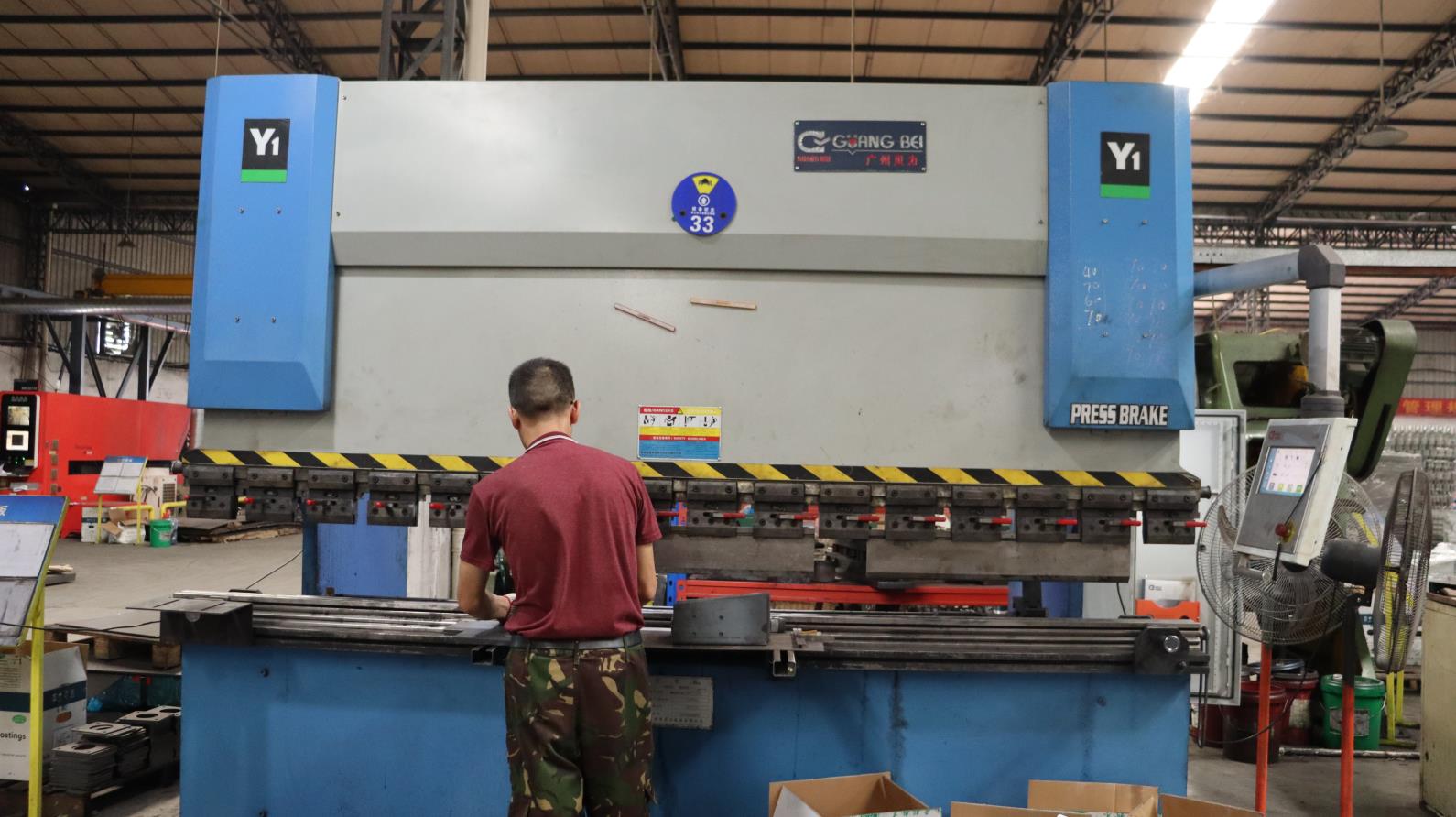
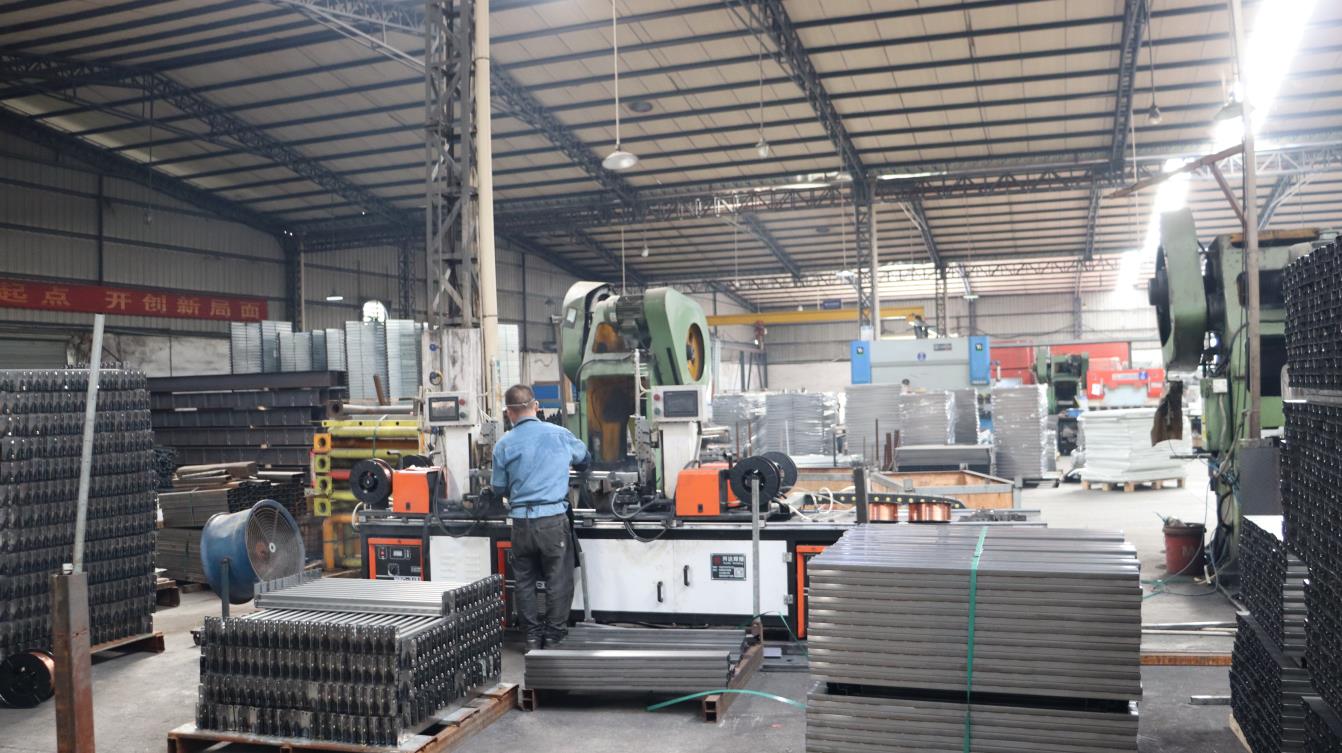
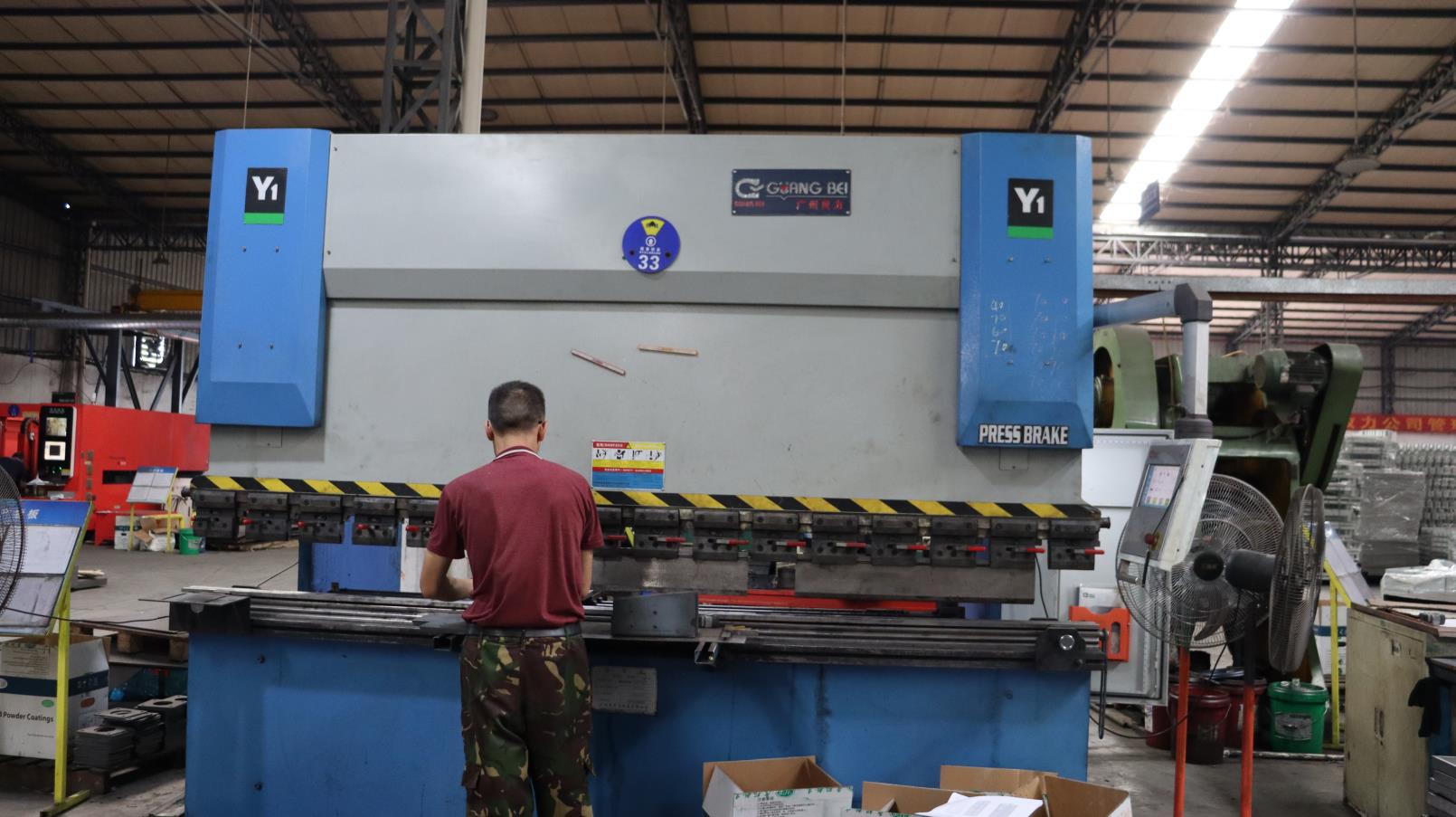
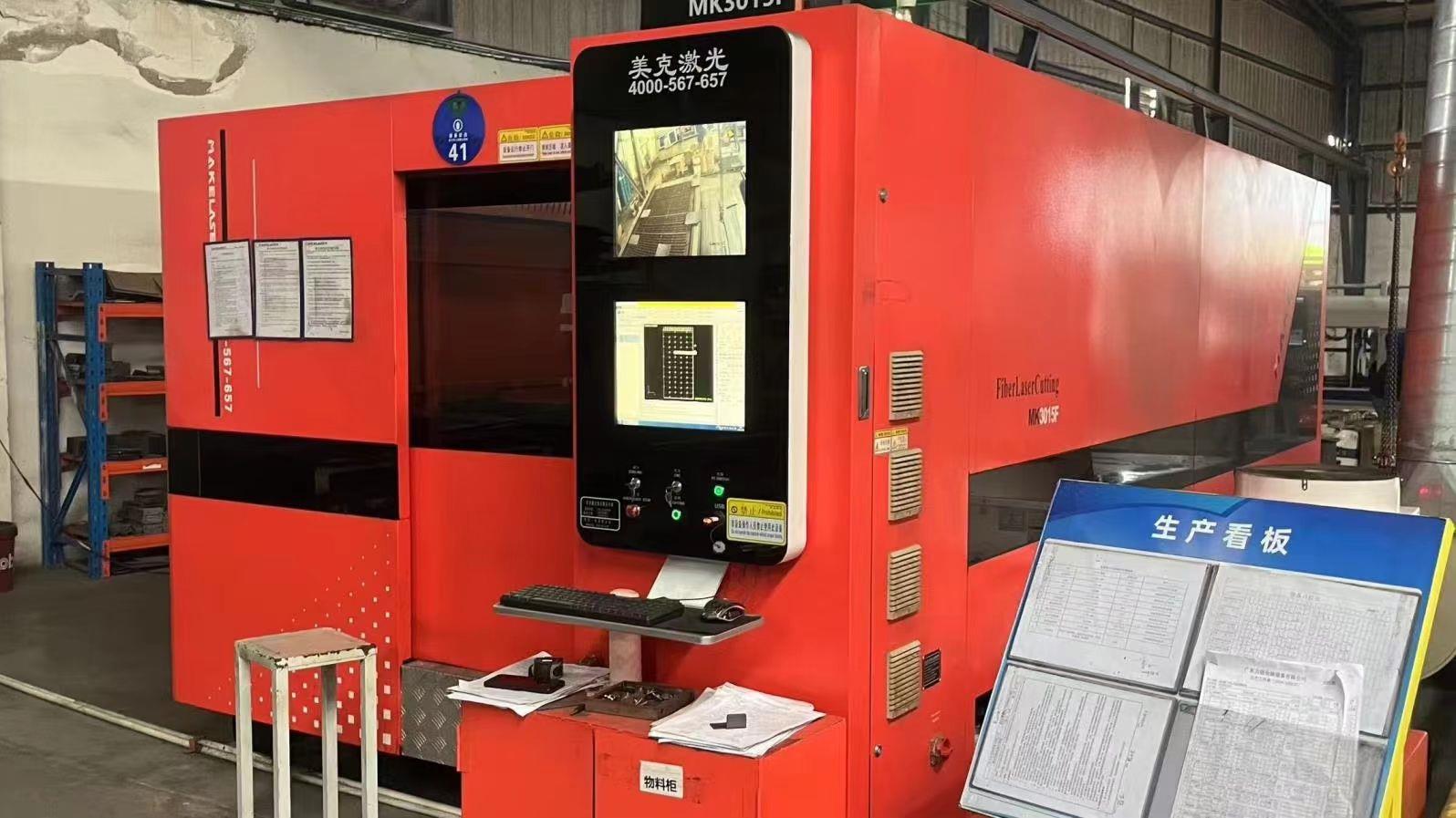
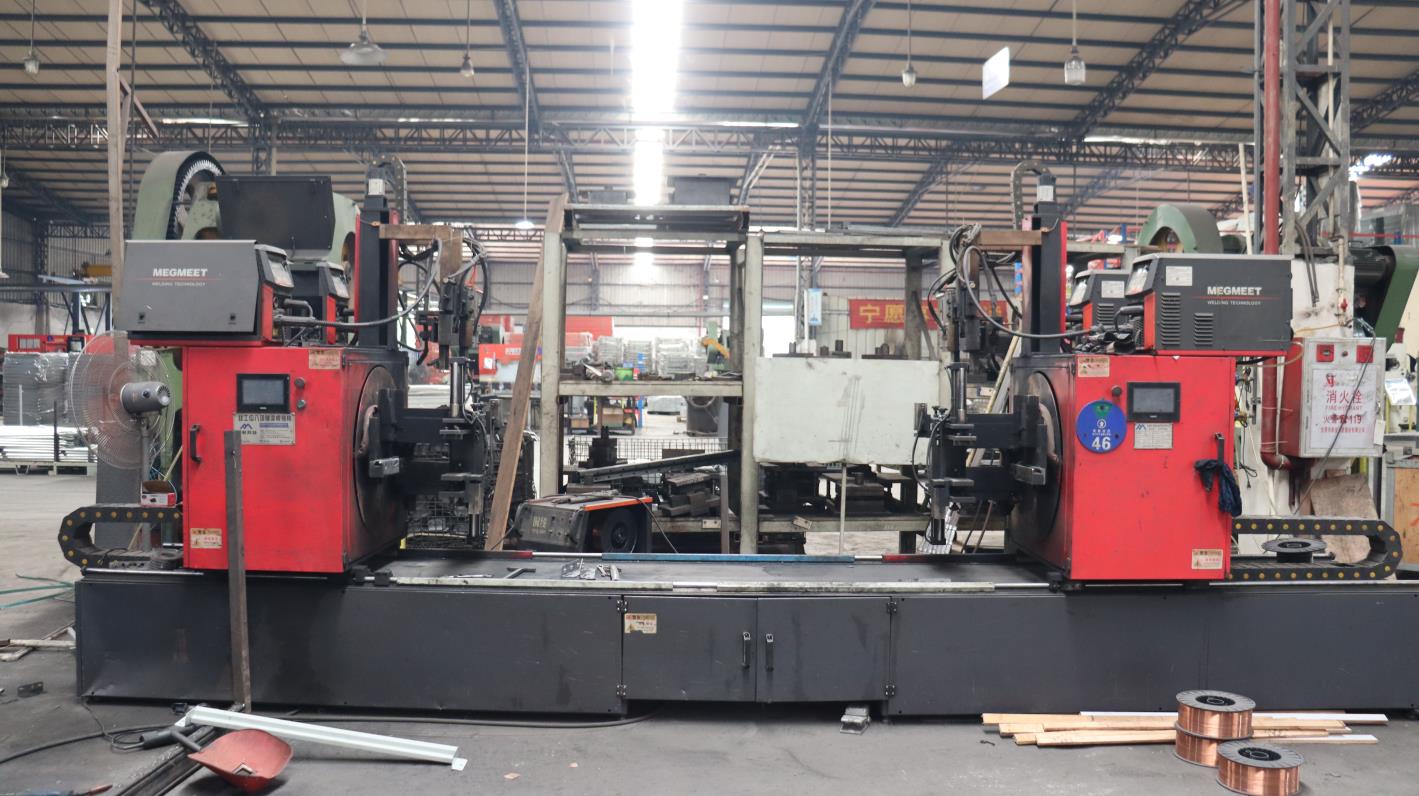
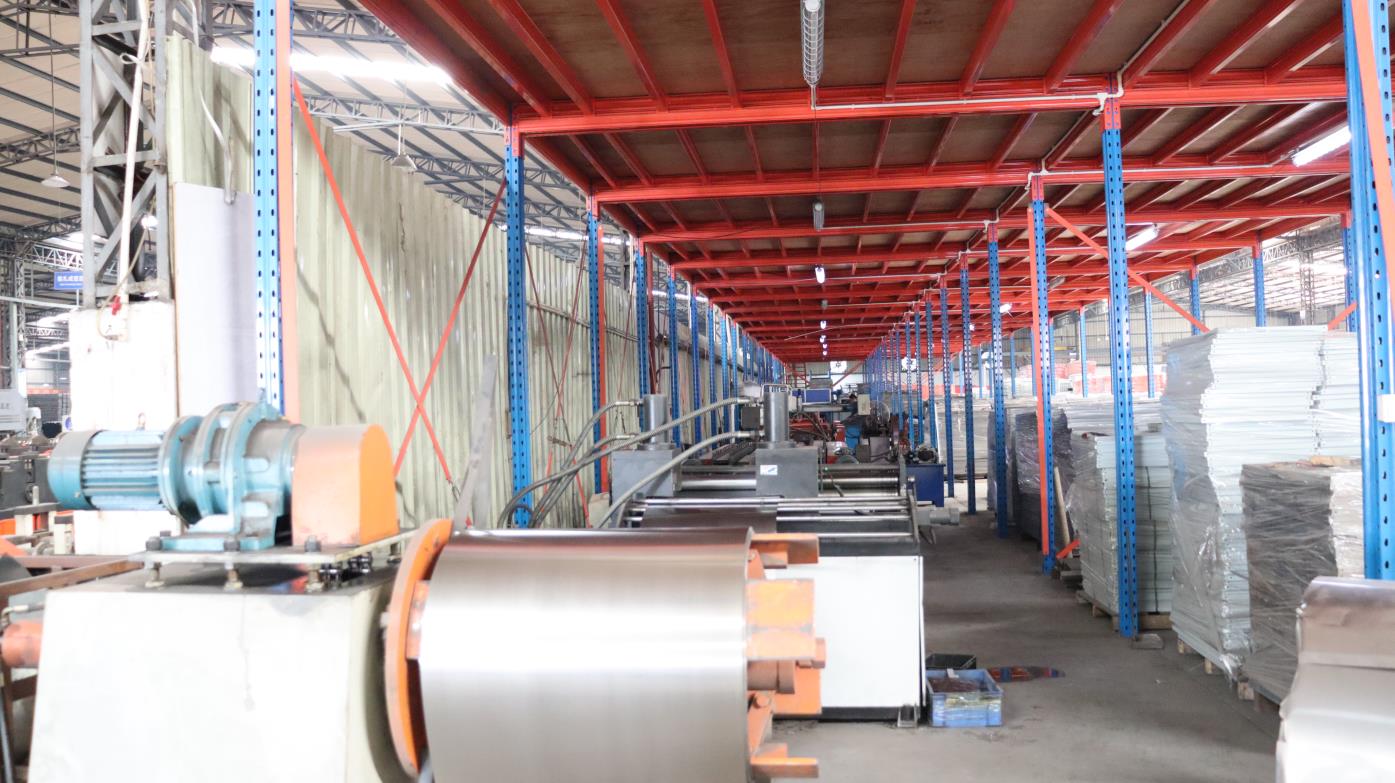
Our integration of Industry 4.0 systems ensures high precision in structural engineering. By utilizing automated roll-forming lines, advanced laser profiling machinery, and robotic welding stations, we maintain structural tolerances within ±0.5mm. This consistency is essential for high-rise warehouse racking and automatic storage and retrieval systems (AS/RS) where even minor structural deviations can impact operational safety.
Led by a team of 28 professional R&D engineers, Shenzhen Lijin delivers comprehensive OEM and ODM solutions. Last year alone, our engineering division launched over 85 new products and customizable structural storage systems, addressing specific challenges like seismic protection, high-load capacities, and chemical resistance. This R&D capability enables us to design and build custom racking configurations that optimize space utilization in any environment.
Our quality control system, managed by 35 dedicated QC professionals, oversees every stage of production from raw materials to final shipping preparation. Our inspections include ultrasonic non-destructive weld testing, coating thickness assessments, dimensional laser measurements, and load-limit testing. This systematic testing ensures our products are durable and safe for long-term industrial use.
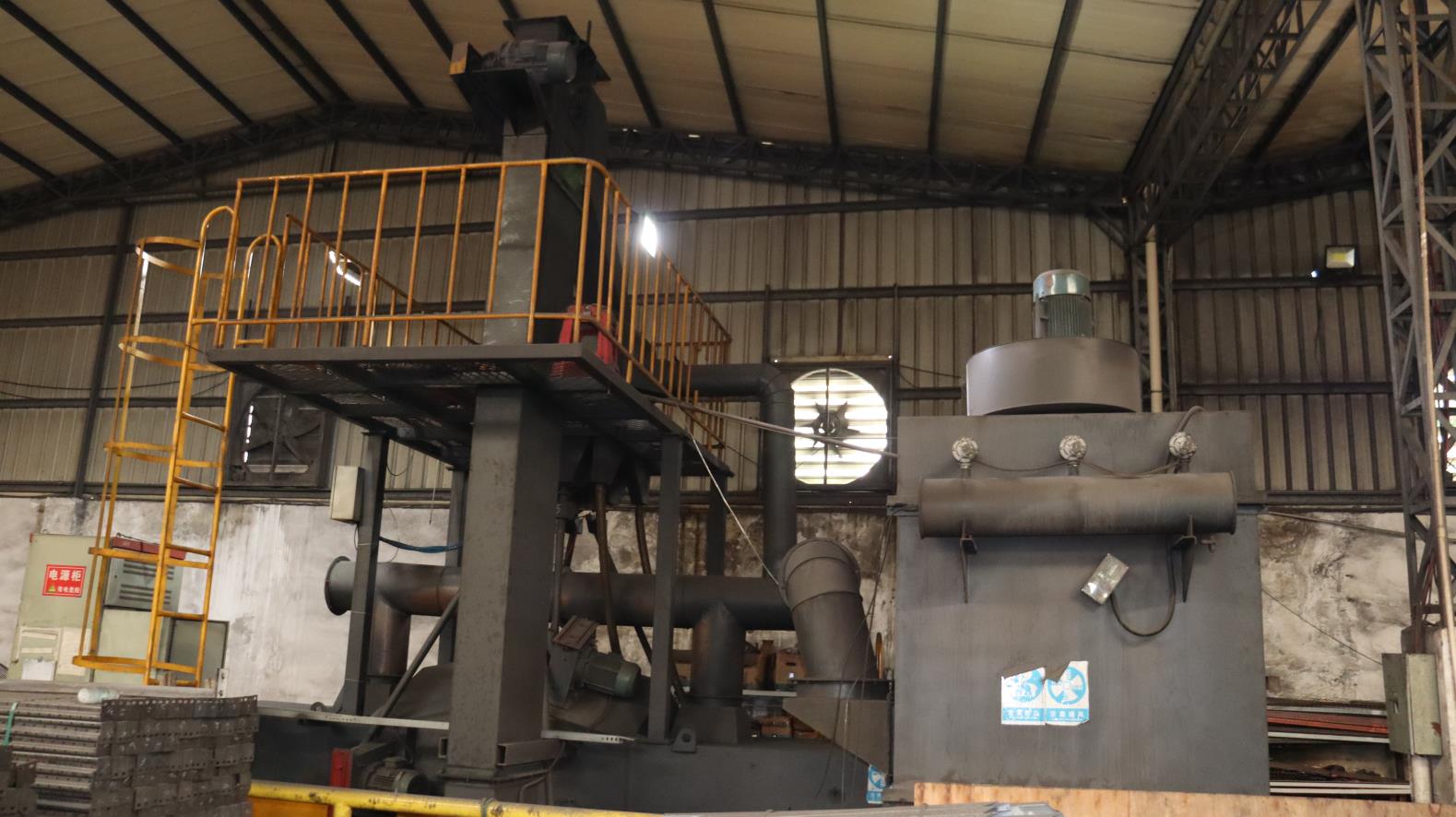
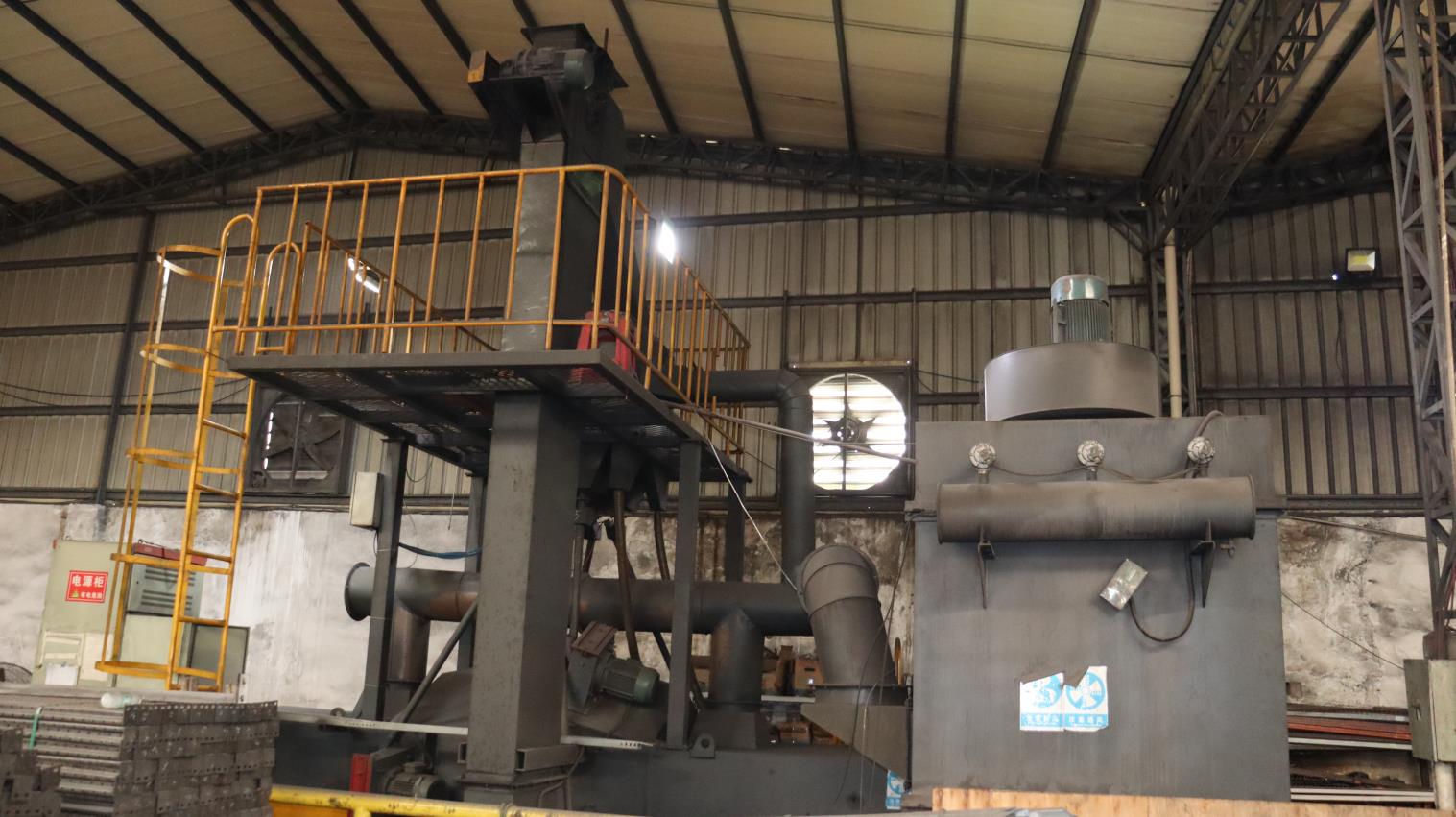
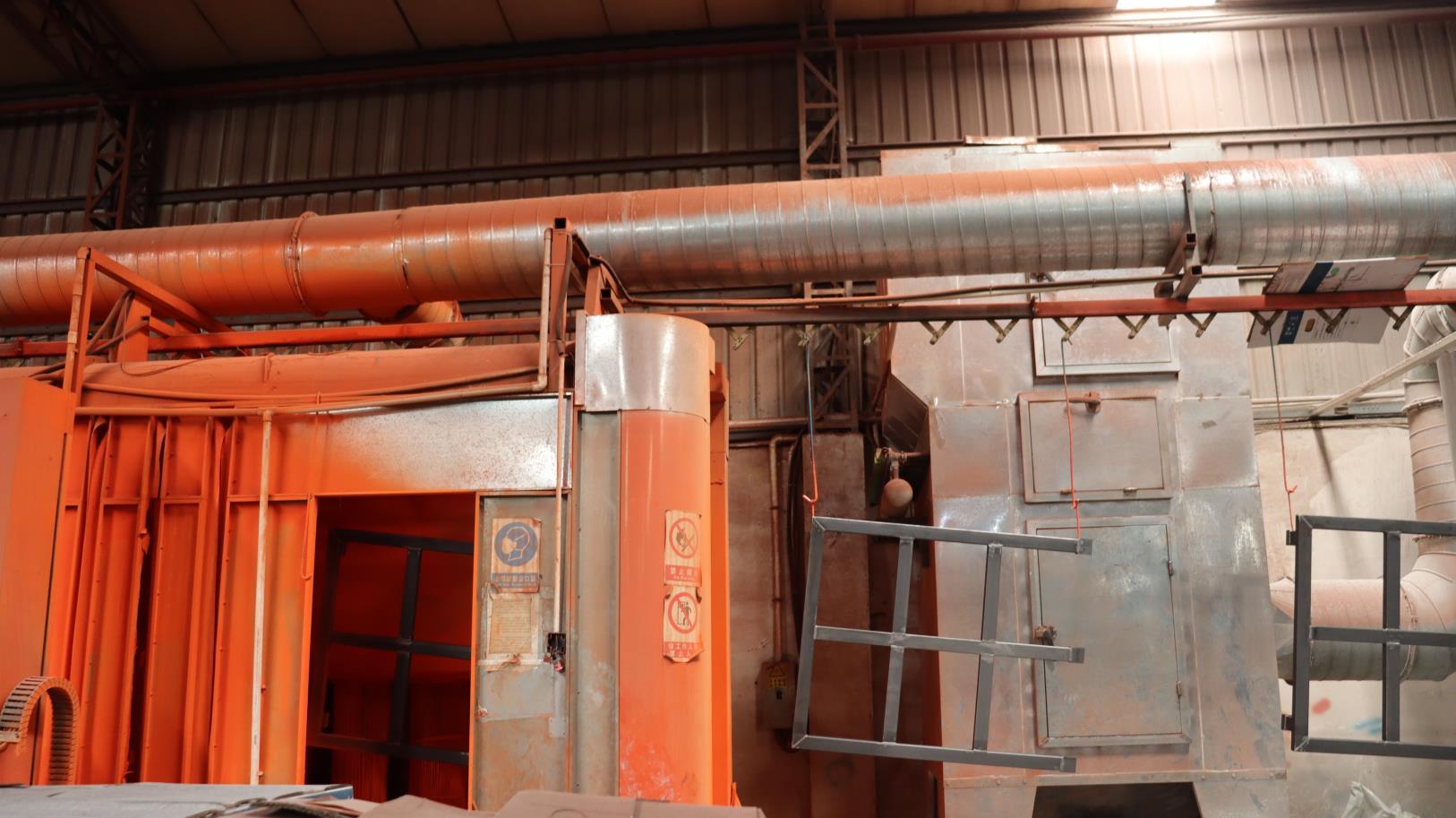
A step-by-step look at our automated production line, showing how raw steel is transformed into high-precision structural racking.
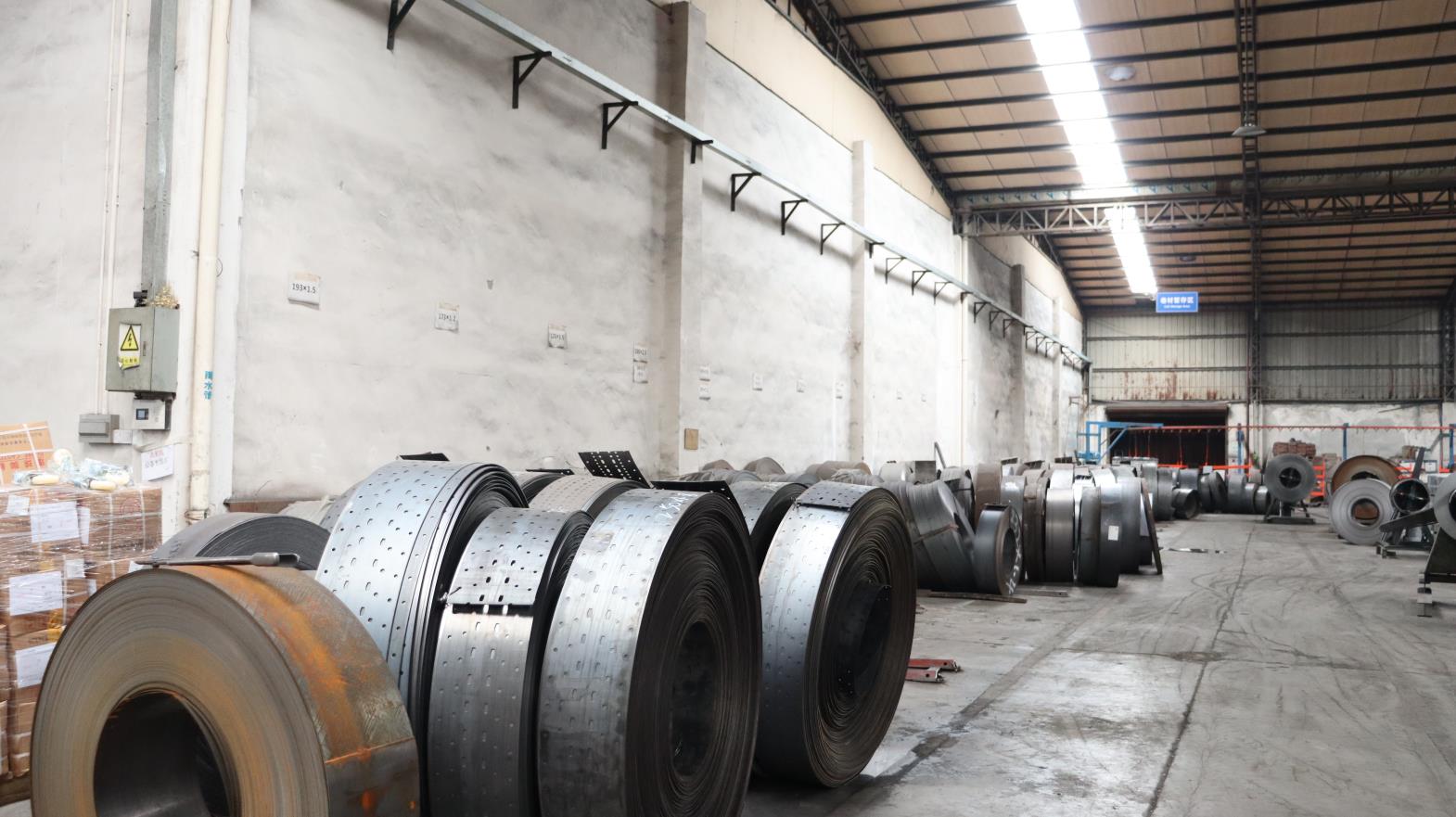
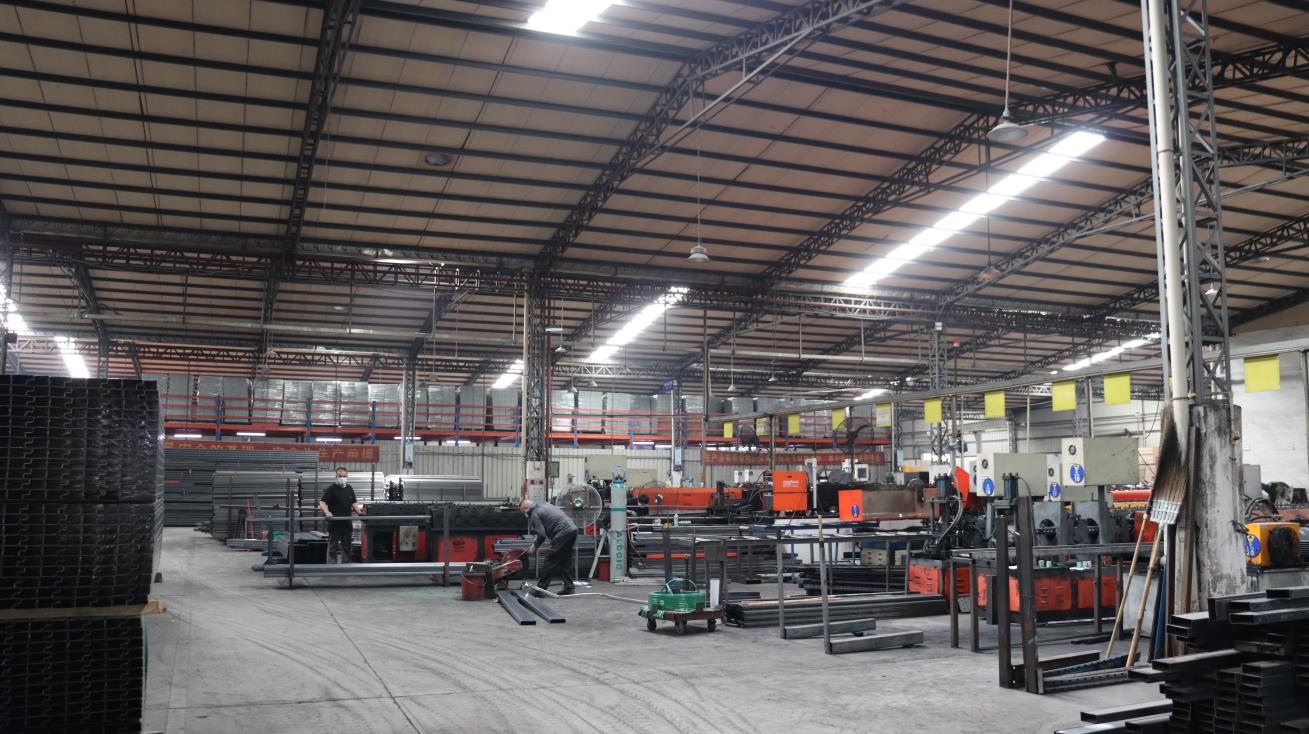
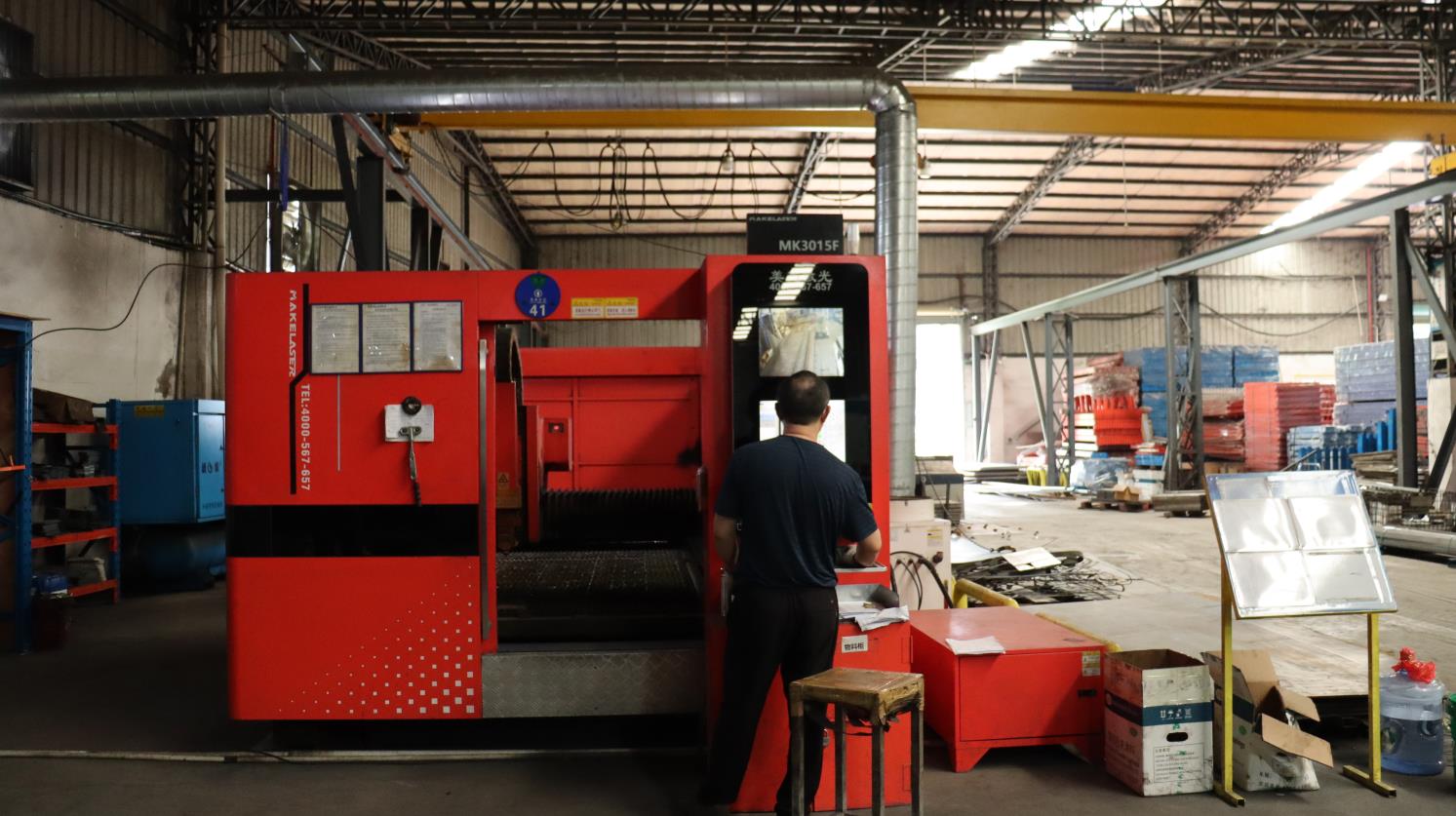
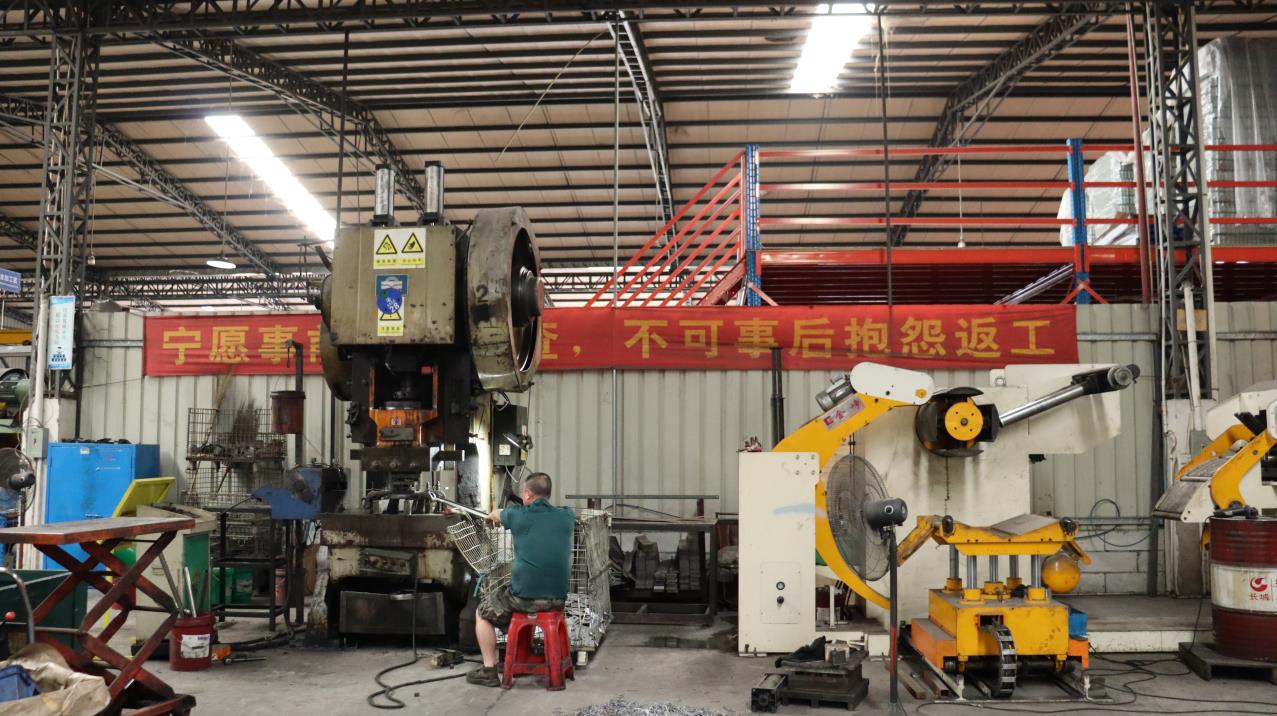
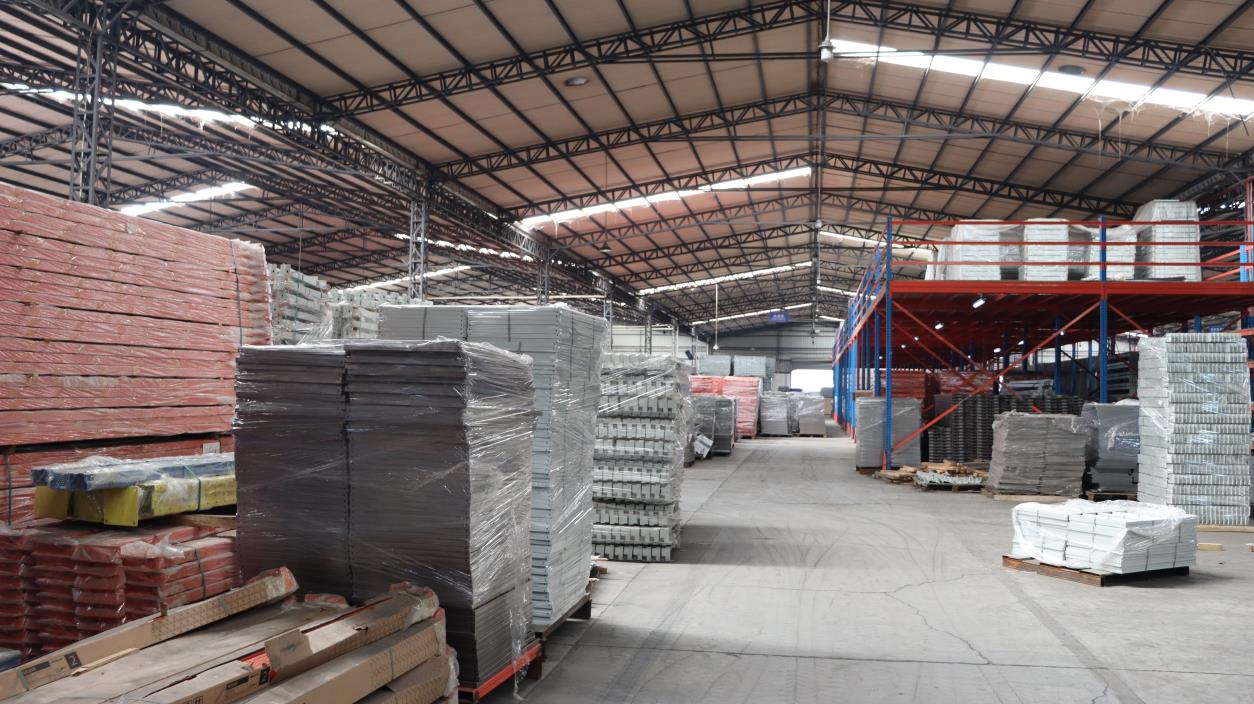
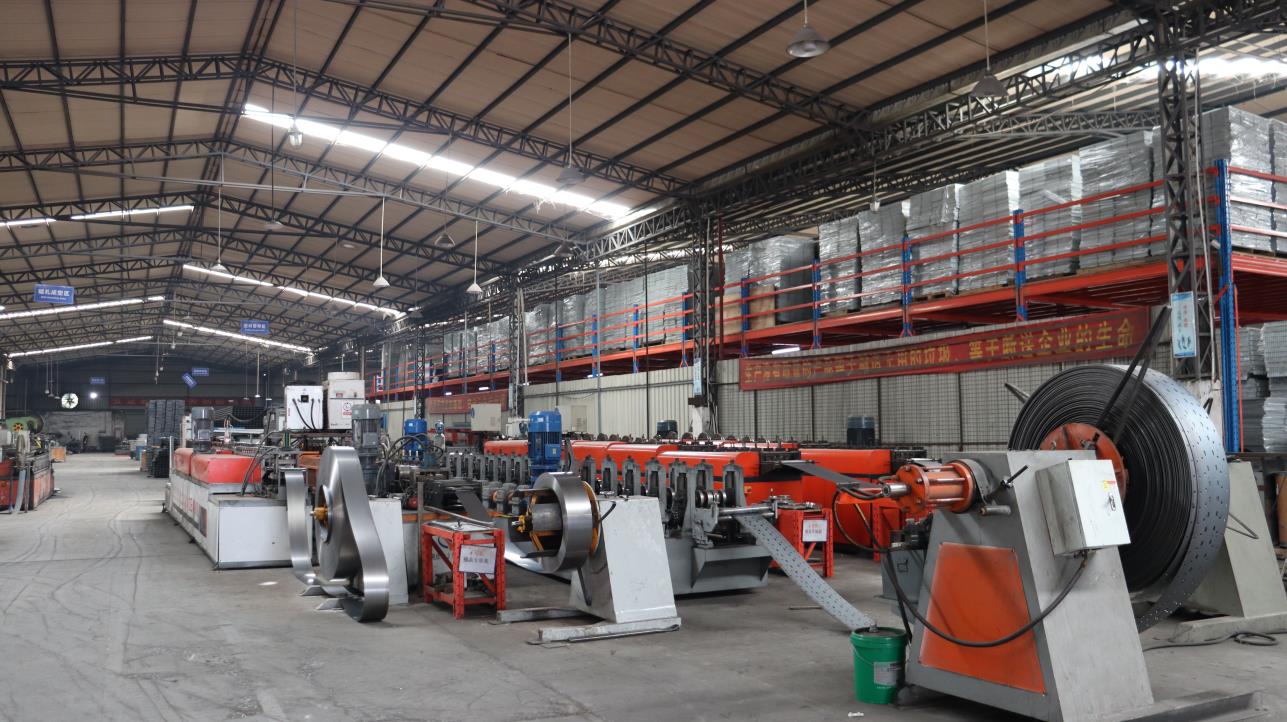
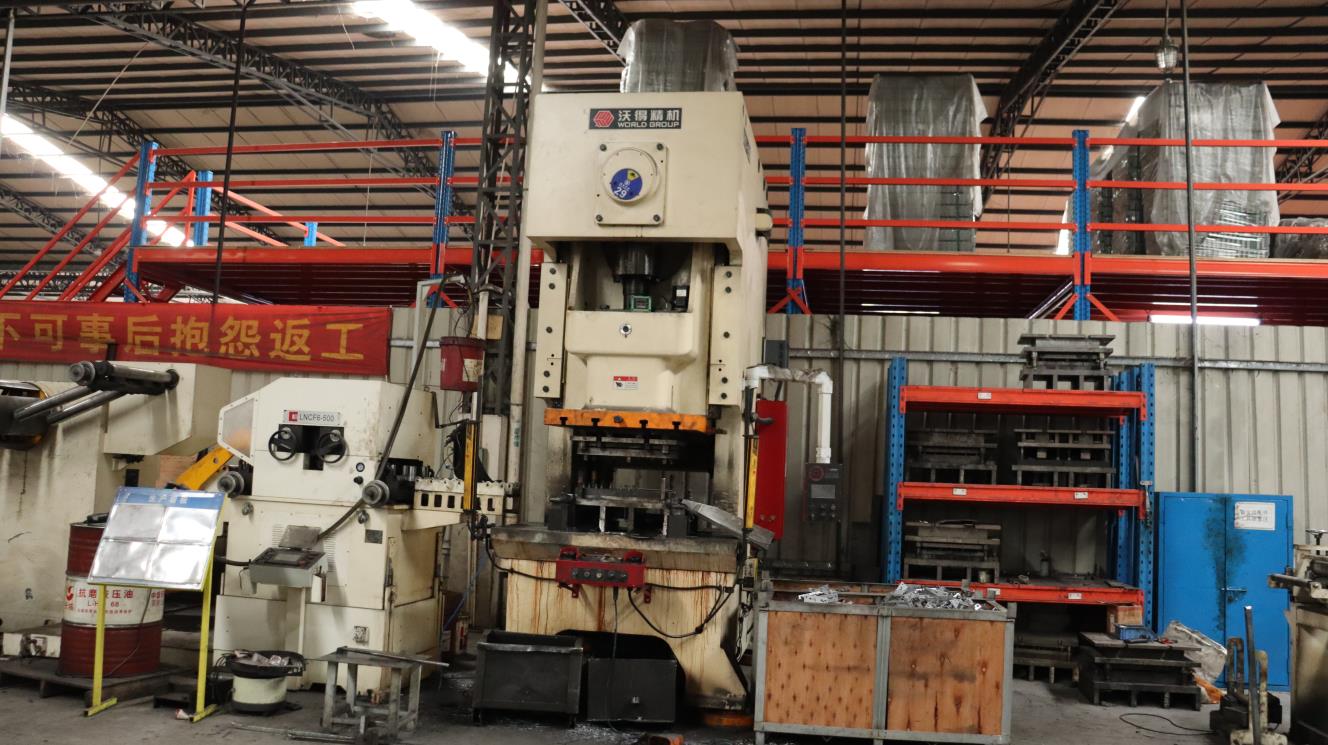
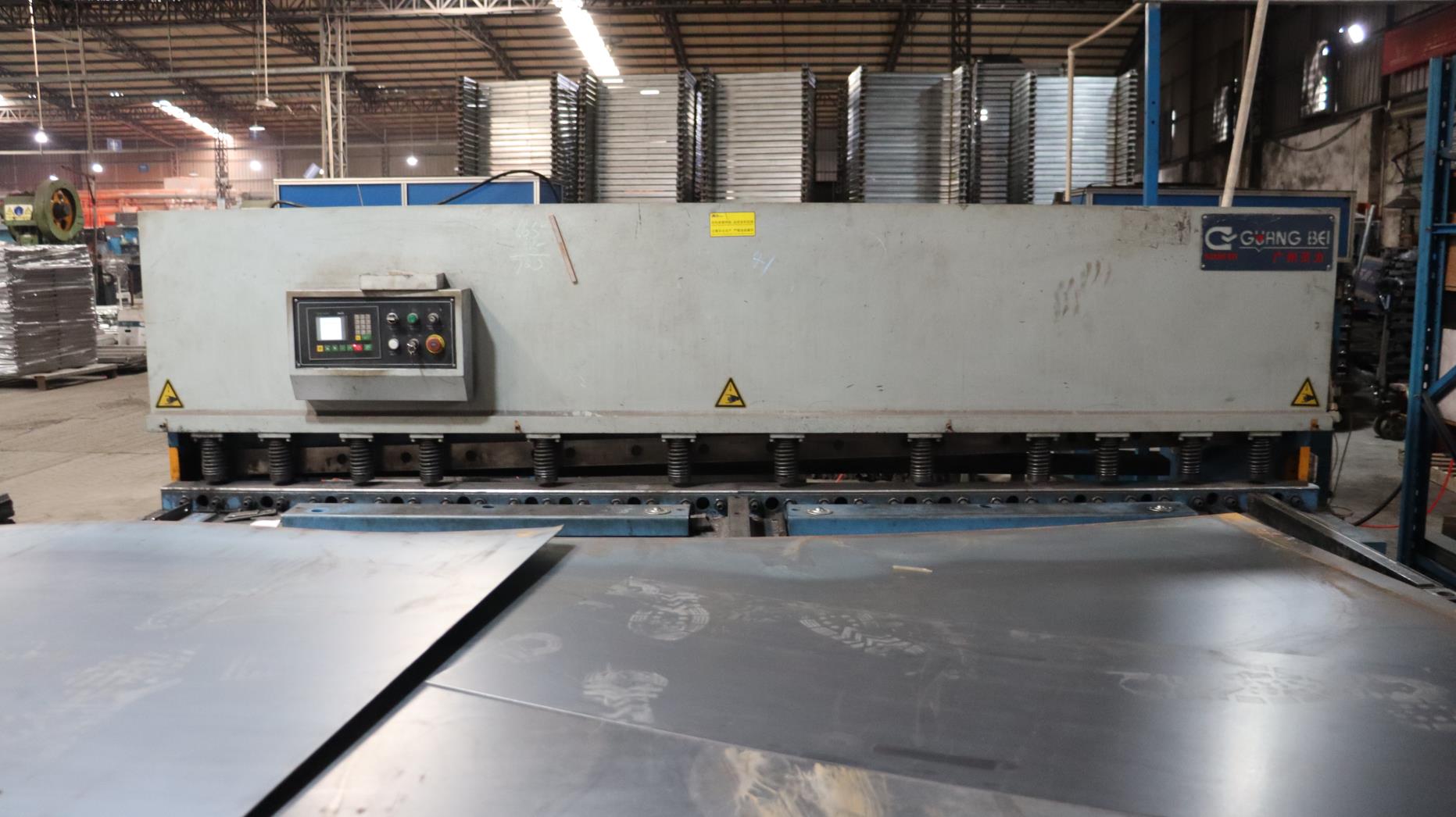
How industry leaders utilize CE certified foldable racks to streamline their storage and distribution workflows.
During peak sales seasons, e-commerce warehouses face sudden increases in inventory. Foldable and stackable storage racks allow operators to quickly add dynamic storage capacity. When the seasonal rush ends, these units fold flat and nest together, reclaiming up to 75% of active floor space for staging and outbound packing lines.
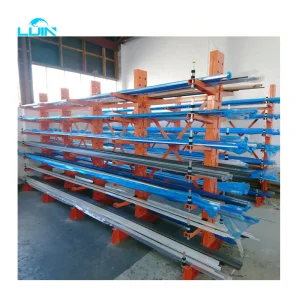
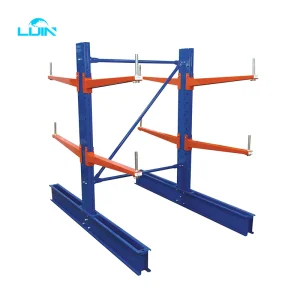
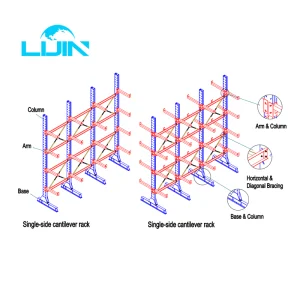
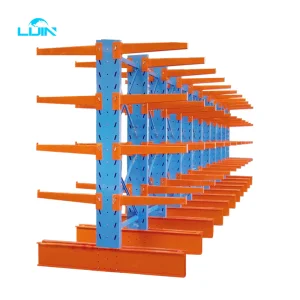
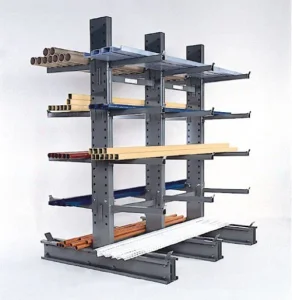
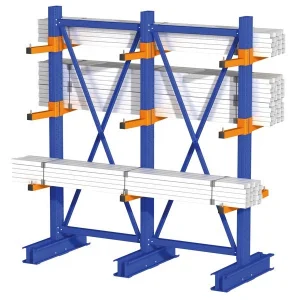
Automotive parts suppliers manage components with diverse sizes and shapes, from body panels to engine blocks. Custom cantilever and modular steel racking systems protect sensitive components during transport and storage, preventing metal-on-metal damage and reducing transit scrap rates.
Operating in sub-zero environments is energy-intensive, making volumetric efficiency critical. Our racking systems feature thick powder-coatings or hot-dip galvanized finishes that prevent structural corrosion in low-temperature and high-moisture settings, ensuring reliable performance in cold chain systems.
By implementing foldable racking systems, businesses can adapt their storage configurations to changing operational requirements. The ability to stack, fold, and reposition structural components enables logistics managers to optimize warehouse layouts, reduce empty space charges, and improve material flow throughout their supply chain networks.
Answers to common engineering, regulatory, and procurement questions about our products.
Our foldable steel racking systems are engineered in compliance with EN 15512 (Steel static storage systems - Adjustable pallet racking systems - Principles for structural design) and EN 1090-1 (Execution of steel structures and aluminium structures). Our factory provides full Declaration of Performance (DoP) documents, raw material mill test certs, and certified load-capacity charts with every shipment.
We use robotic welding systems that ensure uniform penetration and eliminate human error. Our 35-person quality control team performs ultrasonic non-destructive testing (NDT) on load-bearing joints, verifying structural integrity and checking for internal defects before the powder-coating process.
We source structural-grade Q235B and Q355B carbon steel directly from premium Chinese state-owned steel producers. Our 28 R&D engineers can perform seismic calculations using finite element analysis (FEA) to customize base plates, upright profiles, and bracing patterns for sites located in active seismic zones.
Following layout approval and structural sign-off, our typical manufacturing lead time ranges between 25 to 35 days. This timeline varies based on order volume, requested surface finishes (e.g., custom powder coating colors or hot-dip galvanization), and current facility loading schedules.
Our engineering team designs our products with nesting features that allow for dense packing inside standard sea freight containers. This approach maximizes shipping density, reduces per-unit shipping costs, and protects structural components from damage during transport.
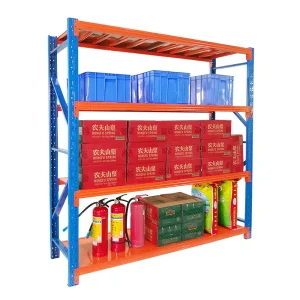
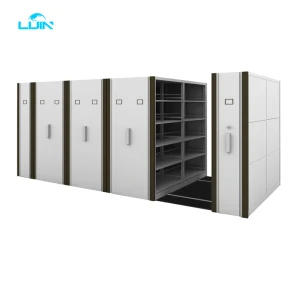
Discover our heavy-duty cantilever racks, selective storage systems, and specialized industrial locker components.
 Lijin Racking