In the era of globally integrated food, pharmaceutical, and chemical supply chains, cold storage logistics has transitioned from a supporting operational facility into a strategic commercial asset. Maintaining strict temperature control is critical to ensuring product integrity, safety, and regulatory compliance. Sub-zero temperatures down to -30°C alter the behavior of standard structural steel, accelerating brittle fractures and component degradation if the materials are not dynamically engineered to handle structural contractions.
Shenzhen Lijin Storage Equipment Co., Ltd. resolves these challenges by fabricating structural systems designed specifically for thermal stability and high performance in sub-zero environments. Our range of CE-certified solutions utilizes low-temperature high-grade structural alloys, customized finishes, and heavy-duty configurations that increase density, eliminate structural vulnerabilities, and integrate seamlessly with semi- or fully-automated materials handling equipment (AS/RS). Our systems prevent thermal bridge failures and minimize air flow blockages, optimizing internal climate consistency.
Utilizing Q235B, Q355D, and higher-toughness steel grades engineered to withstand cold brittleness and thermal contraction down to -40°C.
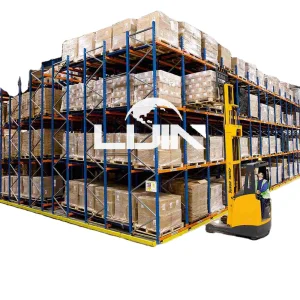
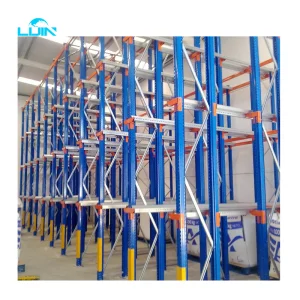
High-density systems (Drive-In, Gravity Flow, Shuttle) designed to optimize footprint space, lowering refrigeration power bills.
Rigorously tested to comply with EU safety guidelines. Structural integrity matches stringent seismic criteria globally.
Established in 2015, Shenzhen Lijin Storage Equipment Co., Ltd. is a leading enterprise specializing in the design, manufacturing, and global distribution of heavy-duty warehouse racking systems, automated storage solutions, and industrial shelving. Spanning a state-of-the-art facility of 35,000 m², we have developed into a trusted global supply chain partner with over 8 years of direct export experience and more than 12 years of deep industry expertise. Driven by innovation and quality, our global revenue reached USD 22 million last year.
We enforce a rigorous, multi-stage quality control system—including ultrasonic non-destructive testing, automated weld inspection, laser dimensional checking, and heavy-load endurance testing. Backed by an in-house quality inspection team of 35 dedicated professionals, every batch meets international safety and structural standards, ensuring maximum load-bearing efficiency and long-term stability.
Backed by an experienced international trade background, our core markets span North America, Western Europe, Southeast Asia, and the Middle East. We maintain strong strategic relationships with over 850 supply chain partners globally. Our primary clients include large-scale logistics hubs, commercial distributors, third-party logistics (3PL) providers, and industrial equipment wholesalers.
Supported by a skilled team of 28 R&D engineers, Shenzhen Lijin delivers comprehensive OEM and ODM solutions tailored to unique warehouse layouts, seismic requirements, and capacity needs. Our engineering team launched over 85 new products and dynamic storage configurations last year, continuously setting new standards in space optimization and modern automated storage integration.
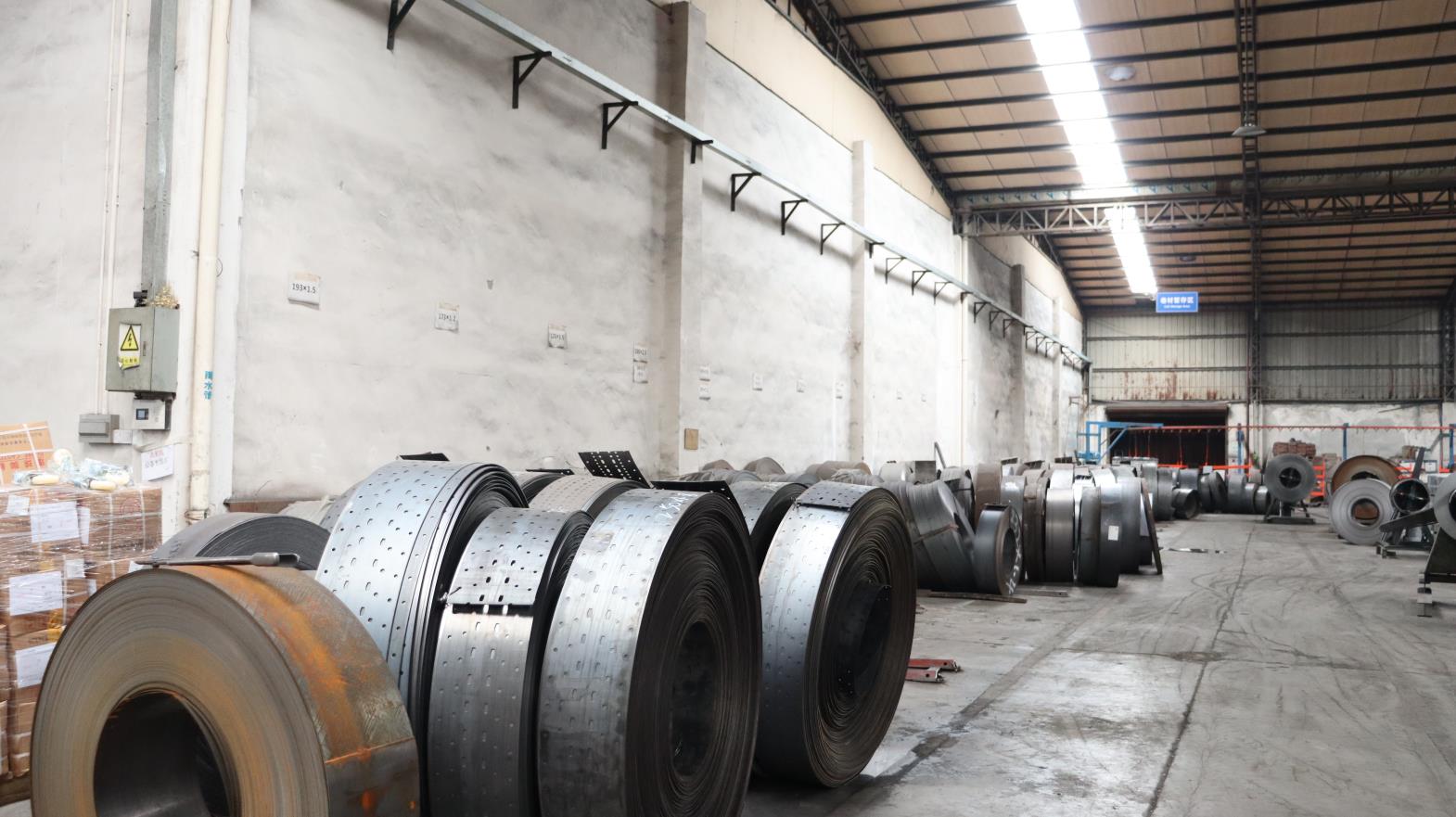
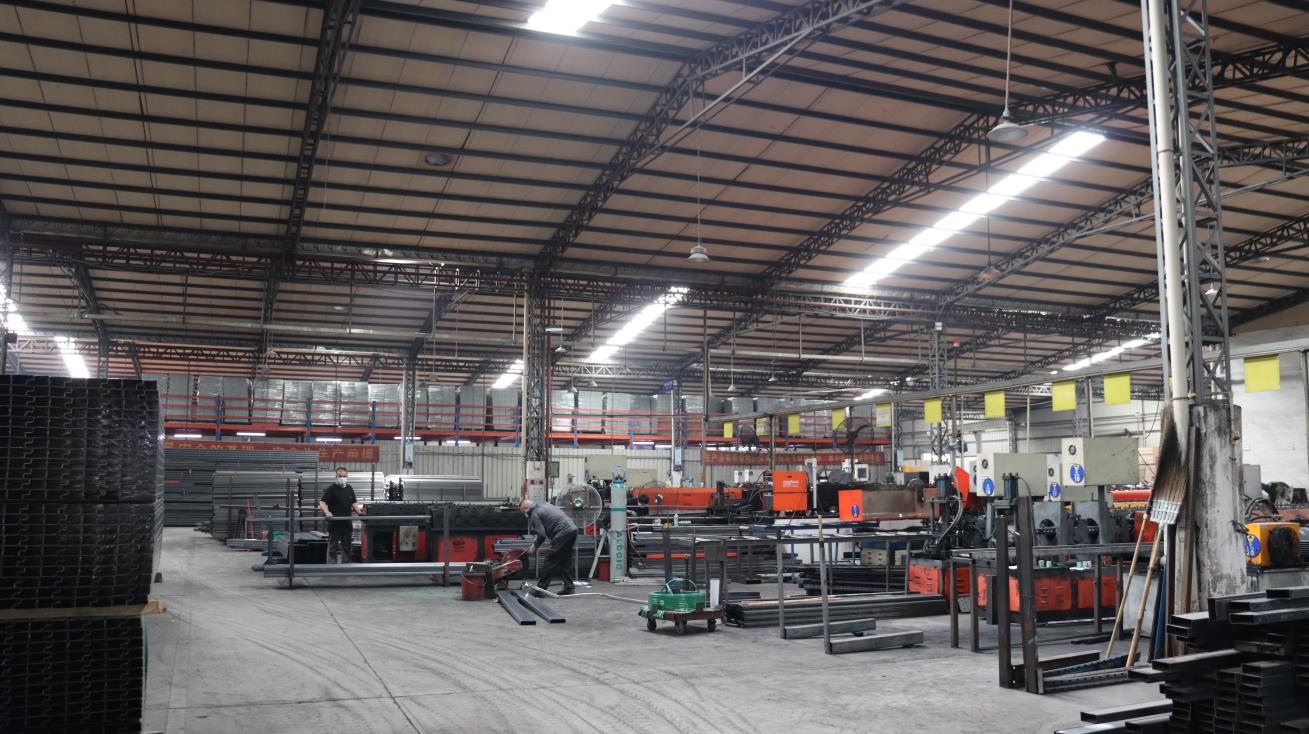
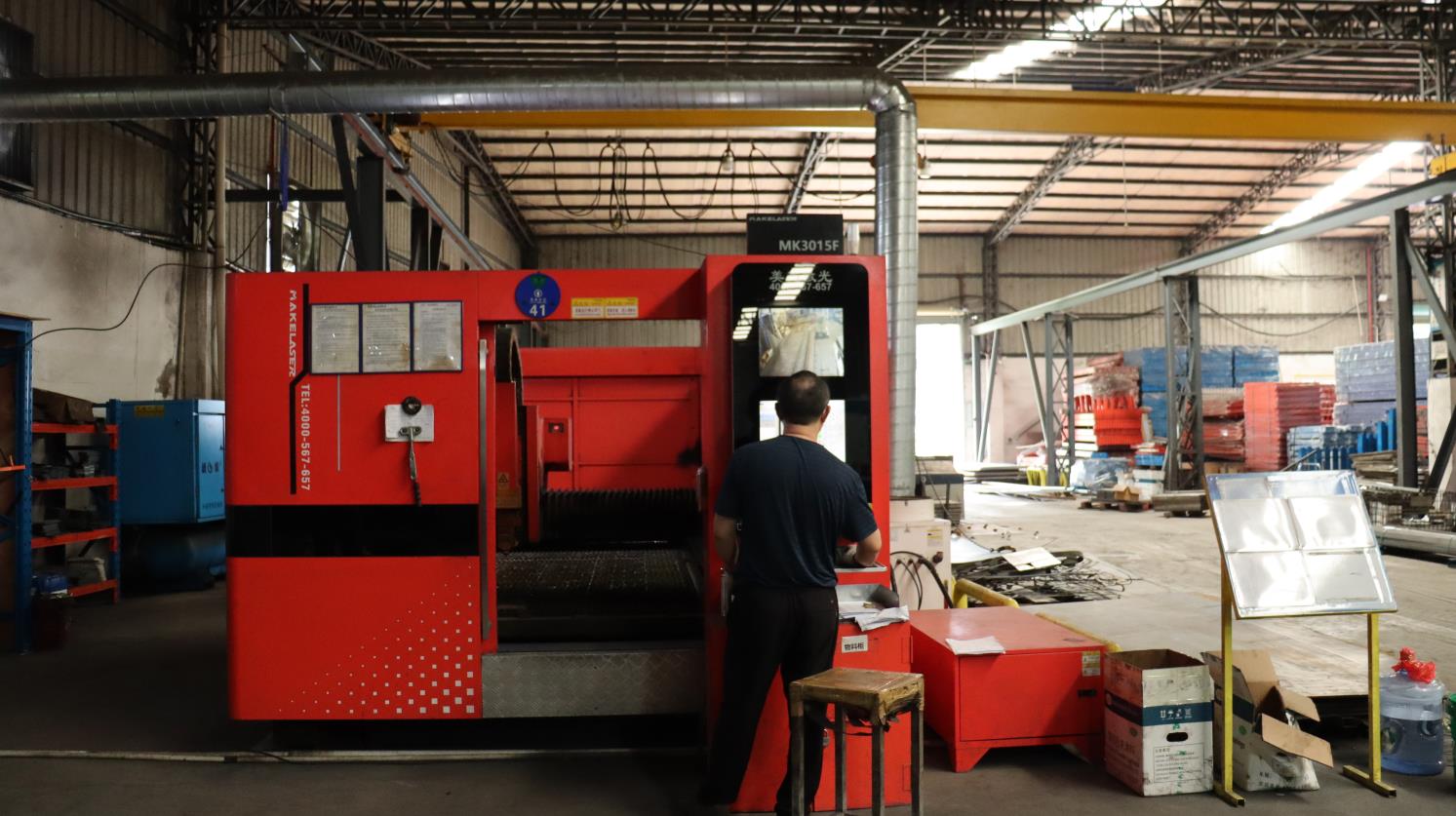
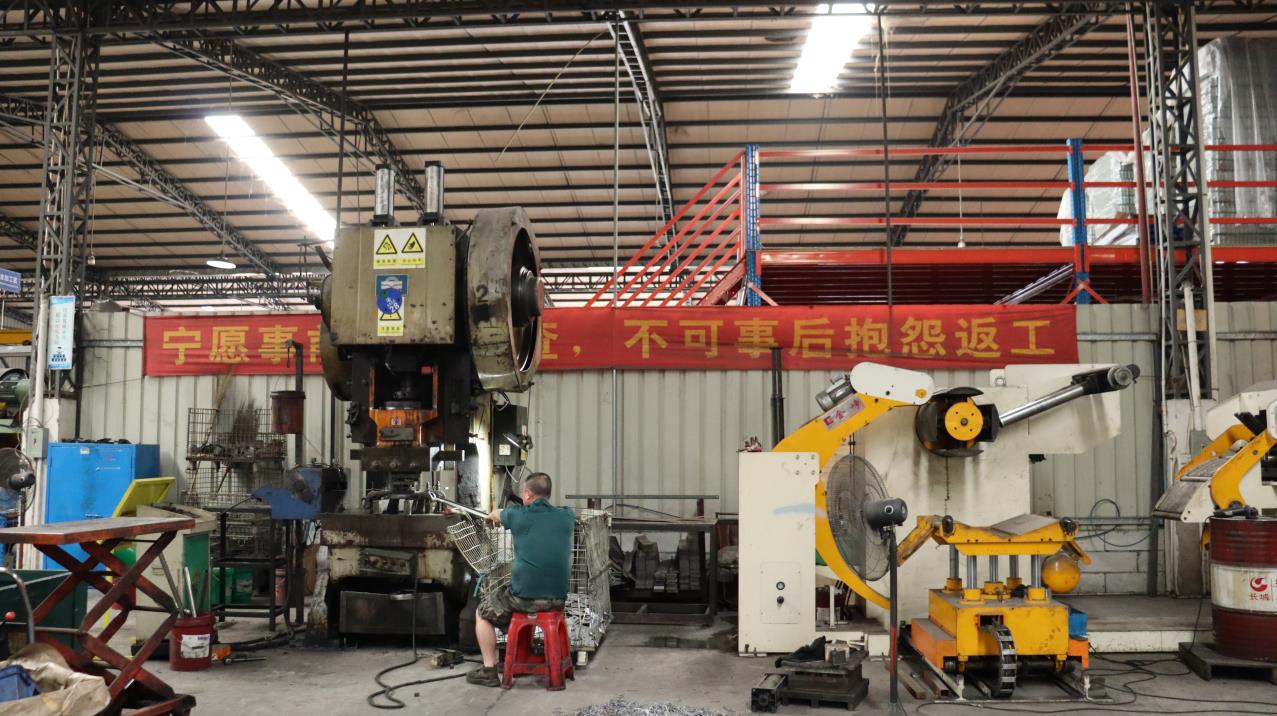
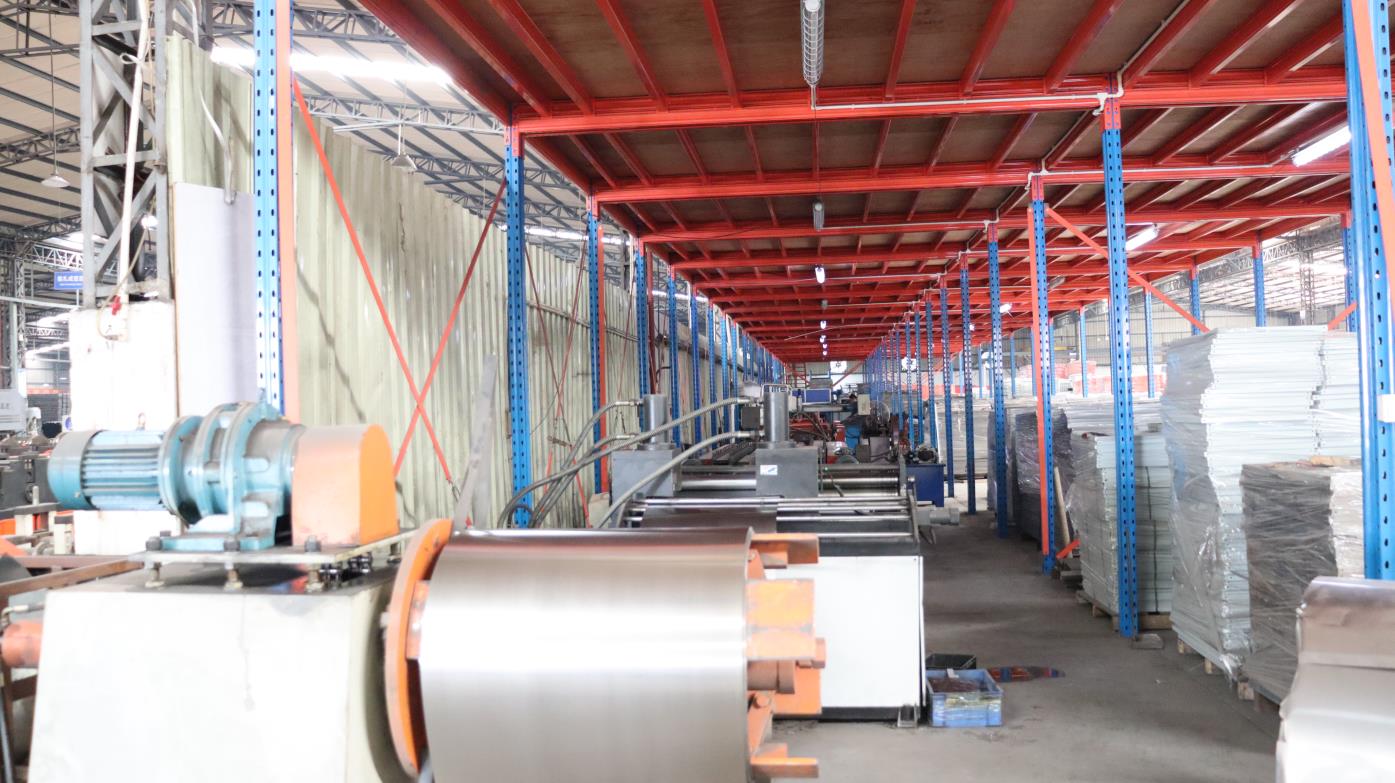
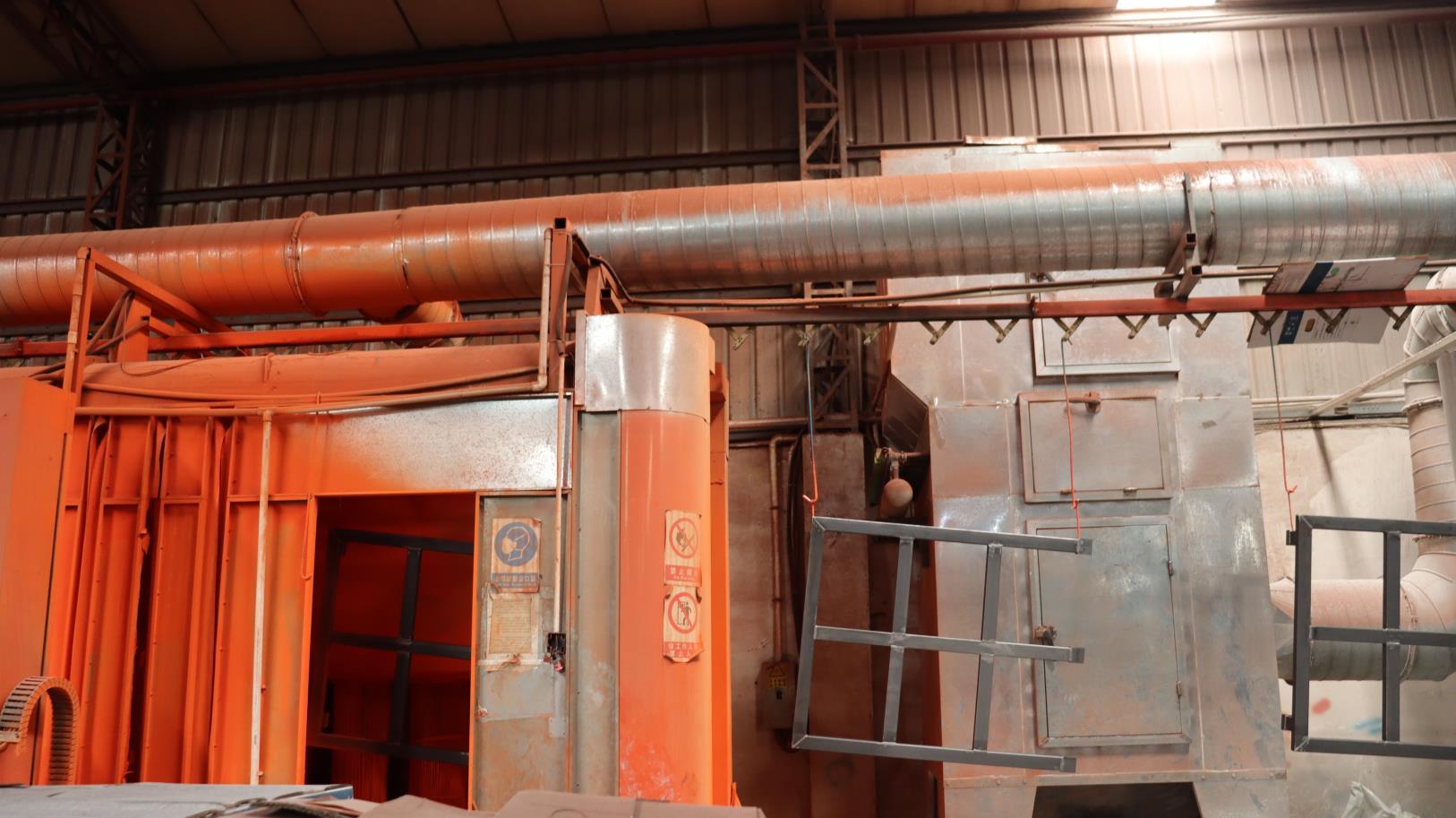
Our automated production line incorporates specialized metal forming, high-precision robotic welding, and automated surface treatment to deliver structural elements that meet global standards.
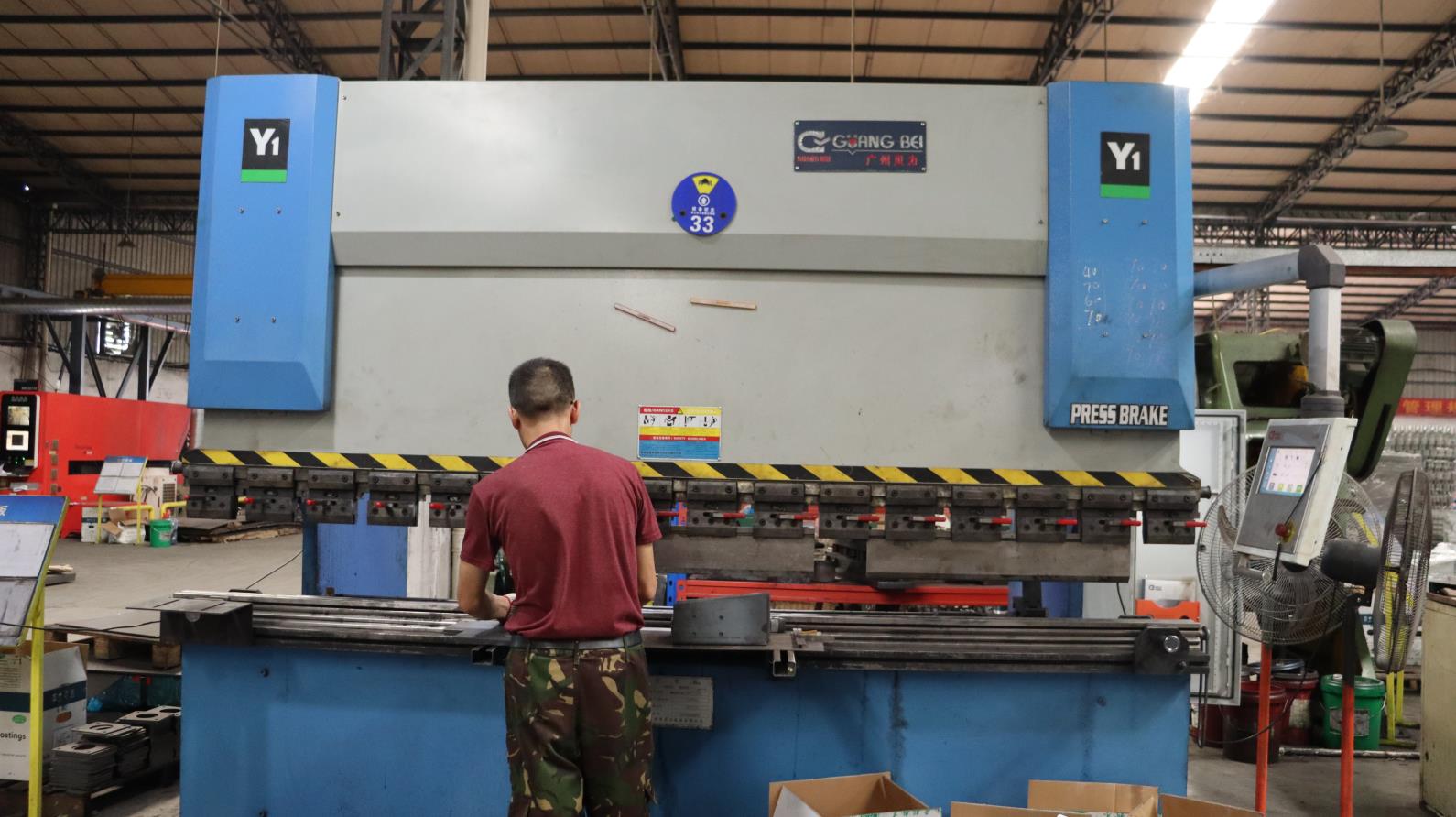
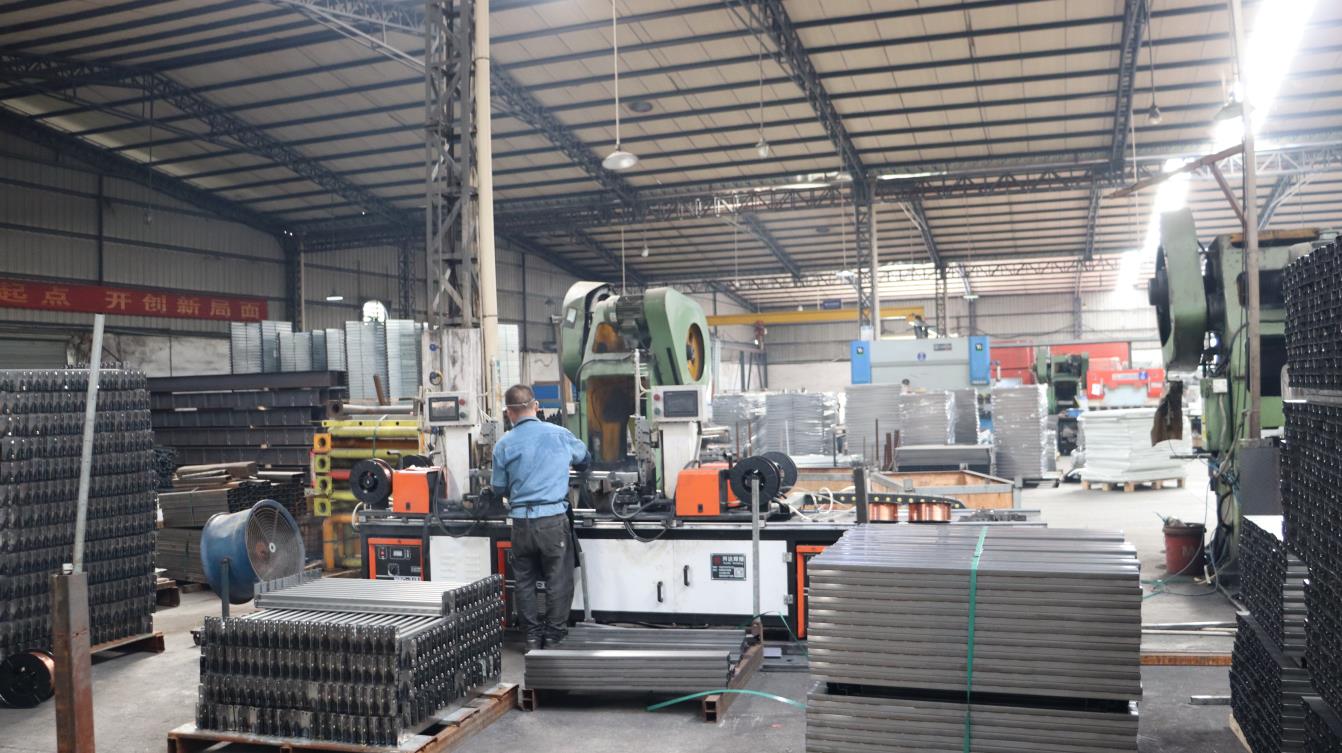
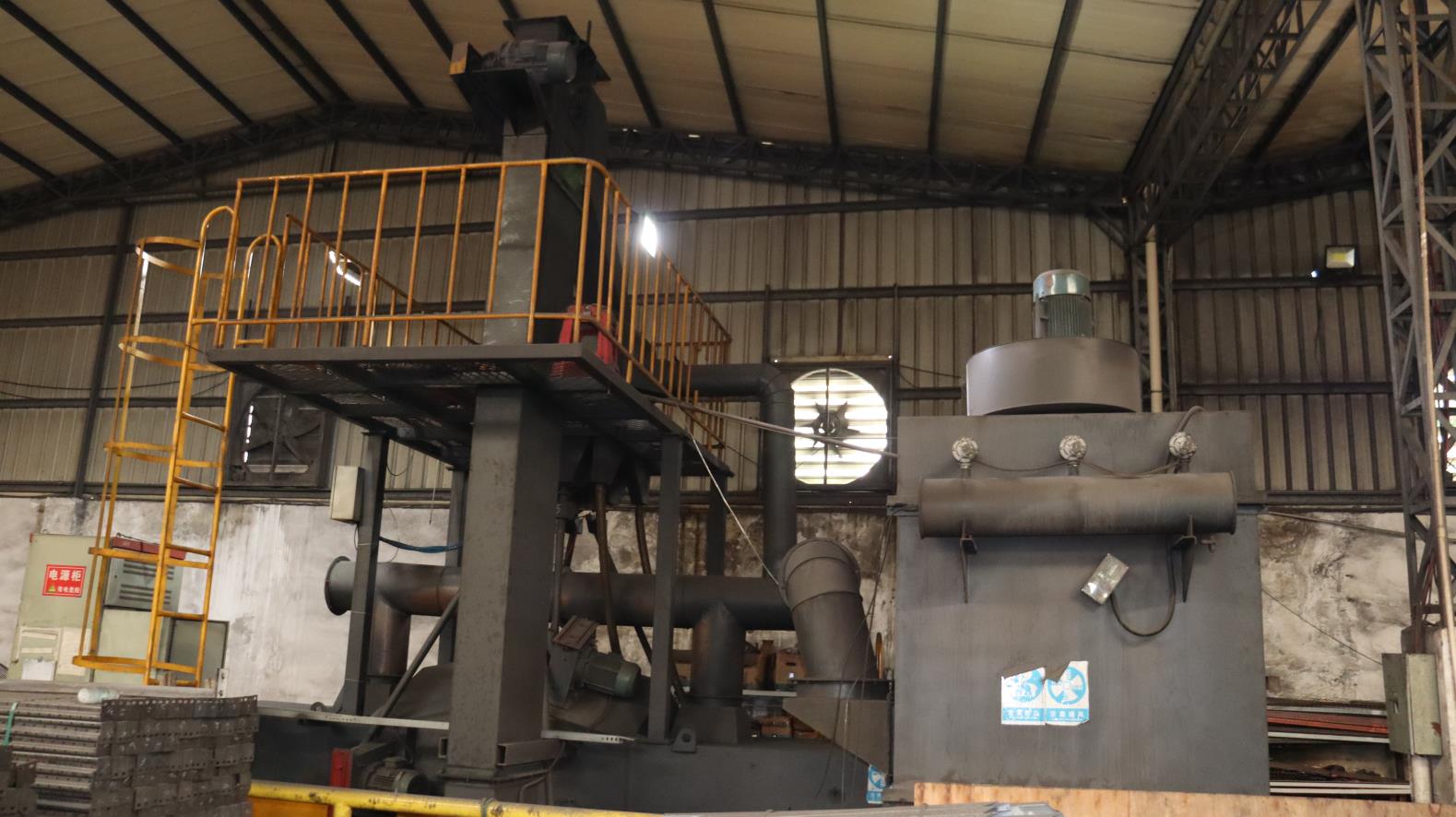
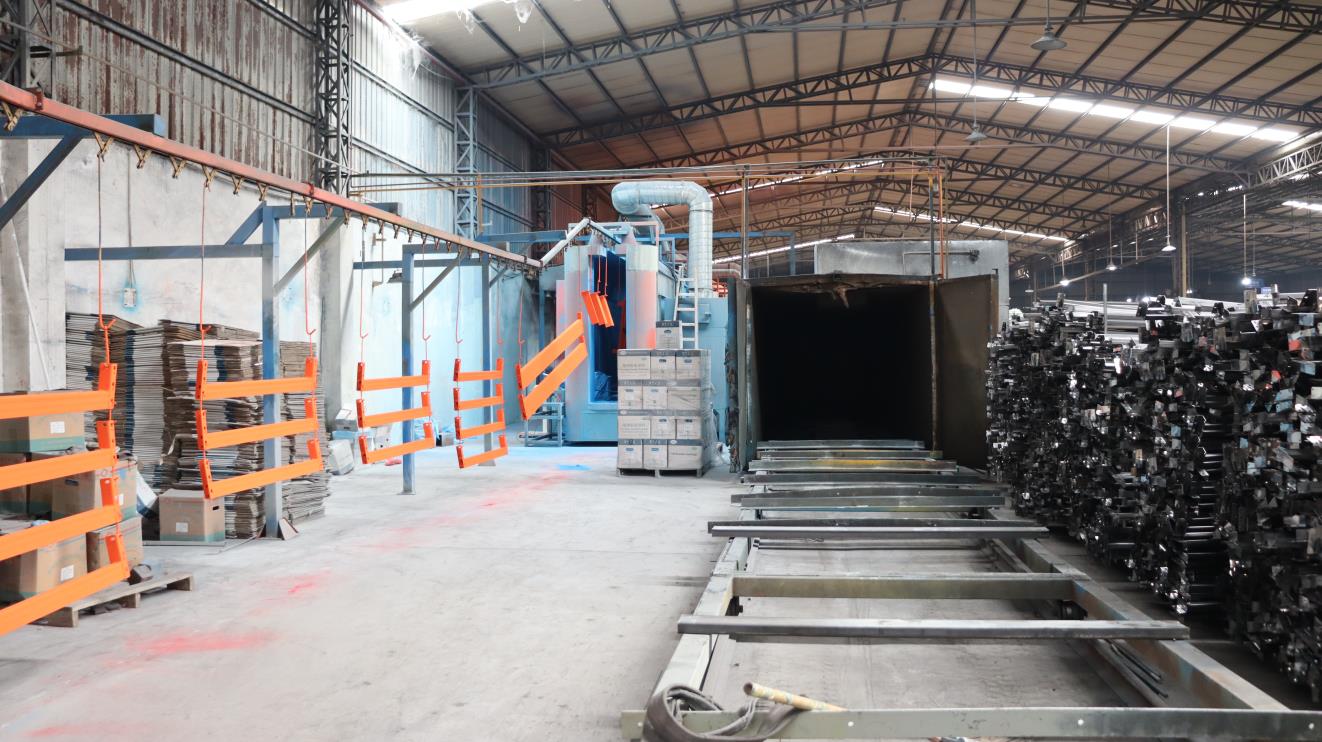
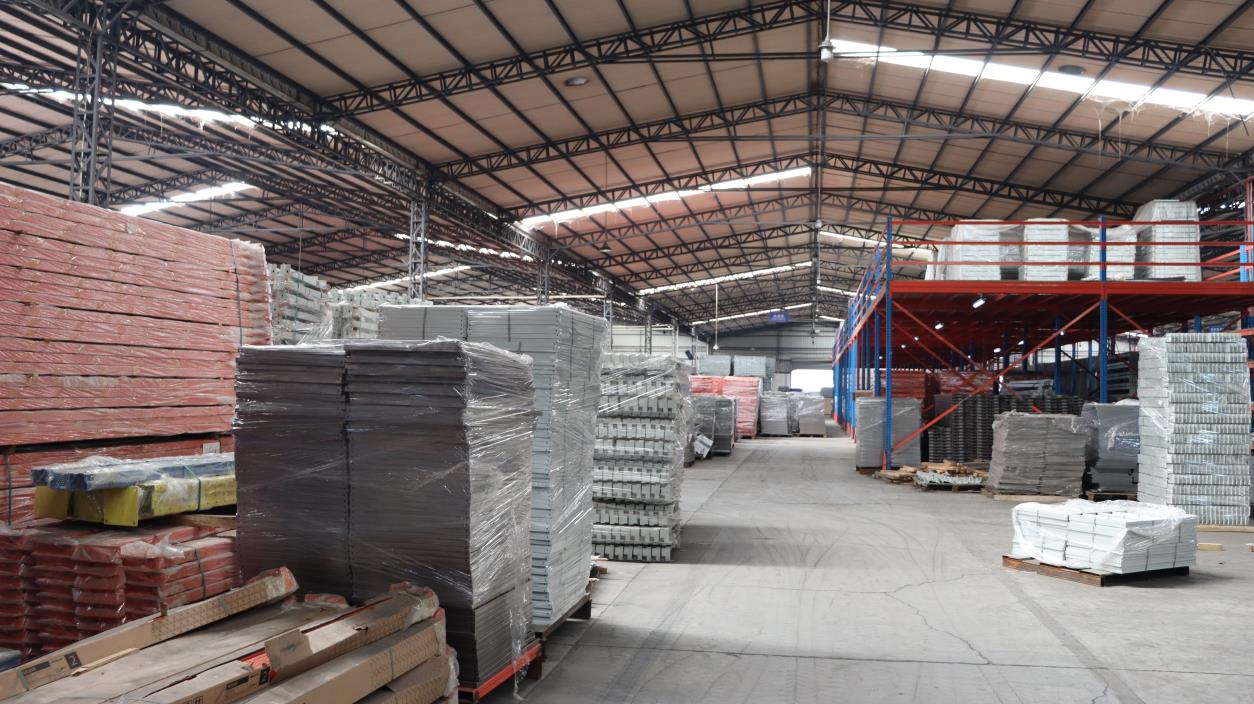
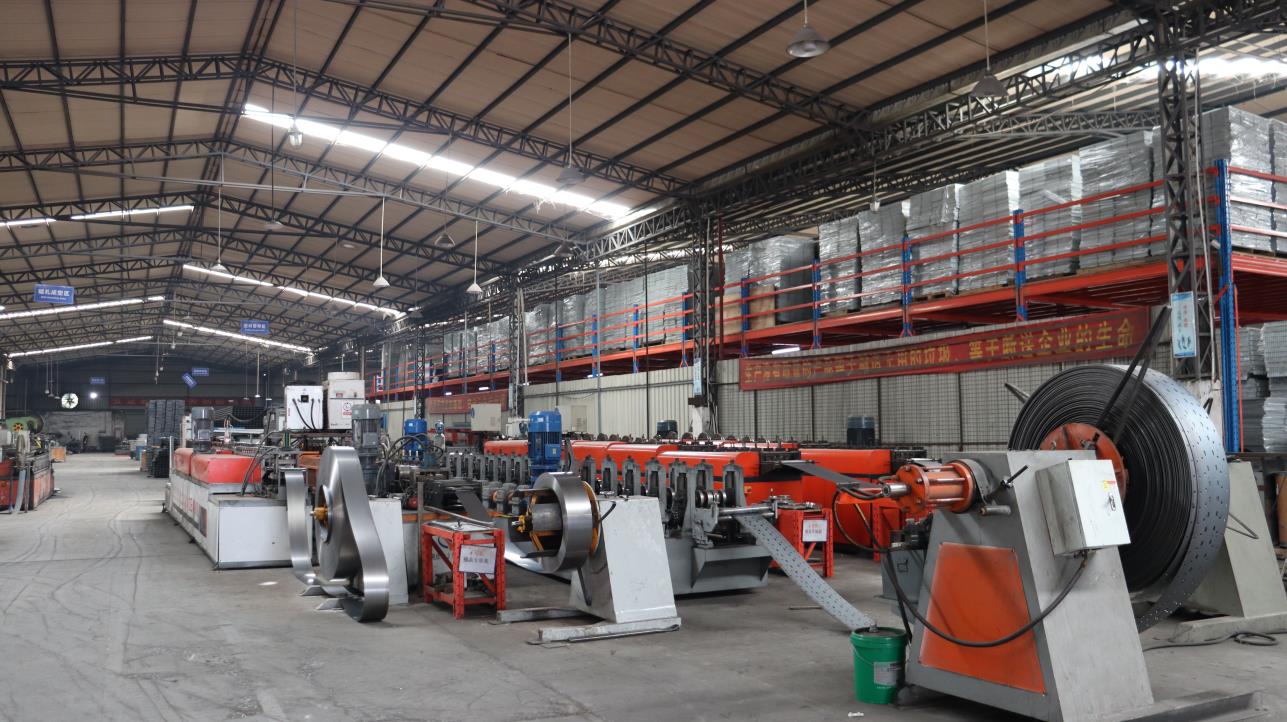
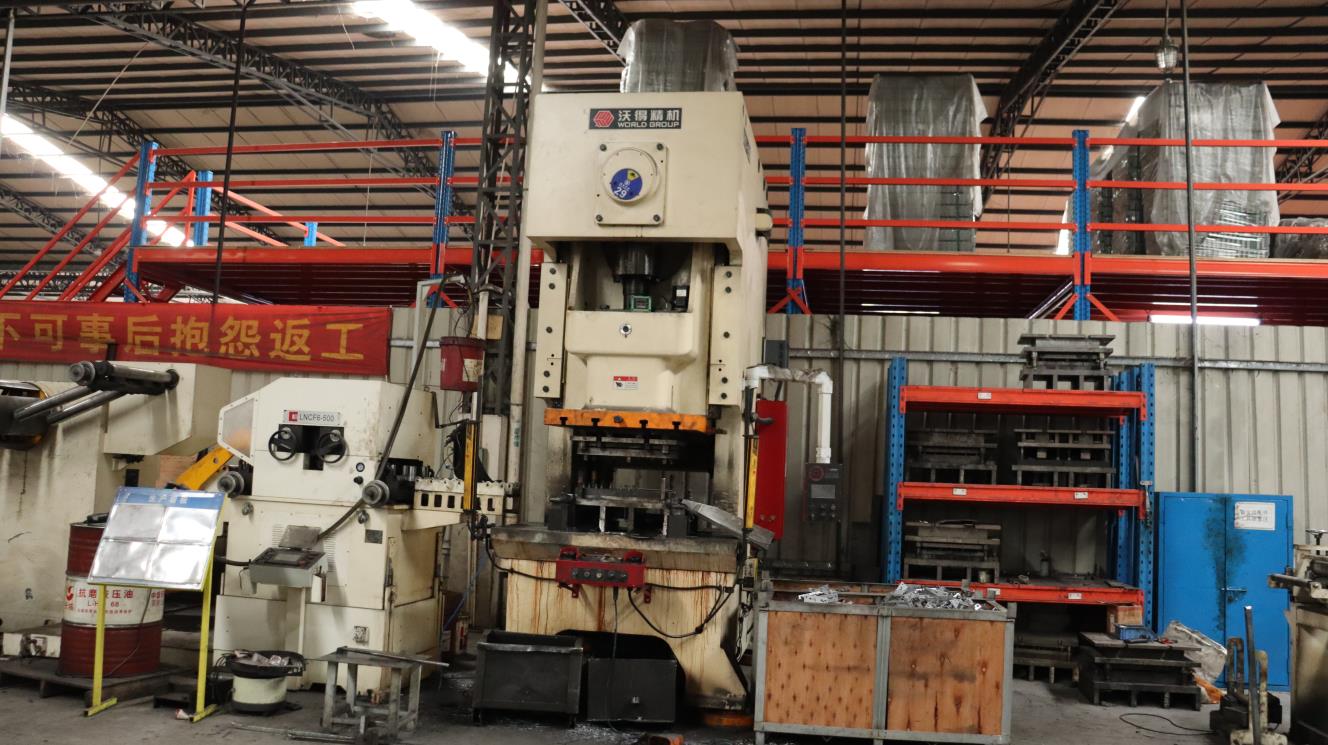
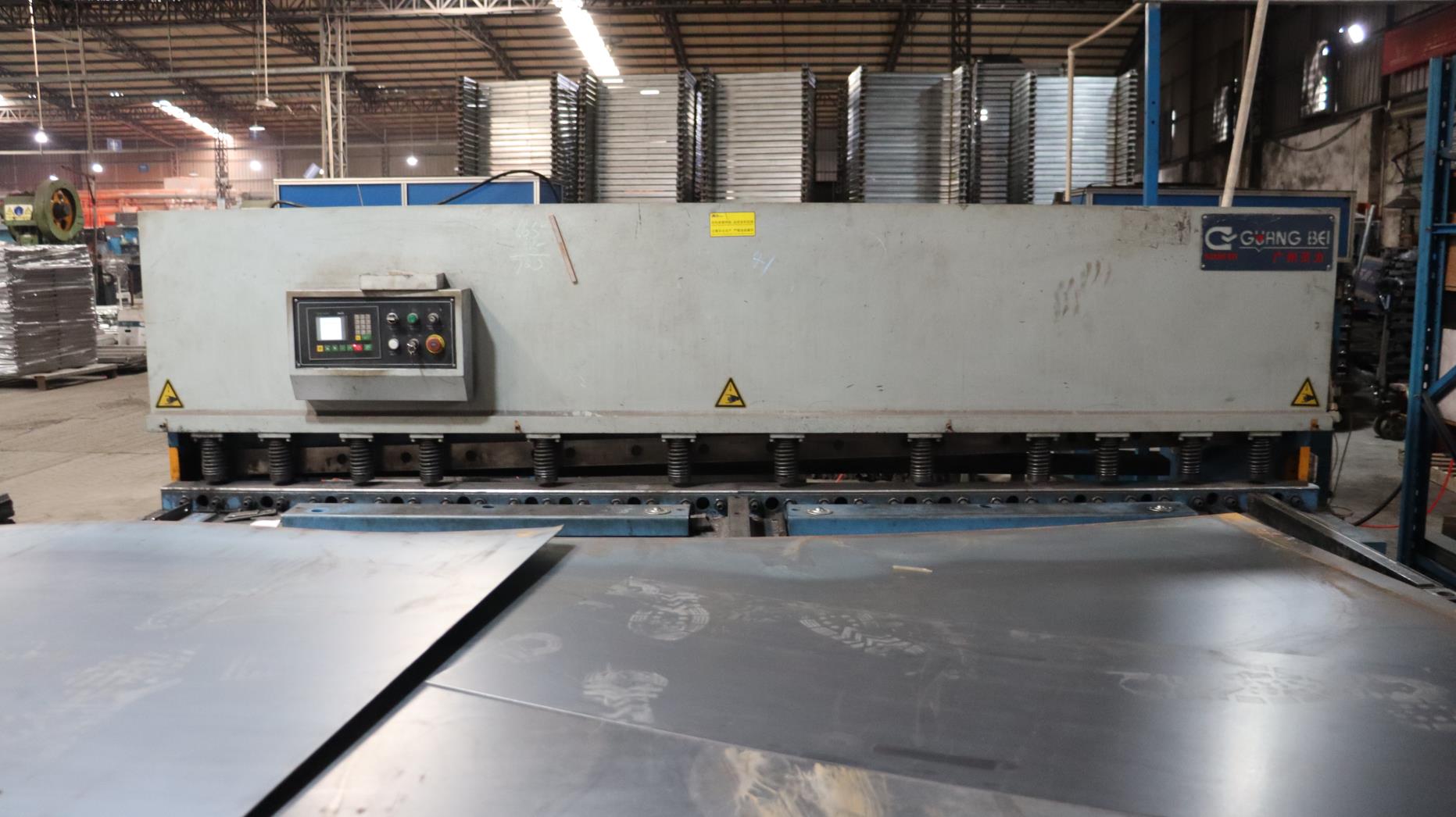
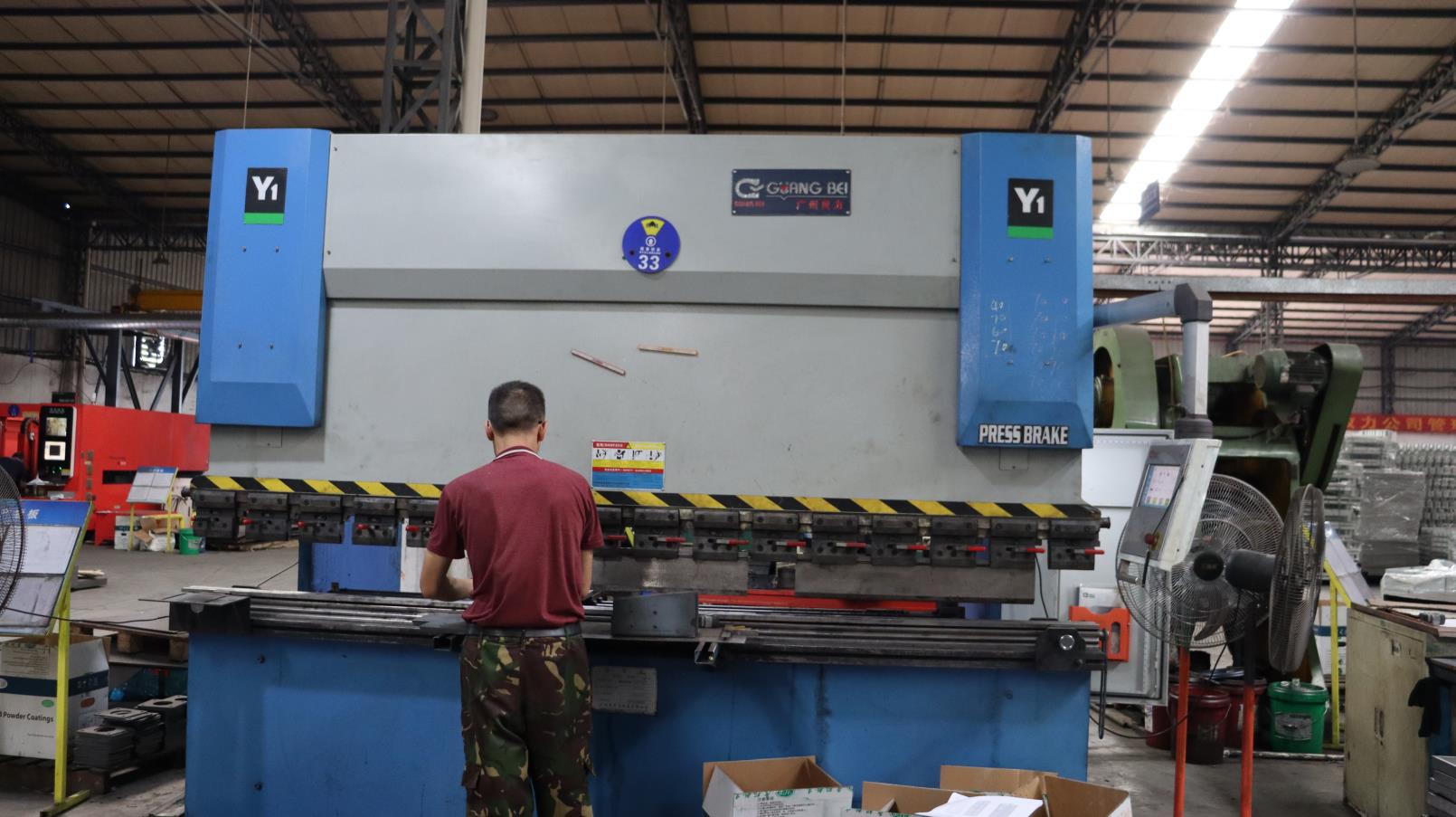
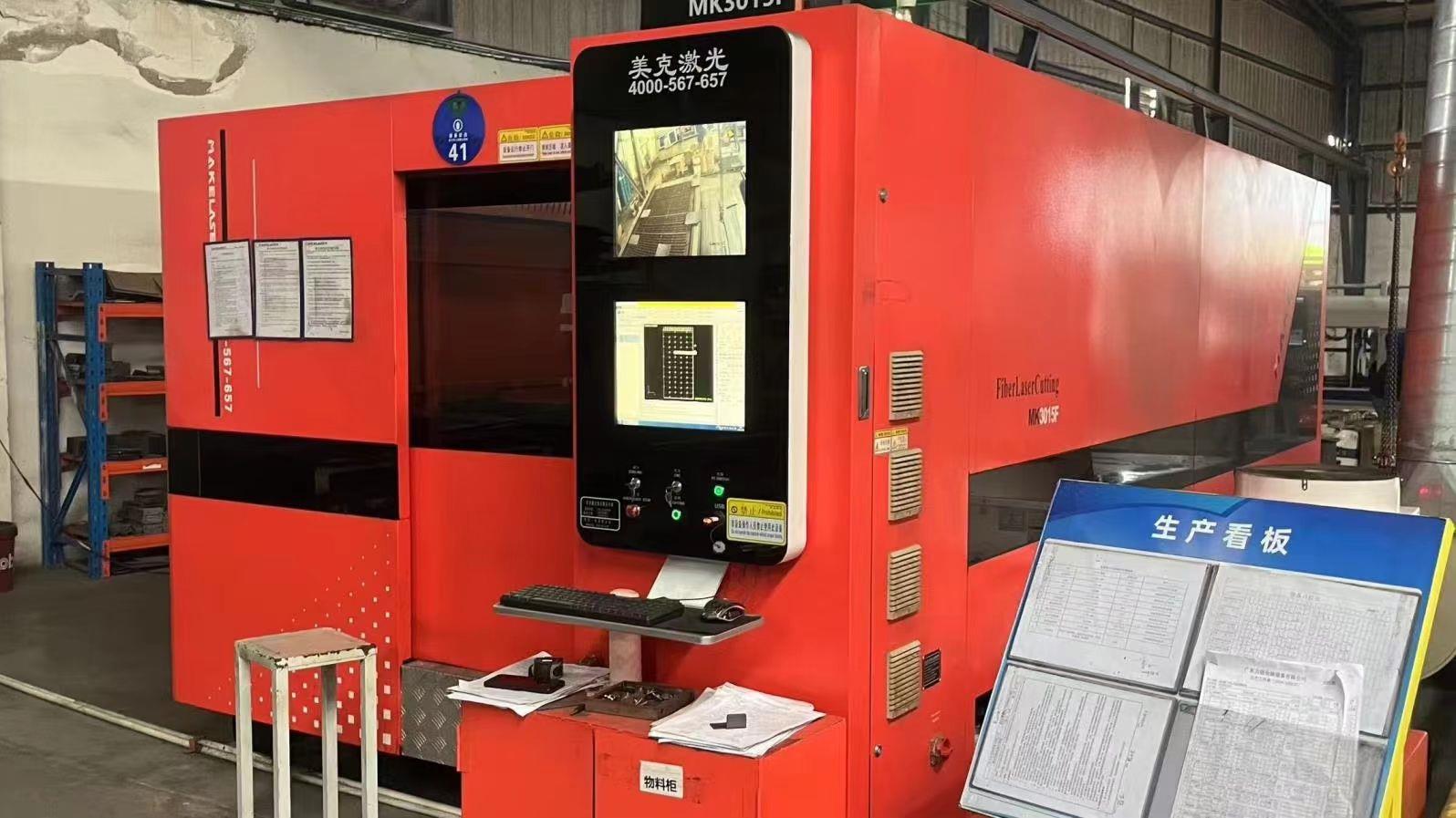
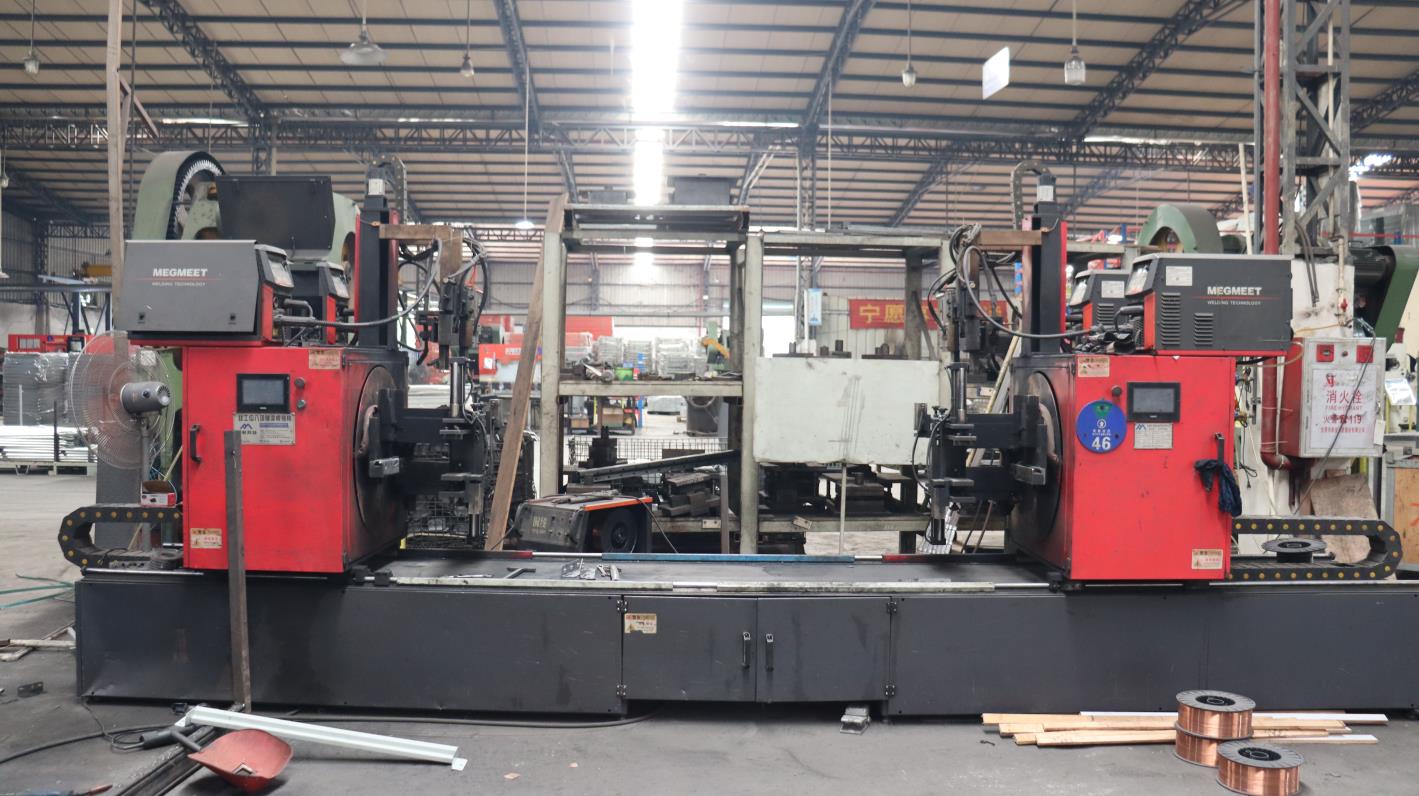
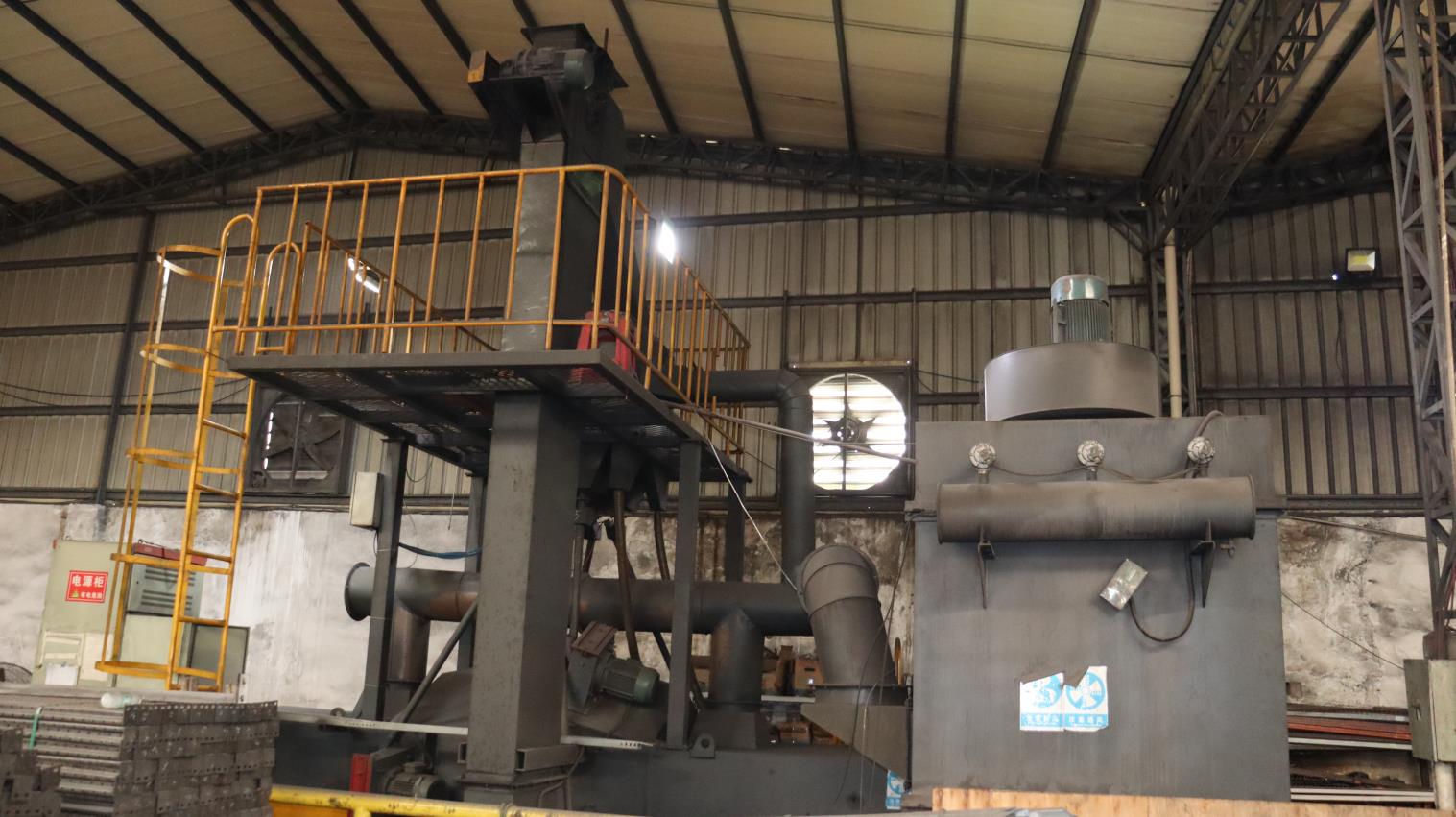
Every warehousing market operates under strict and distinct architectural safety regulations. Our engineering office implements specific structural analysis algorithms to maintain alignment with global regional codes.
Compliant with EN 15512 (Steel static storage systems - Adjustable pallet racking), EN 15620, and carrying official CE marks verifying safe operations down to -30°C.
Complies with AISI standards and RMI (Rack Manufacturers Institute) safety requirements for structural cold-formed profiles, ensuring compliance across North American distribution hubs.
Utilizes finite element analysis (FEA) to calculate floor slab reactions, localized seismic activity coefficients, and high-frequency vibrations in dynamic cold storage installations.
| Steel Grade Standard | Yield Strength (Min) | Impact Toughness Temp | Typical Application in Cold Chain |
|---|---|---|---|
| Q235B (Carbon Structural Steel) | 235 MPa | 20 °C | Ambient corridors, dry storage zones, packaging mezzanines. |
| Q345B (Low-Alloy Steel) | 345 MPa | 20 °C | Moderate chill environments (0 to 5°C), structural base brackets. |
| Q355D (High-Strength Low-Alloy) | 355 MPa | -20 °C | Deep-freezers, cold storage racks (-20 to -30°C), heavy load structures. |
| Q355E (Extreme Cold Toughness) | 355 MPa | -40 °C | Blast freezing tunnels, cryogenic storage, sub-zero seismic zones. |
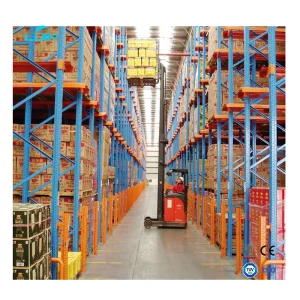
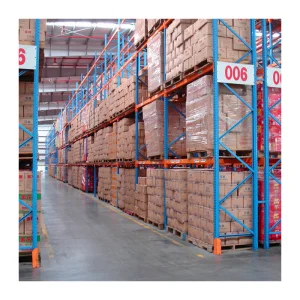
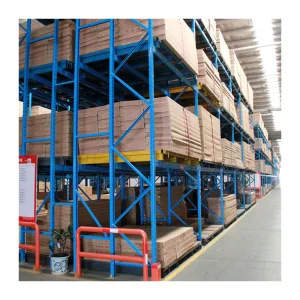
Cold storage warehouses handling food and agricultural goods require strict FIFO (First-In, First-Out) operations. In these environments, we install Gravity Flow Pallet Racking or automated Radio Shuttle Racking Systems. These setups maximize structural footprint usage, reducing energy consumption per pallet stored by optimizing cold room air circulation.
With pharmaceuticals requiring temperatures from -25°C down to -40°C, material structural integrity is critical. We use Hot-Dip Galvanized (HDG) steel or advanced epoxy powder coatings. This prevents rust caused by condensation during temperature shifts, keeping storage spaces sanitized and sterile.
For third-party logistics firms seeking high volume in urban centers, Drive-In Racking or Mobile Pallet Racking Systems are standard options. These eliminate multiple access aisles, increasing overall floor space utilization by 80% and lowering refrigeration cost per square meter.
In cold storage environments, temperature shifts can cause condensation to form on metal surfaces. To prevent rust and degradation, Shenzhen Lijin applies advanced surface coatings. Our zinc-galvanizing line achieves a minimum thickness of 60–80 microns, creating a barrier against water and oxygen. Alternatively, our electrostatic powder coating uses specialized thermosetting epoxies cured under high temperatures, providing a non-porous layer that won't crack or chip under extreme thermal stress.
As the supply chain industry moves toward automation, the role of racking systems is evolving. Racking structures are transitiong from static steel systems into active, dynamic components integrated with digital management tools.
Building high-tolerance racking networks that support automated crane systems, minimizing human errors in frozen zones.
Embedding strain gauges and thermal sensors into major support columns to monitor load stress and structural health.
Developing baseplate configurations that absorb seismic energy, protecting high-value inventory in earthquake zones.
Optimizing structural airflow pathways within racking layouts to reduce refrigeration power draw and operational carbon footprints.
 Lijin Racking