Wire Shelving can turn an empty wall into useful storage, but the right type depends on what you need to hold. A kitchen pantry may call for narrow shelves that keep jars visible. A garage often needs deeper surfaces for bins, tools, and paint cans. In a stockroom, frequent access and heavier loads can matter more than appearance. Small differences in shelf depth, finish, adjustability, and load capacity change how a system works in daily use.
This guide compares popular types of Wire Shelving, including chrome, epoxy-coated, stainless steel, and mobile units. It also explains where each option tends to perform well, what to check before buying, and which details are easy to overlook. A shelf that fits the room may still block a doorway or leave awkward gaps around bulky items. Measure the space. Check the manufacturer’s stated capacity. Consider moisture, cleaning, and how often shelves will be rearranged.
A practical rule for choosing a system is: “Match the shelf to the load, setting, and routine.” I can’t attribute that sentence to a named industry expert because no source or expert quotation was provided. Adding a name without verification would create a misleading endorsement. The comparisons below focus instead on clear, checkable features, while recognizing that no single shelf type suits every space.
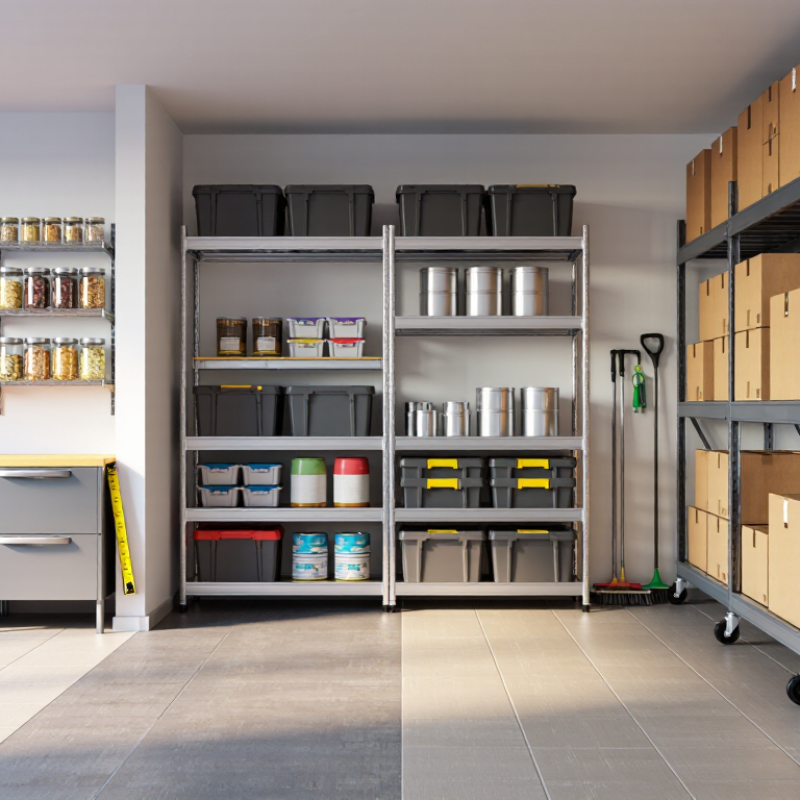
Wire shelving types differ in how they stand, move, and support everyday tasks. Freestanding units use upright posts and adjustable shelves, making them useful in pantries, stockrooms, and garages. You can raise a shelf to fit a tall container or lower it for small supplies. Check the stated load capacity, and distribute weight evenly.
A wobbly frame is no bargain.
Mobile wire carts add casters to a similar open structure. They work well when tools, dishes, or cleaning supplies need to travel between work areas. Locking wheels help keep a cart still during use. Wall-mounted shelves save floor space, but they need secure attachment to suitable wall supports.
Measure twice.
Corner units make use of awkward spaces, while narrow shelving can fit beside appliances or workbenches. Open wire surfaces allow air to circulate and make contents easy to see.
That matters.
They can also collect dust, and small items may tip or slip through the gaps. A liner or shallow bins can help, though liners reduce airflow. The best choice depends on what you store, how often you reach it, and whether the unit must stay put or move. A quick sketch of the space can reveal a fit problem before assembly.
Freestanding wire shelving units stand on their own, so they can organize a pantry, garage, laundry room, or stockroom without wall mounting. Their open wire decks let light and air pass through, making stored items easier to spot. Many units use adjustable shelves, which helps accommodate tall cereal boxes, cleaning bottles, or bulky storage bins.
Measure the room first. Check doorways, ceiling height, and the space needed to walk around the unit.
Choose a unit with a stated load capacity, and check whether that limit applies to each shelf or the whole frame. Level the feet on uneven floors, and place heavier items on lower shelves to improve stability.
Wire surfaces can leave narrow items wobbly, so add a compatible liner where needed. One detail that is easy to overlook is shelf spacing: adjustable shelves still need room to move around posts and braces. That can make the final layout less flexible than expected.
For damp areas, confirm that the finish suits the environment, since coatings and materials vary. A quick check after loading can reveal sagging or wobble before the shelves become part of the daily routine.
Wall-mounted wire shelves keep floor space clear and make stored items easy to see. They work well in pantries, laundry rooms, and supply areas where a clear floor helps with cleaning. Before installation, locate suitable wall studs or use anchors rated for the wall material and expected load. Drywall alone is not a dependable support. Check the stated capacity for the complete shelf system, not just the wire shelf. Then distribute heavier items near the supports. Small detail. Narrow jars and loose packets can slip through the grid, so a fitted liner may help.
Fixed wire shelving is secured in place and suits storage that does not need frequent rearrangement. It can be practical in a garage or stockroom, where bins and tools have regular spots. Some wall-mounted systems allow shelf-height changes; fixed brackets may not. That difference is easy to overlook when planning around tall containers. Measure the items you actually store, and leave room to lift them off the shelf. Wire allows air to circulate, but it may not provide the solid surface delicate objects need. Not always. Recheck the wall, clearances, and load before filling the shelves; a tidy layout can still be poorly supported.
What Are the Top Types of Wire Shelving?
Adjustable Wire Shelving Systems
Adjustable wire shelving systems work well when storage needs change over time. Their shelves can often be moved up or down along upright posts, making room for tall bottles, folded towels, or small storage bins. Open wire surfaces allow air to circulate and make stored items easy to see. That can be useful in a pantry, laundry area, or stockroom. Still, small objects may wobble or slip through the gaps, so shelf liners or shallow bins can help.
Tips: Measure your tallest items before setting shelf heights. Leave a little clearance above frequently used objects. Check the system’s stated load capacity, and spread heavier items across the shelves rather than concentrating them at one edge. A level floor matters, too. An uneven setup can feel unstable, even when the shelves are properly assembled.
Adjustability is convenient, but it is not magic. Moving a loaded shelf can be awkward, and some configurations take a few tries to get right. I would plan around the items you use most, then keep one shelf position flexible. Recheck connections after assembly and periodically during regular use, especially if the unit holds heavier supplies.
| Shelving Type | Typical Material or Finish | Corrosion Resistance | Common Uses | Adjustability and Key Considerations |
|---|---|---|---|---|
| Chrome-plated wire shelving | Steel wire with a bright chrome finish | Best suited to dry indoor conditions; the finish may deteriorate with prolonged moisture exposure. | Closets, pantries, retail displays, offices, and dry storage rooms | Shelves commonly reposition on grooved posts without tools. A smooth, open-wire design allows airflow and visibility. |
| Epoxy-coated wire shelving | Steel wire with a protective epoxy coating, often in a dark or green finish | Generally offers more protection from moisture than standard chrome, though performance depends on coating condition and environment. | Laundry rooms, utility areas, and some cooler or damp storage spaces | Adjustable shelf heights make it easy to accommodate items of different sizes. Avoid chipped coatings, which can expose the underlying steel. |
| Stainless-steel wire shelving | Stainless-steel wire and components | Good resistance to rust and corrosion; the grade of stainless steel and the chemicals or salts present affect performance. | Food-service areas, laboratories, healthcare settings, and washdown environments | Often available with adjustable shelves. Check the stainless-steel grade and cleaning requirements for the intended environment. |
| Zinc-plated wire shelving | Steel wire with a zinc coating | Provides a basic protective layer for indoor use; it is not intended for constant exposure to water or corrosive chemicals. | Garages, workshops, stockrooms, and general-purpose storage | Many systems use adjustable posts and removable shelves. Confirm that the finish and rated capacity suit the planned use. |
| Polymer-coated wire shelving | Steel wire covered with a plastic or polymer coating | The coating helps shield the steel from moisture, but cuts, cracks, or heavy wear can reduce protection. | Coolers, damp storage areas, kitchens, and locations where a softer shelf surface is preferred | Adjustable designs are widely available. The coating can help protect stored items from direct contact with metal wire. |
| Mobile wire shelving | Usually steel wire shelves on a wheeled frame, with finishes selected for the environment | Depends on the shelf material and finish; wheels and frames should also be suitable for the location. | Picking areas, kitchens, supply rooms, and flexible storage layouts | Provides movable storage rather than fixed installation. Check wheel locks, floor conditions, and the system’s stated load limits before use. |
Note: Shelf capacity varies by system, shelf size, post spacing, and installation. Follow the manufacturer’s load ratings and distribute weight evenly.
Mobile wire shelving fits spaces that change during the day. Shelves on locking casters can move from a back room to a packing area, while open mesh makes labels and stock easy to see. Check the caster rating, total shelf capacity, and floor condition before loading. A heavy cart can roll poorly over a threshold. Small detail, big difference. Lock the wheels during picking, and keep frequently used items within comfortable reach.
Specialty wire shelving serves conditions that standard units may not handle well. Options include corrosion-resistant finishes for damp rooms, narrow carts for tight aisles, and sloped or divided shelves for quick access. Match the finish to the actual cleaning routine; a coating is not automatically suitable for every chemical. MHI’s 2024 Annual Industry Report found that 55% of surveyed supply-chain leaders expected to increase technology investment. That figure is not specific to shelving, but it points to a broader need for adaptable operations. Mobile units can help, though they are not a cure for poor layout. Measure turning space with a loaded cart, not an empty one. I have seen that overlooked.
Shelves move up or down to fit tall bottles, folded towels, or small bins. One shelf can stay flexible.
They suit pantries, garages, and stockrooms. Check the stated capacity and spread weight evenly.
Choose one when dishes, tools, or cleaning supplies need to travel between work areas. Lock the wheels during use.
They free floor space, especially in tight rooms. Secure them to suitable wall supports. Measure twice.
Corner units use awkward spaces. Narrow shelves may fit beside an appliance or workbench. A quick sketch can reveal fit problems.
They can, but items may wobble or slip through the gaps. Shallow bins or liners can help. Liners reduce airflow.
Measure your tallest items and leave clearance above frequently used objects. Spread heavy supplies across each shelf. A level floor helps.
Not always. Moving a loaded shelf can feel awkward, and finding the right layout may take a few tries. I might plan around everyday items, then recheck the connections later.
Wire Shelving comes in several designs to suit different spaces, storage needs, and work routines. Freestanding units are versatile and easy to place in garages, pantries, storerooms, or work areas. Wall-mounted and fixed shelving makes use of vertical space while keeping floors clear, making it a practical choice where a stable, permanent layout is preferred. These options differ in how they are installed and moved, so the right choice depends on the room and the items being stored.
Adjustable Wire Shelving systems allow shelf heights to be changed as storage needs evolve, accommodating items of varying sizes. Mobile shelving units add flexibility with wheels, helping users move supplies between areas; specialty designs can also serve particular settings or storage tasks. When comparing types, consider available space, required capacity, ease of access, and whether the shelving should remain in one place or adapt over time.

Lijin Racking