For global buyers, choosing the right Steel Platforms supplier involves more than comparing prices. A platform may look strong in a catalogue, yet fail practical expectations on a busy factory floor. Load capacity, corrosion resistance, access design, and installation support all deserve careful attention.
Steel Platforms can serve warehouses, processing plants, ports, and maintenance areas. Each setting creates different demands. Coastal sites need stronger corrosion protection. Heavy machinery requires stable load calculations. Frequent foot traffic requires safer stairs, handrails, and working surfaces. Dr. John W. Fisher, a respected steel-structures researcher, emphasized a principle that remains useful: “Reliable steel design begins with clear load paths and disciplined detailing.”
That idea matters for international procurement. A dependable supplier should provide material specifications, welding procedures, dimensional drawings, and traceable inspection records. Certifications help, but they do not replace technical judgment. Buyers should also examine delivery experience, communication quality, spare-part availability, and local installation requirements.
Details matter most.
This guide reviews leading Steel Platforms options for global buyers. It considers engineering quality, customization, manufacturing consistency, safety features, and long-term value. It also recognizes an uncomfortable reality: the cheapest quotation may create the highest lifetime cost. Poor drainage, weak coatings, or difficult maintenance can quietly damage an investment.
No ranking can fit every project. A platform designed for an indoor warehouse may be unsuitable near saltwater. Buyers must challenge assumptions, including their own. The strongest choice combines verified engineering, practical usability, transparent documentation, and support that continues after delivery.
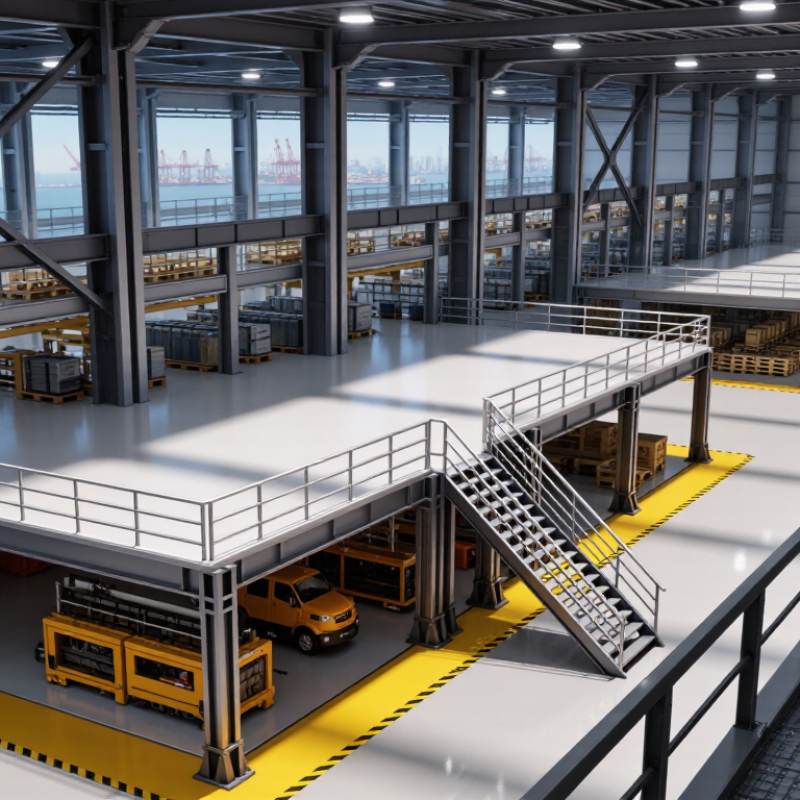
What Are the Top Steel Platforms for Global Buyers?
A global steel trading platform is a digital marketplace connecting verified buyers, producers, stockists, inspectors, and logistics providers across borders. It lets buyers compare offers by grade, thickness, quantity, origin, delivery term, and production schedule. A useful platform should support clear RFQs, secure document exchange, and visible supplier histories. It should not merely display low prices.
Details matter. A buyer ordering 12-millimeter hot-rolled coil may need mill certificates, heat numbers, surface tolerances, packing photos, and a realistic loading date. Reliable platforms help users check these records against recognized steel standards and contract requirements. Independent inspection can confirm dimensions, weight, markings, and container condition before shipment. Payment safeguards and clearly stated Incoterms also reduce avoidable disputes.
Digital convenience does not remove commercial risk. Supplier profiles may be incomplete, and a quoted price can change with freight, currency, or raw-material costs. That gap matters. Experienced buyers should request recent certificates, verify company registration, confirm export permissions, and keep written specifications. I have found that small details, such as coil inner diameter or bundle strapping, can affect unloading and production. Platforms can improve visibility, but they cannot replace technical judgment or careful contract review.
| Platform Model | Primary Trading Function | Typical Steel Products | Buyer Profile | Geographic Coverage | Pricing Method | Typical Trade Unit | Transaction and Risk Controls | Logistics Support |
|---|---|---|---|---|---|---|---|---|
| Verified B2B Steel Marketplace | Connects multiple verified suppliers with international buyers through searchable listings, RFQs and negotiated offers. | Hot-rolled coil Cold-rolled coil Galvanized sheet Steel plate Sections | Importers, fabricators, service centers and industrial procurement teams. | Cross-border; commonly organized by exporting region, destination market and port. | Supplier quotation, buyer RFQ, indexed price or negotiated contract price. | Usually metric tonnes; coils and plates may also be quoted by piece or bundle. | Supplier identity checks, business documents, product certificates, inspection options and transaction records. | May support freight quotations, container or break-bulk planning, export documentation and shipment tracking. |
| Mill-Direct Procurement Portal | Allows qualified buyers to submit requirements directly to producers or authorized production channels. | Flat steel Long steel Pipe and tube Specialty grades | Large manufacturers, infrastructure contractors and established distributors with recurring demand. | Usually tied to the producer's approved export markets and production locations. | Contract pricing, tender pricing, formula pricing or periodic market-based pricing. | Generally full production lots or mill minimums; quantities depend on grade, dimensions and production schedule. | Technical approval, mill test certificates, inspection requirements, approved specifications and contract terms. | Production scheduling, port allocation, vessel planning and export-document coordination are commonly available. |
| Distributor and Stock Exchange | Offers available inventory from regional stockholders, service centers and distribution warehouses. | Cut-to-length plate Sheet Bars Beams Tubes | Small and medium-sized manufacturers, construction suppliers and buyers needing short lead times. | Primarily regional, with cross-border supply where customs and freight costs are practical. | Spot price based on inventory, grade, dimensions, processing and delivery location. | Metric tonnes, kilograms, pieces, bundles or standard stock lengths. | Inventory confirmation, warehouse location, quality documents, payment screening and delivery confirmation. | Local trucking, consolidation, cutting, slitting, bundling and warehouse collection may be offered. |
| Tender and Bulk Procurement Platform | Structures competitive bids for large-volume purchases using standardized specifications and delivery schedules. | Rebar Wire rod Structural sections Steel plate Project steel | Government buyers, engineering contractors, infrastructure developers and major industrial groups. | International or multi-country, depending on tender rules and approved supplier eligibility. | Sealed bid, reverse auction, delivered-price comparison or multi-stage negotiation. | Project quantities are normally specified in metric tonnes and divided into scheduled lots. | Prequalification, bid security, performance guarantees, inspection plans, contract milestones and audit trails. | Delivery scheduling, port or job-site coordination, customs compliance and milestone reporting. |
| RFQ and Trade-Finance Aggregator | Collects buyer requirements, compares supplier offers and connects trade finance with the purchase workflow. | Carbon steel Stainless steel Alloy steel Pipe products | Importers and trading companies that need supplier discovery, documentation and payment support. | Multi-origin and multi-destination, subject to sanctions, customs and regulatory screening. | Competitive RFQ, documentary pricing, credit-based quotation or negotiated offer. | Usually metric tonnes; payment and freight costs are calculated separately or combined in the offer. | KYC screening, document verification, letters of credit, documentary collection, inspection and compliance checks. | Freight forwarding, cargo insurance, customs paperwork and shipment-status updates may be integrated. |
| Comparison criteria are based on common operating practices in international steel trade. Product availability, minimum order quantity, payment terms, delivery time, inspection requirements and freight arrangements vary by supplier, specification, destination and applicable trade terms. | ||||||||
Buyers can compare hot-rolled coils, cold-rolled sheets, galvanized steel, stainless grades, plates, beams, pipes, and reinforcing bars. Product pages should show grade, thickness, dimensions, and surface condition. Details matter.
Some platforms offer mill certificates, chemical analysis, mechanical testing, cutting, slitting, drilling, surface treatment, and export logistics. Others connect buyers with regional stockholders or made-to-order producers. Service coverage varies.
Request the exact standard, grade, thickness tolerance, coating weight, test certificate, and delivery term. Confirm the certificate matches the actual heat number. A certificate alone is not enough.
Check the production country, mill certificate, heat number, and inspection date. Compare chemical composition and mechanical properties with the required standard. Request recent documents from an independent laboratory or inspection body.
Ask for clear photographs of bundled steel, product markings, packaging, and loading methods. Confirm dimensions, coating thickness, surface condition, and tolerances. Photos help, but they cannot replace inspection.
Packaging, tolerances, port handling, insurance, and delivery delays can change the final cost. A low quote may become expensive after congestion or storage charges. Cheap is not always cheaper.
Confirm the loading port, delivery term, sailing schedule, insurance responsibility, and required documents. Clarify who handles damage claims and delays. Write every promise into the contract.
No. Corrosion resistance depends on the grade, environment, chemicals, moisture, and surface condition. Buyers should match the grade to actual service conditions. “Stainless” is not a guarantee.
Use traceable payments and keep technical details in writing. Arrange pre-shipment inspection when the order value justifies it. I would not assume every platform supports strong claims handling.
Buyers can request recycled content, production data, and energy-related information. These records may be incomplete or outdated. Ask for evidence, not broad sustainability wording.
Steel Platforms are digital marketplaces and trade networks that help global buyers discover, compare, and purchase steel from international suppliers. They connect buyers with producers, mills, service centers, and logistics providers while supporting products such as structural steel, coils, sheets, pipes, bars, and customized materials. Many platforms also provide quotation tools, technical documentation, inspection coordination, shipping support, and payment assistance, making cross-border procurement more organized and efficient.
When comparing Steel Platforms, buyers should evaluate total cost rather than price alone, including material specifications, certifications, shipping, taxes, insurance, and delivery times. Supplier reliability can be assessed through production capacity, quality-control procedures, transaction history, communication standards, and after-sales support. Before placing an order, buyers should confirm product grades, dimensions, tolerances, inspection requirements, contract terms, payment protection, delivery responsibilities, and compliance with applicable trade regulations. Careful verification helps reduce quality risks, unexpected expenses, and delays while creating a more dependable international sourcing process.

 Lijin Racking