China has become a major sourcing destination for Boltless Systems, serving warehouses, workshops, archives, and retail backrooms worldwide. Its manufacturers offer varied designs, materials, production scales, and export capabilities. However, choosing a supplier requires more than comparing catalogue prices.
Mike Wilson, a veteran warehouse-storage consultant, says, “A strong rack is valuable only when it fits the work around it.” This principle guides the selection behind this China Top 10 Boltless Systems Manufacturers list. Each company should be examined through practical evidence, including load ratings, upright thickness, beam locking methods, coating quality, and assembly stability. Factory audits, product samples, and test reports can reveal details that polished websites often hide. Sometimes, a cheaper system bends sooner. That matters.
Global buyers should also review packaging quality, container loading efficiency, minimum order quantities, delivery records, and after-sales support. A manufacturer may produce excellent frames but struggle with replacement parts. Another may offer fast production but provide weak technical drawings. These differences affect installation time and long-term operating costs.
This overview is intended as a working guide, not an unquestionable ranking. Supplier capability can change with equipment, raw-material prices, management, or export demand. Buyers should confirm current certifications, specifications, and commercial terms directly. Careful verification remains essential. Even experienced purchasers can miss small details, such as uneven floor tolerance or unclear warranty limits. The best Boltless Systems partner is not always the largest factory. It is the one that consistently matches engineering quality with the buyer’s real operating conditions.
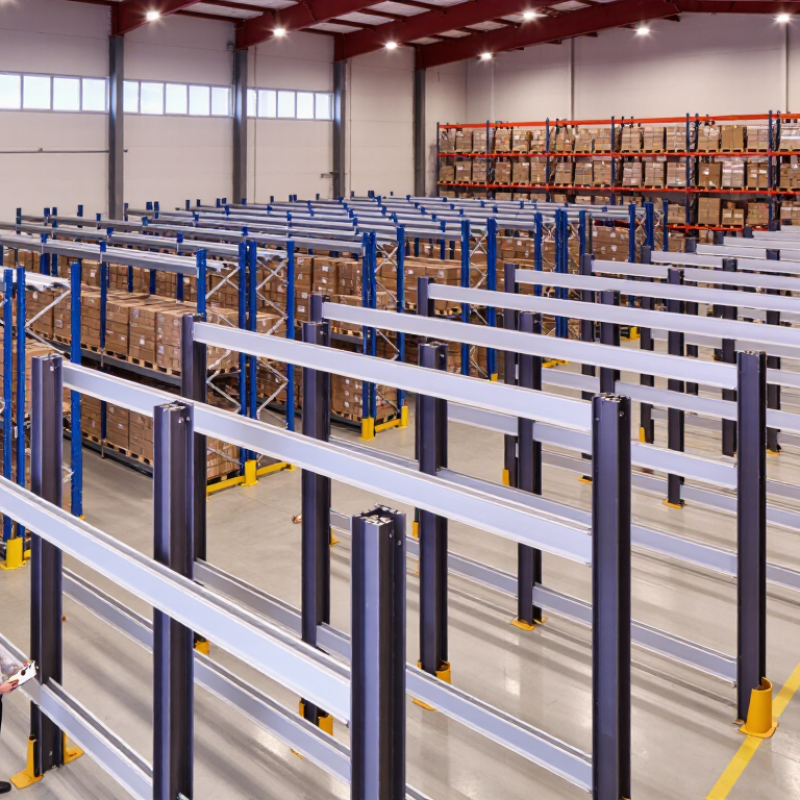
Boltless systems use interlocking tabs, slots, rivets, or clips instead of traditional nuts and bolts. Upright frames connect with beams, creating shelving, workbenches, or storage racks. A rubber mallet may be enough for assembly. In many installations, two trained workers can complete a small bay within minutes. The connection feels simple, but precision still matters. Uneven floors, damaged slots, or incorrect beam placement can reduce stability.
Global buyers choose these systems because they save assembly time and simplify international logistics. Flat-packed components use less container space than welded structures. Replacement parts are also easier to identify and ship. Warehouses can change shelf heights as inventory changes. Retail stores can adjust layouts during seasonal campaigns. Offices and workshops benefit from modular storage without permanent construction. These practical advantages support faster installation and lower labor exposure across different markets.
However, boltless does not mean maintenance-free. Buyers should check rated loads, steel thickness, coating quality, and compatibility between components. Humid coastal areas may require stronger corrosion protection. Heavy industrial use may demand anchoring, inspections, and documented testing. Local building and workplace requirements still apply. A common mistake is choosing a system from photographs alone. Real projects need accurate measurements, floor checks, and clear loading plans. Some assemblies may wobble when overloaded or poorly aligned. That limitation deserves honest attention, especially when purchasing across borders.
| Rank | Manufacturer Profile | Typical Product Focus | Connection Method | Typical Load Configuration | Adjustability | Surface Protection | Common Compliance Options | Typical Applications | Global Buyer Advantage |
|---|---|---|---|---|---|---|---|---|---|
| 1 | Profile A Established export-oriented producer |
Heavy-duty shelving Pallet racking | Keyhole or slot-in upright-and-beam connection; no traditional bolts required for primary assembly. | Approximately 150–1,000 kg per shelf level | Beam positions commonly adjustable in 25–50 mm increments. | Powder coating; galvanized options available for selected components. | Load calculations, material certificates, and project-specific structural documentation. | Warehouses, distribution centers, workshops, and industrial storage areas. | Broad product range, container-load planning, and suitability for large repeat orders. |
| 2 | Profile B High-volume modular-system producer |
Rivet shelving Long-span shelving | Rivet beams lock into punched uprights, creating a rigid frame without nuts and bolts. | Approximately 100–600 kg per shelf level | Multiple height settings along the upright; shelf boards can be repositioned as inventory changes. | Electrostatic powder coating in standard industrial colors. | Factory load tables, welding records where applicable, and packaging inspection reports. | Retail backrooms, archives, spare-parts storage, and light manufacturing. | Fast assembly, low tool requirements, and efficient flat-pack shipping. |
| 3 | Profile C Custom engineering specialist |
Mezzanine-compatible shelving Multi-tier storage | Interlocking frames with slot-in beams and bracing components; secondary fixing may be specified for engineered systems. | Approximately 250–800 kg per shelf level | Configurable bay widths, shelf heights, and access levels. | Powder-coated steel with optional corrosion-resistant finishes. | Project drawings, structural calculations, and application-specific safety documentation. | Industrial plants, archives, e-commerce fulfillment, and parts warehouses. | Better support for non-standard dimensions and complex storage layouts. |
| 4 | Profile D Light-duty and commercial-storage producer |
Clip shelving Retail shelving | Clip-in beams or panel supports fit into perforated uprights without routine bolting. | Approximately 50–300 kg per shelf level | Commonly adjustable in 25 mm increments. | Powder coating; bright zinc or pre-galvanized parts may be offered. | Basic load labels, product drawings, and quality-control records. | Offices, shops, stockrooms, garages, and small warehouses. | Competitive entry pricing and simple installation for small and medium projects. |
| 5 | Profile E Corrosion-resistant storage producer |
Galvanized shelving Cold-room storage | Slot-in or rivet-style connections using formed steel members and replaceable shelf panels. | Approximately 100–500 kg per shelf level | Adjustable shelf spacing; modular bays can be extended with compatible components. | Hot-dip galvanizing or zinc-based protection for selected environments. | Material coating information, corrosion-protection specifications, and inspection records. | Food-related storage, humid areas, logistics facilities, and utility rooms. | Improved resistance to moisture compared with standard painted systems. |
| 6 | Profile F Automotive and parts-storage producer |
Tire racks Bin shelving Parts storage | Tool-free clip or slot connections with reinforced uprights for frequently handled goods. | Approximately 75–400 kg per shelf level | Repositionable shelves, dividers, bins, and angled supports. | Powder coating; galvanized accessories may be available. | Load labels, assembly instructions, and component traceability documentation. | Automotive service centers, repair shops, dealerships, and maintenance stores. | Flexible accessories help organize irregular, boxed, and long items. |
| 7 | Profile G Retail and supermarket-fixture producer |
Gondola shelving Display systems | Hook-in brackets, slotted uprights, and clip-on shelves reduce installation time. | Approximately 40–250 kg per shelf level | Frequent shelf-height adjustment to accommodate changing merchandise. | Powder coating with optional decorative finishes and edge treatments. | Retail fixture drawings, packaging specifications, and project installation guides. | Supermarkets, convenience stores, pharmacies, and commercial showrooms. | Quick layout changes, clean appearance, and efficient store installation. |
| 8 | Profile H Export-focused warehouse-equipment producer |
Pallet racking Carton flow systems | Beam-to-upright locking pins or hooks provide a boltless primary connection; safety locking features are normally included. | Approximately 500–3,000 kg per beam level | Adjustable beam levels; bay dimensions can be configured for pallet sizes. | Powder-coated frames and beams; galvanized guides or decks for selected systems. | Engineering calculations, rack-layout drawings, load notices, and installation manuals. | Distribution centers, manufacturing plants, third-party logistics, and wholesale storage. | Suitable for standardized pallet operations and scalable warehouse expansion. |
| 9 | Profile I Small-batch customization producer |
Custom shelving Special-size bays | Modular slot-in connections adapted to customer-selected upright, beam, and deck dimensions. | Approximately 100–700 kg per shelf level | Custom bay widths, depths, shelf elevations, and accessory combinations. | Powder coating, galvanized components, or mixed finishes depending on specification. | Shop drawings, prototype approval documents, and batch inspection reports. | Equipment rooms, laboratories, workshops, archives, and unusual storage spaces. | Greater flexibility for projects that do not fit standard catalog dimensions. |
| 10 | Profile J Value-focused modular-storage producer |
Boltless garage shelving Light industrial racks | Press-fit, rivet, or slot-in assembly designed for hand tools and rapid setup. | Approximately 50–350 kg per shelf level | Adjustable shelves and optional split-level configurations. | Powder-coated steel; corrosion protection depends on the selected finish. | Product load labels, assembly diagrams, and carton-level quality checks. | Garages, workshops, home improvement storage, offices, and small stockrooms. | Low initial cost, compact packaging, and easy replacement or expansion. |
Compare steel thickness, connector design, coating quality, and production discipline. Use the same bay size and shelf spacing. Otherwise, rankings can mislead.
Rivet shelving suits cartons, tools, and small parts. Longspan units support wider shelves and heavier boxes. Mobile systems save floor space but need careful installation.
Cold-rolled steel offers consistent thickness and clean forming. Galvanized steel suits humid storage areas. Shelves may use steel panels, wire decking, or engineered boards.
Not always. Joint design, beam shape, and weight distribution can matter more. A thick frame with weak connections still needs careful review.
Check capacity per shelf, bay, and complete system. Request test reports, material thickness, safety factors, and deflection limits. Confirm whether weight is evenly distributed.
Ask for material certificates, inspection photos, sample joints, load tables, and assembly drawings. Request a clear replacement policy. Drawings may still contain missing tolerances.
Compare several samples. Check wobble, beam seating, paint coverage, and carton damage after handling. Five samples provide a more useful view than one sample.
Good packaging wraps posts, separates hardware, and includes readable assembly instructions. Cartons should protect corners during handling. Small packaging failures create large installation delays.
Customization may include hole spacing, deck materials, corner protection, and carton labels. Confirm sample revision speed and replacement-part availability. Fast shipping is not enough.
Compare the real lead time, not the optimistic promise. Low prices may hide weak drawings or limited support. Reliability becomes clearer after the first installation.
This guide explores why Boltless Systems have become a preferred solution for global buyers seeking fast assembly, flexible storage, and cost-effective installation. It explains how boltless designs work, compares the capabilities of China’s leading manufacturers, and reviews key product categories such as shelving, racks, workstations, and modular storage units. Readers will also learn about common materials, structural designs, surface treatments, and load capacity standards used to support different commercial and industrial applications.
The article further examines manufacturer quality control, customization options, certifications, packaging, delivery coordination, and export support. It provides practical guidance for evaluating suppliers based on production experience, engineering capability, testing procedures, communication, lead times, and after-sales service. By understanding these factors, international purchasers can identify a reliable partner and select Boltless Systems that meet project requirements for safety, durability, scalability, and long-term value.

 Lijin Racking