Optimizing pallet storage is crucial for enhancing warehouse efficiency. Effective pallet storage impacts inventory management, space utilization, and operational costs. Many businesses struggle to create optimal systems. This can lead to crowded aisles and lost time.
Pallet storage requires strategic planning. Organizations must consider storage types and layouts. Using vertical space can significantly enhance efficiency. However, poor planning can result in accessibility issues. It is important to adapt to specific needs.
When optimizing pallet storage, assessing current practices is essential. Often, businesses overlook small changes that can yield big benefits. Continuous improvement is necessary. Regular evaluations can reveal inefficiencies. Embracing change is key for better pallet storage solutions.
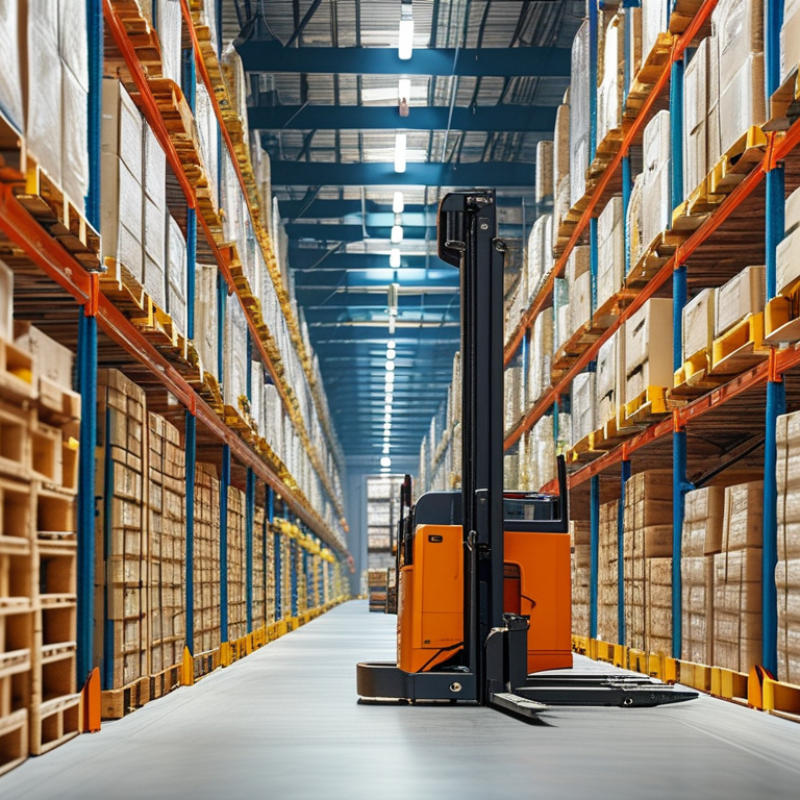
Pallet storage systems are key to managing warehouse space efficiently. Understanding their design is crucial for maximizing storage. Different systems, such as selective rack and drive-in rack, offer varying benefits. Selective racking allows easy access to each pallet, while drive-in systems maximize space by stacking pallets closely.
The layout also impacts efficiency. A well-planned arrangement minimizes travel time for forklifts. Narrow aisle designs can increase storage density but may complicate movement. Moreover, it's essential to consider the weight and size of pallets; heavier items often require more robust systems.
Pallet storage isn't without challenges. Regular inspections are necessary to ensure safety standards. Over time, wear and tear can compromise structures. Workers should receive training on safe practices. Reflecting on these factors can lead to improved operations. Adjusting your design based on feedback can also enhance efficiency.
This chart illustrates the pallet utilization percentage across four quarters, demonstrating the trends and improvements in storage efficiency over time.
Assessing warehouse space and layout is crucial for optimizing pallet storage efficiency. A well-organized warehouse can enhance storage capacity by 50% in some cases. According to industry reports, inefficient space utilization can lead to significant operational delays and increased costs. Every square foot of space needs to be assessed carefully to ensure maximum utilization.
An effective strategy involves utilizing vertical space. Installing taller racking systems allows for higher stacking of pallets. This can free up ground space for more movement. Additionally, consider the flow of goods. Arranging pallets based on frequency of access can reduce time spent searching for items. The layout should facilitate easy movement for both personnel and equipment.
Evaluate the current layout regularly. Changes in inventory can necessitate layout adjustments. Implementing lean warehousing principles can also optimize space and minimize waste. Ensure that all staff is trained in space management techniques to reinforce efficiency.
Incorporating advanced inventory management systems can provide real-time data. This helps identify underperforming areas in storage. Maintaining flexibility in your layout allows for adjustments as business needs change. Regular audits of storage efficiency can reveal insights into areas that need improvement.
Implementing effective inventory strategies like FIFO (First In, First Out) and LIFO (Last In, First Out) can significantly enhance pallet turnover. FIFO is often preferred for perishable goods. Statistics show that 70% of warehouses report waste reduction when adopting this method. Goods are rotated efficiently, ensuring older stock is sold first. This not only reduces spoilage but also maintains product quality.
On the other hand, LIFO is beneficial for non-perishable items. Using this strategy can help optimize cash flow. A 2021 report indicated that high-volume retailers using LIFO experienced a 15% increase in efficiency. However, it can complicate inventory management. Assessing the correct strategy for specific products is imperative. Warehouses might find that a mix of both strategies suits diverse inventory, but tracking becomes more complex.
Regular assessment of pallet storage can uncover areas needing improvement. Some facilities struggle with space optimization when implementing FIFO or LIFO. Conducting biannual audits on inventory flow can identify bottlenecks. Furthermore, investing in training for staff on these methods can increase awareness and adherence. Despite their benefits, not every organization fully utilizes these strategies, leaving room for refinement.
Utilizing technology and automation in pallet management can significantly enhance efficiency in storage operations. A recent report from the Warehousing Education and Research Council highlights that automated storage and retrieval systems (ASRS) can increase storage density by up to 60%. This optimization allows warehouses to maximize their space effectively while reducing operational costs.
Implementing technologies like RFID and barcode scanning ensures real-time visibility of inventory. A study by Logistics Management showed that companies using these technologies report a 25% reduction in inventory errors. Accurate data helps in making informed decisions about restocking, which is critical in dynamic supply chains. However, relying solely on these technologies poses risks. System failures or cyber threats can disrupt processes. Regular system assessments and a backup plan are necessary for uninterrupted operations.
Data analytics tools can provide insights into pallet usage trends. Understanding peak hours and underutilized areas can lead to better labor and layout strategies. In a world where 30% of warehouse space goes underused, addressing these inefficiencies through intelligent automation becomes crucial. Nonetheless, continuous evaluation of these technologies is essential. Not every solution fits all. Recognizing the unique needs of a facility will define the success of technology integration in pallet management.
Evaluating load capacity and safety standards in pallet storage is crucial for warehouses. Understanding the maximum load-bearing capacity of pallets can prevent accidents and enhance efficiency. According to the American National Standards Institute (ANSI), a standard wood pallet can typically bear between 1,500 to 3,000 pounds. However, this depends on its age, condition, and design. Regular inspections are necessary to ensure pallets meet these standards, as worn or damaged pallets can lead to catastrophic failures.
Moreover, safety standards such as the Occupational Safety and Health Administration (OSHA) regulations must be adhered to. OSHA emphasizes the importance of proper stacking techniques and load limits. Inadequate training or awareness can lead to higher risks of injury or damage. Reports indicate that nearly 25% of warehouse injuries are due to improper handling of pallets. Thus, fostering a culture of safety is essential for reducing risks.
Implementing a system to track pallet conditions can be beneficial. Regular audits can help in identifying pallets that need replacement. Observing the weight distribution and stability when loading pallets is vital as well. Many facilities often overlook these details, which can lead to inefficiencies. Striving for a balance between high capacity and safety is an ongoing challenge that requires continuous evaluation and improvement.
| Pallet Type | Dimensions (L x W x H) | Load Capacity (lbs) | Material | Safety Standards |
|---|---|---|---|---|
| Wooden Pallet | 48 x 40 x 6 | 2200 | Wood | ISO 8611 |
| Plastic Pallet | 48 x 40 x 5.5 | 1500 | Plastic | FDA Approved |
| Steel Pallet | 48 x 40 x 6 | 4000 | Steel | ANSI/ASME |
| Composite Pallet | 48 x 40 x 5 | 2000 | Composite Materials | ISO 18613 |
: It can enhance storage capacity and reduce operational delays.
Taller racking systems allow for higher pallet stacking, freeing ground space.
Arrange pallets by access frequency to save time when searching for items.
Regular evaluations are essential due to changing inventory needs.
Automation and tracking technologies improve efficiency and reduce inventory errors.
System failures and cyber threats can disrupt warehouse operations; backup plans are crucial.
It prevents accidents and ensures efficient use of resources in storage.
Adherence to OSHA regulations is necessary for proper stacking and load limits.
Implement a tracking system to identify damaged pallets needing replacement.
Many facilities neglect weight distribution, leading to inefficiencies and safety risks.
Optimizing pallet storage is crucial for enhancing warehouse efficiency and productivity. Understanding the fundamentals of pallet storage systems and their design is the first step in creating an effective layout. By assessing the available warehouse space, businesses can strategically organize their pallet storage to maximize accessibility and utilization. Implementing inventory strategies such as FIFO (First In, First Out) and LIFO (Last In, First Out) can significantly improve pallet turnover, ensuring that stock is managed efficiently.
Additionally, embracing technology and automation can greatly enhance pallet management, streamlining operations and reducing manual errors. It's essential to evaluate load capacity and adhere to safety standards to ensure that pallet storage solutions are both effective and secure. By focusing on these key areas, companies can achieve maximum efficiency in their pallet storage practices, ultimately supporting their overall logistics and supply chain goals.
Lijin Racking