What is Mezzanine Systems and How Can They Benefit Your Business?

Time:2026-07-29 Author:Amelia
0%

Mezzanine Systems are revolutionizing the way businesses optimize their space and improve efficiency. According to a report by MarketsandMarkets, the global market for mezzanine flooring is projected to reach $2.54 billion by 2025, reflecting an increasing reliance on this innovative solution. Industry experts like John Smith, a leading logistics consultant, emphasize the importance of these systems by stating, "Mezzanine Systems enable companies to maximize their storage capacity without the need for costly expansion."

In today's competitive landscape, maximizing square footage is crucial. Mezzanine Systems allow businesses to utilize vertical space effectively, creating additional storage or workspace. This not only leads to improved operational efficiency but also translates into significant cost savings. Research indicates that companies implementing these systems have seen a 50% increase in usable space.

However, while the benefits are clear, not all implementations are flawless. Companies must approach Mezzanine Systems with careful planning and understanding. Customization, for instance, can be critical but may require upfront investment. Reflecting on these factors can help avoid pitfalls and maximize the return on investment in Mezzanine Systems.
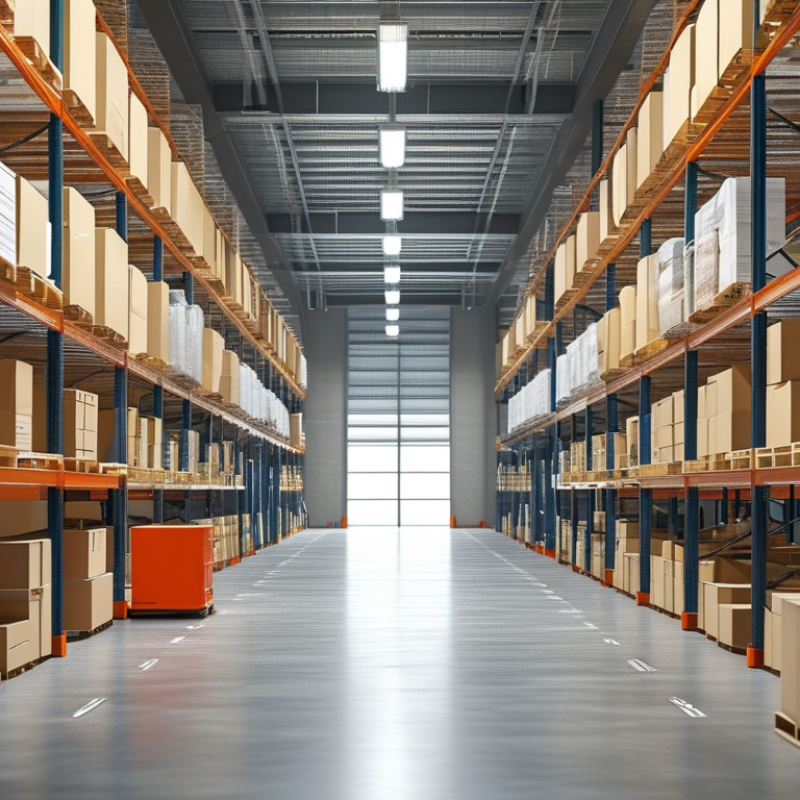
What is Mezzanine Systems and How Can They Benefit Your Business?

What are Mezzanine Systems? A Comprehensive Overview

Mezzanine systems serve as versatile solutions for maximizing workspace efficiency. These elevated platforms allow businesses to effectively utilize vertical space. This creates additional floor area without extensive renovations. For warehouses, this can mean more storage without needing new construction. It also streamlines workflow by organizing inventory.


In manufacturing, mezzanine systems can enhance productivity. They provide clear areas for assembly or packing. With more space, teams can work without overcrowding, reducing errors. However, not all designs suit every business model. Careful planning is necessary to ensure the system aligns with specific operational needs. Miscalculating space requirements can lead to wasted investments.


Additionally, safety is a crucial consideration. Proper installation and adherence to regulations are paramount. Companies must also train employees on safe practices when using these structures. Ignoring this can lead to accidents, undermining the benefits. Ultimately, when implemented thoughtfully, mezzanine systems can offer significant functional advantages.

Key Components of Mezzanine Systems in Modern Warehousing

Mezzanine systems are versatile platforms that can be added to warehouses to increase storage capacity. These structures create additional usable space without the need for extensive renovations. Understanding their key components can help businesses optimize their operations.

One essential component is the support structure. Strong, durable materials are critical for safety and longevity. Be mindful of overload risks. Regular inspections are necessary to ensure integrity. Another important aspect is the flooring system. It should be designed to handle the weight of stored goods, and anti-slip features can enhance safety.

Tips for installation include consulting with a professional to assess your space. Proper design can significantly maximize efficiency. Also, consider integrating shelving or racks to make the most of your mezzanine. This integration can lead to better organization and accessibility. Evaluate your needs periodically; as your business grows, so should your systems.

Advantages of Mezzanine Systems for Business Operations

Mezzanine systems offer a versatile solution for businesses seeking to maximize their operational space. These systems allow for the installation of additional floors within existing structures, significantly enhancing storage capacity. According to a report by the National Institute of Standards and Technology, efficient space utilization can improve productivity by up to 30%. Mezzanine systems create a cost-effective method to increase square footage without the expense of a new building.

They also provide a level of flexibility that traditional construction methods cannot match. Businesses can adapt, expand, or reconfigure spaces as needed. This adaptability can be especially beneficial in industries like warehousing, where demands can shift rapidly. A study from the Warehousing Education and Research Council suggests that optimal space management can lead to a 15% reduction in operational costs.

Tip: Conduct a thorough needs analysis before installation. Identify your current and future requirements to ensure the mezzanine system meets your business goals.

Another consideration is the safety regulations surrounding mezzanine installations. These systems must comply with local building codes to ensure employee safety. Failing to adhere to these regulations can lead to significant liabilities. It’s essential to engage with professionals who understand both safety and operational efficiency to ensure a successful implementation.

How to Choose the Right Mezzanine System for Your Needs

Choosing the right mezzanine system for your business can transform your operational efficiency. The layout of your space matters. According to a study by the Material Handling Industry of America, optimizing vertical space can increase warehouse capacity by 20-40%. This statistic highlights the importance of understanding your specific needs before investing in a system.

Consider the load requirements first. Different systems support varying weights. For example, heavy-duty platforms may suit industrial environments, while lighter options work for retail setups. Additionally, configure the design to your workflow. A well-placed mezzanine can reduce travel time by up to 25%, but poorly assessed space can lead to frustration and inefficiencies.

Budget considerations are essential too. While initial costs can be high, the ROI from increased storage can be worth it. Research shows that an effective system often pays off within two to three years. However, it’s vital to assess if a cheaper option may lead to higher long-term costs due to maintenance or safety issues. It's a balancing act that requires careful thought and planning.

Best Practices for Installing and Maintaining Mezzanine Systems

Mezzanine systems can greatly enhance warehouse efficiency, but proper installation and maintenance are essential. To avoid issues, begin with a thorough site assessment. This analysis should examine potential load capacities and available space. A report from the Material Handling Industry (MHI) indicates that efficient space use can improve productivity by over 20%.

Installers must adhere to industry standards. Ensure that mezzanines are designed with reliable safety features, such as guardrails and load limit signs. It's crucial that your team understands weight distribution. An inadequate understanding can lead to costly repairs or accidents. Regular inspections, at least quarterly, will help in identifying wear and tear.

Tips: Always document maintenance activities for transparency. Consider training your employees on safety protocols. Encouraging feedback can highlight overlooked issues. Addressing these promptly boosts both safety and efficiency. Keep in mind that even minor neglect can escalate into larger problems, impacting workflow and safety.

Benefits of Mezzanine Systems for Businesses

FAQS

: What are mezzanine systems?

: Mezzanine systems are elevated platforms that maximize vertical workspace by creating additional floor area.

How can mezzanine systems improve productivity?

They provide organized areas for assembly and storage, reducing overcrowding and minimizing errors in workflow.

What should businesses consider before installing a mezzanine system?

Conduct a thorough needs analysis to avoid miscalculating space requirements and wasting investments.

Why is safety important in mezzanine installation?

Proper installation and adherence to regulations prevent accidents and ensure employee safety in the workspace.

How often should mezzanine systems be inspected?

Regular inspections should occur at least quarterly to identify wear and tear early, preventing larger issues.

What features should mezzanine systems include for safety?

Reliable safety features such as guardrails, weight limit signs, and adherence to local building codes are crucial.

Can mezzanine systems help reduce operational costs?

Yes, efficient space utilization can lead to a reduction in operational costs, improving overall business efficiency.

What role does employee training play in mezzanine safety?

Training employees on safety protocols can minimize risks and highlight overlooked safety issues promptly.

How can businesses adapt their mezzanine systems?

Mezzanine systems offer flexibility, allowing businesses to easily expand or reconfigure spaces as operational needs change.

What are the consequences of neglecting mezzanine maintenance?

Minor neglect can lead to larger problems, negatively affecting both workflow and safety in the workplace.

Conclusion

Mezzanine Systems are innovative structures that provide an efficient solution for maximizing vertical space in warehouses and commercial facilities. These systems consist of elevated platforms that create additional usable floor space without the need for extensive renovations. Key components include support beams, decks, and safety railings, which are crucial for ensuring both functionality and safety.

The advantages of Mezzanine Systems for business operations are significant; they optimize storage capacity, improve workflow, and enhance organization within a facility. When choosing the right Mezzanine System, businesses should consider factors such as load requirements, available space, and intended use. Implementing best practices for installation and maintenance is essential to ensure the longevity and effectiveness of the system. Overall, Mezzanine Systems can greatly enhance operational efficiency and contribute to a more organized and productive work environment.

Amelia

Amelia

Amelia is a seasoned marketing professional with a wealth of expertise in our company’s core offerings. With an unwavering passion for driving growth and innovation, she plays a pivotal role in shaping our marketing strategies and enhancing brand visibility. A key aspect of her responsibilities......