How to Choose the Right Carton Flow Storage System?

Time:2026-10-17 Author:Amelia
0%

Choosing the right Carton Flow Storage system begins with a clear view of daily warehouse reality. Product dimensions, carton weight, order frequency, and picking methods all matter. A fast-moving beverage carton needs different treatment from a small cosmetics box. Even a few centimeters of wasted lane depth can reduce usable capacity.

Edward H. Frazelle, a respected warehouse logistics researcher, states, “The goal of warehouse operations is to satisfy customer demand at the lowest possible cost.” This principle provides a practical foundation for selecting Carton Flow Storage. The system should support quick product presentation, reliable stock rotation, and comfortable replenishment. It should also match the available floor space, rack height, and conveyor arrangement.

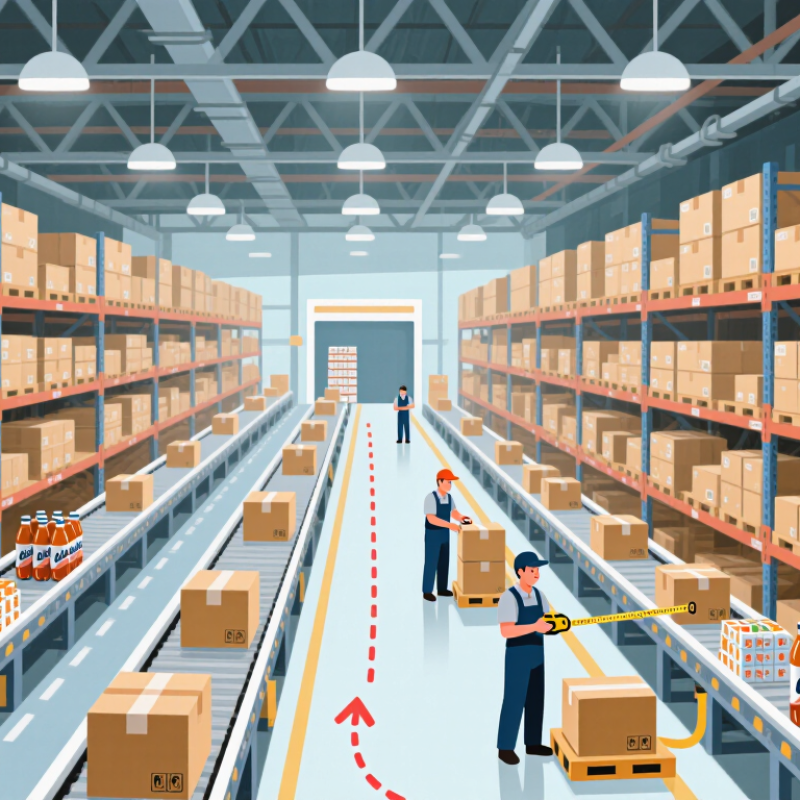
Start with evidence, not assumptions. Measure carton sizes across several delivery cycles. Record pick rates during busy periods. Watch how workers reach, turn, and replenish each lane. Small details matter. A poorly positioned brake can damage cartons. Excessive roller resistance can slow picking. Weak labeling can create avoidable errors.

There is no universal best configuration. That is easy to forget. A design may look efficient on paper but perform poorly under real operating conditions. Load testing, trial lanes, and staff feedback can reveal these weaknesses early. Budget also deserves honest attention, because cheaper components may increase maintenance costs later. The right solution balances throughput, safety, scalability, and total ownership cost. It should improve today’s workflow without blocking tomorrow’s growth.
How to Choose the Right Carton Flow Storage System?

Map SKU Velocity and Carton Profiles with ABC Analysis and 80/20 Demand

Choosing a carton flow storage system starts with SKU velocity, not rack dimensions. In my warehouse audits, a small group of cartons usually creates most picking activity. This reflects the 80/20 demand pattern, although real data rarely follows a perfect 80/20 split. Logistics Management’s 2023 Warehouse Operations Survey notes that order picking can consume 50% to 60% of warehouse operating costs. That makes slotting accuracy financially important.

Run an ABC analysis using at least 8 to 12 weeks of order-line history. Classify fast movers as A items, medium movers as B items, and slow movers as C items. Then inspect carton profiles. Record carton width, depth, height, weight, crush resistance, and case-opening behavior. Place A cartons in flow lanes nearest the picking face. Give them wider lanes and easy replenishment access. Keep B cartons in standard lanes. Use selective shelving or adjustable positions for irregular C cartons.

Do not rely on annual averages alone. Seasonal demand can distort the result. The MHI 2024 Annual Industry Report identifies inventory and network optimization as major technology priorities for warehouse operators. Your flow rack should support that discipline physically. Measure travel distance, replenishment frequency, pick accuracy, and lane utilization after installation. A lane that looks full may still perform poorly. I have seen heavy cartons jam at the front, while narrow cartons waste valuable depth. Recheck the model monthly. Data changes faster than steel.

Check Lane Capacity, Load Ratings, and the Common 3–6% Rack Pitch

How to Choose the Right Carton Flow Storage System?

Lane capacity should match the carton profile, SKU volume, and replenishment rhythm. Measure usable lane length, not the full rack opening. Allow clearance for carton movement and front stops. A tight lane may increase storage density, but it can slow picking. In field checks, I have seen operators force oversized cartons into narrow lanes. The result was damaged packaging and uneven flow.

Load ratings need careful attention. Confirm the rated capacity for each beam level, lane, and support position. A heavy carton may create concentrated pressure on a few rollers. The rack frame must also handle the combined load across all levels. Use documented engineering data, and review floor conditions before installation. Small assumptions can become expensive errors.

Many carton flow systems use a rack pitch of about 3–6% toward the picking face. This slope helps cartons move by gravity after replenishment. However, the ideal pitch depends on carton weight, base material, and wheel or roller resistance. Lightweight cartons may stop on a steep surface. Heavy cartons may accelerate too quickly. Test representative cartons before finalizing the design. I once underestimated friction from rough carton bottoms, and the selected pitch performed poorly. A flexible layout is wiser than a perfect-looking drawing.

Choose Roller or Wheel Beds by Carton Weight, Friction, and Pick Rate

How to Choose the Right Carton Flow Storage System?

Choosing between roller and wheel beds starts with the carton itself. In warehouse trials, I check weight, base stiffness, and surface friction before selecting hardware. Heavy cartons usually need rollers because they distribute loads across a wider contact area. A 20-kilogram carton with a flexible bottom can sag between narrow wheels. That creates drag and unsafe hand movements. Roller beds often provide steadier travel for these loads. Still, the exact limit depends on lane width and support spacing.

Wheel beds suit lighter cartons with firm, flat bottoms. They create less contact, so cartons often move easily with modest gravity. That helps when replenishment speed matters and pickers handle many small units per hour. Low-friction cartons may accelerate too quickly, though. A short brake section or tighter pitch may be needed. Watch the first carton, not just the last one.

Pick rate changes the decision. At a slow station, basic wheel lanes may perform well. At a busy station, rollers can reduce stops and carton twisting. I measure travel distance, replenishment effort, and carton position during a live shift. A clean test lane can mislead you. Dust, crushed corners, and mixed carton sizes change performance. I once favored wheels for a lightweight range, but oily packaging caused inconsistent movement. The better choice was less obvious after real use. Test representative cartons under actual operating conditions.

How to Choose the Right Carton Flow Storage System? - Choose Roller or Wheel Beds by Carton Weight, Friction, and Pick Rate

Practical selection guide using carton weight, base friction, carton dimensions, and required picking activity

Carton Profile Typical Carton Weight Carton Base and Friction Recommended Bed Type Typical Pick Rate Why This Configuration Works Key Design Considerations
Light cartons Up to 5 kg Smooth, rigid cardboard or plastic base; low to medium friction Up to 60 picks per operator per hour Closely spaced skate wheels provide low rolling resistance and economical carton movement for lightweight loads. Use a suitable lane pitch and front stop. Very light cartons may require a slight lane incline or a controlled brake to prevent excessive speed.
Light cartons with rough bases Up to 5 kg Corrugated, irregular, or high-friction base Up to 50 picks per operator per hour Full-width rollers provide more consistent support when a carton does not contact small wheels evenly. Check the smallest carton footprint. Roller spacing should prevent the carton from bridging between rollers.
Medium cartons 5–15 kg Rigid base; medium friction; stable rectangular footprint 50–90 picks per operator per hour Both systems can work effectively when the carton has a flat base and the lane is properly supported. Choose wheel beds for lower cost and easy modular changes; choose rollers when carton stability and universal support are priorities.
Medium cartons with high friction 5–15 kg Soft, textured, damaged, or high-friction base 40–80 picks per operator per hour The larger contact area of rollers reduces intermittent movement and helps maintain reliable carton presentation. Confirm the required push force with a loaded sample. Avoid excessive lane slope, which can increase carton impact at the pick face.
Heavy cartons 15–25 kg Flat, rigid base; medium friction 30–60 picks per operator per hour Rollers distribute the load across the lane and generally offer smoother movement under higher carton weight. Verify roller load rating, frame capacity, lane width, and ergonomic lifting limits. Consider a brake or flow-control device.
Heavy cartons with high friction 15–25 kg Rough or flexible base; high friction 25–50 picks per operator per hour Full-width rollers provide better support, while speed control helps prevent sudden carton movement and impact. Test actual cartons under full load. A steeper incline may not compensate for high friction and can create unsafe acceleration.
Extra-heavy cartons Above 25 kg Any base condition; manual handling may be restricted Engineered roller system or assisted handling Typically below 40 picks per operator per hour Higher loads can exceed practical manual handling limits and require stronger equipment or mechanical assistance. Review workplace lifting requirements, lane deflection, roller capacity, replenishment method, and risk of operator strain before final selection.
High-throughput picking Usually 5–15 kg Low to medium friction; consistent carton dimensions 90–150+ picks per operator per hour Wheel beds minimize rolling resistance for compatible cartons, while rollers offer better consistency across a wider SKU mix. Prioritize replenishment frequency, pick-face accessibility, lane capacity, carton presentation, and controlled carton speed.
Mixed SKU lane 1–20 kg Different carton sizes, surfaces, and friction levels 40–90 picks per operator per hour Rollers provide broader support and are generally more tolerant of variation in carton dimensions and base condition. Size the lane for the smallest and largest cartons. Use dividers, lane guides, and brakes where carton flow is inconsistent.
Long or oversized cartons 10–25 kg Long footprint; risk of twisting or bridging 30–70 picks per operator per hour Continuous roller support helps reduce bridging and keeps long cartons aligned during presentation. Check carton length-to-width ratio, side-guide clearance, lane width, and the possibility of two cartons contacting each other.

Note: Pick-rate figures are indicative planning ranges for manual carton-flow operations. Actual performance depends on SKU mix, travel distance, replenishment method, carton dimensions, operator layout, lane length, incline, and safety requirements. Validate the final design with representative cartons under normal operating conditions.

Design FIFO Replenishment and Pick-Face Access for Target Throughput

How to Choose the Right Carton Flow Storage System?

A carton flow storage system should be designed around work, not equipment dimensions. Start with order lines per hour, carton sizes, replenishment frequency, and available pick-face depth. These figures show whether the system can support target throughput during normal and peak shifts. Peak shifts matter. An attractive layout may still create congestion when several operators replenish the same aisle. Observe real walking paths before fixing the design.

For reliable FIFO replenishment, load cartons from the rear and pick them from the front. Set lane depth according to demand between replenishment cycles, not maximum storage capacity. A lane carrying fast-moving cartons may need more front access and shorter replenishment intervals. Adjustable rollers, clear labels, and controlled carton stops help prevent jams and mispicks. Small details matter here. If cartons vary widely in width or weight, one lane setting may not suit every item. Dividing products by carton behavior can improve flow, although it uses more space.

Measure pick rate, replenishment travel, stockouts, blocked lanes, and operator touches after installation. A short pilot with real cartons is more reliable than a drawing alone. During site reviews, I have seen teams overestimate usable capacity because they ignored hand clearance and damaged cartons. That assumption often fails. Leave enough room for safe access and visual checks. Review the data after several shifts, then adjust lane allocation, replenishment timing, or pick-face quantities. A perfect first design is unlikely.

Validate Ergonomics, OSHA 1910.176 Safety, and Cost per Pick

How to Choose the Right Carton Flow Storage System?

Validate Ergonomics, OSHA 1910.176 Safety, and Cost per Pick

A carton flow system should fit the worker, not only the product. During a practical trial, observe reach distance, wrist angle, lifting height, and walking frequency. Pickers should handle cartons between comfortable knee and shoulder zones whenever possible. Heavy cartons belong lower. Small, fast-moving items can sit near waist level. Ask workers where fatigue appears. Their feedback often exposes problems that drawings miss. Keep it practical.

Safety checks should reflect OSHA 1910.176 expectations for secure storage, stable stacking, clear aisles, and safe material handling. Inspect lane stops, shelf loading, carton overhang, and damaged components. A blocked aisle can turn a minor replenishment issue into a serious exposure. Post load limits where employees can see them. Train teams to report bent rails and unstable cartons immediately. Do not assume a new installation is automatically safe.

Measure cost per pick with real operating data. Include labor time, replenishment effort, maintenance, product damage, and equipment downtime. My first estimate once ignored replenishment travel, making the system look cheaper than it was. Use a short pilot with normal order volumes. Compare seconds per pick and error rates before approving the layout. A spreadsheet helps. It is not proof. Review the results with operators, supervisors, and a qualified safety professional before making changes.

FAQS

What information should guide a carton flow storage design?

Start with order lines per hour, carton sizes, replenishment frequency, and pick-face depth. Peak-shift demand matters greatly. A layout may look efficient but create congestion during busy periods.

How does FIFO replenishment work in a carton flow system?

Load cartons from the rear and pick them from the front. This arrangement moves older stock forward naturally. Clear labels and controlled carton stops help prevent jams and picking errors.

How should lane depth be selected?

Set lane depth according to demand between replenishment cycles. Do not design only for maximum storage capacity. Fast-moving cartons may need shorter lanes and more frequent replenishment.

What happens when cartons have different sizes or weights?

One lane setting may not suit every carton. Group products by width, weight, and movement behavior. This can improve flow, although it may consume additional space.

How can worker comfort be checked?

Observe reach distance, wrist angle, lifting height, and walking frequency. Keep most cartons between knee and shoulder height. Place heavy cartons lower and small fast-moving items near waist level.

What safety details require regular inspection?

Check lane stops, shelf loading, carton overhang, damaged parts, and aisle clearance. Post load limits where workers can see them. A blocked aisle creates a serious hazard quickly.

Which measurements show whether the system performs well?

Track pick rate, replenishment travel, stockouts, blocked lanes, operator touches, damage, and errors. Use real cartons during a short pilot. A drawing alone is not proof.

How should cost per pick be calculated?

Include labor time, replenishment travel, maintenance, product damage, and downtime. Compare seconds per pick and error rates before approval. My first estimate missed travel time. That assumption failed.

Conclusion

Choosing the right Carton Flow Storage system begins with understanding your inventory and order patterns. Use ABC analysis and the 80/20 demand principle to identify fast-, medium-, and slow-moving SKUs, then match each carton profile to the appropriate lane size and capacity. Confirm load ratings, available space, and a practical rack pitch, commonly within the 3–6% range, to support smooth carton movement without wasting vertical space.

Roller beds or wheel-based lanes should be selected according to carton weight, surface friction, and required pick rate. The layout should support FIFO replenishment, easy pick-face access, and the throughput needed during peak operations. Before installation, evaluate worker ergonomics, safe loading and unloading practices, and applicable OSHA 1910.176 requirements. Finally, compare the total investment with expected labor savings and calculate cost per pick to ensure the system delivers measurable operational value.

Amelia

Amelia

Amelia is a seasoned marketing professional with a wealth of expertise in our company’s core offerings. With an unwavering passion for driving growth and innovation, she plays a pivotal role in shaping our marketing strategies and enhancing brand visibility. A key aspect of her responsibilities......