How to Choose the Best Impact Racks for Your Warehouse?

Time:2026-10-31 Author:Madeline
0%

Choosing the best Impact Racks for your warehouse starts with understanding what needs protection. Forklift traffic, pallet dimensions, load weight, and aisle width all affect the right configuration. A rack that looks sturdy may still be unsuitable if its beams, uprights, anchors, or guards do not match the site’s actual conditions. Small details matter. Measure the busiest aisles, note turning points, and inspect column ends where trucks regularly pass. Then confirm rack capacities and installation requirements with the manufacturer or a qualified engineer.

Warehouse researcher John J. Bartholdi III’s work offers a useful design perspective. The following is an editorial paraphrase, not a verbatim quotation: “Choose a system that fits the work, rather than forcing the work to fit the system.” Apply that idea when comparing Impact Racks, including rack-mounted protection and separate end-of-aisle guards. Consider how quickly damaged parts can be inspected or replaced, and whether protection blocks access to pallets or creates new blind spots. Ask for written load ratings and clear guidance on floor anchors. Compare those details—not just purchase price.

This guide outlines the practical questions to ask before buying: what hazards exist, which rack design suits your loads, and how protection fits daily operations. It also highlights a point buyers sometimes miss: no protective system removes every collision risk. Revisit the layout after installation. Real traffic patterns can surprise you.
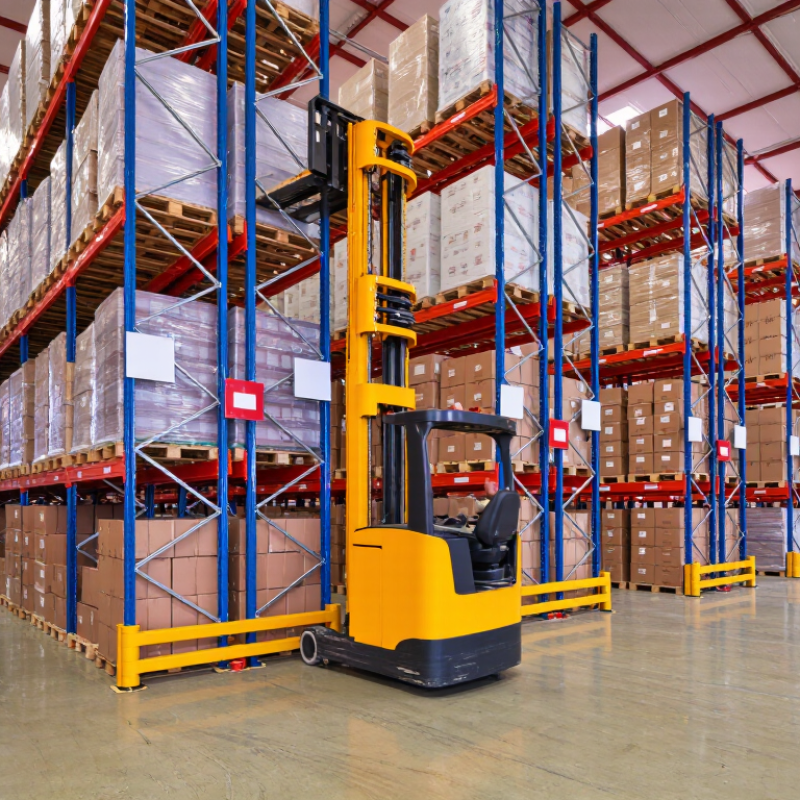
How to Choose the Best Impact Racks for Your Warehouse?

Identify Forklift Impact Hazards Using OSHA 1910.178 Requirements

Choosing impact racks starts with identifying where forklifts can strike them. OSHA 1910.178 requires powered industrial truck operators to be trained and evaluated for the truck and workplace conditions they encounter. Use that requirement as a practical prompt: observe turning points, narrow aisles, dock approaches, and spots where stored loads block sightlines. A chipped upright near a busy corner is a warning, not just a cosmetic flaw.

OSHA also requires trucks to be examined before service, at least daily, and after each shift when used continuously. Unsafe trucks must be removed from service. Pair those inspections with a simple rack-damage log. Record bent columns, loose anchors, and repeated contact marks, noting the aisle and shift. Small clues matter. Ask operators where visibility drops or loads swing during turns; the most obvious hazard on a floor plan may not be the one they face.

Select protection based on the impact path and the rack’s layout, while keeping guards clear of pallet access and inspections. Check that a proposed guard is compatible with the rack system and installation conditions; do not assume one size fits every upright. OSHA 1910.178 does not prescribe a particular rack guard, so treat compliance and rack engineering as related, but distinct, tasks. Risk reviews can miss things. Revisit them after layout changes, near misses, or repeated damage.

Verify Rack Loads and Design Against ANSI MH16.1

Before comparing impact racks, confirm that the rack design and stated capacities align with the applicable edition of ANSI MH16.1. This standard addresses the design, testing, and use of industrial steel storage racks. Ask for engineering documents that identify beam and frame capacities, connection details, bracing, and anchorage requirements. Check that the figures match your actual layout, not just a similar-looking rack. A drawing can look tidy and still carry the wrong assumptions.

Use real operating details when checking the design: pallet weight, load position, beam spacing, rack height, and floor conditions. Keep heavier loads on lower levels when the approved plan allows it, and make sure load signs reflect the engineered capacities. Impact protection matters, too. But guards or reinforced uprights do not automatically prove that a rack can withstand forklift collisions, or replace a capacity review under ANSI MH16.1. That distinction is easy to miss. Ask a qualified rack engineer to review unusual layouts, damaged components, or changes in load. Even a small change in pallet dimensions can shift how loads sit on beams. The paperwork may be imperfect; resolve unclear capacities before installation or use.

Compare Guard Ratings by Impact Energy, Deflection, and Anchor Force

Impact guards should be compared by more than a headline load rating. Impact energy reflects the force a moving vehicle or load may deliver; mass and speed both matter. A slow pallet truck and a faster forklift can create very different impacts. Check what object, speed, and impact angle were used in the test. Without those details, two ratings may not be comparable.

Deflection shows how far a guard bends during impact. A guard that absorbs energy through controlled movement may protect a rack, but it needs enough clearance from stored pallets and walkways. Anchor force matters too. The guard transfers part of the impact into its fixings and concrete floor, so request test data for the actual anchor layout and substrate. Numbers can look reassuring. Context matters.

Picture a forklift clipping a guard at the end of a narrow aisle. If the guard deflects into a pallet, it may shift the load; if anchors pull against weak concrete, the guard may loosen. Review documented test conditions, floor condition, and likely vehicle paths before choosing. No rating captures every aisle perfectly. That uncertainty deserves attention. After installation, inspect guards and anchors for bending, cracks, or movement, and replace or assess damaged components rather than assuming they remain protective.

Check Posted Load Limits and Storage Stability Under OSHA 1910.176(b)

How to Choose the Best Impact Racks for Your Warehouse?

Check Posted Load Limits and Storage Stability Under OSHA 1910.176(b)

Start with the capacity placard on each rack bay. Match its rated load to the actual pallet weight, including packaging. Check whether the rating applies to each beam level or the entire bay. OSHA 1910.176(b) requires stored materials to be stable and secure against sliding or collapse. It does not itself specify rack-capacity placards. Use current ratings supplied or confirmed by a qualified rack professional. A beam change can alter capacity. So can uneven loading. Small details matter.

Inspect uprights, beams, anchors, and floor connections for dents, loose parts, or movement. Look closely at aisle ends, where forklifts may brush the frame. Keep heavier pallets on lower levels, and never exceed posted limits to solve a temporary space problem. The U.S. Bureau of Labor Statistics reported 4.8 recordable injury cases per 100 full-time workers in transportation and warehousing in 2022, compared with 2.7 across private industry. Those figures cover the wider sector, not rack failures alone, but they underline the value of routine checks. Record damage, isolate unsafe bays, and reassess after layout changes. A placard can look reassuring; it may still be outdated.

Assess Rack Compatibility, Inspection Needs, and Lifecycle Cost

How to Choose the Best Impact Racks for Your Warehouse?

Rack compatibility starts with the loads and the space, not the product label. Check pallet width, depth, weight, and how each load sits on the beams. Confirm that frame height, beam connectors, and aisle clearance suit your forklifts and building layout. Fit matters. A rack may look suitable on a drawing but leave too little room for turning or safe pallet placement. Verify floor conditions and anchoring requirements with a qualified rack professional; assumptions about the slab can become costly.

Plan inspections before installation. Record the rack layout, rated capacities, and any manufacturer guidance, then make damage easy to report. Look closely at frame uprights near floor level, beam connections, and areas where forklift contact is likely. Even a small bend deserves review, not a quick guess. Set clear steps for isolating a suspect bay and arranging assessment by trained personnel. Inspection frequency should reflect traffic, incident history, and site conditions.

Compare lifecycle cost, not just purchase price. Include installation, inspections, repairs, replacement parts, and downtime when a damaged bay is unavailable. A modular layout may cost more initially yet adapt better when pallet sizes change. That adds up. Still, forecasts are imperfect: changing inventory can make today’s efficient design awkward later. Keep some flexibility in the layout and review actual damage and repair records each year.

FAQS

Where should a warehouse look for forklift impact hazards?

Check turning points, narrow aisles, dock approaches, and areas with blocked sightlines. A chipped upright near a busy corner matters.

What should operators report during rack checks?

Note bent columns, loose anchors, and repeated contact marks. Record the aisle and shift. Small clues matter.

When should powered trucks be inspected?

Inspect them before service, at least daily, and after each shift during continuous use. Remove unsafe trucks from service.

How can a warehouse choose suitable rack protection?

Match protection to likely impact paths and rack layout. Keep guards clear of pallet access and inspection areas.

What should be checked before installing a rack?

Check pallet dimensions and weight, frame height, beam connections, and aisle clearance. Fit matters. Confirm floor and anchoring needs with a qualified rack professional.

What rack areas need close inspection?

Look at lower uprights, beam connections, and spots where forklifts often make contact. Have trained personnel assess suspected damage.

How should a damaged rack bay be handled?

Set a clear process for isolating a suspect bay and arranging an assessment. A small bend is not a reliable measure of safety.

What costs matter when comparing rack options?

Include installation, inspections, repairs, replacement parts, and downtime. A flexible layout may help when pallet sizes change, though forecasts can be wrong.

When should a warehouse revisit its risk review?

Review it after layout changes, near misses, or repeated damage. Compare repair records each year; the floor plan may miss real turning hazards.

Conclusion

Choosing the best Impact Racks for a warehouse starts with understanding where forklifts are most likely to strike: aisle ends, intersections, loading areas, and rack uprights near travel paths. Use OSHA 1910.178 requirements to guide hazard assessment and help determine where protective measures are needed. Then confirm that the rack design and rated loads suit the goods, equipment, and operating conditions, using ANSI MH16.1 as a reference for rack design and capacity.

Compare guards by how much impact energy they can absorb, how far they may deflect, and the forces transferred to their anchors and floor. Check that load limits are clearly posted and that stored materials remain stable, consistent with OSHA 1910.176(b). Finally, make sure guards fit the rack layout, allow practical inspections, and can be maintained over time. Considering installation, replacement, and upkeep costs helps identify a solution that supports safer, more reliable warehouse operations.

Madeline

Madeline

Madeline is a dedicated marketing professional with a wealth of expertise in our company's core offerings. With a keen understanding of the industry, she brings a unique perspective to her role, consistently delivering high-quality content that highlights the superior aspects of our products. As......