In the rapidly evolving world of logistics, "Pallet Flow Storage" stands out as a game-changing solution. Experts like John Smith, a renowned authority in warehouse optimization, emphasize its significance, stating, "Efficient pallet flow can drastically improve inventory turnover and warehouse efficiency." This insight serves as a cornerstone for 2026's best storage solutions.
Pallet Flow Storage systems allow for dynamic inventory management. They use gravity to move products, promoting a first-in-first-out (FIFO) approach. As companies look for ways to maximize space and reduce operational costs, the importance of effective storage solutions cannot be overstated. However, not every solution fits all needs. Selection should consider specific warehouse layouts and product types.
Though many companies have successfully implemented Pallet Flow Storage, some face challenges. Issues like uneven product flow and maintenance can arise. Reflecting on these problems encourages deeper analysis. It’s vital for businesses to weigh the pros and cons. Only through careful consideration can organizations identify the best solutions tailored to their requirements.
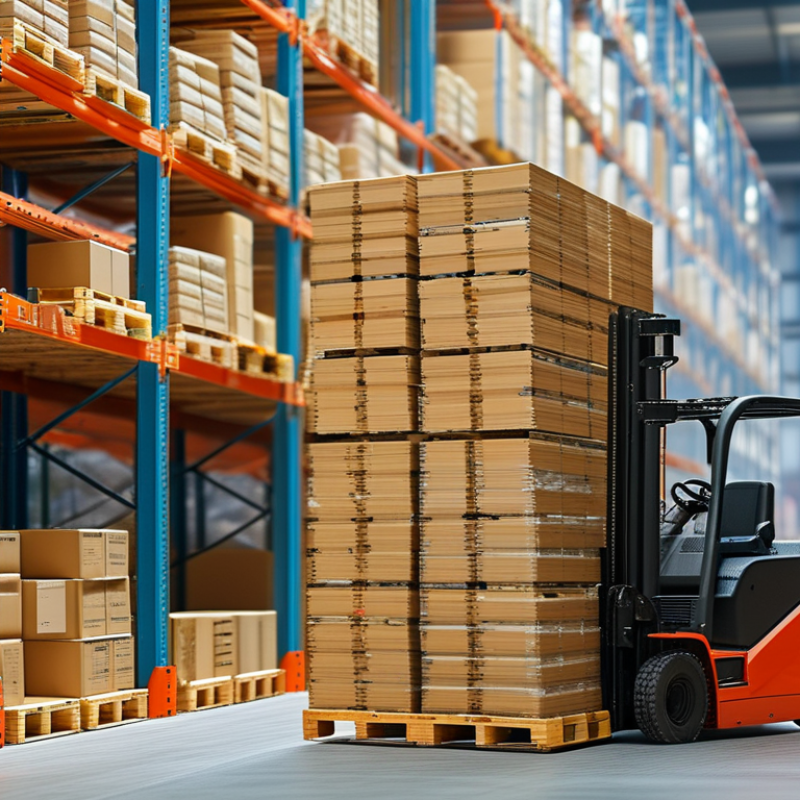
Pallet flow storage systems are gaining traction globally, especially in high-density environments. These systems use inclined tracks that allow pallets to flow automatically. As per a report by the Warehousing Education and Research Council, efficient pallet flow systems can increase storage capacity by 30% to 50%. This efficiency is critical as businesses seek to optimize their warehouse space amid rising logistics costs.
The appeal of pallet flow systems lies in their ability to enhance inventory management. With a first-in-first-out (FIFO) mechanism, these systems ensure that older stock is used first, reducing waste. Research indicates that effective inventory control can decrease holding costs by up to 40%. However, implementing these systems can be challenging. Companies need to consider factors such as aisle width and load capacity. Improper planning can lead to inefficiencies, making retraining staff essential.
Another important aspect is the maintenance of these systems. Regular checks and balances are crucial. A study highlighted that 25% of storage solutions fail due to neglect. This suggests that investing in training and maintenance programs can prevent significant issues down the line. Even with advanced systems, human error can contribute to inefficiencies. Continuous improvement is necessary for optimal performance in dynamic warehouse environments.
| Storage System Type | Max Load Capacity (kg) | Dimensions (LxWxH in m) | Products Compatible | Ideal Applications | Estimated Cost (USD) |
|---|---|---|---|---|---|
| Gravity Flow Rack | 1500 | 2.0 x 1.0 x 1.5 | Standard pallets | Distribution centers | 1200 |
| Dynamic Pallet Flow | 2000 | 2.5 x 1.2 x 1.8 | Various pallet sizes | Cold storage | 2500 |
| FIFO Rack System | 1800 | 2.0 x 1.5 x 2.0 | Pallets, cartons | Retail storage | 1500 |
| Drive-In Rack | 3000 | 3.0 x 1.2 x 2.5 | Homogeneous products | Bulk storage | 3500 |
| Push-Back Rack | 1500 | 2.5 x 1.0 x 2.0 | Standard pallets | Warehouse storage | 2000 |
: They optimize space utilization and boost warehouse productivity significantly.
It facilitates first-in, first-out (FIFO) handling, reducing stock obsolescence for perishable goods.
Items flow from back to front, making retrieval easier and faster for operators.
Regular training leads to smoother operations and reduces the risk of accidents.
Systems must be versatile to handle different sizes and weights to prevent inefficiencies.
Regular maintenance is essential to avoid costly downtimes and ensure safety.
The size of the facility significantly influences the choice of system design.
Proper operator guidance is crucial to reduce workplace accidents.
Over 60% struggle with product variation, which can lead to inefficiencies.
Adjusting the flow rate of pallets is important to respond effectively to demand fluctuations.
Pallet Flow Storage systems are an efficient solution for managing inventory in warehouses, allowing for high-density storage and easy access to products. These systems utilize a gravity-driven mechanism where pallets are placed on inclined tracks, enabling items to flow automatically to the picking station. The key benefits of implementing Pallet Flow Storage include improved space utilization, reduced picking times, and enhanced inventory control, making them ideal for high-turnover environments.
When selecting Pallet Flow systems, it is important to consider factors such as storage capacity, product dimensions, and the specific needs of the operation. Additionally, staying informed about future trends in Pallet Flow Storage technology, such as increased automation and integration with warehouse management systems, can help businesses remain competitive. By understanding these elements, global buyers can make informed decisions that maximize efficiency and streamline their supply chain operations.

 Lijin Racking