In the industrial sector, optimal organization is essential. Heavy duty storage solutions are key to maximizing warehouse efficiency. Many businesses face challenges with space management, inventory accessibility, and durability. Selecting the right storage can vastly improve these aspects.
Heavy duty storage systems come in various forms. Racks, shelving units, and bins are common solutions. They are designed to withstand significant weight and wear. Investing in quality products saves money in the long run. However, not all solutions fit every warehouse. Understanding specific needs is vital.
Considerations like space, weight capacity, and accessibility should guide your choices. There’s a fine line between cost and durability. Overlooking these factors can lead to inadequate storage. It's important to evaluate and refine your storage strategy regularly. The right heavy duty storage can boost productivity and enhance safety in warehouses. Evaluate your options critically to find the best fit.
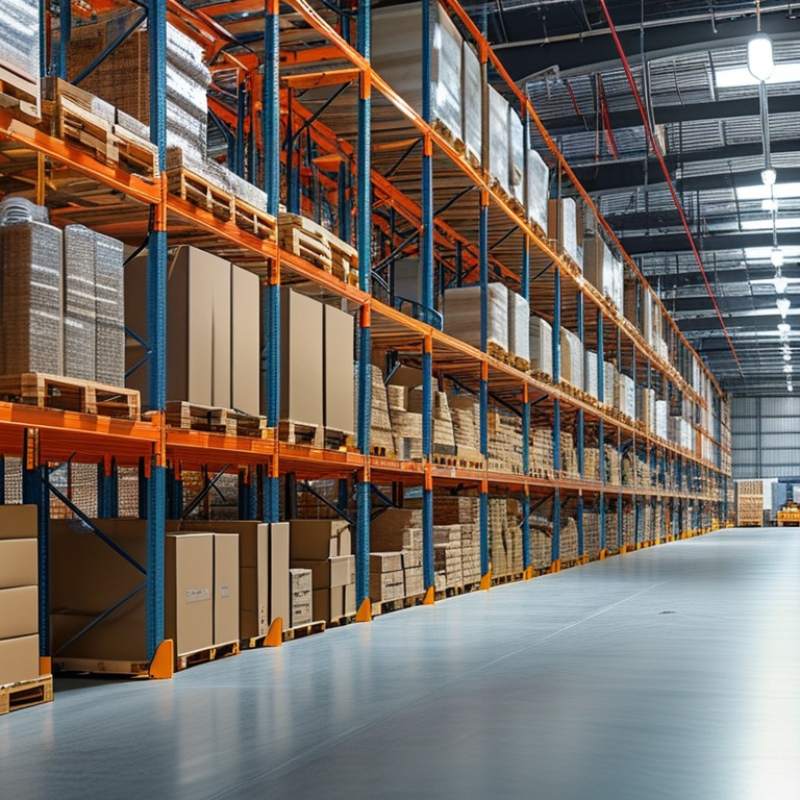
When selecting heavy-duty storage solutions for warehouses, consider essential features that enhance efficiency and durability. Sturdy materials like steel are crucial. They offer strength and longevity, allowing racks and shelves to support heavy loads. Adjustable shelving is also valuable. It provides flexibility, accommodating different sizes of products and optimizing space.
Safety is paramount. Features such as safety pins and locking mechanisms prevent accidents. Make sure to choose solutions that comply with safety regulations. Additionally, the ease of installation is important. Complicated setups can delay operations and frustrate staff. Look for systems that are user-friendly and require minimal tools for assembly.
Lastly, think about accessibility. Items should be easy to retrieve, reducing time spent searching. Consider adding guided paths for forklifts or pallet jacks. Reflect on your current storage practices. Are they efficient enough? Regularly reevaluate your setup to improve functionality. Heavy-duty storage solutions should adapt to your warehouse's evolving needs.
When it comes to heavy-duty storage systems, racks, shelves, and containers play vital roles in warehouse efficiency. Racks are essential for maximizing vertical space. They allow for organized storage of bulky items. Shelving units can adapt to different products. They offer flexibility and can easily accommodate various sizes.
Containers serve as a reliable way to keep smaller items organized. They help to protect goods from damage. Using clear containers can improve visibility. Consider labeling your containers for quick identification. This small step can save time during inventory checks.
Tips: Regularly assess your storage needs. This can help avoid clutter. Consider the weight and size of items when selecting racks and shelves. Always ensure that your storage system complies with safety regulations. Proper installation and weight distribution are critical for preventing accidents. Make safety a priority in your warehouse design.
When evaluating storage solutions for warehouses, load capacity and durability are key factors. According to recent studies, proper assessment of weight tolerance is crucial. Heavy-duty shelving, for example, can sustain upwards of 2,000 pounds per shelf. This capacity allows for efficient use of vertical space but requires careful planning.
Material choice significantly impacts durability. Metal structures tend to outlast plastic in high-stress environments, especially where heavy items are stored. A report from the Material Handling Industry indicates that over 65% of warehouse accidents stem from equipment failure. Regular inspections can uncover deterioration and prevent costly mishaps.
In addition to weight limits, consider the potential for expansion. As businesses grow, storage needs shift. A flexible layout supports both immediate demands and future requirements. Flexibility may mean periodic reassessment of equipment and practices, highlighting the necessity for continuous improvement. This ongoing evaluation also reinforces the importance of employee training in handling loaded equipment effectively.
Optimizing warehouse space is essential for improving efficiency and productivity. According to a report by the Warehousing Education and Research Council (WERC), warehouses can face up to a 30% space shortage due to poor storage management. Implementing strategic storage solutions can help alleviate this issue. Using vertical space is one effective method. Installing tall racks can maximize cubic storage, allowing for more items without expanding the warehouse footprint.
Maintaining heavy-duty storage systems is crucial for efficiency and safety in warehouses. According to a recent report from the Warehousing Education and Research Council, over 70% of warehouses experience issues due to improper maintenance. Regular inspections can help identify problems early. It is vital to check for wear, rust, and structural integrity.
Proper usage is also essential. Operators must be trained to avoid overloading storage units. A study showed that 60% of storage failures are linked to exceeding weight limits. Employees should follow guidelines strictly. Implementing a simple logging system for weight checks can reduce risks significantly.
Cleaning is another key factor. Dusty and cluttered environments decrease the lifespan of your storage systems. A clean workspace promotes safety and efficiency. Guidelines suggest routine cleaning schedules. Regular lubrication of moving parts can also prolong the life of mechanical systems. Neglecting these practices often leads to costly repairs and disruptions.
| Storage Solution | Weight Capacity | Material | Dimensions (L x W x H) | Maintenance Tips |
|---|---|---|---|---|
| Industrial Shelving Unit | 3000 lbs | Steel | 72 x 30 x 84 inches | Regularly check for rust; clean with mild detergent. |
| Heavy-Duty Pallet Racks | 5000 lbs per shelf | Powder-coated steel | 96 x 48 x 144 inches | Inspect for warping; ensure load is evenly distributed. |
| Storage Bins | 1000 lbs | Polyethylene | 24 x 18 x 12 inches | Avoid exposure to extreme heat; clean with soap and water. |
| Modular Drawer Systems | 2000 lbs | Steel | 36 x 24 x 30 inches | Lubricate sliding mechanisms; organize contents regularly. |
| Metal Lockers | 800 lbs | Steel | 18 x 18 x 72 inches | Check locks function; clean surfaces to prevent corrosion. |
: Sturdy materials like steel are ideal. They provide strength and longevity for heavy loads.
Adjustable shelving offers flexibility. It can accommodate various product sizes and optimize space.
Use safety pins and locking mechanisms. These features help prevent accidents.
Ease of installation is critical. Complicated setups can delay operations and frustrate staff.
Utilize vertical space by installing tall racks. This maximizes cubic storage without expanding the warehouse.
Audits help identify underutilized areas. Nearly 50% of warehouse space can be wasted without proper checks.
Over 70% of warehouses face problems due to improper maintenance. Regular inspections are vital.
Operators need training and should follow strict guidelines to prevent excessive weight.
Routine cleaning keeps the workspace tidy. A clean environment enhances safety and prolongs equipment life.
Neglect often leads to costly repairs and disruptions. Regular maintenance can prevent these issues.
Effective heavy duty storage solutions are crucial for optimizing warehouse operations. These storage systems encompass a variety of options, including racks, shelves, and containers, each designed to meet specific storage needs. Key features to consider when selecting heavy duty storage solutions include load capacity, durability, and space optimization. Evaluating these factors ensures that the chosen equipment can withstand the demands of your inventory.
To maximize warehouse space, strategic storage solutions should be employed, allowing for efficient organization and accessibility. Regular maintenance is also essential for prolonging the lifespan of heavy duty storage systems, ensuring they remain effective over time. By carefully assessing these elements, warehouses can achieve a more streamlined and organized storage environment, ultimately enhancing productivity and safety.

Lijin Racking