Choosing the right Steel Containers in 2026 requires more than comparing prices and exterior dimensions. Global buyers must examine material grade, weld quality, door performance, corrosion protection, and verified load capacity. A container may look strong at a port, yet fail after months beside saltwater. Small details matter.
Marc Levinson, economic historian and author of The Box, wrote, “The container made the global economy possible.” His observation still reflects modern trade. Steel Containers connect factories, warehouses, rail networks, and shipping terminals across demanding environments. However, no single design fits every buyer. A food-grade unit needs different safeguards from a storage container for machinery. Export projects also require attention to ISO dimensions, CSC certification, ventilation, drainage, and local inspection requirements.
This guide compares practical options for international procurement. It considers carbon steel and weathering steel, new and refurbished units, standard and customized models, and their long-term maintenance needs. Buyers should request mill certificates, inspection records, coating specifications, and clear warranty terms. Those documents often reveal more than glossy product images.
There is no perfect container.
Even experienced purchasers can underestimate inland transport costs, condensation, or repair delays. My own review process would weigh total ownership cost, not only the factory quotation. That approach is less exciting, but usually more reliable. The best Steel Containers balance structural strength, compliance, service support, and realistic operating conditions. They should protect cargo today and remain manageable after years of handling.
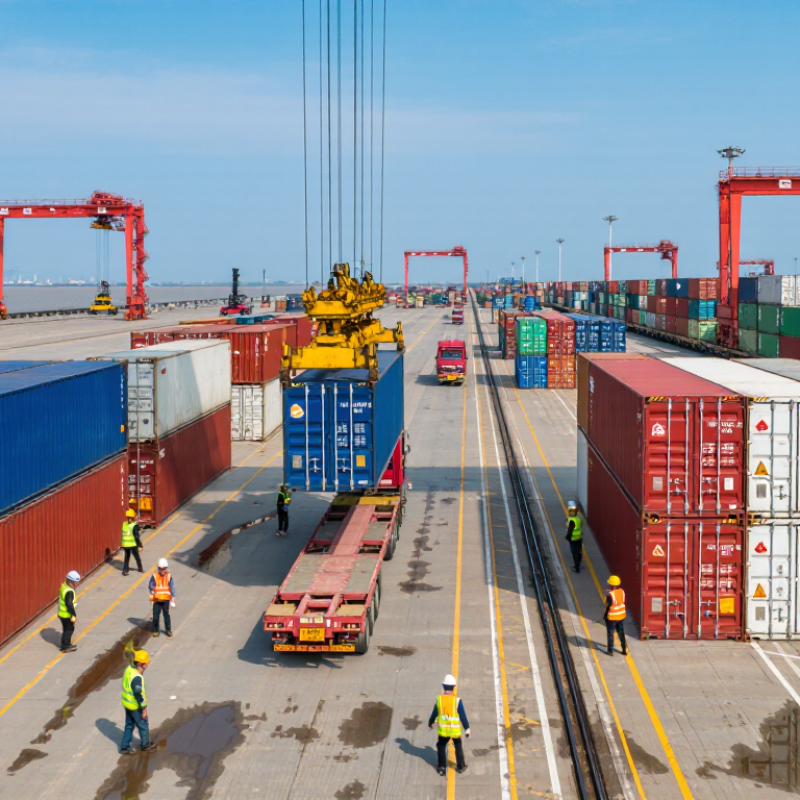
Steel Container Types and Their Core Applications
2026 Best Steel Containers for Global Buyers
Steel Container Types and Their Core Applications
Choosing a steel container starts with the cargo, not the paint or exterior finish. Standard dry containers suit boxed goods, machinery, furniture, and palletized materials. Their enclosed walls protect cargo from rain, dust, and rough handling during ocean and inland transport. Common lengths include 20 and 40 feet, while high-cube versions provide extra internal height.
Open-top containers work better for heavy cargo loaded by crane, such as stone blocks, industrial equipment, and timber. Flat-rack containers support oversized machinery when side walls would restrict loading. Tank containers are designed for approved liquids and require verified materials, pressure ratings, inspections, and trained handling. Refrigerated steel containers protect temperature-sensitive goods, but their cooling systems need regular testing and reliable power.
In practical inspections, floor condition often reveals more than surface appearance. I check door seals, corner castings, locking bars, welds, and hidden corrosion before recommending a unit. ISO-aligned dimensions can simplify transfer between ships, rail systems, and trucks. Still, standards do not remove every risk. A container suitable for dry cartons may fail badly with concentrated machinery weight. Weight distribution matters.
Buyers should confirm payload, internal dimensions, ventilation needs, coating requirements, and local transport limits. A corrosion-resistant finish helps in humid coastal routes, but it is not a permanent solution. Measure twice. Document every inspection. Some specifications look convincing on paper, yet field conditions may expose weaknesses.
Key Materials, Sizes, and Structural Specifications
2026 Best Steel Containers for Global Buyers
Key Materials, Sizes, and Structural Specifications
Steel selection affects service life, weight, and maintenance. Weathering steel offers strong corrosion resistance for demanding outdoor conditions. Galvanized steel adds protective zinc coverage where moisture is persistent. Stainless steel suits specialized environments, but its higher cost requires careful justification. Check the mill certificate, coating thickness, weld quality, and surface condition before purchase.
Common container lengths include 10, 20, and 40 feet. A 20-foot unit often balances capacity, handling, and transport efficiency. Confirm external and internal dimensions separately. Door openings, corner clearances, and floor height can change usable space. Payload ratings also need attention. Tare weight, maximum gross weight, and floor load should appear on verified technical documents.
Structural strength depends on more than thick walls. Inspect corner posts, top and bottom rails, cross members, roof sheets, and locking bars. Corrugated panels resist impact better than flat sheets. Marine-grade plywood floors can support heavy loads when properly treated. Still, no specification sheet tells the whole story. I have seen apparently sound units with poor weld finishing and hidden floor damage. Independent inspection, photographs, and load-test records reduce that risk. Buyers should also confirm local handling, stacking, and certification requirements before shipment. Real conditions are rarely perfect.
Performance Standards for International Shipping
Global steel containers must perform beyond a warehouse floor. They face salt spray, crane shocks, uneven roads, and repeated lifting. UNCTAD’s Review of Maritime Transport 2024 notes that more than 80% of global merchandise trade by volume moves by sea. That exposure makes structural reliability a commercial requirement, not a cosmetic feature.
Select units against ISO 668 dimensions and ISO 1496 performance tests. Check the CSC safety approval plate before loading. It records maximum gross mass, stacking limits, and inspection details. The door frame should close evenly, without binding. Floor boards need resistance to concentrated wheel loads, while corner fittings must support secure lifting. A small deformation can become a serious alignment problem after several voyages. Drainage matters too. Standing water accelerates corrosion inside hidden seams.
Real-world selection still needs judgment. A high-strength container may reduce damage, but its tare weight can lower usable payload. The World Bank’s Logistics Performance Index 2023 highlights timeliness, tracking, and shipment quality as core logistics factors. Container condition affects all three. Do not trust paint alone. Inspect welds, locking bars, roof panels, and previous repair marks. Some assessments remain imperfect because inspection happens under time pressure. Recheck assumptions for cold routes, humid ports, and long storage periods. The cheapest unit may quietly create higher handling and maintenance costs. Performance should be verified against the cargo, route, and inspection history.
2026 Best Steel Containers for Global Buyers - Performance Standards for International Shipping
| Container Type |
External Dimensions
(L × W × H) |
Internal Dimensions
(L × W × H) |
Door Opening
(W × H) |
Internal Volume |
Typical Tare
Weight |
Maximum Gross
Mass |
Approximate
Payload |
International Performance and Compliance Criteria |
| 20-Foot General Purpose Steel Container |
6,058 × 2,438 × 2,591 mm |
5,898 × 2,352 × 2,393 mm |
2,340 × 2,280 mm |
33.2 m³ |
2,200–2,400 kg |
30,480 kg |
28,080–28,280 kg |
ISO 668 dimensional compatibility; ISO 1496-1 structural testing; valid CSC safety approval for international sea transport; corner fittings compatible with standard lifting and securing equipment. |
| 40-Foot General Purpose Steel Container |
12,192 × 2,438 × 2,591 mm |
12,032 × 2,352 × 2,393 mm |
2,340 × 2,280 mm |
67.7 m³ |
3,700–4,000 kg |
30,480 kg |
26,480–26,780 kg |
Designed to ISO 668 dimensional limits and ISO 1496-1 strength requirements; CSC plate required for international interchange; suitable for standard twist-locks, lashing bars, and ship cell guides. |
| 40-Foot High Cube Steel Container |
12,192 × 2,438 × 2,896 mm |
12,032 × 2,352 × 2,698 mm |
2,340 × 2,585 mm |
76.4 m³ |
3,800–4,200 kg |
30,480 kg |
26,280–26,680 kg |
One-foot additional internal height compared with a standard 40-foot unit; ISO 668 profile; ISO 1496-1 structural performance; CSC safety approval required for international shipping. |
| 20-Foot Open Top Steel Container |
6,058 × 2,438 × 2,591 mm |
5,898 × 2,352 × approximately 2,350 mm |
2,340 × 2,280 mm |
Approximately 32.6 m³ |
2,350–2,650 kg |
30,480 kg |
27,830–28,130 kg |
Removable roof system for top-loading cargo; lashing points and door-end structure should meet the applicable ISO 1496-1 requirements; CSC approval required when used in international transport. |
| 40-Foot Open Top Steel Container |
12,192 × 2,438 × 2,591 mm |
12,032 × 2,352 × approximately 2,350 mm |
2,340 × 2,280 mm |
Approximately 66.8 m³ |
3,900–4,300 kg |
30,480 kg |
26,180–26,580 kg |
Suitable for high or bulky cargo loaded by crane; cargo must be secured within the permitted loading envelope; verify route, vessel, and terminal acceptance before booking. |
| 20-Foot Flat Rack Steel Container |
6,058 × 2,438 × 2,591 mm |
Deck length approximately 5,638 mm |
Not applicable |
Not enclosed |
2,500–3,000 kg |
Typically 30,480 kg |
27,480–27,980 kg |
For oversized or heavy cargo; lashing points, end walls, and payload ratings vary by design; use certified cargo-securing calculations and confirm the approved transport configuration. |
| 40-Foot Flat Rack Steel Container |
12,192 × 2,438 × 2,591 mm |
Deck length approximately 11,652 mm |
Not applicable |
Not enclosed |
5,000–6,000 kg |
Typically 30,480 kg |
24,480–25,480 kg |
Designed for project cargo and out-of-gauge shipments; concentrated loads may require load-spreading beams; verify lashing capacity, axle limits, route clearance, and carrier acceptance. |
Dimensions and weights are representative ISO container values and normal manufacturing ranges; actual figures must be confirmed on the individual container data plate. International units should carry a valid Convention for Safe Containers (CSC) safety approval plate, and cargo securing should follow the applicable carrier, vessel, port, and national requirements. Maximum payload is calculated approximately as maximum gross mass minus tare weight and may be lower because of road, rail, vessel, or cargo restrictions.
How to Compare Suppliers, Prices, and Customization Options
For global buyers, comparing steel container suppliers starts with a clear use case. A shipping unit needs verified dimensions, door hardware, floor loading, and recognized transport certification. A storage unit may need ventilation, insulation, lifting points, or extra locks. Ask each supplier for drawings, steel grade, coating system, weld photographs, and inspection records. Experience has taught me that attractive product images prove very little. Request a sample inspection or an independent pre-shipment check.
Price comparison works only when every quote uses the same specification. Separate steel, fabrication, paint, customization, packing, inland delivery, ocean freight, duties, and installation. Confirm whether prices use EXW, FOB, CIF, or another documented term. Check minimum order quantities, production time, payment milestones, and warranty coverage. A low quote can hide thin panels, basic coatings, or costly modifications. It may still be suitable, but only after testing the trade-off. I have seen buyers compare totals while missing port charges and lifting equipment.
Customization should be measured against function, not decoration. Ask for load calculations when adding shelves, partitions, ramps, or openings. Confirm tolerances, drainage, corrosion protection, and replacement-part availability. Suppliers should explain quality controls and provide traceable material documents. For international delivery, verify packaging, labeling, customs paperwork, and destination safety rules. Keep approval drawings signed before production. Check twice. My own comparison process still needs revision when weather, exchange rates, or port delays change the final cost. Leave room for inspection, realistic contingencies, and a second technical review.
2026 Best Steel Containers for Global Buyers
Compare indicative new-container prices and typical customization budgets before requesting supplier quotations.
Prices are indicative 2026 buyer-planning benchmarks in USD per unit. Final costs vary by steel grade,
certification, port location, freight, order quantity, coating system, insulation, doors, ventilation,
electrical work, and other customization requirements.
Import, Inspection, and Maintenance Considerations for Global Buyers
2026 Best Steel Containers for Global Buyers
Import decisions begin before the container leaves the factory. Confirm steel grade, wall thickness, internal dimensions, door alignment, and maximum load with the supplier. Request drawings, production photos, and a packing list. Small measurement errors can disrupt warehouse handling. Check destination-country requirements, labeling rules, and permitted materials before booking shipment. A container suitable for one route may fail another route’s weather or handling conditions.
Inspection should cover welds, corner castings, hinges, locks, seals, and floor condition. Look for uneven weld beads, fresh paint over rust, and doors that close without force. A third-party inspection can compare measurements against the purchase contract. Do not rely only on photographs. They can hide floor damage and weak underside areas. A perfect checklist does not exist. However, recording serial numbers, inspection dates, and photographs creates traceable evidence when problems appear.
Tips: Keep containers raised from standing water. Wash salt deposits after coastal transport. Lubricate hinges and locking parts with suitable maintenance products. Inspect roof seams after heavy rain. Repair surface rust early, but avoid covering corrosion before assessing its depth. Maintain a simple log with dates, locations, and corrective actions. This routine seems basic, yet busy teams often skip it. That mistake becomes expensive.
FAQS
Weather-resistant steel handles demanding outdoor conditions. Galvanized steel helps where moisture persists. Stainless steel suits specialized environments, but costs more. Check certificates, coating thickness, weld quality, and surface condition. Material choice is not automatic.
Common lengths include 10, 20, and 40 feet. A 20-foot unit often balances capacity, handling, and transport efficiency. Confirm external and internal dimensions separately. Door openings and floor height can reduce usable space. Measure twice.
Examine corner posts, top rails, bottom rails, cross members, roof sheets, and locking bars. Corrugated panels usually resist impacts better than flat sheets. Check the underside for hidden floor damage. Thick walls alone prove little.
Choose units meeting recognized international dimensions and performance requirements. Check the safety approval plate before loading. It lists maximum gross mass, stacking limits, and inspection details. Test door alignment and corner fittings. Small deformations can cause trouble later.
Request the mill certificate, technical drawings, production photographs, packing list, and verified load data. Confirm tare weight, maximum gross weight, and floor load. Documents reduce confusion. They do not reveal every defect.
Inspect welds, corner fittings, hinges, locks, seals, roof panels, and floor boards. Look for uneven weld beads and fresh paint over rust. Compare measurements with the purchase contract. Record serial numbers, dates, and photographs. No checklist catches everything.
Keep it raised above standing water. Wash salt deposits after coastal transport. Lubricate hinges and locking parts with suitable maintenance products. Inspect roof seams after heavy rain. Assess rust depth before repainting. Maintain a simple repair log.
Compare cargo weight, wheel loads, climate, storage time, and handling equipment. Cold routes and humid ports create different risks. A stronger unit may weigh more and reduce payload. The cheapest option may create higher maintenance costs. Recheck assumptions.
Conclusion
For global buyers, choosing the right Steel Containers requires a clear understanding of container types and their intended applications. Standard dry containers, open-top models, flat racks, insulated units, and liquid-ready designs each serve different cargo and handling needs. Buyers should evaluate material grades, corrosion protection, load capacity, internal dimensions, door configuration, floor construction, and available sizes to ensure the container matches operational requirements.
International shipping performance also depends on structural integrity, weather resistance, safe stacking capability, and compliance with recognized transport and inspection standards. When comparing suppliers, consider total cost rather than price alone, including customization, testing, delivery, documentation, and after-sales support. Importers should verify specifications, inspection records, markings, and required paperwork before shipment. Regular maintenance—such as cleaning, rust prevention, seal checks, and prompt repair of damage—can extend service life, improve cargo protection, and reduce long-term ownership costs.

 Lijin Racking